Biography
Mikey Dread: The Sound Engineer Who Revolutionized Reggae
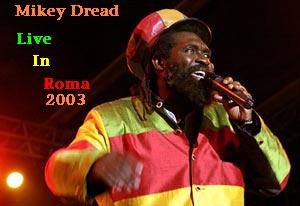
Kingston, late 1970s. In the legendary studios of King Tubby, a young sound engineer prepares to transform a simple jingle into a historic track. Michael Campbell, known as Mikey Dread, does not yet know that his voice will become the most recognizable in Jamaican dub.
In Brief
| Full Name | Michael George Campbell |
| Birth | June 4, 1954, Port Antonio, Jamaica |
| Death | March 15, 2008, Stamford (Connecticut), United States |
| Field | Reggae, dub, toasting — producer and DJ |
Key Dates
| Year | Event |
|---|---|
| 1954 | Birth in Port Antonio, eldest of five children |
| 1976-1978 | Engineer at JBC; creation of the show Dread at the Controls |
| 1978-1979 | Resignation from JBC; Treasure Isle studio with Carlton Patterson; founding of the DATC label |
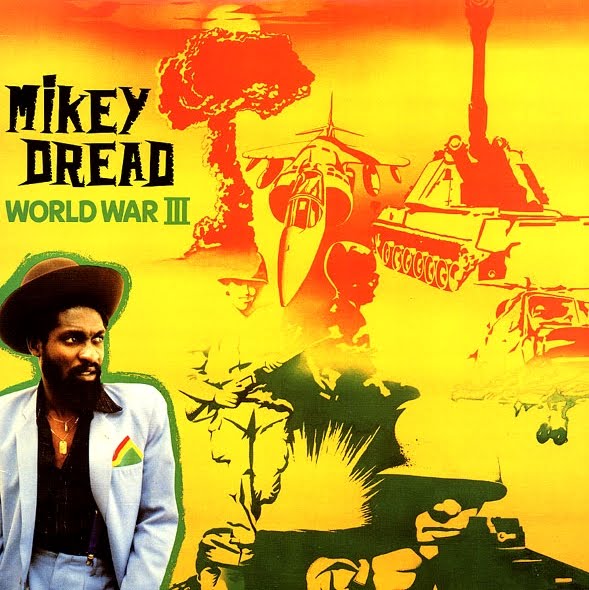
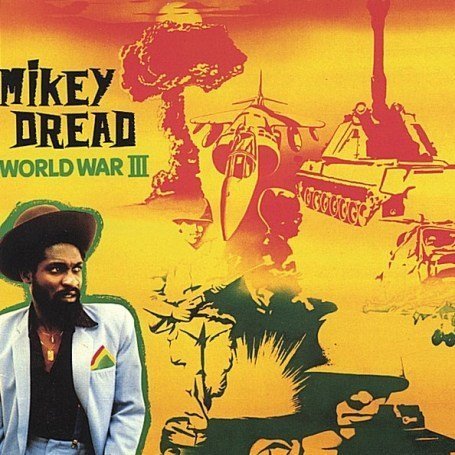
| 1979-1980 | First albums and World War III; meeting with The Clash |
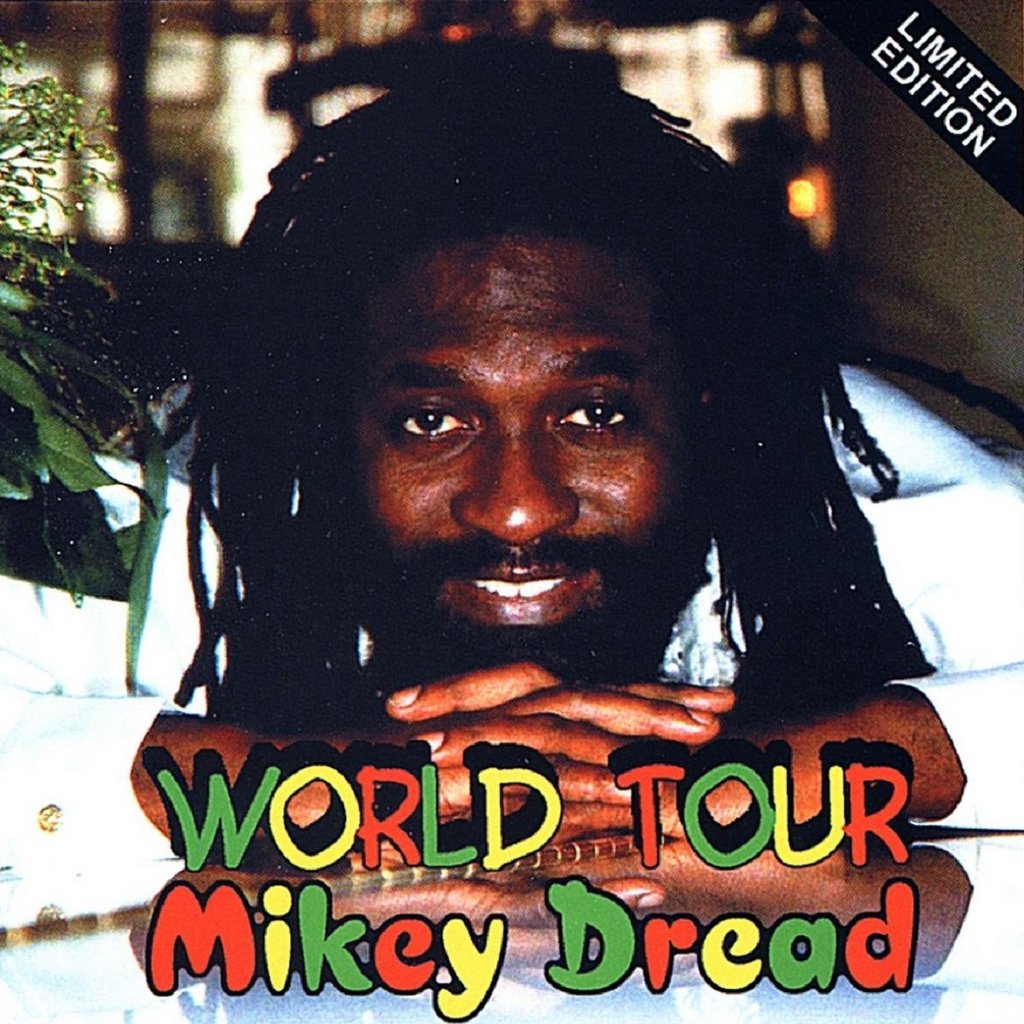
| 1980-1982 | World tour, UB40, narration of Deep Roots Music (Channel 4) |
| 1983-1987 | TV show Rockers Roadshow; relocation to Connecticut |
| 2008 | Death from a brain tumor; buried in Jamaica |
The Pioneer of Waves and Dub
Michael George Campbell was born on June 4, 1954, in Port Antonio, on the northeast coast of the island. From childhood, he showed a natural talent for electronics and technique. As an adolescent, he hosted the radio station at his high school — Titchfield High School was then the only school in Jamaica to hold a broadcasting license — and performed on stage with the Safari and Sound of Music sound systems.
He studied electrical engineering at the College of Arts, Science and Technology in Kingston. In 1976, he joined the JBC as an engineer for the public institution. What he discovered shocked him: despite the explosion of reggae on the island, programming was saturated with foreign pop imported from the United States. Racial prejudice motivated his ambition: at the time, as he explained in an interview reported by Caribbean Beat, « because in Jamaica, there was a lot of prejudism (sic) due to how black your skin is. So that force man like me, who is well black, to really excel inna whatever I-man doing in terms of academics. »
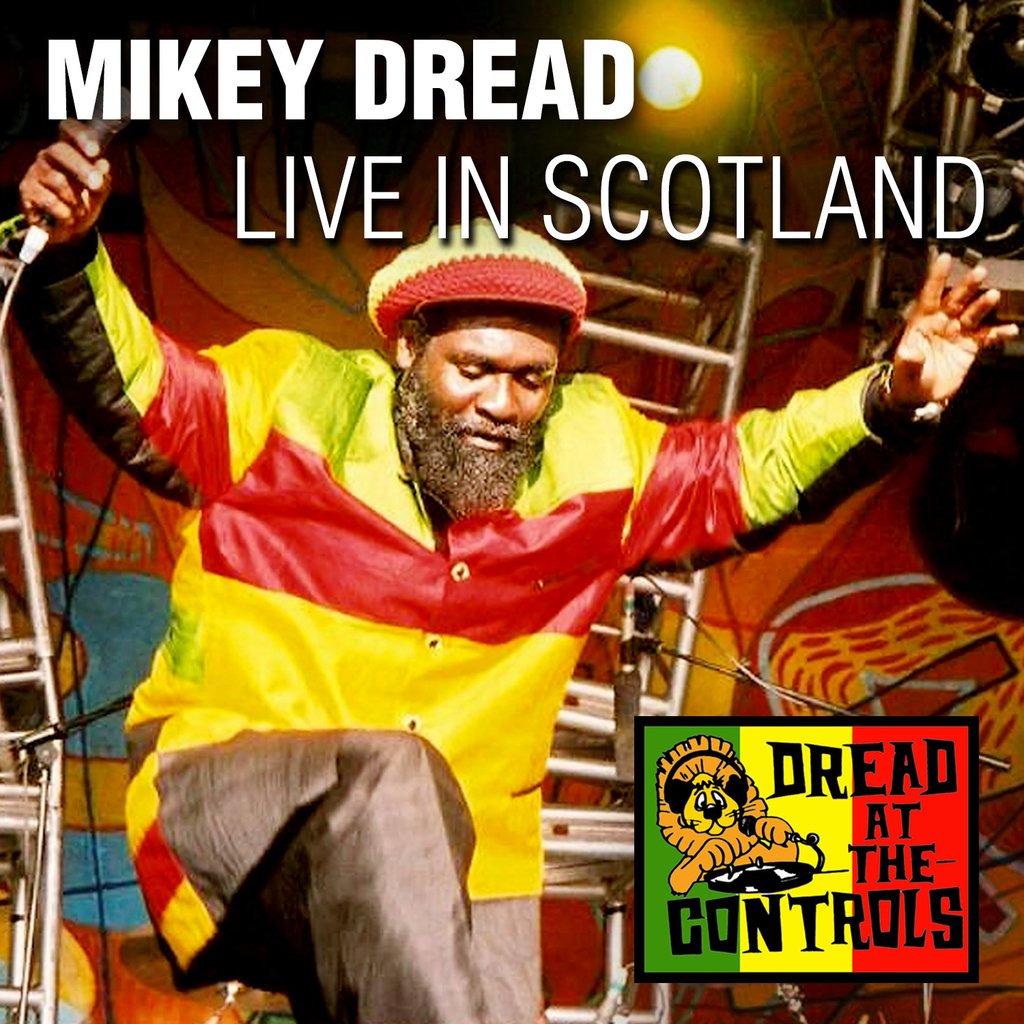
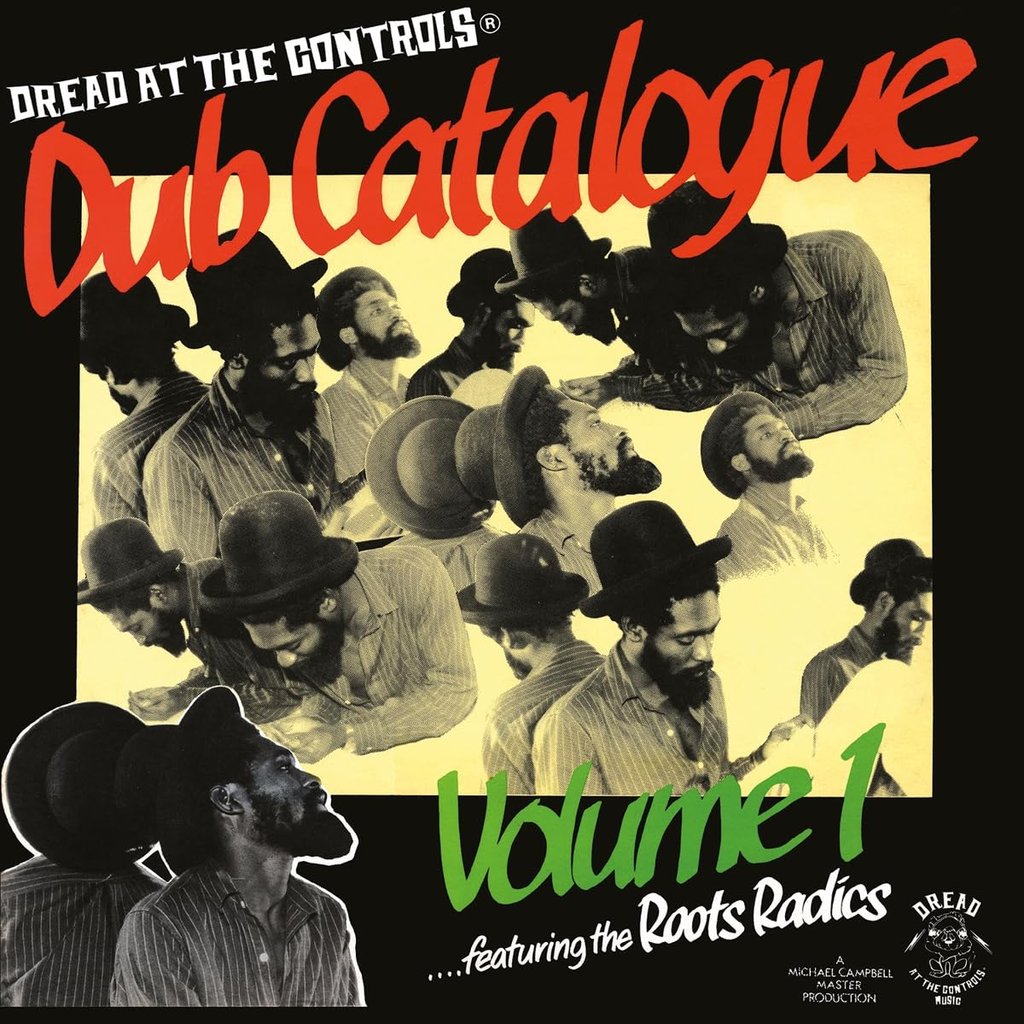
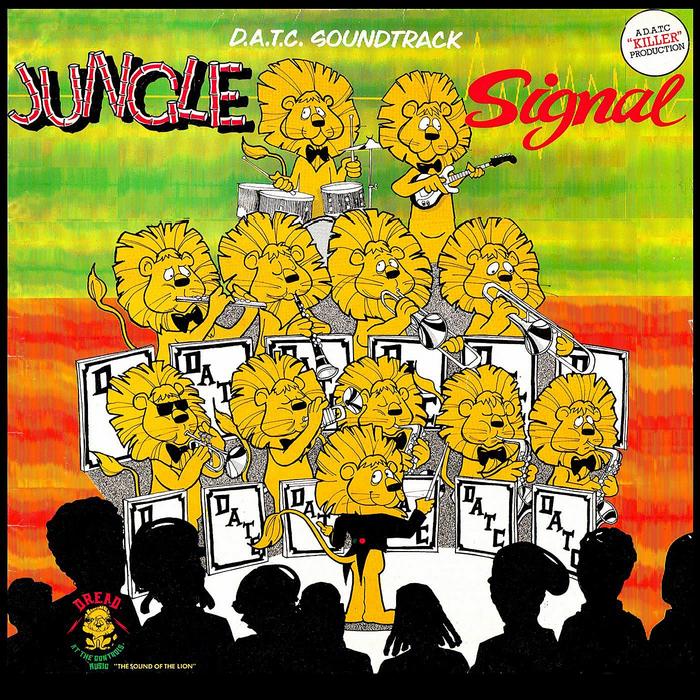
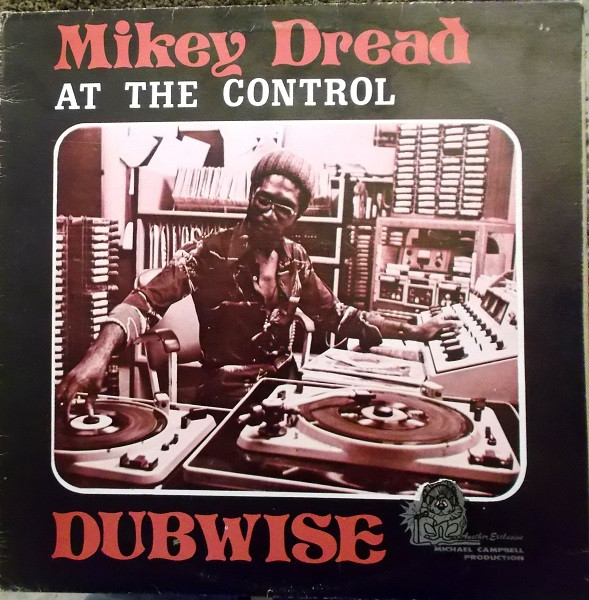
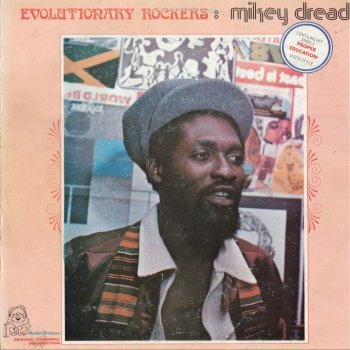
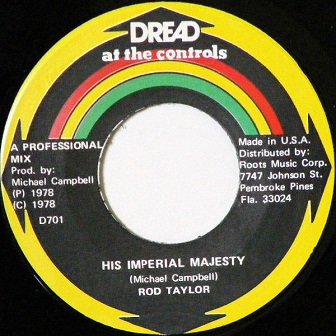
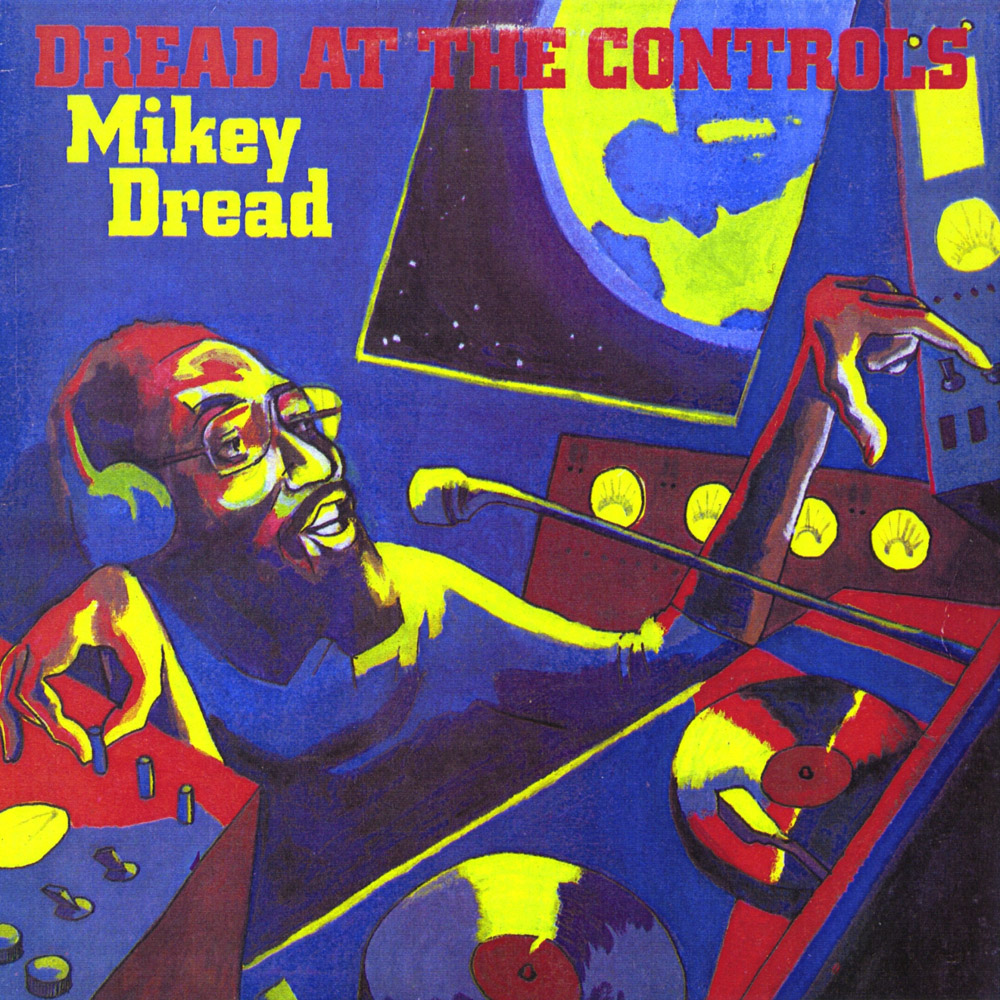
Frustration took over: Campbell persuaded his management to assign him a show dedicated to Jamaican music. The station agreed, and the show Dread at the Controls was born — four hours of pure reggae, six nights a week. The usual presenters spoke little; Campbell innovated by inserting jingles and inventive sound effects, recorded at King Tubby’s studio. The program became the most listened-to show on the JBC and went around the island.
King Tubby, the master of dub remixing, became a crucial mentor. In 1977, Campbell visited him to cut a jingle on the riddim « Psalm of Dub ». Tubby persuaded him to expand the exercise into a real track. The title, « Love the Dread », became the first single on the DATC label — created simultaneously. It reached seventh place in the Jamaican charts. The name Mikey Dread was born: he would not wear his dreadlocks until years later.
His reputation grew, and he recorded for the greatest producers: Lee « Scratch » Perry produced his signature track, and he also signed with Sonia Pottinger and Joe Gibbs. The JBC curators could no longer tolerate his show; he resigned in 1978 and joined the Treasure Isle studio. There began a fruitful collaboration with producer Carlton Patterson. Together, they produced « Barber Saloon », a local sensation, and co-produced the majority of the label’s releases.
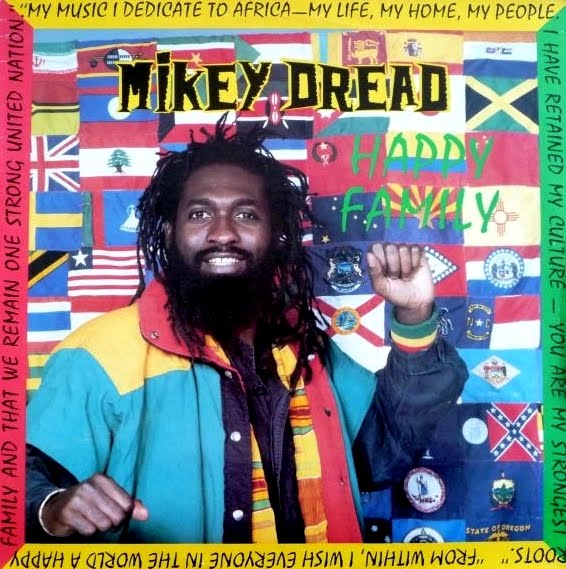
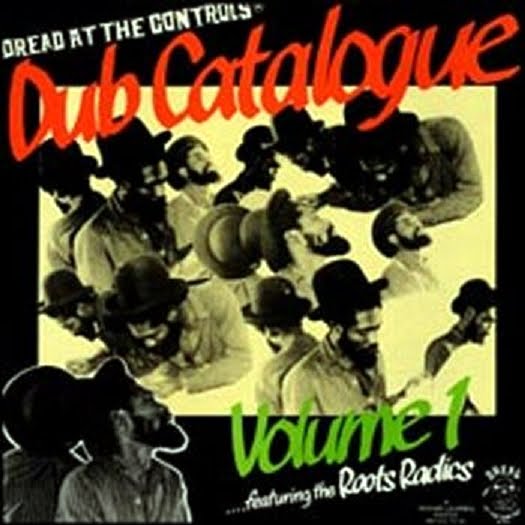
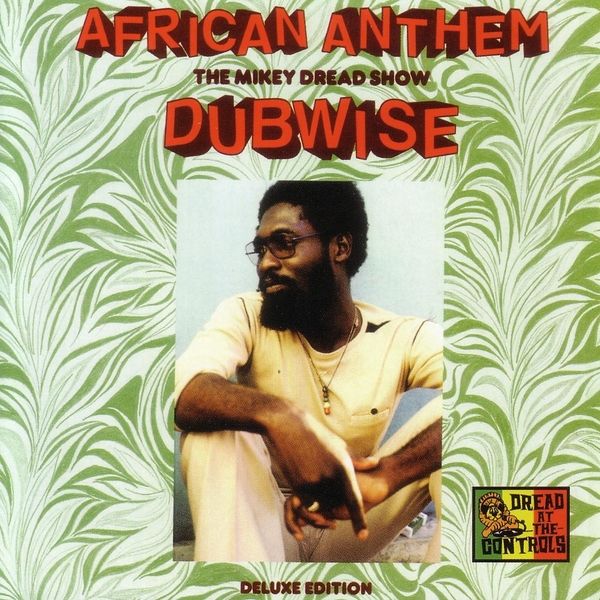
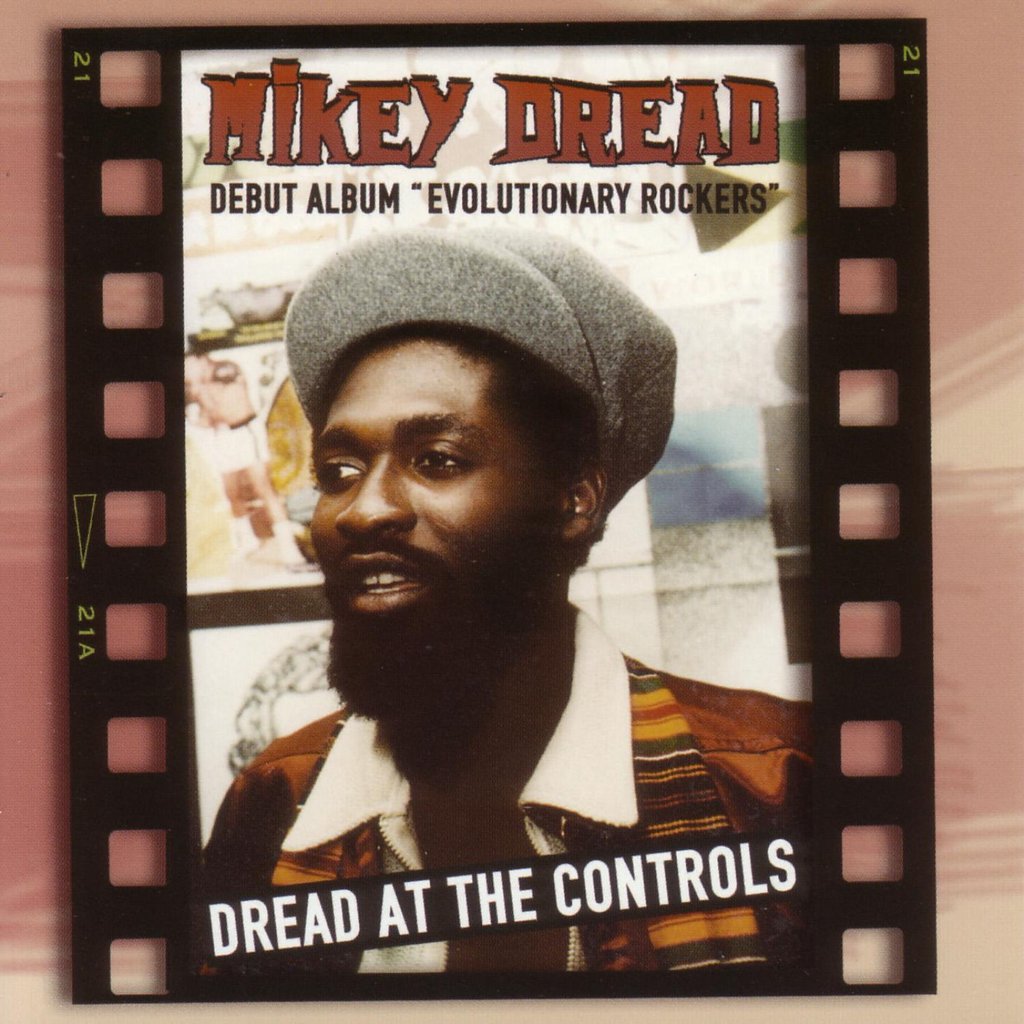
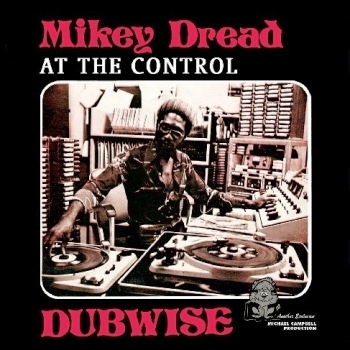
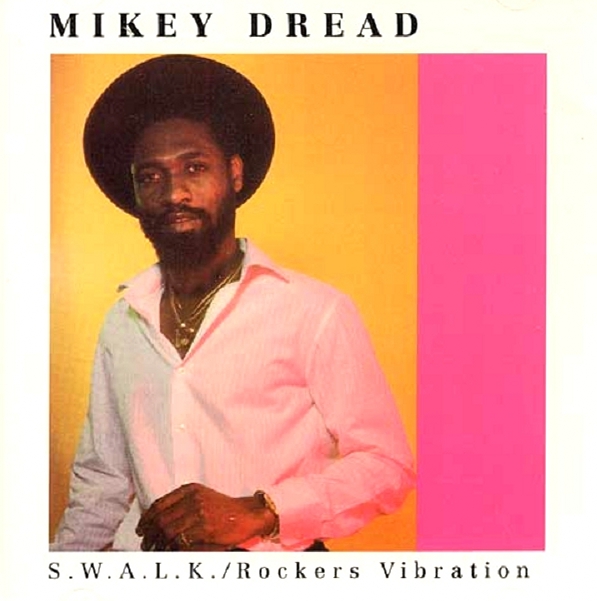
From 1979 onward, the catalog expanded: Dread at the Controls, followed by its dub companion African Anthem Dubwise — remixed by King Tubby and Prince Jammy. Album after album, Mikey Dread forged a unique style: dancehall music where dub is a language in its own right. African Anthem, according to the Trouser Press critic, is Mikey Dread at his best — tripping and stunning with the sound and visiting unexplored hemispheres.
From Sound System to International: Clash, UB40 and Beyond
In 1980, an unexpected turning point: The Clash asked him to produce « Bankrobber ». The track had been composed in ska, but Mikey Dread refused and rearranged it into a heavy dub piece. The track became a worldwide hit, featured on the album Sandinista!, and led to a DJ version by Mikey, « Rocker’s Galore ». For the first and only time in the group’s history, a split 45 presented both artists side by side.
Mikey Dread then toured Europe and the United States as an opening act for The Clash, a month-long tour marking the meeting of punk and reggae. He later explained: « We do some shows, but that was not an organised thing » — the essence being to understand the audience and the reception of his music.
His international career then exploded. He worked with UB40 in the early 1980s, and their album Labour of Love includes a cover of « Pressure Drop ». In 1982, he narrated Deep Roots Music, a series of six documentaries on Channel 4 tracing the history of reggae — an audiovisual monument using his radio archives and unique expertise. Then came Rockers Roadshow, a 1983 British show dedicated to young reggae talents.
He settled in Stamford, Connecticut, in 1987, where he continued to record and produce for over twenty years. His brain tumor, diagnosed in 2007, claimed his life on March 15, 2008, at the age of 53. He was buried in Jamaica, the land that had seen a pioneer born.
Major Works
| Work | Year | Why It’s Essential |
|---|---|---|
| African Anthem | 1979 | Experimental dub integrating radio archives and jingles — Mikey Dread at his best according to Trouser Press |
| Dread at the Controls | 1979 | Debut album: the radio show transferred to vinyl, featuring jingles and toasting |
| World War III | 1980 | Absolute sonic adventure, mixed by Scientist — reggae and new wave fusion |
| « Bankrobber » / « Rocker’s Galore » | 1980 | Collaboration with The Clash: the group’s unique split 7", a punk-reggae fusion |
Legacy and Influence
Mikey Dread remains a pivotal figure between Jamaica and the world — the engineer who, by rejecting foreign JBC playlists, paved the way for a generation of producers. His DATC label mentored Sugar Minott, Edi Fitzroy and Earl Sixteen; his remixes on B-sides educated the European ear in dub. This alliance with The Clash proved that punk and reggae shared the same creative violence.
His daughter Monica Dread continues today to carry on the legacy of the Dread at the Controls label, ensuring that this pioneer keeps spinning in festivals around the world.
Sources and References
- « Mikey Dread », Wikipedia (EN), https://en.wikipedia.org/wiki/Mikey_Dread, accessed November 22, 2026.
- « Mikey Dread », The Guardian (obituary), https://www.theguardian.com/music/2008/mar/25/obituaries.mainsection, accessed November 22, 2026.
- David Katz, « Love the Mikey Dread », Caribbean Beat (issue 92, July–August 2008), https://www.caribbean-beat.com/issue-92/love-dread, accessed November 22, 2026.
- Jo-Ann Greene, « Mikey Dread », AllMusic, https://www.allmusic.com/artist/mikey-dread-mn0000896965, accessed November 22, 2026.
- Bud Kliment and Amy Wachtel, « Mikey Dread », Trouser Press, https://trouserpress.com/reviews/mikey-dread/, accessed November 22, 2026.
- « Official Biography », mikeydread.com, http://mikeydread.com/, accessed November 22, 2026.