Biography
Monique Séka: queen of afro-zouk, voice of a continent
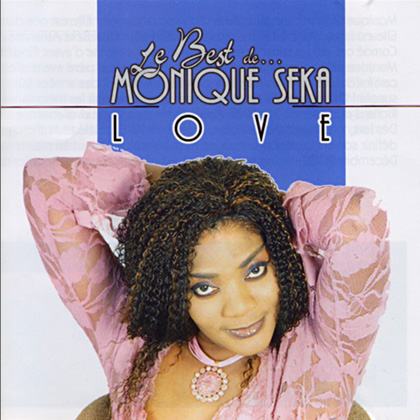
The Parisian studio fills with a velvety voice and percussion that make the Caribbean and Côte d’Ivoire dance at the same time. Monique Séka does not separate continents — she unites them. “When I sing, I don’t see Africa, I see all Black people,” she said in the 1990s, forging a unique style, afro-zouk, this blend of Antillean zouk and West African rhythms.
In brief
| Stage name | Monique Séka |
| Birth | November 22, 1965, Abidjan, Côte d’Ivoire |
| Field | Singer, songwriter-performer |
| Genres | Afro-zouk, zouk, afrobeat, soukous |
| Emblematic works | “Missounwa”, “Okaman”, “Yélélé” |
| Nickname | Queen of afro-zouk |
Key dates
| Year | Event |
|---|---|
| 1965 | Birth in Abidjan in a musical family |
| 1982 | Integration into the Maya Melodye Band of her uncle Jhon Morgan |
| 1985 | First album: Tantie Affoué |
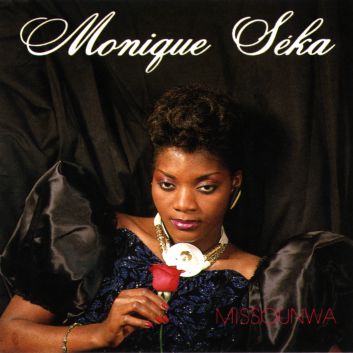
| 1989 | Missounwa and Gran Prix de la Musique Afro-Caribéenne |
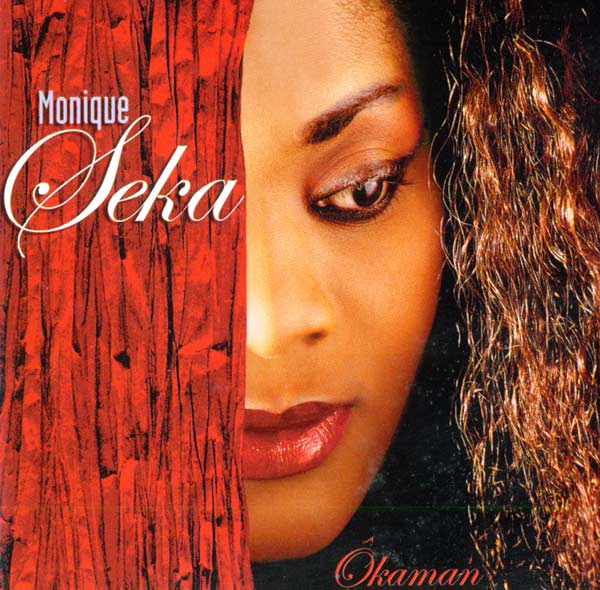
| 1995 | Okaman; marriage with Dominique Richard |
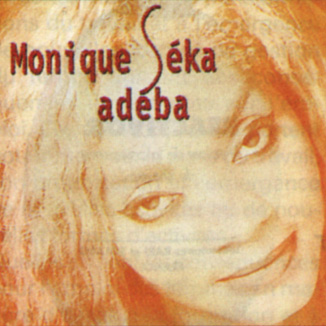
| 1997 | Release of Adéba |
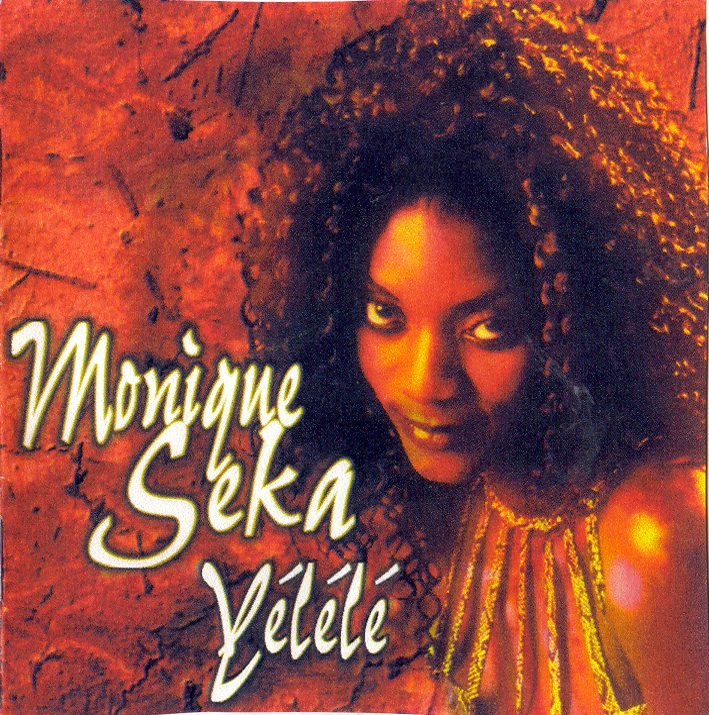
| 1999 | Yélélé with Sony Music |
| 2022 | First concert in Uganda |
Origins, revelation and evolution
Born on November 22, 1965 in Abidjan, Monique Séka was immersed in music from childhood. Her father, Okoi Séka Athanase, an Ivorian singer of the 1970s, passed on his love for singing to her. Her great-great-grandmothers, the Comoé sisters, were among the very first musicians in Côte d’Ivoire. “I grew up surrounded by my grandmothers, the Comoé sisters, the first musicians in Côte d’Ivoire, and by my father, who was a musician in my grandmothers’ group at the time,” she explained. But her mother did not want her to sing — and it was her aunt Tantie Affoué who pushed her to believe in herself.
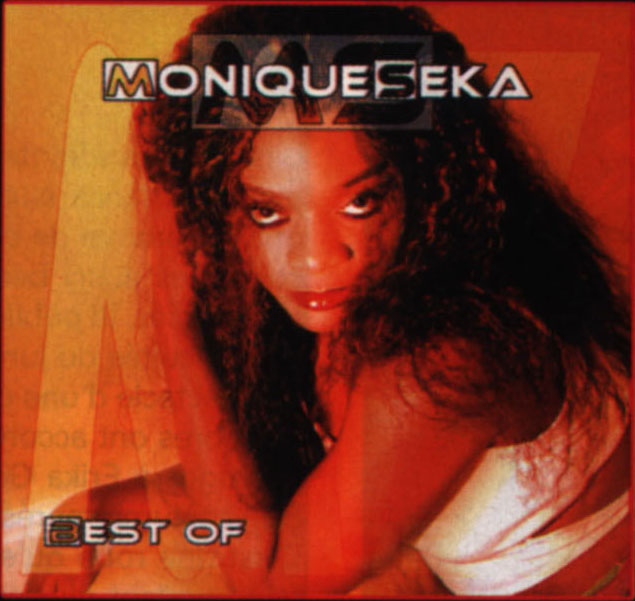
After training near her father, Monique joined the orchestra of Radio Télévision Ivoirienne. Through Haitian records from her uncle, she discovered zouk, and noticing that Ivorian music was not played in the discos of the time, she imagined fusing local traditions and island rhythms. Thus was born afro-zouk. In 1985, her first album Tantie Affoué announced the style. In 1989, she entrusted her arrangements to Cape Verdean keyboardist Manu Lima: the album Missounwa won the Gran Prix de la Musique Afro-Caribéenne and propelled the title track onto the continent’s airwaves. In 1992, she met Dominique Richard, founder of Radio Sun in Lyon. He became her producer and husband on March 31, 1995. With him, the album Okaman (1995) exploded: the title track sold over a million copies, bringing Monique to the international stage, from the Antilles to the Indian Ocean. Followed by Adéba (1997), Yélélé (1999) with Sony Music, and Obligada (2005). Yélélé mixes a salsa version of “Missounwa”, a Mandingue piece and mapouka — this traditional dance of the Avikam people on the Ivorian coast — in a refusal to align with a single style. “Music is my passion. I was born into it, grew up in it, and it is my life,” she confided to the Sunday Monitor. She collaborated with Meiway on “Yaye Demin” and conquered West Africa to East Africa, with a historic concert in Uganda in 2022.
Major works
| Work | Year | Why it is essential |
|---|---|---|
| Tantie Affoué | 1985 | First album, tribute to her aunt; announces afro-zouk |
| Missounwa | 1989 | Afro-Caribbean Award; the flagship title that launched the style |
| Okaman | 1995 | International success; one million copies sold |
| Adéba | 1997 | Affirms the afro-zouk trajectory |
| Yélélé | 1999 | Stylistic diversity: salsa, Mandingue, mapouka |
Legacy
Monique Séka marked Ivorian and African music by creating a style that crosses borders. Afro-zouk, born from her intuition to mix Antillean zouk with West African rhythms, inspired artists like Oliver Ngoma, Petit Pays and Gadji Celi. More than thirty years after Missounwa, listeners continue to dance to her rhythms. Her belated recognition in her own country — over 35 years of career without a state award — is also part of her story: an artist who chose music as commitment long before being honored.
Sources and references
- “Monique Séka”, AllMusic, https://www.allmusic.com/artist/monique-s%C3%A9ka-mn0000925719, accessed October 22, 2025.
- “Monique Séka — Wikipédia”, Wikipedia, https://fr.wikipedia.org/wiki/Monique_S%C3%A9ka, accessed October 22, 2025.
- “Queen of Afro-zouk looks back on career”, Sunday Monitor, https://monitor.co.ug/uganda/lifestyle/entertainment/queen-of-afro-zouk-looks-back-on-career-3944652, accessed October 22, 2025.
- “Queen of Afro-zouk coming to Kampala”, The EastAfrican, https://theeastafrican.co.ke/tea/magazine/queen-of-afro-zouk-coming-to-kampala-3922762, accessed October 22, 2025.
- “Monique Seka — Discogs”, Discogs, https://www.discogs.com/artist/1181487-Monique-Seka, accessed October 22, 2025.
- “Missounwa – Monique Séka, 1989”, Afro Caribbean Beats, https://afrocaribbeanbeats.com/en/missounwa-monique-seka-1989/, accessed October 22, 2025.
- “MONIQUE SEKA”, Radio Campus Angers, https://www.radiocampusangers.com/emission/musique/darck-on-the-beat/monique-seka/, accessed October 22, 2025.
- “November 22: Monique Séka 60 years old today”, Pouvoirs Magazine, https://pouvoirs-magazine.com/2025/11/22/22-novembre-monique-seka-60-ans-aujourdhui/, accessed October 22, 2025.
- “Monique Seka”, Jazzapedia, https://jazzapedia.com/artists/monique-seka, accessed October 22, 2025.
- “Monique Séka”, Musiques d’Afrique, https://musiques-afrique.net/civ/art-seka.html, accessed October 22, 2025.