Biography
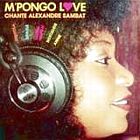
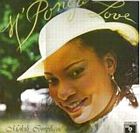
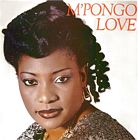
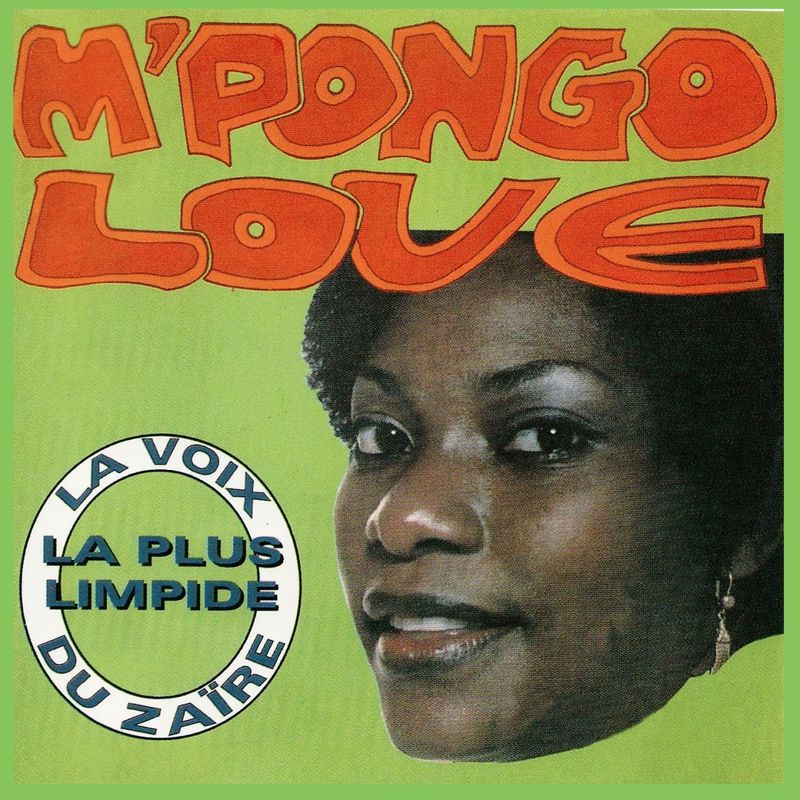
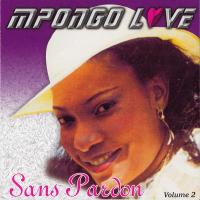
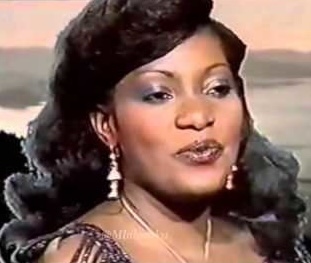
M’Pongo Love
Kinshasa, 1977. At the Ciné Palladium, a young woman on crutches launches a verse in Lingala: “A man, a woman. It’s like trousers and a belt.” The Tsheke-Tsheke Love orchestra carries the melody on a saxophone breath. That evening, M’Pongo Love invents a feminist hymn for thousands of Congolese women who hear a star renounce polygamy.
In Brief
| Full Name | Aimee Françoise M’Pongo Langu (Alfride M’Pongo Landu) |
| Birth | August 27, 1956, Boma (Belgian Congo) |
| Death | January 15, 1990, Kinshasa (Zaire) |
| Field | Singer, songwriter — Congolese rumba, soukous |
| Signature Works | “Ndaya”, “Pas possible Maty”, Partager, Femme commerçante |
| Awards | Icon of Congolese female emancipation (posthumous reputation) |
Key Dates
| Year | Event |
|---|---|
| 1956 | Birth in Boma, second of seven children in a military family |
| 1960 | Infant paralysis after penicillin injection; regains walking in 1962 with prosthetics |
| 1975 | Meets saxophonist Empompo Loway who launches her career; takes her stage name |
| 1976 | Success of “Pas possible Maty”; first concert at the Ciné Palladium in Kinshasa |
| 1977-78 | Collaborations with Les Ya Tupa’s (Ray Lema, Félix Manuaku Waku, Alfred Nzimbi); “Ndaya” becomes a hit |
| 1980 | Breakup with Empompo; creates her label Love’s Music; moves to Paris |
| 1981-1989 | Recordings under Safari Ambiance, Mélodie, and Syllart; tours in West Africa |
| 1987 | Album Partager recorded in Paris with Bopol Mansiamina |
| 1989-1990 | Illness in Gabon (cerebral meningitis); return to Kinshasa and death |
An Unexpected Voice, a Stubborn Fight
Aimee Françoise M’Pongo Langu sees the light of day in 1956 in Boma, former colonial capital of the Belgian Congo. Her father is an army officer and her mother director of a center for young girls. At four years old, a penicillin shot earns her a paralysis that forces her to crawl for two years before learning to walk with prosthetics — she retains a slight malformation. Far from slowing her down, this ordeal forges a determination that her music will carry to perfection.
After primary studies at Notre-Dame de Boma, where she discovers singing in the parish choir, she moves to Kinshasa and works as an executive secretary at Districars. It is a close friend of Empompo Loway, saxophonist of the African Fiesta Nationale of Tabu Ley Rochereau, who opens the door. In December 1975, at nineteen, she meets the musician: he convinces her to quit her job and composes the first songs she performs under the name M’Pongo Love, “Love” being the English translation of the first name Aimee.
Revelation and Consecration
Empompo Loway assembles an orchestra for her, Tsheke-Tsheke Love. The first concert at the Ciné Palladium in Kinshasa, in 1976, marks a turning point. Her high, sweet, and slightly nasal voice immediately captivates. “Pas possible Maty” becomes an instant hit.
From 1977, M’Pongo Love shares the stage with Les Ya Tupa’s — a supergroup featuring Ray Lema, Félix Manuaku Waku, Alfred Nzimbi — and sings Mayaula Mayoni, Simaro Lutumba, and Souzy Kasseya titles. It is her version of “Ndaya” by composer Freddy Mayaula Mayoni that consecrates her. The song denounces polygamy with irony and force: the heroine sings that she and her husband form “a trousers and a belt,” two inseparable pieces. The title provokes scandal in a Zairian society where polygamy is the norm and enjoys excessive success among married women of Kinshasa.
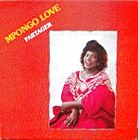
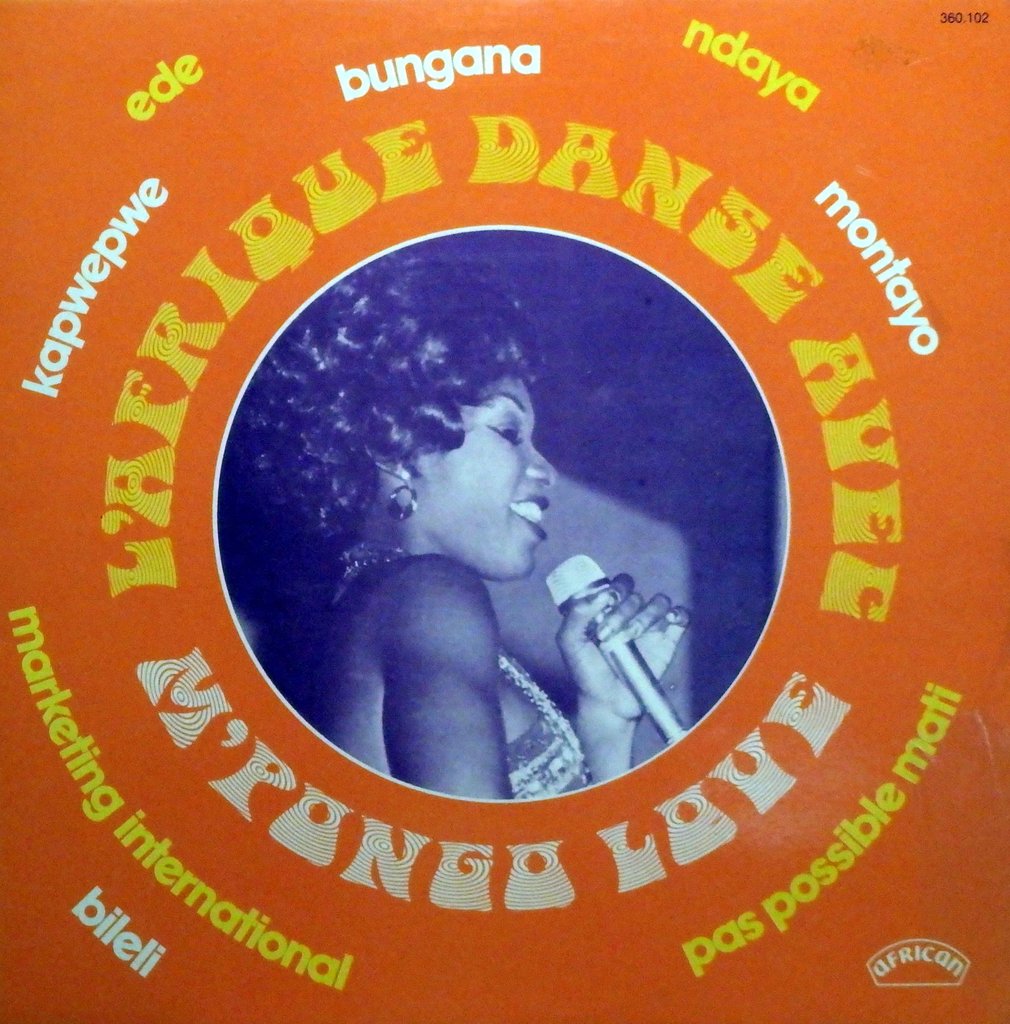
Parallelly, she participates in the Orchestre national du Zaïre (ONAZA) during Festac ‘77 in Nigeria, Franco Luambo’s wing. This continental exposition gives her additional legitimacy. In 1980, she breaks with Empompo to lead her career as an independent. She moves to Paris and multiplies recordings: L’Afrique danse avec M’Pongo Love (African Music / Safari Ambiance), Vivre avec toi — whose hit “Yoko” —, and Partager (Mélodie, 1987) with Bopol Mansiamina. Her style evolves toward a rumba with romantic accents, dominated by synthesizer and percussion.
An Icon of Courage
M’Pongo Love never hid her feminist convictions, rare among soukous singers of the 1970s-80s. Her project is clear: she sings women’s rights, and in doing so breaks a taboo in a Congolese music industry dominated by men. Her texts point fingers at concubines and unfaithful husbands.
Her death, January 15, 1990 in Kinshasa from cerebral meningitis contracted in Gabon, occurs a few days after that of artist Vadio Mambenga and before that of Empompo Loway, her mentor. She leaves three daughters.
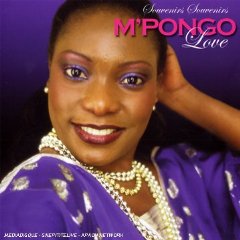
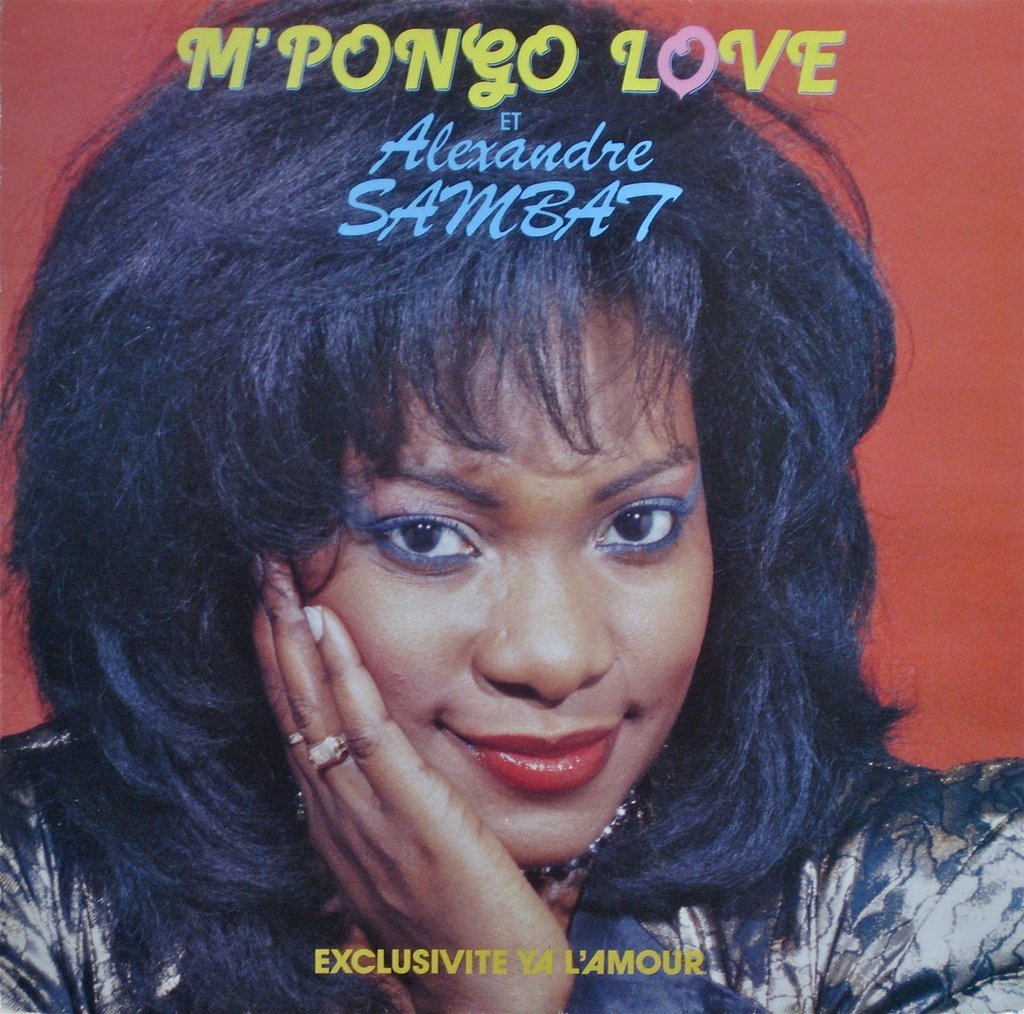
Today, with Abeti Masikini and Mbilia Bel, she is cited as one of the greatest female figures of Congolese rumba. Her recordings continue to be reissued — Compilation Musique Congolo-Zaïroise (1993), posthumous editions Kaluila and Syllart, sets Hommage à M’Pongo Love (1996). Festivals and the M’Pongo Love Foundation remind us that she was an exceptional voice and a symbol of African female emancipation.
Major Works
| Work | Year | Why it’s Essential |
|---|---|---|
| “Ndaya” | 1977 | Anti-polygamy feminist hymn with enchanting saxophone; indispensable rumba hit |
| “Pas possible Maty” | 1976 | First hit; revealed M’Pongo’s clear voice to the Kinshasa public |
| L’Afrique danse avec M’Pongo Love | 1982 | Recording in Paris under Safari Ambiance; international consecration |
| Partager (with Bopol Mansiamina) | 1987 | Romantic rumba with synthesizer; affirmed artistic maturity |
| “Femme commerçante” | ~1985-1987 | Praises women’s bravery; flagship title of her Parisian period |
Heritage and influence
M’Pongo Love never sought controversy for its own sake: her songs carried a vision, that of a Black woman who refused to resign herself. In a Congolese context where the music scene was overwhelmingly male, her undeniable presence — on stage and in her lyrics — paved the way for subsequent generations of female artists, from Mbilia Bel to Tshala Mwana, passing through contemporary singers. Today, “Ndaya” remains a classic played in clubs and African radio stations; the title serves as a reference when discussing female emancipation in Zairian music.
Sources and references
- « M’Pongo Love », Wikipedia (English), https://en.wikipedia.org/wiki/M%27Pongo_Love, accessed 7 November 2026.
- « M’Pongo Love », Wikipedia (French), https://fr.wikipedia.org/wiki/M%27Pongo_Love, accessed 7 November 2026.
- « M’Pongo Love », Discogs, https://www.discogs.com/artist/1032437, accessed 7 November 2026.
- « M’Pongo Love », AllMusic, https://www.allmusic.com/artist/mpongo-love-mn0001464579, accessed 7 November 2026.
- « Pongo Landu Alfride alias Pongo Love », Univers Rumba Congolaise, https://www.universrumbacongolaise.com/artistes/pongo-love/, accessed 7 November 2026.
- « Rumba on the River », Cold Run Books (archive), https://web.archive.org/web/20120408110026/http://www.coldrunbooks.com/mpongo.html, accessed 7 November 2026.
- « M’Pongo Love Biography », Jabulani Radio, https://jabulaniradio.com/news/mpongo-love-biography-50, accessed 7 November 2026.
- « M’Pongo Love, image engraved in Congolese musical memory », M’Pongo Love Foundation, https://mpongolovefoundation.fr.gd/Accueil.htm, accessed 7 November 2026.