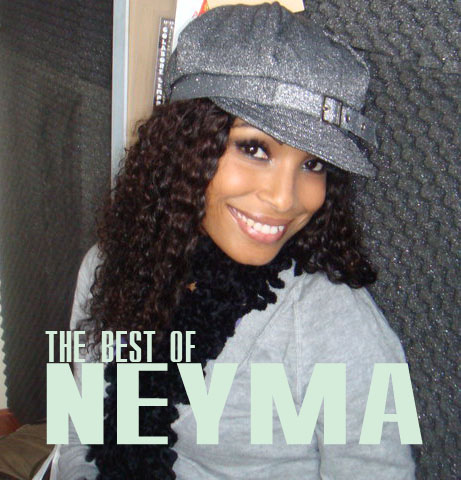
Biography
Neyma: the diva of marrabenta
Maputo vibrates to the rhythm of tin guitars and traditional percussion. Marrabenta, a genre born in the late 1930s from a blend of African rhythms and Portuguese folklore, occupies a central place in Mozambican cultural identity1. And at the heart of this soundscape, one voice dominates: that of Neyma, a solo artist who, since the late 1990s, has transformed marrabenta into a transgenerational movement.
In brief
| Full name | Neyma Julio Alfredo |
| Birth | May 6, 1979, Maputo, Mozambique |
| Genre | Marrabenta, Kizomba, Afro-zouk |
| Instruments | Vocals |
| Label | Vidisco (Marrabenta Productions) |
| Notable works | Arromba, Idiomas, Neyma 10 Anos |
| Awards | Best Female Artist MMA 2010, Best Artist & Album of the Year MMA 2013 |
Key dates
| Year | Event |
|---|---|
| 1995 | Second place in the talent show Fantasia |
| 1999 | Release of first album, Brigas |
| 2000 | Release of Baila |
| 2001 | Release of Renascer |
| 2002 | Ngoma Moçambique Award for “Lirandzu” |
| 2005 | Release of Arromba, landmark album (40,000 copies sold) |
| 2006 | Release of Idiomas |
| 2007 | Top artist on the Afro Music channel |
| 2010 | Neyma 10 Anos; Best Female Artist at MMA |
| 2013 | Triumph at Mozambique Music Awards (Best Artist, Album of the Year) |
| 2015 | Release of Parabéns |
From Fantasia to Arromba: consecration
Neyma Julio Alfredo discovered her passion for music very early, singing at events in Maputo and its surroundings. In 1995, her participation in the television talent show Fantasia, where she won second place, marked the beginning of her professional career2. Immediately, she refined her talent by performing in schools, nightclubs, and every stage that opened up to her.
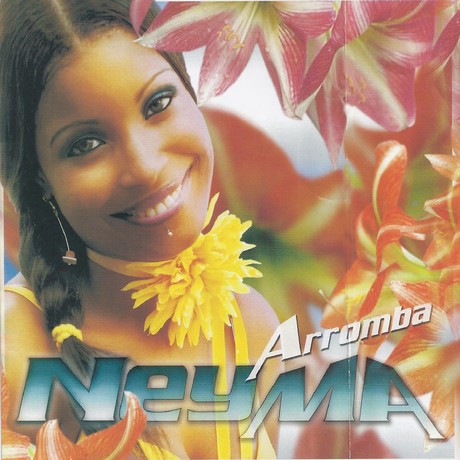
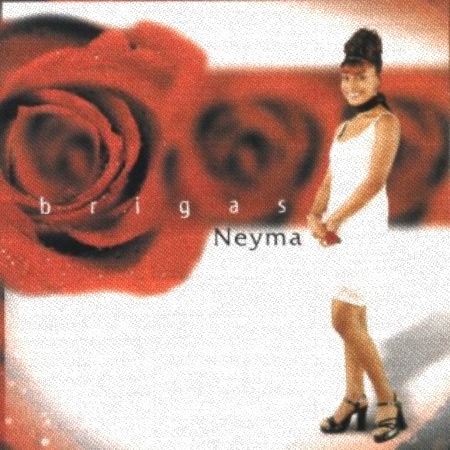
In 1999, Neyma released her first album, Brigas, driven by the singles “Brigas”, “Mae virtude mais bela” and the popular hit “Praia feliz”. The success of Brigas led to two rapid follow-up albums: Baila (2000) and Renascer (2001), but it was in 2005 that the breakthrough occurred. Arromba became the most popular album of her career, selling over 40,000 copies in Mozambique and selling remarkably well in Angola, Cape Verde, and Portugal. The eponymous single, in the kizomba style, and “Lirrandzo”, the popular song of the year, made Arromba the summer anthem of 20053.
Reinventing marrabenta for a new generation
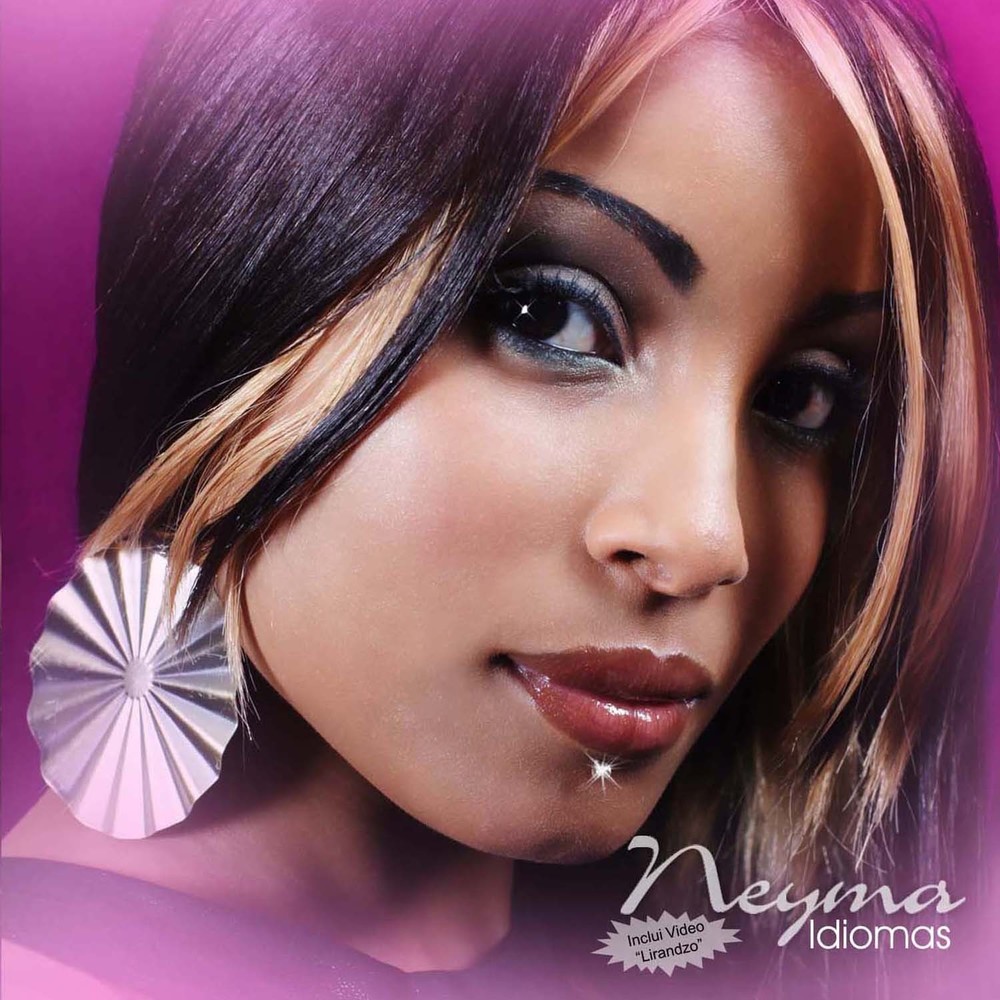
In 2006, Neyma released Idiomas, an album where she fused marrabenta, kizomba4, Coupé-Décalé and traditional Mozambican rhythms into a unique sound. The first single, “Mbilo Yanga”, brought her back to the international stage and earned her multiple nominations. Among other recognized tracks: “Nunawanga Yuwi”, “Xilhamaliso” and “Te Amo”.
Neyma does not just interpret; she reinvents. « I feel at home in marrabenta. I am African, I am Mozambican », she explains to CNN5. « I came to the conclusion that other artists do not explore this genre enough. It was seen as belonging to older generations. I want to break that. »
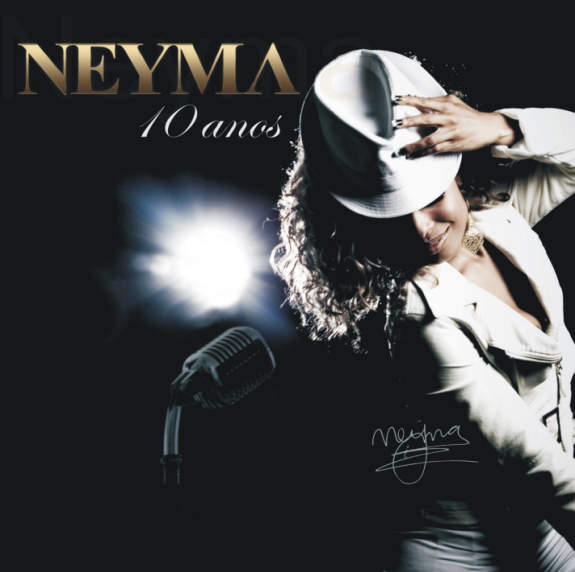
This artistic struggle found a powerful social echo in “A Hi Dzimeni”, a traditional marrabenta track that became the anthem of female emancipation and the agricultural movement in Mozambique. In 2010, Neyma commemorated a decade in music with Neyma 10 Anos. The duo “Ilusão” with Grace Evora won the Best Female Artist award at the Mozambique Music Awards, while the album received that of Best Selling Album in 20116.
In 2013, at the Mozambique Music Awards, Neyma triumphed with four awards including Best Artist and Album of the Year, confirming that marrabenta had lost none of its brilliance7. That same year, CNN called her the Beyoncé of Mozambique, the undisputed star of marrabenta of her generation.
Legacy
Neyma has transcended the realm of music: as a UNICEF ambassador in Mozambique until 2019, she used her fame to champion social and educational causes8. Her manager Craig Young recounts: « North American producers told me she is an African Shakira. She still has potential that she has not fully realized ».
From Vidisco to Marrabenta Productions, Neyma structured her career as an artistic enterprise, protecting her signature like a brand and creating the project Neyma for Kids. She also popularized capulana, traditional Mozambican fabric, by integrating it into her own image8 and influencing a generation of artists.
With eight albums, tours in South Africa, Angola, Zimbabwe, Portugal, China, Brazil and North America, and distinctions such as the Channel O Music Video Award in 2007, Neyma remains the central figure of contemporary Mozambican music6.
Major works
| Work | Year | Why it is essential |
|---|---|---|
| Brigas | 1999 | First album: lays the foundations for a career with memorable singles |
| Arromba | 2005 | Landmark album; 40,000 copies sold, summer anthem and international breakthrough |
| Idiomas | 2006 | Bold fusion of marrabenta, kizomba, Coupé-Décalé; international nominations |
| Neyma 10 Anos | 2010 | Commemorates a decade; Best Female Artist MMA 2010; “A Hi Dzimeni” as feminist anthem |
| Parabéns | 2015 | Last studio album; social commitment and children’s project |
Sources and references
-
Wikipedia, Neyma, accessed 30 October 2026 ↩︎
-
MMO Música, Biografia da Neyma Alfredo, accessed 30 October 2026 ↩︎
-
World Music, Music from Mozambique – Neyma, 27 February 2013 ↩︎
-
Wikipedia, Neyma, accessed 30 October 2026 ↩︎
-
CNN Inside Africa, Dance until you break: exploring Mozambique’s Marrabenta, 27 January 2015 ↩︎
-
MMO Música, Biografia da Neyma Alfredo, accessed 30 October 2026 ↩︎ ↩︎
-
Verdade, Neyma Alfredo está no topo do MMA, accessed 30 October 2026 ↩︎
-
Revista Biografia, Neyma ainda não alcançou o que merece, 27 June 2017 ↩︎ ↩︎