Biography
Ngozi Family: The Fireworks of Zambian Zamrock
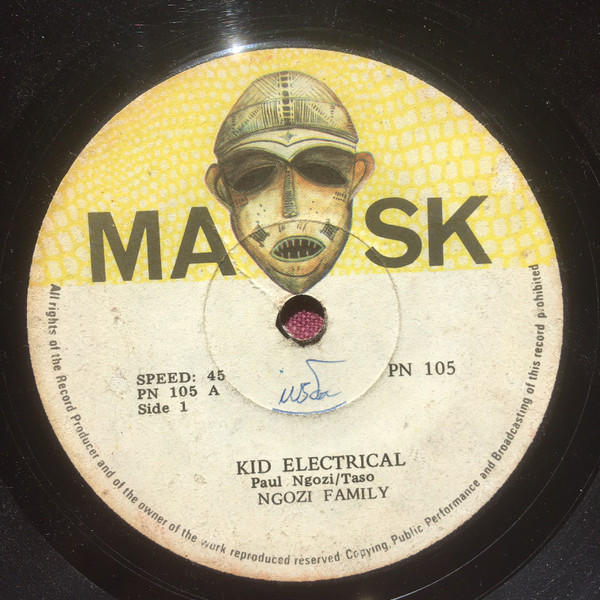
Paul Ngozi, the “Maestro” as local press nicknamed him, would pull his guitar from its case and rest it against his teeth—a theatrical posture that summarized his approach to rock. In 1976, this gesture earned his group, the Ngozi Family, acclaim as one of the most brutal recordings of Zamrock, a genre born in Zambia that fuses psychedelic rock, funk, and traditional African rhythms1.
In Brief
| Full Name | Paul Dobson Nyirongo (nickname: “Ngozi”) |
| Birth | January 10, 1949, Chibolya, Lusaka, Zambia |
| Death | November 7, 1989, Lusaka, Zambia |
| Genre | Zamrock, kalindula, garage rock, proto-punk |
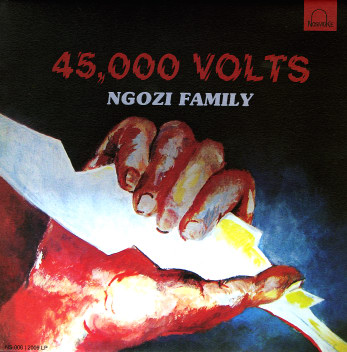
| Notable Works | Day of Judgement, 45 000 Volts, Bad Character |
| Honors | Paul Ngozi Street in Kabwata (Lusaka), ranked #81 among Popular Zambians |
Key Dates
| Year | Event |
|---|---|
| 1970 | Paul Ngozi and Chrissy Zebby Tembo found the Scorpions |
| 1971–1974 | Transformation into Three Years Before, tours in Livingstone and then Kabwe |
| 1975 | Ngozi joins the Crossbones, then Musi-O-Tunya in Kenya |
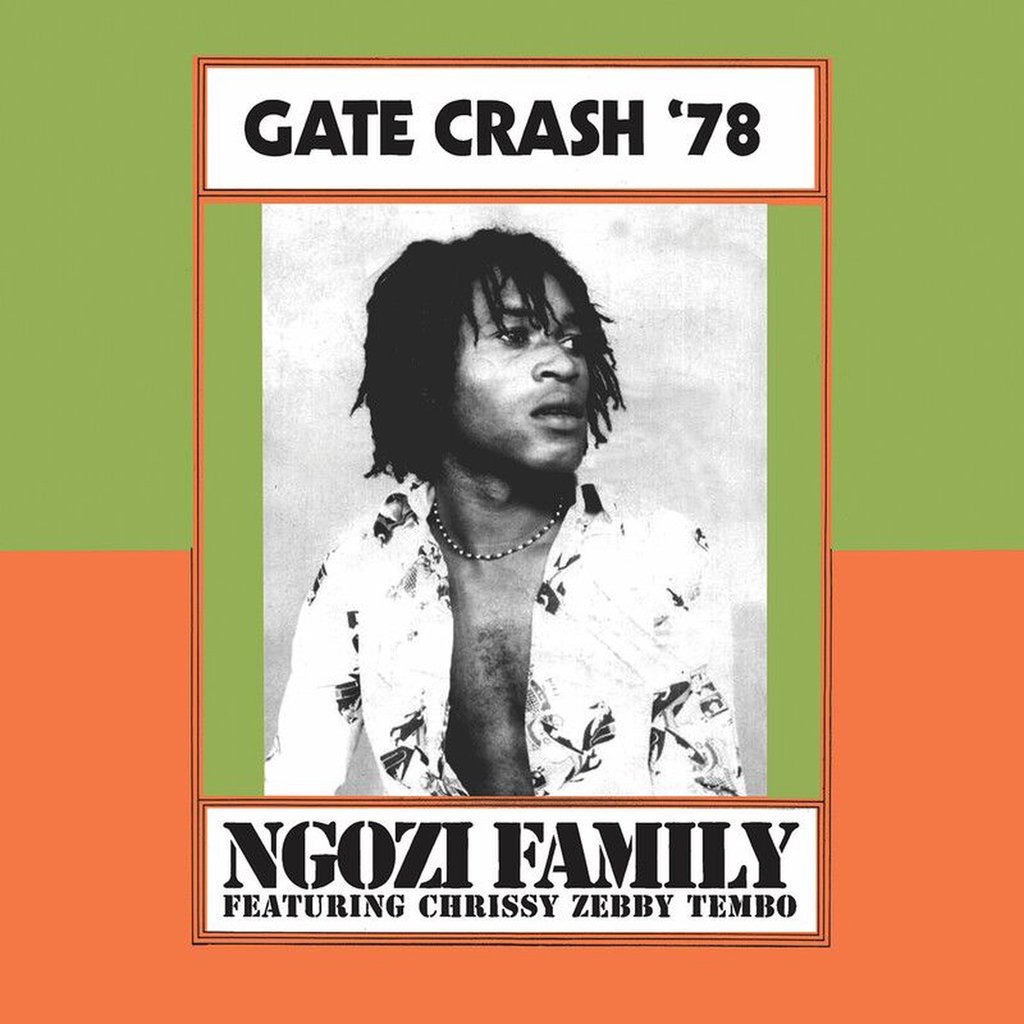
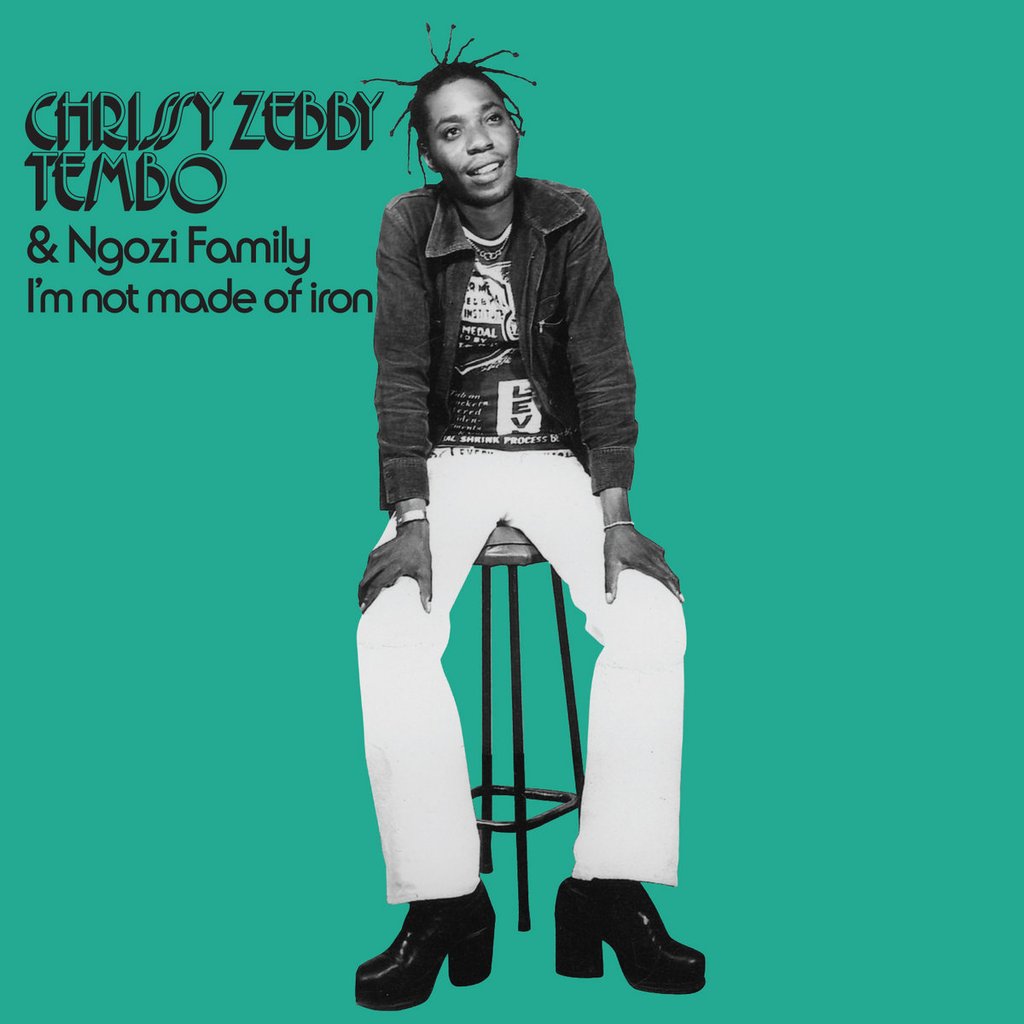
| December 1975 | Return to Lusaka, formation of the Ngozi Family with Zebby Tembo |
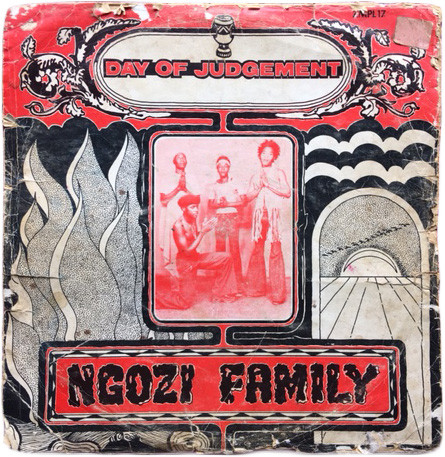
| 1976 | Release of Day of Judgement (first album) |
| 1976–1977 | Most prolific period: Viva Ngozi, 45 000 Volts, Bad Character |
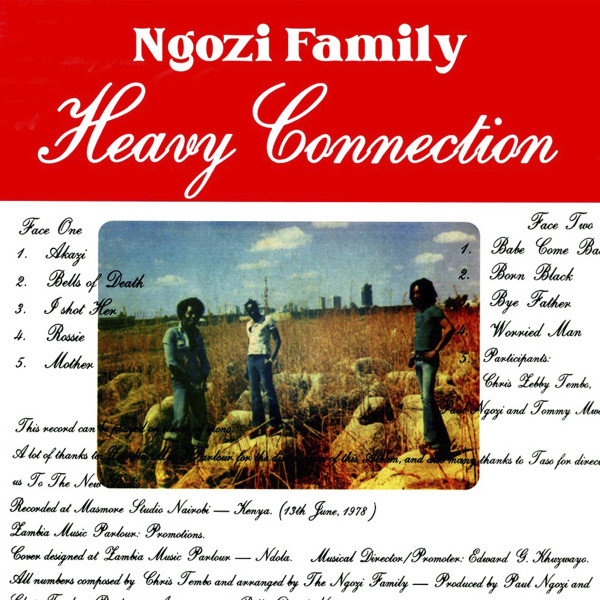
| 1978 | Final album with the Ngozi Family: Heavy Connection |
| 1981 | Size 9, solo album in the kalindula style |
| 1989 | Death of Paul Ngozi at age 40 |
| 2014 | Launch of reissues by Now-Again Records |
Origins: From Slum to Zambian Rock
Paul Dobson Nyirongo grew up in the popular neighborhood of Chibolya, in Lusaka—a difficult environment that forged his temperament. A rebellious adolescent—a “rude boy” as he put it—he discovered music among young musicians sharing the same ambitions. In 1970, he founded the Scorpions with his childhood friend Chrissy Zebby Tembo, who would become a legendary Zamrock drummer. The group transformed into Three Years Before, an ironic nod to British blues-rockers, and played in Livingstone and then Kabwe before dissolving in 19742.
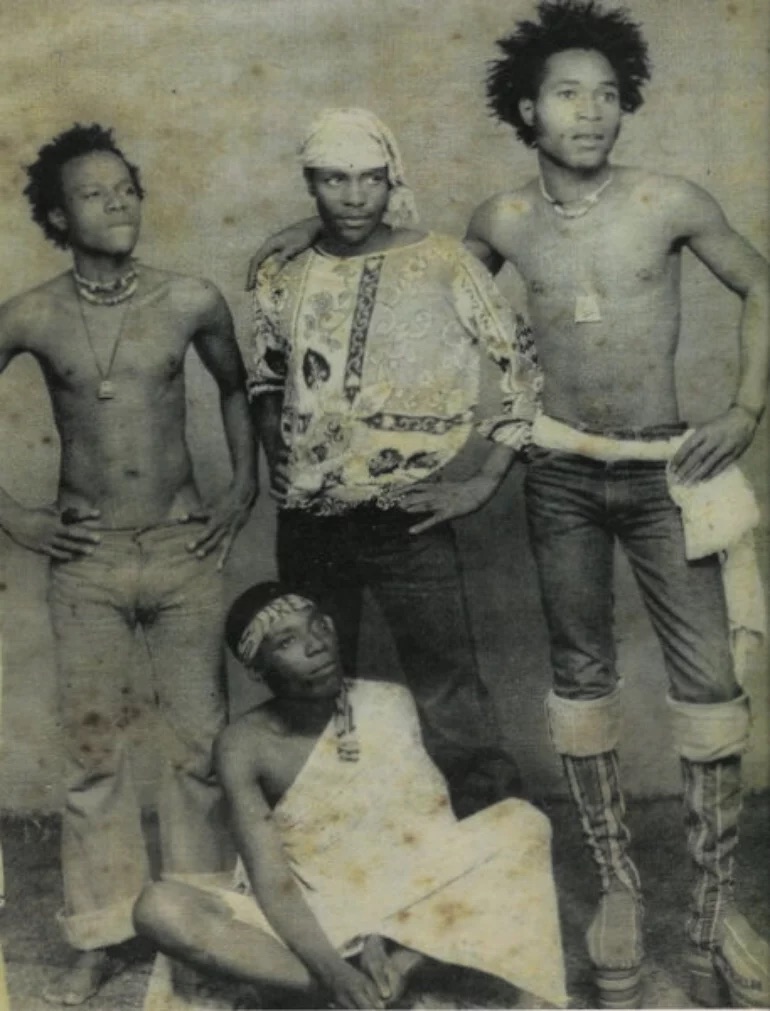
In 1975, Ngozi joined the Crossbones in Lusaka and was later recruited by drummer Brian Chengala to join Musi-O-Tunya, the Zambian band in Kenya considered a precursor of Zamrock. He replaced founding guitarist Rikki Ililonga and recorded the single “Tsegulani”—a track that became historic3. Six months later, he returned to Lusaka and reunited with Chrissy Zebby Tembo to form the Ngozi Family: Paul Ngozi (lead guitar, vocals), Tommy Mwale (bass), Peter Bwalya (rhythm guitar) and Tembo (drums, backing vocals).
Revelation: The Ngozi Sound
Under the guidance of producer Edward Khuzwayo—a tutelary figure for the Zambia Music Parlour label—the Ngozi Family recorded Day of Judgement in 1976. The sound was one of controlled violence: fuzz distortion, driving rhythms, lyrics speaking of daily life. The nickname “Ngozi,” which means “danger” in Nyanja, fit perfectly with the frenetic and almost punk style4.
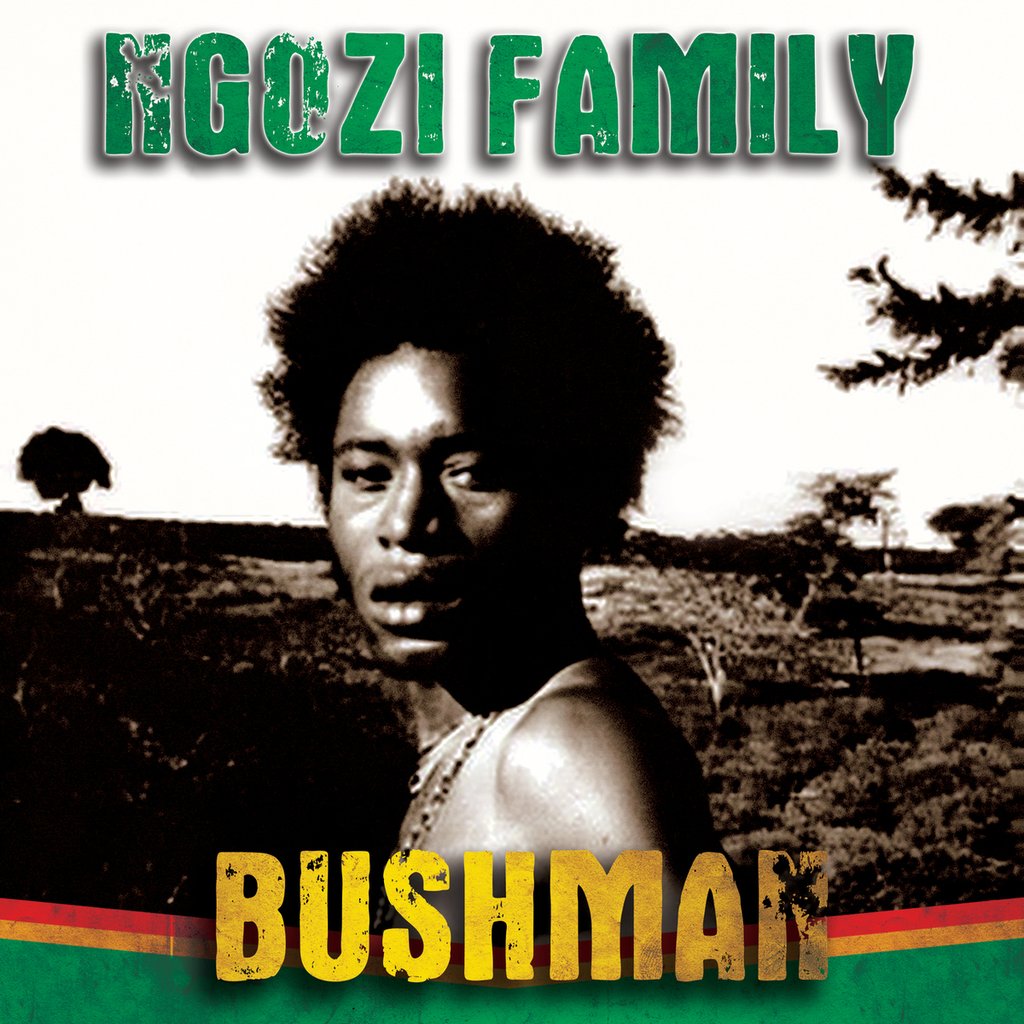
1977 marked the apex. 45 000 Volts, Bad Character, Heavy = Metal – Live! Nairobi: Ngozi poured out hours of raw music, hard rock, funk and folk melodies. International press described him as one of the most intense sounds of the golden era of Zamrock5.
Final Years and Legacy
The copper crisis in the early 1980s signaled the end of Zamrock. Zambian music shifted toward kalindula, a softer style. Ngozi adapted and released Size 9 (1981) and Thokozile (1983)6.
Paul Ngozi died on November 7, 1989, at age 40, from AIDS-related causes. The music community was shaken, and his loved ones as well as other Zamrockers shared the role of carriers. What might have marked an end became a resurgence: Now-Again Records launched Zamrock reissues in 2014, revealing Ngozi’s work to the world. In 2024, Tyler, the Creator sampled “Nizakupanga Ngozi” on his track “Noid”—proof that the Ngozi sound continues to inspire. A street in Kabwata now bears his name, a tribute in the city where it all began7.
Major Works
| Work | Year | Why It’s Essential |
|---|---|---|
| Day of Judgement | 1976 | Inaugural album—a brutal assault that paved the way for Zamrock |
| 45 000 Volts | 1977 | Peak of the Ngozi sound: fuzz, wah-wah, pure energy |
| Bad Character | 1977 | One of the proudest albums from the 1976–1978 period |
| Heavy = Metal – Live! Nairobi International Casino! | 1977 | Captured stage force in a public setting in Kenya |
| Heavy Connection | 1978 | Final Ngozi Family album, between rock and kalindula |
| Size 9 | 1981 | Solo album showing adaptation to kalindula, Ngozi’s signature pop style |
Legacy
The Ngozi Family constitute one of the foundations of Zamrock, a genre born in the 1970s from a blending of Western psychedelic rock and traditional African rhythms. Paul Ngozi is credited as the creator of kalindula, a Zambian pop style where distorted electric guitar dances above local basslines. His ability to speak of daily life—injustices, hopes, dreams—made him a sharp social commentator, listened to by millions of Zambians8.
Today, the name Ngozi Family transcends borders. Vinyl and digital reissues have exported the sound to Europe and the United States. The Zamrock scene, long forgotten, has become a subject of global study and fascination. Paul Ngozi remains among the silent heroes of African rock, a flame that never went out9.
Sources and references
-
Far Out Magazine, Exploring Zamrock: The ultimate guide to the sound of 1970s Zambia, May 30, 2020 ↩︎
-
JazzRockSoul.com, Ngozi Family — detailed history of precursor groups ↩︎
-
Now-Again Records, Dark Sunrise — annotations for the single MOT ↩︎
-
Bandcamp, A Samuele — description of Ngozi Family music ↩︎
-
The Guardian, Why Zamrock is back in play — Henning Goranson Sandberg, July 22, 2013 ↩︎
-
Discogs, complete discography Paul Ngozi — Size 9 (1981) and Thokozile (1983) ↩︎
-
Wikipedia, Zamrock — definition of the genre and context ↩︎
-
Now-Again Records — reissues since 2010, catalog and licensing ↩︎
-
Bandcamp & Now-Again Records — legacy and continuing influence ↩︎