Biography
Oliver N’Goma: the king of afro-zouk, a voice that makes Africa dance
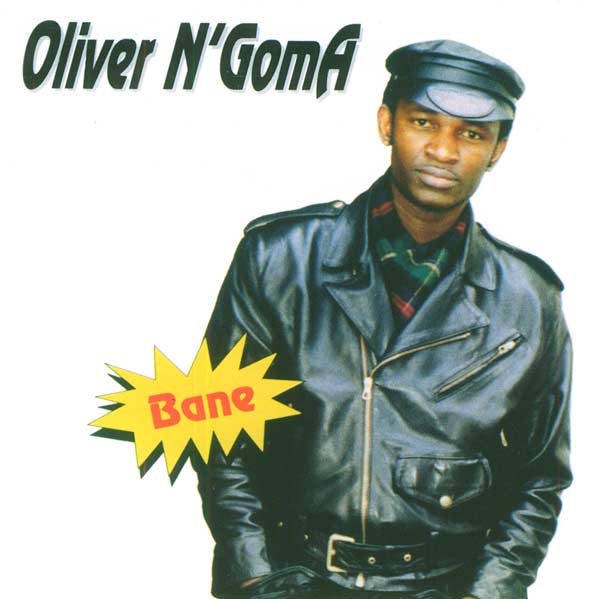
In 1990, an angelic-voiced Gabonese artist released “Bane”, one of the most significant hits of the decade — an anthem that still crosses dance floors twenty years later. “Bane”, a word meaning “the children” in Vili language, becomes the cornerstone of afro-zouk, a style born from the crossing between Antillean zouk rhythms, African melodic richness and Parisian synthesizers.
In brief
| Full name | Olivier Ngoma, known as Oliver N’Goma, nicknamed “Noli” |
| Birth | March 23, 1959, Mayumba (Gabon) |
| Death | June 7, 2010, Libreville (Gabon) |
| Field | Singer, guitarist, composer — afro-zouk and soukous |
| Emblematic works | Bane, Adia, Séva, Saga |
| Awards | One of the best-selling albums in African music history |
Key dates
| Year | Event |
|---|---|
| 1959 | Birth in Mayumba of a teacher and harmonium player’s son |
| 1971 | Move to Libreville; integration into the school orchestra Capo Sound |
| 1988 | Cameraman training in Paris; recording of demos |
| 1989 | Meeting in Paris with producer Manu Lima |
| 1990 | Release of Bane, propelled to global hit status |
| 1995 | Adia, which solidifies his status |
| 2006 | Saga, revisited collaboration with Manu Lima |
| 2010 | Death |
From Mayumba to the scene’s spotlight
Born Olivier Ngoma, the affectionate nickname “Noli” preceded his fame. From the Lumbu ethnic group, he grew up in Mayumba, a small coastal port in southwestern Gabon, rocked by the sounds of the harmonium — a free-reed wind instrument that his father, a music teacher at the Catholic church, played masterfully. This first contact laid the foundations for a permanent musical sensitivity. In 1971, the family moved to Libreville. Oliver pursued accounting training — a vocation he embraced half-heartedly. His passion was music. He joined the school orchestra Capo Sound, where he learned guitar. The group performed at all balls and official ceremonies, forging a guitarist with a crystalline tone that music lovers nicknamed crooner.
His life turned in the 1970s when he founded the group Black Gold. His performances attracted the attention of Patience Dabany, a star Gabonese singer, who integrated him into her orchestra Banowita in 1977, later renamed Kounabéli Mbil’assuku. Oliver excelled as guitarist and left this formation in 1981 to launch solo.
Meanwhile, the camera attracted his gaze: he secured a cameraman position at RTG 2. In 1988, France offered him a training internship. He used it to finalize demos recorded in a small studio in Libreville. In Paris, he sought an arranger. It was Manu Lima, a top Cape Verdean producer, who discovered his sketches in November 1989. Charmed by “an angelic and spiritual voice”, he took charge of the artistic direction of Noli’s first album.
The release of Bane in 1990 saw his destiny turn thanks to Africa N°1 and RFI radios. Gilles Obringer, host of “Canal Tropical” on RFI, broadcast “Bane” repeatedly. The song exploded, propelling Oliver N’Goma onto African capital stages where he was welcomed like a head of state, notes Lusafrica. French, African and Antillean discotheques adopted the title as a mandatory anthem. “Bane”, “Icole” and “Lusa” became instant classics. The album, one of the best-selling in African music history, was exported to the United States and China. “Thirty years later, people are still marked by this album because of the spiritual magic it emits”, analyzes Manu Lima. In 1999, “Bane” appears in the soundtrack of Claire Denis’s film Beau Travail.
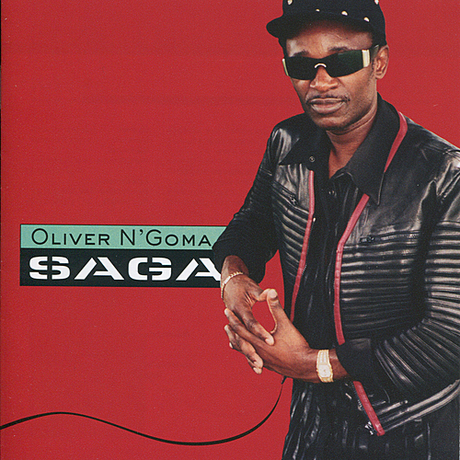
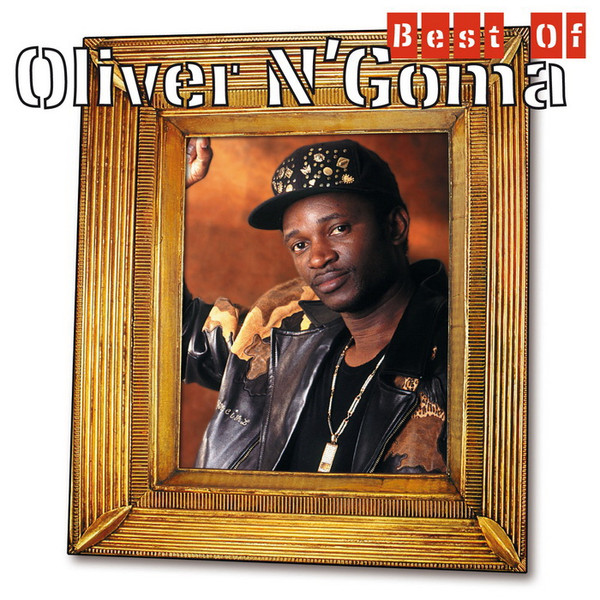
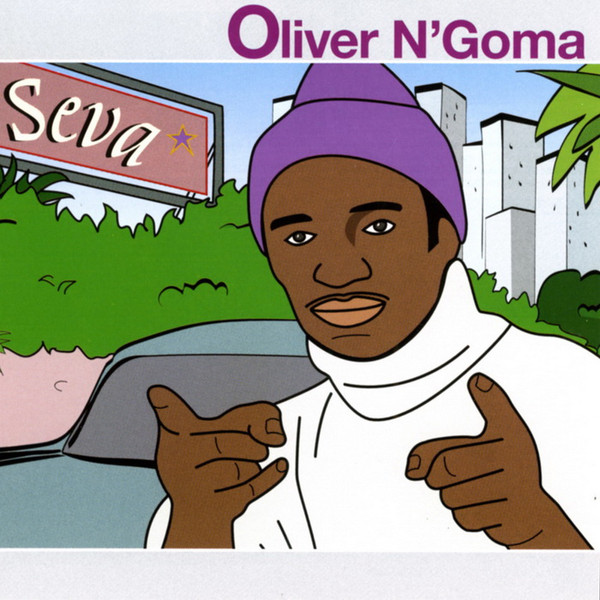
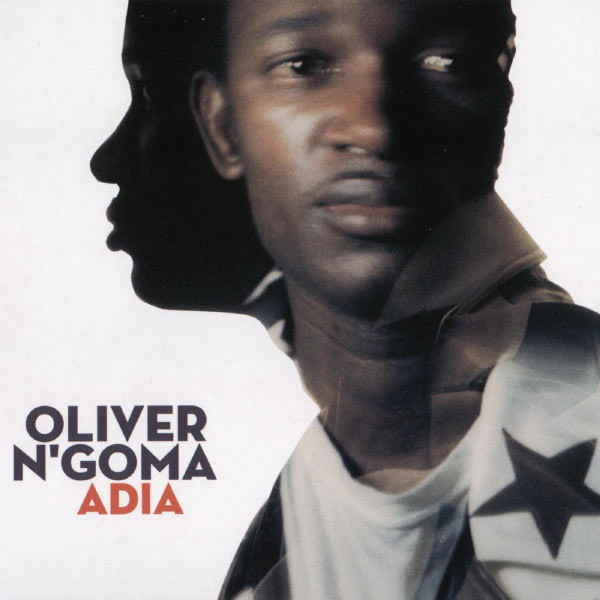
He then signed with Lusafrica label. In 1995, Adia (meaning “love”) was released, followed by Séva in 2000 outside Manu Lima’s protection. Success was more moderate, but the artist confirmed his taste for melody. In 2004, a compilation Best of gathered his titles. He reunited with the producer for Saga (meaning “rejoice”), released in May 2006, with collaboration from rapper MC Kevin Sauron on “Lubuge”. Between 2006 and 2010, Oliver retired from the front stage, worked as a program director at Gabonese television and prepared music videos. On June 7, 2010, illness claimed him: weakened by two years of kidney insufficiency, Oliver N’Goma died in Libreville at 51. He was buried in Alibadeng cemetery.
Major works
| Work | Year | Why it’s essential |
|---|---|---|
| Bane | 1990 | Cornerstone of afro-zouk, one of the best-selling African music albums |
| “Bane” | 1990 | Global anthem passed through Africa N°1, RFI and discotheques |
| Adia | 1995 | Second album confirming Oliver’s talent |
| Séva | 2000 | First album without Manu Lima, proof of artistic maturity |
| Saga | 2006 | Return with Manu Lima, dance album closing the discography |
Legacy
Oliver N’Goma infused African music with a rare melodic fusion: Congolese soukous, Antillean zouk and vocal spirituality crossing generations. His title “Bane” remains a pillar of Afro nights throughout the hemisphere. A documentary, Oliver N’Goma le crooner, and a book signed by Dr Sylvain Nzamba keep his memory alive. The Gabonese group Kiffra-L dedicated a tribute video to him in 2010. Twenty years after his passing, the afro-zoukeur remains the spiritual voice of a generation that loved to dance without borders.
Sources and references
- “Oliver N’Goma, a great crooner has departed”, Jeune Afrique, https://www.jeuneafrique.com/196311/culture/oliver-n-goma-un-grand-crooner-s-en-est-all/, accessed October 22, 2026.
- « The afro-zoukeur Oliver N’Goma and the untouchable “Bane” », Jeune Afrique, https://www.jeuneafrique.com/445658/culture/lafro-zoukeur-oliver-ngoma-lindetronable-bane/, accessed on 22 October 2026.
- « About Oliver N’Goma », Lusafrica, https://www.lusafrica.com/en/our-artists/oliver-ngoma/, accessed on 22 October 2026.
- « Oliver N’Goma », English Wikipedia, https://en.wikipedia.org/wiki/Oliver_N%27Goma, accessed on 22 October 2026.
- « Biography of Oliver N’Goma », Afromix, https://www.afromix.org/html/musique/artistes/oliver-n-goma/bio.en.html, accessed on 22 October 2026.
- « Oliver N’Goma, the first Gabonese global star of afro-zouk », info241.ga, https://info241.ga/oliver-n-goma-le-premier-roi-gabonais-de-l-afro-zouk,5844, accessed on 22 October 2026.