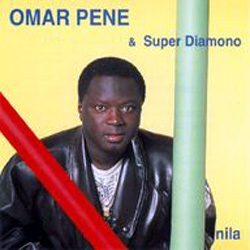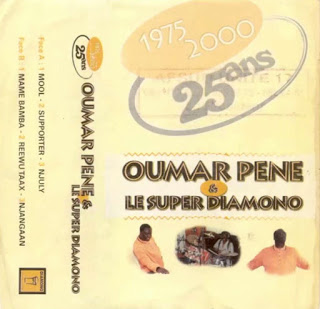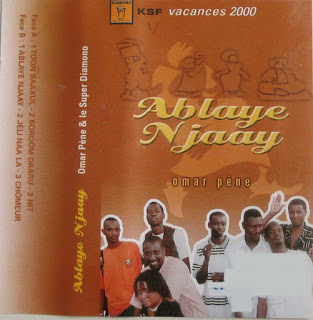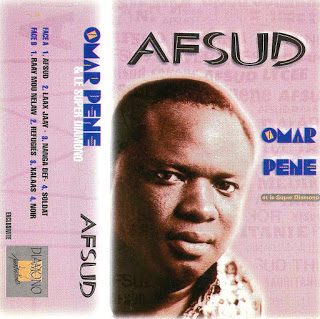
Biography
Omar Pène: the voice of Dakar’s people in music
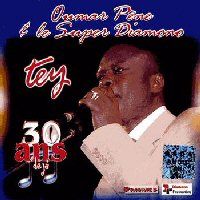
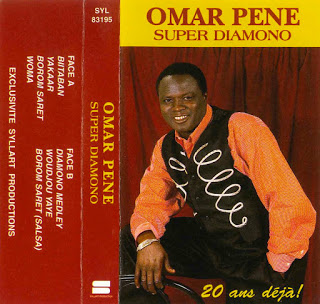
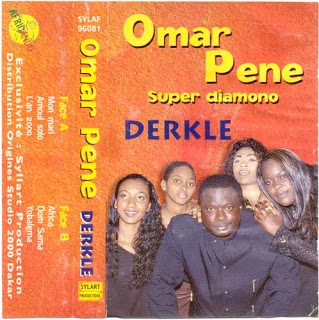
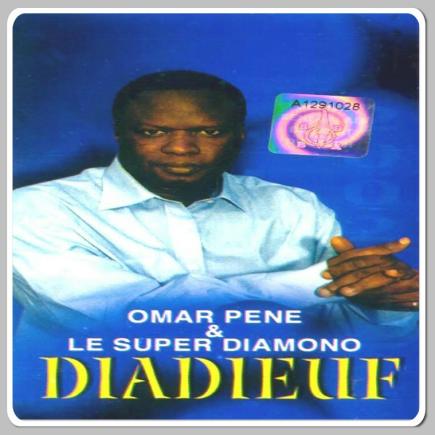
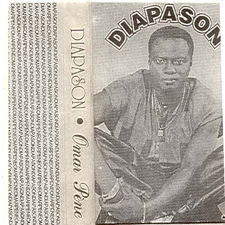
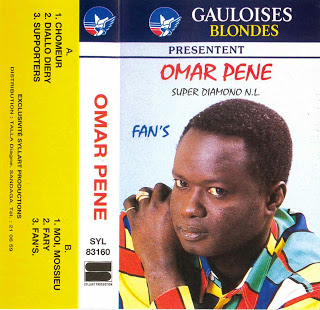
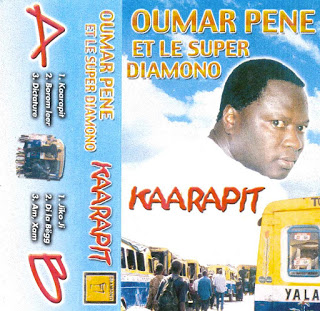
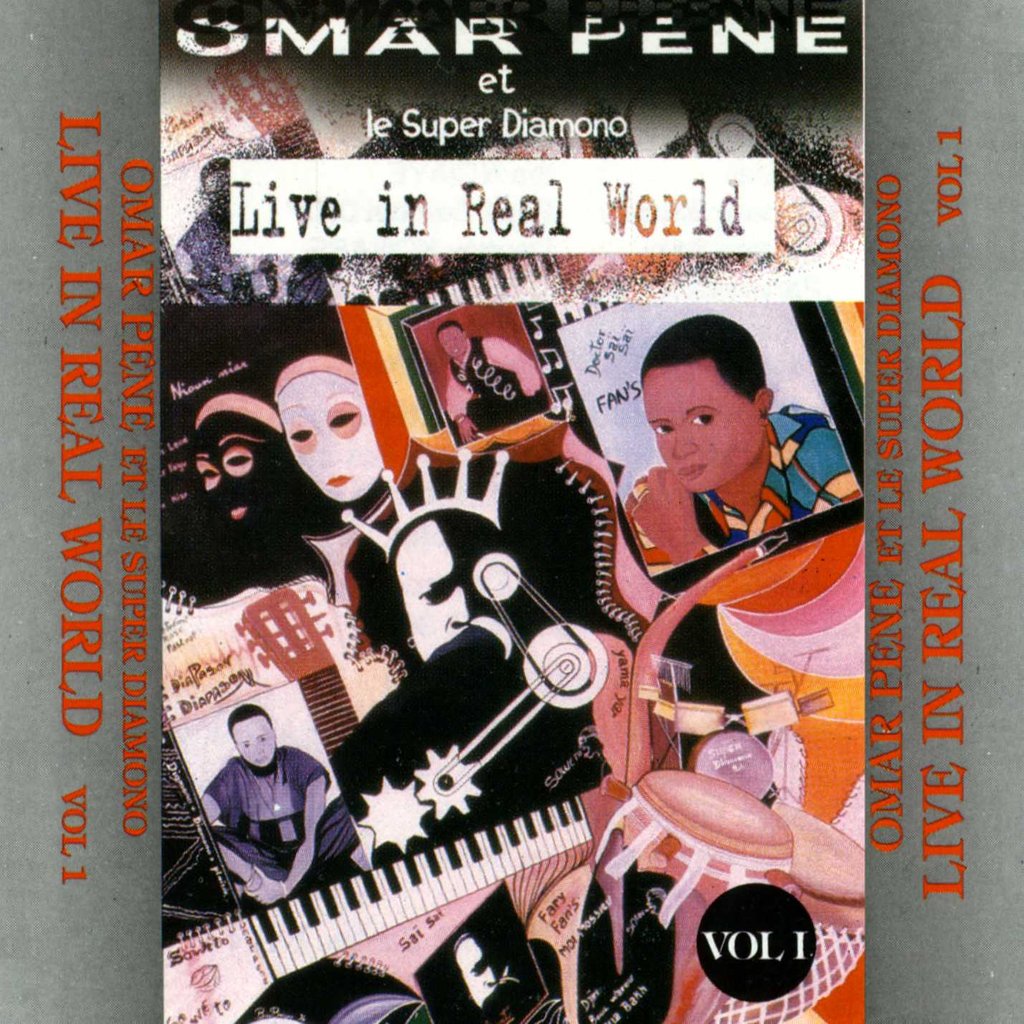
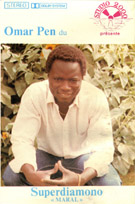
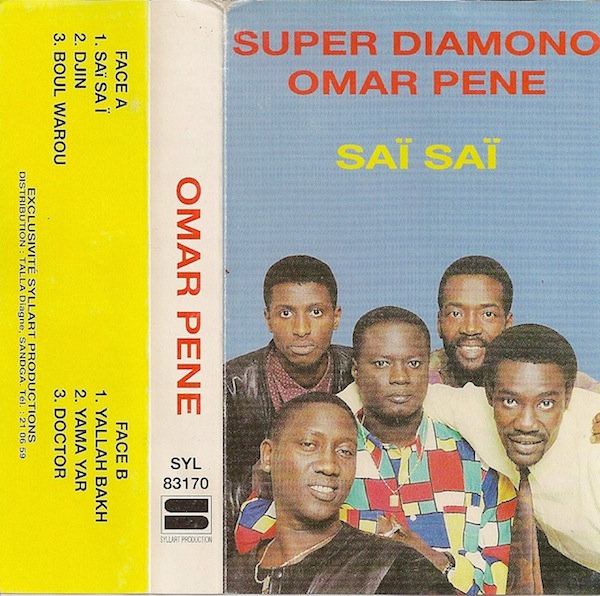
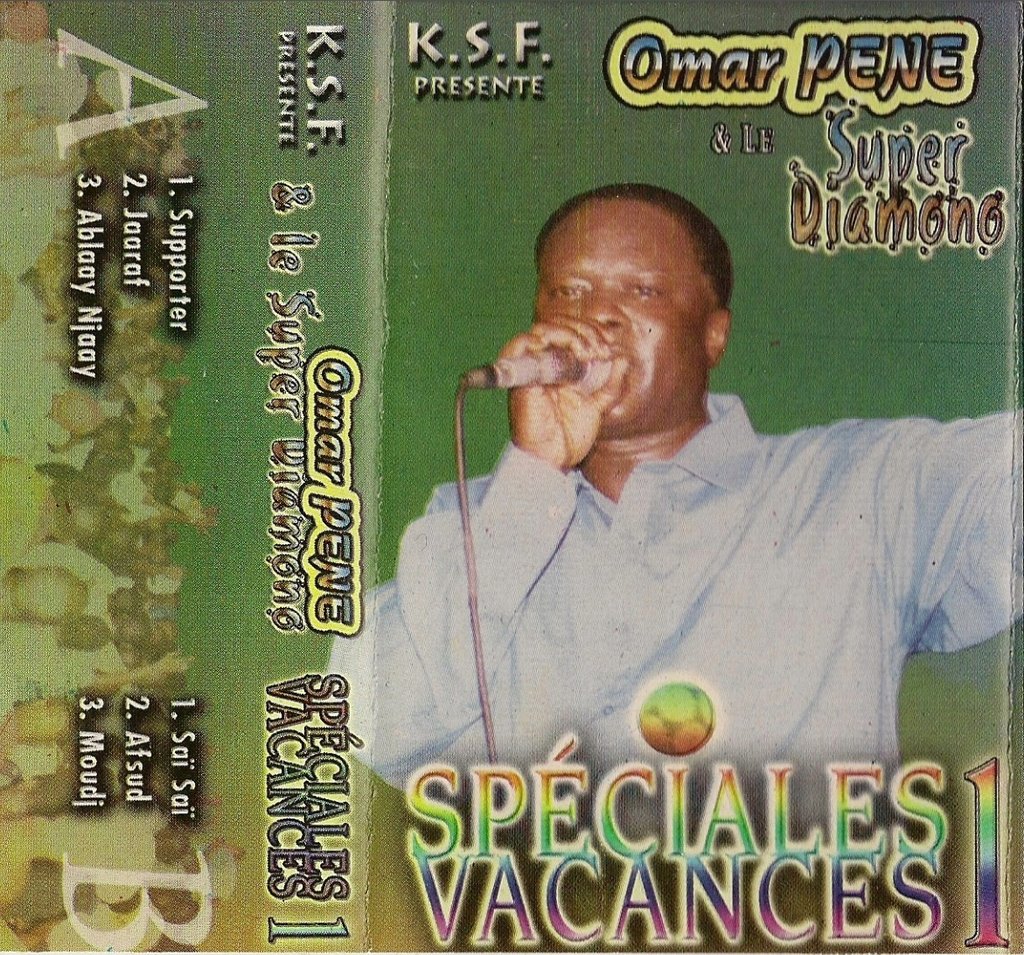
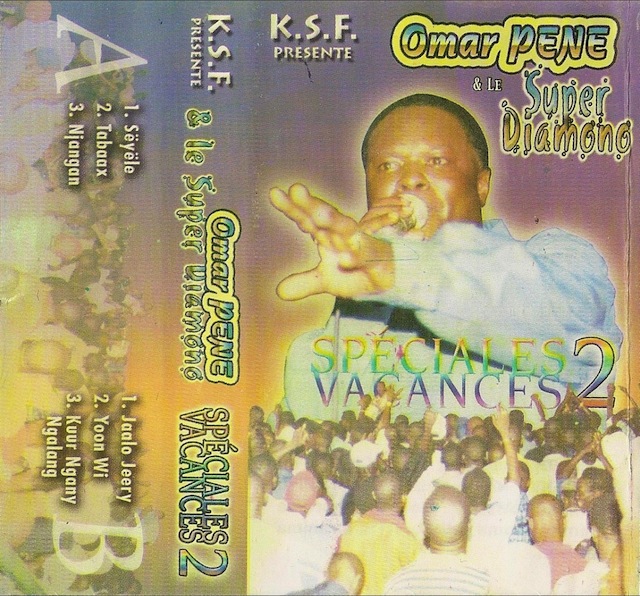
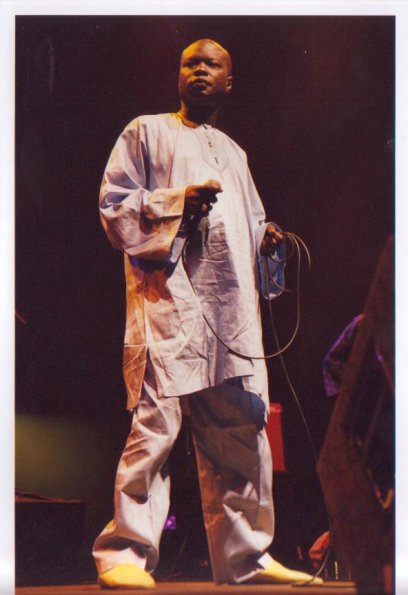
On December 10, 2004, Omar Pène celebrated the thirty years of Super Diamono with Ismaël Lô, Bob Sene and Moussa Ngom. For thirty years, this group, “generation” in Wolof, has made the popular suburbs of Dakar vibrate.
In brief
| Birth | December 28, 1955, Dakar |
| Genre | Cool Mbalax, jazz-funk, afro-feeling |
| Founding group | Super Diamono |
| Awards | Golden Kora (1998) |
Key dates
| Year | Event |
|---|---|
| 1955 | Born in Dakar, in the Médina |
| 1972 | Joins Kadd Orchestra, spotted by Baïlo Diagne |
| 1974-76 | Fusion of several groups → Super Diamono |
| 1979 | First album: Géédy Dayaan |
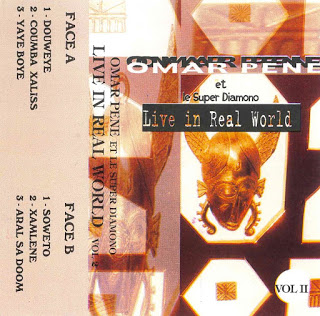
| 1987 | Release of the hit “Soweto” |
| 1998 | Golden Kora in Johannesburg |
| 2004 | Historic 30-year concert with former members |
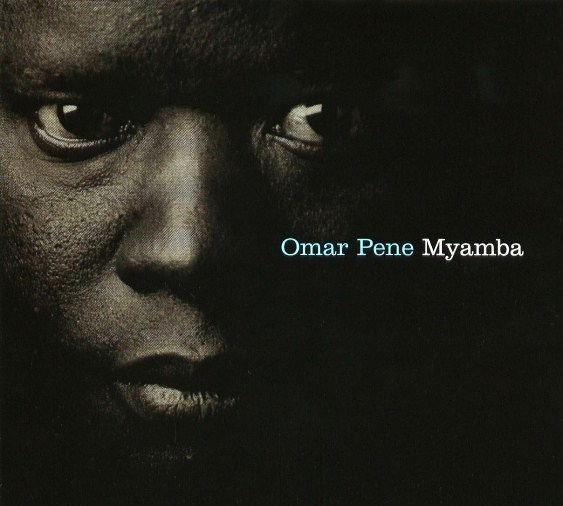
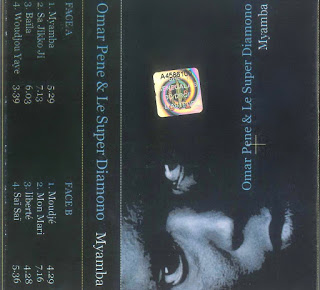
| 2005 | First solo album: Myamba |
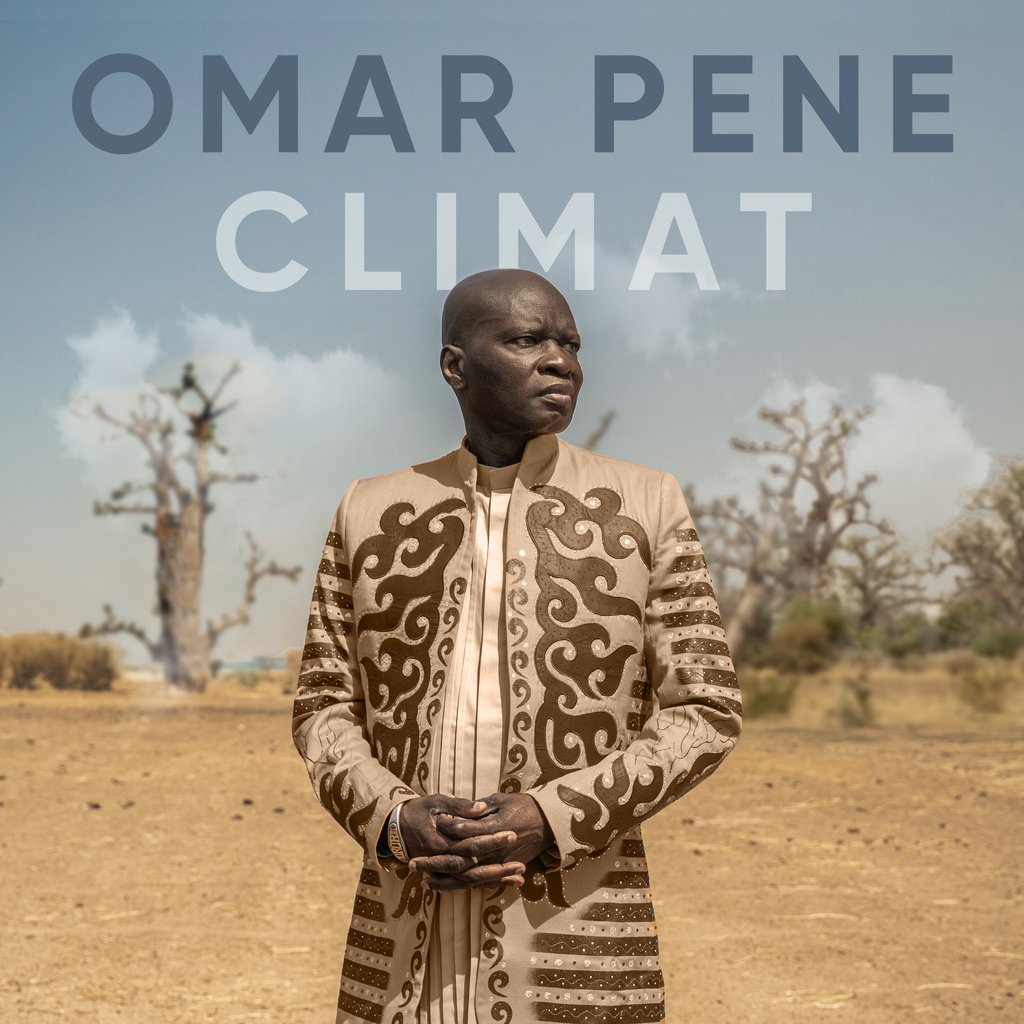
| 2021 | Release of Climat, first solo ecological album |
A street child who becomes a singer
Omar Pène grew up between the Médina and Pikine, Dakar’s popular suburb. Raised according to the principles of the Mouride brotherhood — which makes honest work fundamental values —, he had a difficult childhood: polygamy split the family in two, and tensions with his mother-in-law pushed him to sleep on the streets at fifteen.
For several years, he managed alone. Football was his passion, his escape. But it is on the asphalt that he discovered song. In 1972, musician Baïlo Diagne heard him sing and spotted him for the Kadd Orchestra. Three years later, the group merged with Tropical Jazz De Dakar to give birth to Super Diamono.
The sound that makes history
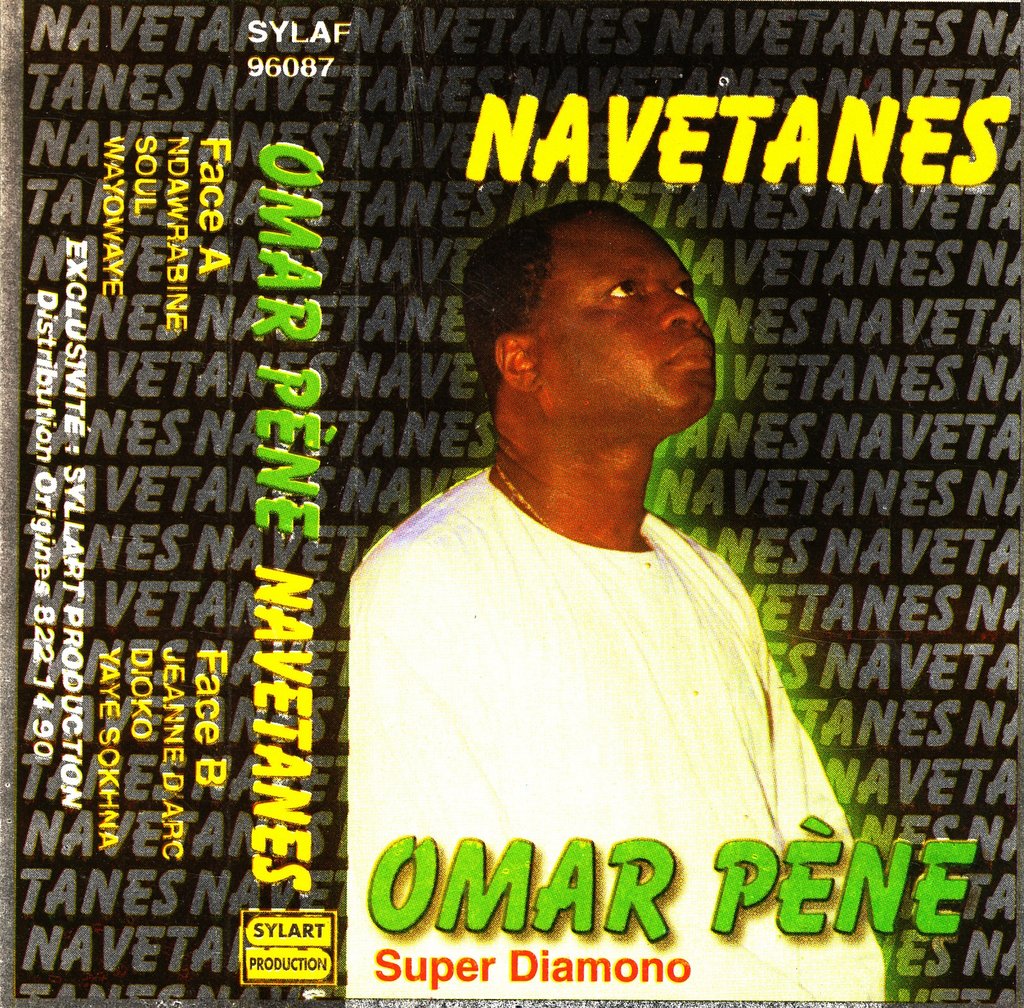
From their beginnings, the group refused to follow the trend: Dakar lived at the rhythm of salsa, and the elders mocked this mix of Wolof, jazz and traditional rhythms. The group left to live in Casamance and Gambia, slept in villages, listened to old percussionists. The result — afro-feeling — mixes mbalax, funk, jazz-funk and Afro-Cuban sounds in a frenzied dance.
During the 1980s, Super Diamono rivaled Super Étoile of Youssou N’Dour, but with a different audience: students, suburban youth, port proletarians. The Balafon Club became their sanctuary. The Rough Guide nicknamed them “the people of Dakar’s proletarian suburbs”. With more than 600 songs to his credit, Omar Pène forged an engaged repertoire.
The voice of the youth, the album of life
After Ismaël Lô’s departure towards a solo career in the mid-1980s, the group underwent changes. In 1991, Omar Pène rebuilt the troupe with session musicians. Four years later, Super Diamono went on tour in Europe and North America. In 1989, he founded Afsud, a solidarity action structure in the neighborhoods.
In 2005, he published Myamba, his first solo album, produced by Olivier Bloch-Lainé, with top French musicians. Twenty years later, he returned with Climat (2021), an album entirely dedicated to the ecological emergency, driven by the same convictions that have animated him since his fifteen years on the street. Approaching seventy, Omar Pène does not intend to stay silent: his texts remain well-meaning slingshots. It is the role of the modern griot — the guardian of memory who speaks to young people so they do not sink.
Major works
| Work | Year | Why it is essential |
|---|---|---|
| Géédy Dayaan | 1979 | Group’s first record, manifesto of afro-feeling |
| “Soweto” | 1987 | International hit that put Senegal on the world stage |
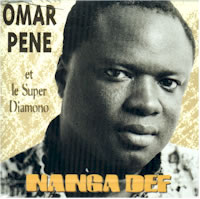
| Nanga Def | 1998 | Return to acoustic roots, mature and stripped sound |
| Climat | 2021 | Final chapter, ecological plea driven by sharp awareness |
Legacy and influence
Omar Pène and Super Diamono shaped Senegalese popular music differently than Youssou N’Dour: the Diamono remained anchored in neighborhoods, close to students and workers. The group formed a school — Ismaël Lô, Bob Sene and many others passed through its walls before shining alone. His engaged texts still inspire Senegalese rappers and singers. Afro-feeling is today taught in Dakar conservatories. The youth of Guediawaye, where the Banlieue Rythme festival bears his patronage, continue to see in him a living model of what an artist can offer their community.
Sources and references
- Craig Harris, « Omar Pene — Biography », AllMusic, https://www.allmusic.com/artist/omar-pene-mn0000396363, accessed October 20, 2025.
- « Omar Pène », Wikipedia, https://fr.wikipedia.org/wiki/Omar_P%C3%A8ne, accessed October 20, 2025.
- « Omar Pene », Wikipedia, https://en.wikipedia.org/wiki/Omar_Pene, accessed October 20, 2025.
- « Omar Pène, 50 years of civic engagement », RFI Musique, https://musique.rfi.fr/emission/info/epopee-musiques-noires/20220123-omar-pene-50-ans-dengagement-citoyen.html, accessed October 20, 2025.
- « The 30 years of Super Diamono », RFI Musique, https://musique.rfi.fr/musique/20041209-30-ans-super-diamono.html, accessed October 20, 2025.
- « Omar Pène presents “Climat” », RFI Musique, https://musique.rfi.fr/musique-africaine/20220110-omar-pene-presente-climat.html, accessed October 20, 2025.
- « Omar Pène — Plein Sud », RFI, https://www.rfi.fr/fr/emission/20100316-1-omar-pene, accessed October 20, 2025.
- Babacar Mbaye DIOP, Omar Pène. Un destin en musique, Fikira, Rouen, 2016.
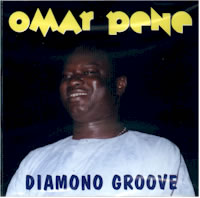
- Omar Pène, Diamono Groove (2006), Syllart Productions.
- Omar Pène, Climat (2021), Diamono Productions.