Biography
Orchestre Vévé
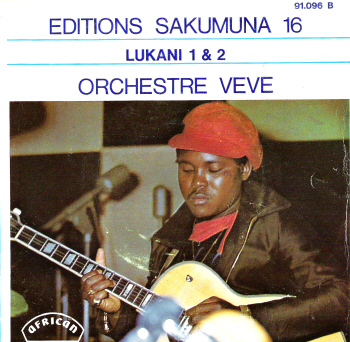
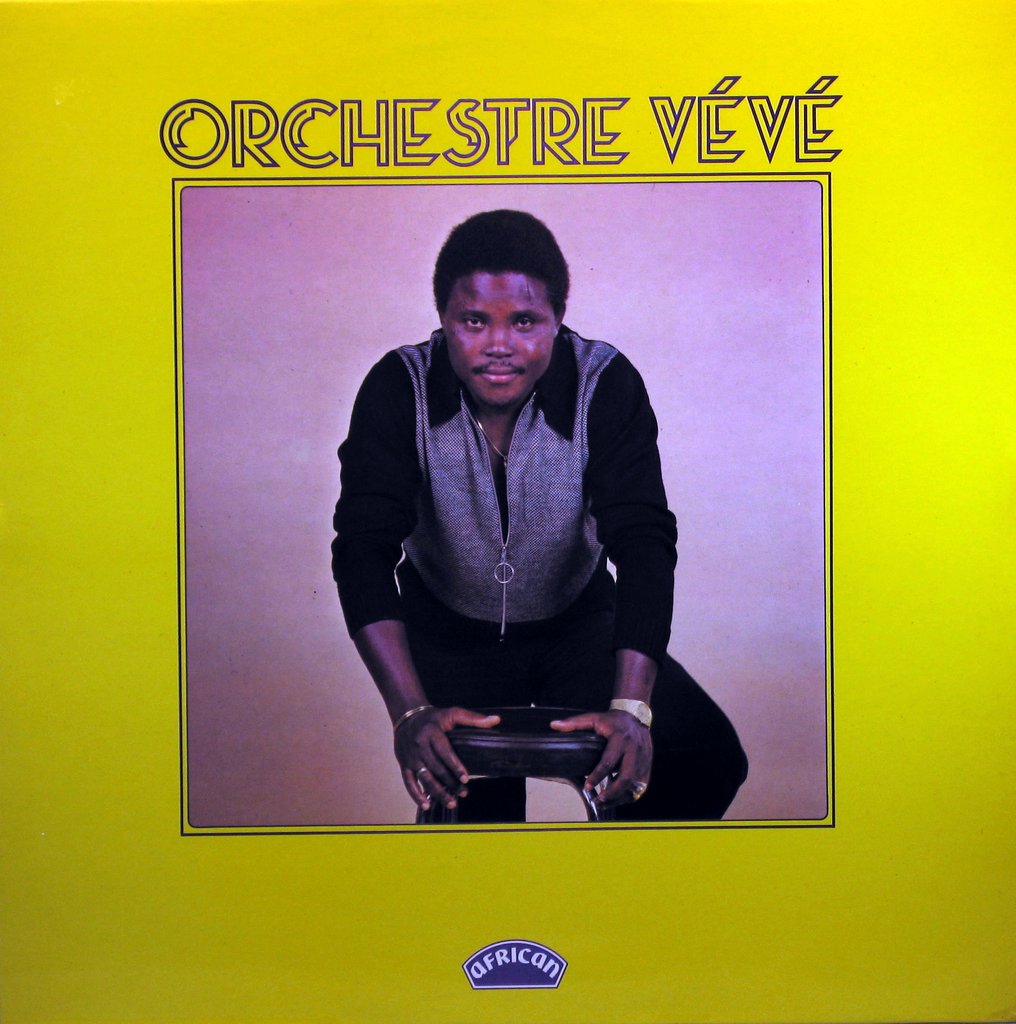
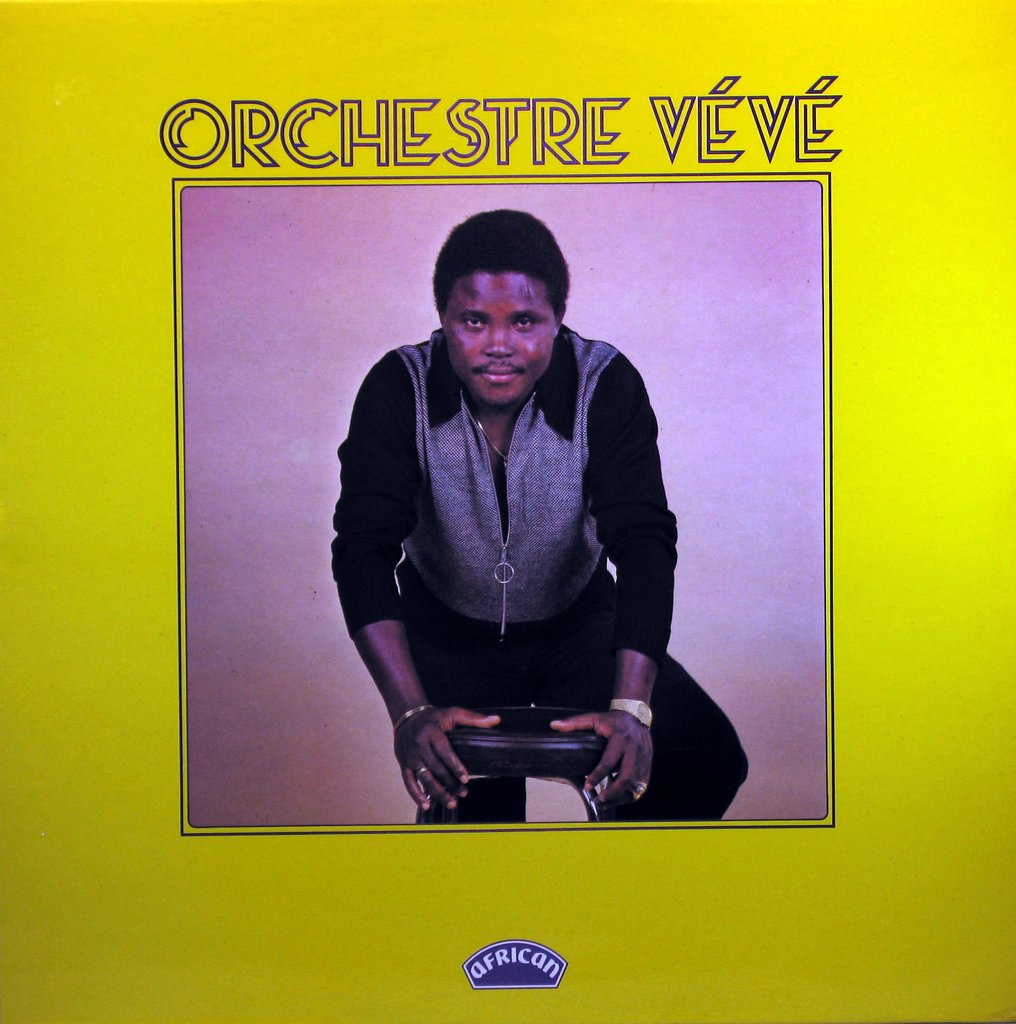
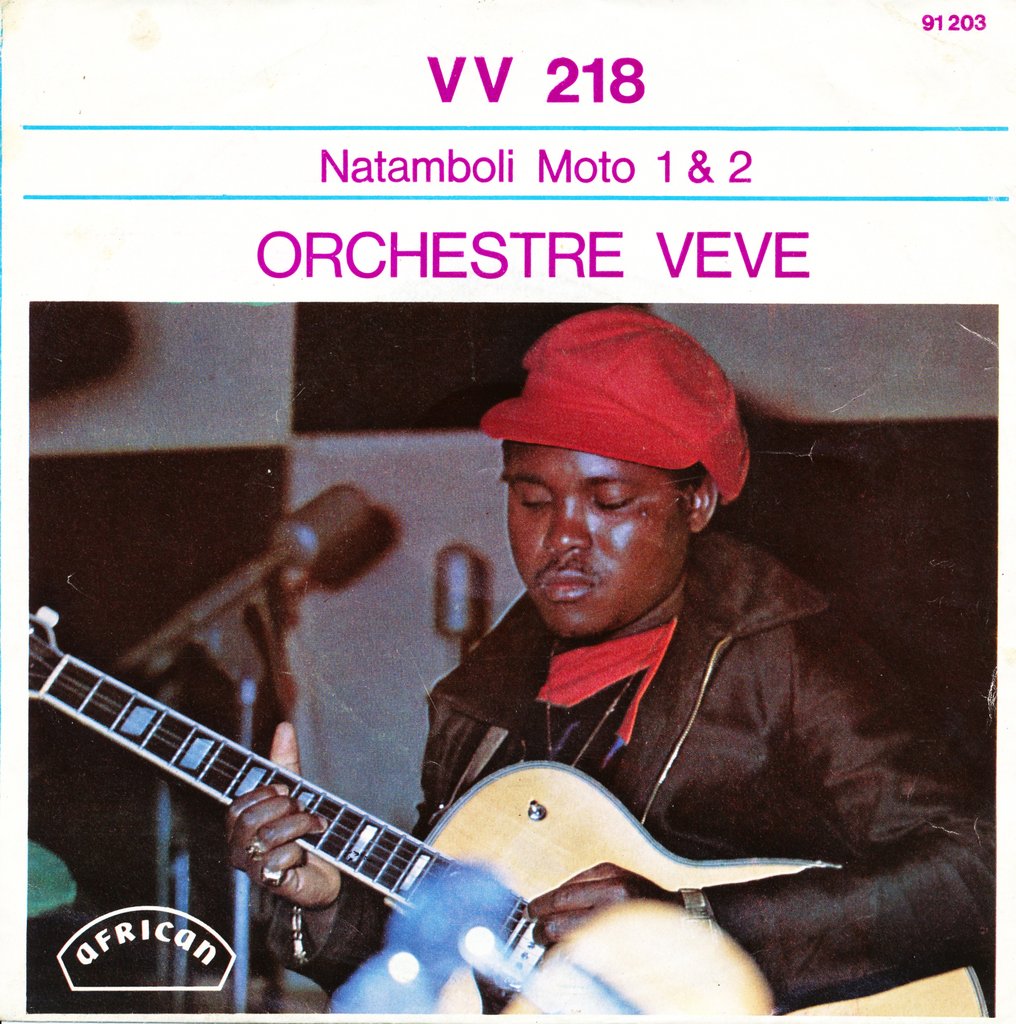
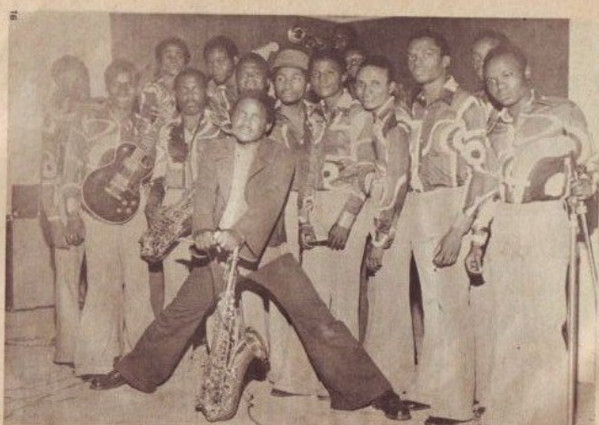
On April 5, 1969, in Kinshasa, saxophonist Georges Kiamuangana Mateta took the stage at a bar in the Zairian capital. A new formation took shape — Orchestre Vévé — whose sound exuded a rhythmic power capable of rivaling that of OK Jazz. Verckys, nicknamed “the man with steel lungs” by critics, had just parted ways with the most prestigious Congolese group to launch his own venture. The venture that would make him an exceptional musician and the first African to own his own label.
In brief
| Group name | Orchestre Vévé (Éditions Vévé International) |
| Founder and leader | Verckys Kiamuangana Mateta (19 May 1944 – 13 October 2022) |
| Main instrument | Saxophone (Verckys), guitar, vocals |
| Genre(s) | Congolese rumba, soukous na Cavacha |
| Country of origin | Zaire (Democratic Republic of the Congo) |
| Active period | 1969 – late 1980s |
| Founding members (vocals) | Mario Matadidi, Marcel Loko Massengo dit Djeskain, Sinatra Tshekabu |
| Labels | Éditions Vévé / Sonafric (later ZADIS) |
Key dates
| Year | Event |
|---|---|
| 1963 | Verckys joins Franco Luambo’s TPOK Jazz, becoming the second saxophone |
| 1969 | Founding of Orchestre Vévé; first public performance at bar Vis-à-Vis |
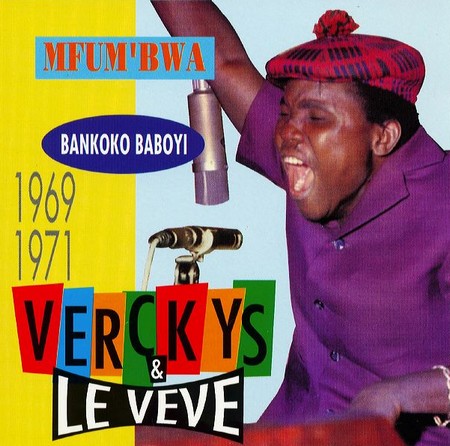
| 1970 | Release of Dynamite Verckys; first hits: “Mfumbwa”, “Ah mokili” |
| 1972 | Creation of Vévé Studio; departure of Trio Madjesi for Brazzaville |
| 1974 | James Brown nicknames Verckys “Mister Dynamite” at Zaire 74 |
| 1976 | Label renamed ZADIS; success of “Nakomitunaka” and “Bea” |
| 1978 | Inauguration of Vévé Centre; Verckys president of UMUZA |
| 1984-1988 | Disc pressing and entrepreneurial activities dominate the group |
A visionary musician: from rupture to musical leadership
Born into a wealthy family from Bas-Congo, Georges Kiamuangana Mateta was born in Kisantu in 1944. As a teenager, he learned clarinet and saxophone within the Kimbanguiste fanfare, the prophetic church. His nickname, Verckys, originated from a mishearing of King Curtis. At seventeen, he began his career in 1961 at Los Cantina, then passed through Jamel National, Congo Jazz, and Conga Succès before joining Franco Luambo’s TPOK Jazz in 1963. It was there that Verckys forged his reputation: his saxophone solos became central elements of the sebene, these looping dance interludes, and he composed hits like “Bolingo ya Bougie”, “Polo le Chipeur”, and “Oh Madame de la Maison”.
In 1968, Verckys clandestinely recorded four tracks with Youlou Mabiala. The rupture was consummated: on April 5, 1969, he founded Orchestre Vévé. The group gathered emerging talents from the start, including Marcel Loko Massengo (Djeskain), Sinatra Tshekabu, and Mario Matadidi. Verckys adopted a sparer sound than OK Jazz, leaving more room for his fiery solos and inventing a new rhythm called cavacha, a direct precursor to soukous. Orchestre Vévé quickly conquered the Zairian public. Tracks like “Mfumbwa”, “Nakomitunaka” (a philosophical response to Mobutu’s authenticity policy), “Sex Vévé”, and “L’Afrique aux Africains” set the rhythm of Kinshasa dance floors.
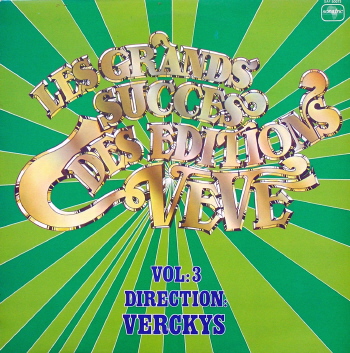
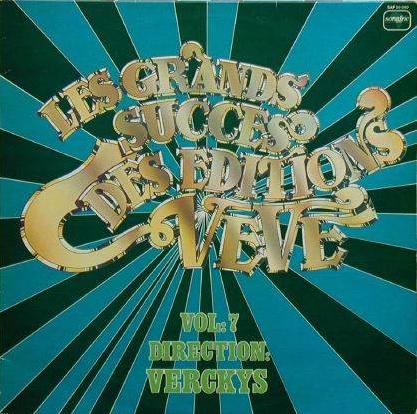
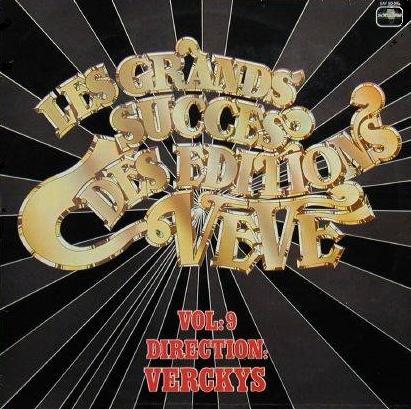
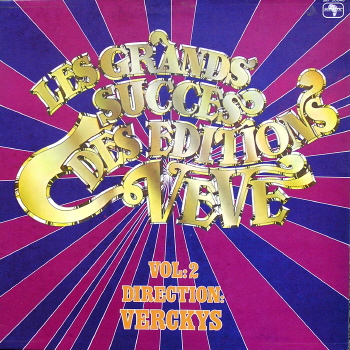
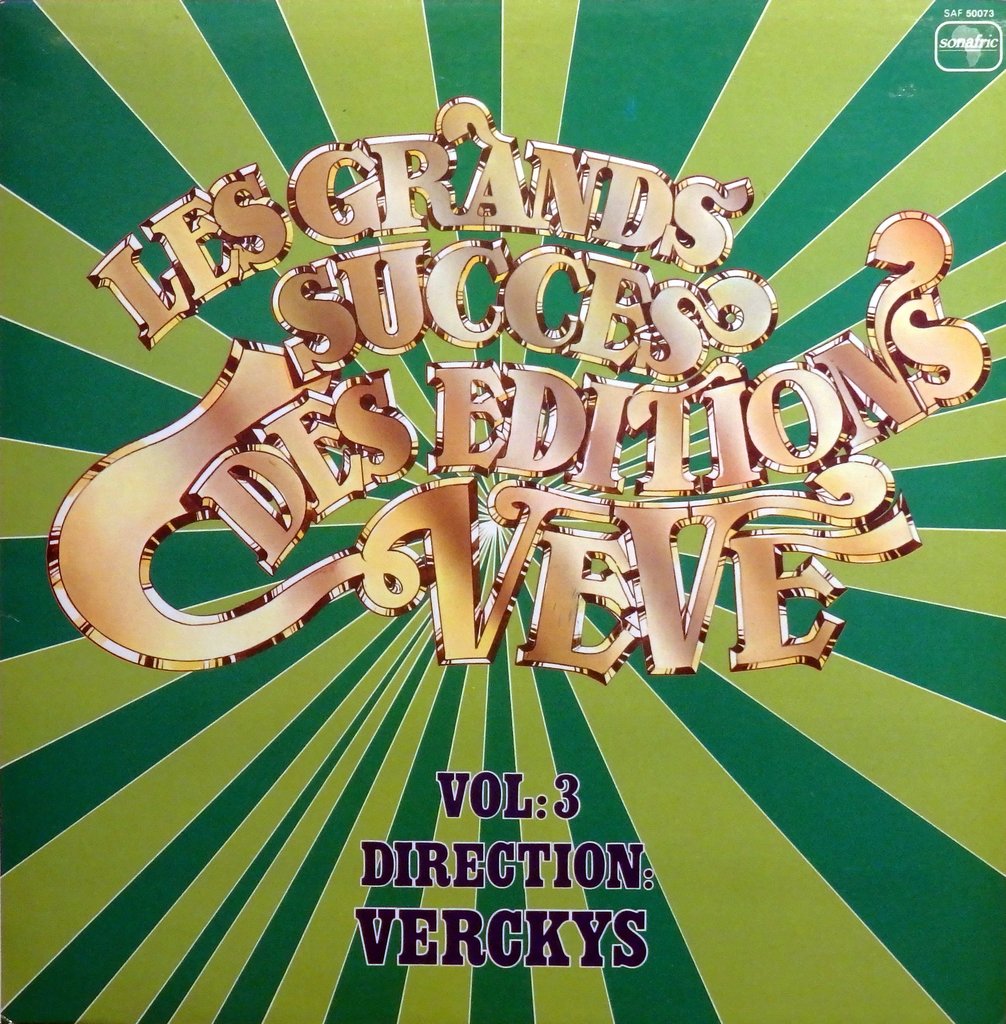
Verckys was not content with just an orchestra: he built a complete music industry. In 1971, Vévé Studio became one of the most modern studios in Africa. In 1974, Éditions Vévé made Verckys the first African to own a label — renamed ZADIS in 1976. Vévé produced and signed future giants: Zaïko Langa Langa, Empire Bakuba, Bella Bella, and Victoria Eleison. The three founding vocalists left Vévé in 1972 to form Trio Madjesi in Brazzaville, instantly becoming one of the most popular formations. Verckys inaugurated the Vévé Centre in 1978, an entertainment complex that became the nerve center of the music scene. He succeeded Franco as president of UMUZA, a role he held until 1988. Gradually, his entrepreneurial activities drew him away from the stages, and the group slowly dissolved in the 1980s.
Major works
| Work | Year | Why it is essential |
|---|---|---|
| Dynamite Verckys (Sonodisc) | 1970 | First record; “Mfumbwa” and the invented cavacha established the group’s identity |
| “Nakomitunaka” (single) | 1972 | Philosophical masterpiece: a musical response to Mobutu’s authenticity policy |
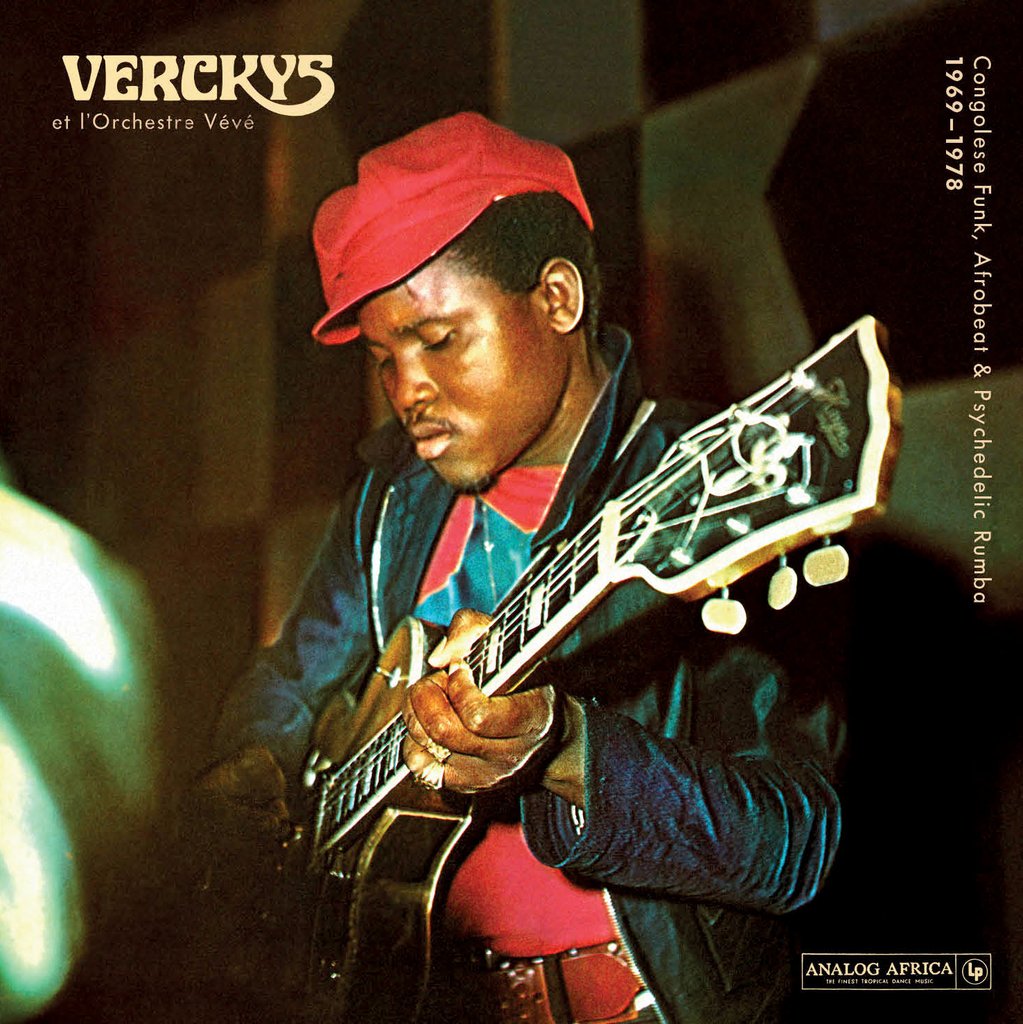
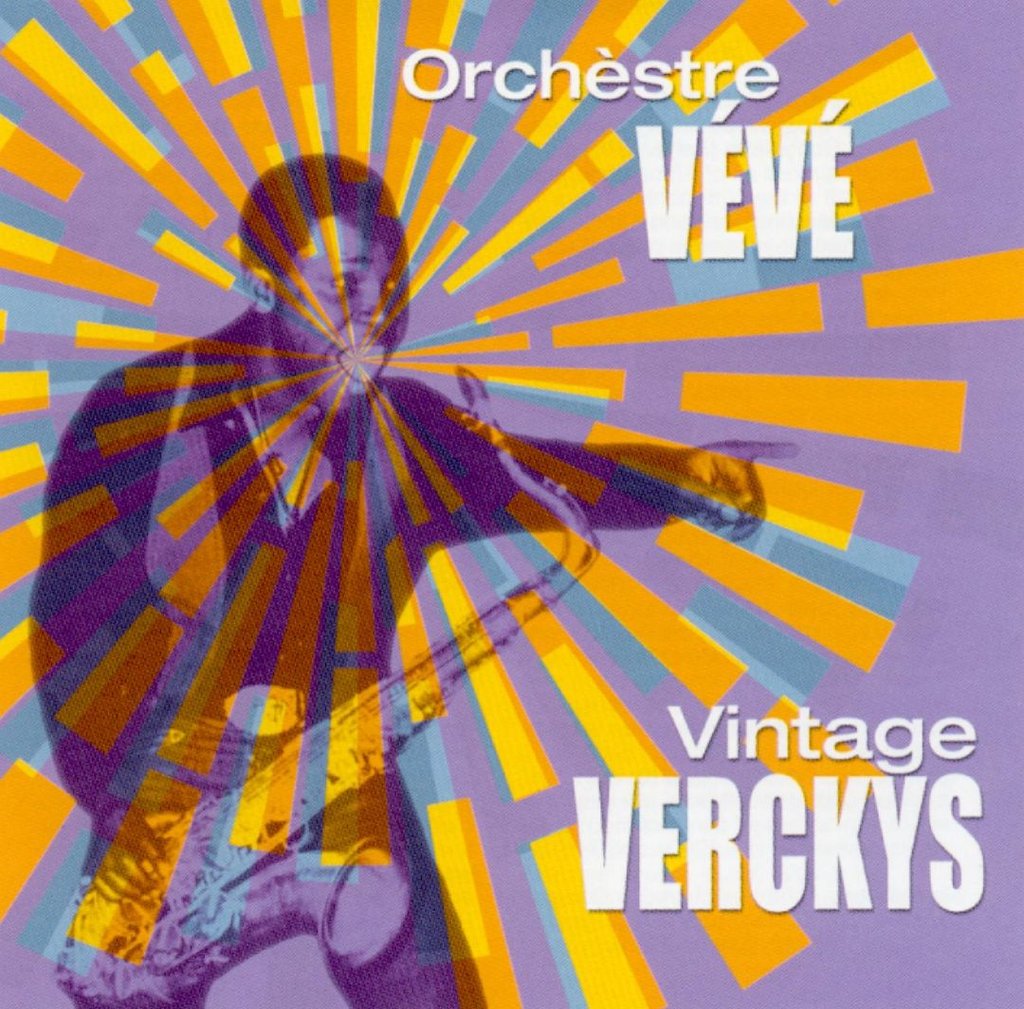
| Congolese Funk, Afrobeat & Psychedelic Rumba 1969-1978 (Analog Africa) | 2014 | Award-winning posthumous reissue revealing the orchestral richness of Vévé to the international public |
Legacy and influence
Orchestre Vévé stands among the pillars of Congolese music of the 1970s. Verckys’ influence extends beyond his own discography: by founding Éditions Vévé, opening the Vévé Studio, and launching Zaïko Langa Langa, Koffi Olomide, or Empire Bakuba, he shaped the Zairian music industry. His invention of the cavacha rhythm directly anticipated soukous, the dominant style of Central Africa. In 2015, the complete reissue by Sterns Music confirmed his stature with a new audience. Verckys Kiamuangana Mateta passed away on October 13, 2022, in Kinshasa, at the age of 78. Orchestre Vévé remains an undisputed reference in Congolese rumba, and the legacy of its founder continues to be rediscovered.
Sources and references
- « Verckys Kiamuangana Mateta », Wikipédia (French version), accessed November 11, 2026.
- « Verckys Kiamuangana Mateta », Wikipedia (English version), accessed November 11, 2026.
- Gary Stewart, « Congolese Band Leader (Orchestre Veve) and Cornerstone Georges “Verckys” Kiamuangana Has Passed Away », Afropop Worldwide, October 21, 2022.
- Alastair Johnston, « veve », Muzikifan, updated July 2, 2018.
- « Le saxophoniste Verckys Kiamuangana a tiré sa révérence jeudi à Kinshasa », ACP (Agence Africa Presse), October 17, 2022.
- Discogs: « Verckys Et L’Orchestre Vévé – Congolese Funk, Afrobeat & Psychedelic Rumba 1969-1978 », Analog Africa, accessed 11 November 2026.
- « Compilation Orchestres Congolo-Zaïroise », Afrisson, accessed 11 November 2026.