Biography
Paulo Flores: the voice of a dancing people
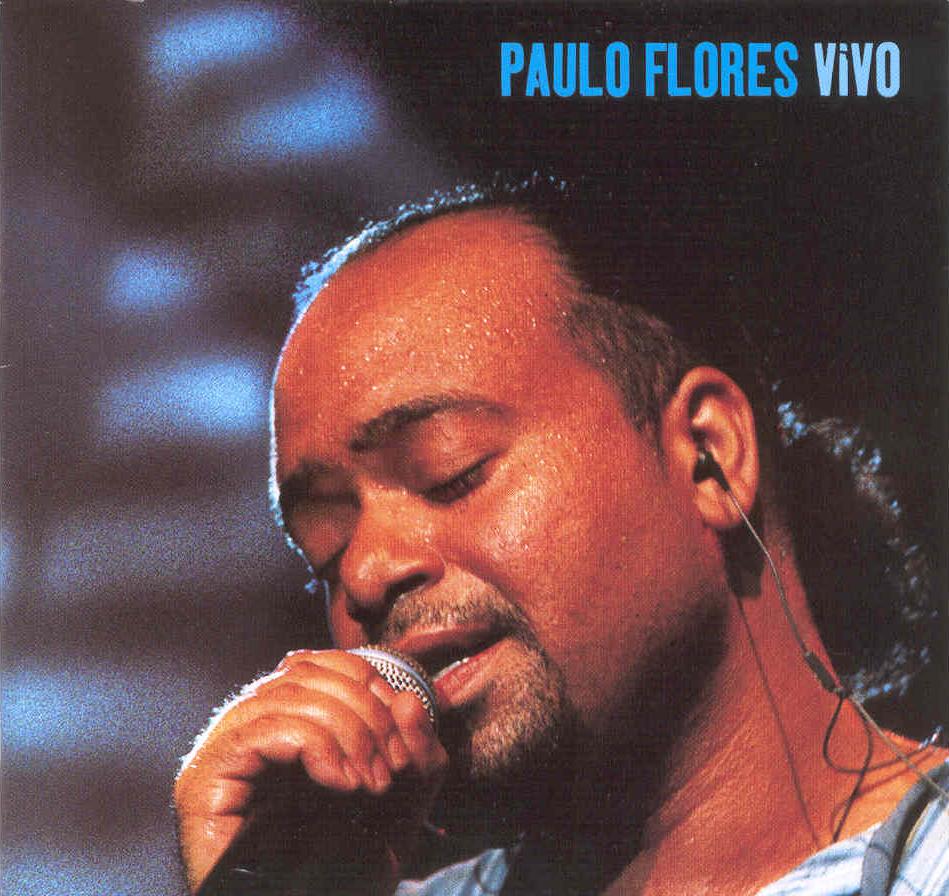
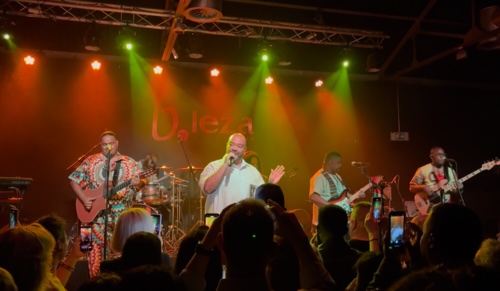
In 2008, nearly 25,000 people gathered at the Coqueiros stadium in Luanda for a concert where Angolan singer Paulo Flores interwove Portuguese ballads with shouts of joy in Kimbundu, the mother tongue of a quarter of Angolans. This scene sums up his talent: making music from a country at war carry dance, and transforming its fractures into rhythm.
In brief
| Full name | Paulo Alexandre da Silva Flores |
| Birth | July 1, 1972, Cazenga (Luanda, Angola) |
| Field | Music — semba and kizomba |
| Instruments | Vocals, guitar (self-taught) |
| Signature works | Kapuete Kamundanda, Canta Meu Semba, Ex-Combatentes |
| Honors | UN Goodwill Ambassador for Angola (since 2007) |
Key dates
| Year | Event |
|---|---|
| 1972 | Birth in Cazenga, near Luanda |
| 1975 | Independence of Angola; his mother moves to Lisbon, while his father, a DJ, stays in Luanda |
| 1988 | First album, Kapuete Kamundanda, recorded at age 16 |
| 1992 | Start of collaboration with guitarist Carlitos Vieira Dias |
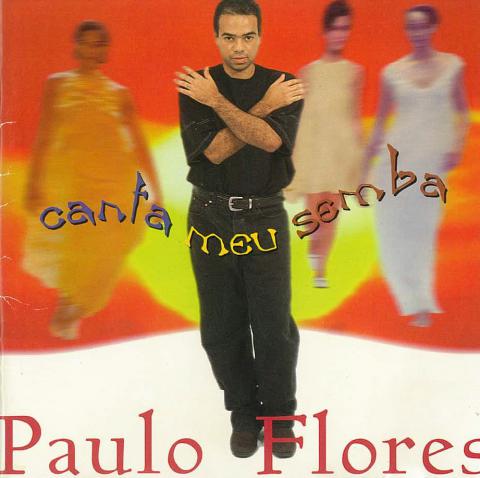
| 1996 | Release of Canta Meu Semba |
| 1999 | Permanent move to Luanda |
| 2009 | Release of the trilogy Ex-Combatentes |
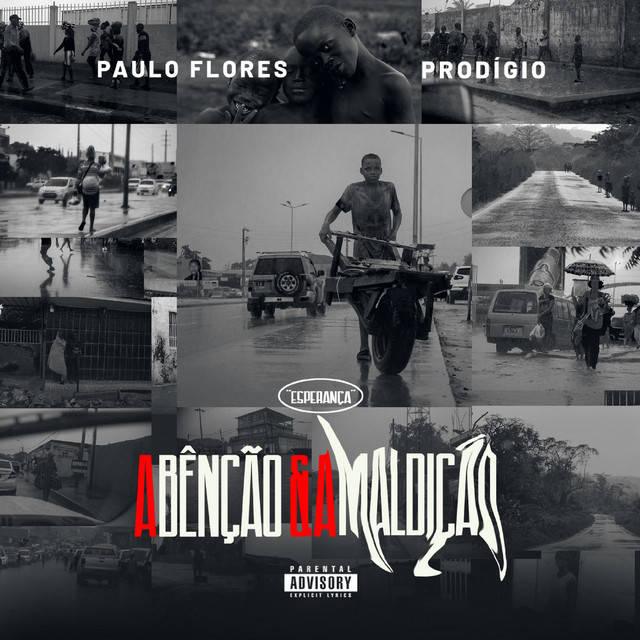
| 2020 | Collaboration with Prodígio under the name Esperança, album A Bênção e a Maldição |
Trajectory: between kizomba and memory
Paulo Flores grew up between Lisbon and Luanda. In 1975, Angola gained independence: his mother and family moved to Portugal, while his father, a DJ by profession, remained in the capital. Every summer, the boy returned. His grandmothers, Kimbundu singers, gave him the foundations of his music. He also listened to everything that passed by: Tom Jobim, the Jackson Five, Cuban and Congolese music. Self-taught, he learned guitar without formal training, knowing only two chords at first: la and mi. His first record would come out in these two sole tonalities.
In 1988, at sixteen, Paulo Flores recorded Kapuete Kamundanda at the Radio Nacional d’Angola. This first album contains “Cherry,” a title that inaugurated kizomba, a genre fused from Antillean zouk and Angolan percussion. The wave was immense: kizomba dominated all Lusophone production until the mid-1990s.
Then he looked further ahead. With Carlitos Vieira Dias, legendary guitarist and producer, he recorded Canta Meu Semba (1996), a first album dedicated to semba — the Angolan music born in the 1950s, with dances where partners, belly to belly, draw their name from semba. The old singers told him that no one would listen to this return to the sources. He deemed it necessary to do so. He mixed Portuguese with Kimbundu as spoken in the muxeques, the popular neighborhoods of Luanda. This linguistic audacity marked the Angolan musical unconscious.
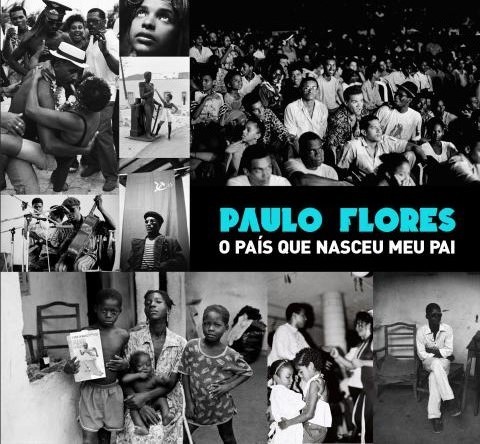
In 1999, he settled permanently in Luanda. He explored more experimental sounds on Xé Povo (2003), then dove into the roots: the show Raiz D’Alma (2010) revisits classics from the 1960s–1970s with traditional percussion — puita, dizanga, mukindo. Ex-Combatentes (2009) honors the heroes of independence while questioning post-oil Angola. O Pays Que Nasceu Meu Pai (2013) extends this memory reflection. In 2020, he crossed paths with the next generation with Prodígio, a figure of Angolan rap, in the album A Bênção e a Maldição from the Esperança project, where two voices of different centuries dialogue about the same country.
Major works
| Work | Year | Why it is essential |
|---|---|---|
| Kapuete Kamundanda | 1988 | First album at age 16; “Cherry” inaugurates kizomba, a globally widespread genre |
| Canta Meu Semba | 1996 | First pure semba; Paulo Flores introduces the Kimbundu of Luanda’s muxeques |
| Ex-Combatentes | 2009 | Trilogy honoring independence heroes, questioning oil Angola |
| A Bênção e a Maldição (Esperança, with Prodígio) | 2020 | Semba-rap dialogue between two Angolan generations |
Legacy and influence
Paulo Flores has become the main reference of Angolan music of his generation. He contributed to transforming kizomba into a global phenomenon and modernized semba without betraying it. His status as UN Goodwill Ambassador allows him to carry these messages well beyond borders. The young Angolan generation continues to dance to his rhythms.
Sources and references
-
“Paulo Flores”, Wikipedia in English, https://en.wikipedia.org/wiki/Paulo_Flores, accessed October 19, 2026.
-
“Paulo Flores (cantor)”, Wikipedia in Portuguese, https://pt.wikipedia.org/wiki/Paulo_Flores_(cantor), accessed October 19, 2026.
-
“Paulo Flores”, Sony Music Portugal, https://www.sonymusic.pt/artist/paulo-flores/, accessed October 19, 2026.
-
Paulo García, “Paulo Flores, the resilience of the Angolan people”, Philharmonie de Paris, https://philharmoniedeparis.fr/fr/magazine/actus/paulo-flores-la-resilience-du-peuple-angolais, accessed October 19, 2026.
-
“Paulo Flores Interview”, Afropop Worldwide, https://www.afropop.org/articles/paulo-flores-interview, accessed October 19, 2026.
-
“Paulo Flores”, Music In Africa, https://musicinafrica.net/directory/paulo-flores, accessed October 19, 2026.
-
“Paulo Flores”, BC Folk Music Festival (Vancouver), https://thefestival.bc.ca/artists/paulo-flores, accessed October 19, 2026.
-
“Paulo Flores”, Discogs, https://discogs.com/artist/789779-Paulo-Flores, accessed October 19, 2026.
-
“Paulo Flores e Prodígio lançam ‘A Bênção e a Maldição’”, RFI, https://www.rfi.fr/pt/programas/artes/20201106-paulo-flores-e-prod%C3%ADgio-lan%C3%A7am-a-b%C3%AAn%C3%A7%C3%A3o-e-a-maldi%C3%A7%C3%A3o, accessed October 19, 2026.
-
« Esperança — “A Bênção e a Maldição” », RTP Antena 1, https://antena1.rtp.pt/apoios/esperanca-a-bencao-e-a-maldicao-paulo-flores-prodigio/, consulté le 19 octobre 2026.