Biography
Biography of Pépé Kallé
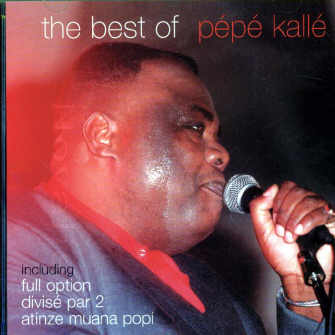
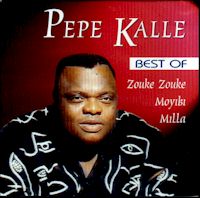
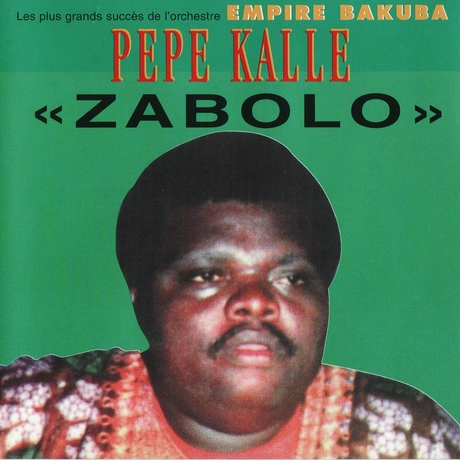
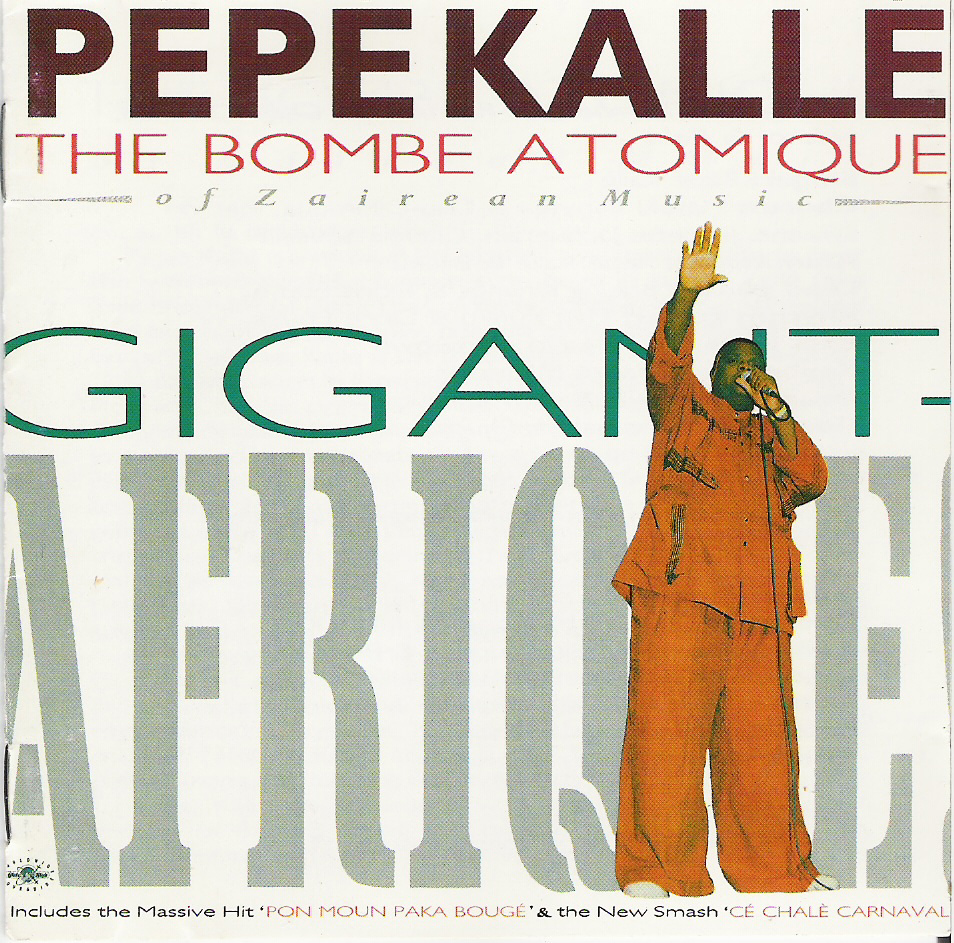
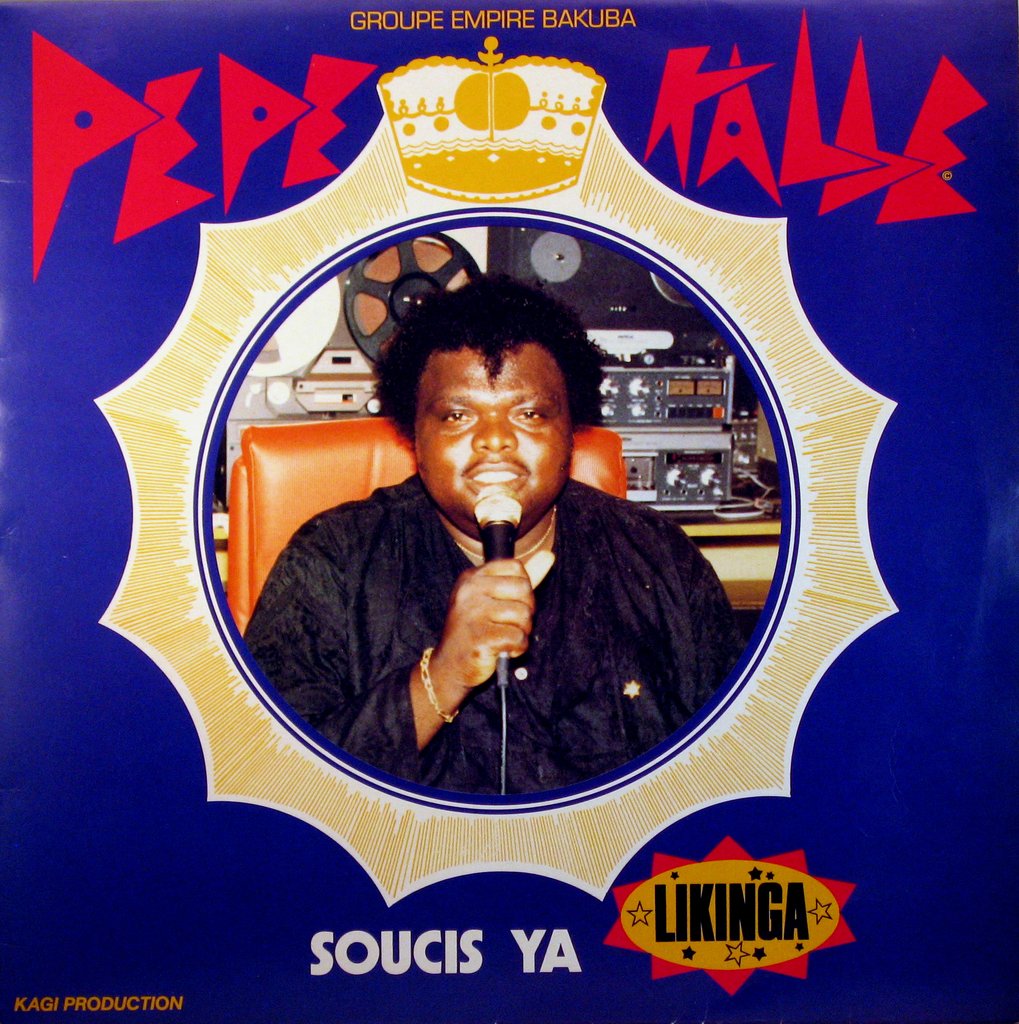
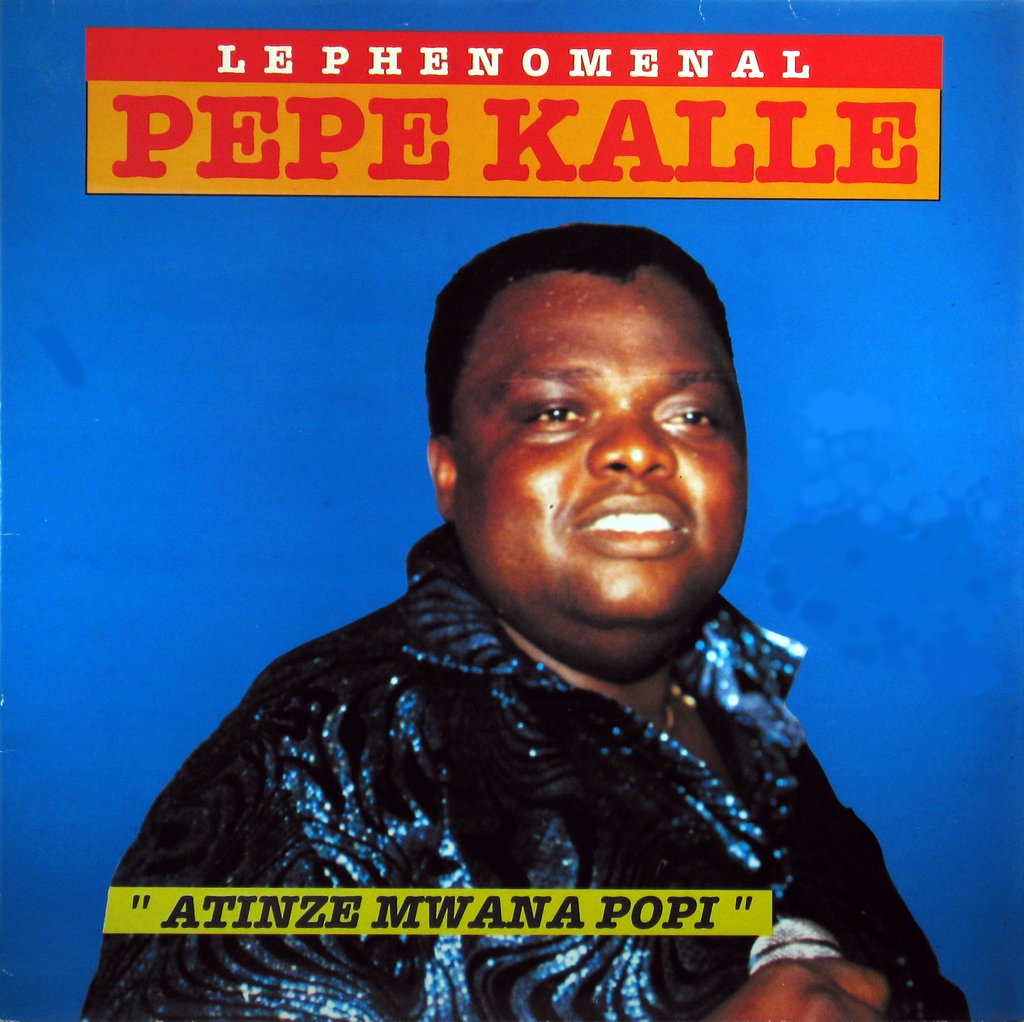
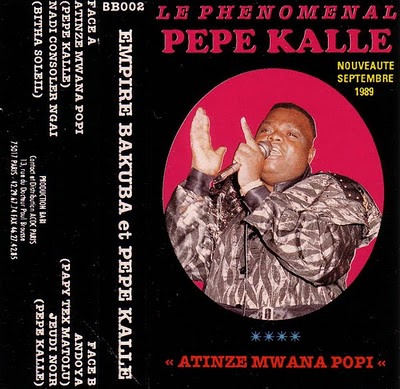
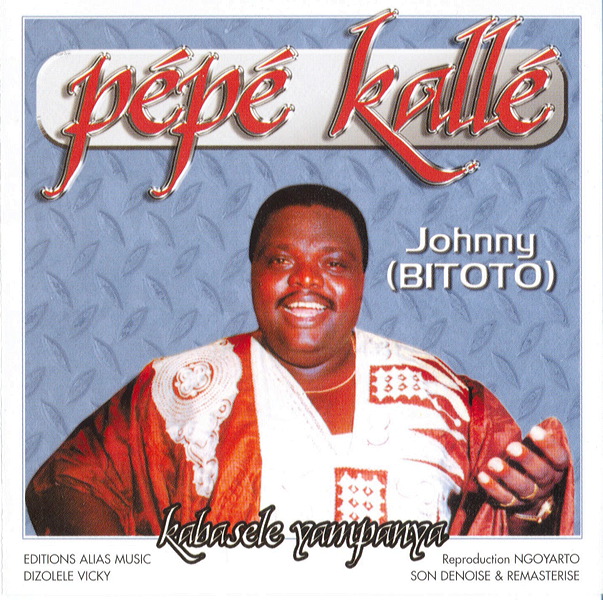
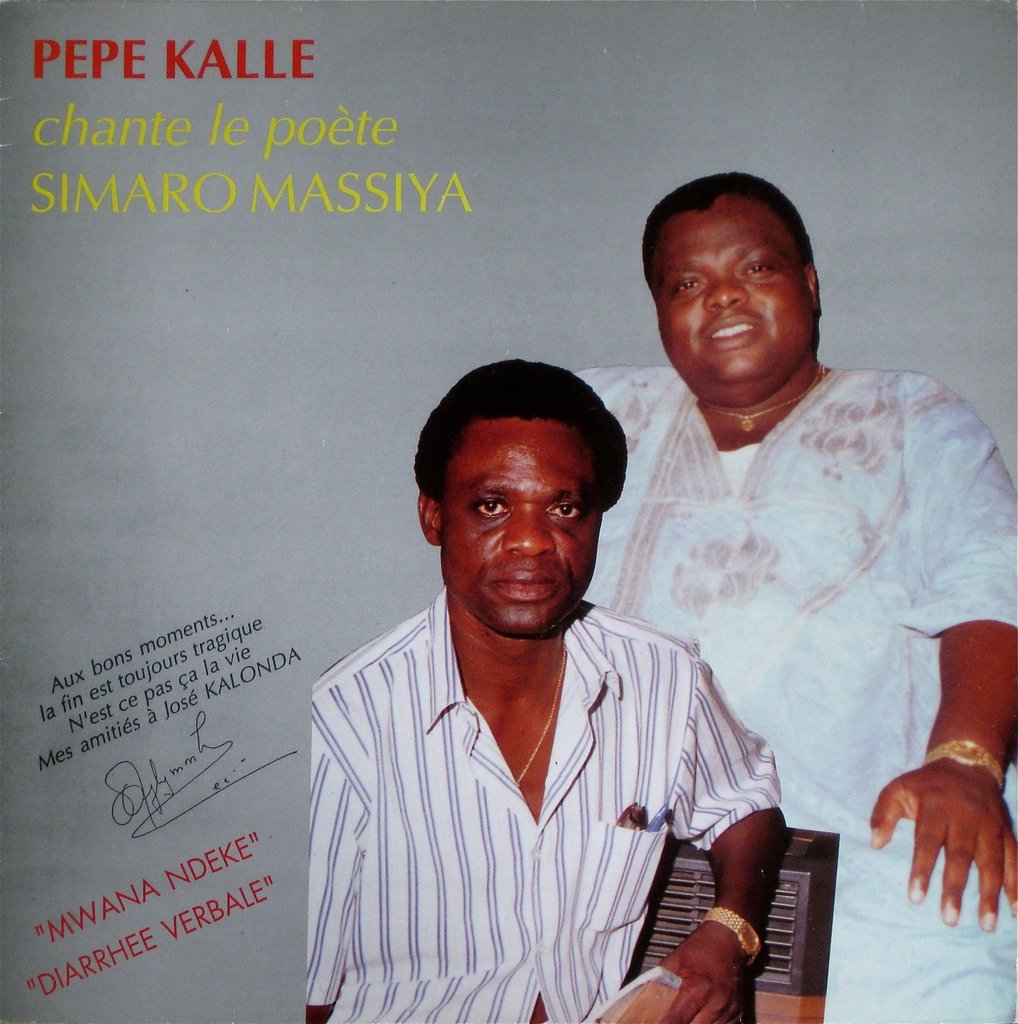
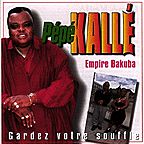
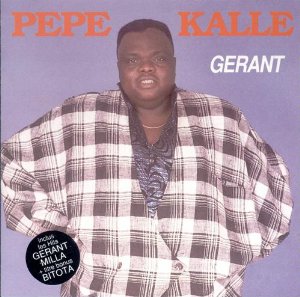
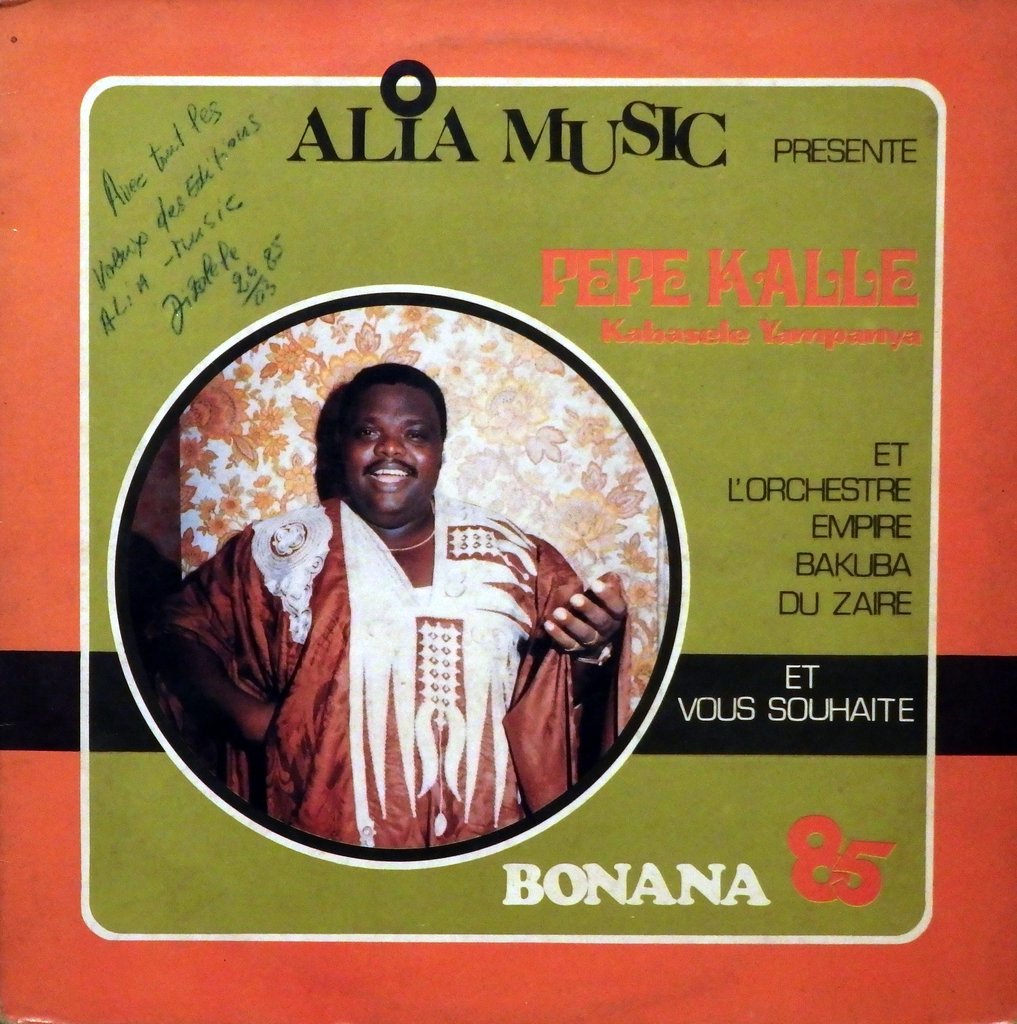
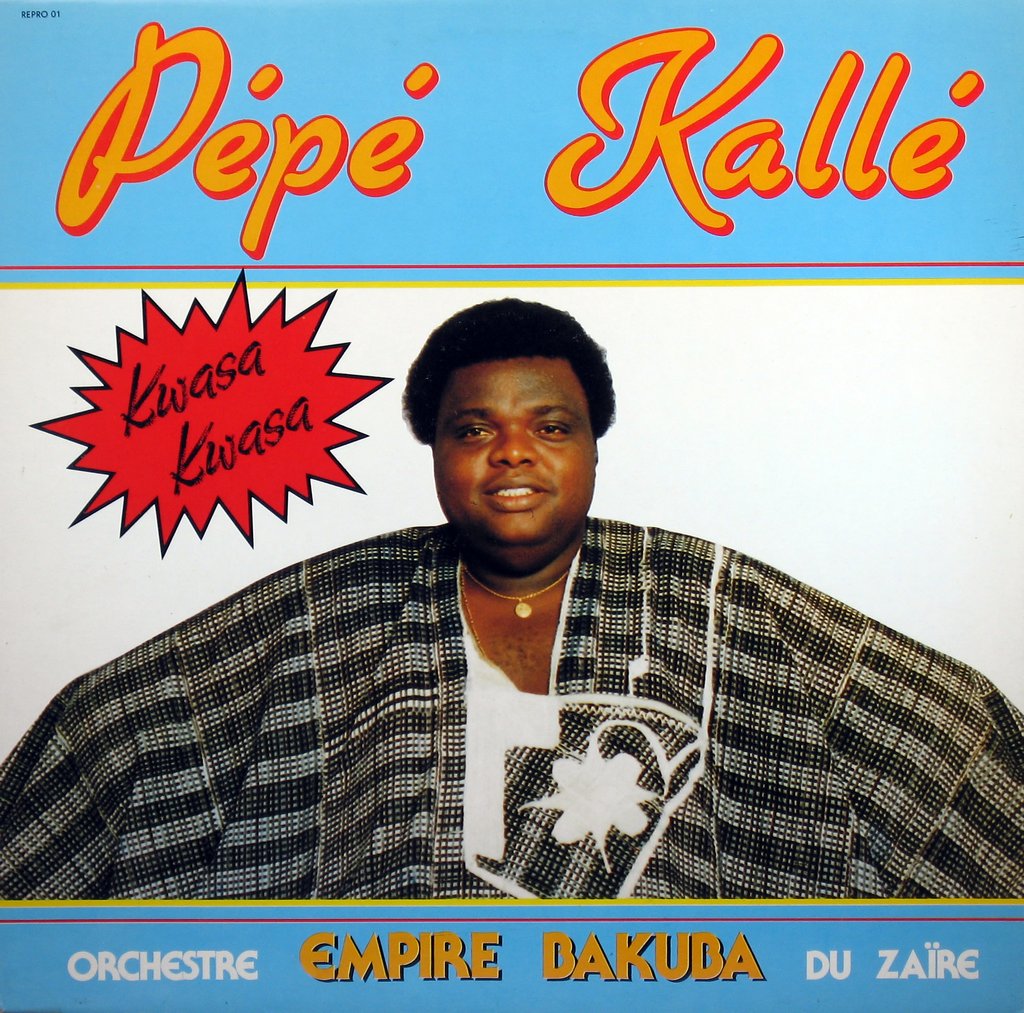
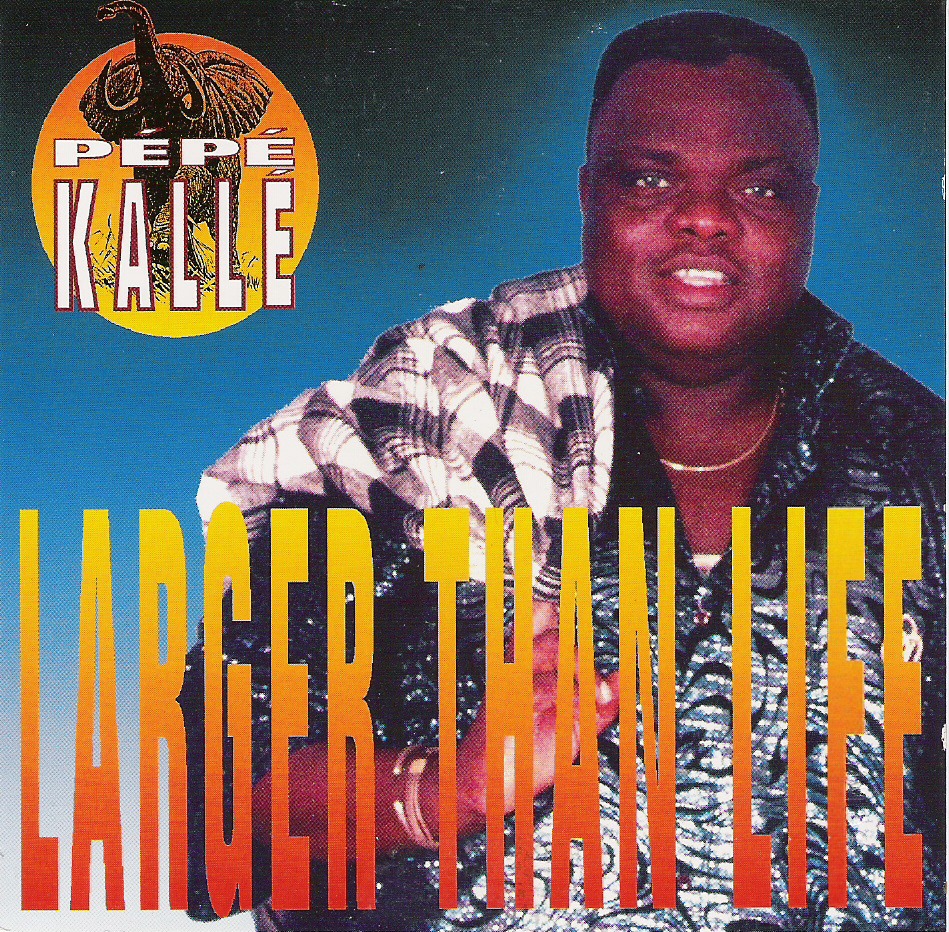
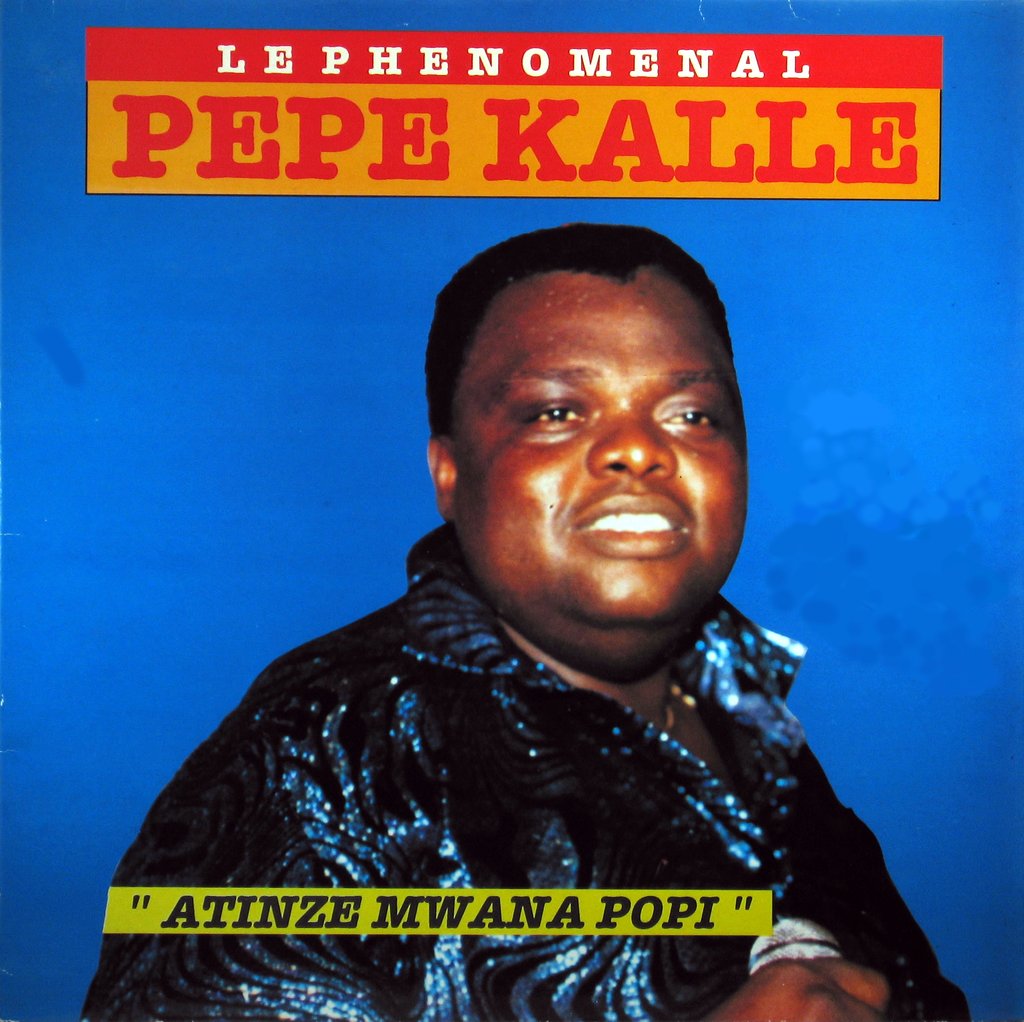
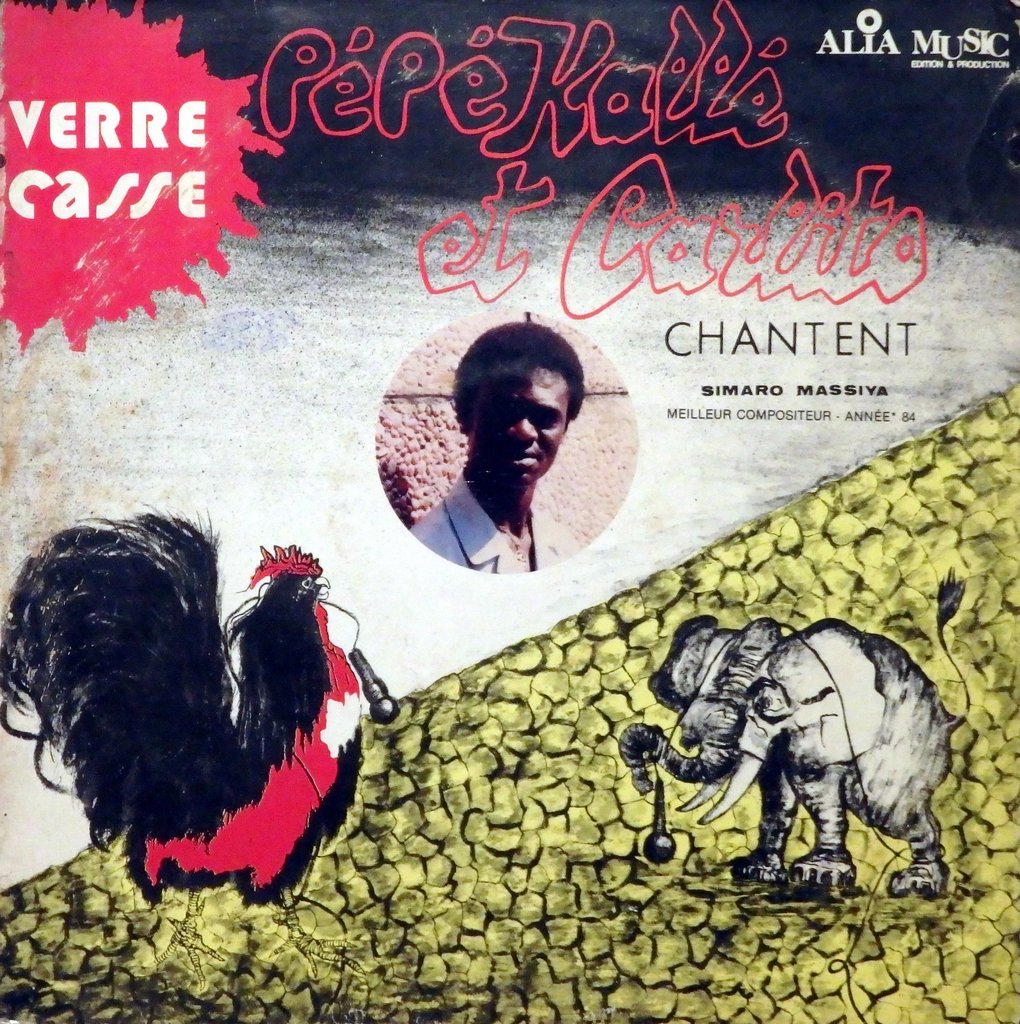
Jean-Baptiste Kabasele Yampanya wa ba Mulanga, known by the stage name Pépé Kallé (or Pépé Kalé), born on November 30, 1951 in Léopoldville (now Kinshasa) in Belgian Congo and died on November 29, 1998 in Kinshasa in the Democratic Republic of Congo, was a singer, songwriter and leader of a Congolese group. Nicknamed “The Elephant of Zairian music”, “The Atomic Bomb” and “the giant of soukous”, he was a major figure in the evolution of Congolese rumba and soukous.
Childhood and Musical Beginnings
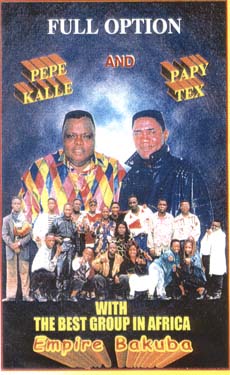
Jean-Baptiste Kabasele was born in the city of Léopoldville (now Kinshasa) in 1951. Very early on, he showed a passion for music and composed songs that he sold to various groups to finance his studies. Before entering the music industry professionally, he also participated in the group African Choc alongside Papy Tex.
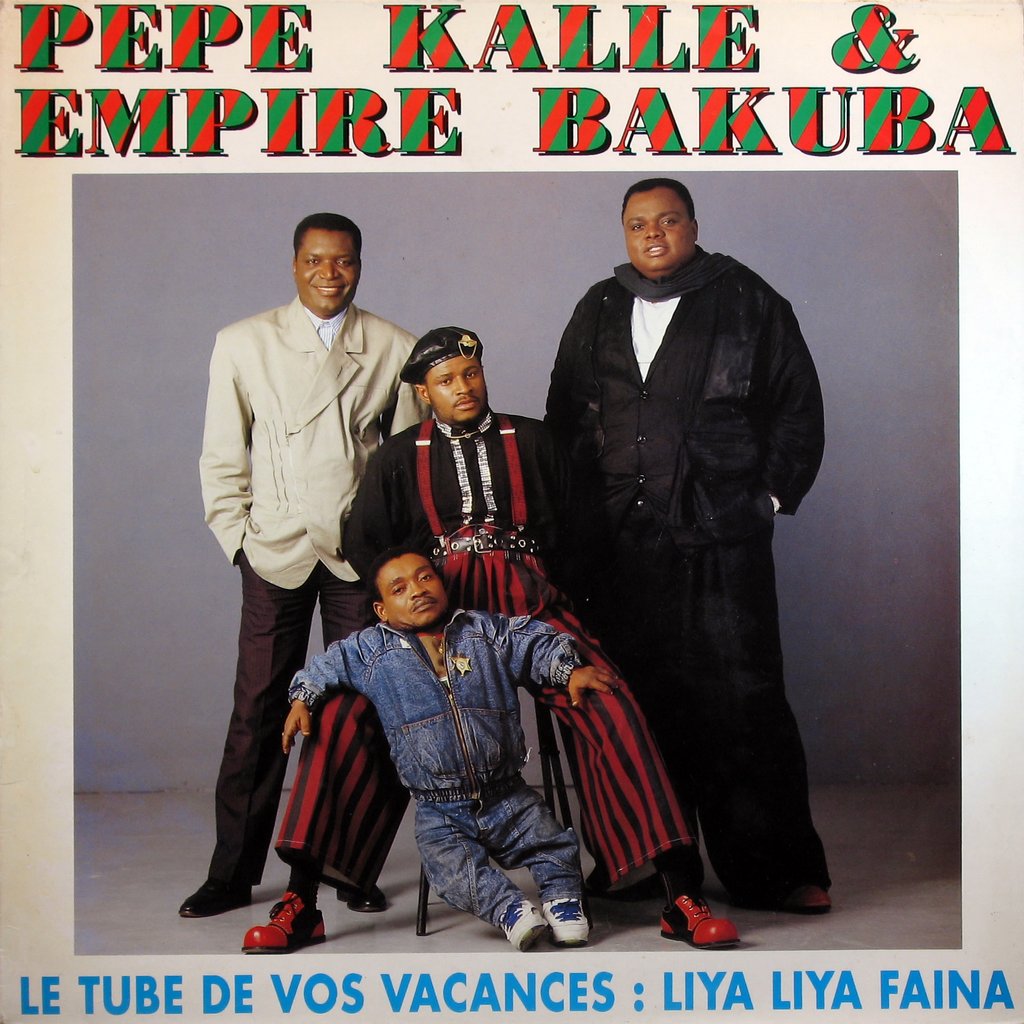
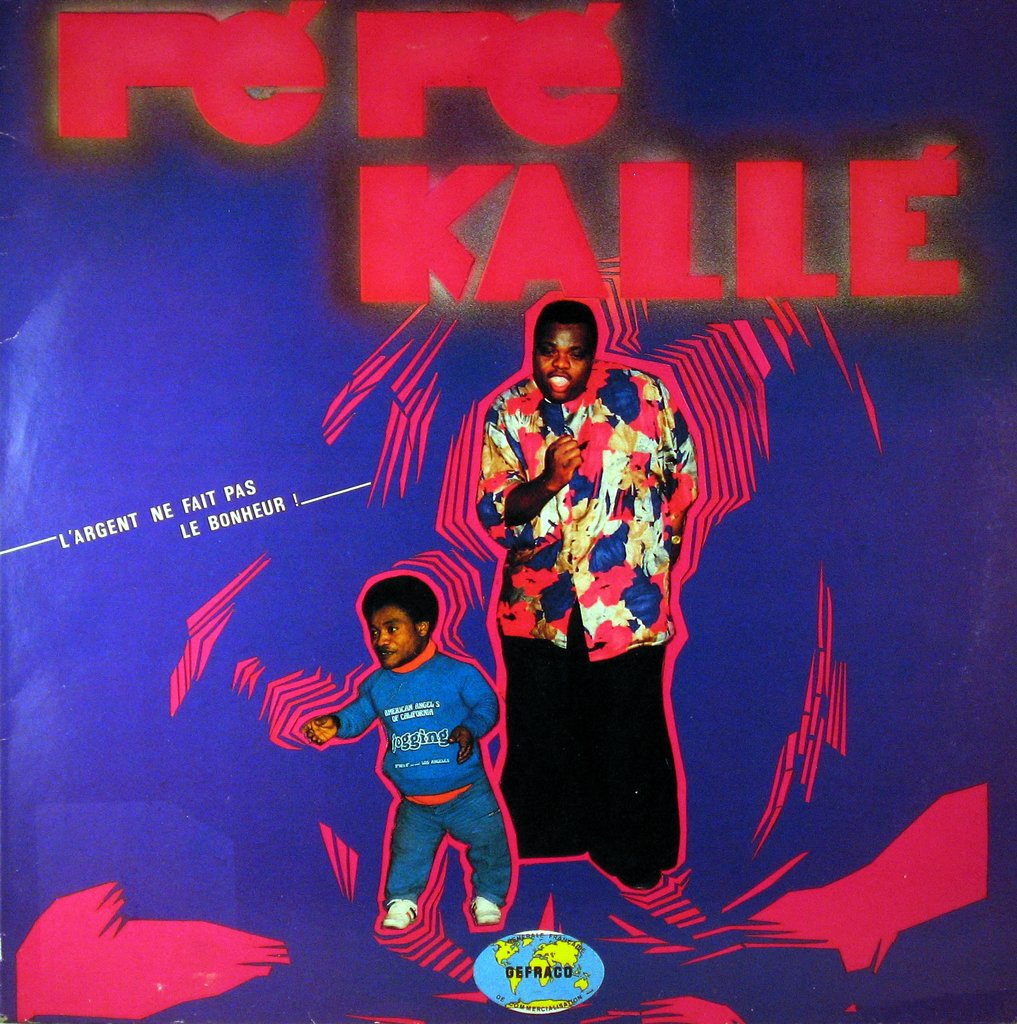
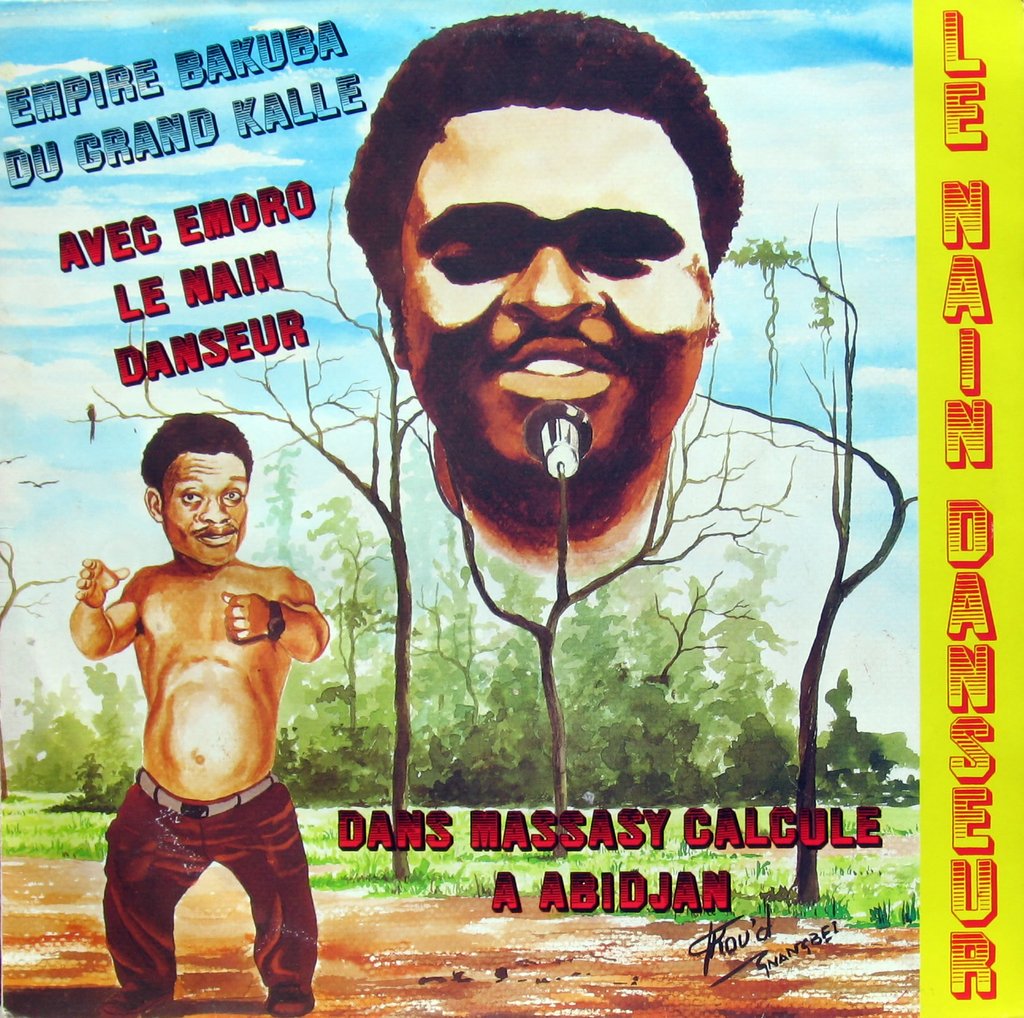
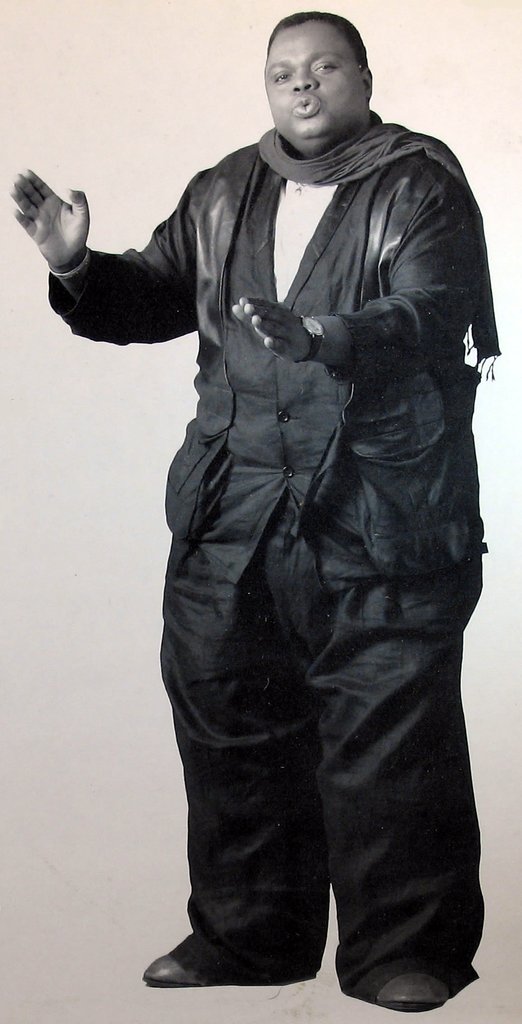
Of imposing stature — about 1.90 m for over 136 kg — Pépé Kallé possesses a powerful and raspy baritone voice, noted for its remarkable multi-octave range. Martin Enyimo, music critic, noted the striking contrast between Pépé Kallé’s imposing stature and the energy of Empire Bakuba’s dwarf dancers on stage.
Early Formations (1966-1972)
Pépé Kallé’s first steps in the music industry occurred at the end of the 1960s when he joined the Orchestre Bamboula under the direction of guitarist Papa Noël Nedule. He then made a series of appearances in several important groups on the Kinshasa scene of the early 1970s:
- Orchestre Myosotis - Orchestre Bella Bella - Orchestre Vévé, where he sang as the lead on the socially engaged title Nakomitunaka by Verckys Kiamuangana Mateta.
Empire Bakuba: The Peak (1973-1985)
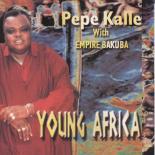
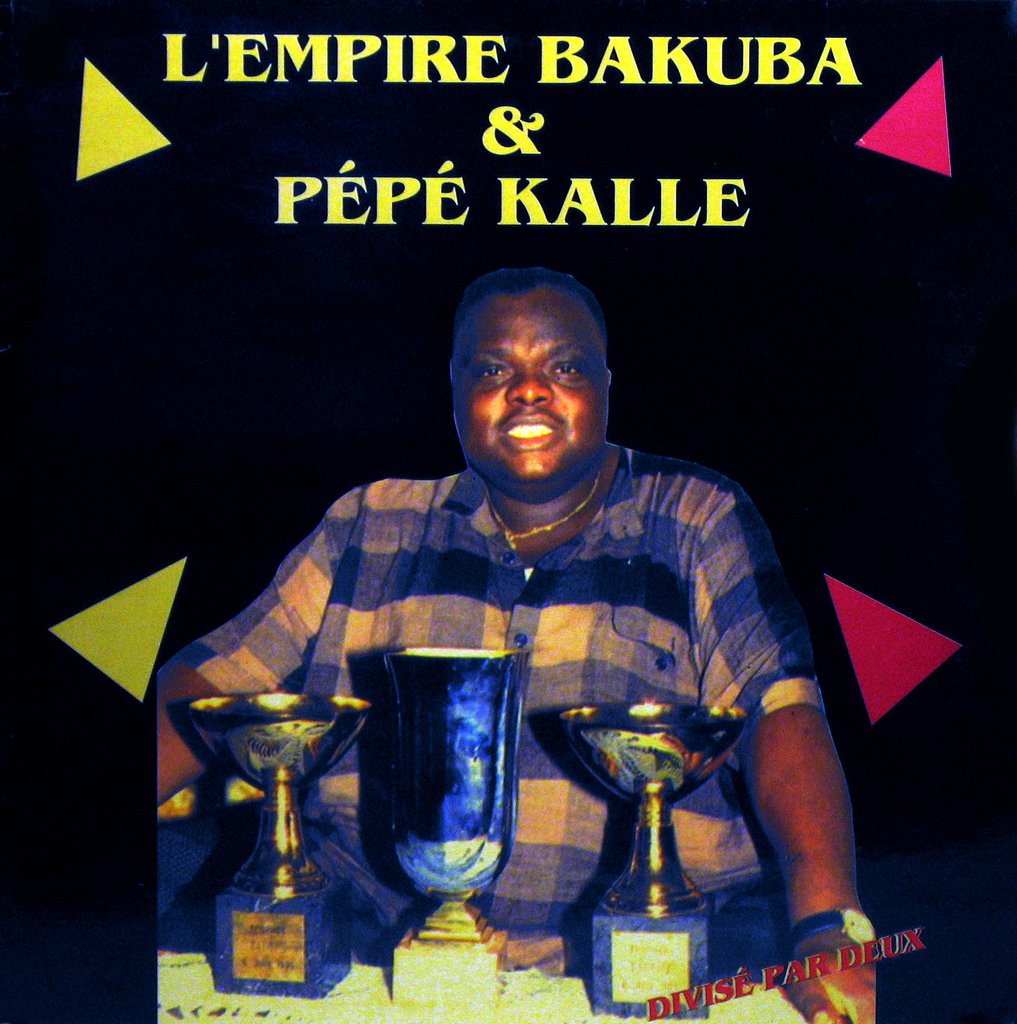
In March 1973, Pépé Kallé co-founded the Empire Bakuba alongside Papy Tex and Dilu Dilumona. The group quickly signed with Éditions Vévé International de Verckys and became one of the most influential formations in Congolese popular music.
Empire Bakuba innovated by fusing the roots of Congolese rumba with more upbeat and modern sounds that dominated the Kinshasa scene. The group developed a unique style combining rumba, guitar sections sebene and theatrical stage performances.
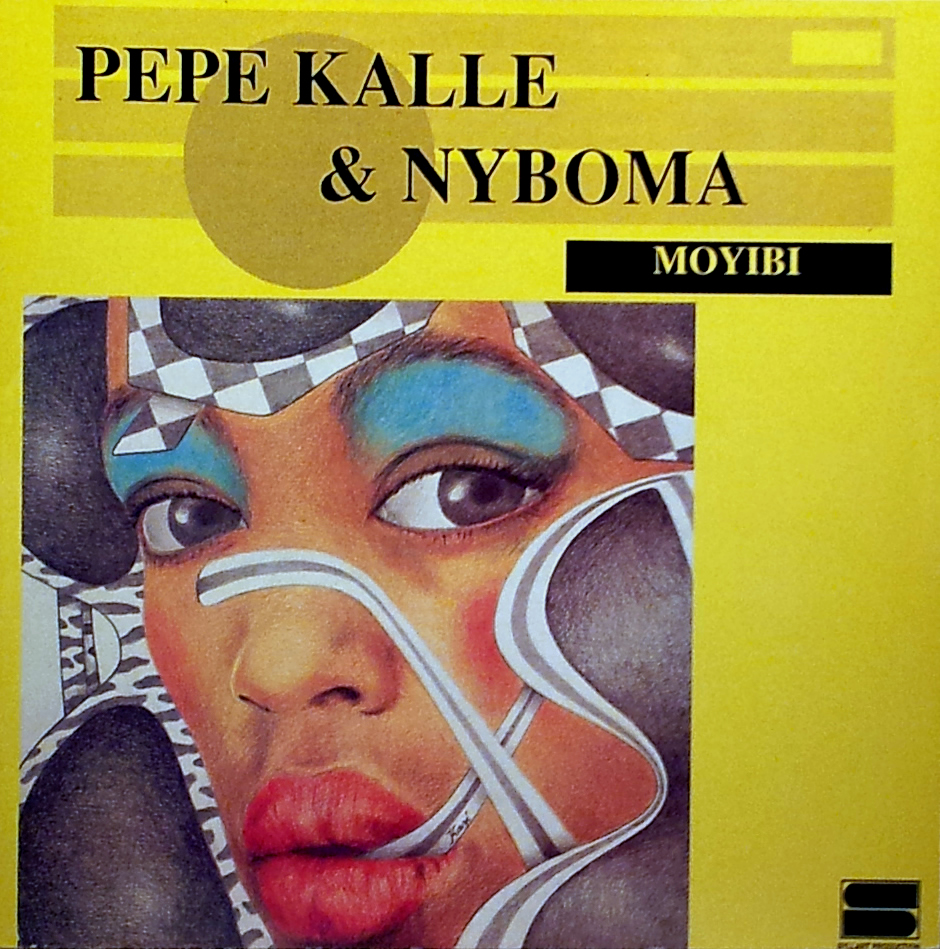
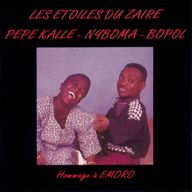
The hits Dadou (1978) and Zabolo (1982) propelled Empire Bakuba’s popularity throughout Zaire. In the mid-1980s, the group signed with Senegalese producer Ibrahima Sylla (Syllart Production), expanding their audience to all of Francophone Africa. Pépé Kallé also collaborated with other major Congolese names, notably singer Nyboma.
Solo Career and Modernization of Soukous
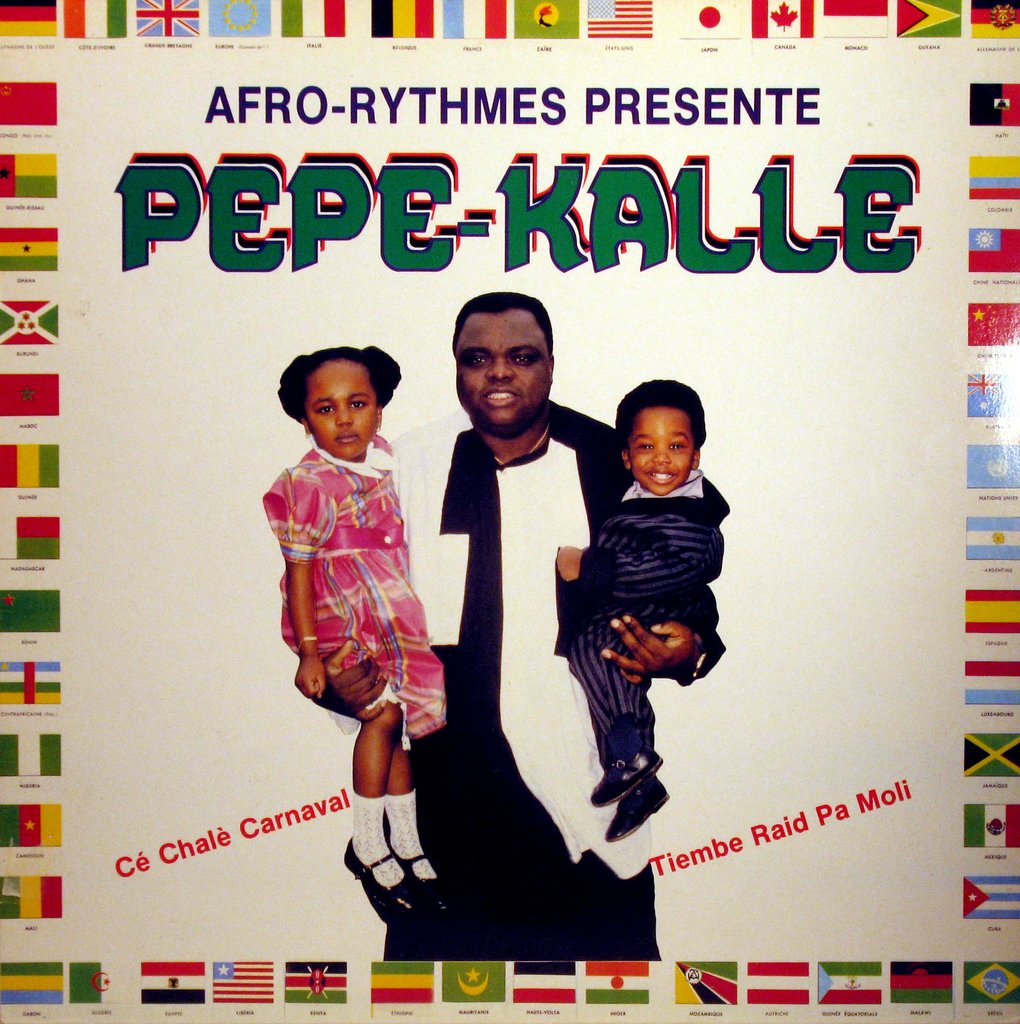
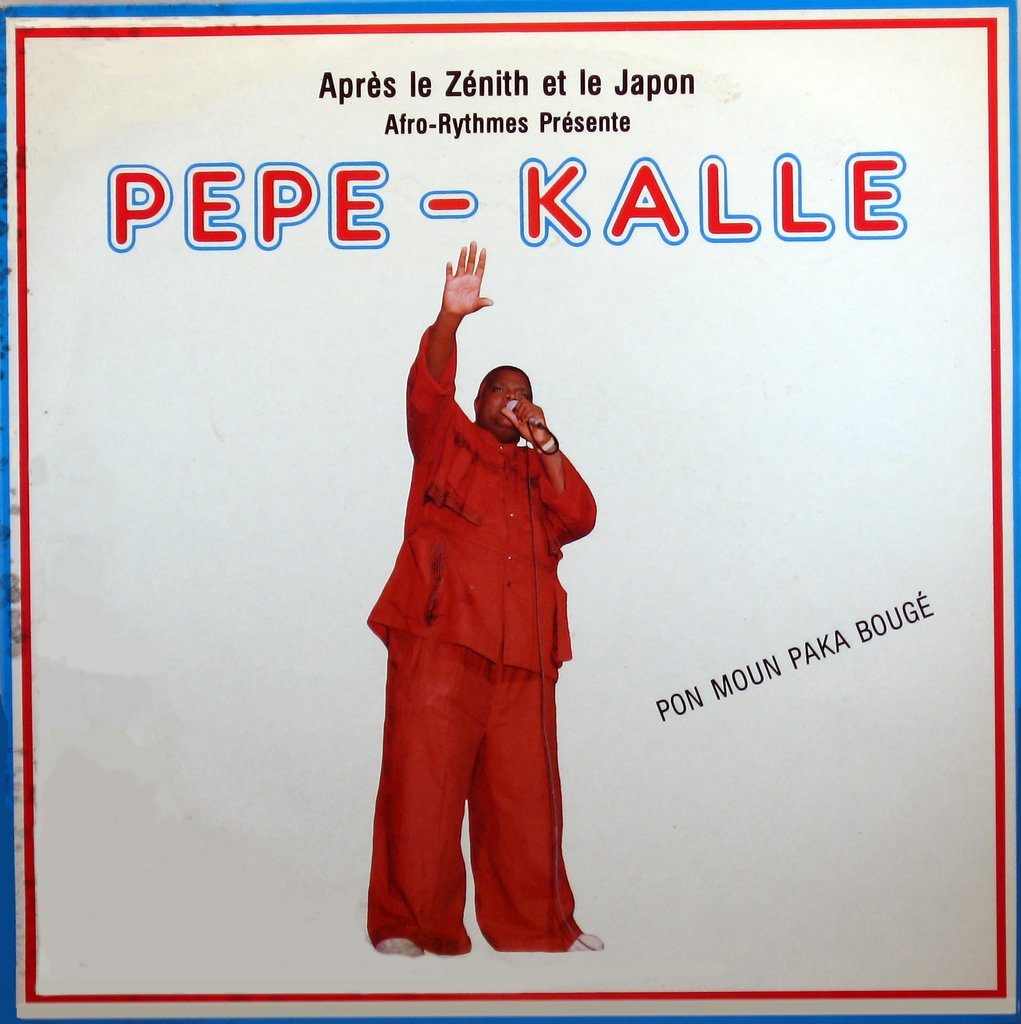
Parallel to Empire Bakuba, Pépé Kallé led a prolific solo career through numerous albums. The albums Pon Moun Paka Bougé and Cé Chalè Carnaval (1989) played a decisive role in popularizing a style centered on long, danceable sebene sections and spectacular choreography.
Among his notable solo albums:
- Pon Moun Paka Bougé (1989)
- Cé Chalè Carnaval (1989)
- L’Empire Bakuba de Pépé Kallé, Dilu Dilumona et Papy Tex (1982)
Death
Pépé Kallé died in Kinshasa on November 29, 1998, one day before his 47th birthday, from a heart attack. His passing left a deep void in the Congolese musical landscape, but his legacy continues to inspire new generations of musicians.
External Links
- Pépé Kallé on Wikipedia
- Empire Bakuba on Wikipedia
- TP OK Jazz on Wikipedia
- Pépé Kallé, Wikipedia (EN).
- Empire Bakuba, Wikipedia (EN).