Biography
Prince Eyango
In 1987, “You Must Calculer” exploded in Cameroon. The title pulses with a fresh energy for makossa — this dance genre born in Douala, the music of the people associated with the douala dialect. Prince Eyango just shifted traditional makossa toward an electrifying pop sound, driven by electric guitars and funk. Cameroon dances to this rhythm, and the awards pour in. For a pastor’s son from a small rural village in Moungo, this is the beginning of glory that crosses continents.
In brief
| Full name | Ndédi Eyango |
| Birth | April 27, 1960, Ngalmoa (near Nkongsamba), Cameroon |
| Genre | Makossa pop, afrobeat, world beat |
| Instruments | Guitar, vocals |
| Signature works | “Service Libre”, “You Must Calculer”, “Apelle Moi” |
| Awards | Best Artist of the Year (Cameroon, 1987), Golden Canal for Best Male Artist (2012) |
Key dates
| Year | Event |
|---|---|
| 1960 | Born in Ngalmoa, son of a Protestant pastor |
| 1965 | Started singing at age five in the church choir |
| 1977 | Left technical high school; discovered guitar at sixteen and a half |
| 1985 | “Service Libre”, first international success in Paris |
| 1987 | “You Must Calculer”, Best Artist of the Year in Cameroon |
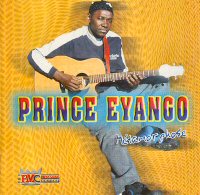
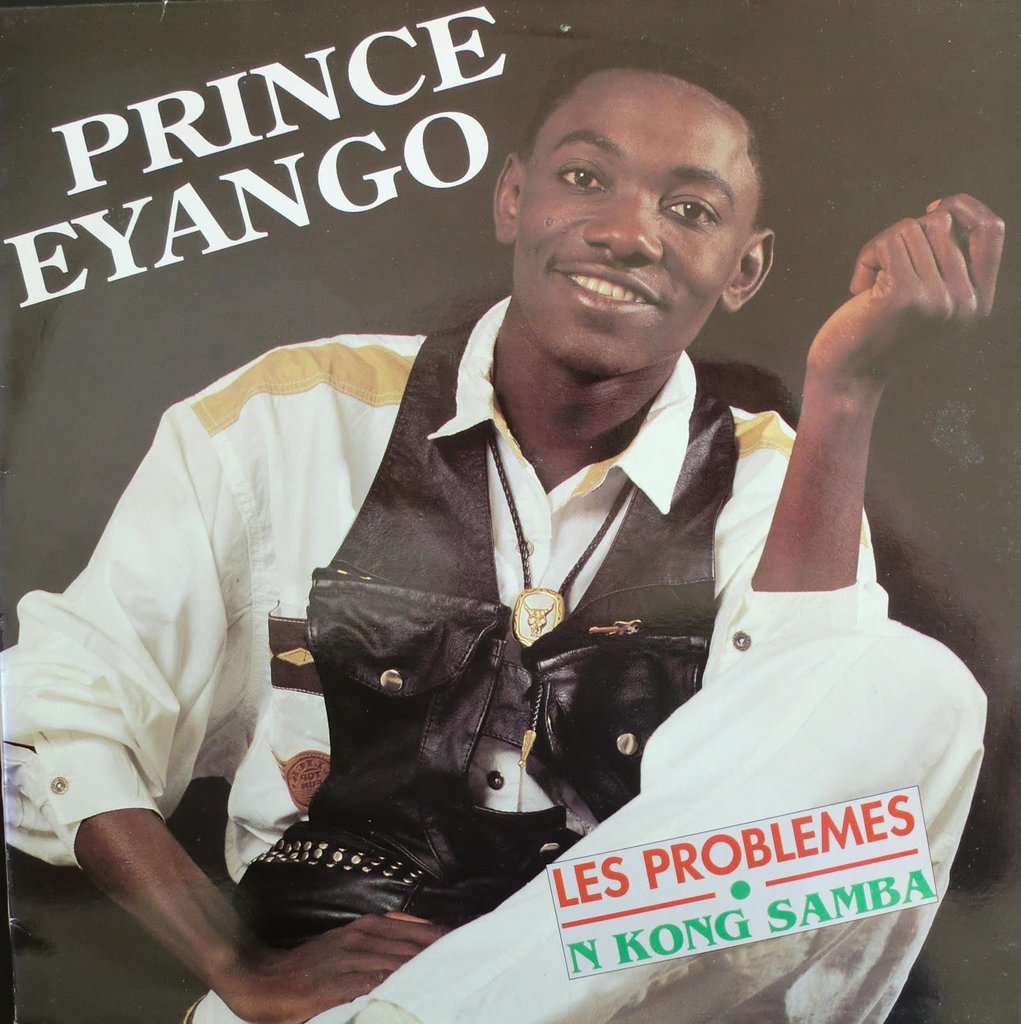
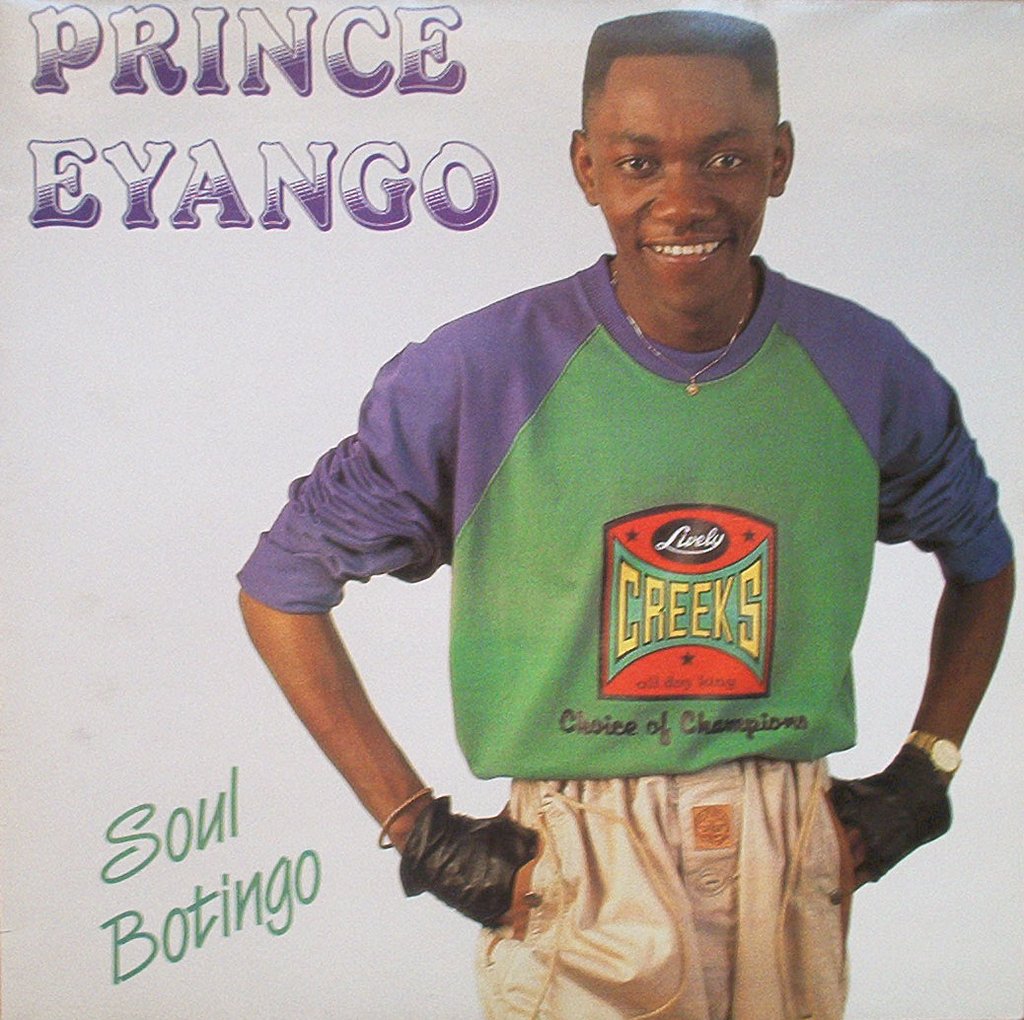
| 1989-1994 | Albums “Soul Botingo”, “Les problèmes”; tours in Africa |
| 1993 | Settled in Los Angeles, founded Preya Music |
| 2012 | “Apelle Moi”, Golden Canal for Best Male Artist |
| 2015 | First gospel title “Merci Seigneur” after a four-month tour in Europe, Canada, and the United States |
From Moungo village to the world stage
Ndédi Eyango was born on April 27, 1960, in Ngalmoa, a small village in the Moungo department, near Nkongsamba. His grandfather was king of the Ngalmois — and this royal lineage partly justifies the nickname “Prince” that stuck to his skin. Son of a pastor, he immersed himself in music from childhood by singing in the church choir. He grew up listening to Eboa Lotin and Francis Bebey, as well as James Brown, Claude François, and Johnny Hallyday.
Tragedy struck when he was eleven: his father died, and Ndédi went to live with his uncle in Nkongsamba. As a teenager, he was swept up by the rhythm at the city’s municipal club. It was there that an impresario introduced him under the title “prince des montagnes”. He didn’t discover guitar until sixteen and a half, but he never left the instrument. When he announced his departure from technical high school, his family turned against him; only his eldest sister Blandine supported him.
He walked toward Douala and found refuge with Nkotti François, singer of the Black Styl’s. Nkotti opened his door to him and believed in his talent, offering him the privilege of temporarily replacing the group’s rhythm player. The young man discovered Cameroonian stages, and before twenty, he became the lead guitarist for the biggest stars: Dina Bell, Moni Bilé, Penda Dalle. He left Cameroon for Paris in 1984 with a demo tape recorded.
Producer Essaka Ekwalla listened and signed the young artist in 1985. “Service Libre” was released on Dicks Records: five months later, it became an international success. In 1987, “You Must Calculer” became a national phenomenon — best title of the year, most sold record in Cameroon. The Minister of Culture decorated Eyango as Best Artist of the Year.
The Los Angeles Times reported in 2000 that, when he listened to American pop as a child without understanding the lyrics, he danced like crazy and hummed the melodies — what one retains from a song is what it makes you feel. This principle — melody, harmony, and rhythm first, without the need for a common language — guides his work: he sings in French, pidgin, douala, and mbo’o.
In 1993, he settled in Los Angeles and formed Les Montagnards d’Afrique with American and Brazilian musicians. Preya Music, his label founded in 1983, produced Longue Longue, Jacky Kingue, and Ndema System. In 2014, he organized a gala with Ascovime in Yaoundé for Dr. Martin Bwelle, winner of the CNN Heroes Award. His comeback “On Tourne la Page” (2007) earned him the Best Come-back Artist award. “Apelle Moi” (2012) won the Golden Canal. “Merci Seigneur” (2015) — his first gospel title — closed a logical spiritual evolution for a pastor’s son who always sang God before singing the world.
Major works
| Work | Year | Why it’s essential |
|---|---|---|
| “Service Libre” | 1985 | First international success; the makossa pop that opened the door of Africa from Paris |
| “You Must Calculer” | 1987 | Best title of the year; the album that elevated Eyango to national legend status in Cameroon |
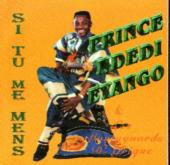
| “Si tu me mens” | 1998 | Los Angeles signature; confirmed makossa/R&B fusion on American soil |
| “Apelle Moi” | 2012 | Triumphant return with the Golden Canal; proof that Eyango remains at the top two decades later |
Legacy and influence
Prince Eyango made makossa a universal music — not museum folklore, but a sound that pulses in dance halls around the world. He is one of the first Cameroonian artists to transplant his art to the United States, found a label there (Preya Music), and train new generations. His style — makossa electrified by funk, soul, and Latin rhythms — influenced an entire wave of Cameroonian artists. Forty years of career, twenty albums: proof that a pastor’s son from a rural village can become one of the most striking musical personalities on the continent.
Sources and references
-
“Prince Eyango”, Wikipedia, accessed November 20, 2026.
-
Nago Seck, “Prince Eyango”, Afrisson, September 9, 2011, accessed November 20, 2026.
-
Marchelo Tientcheu, “Biography — Ndedi Eyango: The captivating journey of the child from Ngalmoa”, Lebledparle, November 4, 2013, accessed November 20, 2026.
-
John Roos, « Prince Eyango Aims His Songs at the Soul—and the Feet », Los Angeles Times, 13 May 2000, accessed 20 November 2026.
-
« Prince Eyango », Discogs, accessed 20 November 2026.
-
« Biography of Prince Eyango », Afromix, accessed 20 November 2026.
-
« Prince Eyango », Jabulani Radio, accessed 20 November 2026.