Biography
Ranking Joe
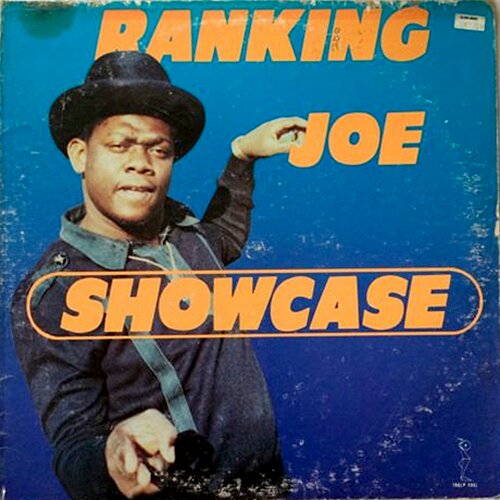
In 1980, on a London stage where the Jamaican audience was in the minority, Ranking Joe took the microphone and unleashed a series of couplets so rapid that spectators didn’t grasp every word — but they danced, and there was the victory. This talker from Kingston didn’t invent dancehall, but he is one of its earliest models: every weighted syllable, every rhyme swept away by an avalanche of rhythm that would make the most agile tongue-rollers blush. It is a performance in its own right, born in the sound systems of the Jamaican capital and exported across the Atlantic.
In brief
| Full name | Joseph Jackson, aka Ranking Joe (stage name) |
| Birth | July 1st, 1959, Kingston, Jamaica |
| Field | Reggae / dancehall — deejay (talker) |
| Iconic works | “Weakheart Fadeaway”, “Stop Your Coming and Come”, “Honda 750” |
| Awards | Voted Most Popular DJ of the Year (1977) |
Key dates
| Year | Event |
|---|---|
| 1974 | First recording at Clement Dodd’s Studio One under the name Little Joe (“Gun Court”) |
| 1975-76 | Sessions with Bunny Lee, Joe Gibbs; first hit “Honda 750” |
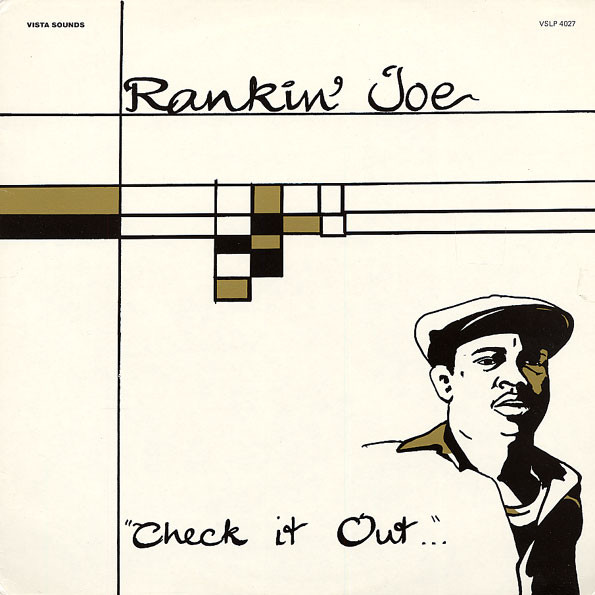
| 1977 | Prince Tony Robinson recommends the name Ranking Joe; first album The Best of Ranking Joe |
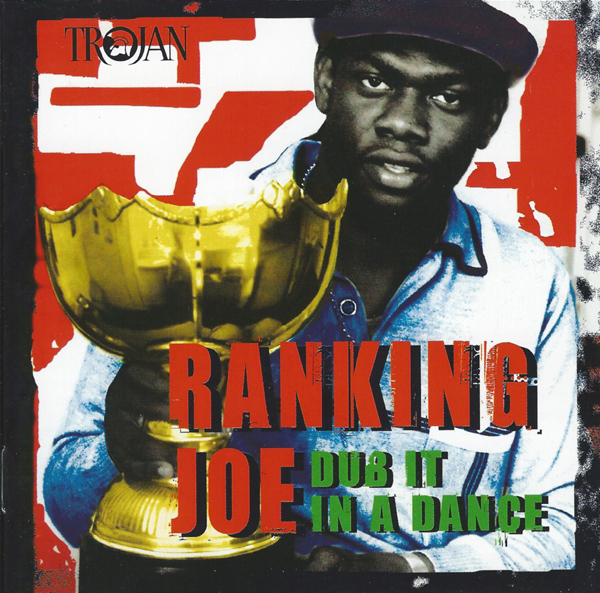
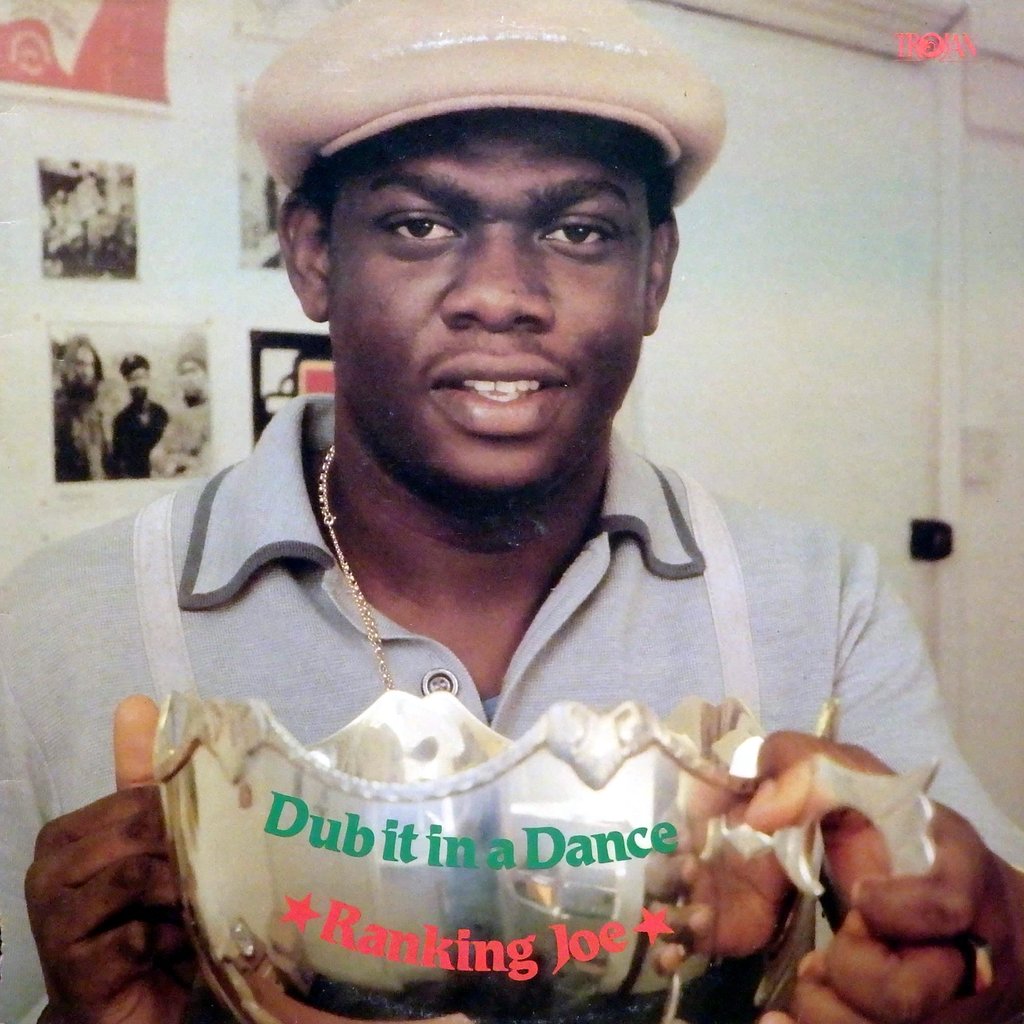
| 1978 | “Weakheart Fadeaway” on Greensleeves; album Dub It in a Dance at Trojan |
| 1980 | Historic tour of the Ray Symbolic Hi-Fi in England; Saturday Night Jamdown Style at Greensleeves |
| 1984 | Settles in New York; creates the label Ranking Joe Universal |
| 1996 | Solo return with Fast Forward to Africa on the British label Ariwa |
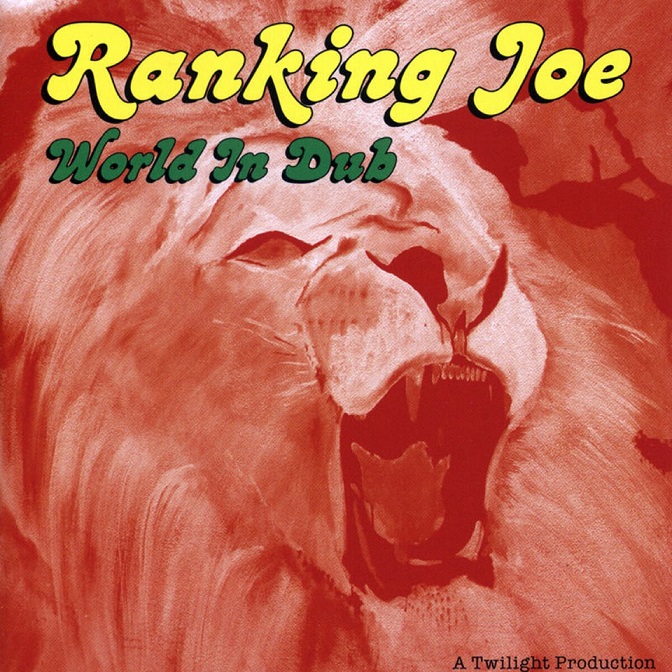
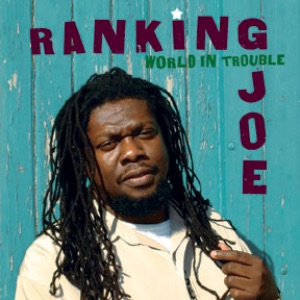
| 2004-2006 | Albums Ghetto People and World In Trouble; international tours with Blood & Fire |
Origins, glory and diaspora
Joseph Jackson grew up in an environment shaped by sound. His father ran a local sound system, and from childhood Joe immersed himself in this living culture. He would recall the talent contests he won at the Bohemia Club with his friend Carl Dryden. At secondary school, he already rubbed shoulders with future giants of the scene: Winston McAnuff (U Brown), Earl Sixteen and others, who performed together in amateur concerts.
He began on dance floors by toasting for the Smith The Weapon sound system, where his rival was Dillinger. Then he joined the El Paso Hi-Fi under the guidance of Dennis Alcapone — and it was there that he adopted the name Little Joe, in reference to the western character from the series Bonanza. His idol was U-Roy, the king of toasting who shook up the Jamaican scene. His first studio incursion came at age fifteen, at Clement Dodd’s Studio One. He recorded “Gun Court” under the name Little Joe, a first record that went unnoticed. He then studied electronics — a technical choice that would serve him for his future productions.
The turning point arrived in 1977. Producer Prince Tony Robinson persuaded Joe to change his name and launched his career with a series of singles that shook sound systems: “Mr Finnegan” became an immediate hit. It was there that Joe Jackson became Ranking Joe. The epithet ranking indicates he is the top-tier talker. During this same period, he worked with the greatest producers: Bunny Lee, Joe Gibbs (where he collaborated on disco-mix versions of Culture and the Mighty Diamonds), Pete Weston. His style was forged in real time — a rapid delivery, colorful allusions to the daily life of Kingston.
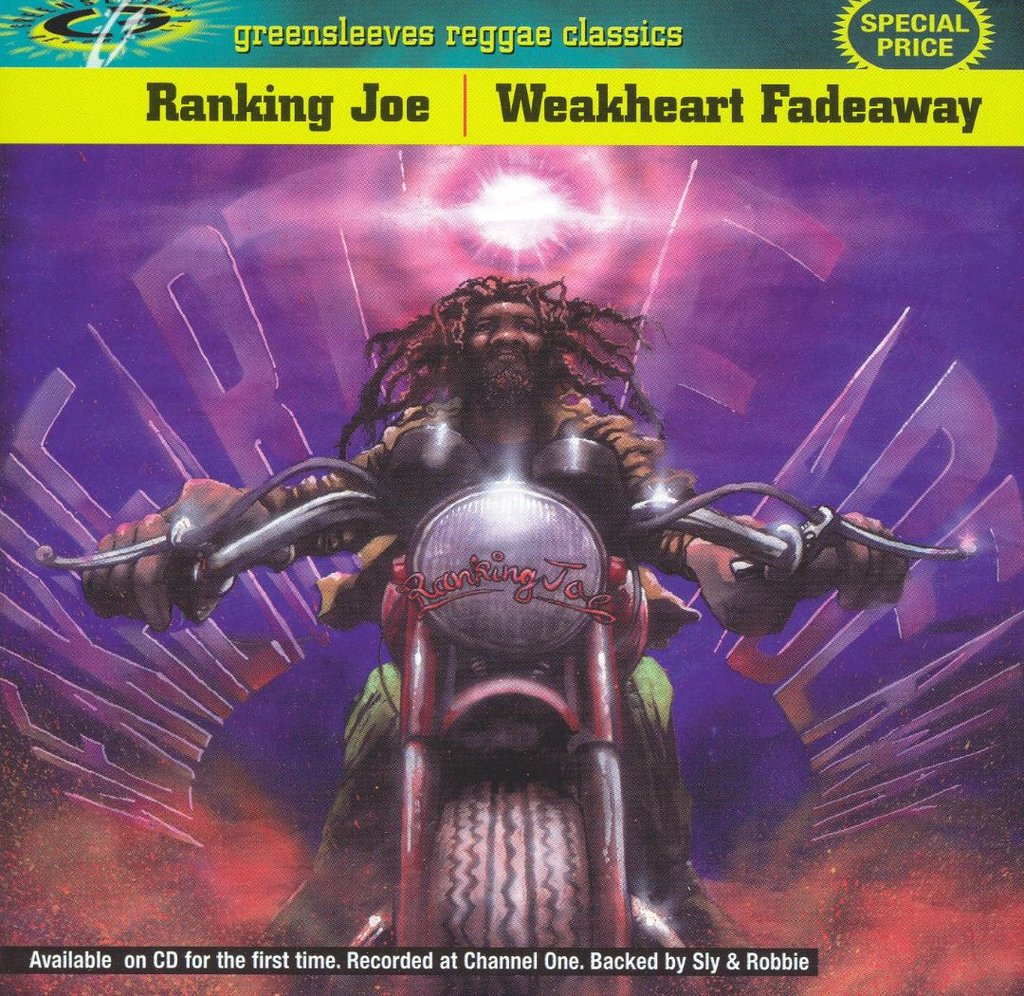
In 1980 came the opportunity that propelled him onto the international stage. The Ray Symbolic Hi-Fi, sound system of Errol Dunkley accompanied by selector Jah Screw (Paul Love), went on tour in the United Kingdom. First Jamaican sound system to make such a tour, it catapulted Ranking Joe and Screw into the ranks of superstars. On this London stage, his super-rapid delivery made headlines and directly influenced Eek-A-Mouse. “Weakheart Fadeaway”, recorded at Channel One by Joseph Hookim, became a best-seller on the British label Greensleeves. Saturday Night Jamdown Style followed shortly after, confirming his international positioning.
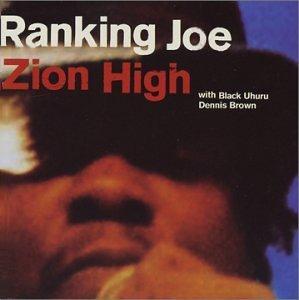
After the tragic death of Ray Symbolic in 1981 — in the context of violent Jamaican election campaigning — Ranking Joe and Jah Screw reconverted as producers. They signed the dubs on King Tubby albums Original King Key Dub and Dangerous Dub, making the latter one of the last sessions at the legendary Tubby studio. Ranking Joe then settled in New York (in the Bronx), where he founded his own label, Ranking Joe Music and then Ranking Joe Universal in 1984. He continued producing for the diaspora: Frankie Paul, Black Uhuru, Dennis Brown, Glen Washington, Shinehead.
In a 2004 interview, he explained with humour that many producers had financially abused deejays, but that one must endure these trials to learn the workings of the trade — which pushed him to create his own label.
Major works
| Work | Year | Why it’s essential |
|---|---|---|
| Weakheart Fadeaway | 1978 | First international album on Greensleeves; captures Joe at the peak of his vocal art |
| “Stop Your Coming and Come” | 1978-79 | First deejay hit on Sly & Robbie’s label; classic dancehall anthem |
| Saturday Night Jamdown Style | 1980 | Album recorded during the British tour; icon of international reggae |
| Dub It in a Dance | 1980 | Trojan production mixing toasting and dubs; bridge between sound and studio |
Heritage and influence
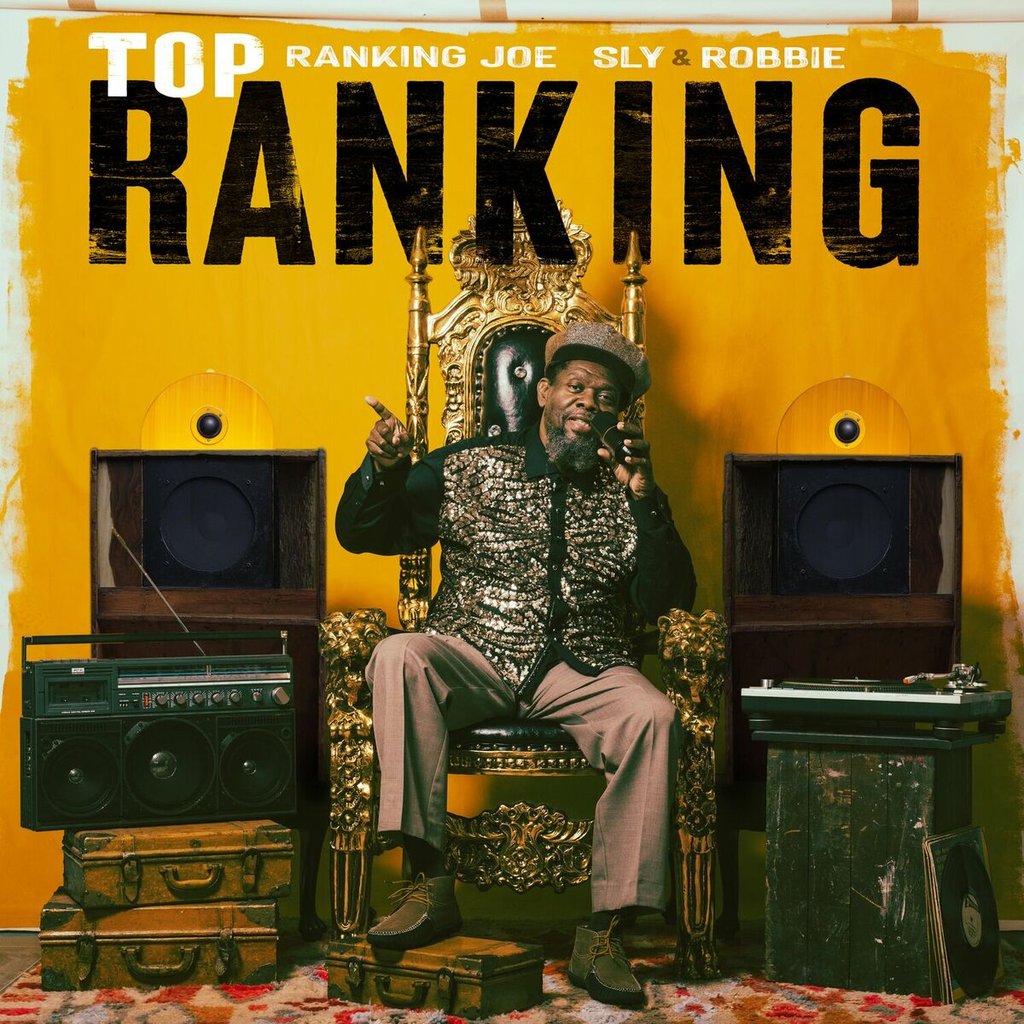
Ranking Joe is one of the few first-wave dancehall talkers to have survived, crossed over and continued to vibrate through four decades of reggae. His super-rapid delivery, nicknamed bang-dily for its feverish speed, directly inspired Eek-A-Mouse, and by ricochet the entire generation of British talkers from the 80s. His rapid delivery technique nourished rappers who exported sound system culture to London, Manchester and Bristol. Even today, labels like Blood & Fire reissue his classics, proof that a Kingston mic master still has much to say.
Sources and references
- « Ranking Joe », English Wikipedia, https://en.wikipedia.org/wiki/Ranking_Joe, accessed 10 November 2026.
- « Ranking Joe Biography », AllMusic, https://www.allmusic.com/artist/ranking-joe-mn0000337008, accessed 10 November 2026.
- Harry Hawks, « Featured Artist: Ranking Joe », ReggaeRecord.com (Dub Store Records), https://www.reggaerecord.com/en/content/featured_artist.php?id=650, accessed 10 November 2026.
- « Ranking Joe », ReggaeFrance, https://www.reggaefrance.com/artiste-en-224-ranking-joe.html, accessed 10 November 2026.
- Maxime Nordez, « Interview Ranking Joe », Reggaefrance, 31 March 2004, https://www.reggaefrance.com/interview-en-69-ranking-joe.html, accessed 10 November 2026.
- Greensleeves Records, « Ranking Joe », https://greensleevesrecords.co.uk/artist/ranking-joe/, accessed 10 November 2026.