Biography
Ras Dumisani: Zulu reggae from Durban to Paris
In November 2009, in front of a stadium in Toulouse filled with South African supporters waiting for the traditional singing of the national anthem before a rugby match against France, Ras Dumisani went on stage and launched Nkosi Sikelel’ iAfrika completely off-key. The performance, relayed on loop on YouTube, caused an uproar in South Africa. Yet, this singer has spent his last thirty years touring European stages and recording in legendary studios.
In Brief
| Full name | Alexius Dumisani (nickname: “Ras”) |
| Birth | 10 November 1973, Umlazi (Durban), South Africa |
| Genre | Reggae / roots reggae / dub — vocals |
| Notable works | Zululand Reggae, “Nkosi Sikelel’ iAfrika” (reggae version), Rise & Shine |
| Distinctions | Recognition in the European reggae scene; international notoriety following the Toulouse incident (2009) |
Key Dates
| Year | Event |
|---|---|
| 1973 | Birth in Umlazi, suburb of Durban, in a family of Zulu origin |
| 1992 | Move to Paris and release of Zululand Reggae, with Mikey Dread and Dennis Bovell |
| 1998 | Release of Mister Music, mixed by Dennis Bovell, after a notable appearance at Midem |
| 2005 | Release of Call on Me, recorded at Tuff Gong Studio in Kingston with Leroy “Horsemouth” Wallace |
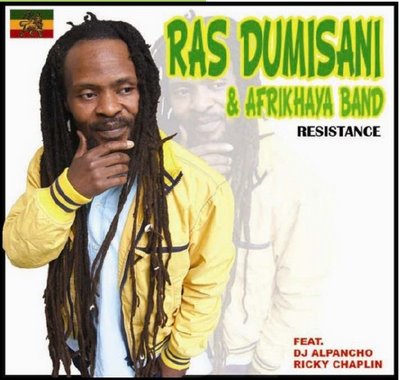
| 2008 | Resistance with the Afrikhaya Band; first concert at the New Morning in Paris |
| 2009 | Controversial performance of the South African anthem at the Toulouse Stadium |
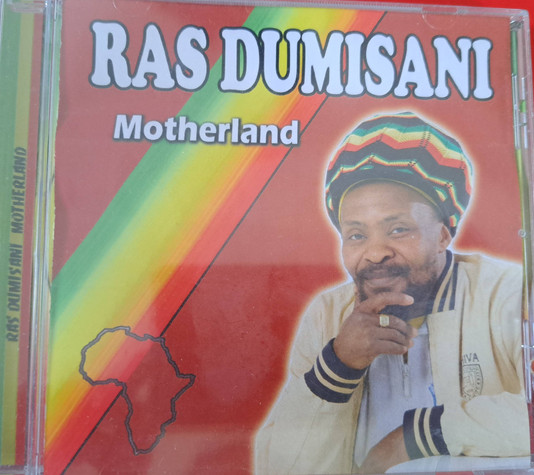
| 2011–2016 | Rise & Shine, Motherland, and the two volumes of Wela Dub |
Origins, Exile, and Ascent
Alexius Dumisani grew up in the popular suburb of Umlazi, near Durban. From childhood, he sang in choirs of South African churches—a musical tradition deeply rooted in the black communities of KwaZulu-Natal. He discovered a talent for singing and percussion, but his first vocation was football: he played in national championship teams before switching to music, specifically reggae.
He first joined the group Oneness, Love and Music, then founded his own ensemble: the Afrikhaya Band. In Durban, opportunities were limited; in a South Africa still marked by Apartheid, local producers were put off by the rhythm and political commitment of his music. He tried Johannesburg, then undertook a long journey: Brittany, Holland, Germany, Portugal—always in search of a record label. It was in Paris, in 1992, that fortune smiled upon him: Zululand Reggae was released on the Blue Silver label with Mikey Dread and Dennis Bovell. The clash of influences was immediate: South African gospel choirs met Jamaican roots reggae.
After a notable appearance at Midem, Dumisani released Mister Music (1998), mixed by Dennis Bovell, confirming a signature between Rastafarian commitment and African sounds. The decisive turning point came with Call on Me (2005): in Kingston, he recorded at Tuff Gong Studio—the one of Bob Marley—and surrounded himself with a star list: Horsemouth Wallace, Johnny Dizzy Moore, Dean Frazer. The project also crossed paths with Mad Professor at Studio Ariwa in London. Resistance (2008), published by Flash Laser, confirmed this ambition and earned him concerts at the New Morning (2008, 2012).
In November 2009, the South African embassy in Paris invited Dumisani to sing Nkosi Sikelel’ iAfrika before a France–South Africa rugby match. The result was catastrophic: off-key singing, out of tempo, forgotten passages. The performance went viral; the South African government and media ridiculed the singer. The incident paradoxically made him the most famous South African musician to the general international public. In 2010, he released a reggae version of the anthem, which he considers the authentic interpretation of this hymn. Rise & Shine (2011), Motherland (2012), and the two volumes of Wela Dub (2015–2016) extended his discography: Ras Dumisani remains a living stage artist, based in Paris.
Major Works
| Work | Year | Why it is essential |
|---|---|---|
| Zululand Reggae | 1992 | First album; Mikey Dread and Dennis Bovell establish the signature—South African gospel meeting Jamaican dub |
| Mister Music | 1998 | Confirmation with Dennis Bovell on mixing; My Last Hope becomes a reggae radio classic |
| Call on Me | 2005 | Recorded at Tuff Gong Studio: Horsemouth Wallace, Johnny Dizzy Moore—Jamaican ambition at its peak |
| Resistance | 2008 | Militant reggae in service of an anti-apartheid legacy; founding title of the live repertoire |
Legacy and Influence
Ras Dumisani is not a mainstream artist in the African sense of the term, but his work constitutes a precious bridge between Jamaican reggae and South African music. The two volumes of Wela Dub testify to a rare dub mastery outside the islands. Young South African reggae artists who discover Dennis Bovell, Horsemouth Wallace, or Tuff Gong through his discography owe him a debt of transmission. And while his name remains inseparable from a sporting incident, it is this music—this reggae born from the choirs of Durban and cultivated in Parisian and London studios—that truly defines his legacy.
Sources and References
- “Ras Dumisani”, Wikipedia in English, https://en.wikipedia.org/wiki/Ras_Dumisani, accessed 2 November 2026.
- “Ras Dumisani”, Wikipedia in German, https://de.wikipedia.org/wiki/Ras_Dumisani, accessed 2 November 2026.
- “Ras Dumisani”, Reggae.fr (biography), https://reggae.fr/artiste-biographie/653_Ras-Dumisani.html, accessed 2 November 2026.
- David Smith, « Ras Dumisani gets mauling for rendition of South African anthem », The Guardian, 16 November 2009, https://theguardian.com/world/2009/nov/16/ras-dumisani-south-african-anthem, accessed 2 November 2026.
- J. Brooks Spector, « Ras Dumisani: The Star Mangled Banner and other Sour Notes », Daily Maverick, 18 December 2010, https://dailymaverick.co.za/article/2010-12-18-Ras-Dumisani-The-Star-Mangled-Banner-and-other-Sour-Notes, accessed 2 November 2026.
- « Ard can’t sing, says Ras », Cape Argus / IOL.co.za, https://iol.co.za/capeargus/ard-can-t-sing-says-ras-1.1124933, accessed 2 November 2026.
- « Ras Dumisani: A leader rather than a follower », Mail & Guardian, 20 November 2009, https://mg.co.za/article/2009-11-20-ras-dumisani-a-leader-rather-than-follower, accessed 2 November 2026.