Biography
Rebecca Malope
On November 18, 2021, in the hall of the presidential palace in Pretoria, Batsogile Lovederia Malope approached President Cyril Ramaphosa. “For her distinguished contribution to South African music; her unique voice brings joy and comfort to many through meaningful gospel music.” The president slipped a silver medal around her neck: the Order of Ikhamanga, the highest decoration that South Africa awards to artist·es. She raised a fist, pronounced an “hallelujah” that echoed through the hall, and resumed her place dancing almost — Sis Ribs, as her fans call them on social media, has just received the official crowning of a queen who never stopped singing.
In Brief
| Full Name | Batsogile Lovederia Malope |
| Birth | June 30, 1968, Lekazi near Nelspruit (Mpumalanga) |
| Genre | South African gospel, pop, afro-pop |
| Nickname | Sis Ribs, “The Queen of Gospel” |
| Signature Works | Shwele Baba, Umoya Wam, Buyani |
| Major Honors | Order of Ikhamanga, Kora Award, honorary doctorates |
Key Dates
| Year | Event |
|---|---|
| 1968 | Born in Lekazi, Mpumalanga |
| 1987 | Victory at Shell Road to Fame (best female vocalist category) |
| 1990 | Buyani, dedicated to Nelson Mandela released that same day — double platinum |
| 1995 | First South African Music Award — contemporary gospel album |
| 1996 | Shwele Baba, fastest-selling record in the country |
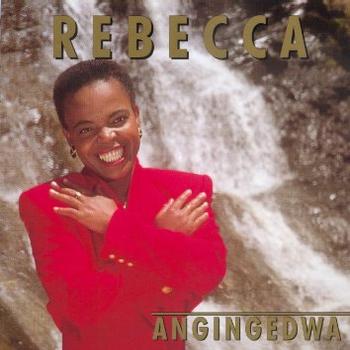
| 1997 | Angingedwa, dedicated to deceased loved ones — double platinum |
| 2003 | Honorary Doctorate from the University of Natal |
| 2004–2019 | Host of Gospel Time (SABC 2) |
| 2021 | Order of Ikhamanga by President Ramaphosa |
From the Township to State Theatre: The Journey of a Legend
Rebecca Malope was born on June 30, 1968, in the rural region of Lekazi, near Nelspruit. Her parents lived in precarious conditions; from a very young age, an illness confined her to a wheelchair, and doctors told her family she would probably never walk alone. At eleven years old, she was already working on a tobacco farm. At thirteen, her sister Cynthia convinced her to leave home and join a gospel group. The two sisters undertook a 400-kilometer march from their township, KaNyamazane, to Evaton, then Johannesburg. Rebecca was sixteen and had never attended formal school — “I did not attend school growing up, I did not let that get me down”, she told the magazine Drum in 2017.
In Johannesburg, she joined a gospel group that brought her before producer Sizwe Zako while they auditioned together at Shell Road to Fame, a television contest organized by Shell. In 1985, their band was eliminated in the first round. Zako remembered her, encouraged her to participate as a solo artist in 1987, and she won the contest in the “Best Female Vocalist” category with the title Shine On, dedicated to the political unrest of apartheid. Despite her victory, Rebecca struggled to find a record label. MFM offered her a contract but with one condition: she must not sing gospel, a genre considered non-commercial. They asked her to replicate the styles of Brenda Fassie, Yvonne Chaka Chaka, or Mercy Phakela, the three great South African pop divas. Zako convinced the leaders to include a single gospel song on her first album, Sthembile Kuwe (1987). The gospel song surpassed the pop tracks in popularity.
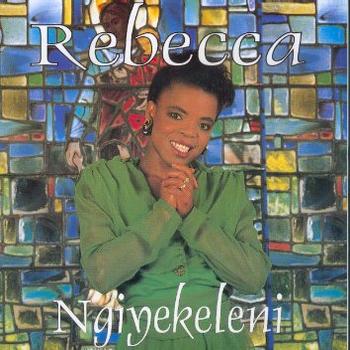
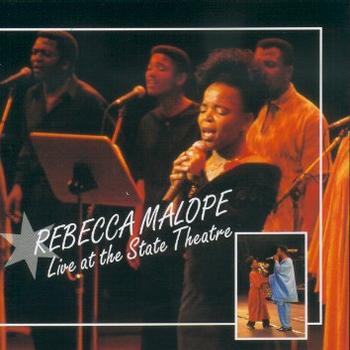
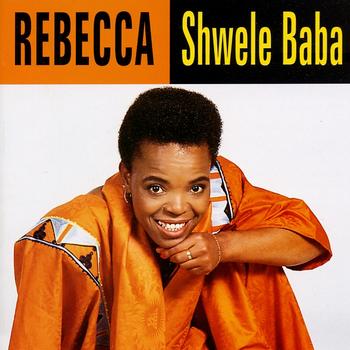
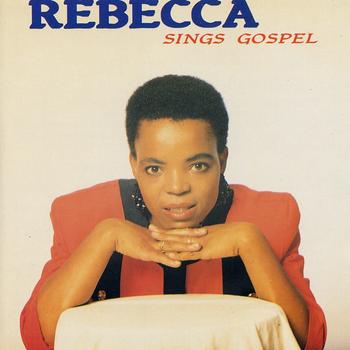
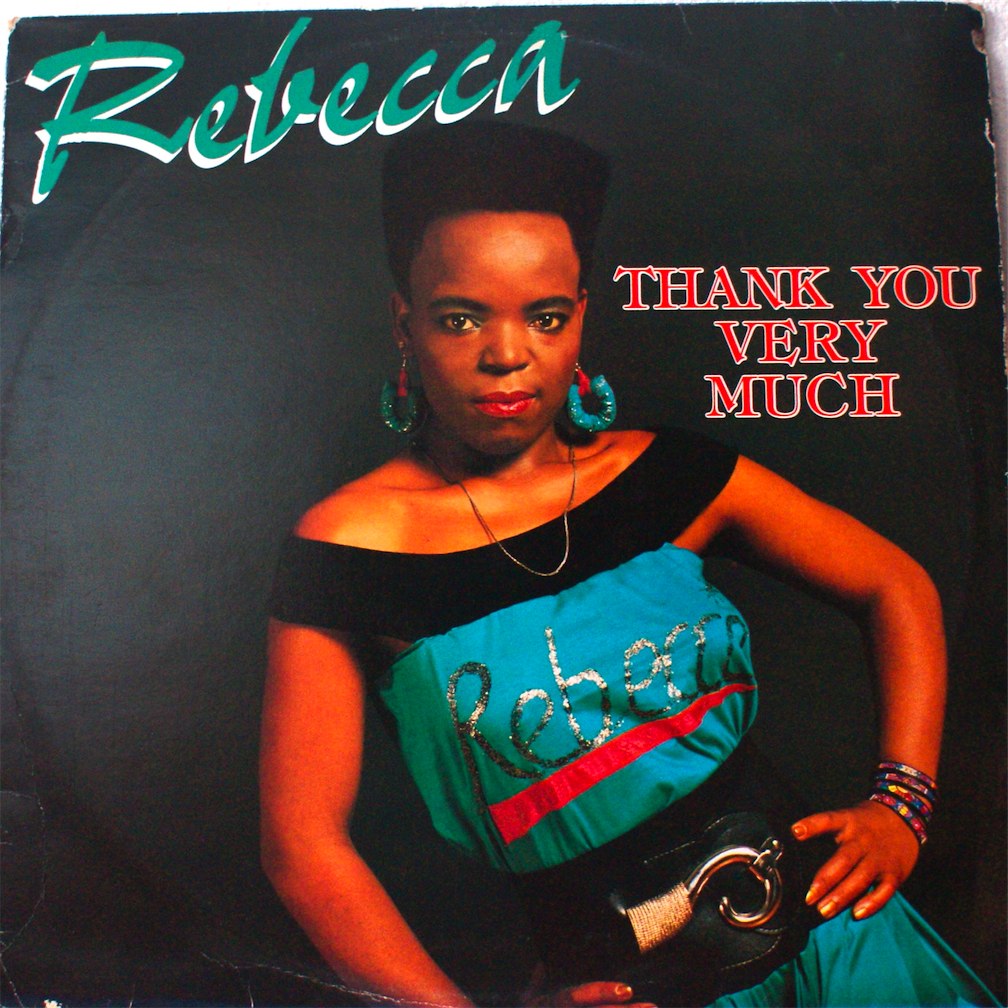
In 1989, two albums, Thank You Very Much and Woza Lovey, were certified platinum. In 1990, Buyani — dedicated to the heroes of the struggle against apartheid and Nelson Mandela released that same day — sold 200,000 copies. In 1992, Rebecca Sings Gospel crossed the threshold: more than one million copies sold, the first gospel artist broadcast alongside pop and Afrikaans music on the radio. Ngiyekeleni (1993) and Umoya Wam (1994), whose title is her signature song, confirmed this direction. At the first South African Music Awards, in 1995, she won the award for best contemporary gospel album. Shwele Baba exploded that same year: 100,000 copies in three weeks, the fastest-selling record in the country. In 1997, Angingedwa, dedicated to her deceased father, brother, and sister, sold double platinum. She toured Europe, the Middle East, Israel, and Africa with her group Pure Magic between 1995 and 2004. In Israel, she filmed a 52-minute special for national Easter broadcast. She was the first black artist and the first woman to perform at the State Theatre in Pretoria after the abolition of apartheid. Uthando lwami became the first South African song to enter the hymnal book of American Christian churches.
Major Works
| Work | Year | Why It Is Essential |
|---|---|---|
| Shwele Baba | 1996 | Fastest-selling record (100,000 copies in 3 weeks) |
| Umoya Wam | 1994 | Signature song — “breath”, central theme of her repertoire |
| Buyani | 1990 | Dedicated to Nelson Mandela released — double platinum |
| Angingedwa | 1997 | “I am not alone”, dedicated to deceased loved ones — double platinum |
| Rebecca Sings Gospel | 1992 | First fully gospel album — pioneer of one million copies |
Heritage, turning points and lasting recognition
On the cusp of the 2000s, Rebecca settled into the immortality of a legend. Her Zulu titles — Ngibe Muhle Nam, Uthando lwami, Ukuzenza — became the soundtrack of South African churches. Her appearance as a judge on Clash of the Choirs (Mzansi Magic, 2013) earned her the affectionate nickname Sis Ribs among young viewers. In 2019, she announced the release of Lord You Are Good, her 36th album, and declared that she was retiring from producing full albums. « It’s not really the last time I will release music, but it will be the last time I release a full album. I just want to release one or two songs on streaming platforms when God inspires me with a message » (translated from English). She was rewarded again in 2025 with the Lifetime Achievement Award of the Basadi in Music Awards (BIMA) and, in 2026, the Lifetime Achievement Award of the NACA (National Arts and Culture Awards). Today, she resides in Johannesburg, where she has her own studio, writes and produces the majority of her music, and is preparing a musical show tracing her life. She has never stopped singing; she simply stopped counting records.
Sources and references
- « Rebecca Malope », English Wikipedia, https://en.wikipedia.org/wiki/Rebecca_Malope, accessed 9 November 2026.
- « Rebecca Malope », South African History Online, https://sahistory.org.za/people/rebecca-malope, accessed 9 November 2026.
- « Rebecca Malope », AllMusic, https://www.allmusic.com/artist/rebecca-malope-mn0000870774, accessed 9 November 2026.
- « I did not attend school growing up, I did not let that get me down » — Rebecca Malope, Drum (News24), https://www.news24.com/drum/news/i-did-not-attend-school-growing-up-i-did-not-let-that-get-me-down-rebecca-malope-20170728, accessed 9 November 2026.
- « Rebecca Malope: All Hail the African Queen of Gospel Music », OkayAfrica, https://www.okayafrica.com/rebecca-malope-all-hail-the-african-queen-of-gospel-music/229162, accessed 9 November 2026.
- « Presidency announces recipients of National Orders », South African Government (gov.za), https://www.gov.za/news/media-statements/presidency-announces-recipients-national-orders-10-nov-2021, accessed 9 November 2026.
- « Dr Rebecca Malope’s joy after receiving the NACA 2026 Lifetime Achievement Award », Sports Arts Culture SA (Facebook), https://www.facebook.com/sportartsculturersa/posts/dr-rebecca-malopes-joy-after-receiving-the-naca-2026-lifetime-achievement-award-/1370386851937816/, accessed 9 November 2026.
- « Rebecca Malope: Biography, Age, Children, Husband, Father, Mother », Eyaziwa, https://www.eyaziwa.co.za/rebecca-malope-biography/, accessed 9 November 2026.