Biography
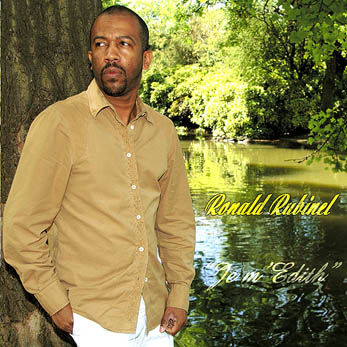
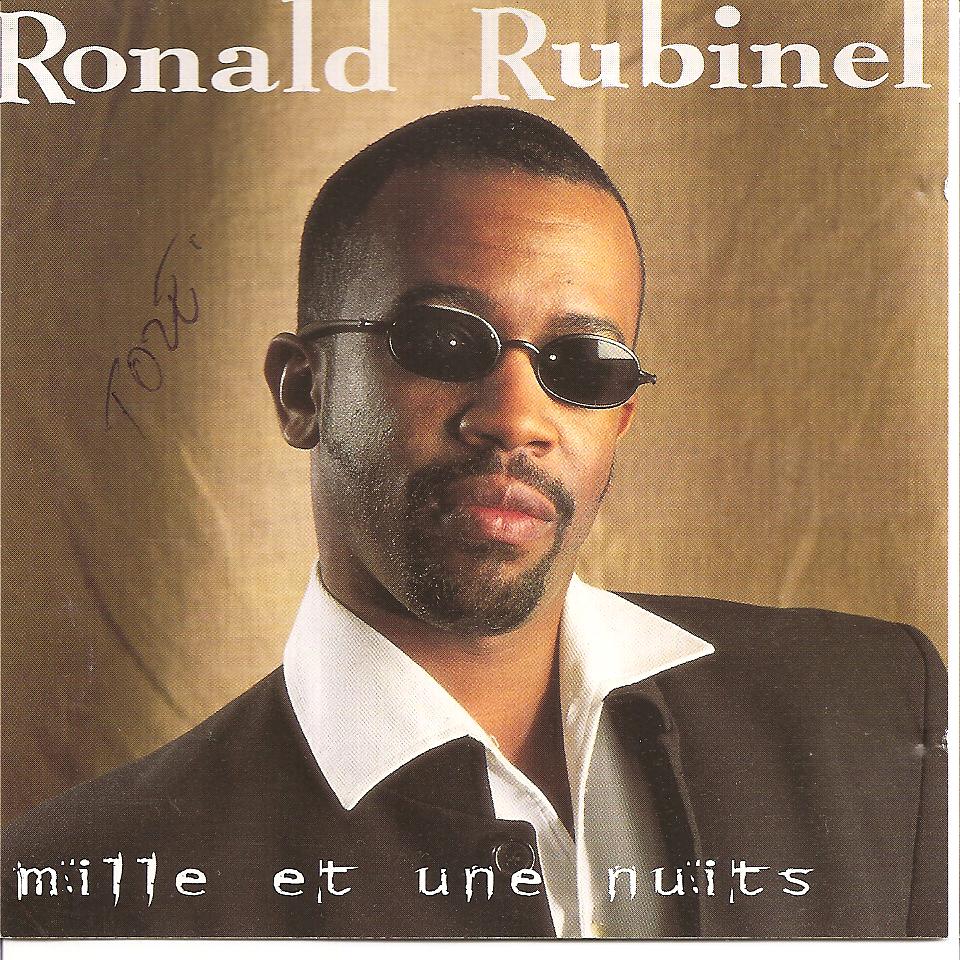
Ronald Rubinel : maestro of the keyboard and architect of zouk love
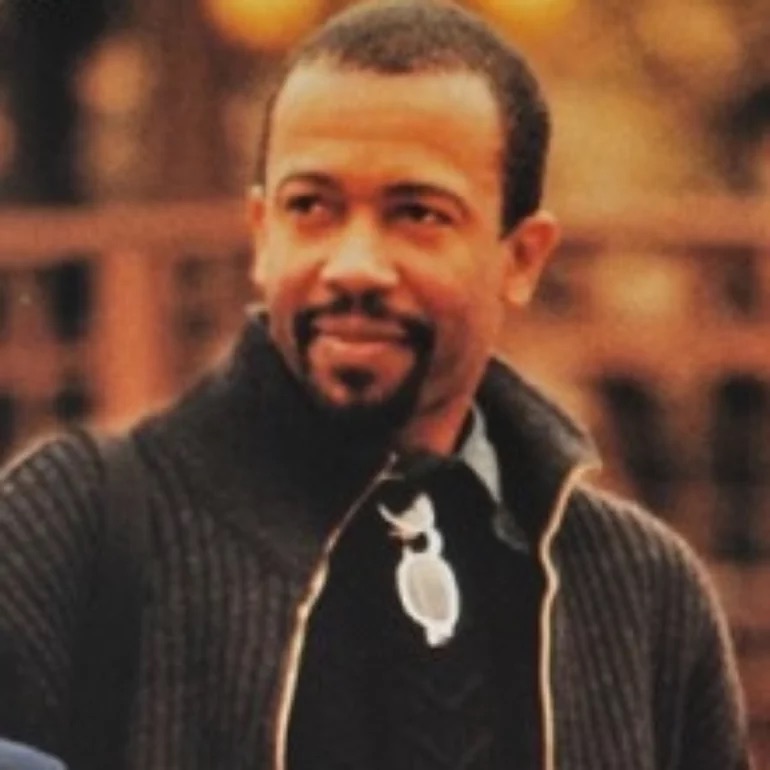
Born in Paris on January 28, 1963, to Martinican parents, Ronald Rubinel is a keyboardist, composer, and producer who shaped the sound of Antillean music for over forty years. Self-taught, he crossed three continents — Haiti, Zaire, the Antilles — before establishing a more refined style that gave birth to zouk love. A sobriquet he adopted, “the Maestro,” the SACEM honored him in 2007 by admitting him as a life member1.
In brief
| Name | Ronald Rubinel |
| Birth | January 28, 1963, Paris (Martinican parents) |
| Domain | Zouk love, kadans, soukouss, Antillean music |
| Role | Keyboardist, singer, composer, arranger, producer |
| Emblematic works | “Zoulou”, Tilda, Ethnikolor |
| Distinctions | Honorary SACEM Martinique Prize (2011), life member SACEM (2007) |
Key dates
| Year | Event |
|---|---|
| 1963 | Birth in Paris to Martinican parents |
| Late 1960s | First steps in popular dance halls of the Parisian diaspora |
| 1970 | Keyboard on soukouss recordings by Loketo |
| Early 1980s | Tours with Kassav’ and La Compagnie Créole |
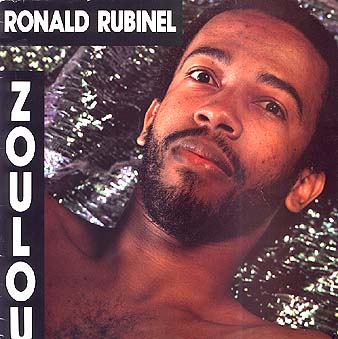
| 1986 | Single “Zoulou” as a duo with Jean-Claude Naimro |
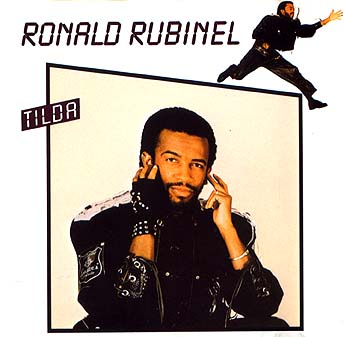
| 1987 | Album Tilda and birth of zouk love |
| 1990 | Ethnikolor concept, carnival success |
| 1995 | Album Ragga-Kolor |
| 2003 | Death of Edith Lefel, his partner and muse |
| 2007 | Entry into the circle of life members of the SACEM |
| 2011 | Honorary SACEM Martinique Prize |
From Haitian compas to Zairian soukouss
A child in Paris, Ronald Rubinel grew up rocked by Caribbean sounds that crossed Martinican and Haitian neighborhoods. Self-taught, he began learning the keyboard in his family room, forging a musical ear nourished by Haitian compas, Dominican cadence, and African music. As an adolescent, he performed in popular dance halls of the Antillean diaspora, accompanying Tabou Combo and Les Frères Déjean2.
In 1970, he was called on for the keyboard in recordings by Loketo, the soukouss group led by Diblo Dibala. The soukouss — a Congolese style with an infectious rhythm and interlaced guitars — found a new dimension here thanks to Rubinel’s arpeggios. He also played with other great Zairian orchestras of the Parisian diaspora, becoming a musical bridge between Central Africa and the Caribbean3.
The advent of zouk love
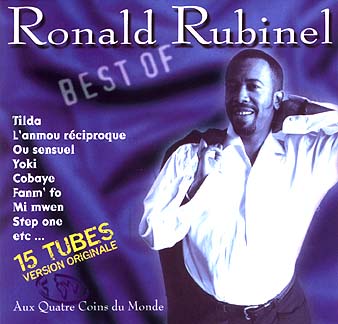
In the early 1980s, zouk — this genre born in Guadeloupe and Martinique that modernized traditional Antillean music — exploded internationally. Rubinel, already seasoned by tours, accompanied Kassav’ and La Compagnie Créole on keyboards during their world tours. In 1986, he released his first single, “Zoulou”, as a duo with Jean-Claude Naimro: a track that blends zouk, pop, and African rhythms. The following year, the album Tilda made a sensation. Driven by the hit “L’anmou réciproque”, it established a more refined, more romantic style: this was the birth of zouk love4.
The craftsman of success and legacy
Rubinel is also the producer for Edith Lefel, his partner, for whom he arranged and produced albums Rendez-vous (1996) and À fleur de peau (1999). The sudden death of Edith Lefel in January 2003 marked the musician and left the entire Antillean artistic community in immense grief2.
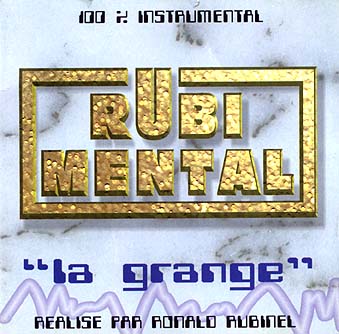
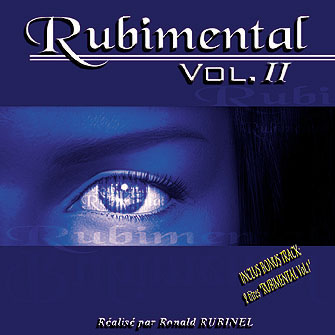
Simultaneously, he multiplied projects: Jeux de Dames, gathering Antillean female stars; Compakolor, a tribute to Haitian compas; Ragga-Kolor and Reggae-kolor, worked on in the Tuff Gong studio in Jamaica. Founder of the Rubicolor label, he has produced artists like Njie since 2008. Having joined the circle of life members of the SACEM in 2007, he received an honorary prize from the SACEM Martinique in 2011. Ronald Rubinel, who defines himself as “ambassador of tropical cultures”, remains in the eyes of his peers the father of zouk love5.
Major works
| Work | Year | Why it is essential |
|---|---|---|
| “Zoulou” (feat. Jean-Claude Naimro) | 1986 | Bridge between zouk and African rhythms |
| Tilda | 1987 | First solo album, cornerstone of zouk love |
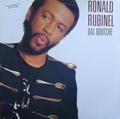
| Bal Boutché | 1989 | Stylistic confirmations and refined arrangements |
| Ethnikolor (Vol. 2) | 1991 | Collective concept uniting Antillean voices |
| Ragga-Kolor | 1995 | Reggae-kreyòl experimentation, Jamaican collaborations |
Legacy
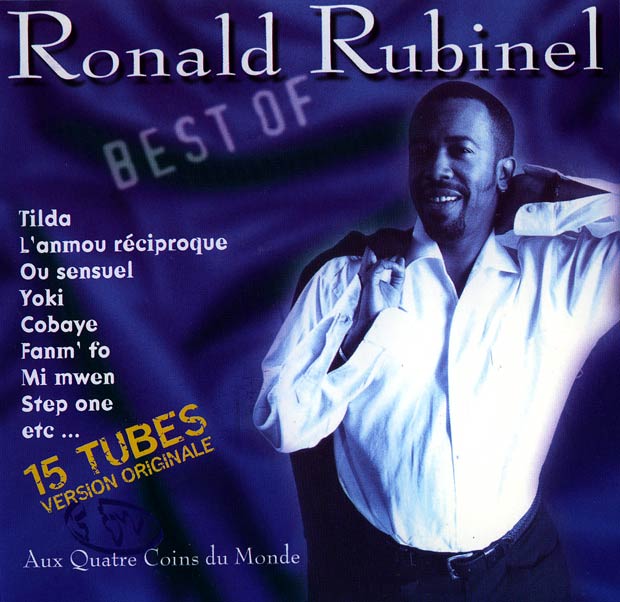
Ronald Rubinel made the studio his playground. His influence extends beyond the Antilles: he disseminated zouk love in Francophone Africa, French Guiana, Cape Verde, and Brazil. His arranging work — the one that structures orchestration and shapes the overall sound — influenced a generation of producers. The melodies from Tilda and “L’anmou réciproque” continue to animate dance halls and radios in the Creole world6.
Sources and references
-
MusicMe, biography Ronald Rubinel ↩︎
-
Martinique A Nu, artist profile by Jean-Mary Rosillette ↩︎ ↩︎
-
AllMusic, Loketo profile ↩︎
-
MusicMe, biography Ronald Rubinel ↩︎
-
SACEM, honorary prize 2011 and life member status 2007 ↩︎
-
Outremer Memory, article Ronald Rubinel: the maestro of zouk love by Chantal Charles-Alfred, August 17, 2025 ↩︎