Biography
Dr Sakis
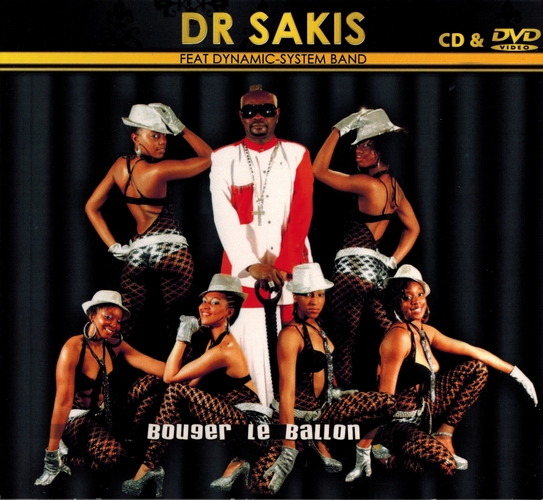
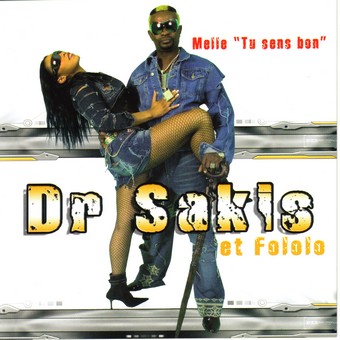
In 1985, at the dawn of his career, Dr Sakis released his first album and laid the foundations for a sound that would cross continents. Thirty years later, the twelve-year-old prodigy has become an unconditional showman whose performances traverse Africa, Europe, and Quebec. His stage name hides Nsakala Emmanuel, a complete artist — singer, dancer, composer, and producer — who has made the modernization of Congolese soukous his raison d’être.
In Brief
| Stage Name | Dr Sakis (also Sakis) |
| Legal Name | Nsakala Emmanuel |
| Alias | Emmanuel Nsakala Nguimbi |
| Origin | Democratic Republic of the Congo (DRC) |
| Field | Soukous, afrobeat, zouk, ndombolo; composer, singer, dancer, and producer |
| Notable Works | “Cyclone”, “Soukous Abidjan” |
| Permanent Group | The Dynamic System |
Key Dates
| Year | Event |
|---|---|
| ~1973 – 1975 | Birth in DRC (exact date not documented) |
| Age 12 | Debut in singing and dancing in DRC |
| ~Age 16 (around 1989) | Creation of Les Unis, a musical comedy group |
| Around 1992 | Formation of The Dynamic System, with which he remains active |
| 1985 | First album: “Majenine” (first documented release) |
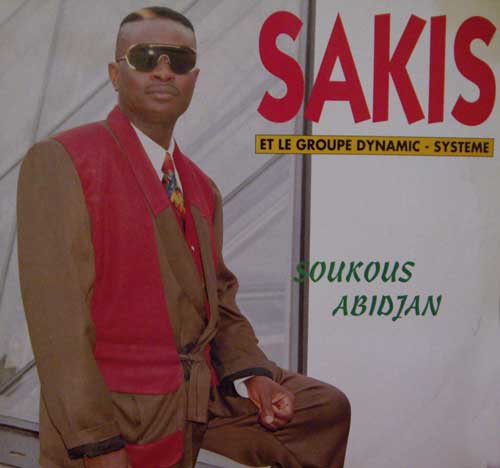
| 1992 | Release of “Soukous Abidjan”, first international hit |
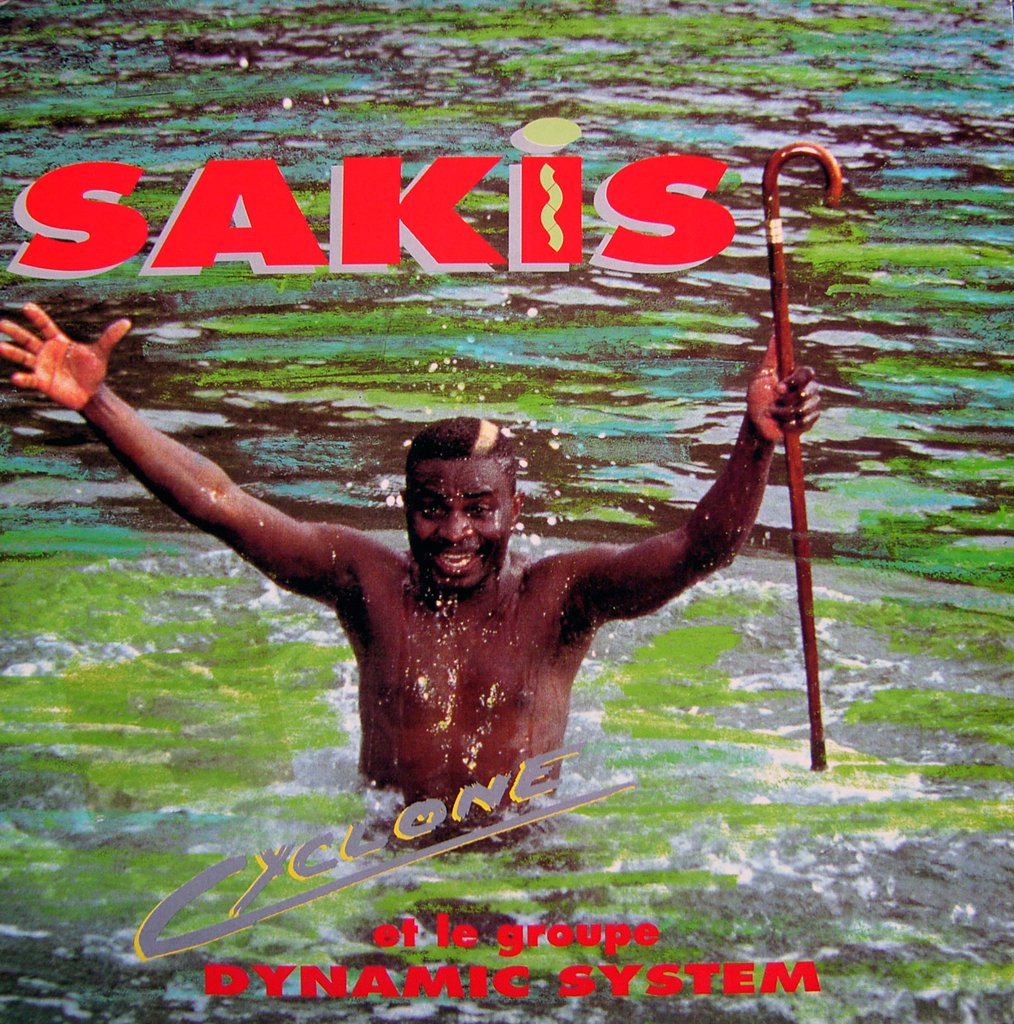
| 1993 | Album “Cyclone”, major success of the decade |
| 1990s | Move to Paris; integration into the Parisian soukous scene |
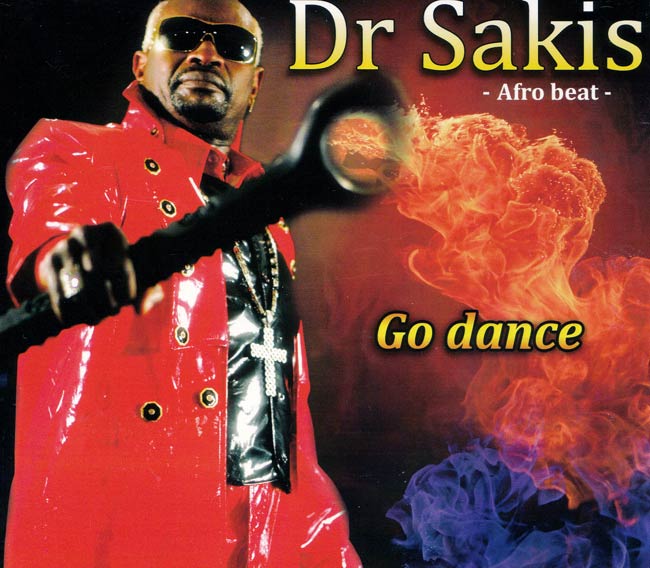
| 2011 | Album “Go Dance (Afrobeat)” — a turning point toward more modern rhythms |
| 2016 | Live presentation on RFI in the show Couleurs tropicales by Claudy Siar |
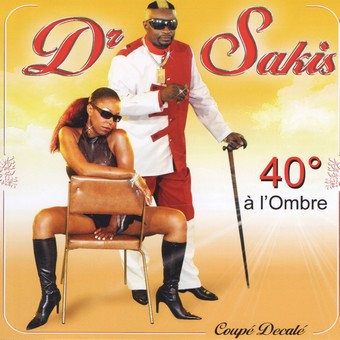
| 2020 – 2022 | Return with “40° à l’ombre” and “Lumi lumi”, maintaining artistic continuity |
The Son of Congo Who Invented His Own Party
Nsakala Emmanuel does not wait for a push to be given. From the age of twelve, already passionate about dance and singing, he took the initiative by creating his own musical comedy group, Les Unis, a few years before the official birth of his music career. Around sixteen, he founded The Dynamic System — an ensemble that would become his durable artistic vehicle. The imprint of this early adventure remains visible in his music: Dr Sakis does not merely interpret; he composes and produces most of his own albums. This autonomy shaped a personal sound, distinct from that of the major ensembles of the time.
His first album was released in 1985. It is titled “Majenine” and announces a style that draws its roots from Congolese tradition while opening onto broader horizons. But it was at the beginning of the 1990s that Dr Sakis established himself on the international stage. “Soukous Abidjan” (1992), and especially “Cyclone” (1993), became planetary hits within the Congolese diaspora. These titles mark the heart of his artistic heritage: an accelerated, rhythmic, and danceable soukous.
Dr Sakis then operated a decisive stylistic mutation by fusing Congolese soukous with zouk, a rhythmic style born in the islands of Guadeloupe, Martinique, Haiti, and Dominica — a music that means party or festival in Creole. This encounter between Central Africa and the Caribbean produced an hybrid sound that naturally found its place not only in Francophone and Lusophone Africa, but also in France — Dr Sakis’s main European market — and in Quebec in North America. The approach is clear: to dance without linguistic or geographical borders.
From Paris to Kinshasa — The Tensions of a Mutating Scene
The 1990s saw the rise in Paris of an entire wave of soukous artists of Congolese origin. Dr Sakis found his place alongside figures such as Kanda Bongo Man, Diblo Dibala, and Aurlus Mabele. This Parisian scene played a crucial role in making soukous accessible to the general European public, but it also sparked resistance: artists based in Kinshasa criticized a simplified and commercialized version of a genre that, in their view, lost its substance for the sake of spectacle. This tension between authenticity and commercialization is not unique to soukous — it traverses the entire history of African music when a style spreads beyond the continent.
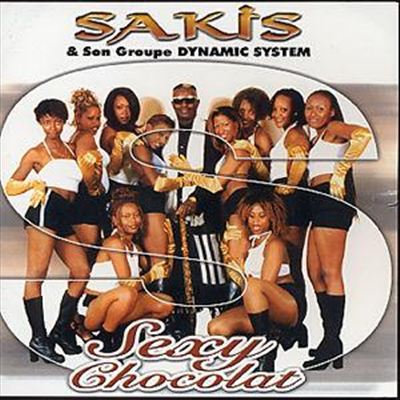
Dr Sakis, for his part, assumes his role as showman without hesitation. The Kenya Stockholm blog, on the occasion of a concert in Sweden in 2010, described him as an African star and a dance legend, a composer-interpreter and producer who produced 15 albums, ten VHS videos, and seven DVDs. His show relies on choreographed dancing and dancers who add talent, sensuality, and dynamism to each performance. The audience never fails to qualify his shows as unprecedented spectacles, seductive and rhythmic, a praise that the artist assumes with what a witness describes as strong personality and undeniable charisma.
Today, although the commercial wave of soukous from the 1990s has given way to other genres — afrobeat, coupé-décalé — Dr Sakis remains active. His recent releases, such as the albums The Greatest Hits (2020-2021) and 40° à l’ombre (2020), attest to a constant presence. This pioneer of modern soukous continues to demonstrate that the fusion between Congolese traditions and contemporary rhythms is not a parenthesis, but an open construction site.
Major Works
| Work | Year | Why It Is Essential |
|---|---|---|
| “Majenine” | 1985 | First album: the seed of a sound that became a signature |
| “Soukous Abidjan” | 1992 | First international hit that projected Dr Sakis onto the pan-African stage |
| “Cyclone” | 1993 | The cult album of the early 1990s, emblem of a frenzied soukous |
| “Go Dance (Afrobeat)” | 2011 | Modern turning point: Dr Sakis integrates afrobeat into his universe |
| “40° à l’ombre” | 2020 | Last documented studio album, proof of ongoing activity |
Heritage and influence
Dr Sakis contributed to making soukous a universal dance genre, popular both in African popular dances and on European stages. His music regularly took over the turntables of clubs and parties — as a journalist noted in 2007, highlighting that his albums were almost impossible to find due to the strong demand. His fusion approach — soukous, zouk and afrobeat — paved the way for later artists who do not feel compelled to choose between Congolese tradition and modernity. More than forty years after his first steps, Nsakala Emmanuel remains a living figure of a scene that continues to make the whole world dance.
Sources and references
- « Dr Sakis », Music In Africa, https://musicinafrica.net/fr/directory/dr-sakis/, accessed 20 November 2026.
- « Sakis (3) », Discogs, https://discogs.com/artist/1423353-Sakis-3, accessed 20 November 2026.
- « DR. Sakis », T. R. Blog, http://trlang.blogspot.com/2011/07/dr-sakis.html, accessed 20 November 2026.
- « Dr Sakis Coming to Stockholm: 29th October », Kenya Stockholm Blog, https://kenyastockholm.com/2010/10/17/dr-sakis, accessed 20 November 2026.
- « [Live] Interview with Dr Sakis (1) », RFI Musique, https://musique.rfi.fr/emission/info/couleurs-tropicales/20161122-live-entretien-dr-sakis-1.html, accessed 20 November 2026.
- « Soukous Music: a selection of 25 cult tracks », Quel-DJ, https://quel-dj.com/playlist/afro/afsub/musique-congolaise-et-zairoise/soukous, accessed 20 November 2026.
- « So guys, what’s the difference between Soukous & Ndombolo? », Congo Vibes Forum, https://congovibes.com/?topic=19688.0, accessed 20 November 2026.
- « Dr Sakis Biography », Facebook (MAHOLANGUMBI1983), https://www.facebook.com/MAHOLANGUMBI1983/posts/dr-sakisdr-sakis-real-name-is-nsakala-emmanuel-he-was-born-in-congo-drc-africa-a/2907094316020803/, accessed 20 November 2026.
- « Dr Sakis », Deezer, https://www.deezer.com/us/artist/1370110, accessed 20 November 2026.
- « Dr Sakis à Antsonjombe le 1er mai », Randy Do It Blog, http://randydoit.hautetfort.com/archive/2007/04/17/dr-sakis-a-antsonjombe-le-1er-mai.html, accessed 20 November 2026.