Biography
Sam Mangwana: the voice of the elephant in Congolese rumba
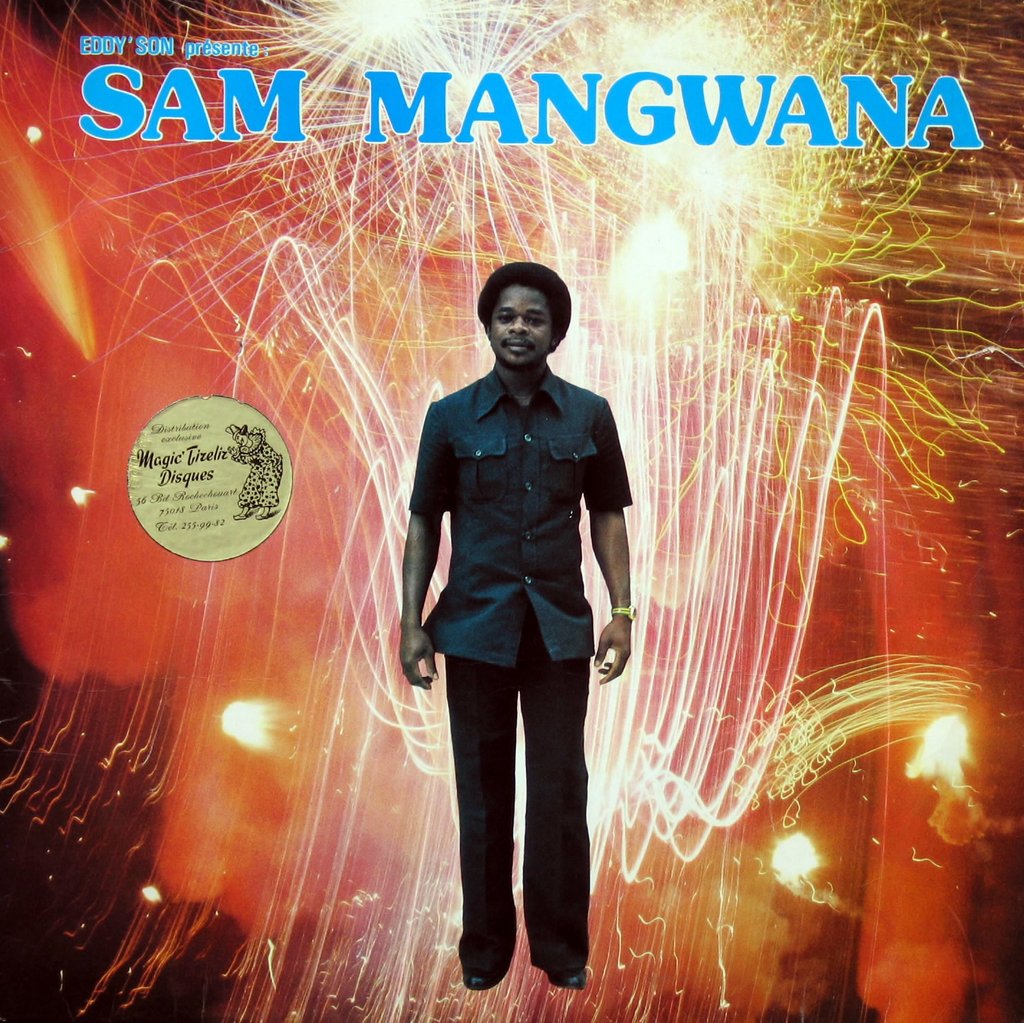
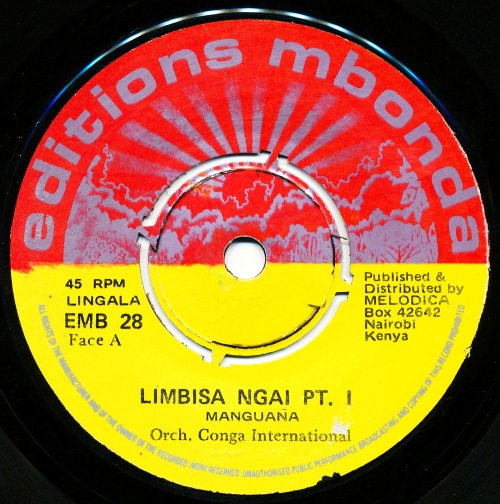
Kinshasa, 1969. Sam Mangwana’s voice rises on a 45 rpm single: “Zela Ngai Nasala”. The following year, he is elected “Best Lyricist of the Year”. This Angolan born in Léopoldville had just laid a cornerstone for modern Congolese rumba.
In brief
| Full name | Samuel Domingos Mangwana |
| Birth | February 21, 1945, Léopoldville (Kinshasa, Democratic Republic of the Congo) |
| Genre | Congolese rumba, soukous |
| Role | Singer, composer, bandleader |
| Signature works | “Maria Tebbo”, “Zela Ngai Nasala”, “Canta Moçambique”, “Galo Negro” |
| Honors | National Order of Merit (DRC); “Master of Rumba 2025” |
Key dates
| Year | Event |
|---|---|
| 1945 | Born in Léopoldville to Angolan parents of Kongo origin |
| 1963 | Joins Tabu Ley Rochereau’s African Fiesta at age 17 |
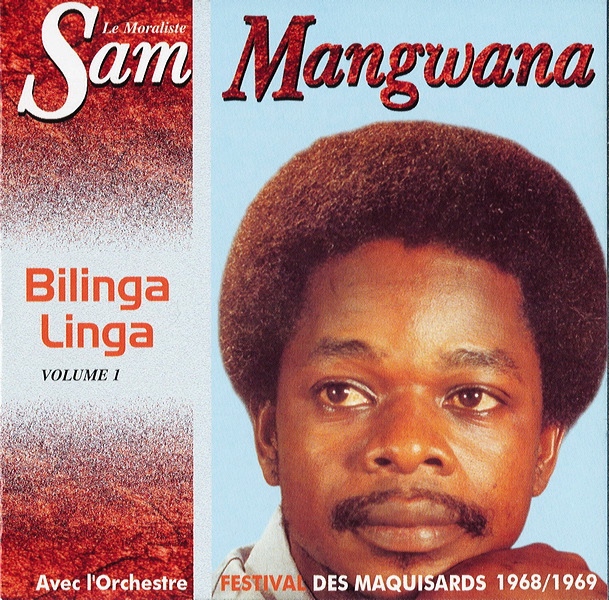
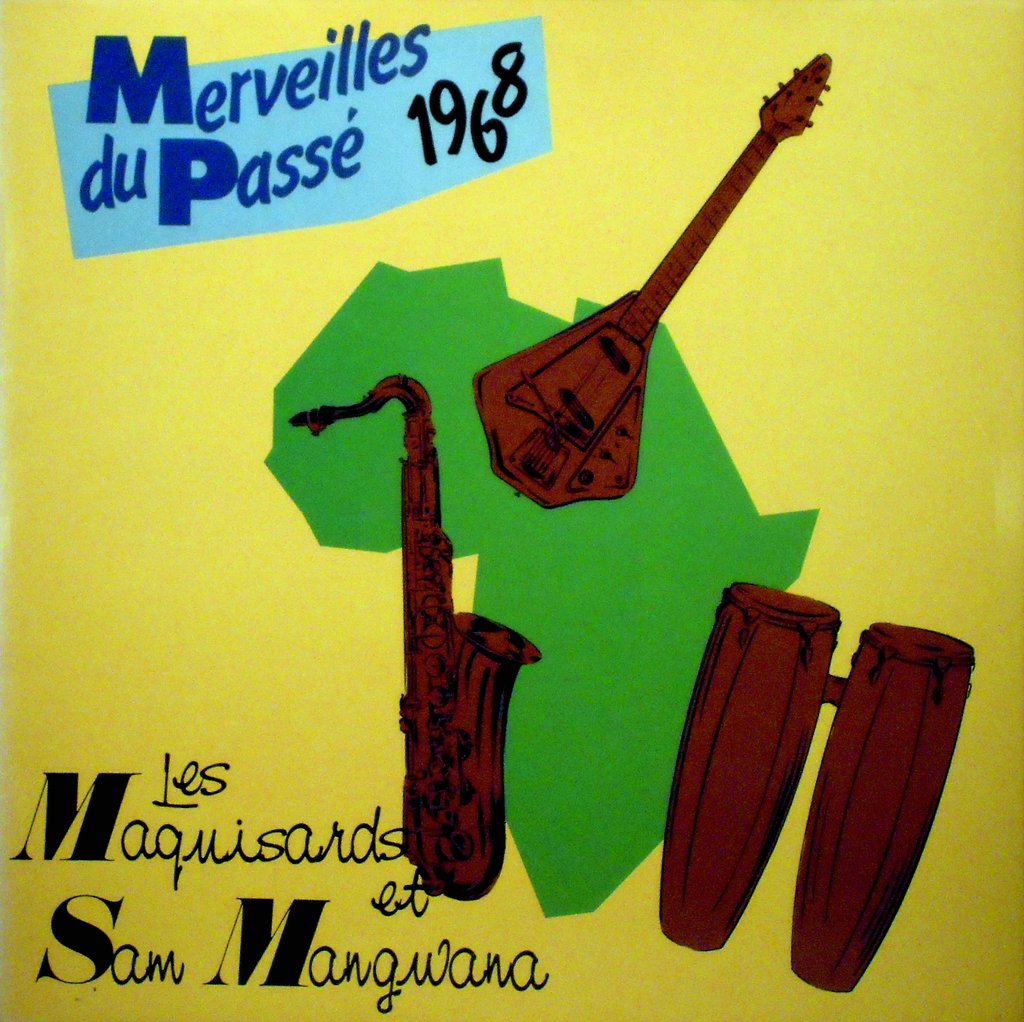
| 1968 | Co-founds Festival des Maquisards with Dizzy Mandjeku |
| 1972 | Controversial entry into Franco’s TP OK Jazz |
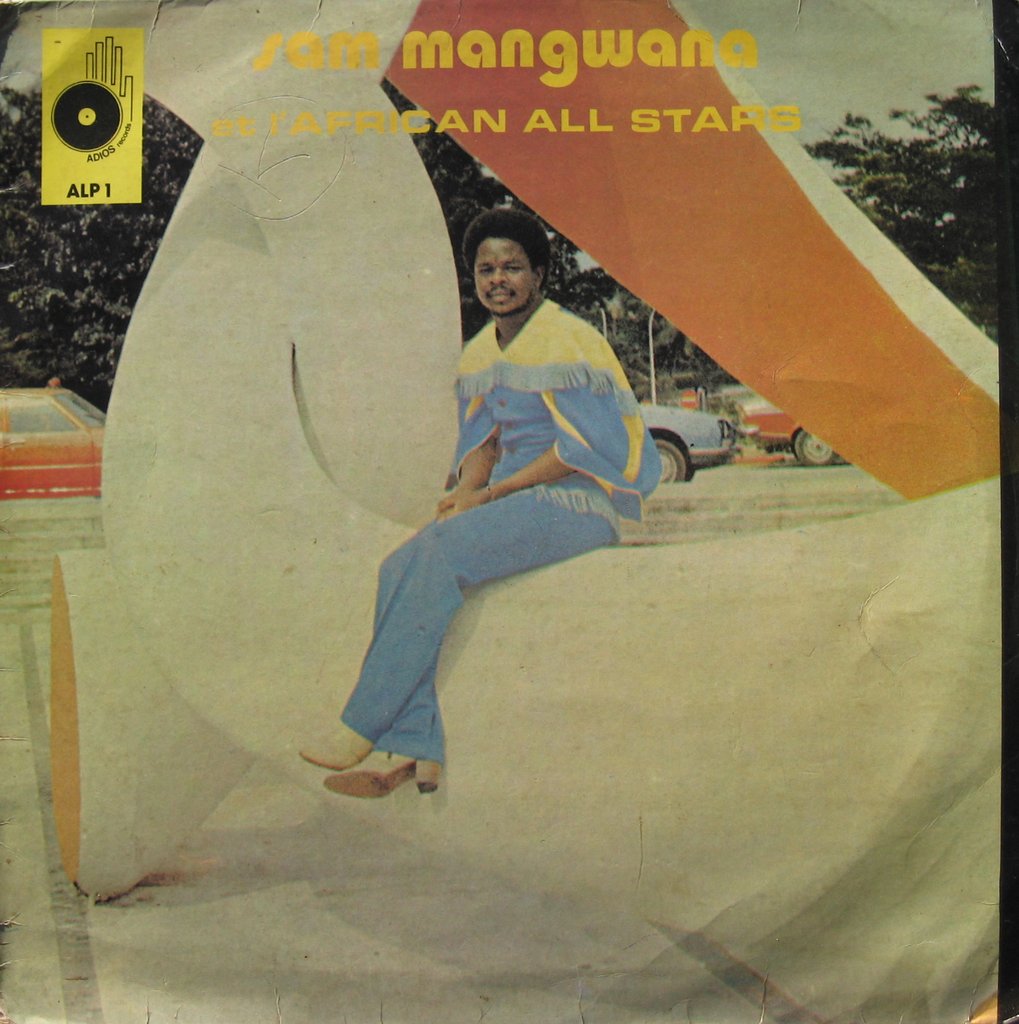
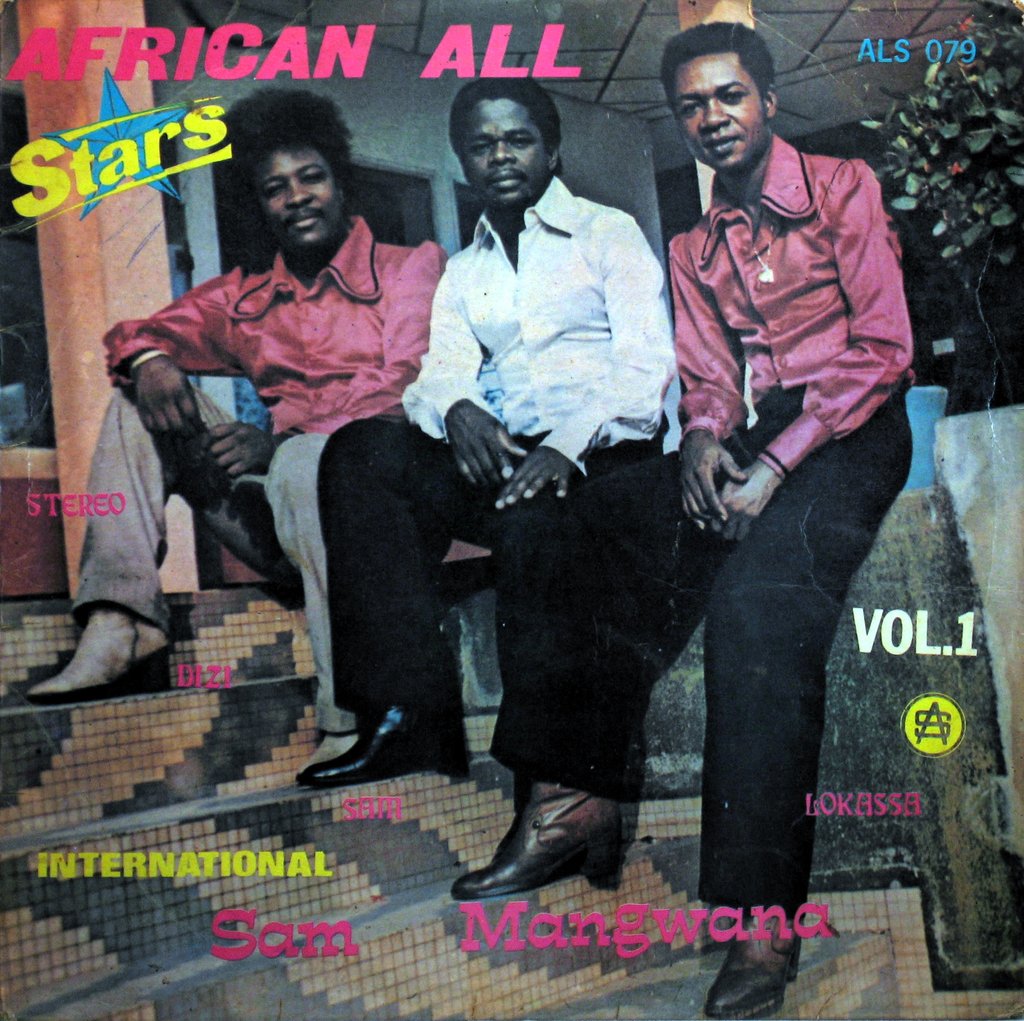
| 1976 | Settles in Côte d’Ivoire, creates African All Stars |
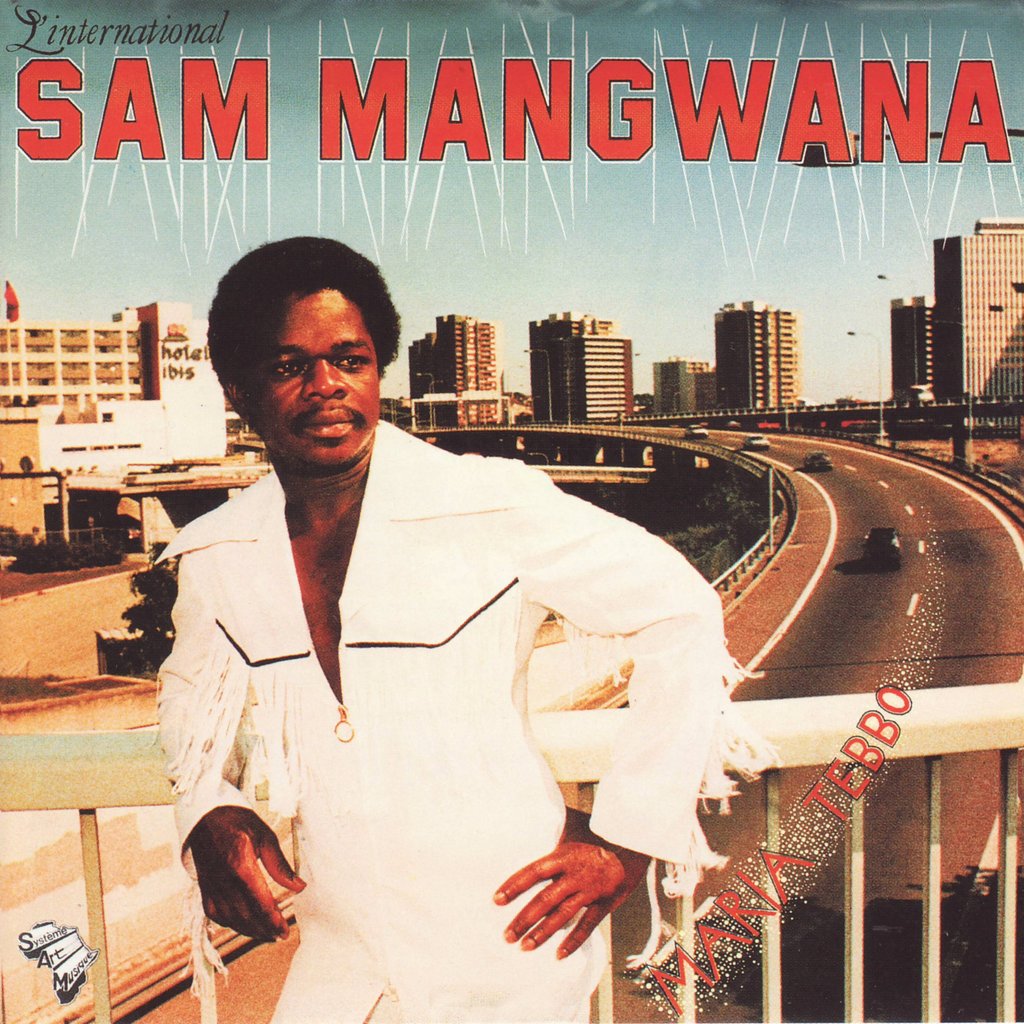
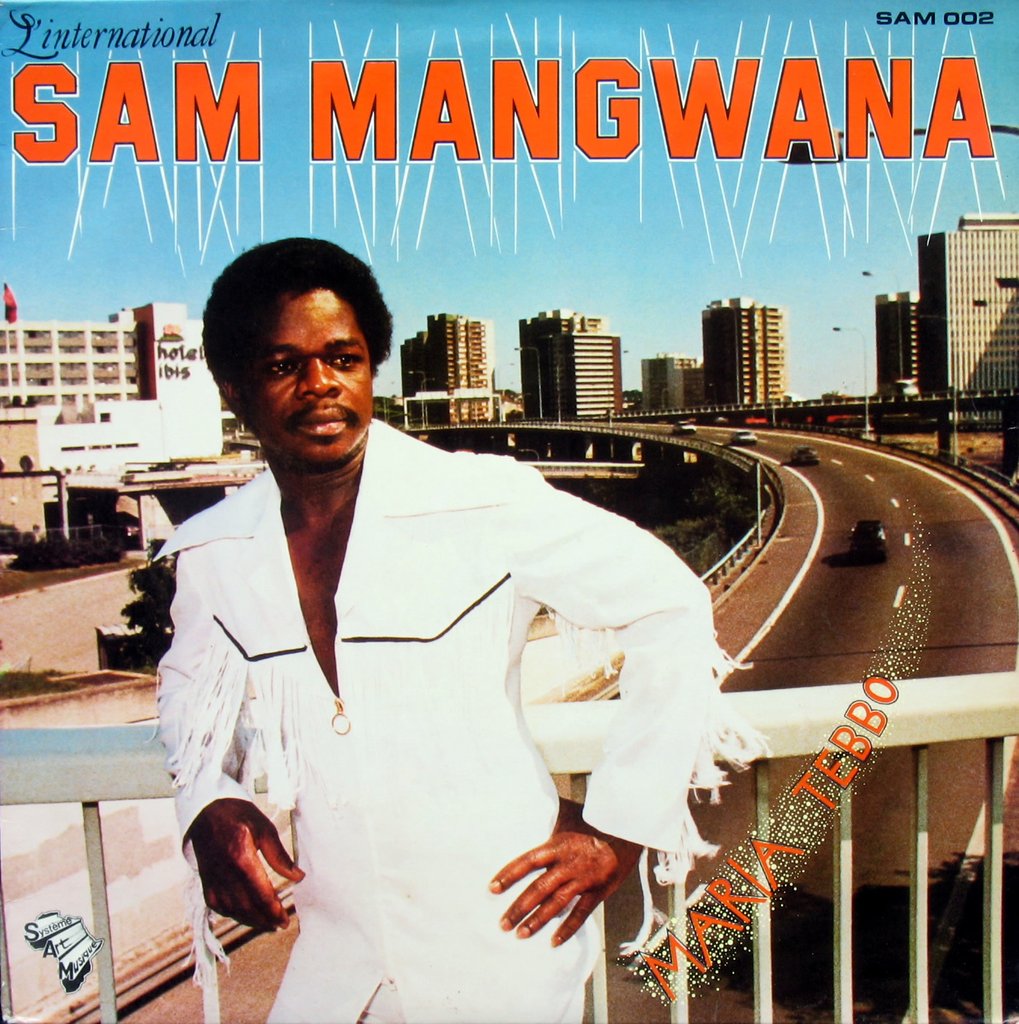
| 1982 | International hit “Maria Tebbo” |
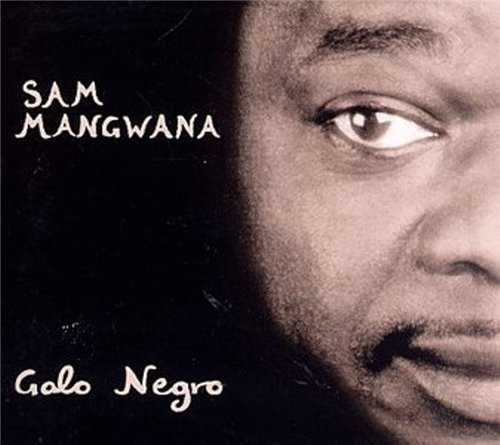
| 1998 | Release of Galo Negro (Putumayo) |
| 2025 | Awarded “Master of Rumba” in Kinshasa |
Journey: from Congolese rumba to international soukous
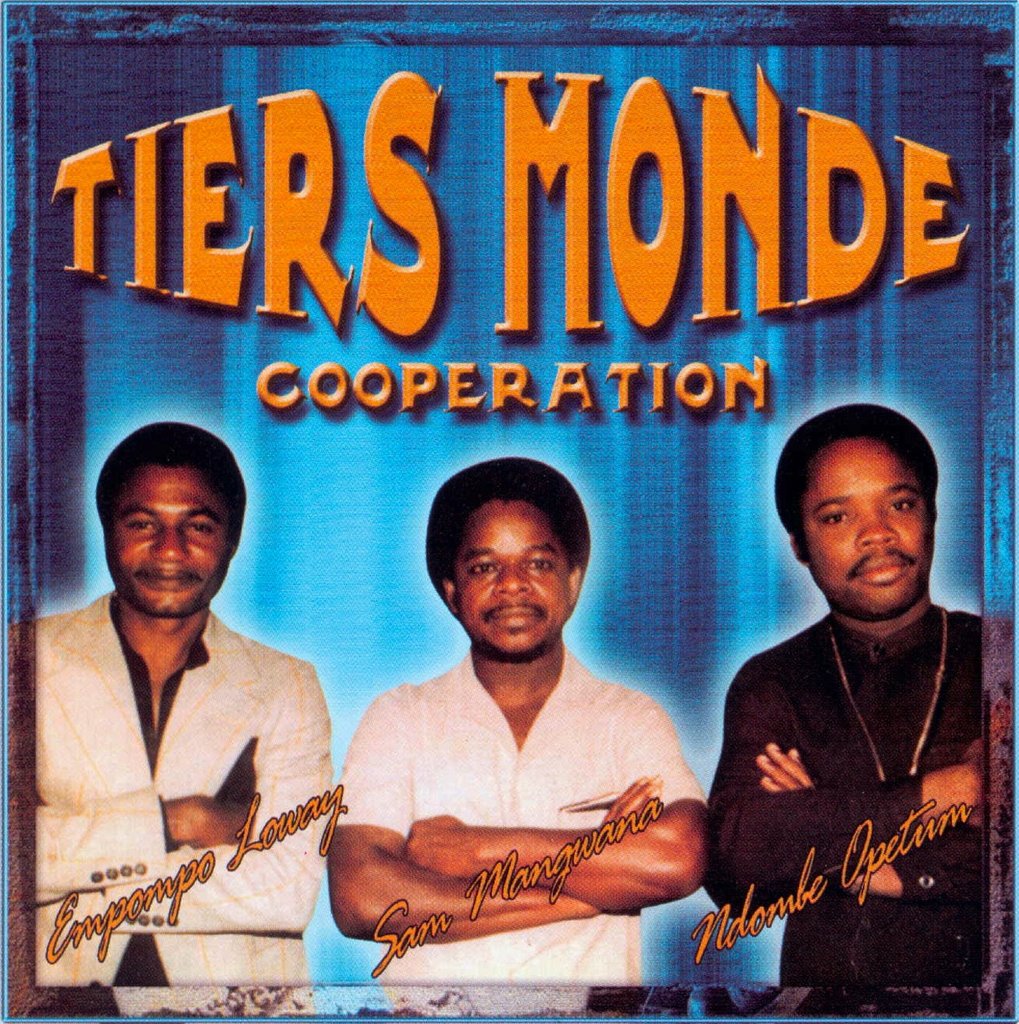
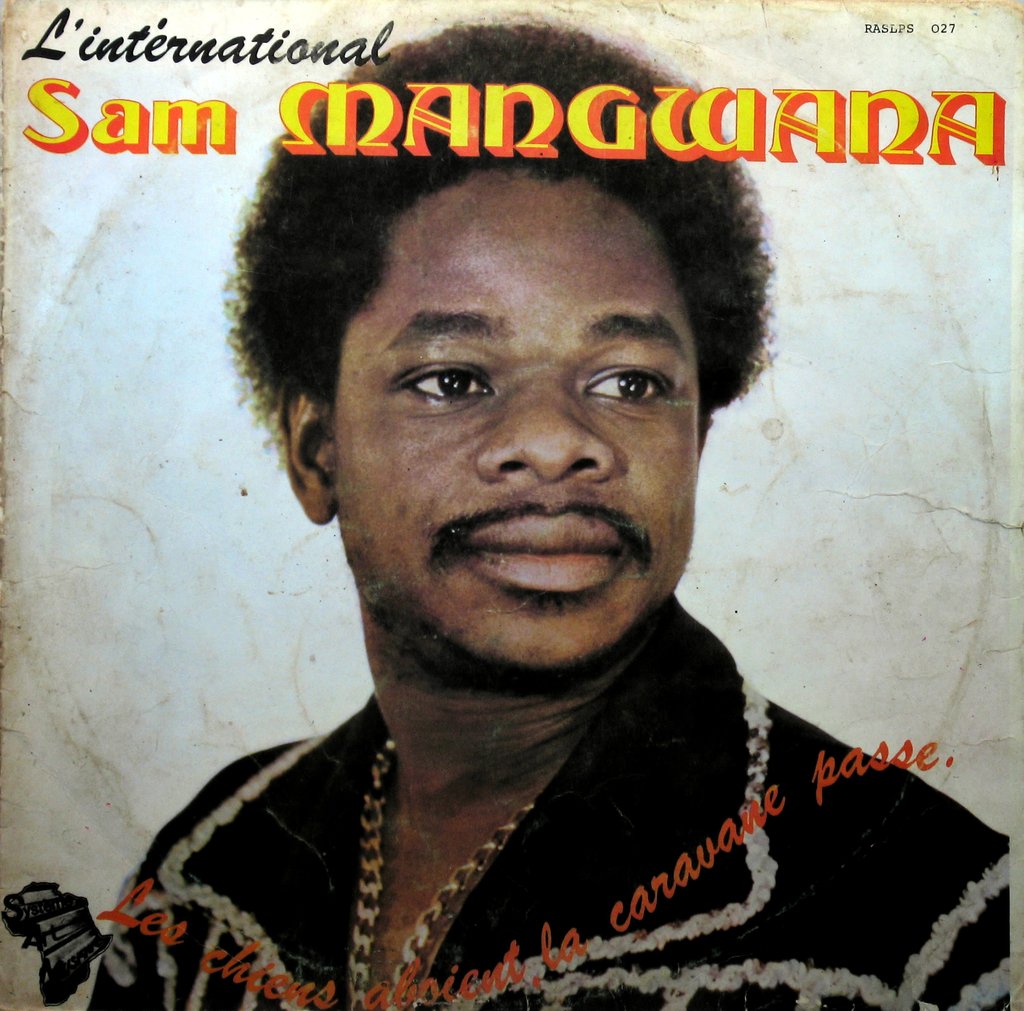
Samuel Domingos Mangwana grew up in Kinshasa amidst an active Angolan community, descended from the wave of immigrants who settled in Belgian Congo in the 1920s. From childhood, his parents took him to listen to Cuban, Caribbean, and American tours that made stops in the capital. There he absorbed the Cuban sound, calypso, highlife, and emerging rumba—this “re-Africanization” of Latin rhythms for which Franco, Dr Nico, and Le Grand Kallé are the pillars. His high, clear voice first led him to a Salvation Army choir. At 17, in 1963, he presented his lyrics to Tabu Ley Rochereau, who immediately integrated him into African Fiesta. “It was a great chance for me to evolve at 17 years and 8 months alongside Tabu Ley and Dr Nico,” he later confessed to RFI.
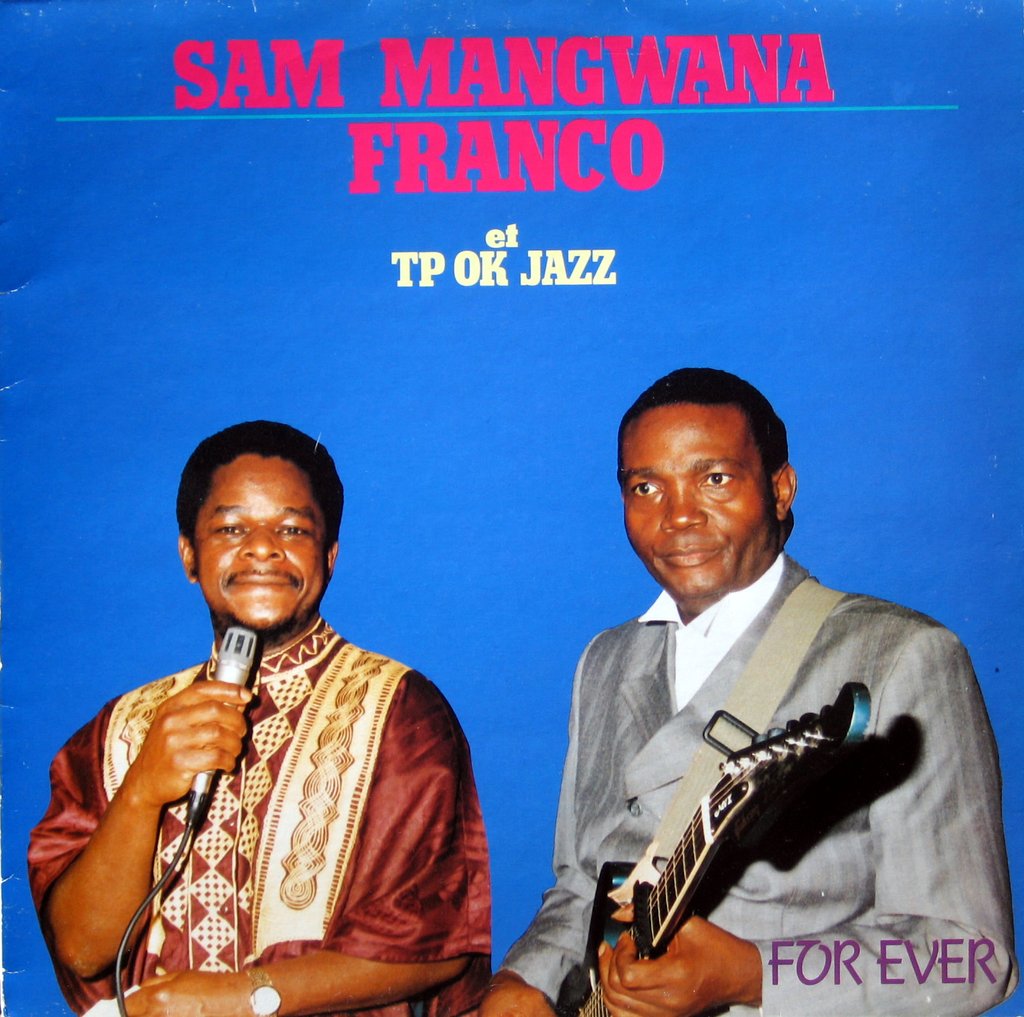
In 1965, Mangwana registered with SACEM, a rare initiative for the time. In 1969, “Zela Ngai Nasala” exploded in sales and crowned him “Best Lyricist”. Mobilized at the front in Cabinda, an asthma crisis led to his demobilization; politicians advised him: “music is also a weapon.” He co-founded Festival des Maquisards in 1968 with Dizzy Mandjeku—a failed democratic model, but one that left its mark. In 1972, Franco Luambo Makiadi opened the doors of TP OK Jazz to him, a controversial move (former rival Tabu Ley) that earned him threats. Three years by Franco’s side, classics followed, then a move to West Africa in 1976.
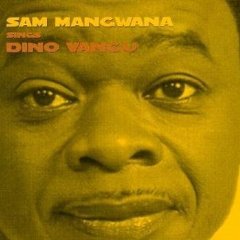
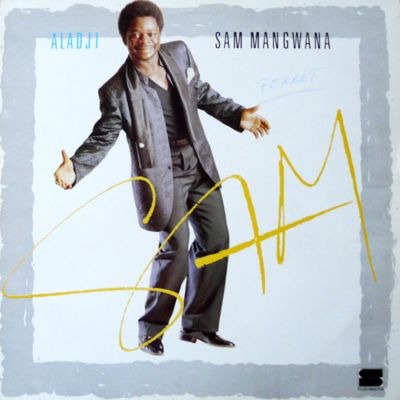
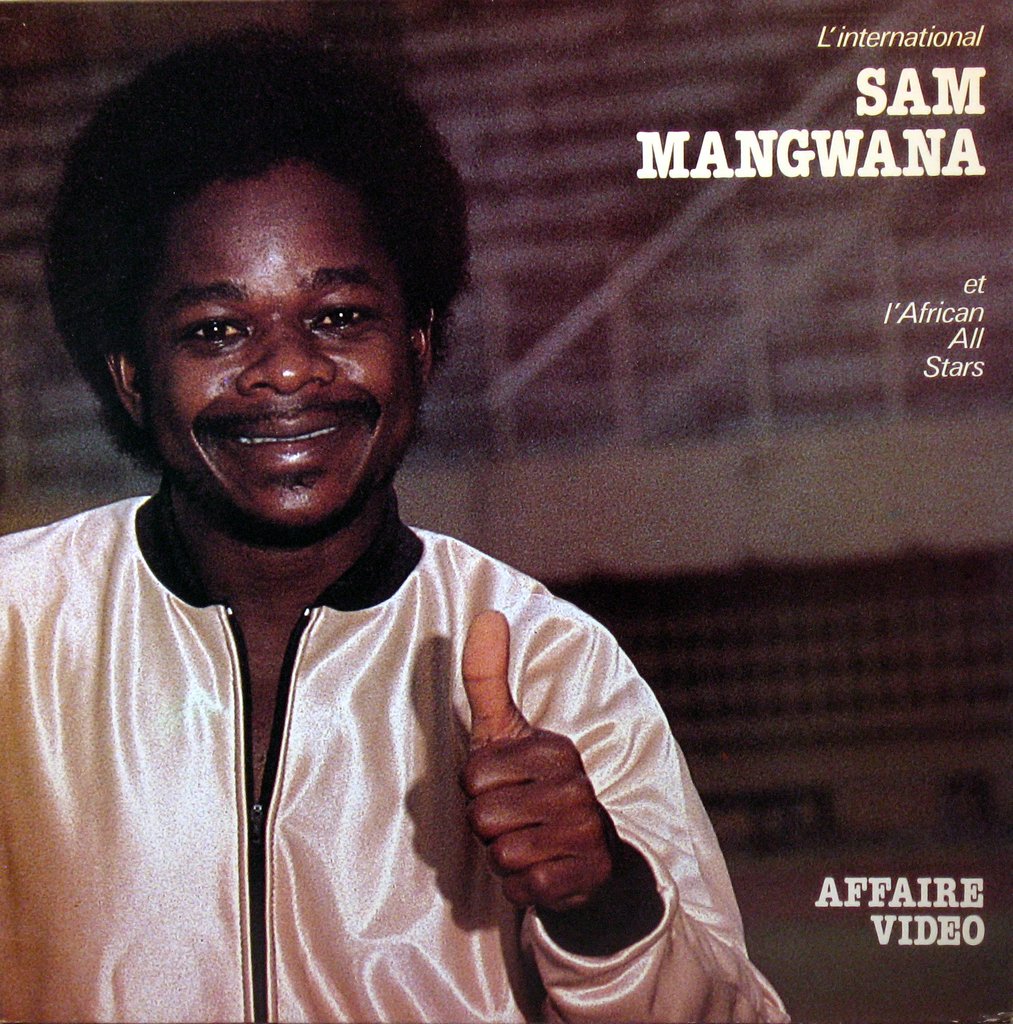
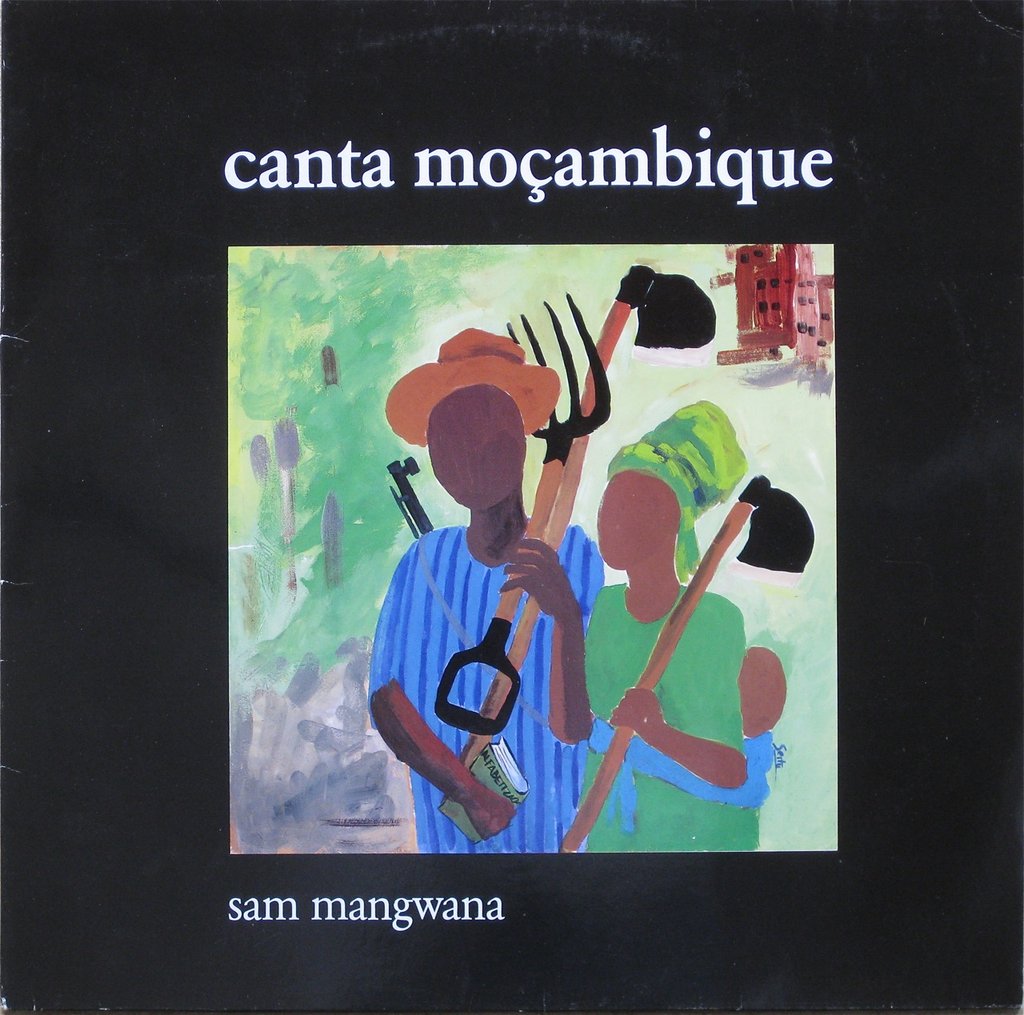
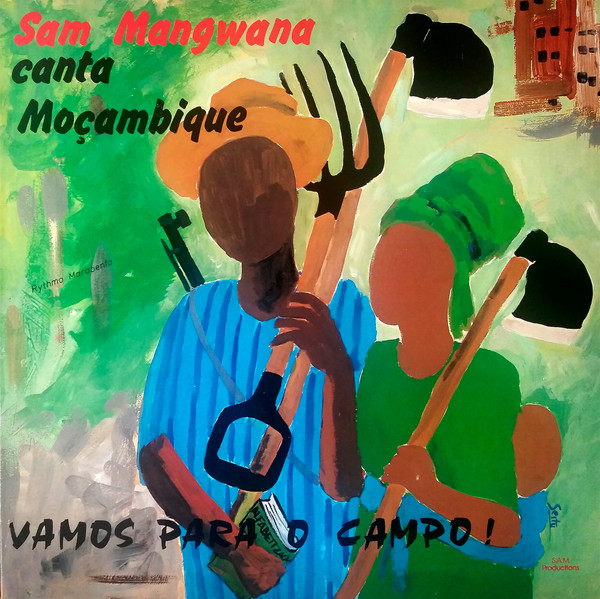
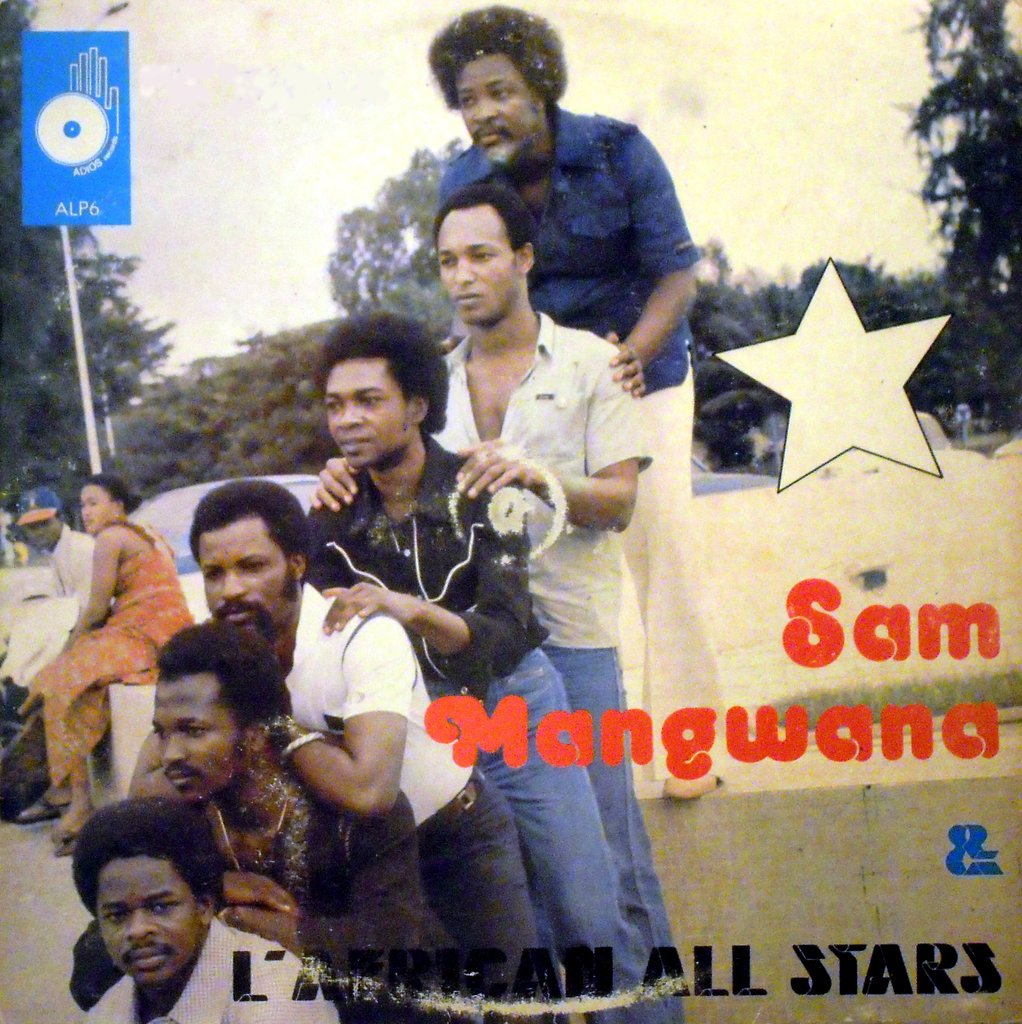
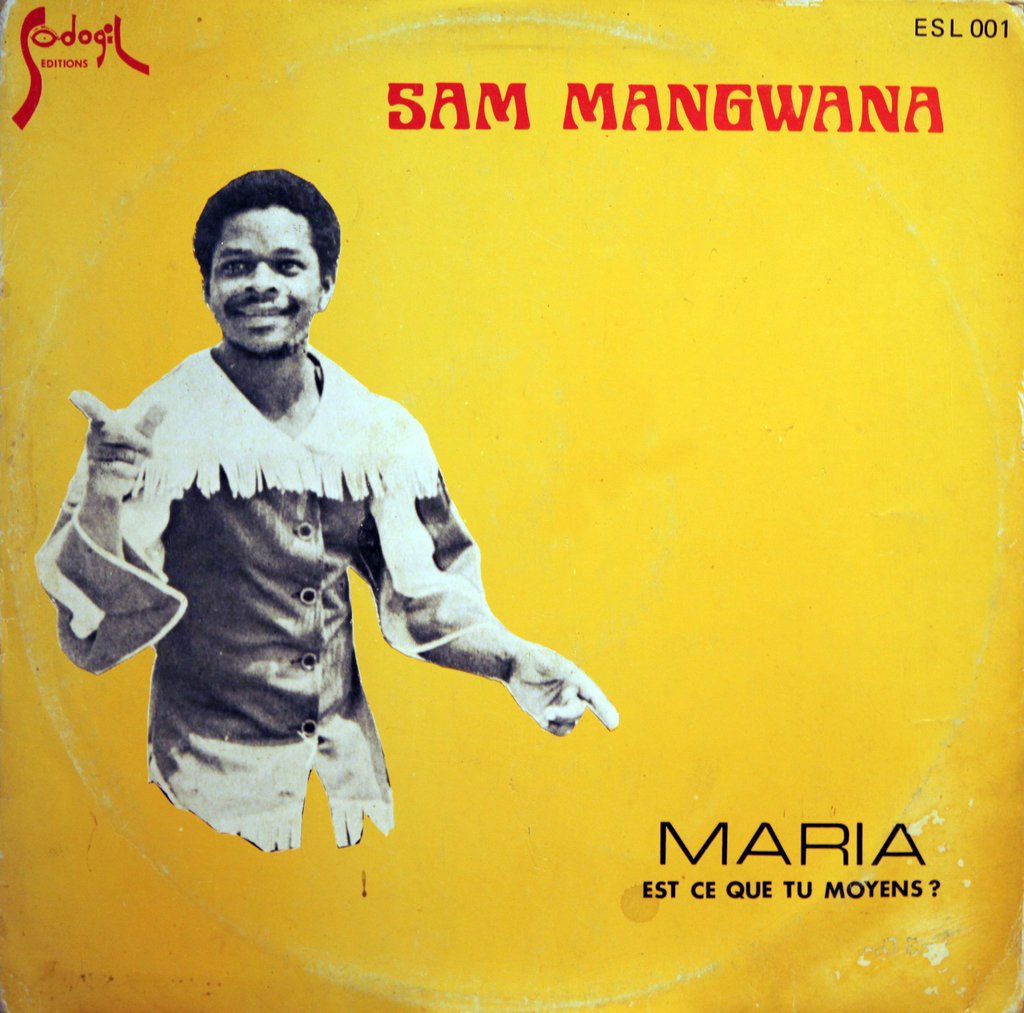
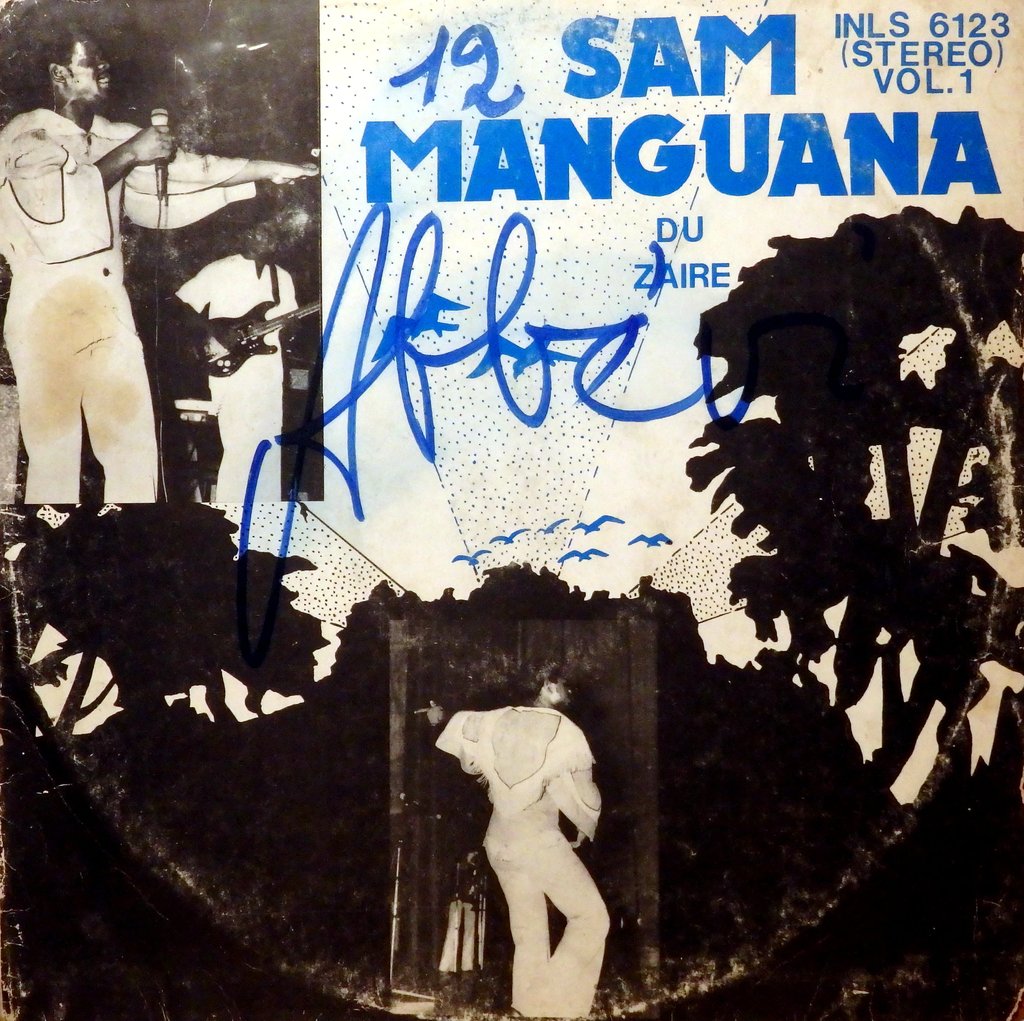
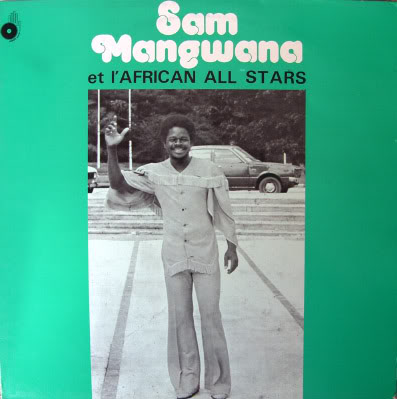
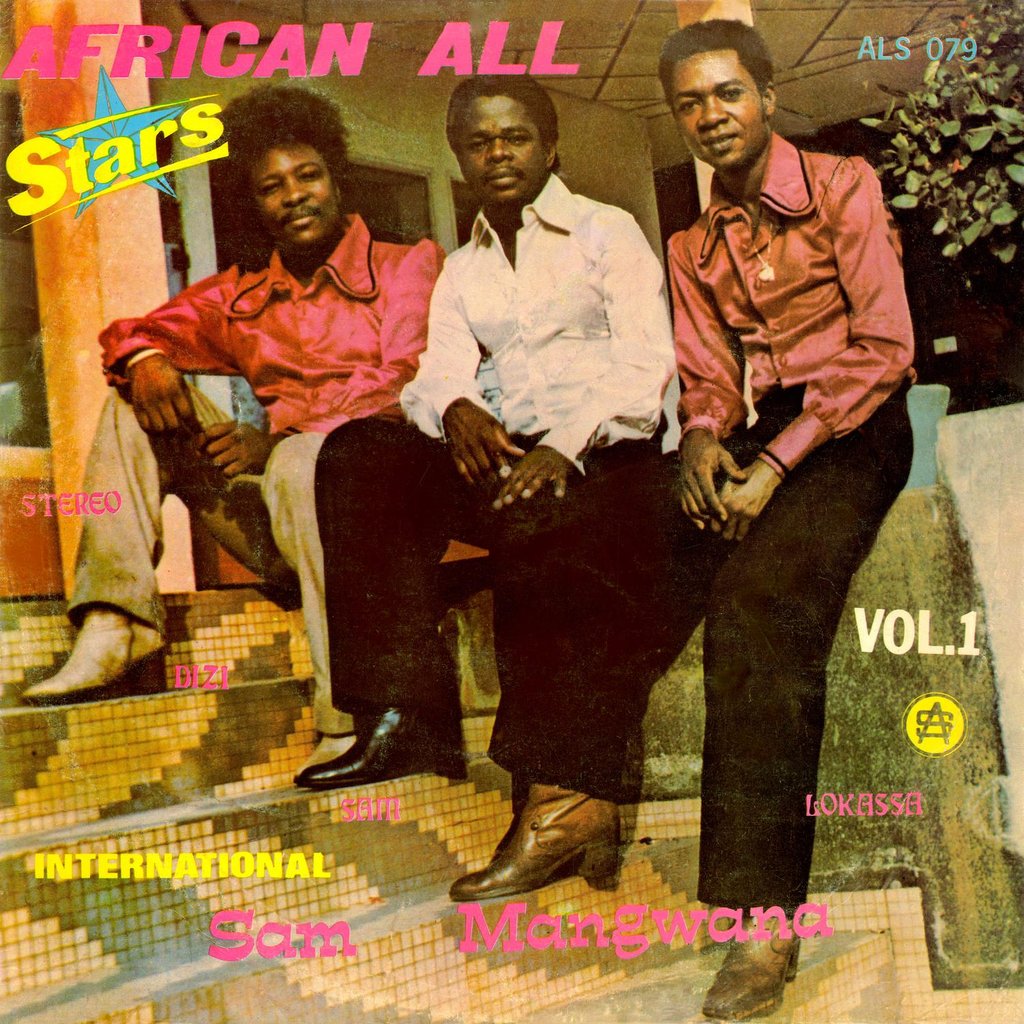
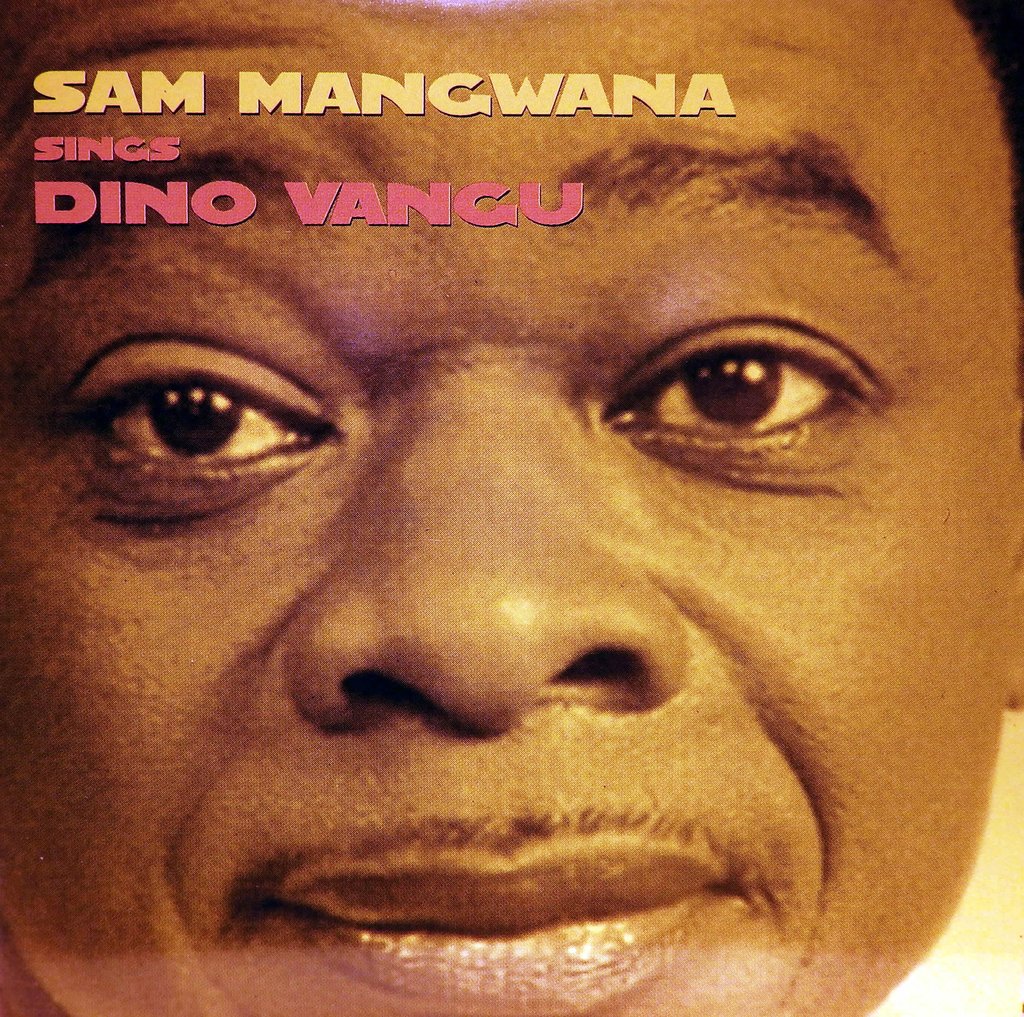
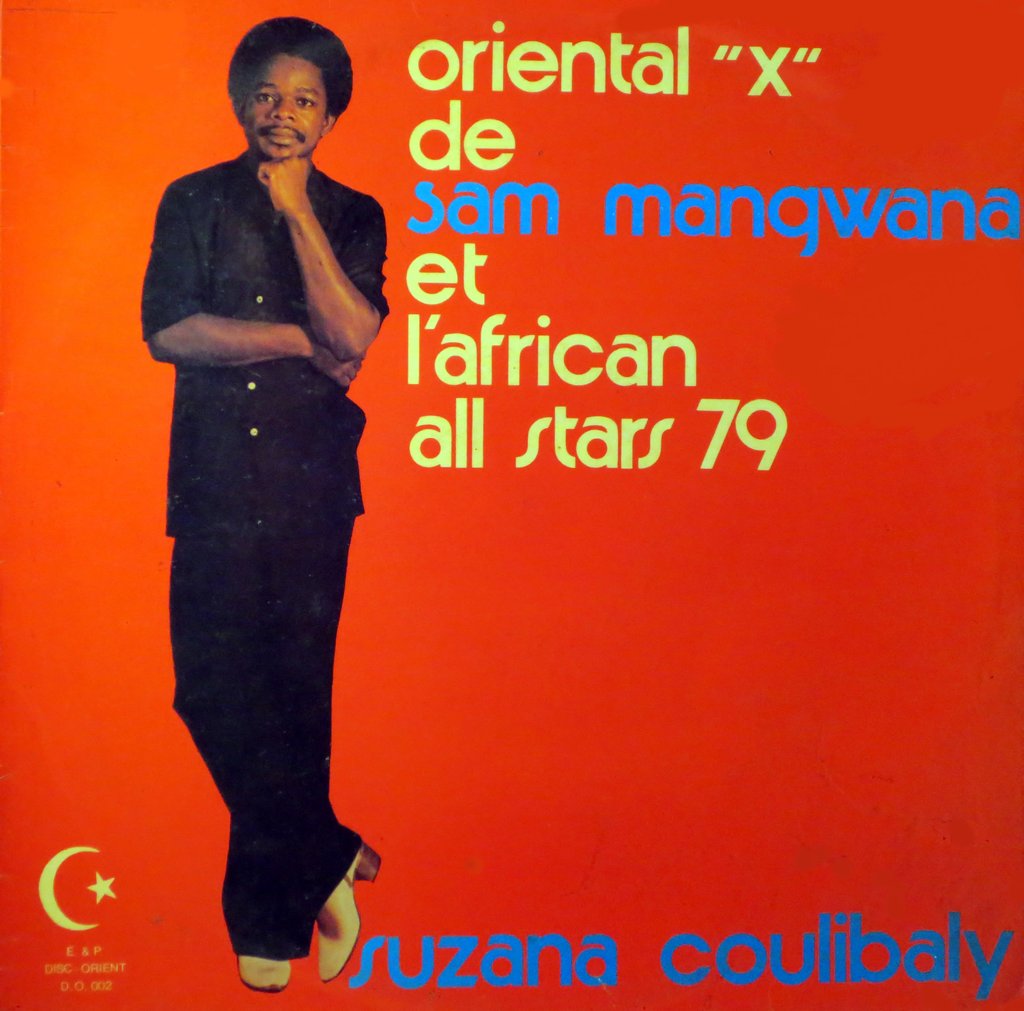
In Abidjan, Mangwana built African All Stars: Dizzy Mandjeku, Lokassa ya Mbongo, Ringo Moya. The group accelerated the rumba rhythm, infused it with touches of afrobeat and highlife, and sang more in French. This “international soukous” paved the way for the Paris sound that conquered the world. “Maria Tebbo” (1982) became a continental hit. “Canta Moçambique” (1983) hailed the Mozambican revolution, while “Manjani” preached for the forests. Settled in France since the 1990s, he published Galo Negro with Putumayo (1998) and Sam Mangwana Sings Dino Vangu with Stern’s (2000, top 3 Europe World Music), touring continuously and composing lyrics of peace, unity, and social justice.
Major works
| Work | Year | Why it is essential |
|---|---|---|
| “Zela Ngai Nasala” | 1969 | First major success, title that earned him “Best Lyricist of the Year” |
| “Maria Tebbo” | 1982 | Continental hit and soukous anthem |
| “Canta Moçambique” | 1983 | Pan-African hymn to the Mozambican revolution |
| Galo Negro | 1998 | International album with Putumayo, brought rumba to global stages |
Legacy and influence
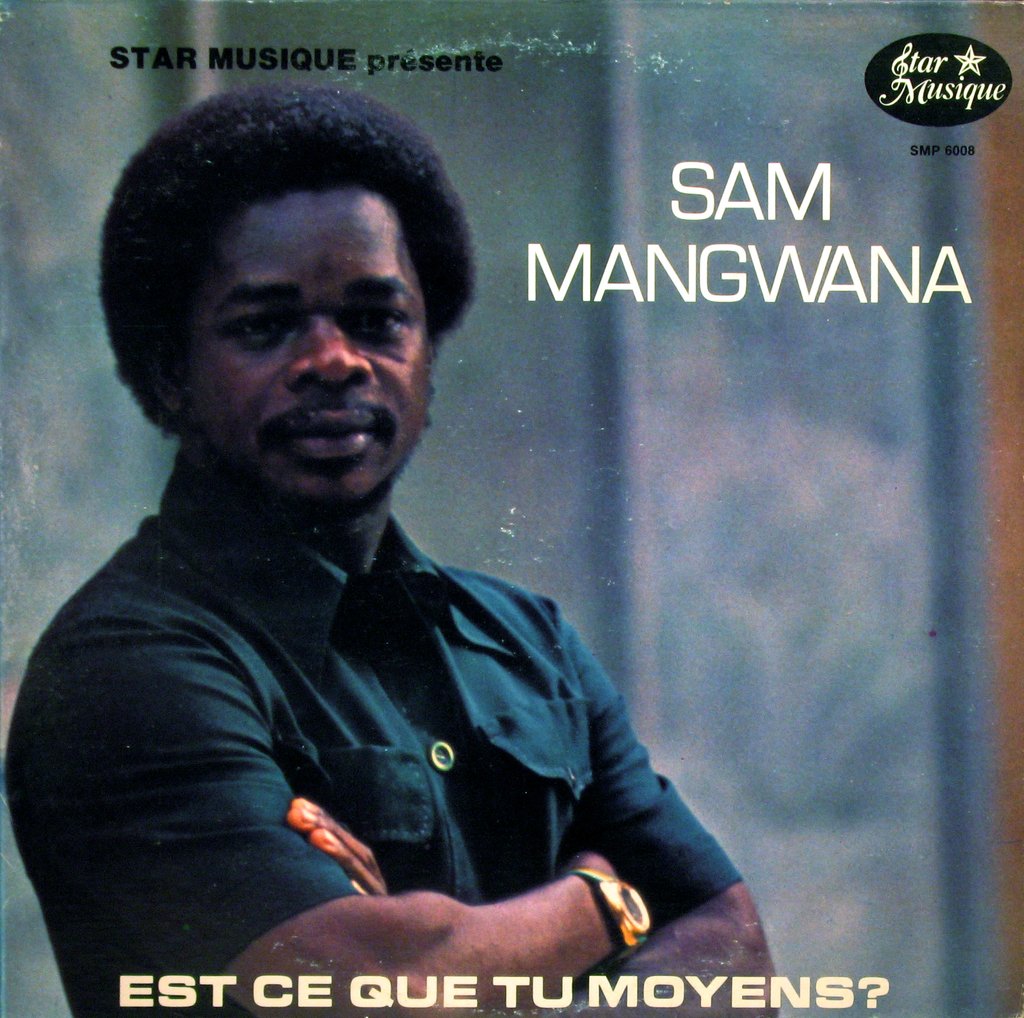
Sam Mangwana is among those artists who shaped soukous through pure talent more than through the title of “patron”. His vocal signature—a warm, smooth tenor contrasting with the electric tensions of soukous—influenced an entire generation. His acoustic and Caribbean approach, noted by the Washington Post, opened doors for rumba beyond the continent. In 2025, the “Master of Rumba” distinction in Kinshasa crowned a path that remains, for purists, one of the richest in Congolese rumba history.
Sources and references
- “Sam Mangwana”, Wikipedia (en), https://en.wikipedia.org/wiki/Sam_Mangwana, accessed October 19, 2026.
- “Sam Mangwana — Biography”, AllMusic by Craig Harris, https://www.allmusic.com/artist/mn0000287320, accessed October 19, 2026.
- “Artist Profiles: Sam Mangwana”, World Music Central by Angel Romero, https://worldmusiccentral.org/artist-profiles-sam-mangwana/, accessed October 19, 2026.
- “Sam Mangwana, tout pour la rumba”, RFI Musique, https://musique.rfi.fr/musique/20030404-sam-mangwana-tout-rumba.html, accessed October 19, 2026.
- “Sam Mangwana”, Musiques d’Afrique by Frank Bessem, https://musiques-afrique.net/rdc/art-mangwana.html, accessed October 19, 2026.
- “Biographie”, Official Sam Mangwana Site, https://www.sam-mangwana.com/about, accessed October 19, 2026.
- “Sam Mangwana honored in Kinshasa: a tribute from President Tshisekedi”, ACP/ZolaNews, https://www.zolanews.net/sam-mangwana-honore-a-kinshasa-un-hommage-du-president-tshisekedi-a-une-legende-vivante-de-la-rumba-congolaise/, accessed October 19, 2026.
- “Contribution to the emergence of Rumba: Sam Mangwana honored”, African Cultural Center, https://acp.cd/culture/contribution-a-lemergence-de-la-rumba-sam-mangwana-honore-a-kinshasa/, accessed October 19, 2026.