Biography
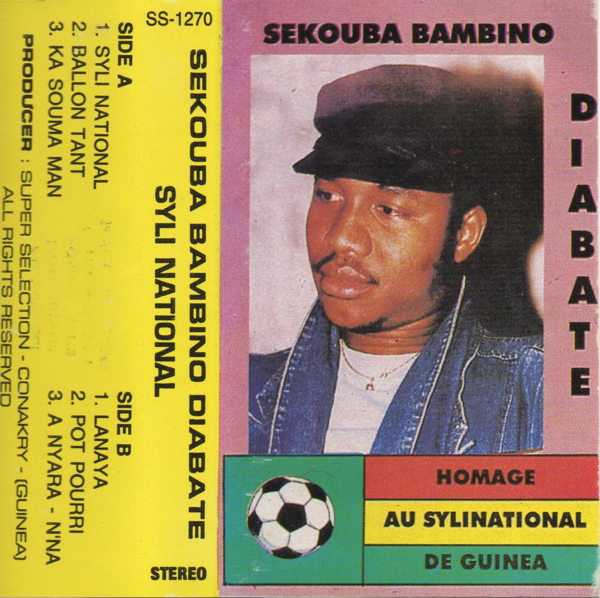
Sekouba Bambino
In November 2015, Bamako. The Radisson Blu was taken hostage by terrorists. Sekouba Bambino, the Guinean singer, was trapped in his room with other prisoners. “They were in a room near me and I could hear them talking,” he recalls. “When the army arrived, I heard gunshots, then people knocked on our door. The people were too afraid to open it. I found the courage, I left with the army.” This man who carries the voice of a griot from 70 generations — always knew he could rely on his faith and accept what comes. But to get there, the music had to overwhelm him.
In brief
| Full name | Sekouba Diabaté, nicknamed Bambino |
| Birth | April 1st, 1964, Kintinya (Upper Guinea) |
| Genre | Manding music, world, afro-pop |
| Signature works | Sinikan, Kassa, “No to Excision” |
| Awards | UNICEF Guinea Ambassador, Red Cross Guinea Ambassador |
Key dates
| Year | Event |
|---|---|
| 1964 | Born in Kintinya, near Siguiri, in Upper Guinea |
| 1979 | Best singer prize of Guinea at age 15 |
| 1983 | Joined Bembeya Jazz National at the request of President Sékou Touré |
| 1985-1988 | Tours in Europe, Canada and United States with Bembeya Jazz |
| 1990-2004 | Start of solo career and participation in the Africando project |
| 2013 | Album The Griot’s Craft and commitment against genital mutilations |
| 2015 | Survived the attack on the Radisson Blu in Bamako |
| 2018 | Concerts in Montreal, UNICEF Ambassador for years |
Griot origins and early revelation
Sekouba Diabaté was born on April 1st, 1964 in the village of Kintinya, twenty-five kilometers from Siguiri in Upper Guinea, near the Malian border. He belongs to one of the great royal griot families, the Diabatés of Kéla, spread across Guinea and Mali for more than seventy generations. His mother, Mariama Samoura, is a renowned singer who left a title that became a classic of Manding music: “Apollo”, which Bambino took up throughout his life. His father, head of the Diabaté family, plays the kora but does not make a living from music — he runs a transport company.
From the age of eight, Sékouba sang in local orchestras in Siguiri. His father opposed his musical vocation, fearing for his soul. “My life as a musician is always girls and drugs,” he would repeat to him. The young boy had to prove that he remained a good person by following his vocation. At fifteen, in 1979, he won the best singer prize of Guinea. The news reached President Ahmed Sékou Touré, a music enthusiast, who ordered him to join the national orchestra Bembeya Jazz National to replace singer Aboubacar Demba Camara, who died tragically in 1973.
Bembeya Jazz and opening to the world
At nineteen, he joined the most famous group in Guinea. To avoid confusing him with a virtuoso guitarist of the same name — nicknamed “Diamond Fingers” — he was renamed Bambino, the Italian word for “little baby”. With Bembeya Jazz, he recorded Telegram (1985), Koumba Tenin (1986), Sabu (1987) and Wà kélé (1988).
The fall of President Touré, who died in 1984, freed the group: Bembeya Jazz could finally play abroad. “It was the first time I saw the outside world,” Bambino recounts. The group went to Europe, Canada and the United States. Their first festival outside Paris welcomed ten thousand spectators. “I never thought of playing in front of so many people,” he confides years later. After the dissolution of the group in 1991, Bambino turned to a solo career.
Solo career and international recognition
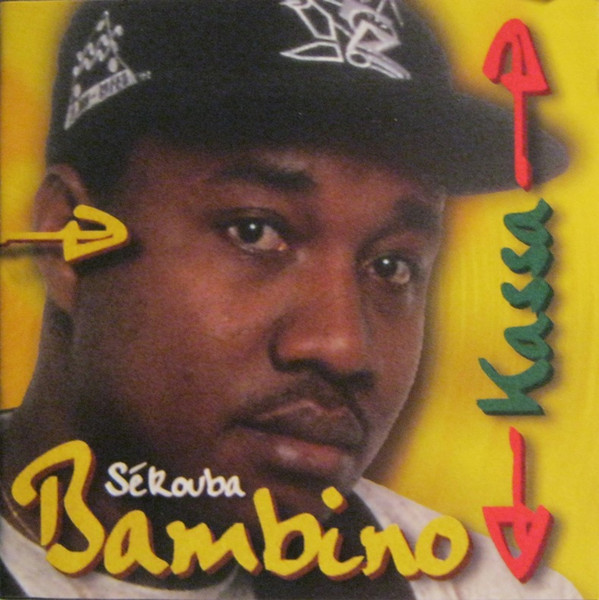
The Senegalese producer Ibrahima Sylla — the one who produced Soro, Salif Keïta’s mythical album — became his mentor. He launched Bambino on the Africando stage, the multinational African salsa orchestra created by Sylla, then produced his first solo album Kassa (1996-1997), which contains the hits “Cinéma Wondo” and “Bonya”.
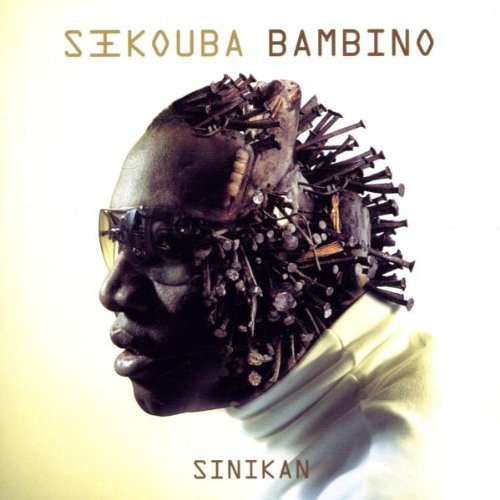
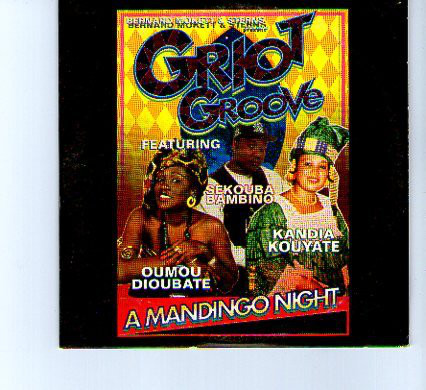
It was with Sinikan (2002), arranged by François Bréant — the same one on Soro — that Bambino conquered a large international audience, positioning himself as the spokesperson for contemporary Manding music. His lyrical tenor voice, often compared to that of Guinean Kouyaté Sory Kandia, crosses borders. In 2004, still under Sylla’s impetus, he recorded the two volumes Mandekalou with the greatest Manding griots: Kandia Kouyaté, Kassé Mady Diabaté (of whom he was a distant cousin and friend), Bako Dagnon, Kerfala Kanté.
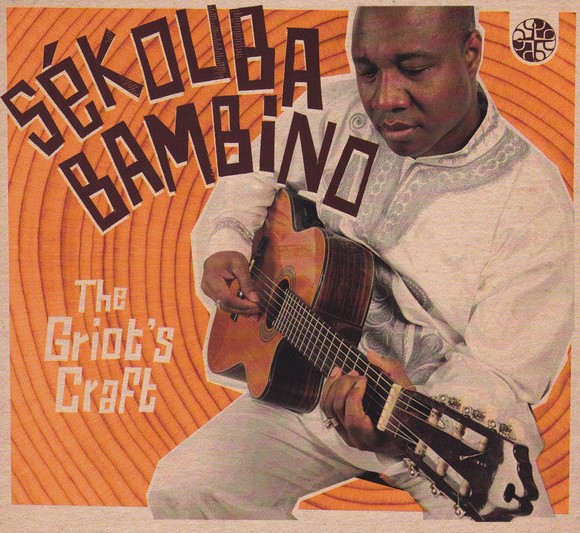
His album The Griot’s Craft (2013, Stern’s Africa) shows an artist who fully embraces his heritage: the kora and ngoni dialogue with a refined acoustic arrangement, while “No to Excision” explicitly calls for fighting against female genital mutilation. In Guinea, according to the Population Services International organization, the song contributed to awareness: the percentage of women aware of the dangers of excision increased to 59.3% in 2015.
The griot as commitment
Beyond music, Sekouba Bambino embodies the traditional role of the griot: messenger, educator, intercessor. He is the Red Cross Ambassador in Guinea and was appointed National UNICEF Ambassador, the first artist to receive this title in the country. “It is my role to be a messenger and tell stories to educate people,” he says. “I am not just a griot for the people, but also for my family.” He also advocates for girls’ education in Africa and child protection.
Today, Sekouba Bambino continues to traverse stages around the world — festivals in Montreal, concerts in Europe and Mali, intergenerational collaborations. He remains a national treasure of Guinea and one of the greatest living singers in Africa, faithful to his roots while opening doors to the world.
Major Works
| Work | Year | Why It’s Essential |
|---|---|---|
| Sama | 1990 | First solo album, launch of an independent career |
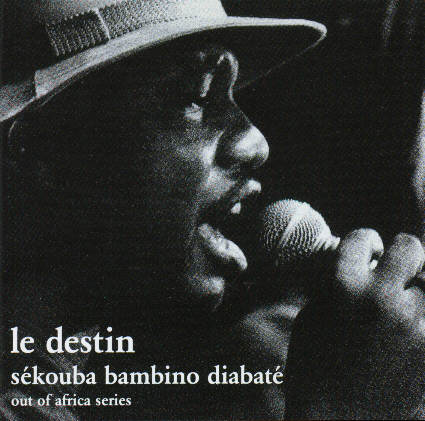
| Le Destin | 1992 | 160,000 copies sold in three months, proof of popularity |
| Kassa | 1997 | International breakthrough, featuring “Cinéma Wondo” and “Bonya” |
| Sinikan | 2002 | Manding consecration, arrangements by François Bréant |
| Mandekalou I & II | 2004-2006 | Dialogues with the greatest contemporary griots |
| The Griot’s Craft | 2013 | Social commitment, “No to Female Genital Mutilation” and return to acoustic traditions |
Legacy and Influence
Sekouba Bambino is the pivotal figure between the golden age of Bembeya Jazz and new generations. He paved the way for West African artists by combining griot heritage with modern sound. His humanist engagement — Red Cross, UNICEF, fight against female genital mutilation — illustrates the role of the modern griot. Generational transmission, with his daughter Amaya on stage, shows that the DNA of the griot remains alive.
Sources and References
- « Sékouba Bambino », Wikipedia, https://fr.wikipedia.org/wiki/S%C3%A9kouba_Bambino, accessed November 11, 2026.
- « Sekouba Bambino Diabaté », Wikipedia, https://en.wikipedia.org/wiki/Sekouba_Bambino_Diabat%C3%A9, accessed November 11, 2026.
- « Sekouba Bambino Diabaté: The Griot’s DNA », Afropop Worldwide, August 16, 2018, https://www.afropop.org/articles/sekouba-bambino-diabat%C3%A9-the-griots-dna, accessed November 11, 2026.
- « Sékouba Bambino », Afrisson (article by Nago Seck), https://www.afrisson.com/sekouba-bambino-301/, accessed November 11, 2026.
- « Artist Profiles: Sekouba Bambino Diabaté », World Music Central, https://worldmusiccentral.org/artist-profiles-sekouba-bambino-diabate/, accessed November 11, 2026.
- « Sekouba Bambino Diabate », AllMusic, https://www.allmusic.com/artist/sekouba-bambino-diabate-mn0000005277, accessed November 11, 2026.
- « Ambassadeur National », UNICEF Guinea, https://www.unicef.org/guinea/ambassadeur-national, accessed November 11, 2026.
- « Sekouba Bambino », Sterns Music Blog, https://sternsmusic.blogspot.com/2012, accessed November 11, 2026.