Biography
Sexteto Habanero
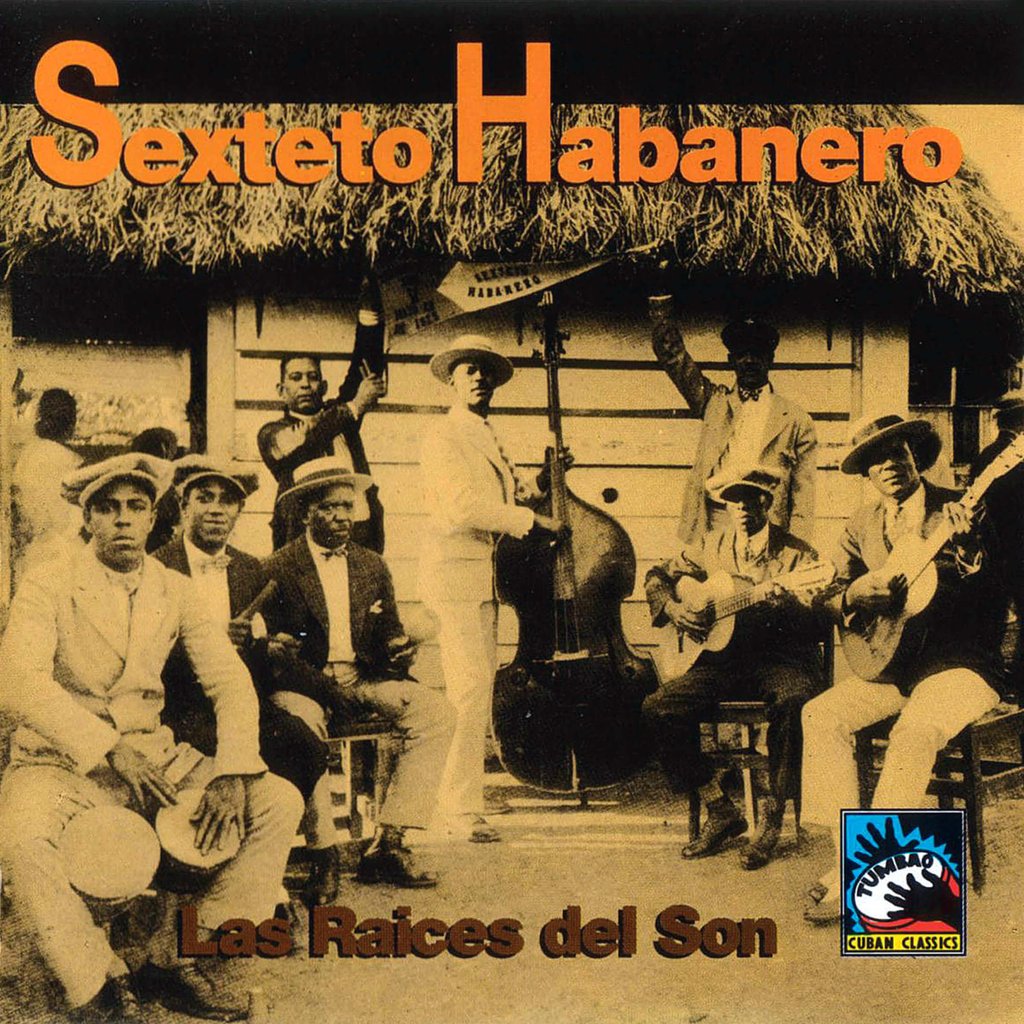
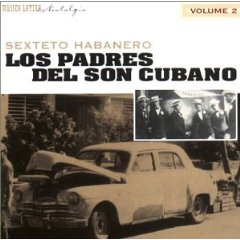
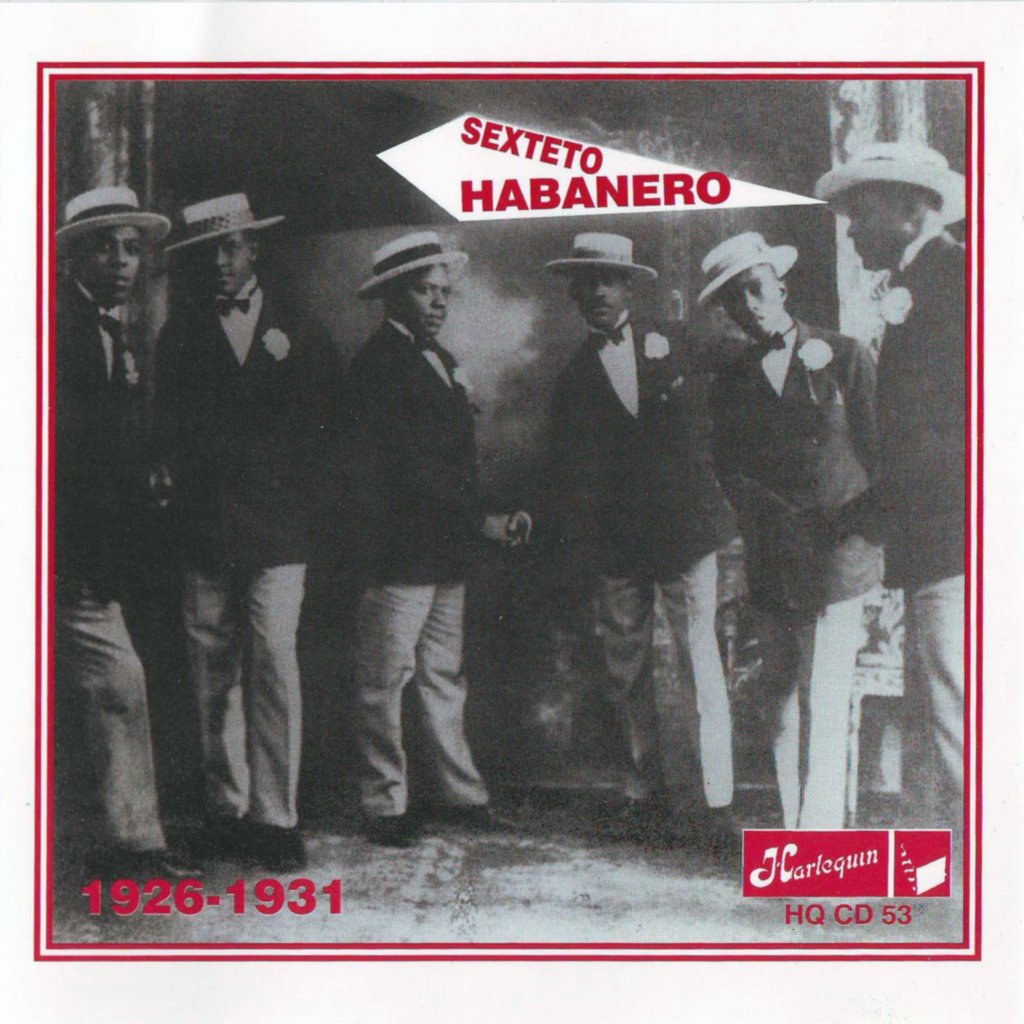
In 1925, the Sexteto Habanero won first prize at the Concurso de Sones in Havana, overcoming fierce competition from the island’s best groups. Their sound — blending three-stringed tres, claves, maracas, and bongos — made dance halls vibrate. These musicians from the popular neighborhood of Pueblo Nuevo transformed sound into respected music, that which is heard in the elegant nightclubs of the capital.
In Brief
| Group Name | Sexteto Habanero (became Septeto Habanero in 1927) |
| Origin | Havana, Cuba |
| Genre | Son cubano |
| Active Period | 1920–present (with lineup changes) |
| Labels | Victor, Corazón, Lusafrica, Colibrí |
| Founding Members | Guillermo Castillo, Carlos Godínez, Gerardo Martínez, Antonio Bacallao, Óscar Sotolongo, Felipe Neri Cabrera |
| Awards | 1925 and 1926 Son Competition Prize; Cubadisco Lifetime Achievement 2021 |
Key Dates
| Year | Event |
|---|---|
| 1916 | Ricardo Martínez founded the Cuarteto Oriental with Guillermo Castillo, Gerardo Martínez, and Felipe Neri Cabrera |
| 1917 | First recording for Columbia Records in Havana (probably lost) |
| 1920 | Group renamed Sexteto Habanero; recordings for Victor at Hotel Inglaterra |
| 1925 | Modernized lineup; first prize of the Concurso de Sones |
| 1927 | Addition of a cornet → group becomes Septeto Habanero |
| 1928 | Félix Chappottín joins the group on trumpet |
| 1929 | Group films in Florida for the movie Hell Harbor, a rare screen testimony of son cubano |
| 1930s | Founding members gradually leave the group |
| 1968 | Recording of Típico y Habanero (Areito) |
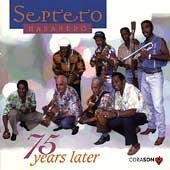
| 1995 | Album 75 Años después (Corazón) for the 75th anniversary |
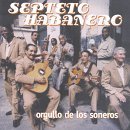
| 1998 | Orgullo de los soneros (Lusafrica) |
| 2010 | Album 90 años: Orgullo de los soneros (Colibrí); Latin Grammy nomination |
| 2021 | 100 años del Septeto Habanero wins the Cubadisco Lifetime Achievement Award |
From Pueblo Nuevo Musicians to the Pinnacle of Son Cubano
The Sexteto Habanero has roots well before its official creation. In 1916, guitarist and director Ricardo Martínez, from Santiago de Cuba, founded the Cuarteto Oriental alongside Guillermo Castillo (botija — an earthenware wind instrument), Gerardo Martínez (voice and claves), and Felipe Neri Cabrera (maracas). The group left eastern Cuba to settle in Havana, where they recorded four tracks for Columbia Records in 19171. These recordings, cited in a 1921 catalog, are probably lost but testify to early ambition.
In 1918, the Cuarteto expanded into Sexteto Típico Oriental. Castillo switched to guitar, Antonio Bacallao took the botija, and Óscar Sotolongo played bongos — an instrument then unprecedented in this configuration2. Carlos Godínez, a tres player, became the musical director. Differences led Martínez to leave in 1919, leaving Godínez as leader.
The following year, the group renamed itself Sexteto Habanero. The original lineup included Guillermo Castillo (guitar and direction), Carlos Godínez (tres), Gerardo Martínez (singing and claves), Antonio Bacallao (botija), Óscar Sotolongo (square bongos), and Felipe Neri Cabrera (maracas)3. The instrumentation is fascinating: the botija and square bongos are artisanal arrangements, reflecting popular craftsmanship4. These musicians from the Pueblo Nuevo neighborhoods shaped a sound where Afro-Cuban and Hispanic traditions intersected.
The Golden Years (1925-1931) and Beyond
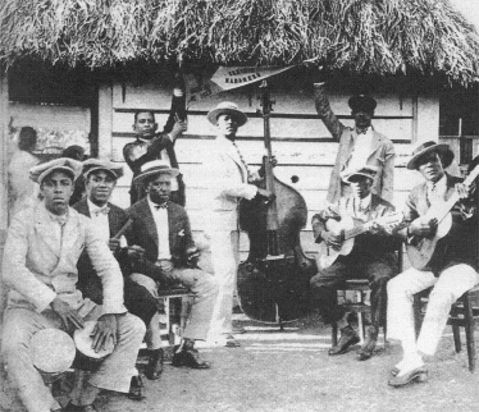
The instrumental revolution occurred around 1925. The group abandoned the botija in favor of the double bass — musically more suitable, a decision adopted by all son groups in Cuba. The modernized lineup was structured as follows: Gerardo Martínez (direction, singing, and double bass), Guillermo Castillo (guitar and vocals), Felipe Neri Cabrera (maracas and vocals), Agustín Gutiérrez (bongos), and Abelardo Barroso (lead singing and maracas)5. The latter also played with the historical rival, the Septeto Nacional.
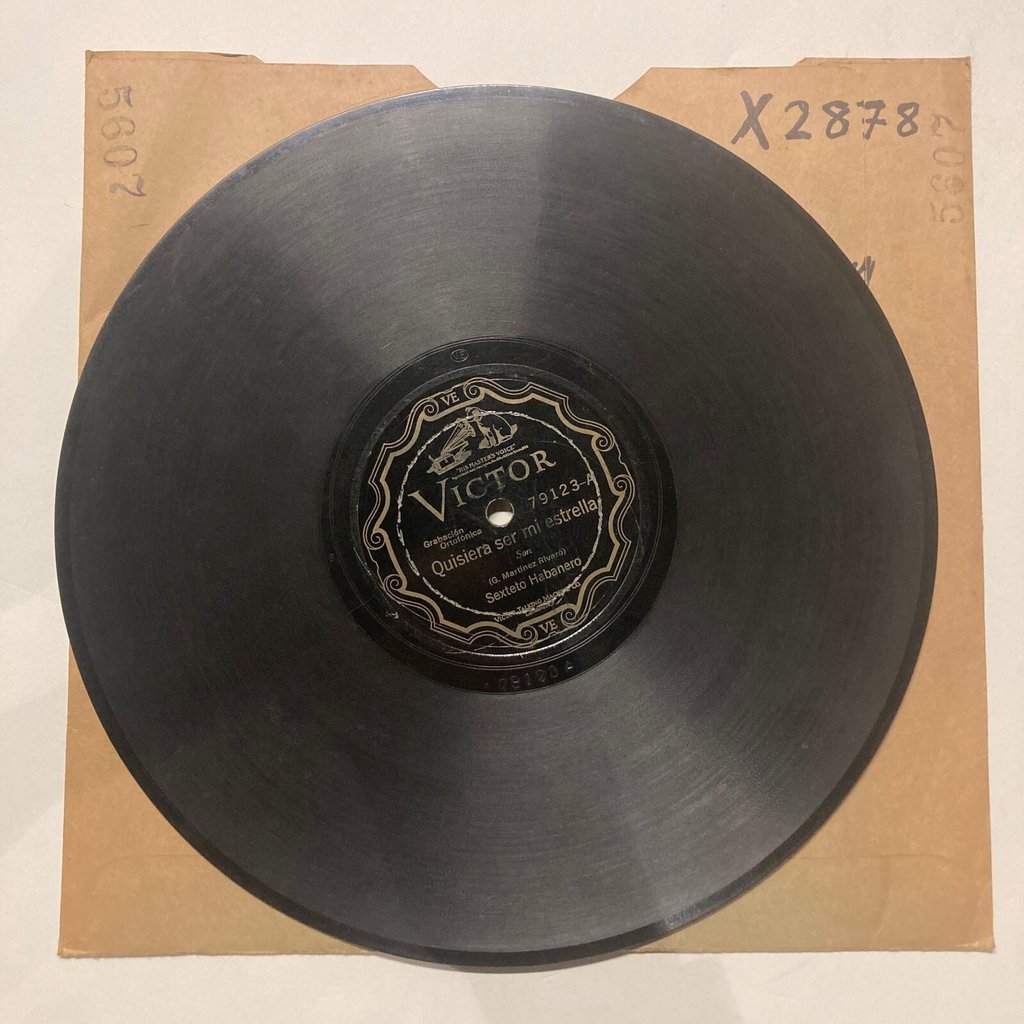
Major group recordings between 1925 and 1931 took place in New York. They were released on 78 rpm records, now available on LP and CD compilations6. Musical quality stood out despite the technical limitations of the era. The group triumphed at the Concurso de Sones in 1925 and 1926, consecrating their art in a format previously despised7.
In March 1927, the addition of a cornet by Enrique Hernández transformed the sextet into a septet — the Septeto Habanero. Félix Chappottín, future legend of Cuban trumpet, replaced him in February 19288. October 1929: the group filmed in Florida and appeared in the movie Hell Harbor, shot in Ybor City. With Andrés Sotolongo (son of Óscar) on bongos, these images count among the oldest in cinema documenting son cubano9.
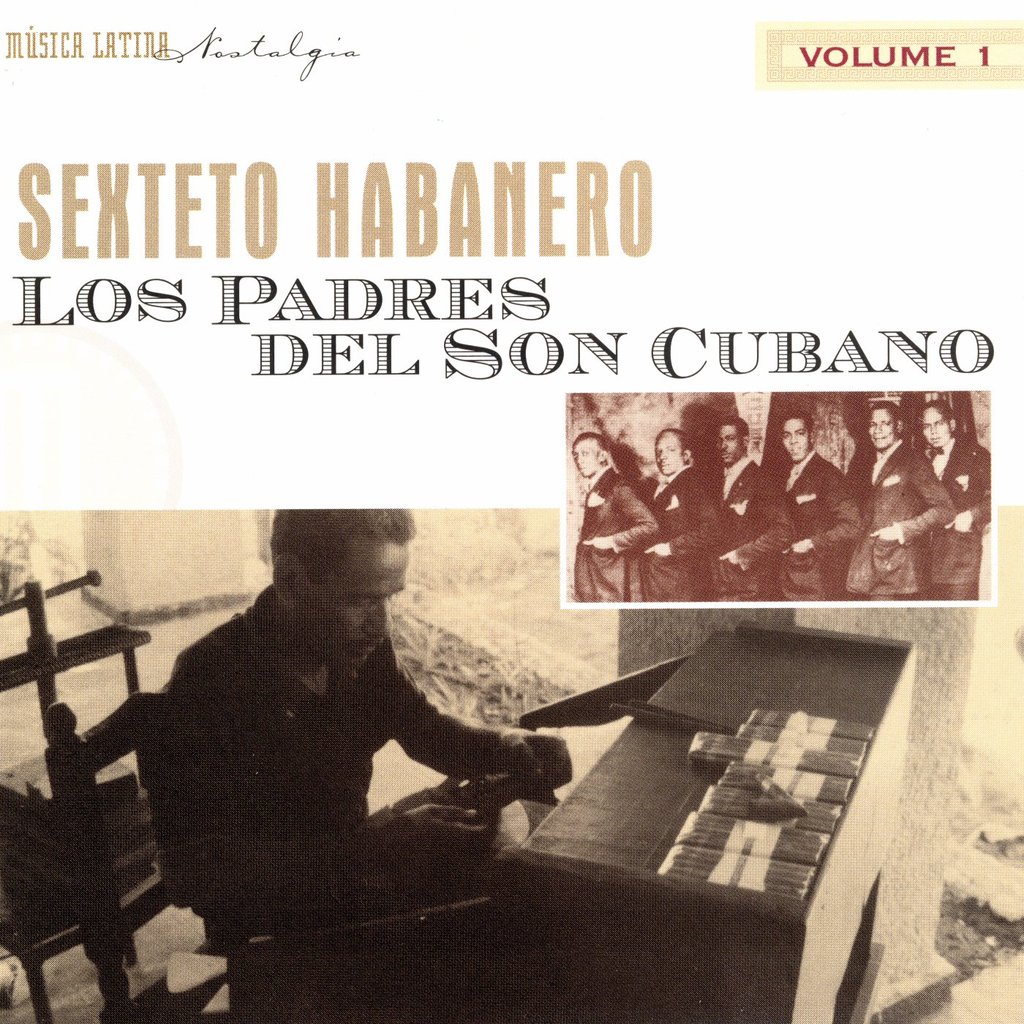
Founding members departed one by one during the 1930s. But the name Sexteto Habanero survived. It perpetuated itself through generations of musicians, with Manolo Furé and Germán Pedro Ibáñez leading from the 1960s to 200010. The group recorded Típico y Habanero in 1968, then celebrated its major anniversaries with 75 Años después (1995), Orgullo de los soneros (1998), and 90 años: Orgullo de los soneros (2010)11. In 2021, the album 100 años del Septeto Habanero (two volumes) won the Cubadisco Excellence Award, one of the most prestigious Cuban music awards12.
Major Works
| Work | Year | Why It’s Essential |
|---|---|---|
| “Mujer bandolera” | ~1920 | Oldest known recording of the group; historic Victor disc3 |
| “Rosa, qué linda eres” | ~1920 | Second surviving title from Godínez’s original recordings3 |
| Cuban Counterpoint: History of the San Montuno | Compilation | Major anthology including the best performances from 1925-306 |
| 75 Años después | 1995 | Comeback for the 75th anniversary; renews the legacy10 |
| 90 años: Orgullo de los soneros | 2010 | Latin Grammy nomination; review of the career11 |
Legacy and Influence
The Sexteto Habanero is one of the first ensembles to elevate Cuban son to a respected and popular art form. Its influence is evident in subsequent generations: the Septeto Nacional, major rumba groups, and even modern salsa owe something to this instrumental lineup. The replacement of the botija with a double bass became standard for all post-war groups.
Today, the group continues to perform with remarkable consistency, preserving a repertoire that serves as the cornerstone of Cuban music. Its legacy is regularly rediscovered through reissue compilations and institutional awards that recognize its historical significance.
Sources and References
-
Sexteto Habanero, Wikipedia (in English), https://en.wikipedia.org/wiki/Sexteto_Habanero, accessed November 15, 2026. ↩︎
-
Sexteto Habanero Godínez, Hearing the Americas (University of Chicago), https://hearingtheamericas.org/s/the-americas/item/759.html, accessed November 15, 2026. ↩︎
-
Díaz Ayala, Cristóbal (1994). “El son” in Cuba canta y baila: discografía de la música cubana 1898–1925. Fundación Musicalia, San Juan, Puerto Rico. ↩︎ ↩︎ ↩︎
-
Díaz Ayala, Cristóbal (Fall 2013). “Sexteto Habanero”, Encyclopedic Discography of Cuban Music 1925-1960, Florida International University Libraries, http://latinpop.fiu.edu/SECCION02H.pdf, accessed November 15, 2026. ↩︎
-
Sublette, Ned (2004). Cuba and Its Music: One Hundred Years of Jazz, Oak Publications. ↩︎
-
Santos, John (1990). La historia de son cubano: The Roots of Salsa, Volume II, liner notes. Folklyric, El Cerrito, CA. ↩︎ ↩︎
-
Dalmace, Patrick. “Sexteto Habanero”, Montuno Cubano, http://www.montunocubano.com/Tumbao/biogroupes/habanero%20sexteto.htm, accessed November 15, 2026. ↩︎
-
Orovio, Helio (1981). Diccionario de la música cubana. Havana, Cuba: Editorial Letras Cubanas. ↩︎
-
Rosenberg, Dan (1998). Orgullo de los soneros, liner notes. Lusafrica, Paris. ↩︎
-
Orgullo de los soneros, liner notes. Havana, Cuba: Ediciones Colibrí (2010), accessed November 15, 2026. ↩︎ ↩︎
-
Lusafrica (official label website), https://web.archive.org/web/20150907181110/http://www.lusafrica.com/30_2.cfm?i=140-celebrando-sus-80-anos-septeto-habanero-cd-album-world-music-vpc-lusafrica, accessed November 15, 2026. ↩︎ ↩︎
-
Ganadores Premios Cubadisco 2020-2021, Magazine AMPM, https://magazineampm.com/premios-cubadisco-2020-2021/, accessed April 5, 2026. ↩︎