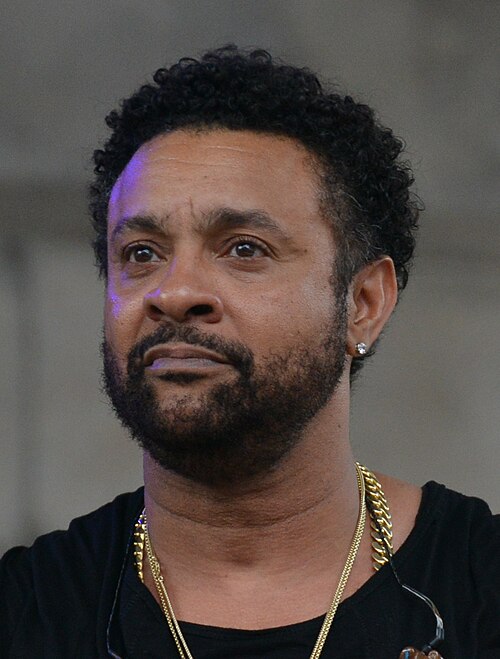
Biography
Shaggy
In July 1995, an album hit the scene at lightning speed and propelled Jamaican dancehall onto the airwaves around the world: Boombastic, title track and phenomenon. Orville Burrell, nicknamed Shaggy in schoolyard for his curly hair and adopted as a mascot by Scooby-Doo, has just become the biggest crossover of modern reggae. Twenty-five years later, this Gulf Marine who transformed his childhood nickname into a stage name remains one of the best-selling Caribbean artists in history.
In Brief
| Full Name | Orville Richard Burrell (stage name: Shaggy) |
| Birth | October 22, 1968, Kingston, Jamaica |
| Genre | Reggae, dancehall, ragga, reggae-pop |
| Notable Works | “Oh Carolina”, “Boombastic”, “It Wasn’t Me”, “Angel” |
| Awards | 2 Grammy Awards, Brit Award International Male Solo Artist (2002), Order of Distinction of Jamaica (Commander, 2007) |
Origins and Revelation
Born in Kingston, Orville Burrell moved to Brooklyn with his mother at eighteen. He landed in the Flatbush neighborhood, where he indulged in amateur music and discovered Jamaican toasting — the art of singing over a rhythm while speaking, a tradition inherited from Caribbean griots. In 1988, he enlisted in the US Marine Corps. His service took him to North Carolina, then to the front during the Gulf War (1991). What appeared to be a military parenthesis actually became his creative discipline: « I couldn’t go that far in music without being disciplined like in the army », he would explain later. « They took my rank because I was late. I dug holes and cleaned toilets. But it gave me something. »
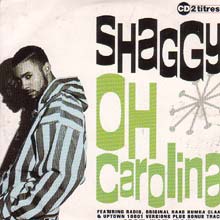
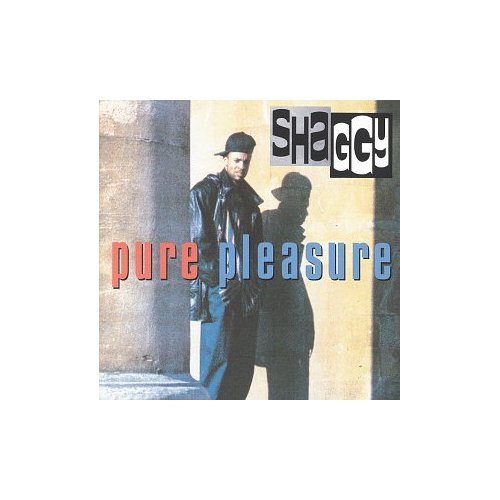
During his leave, Burrell traveled the one hundred and seventy kilometers to record in New York every weekend, regularly breaking military rules. Upon his return from the Gulf in 1992, he leveraged his baritone voice and toaster style to dominate the New York dancehall scene. Pure Pleasure (1993) barely touched the airwaves, but his cover of Oh Carolina, a ska track by the Folkes Brothers revisited with a recruit-like growl, reached number 1 in several European countries and introduced dancehall to the general public.
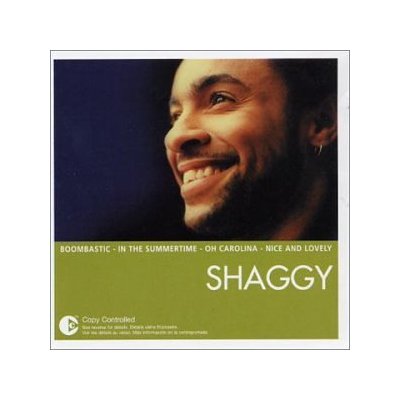
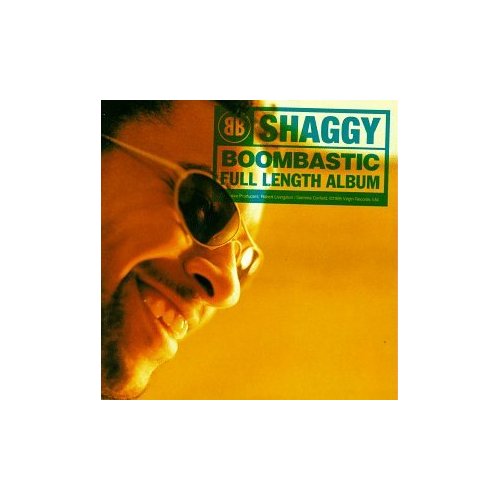
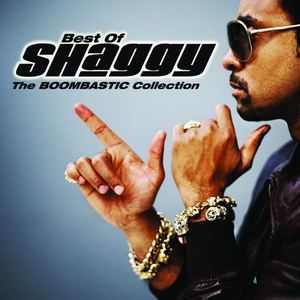
Boombastic (1995), his third album for Virgin Records, confirmed the momentum: the tracks “In the Summertime” (cover of Mungo Jerry) and the title track, theme of a cult Levi’s advertisement, shook global hit charts. The album won the Grammy for Best Reggae Album in 1996. « I thought I was going to win one every year », Shaggy would confess with humor to Grammy.com. « I was young, everything was happening to me at once. I took it for granted. »
Succession of Records
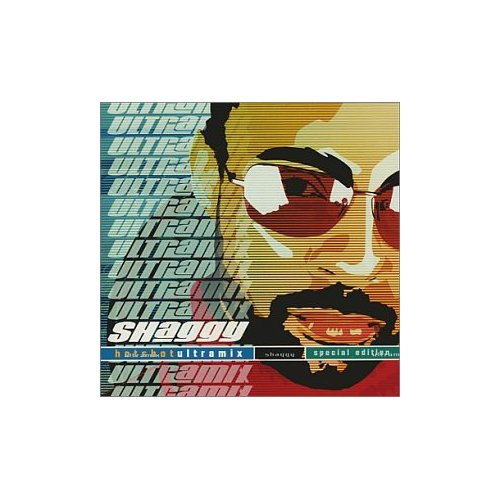
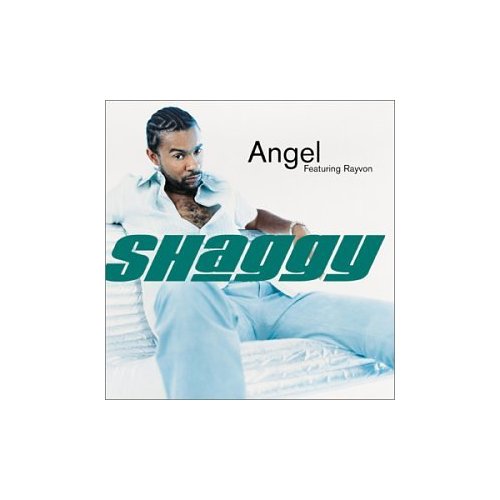
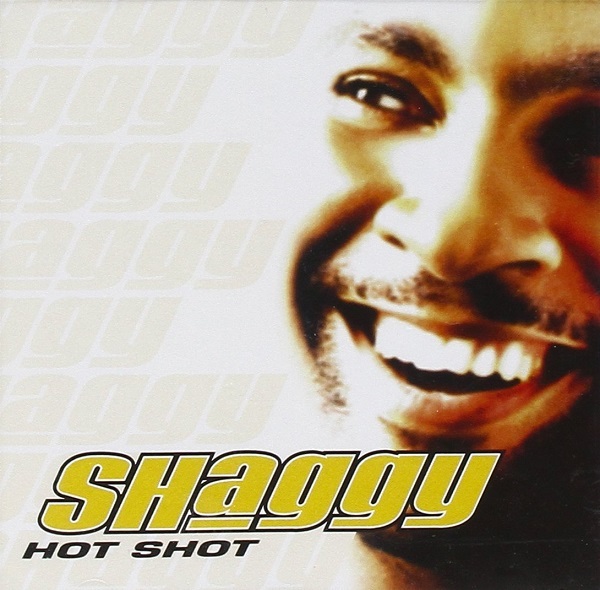
In 1999, Virgin dropped him — the label deemed it impossible to renew the success of Boombastic. Shaggy signed with MCA and released Hot Shot (2000), which became the biggest reggae album in commercial history. Hot Shot debuted at number 1 on the Billboard 200 and stayed at the top for six weeks. The singles “It Wasn’t Me” (duet with Rikrok) and “Angel” — built around samples from The Joker (Steve Miller Band) and Angel of the Morning (Merrilee Rush) — both reached number 1 on the Billboard Hot 100. The album sold over six million copies in the United States, something reggae had never seen.
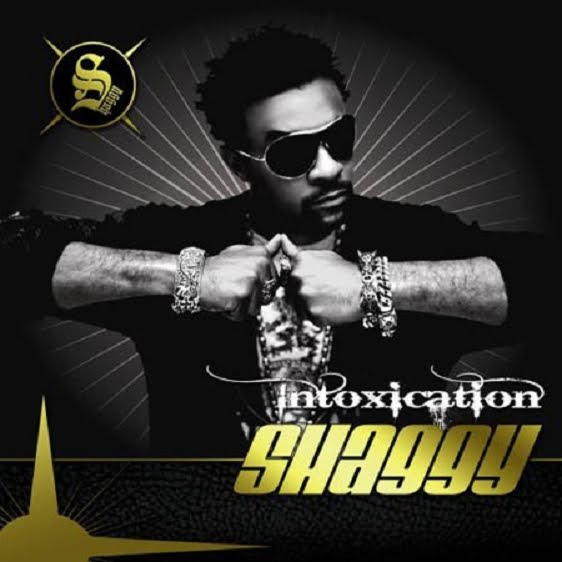
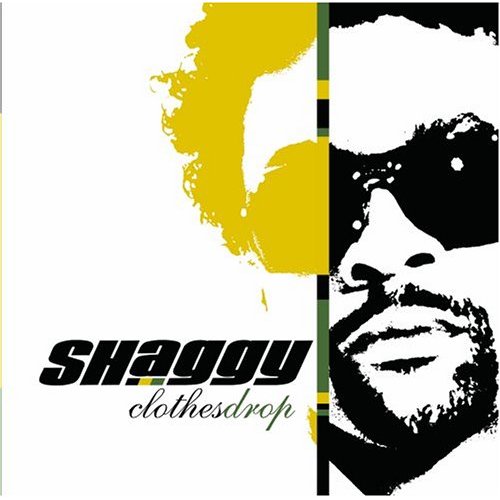
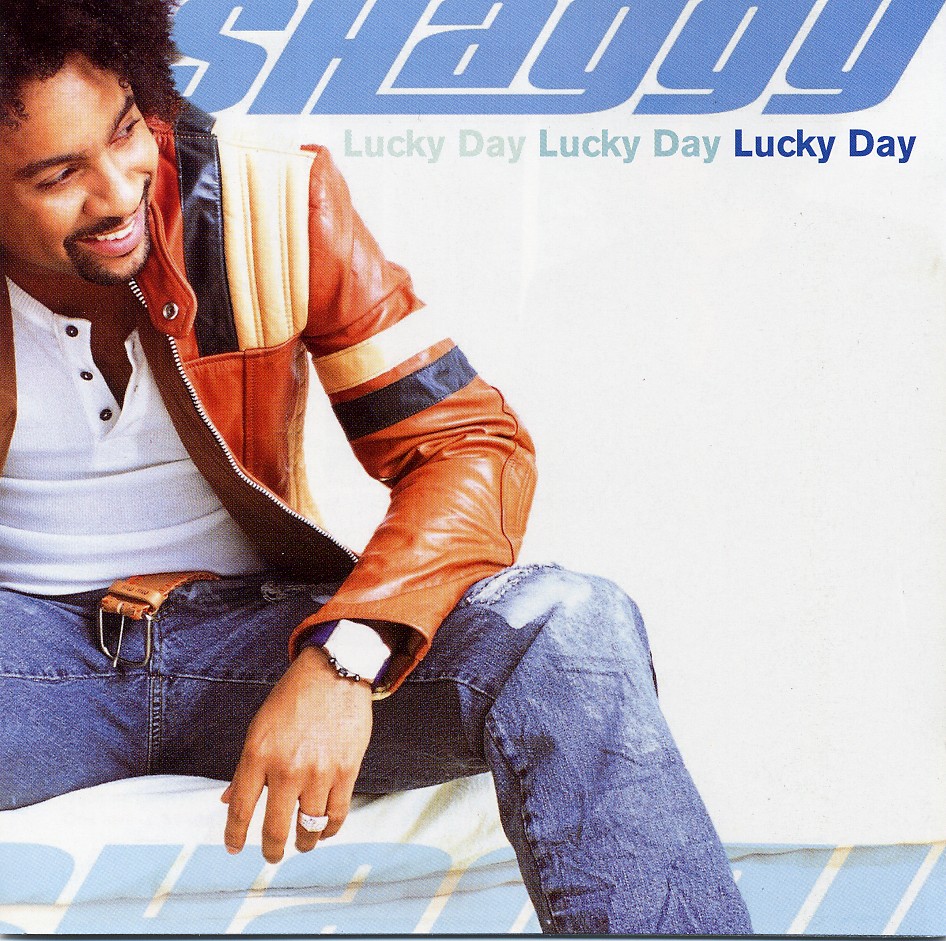
The following years confirmed his longevity. Lucky Day (2002), Clothes Drop (2005) and Intoxication (2007) followed, alternating between pop and pure reggae. Shaggy opened his own studios — Ranch on Long Island, Big Yard in Jamaica — and produced rising talents like Ricky Blaze or Kranium. In 2019, 44/876, a joint album with Sting, earned him his second Grammy. He also received the Brit Award for Best International Male Artist in 2002 and the Order of Distinction of Jamaica (Commander) in 2007.
Style and Influence
Shaggy is not an ordinary street toaster. He speaks Jamaican patois with a deep voice that demands attention, but his magic lies elsewhere: he knows how to fuse raw dancehall and accessible pop without ever betraying the Caribbean base. « I am the only one in dancehall capable of going from dancehall to pop, then to pure reggae, while remaining popular in every style », he explains to Vice. His writing philosophy is simple: « If my first four bars don’t hold attention, it’s a failure. »
He never cracked under commercial pressure: after Oh Carolina, he refused to recreate the same sound for his record label, preferring to innovate with “Mr Boombastic”. « They even considered me difficult », he confesses to The FADER. But this obstinacy is also what built his career. In 2015, The FADER reports: « Pop is the best thing that ever happened to reggae. I will continue to respond to criticism with that. »
Today, Shaggy remains active, multiplies world tours, and continues to promote Jamaican music via his label Ranch Entertainment. Over forty million albums sold, over twenty years of career, and an undeniable legacy: the toaster with the Scooby-Doo name proved that Caribbean culture could conquer the world.
Major Works
| Work | Year | Why It’s Essential |
|---|---|---|
| Boombastic | 1995 | First reggae album to impose mainstream dancehall; Grammy for Best Reggae Album 1996 |
| Hot Shot | 2000 | Billboard number 1, two #1 singles; six million copies in the United States |
| “Oh Carolina” | 1993 | First international hit; the Jamaican toaster conquers Europe |
| 44/876 (with Sting) | 2019 | Second Grammy; successful fusion of Jamaican reggae and Western pop |
Heritage and influence
Shaggy opened the door. Before him, reggae remained a niche genre; today, dozens of Caribbean artists are touring the world. He proved that one could remain authentic and reach millions: his covers, samples, and humorous tone created a bridge between the dancehall of Kingston and the DJ turntables of Los Angeles. The young artists he produces today — Ricky Blaze, Kranium, Shensea — continue to carry his legacy into the global charts.
Sources and references
- “Shaggy (musician)”, Wikipedia, https://en.wikipedia.org/wiki/Shaggy_(musician), accessed November 3, 2026.
- “Shaggy — Biography”, AllMusic, https://www.allmusic.com/artist/shaggy-mn0000156938, biography by Steve Huey, accessed November 3, 2026.
- “How Shaggy’s ‘Boombastic’ Influenced Dancehall”, Grammy.com, https://www.grammy.com/news/shaggy-boombastic-brought-dancehall-mainstream-anniversary-interview/, interview 2015, accessed November 3, 2026.
- “Interview: Shaggy”, The FADER, https://www.thefader.com/2011/08/03/interview-shaggy-2, interview 2011 by The FADER, accessed November 3, 2026.
- “Mr Boombastic Returns: Shaggy on Sex, War”, Vice, https://www.vice.com/da/article/shaggy-interview-2016/, interview 2016 by Vice, accessed November 3, 2026.
- “Q&A: Shaggy”, Rolling Stone, https://www.rollingstone.com/music/music-news/qa-shaggy-194216/, Q&A interview by Rolling Stone, accessed November 3, 2026.
- Shaggy, Houston Symphony, https://houstonsymphony.org/musicians/shaggy/, official artist profile, accessed November 3, 2026.
- “Shaggy/Orville Richard Burrell (1968-)”, BlackPast.org, https://blackpast.org/african-american-history/shaggy-orville-richard-burrell-1968/, accessed November 3, 2026.