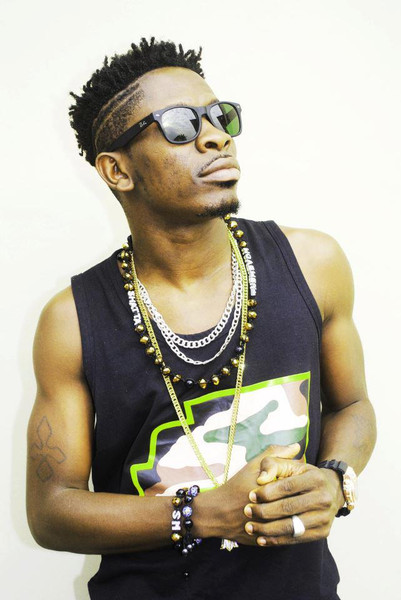
Biography
Shatta Wale
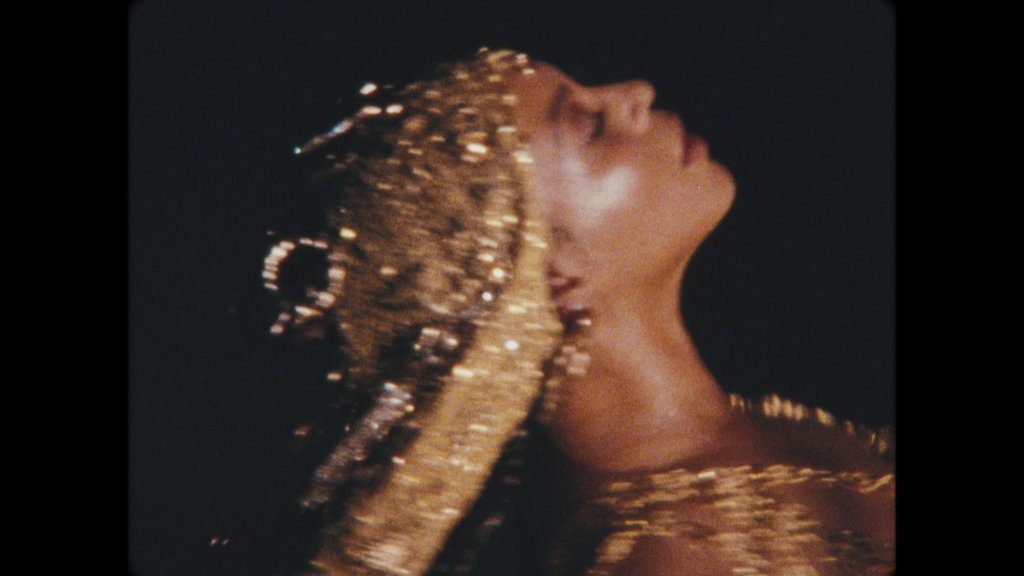
In the Ghanaian capital, in Nima—a district of Accra where young people abound and music flows freely—Shatta Wale reinvents African dancehall in his own way. From Bandana, a marginal rapper of the 2004–2005 era, he has become one of the most recognizable faces of Ghanaian music, invited by Beyoncé on a song from The Lion King: The Gift, and today equally at ease on stage as in films.
In brief
| Full name | Charles Nii Armah Mensah Jr. (stage name: Shatta Wale, former name: Bandana) |
| Birth | October 17, 1984, Accra Police Hospital, Ghana |
| Genre | Reggae-dancehall, highlife, hiplife, Afrobeats; singer, songwriter, producer, actor, and sound engineer |
| Instruments | Vocals, keyboards |
| Labels | Shatta Movement Records / SM For Lyf Records, Zylofon Music |
| Notable works | “Dancehall King”, Maali (2023), Konekt |
Key dates
| Year | Event |
|---|---|
| 1984 | Born at Accra Police Hospital (father: politician, businessman, and lawyer) |
| 2004 | Debut under the name Bandana: “Bandana from Ghana” and hit “Moko Hoo” (feat. Tinny), nominated for the Ghana Music Awards |
| 2005 | Release of second album and hit “No Problem”; subsequent decline, underground life |
| 2013 | Return under the name Shatta Wale: “Dancehall King”, media controversy at the awards ceremony |
| 2014 | Artist of the Year at the Ghana Music Awards; mixtape Green Times, album Answers: The Hybrid Album; film debut in Never Say Never |
| 2015–2016 | Six long releases in 2015; After the Storm on his own label; role in film Shattered Lives |
| 2019 | Guest on Beyoncé’s “Already” with Major Lazer; autobiographical album Wonder Boy |
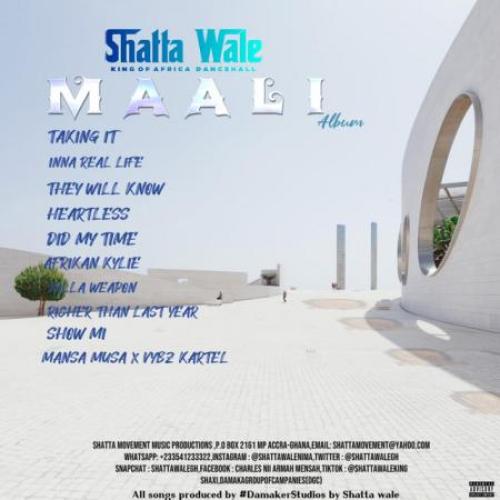
| 2023 | Album Maali, produced solo; BBC interview on his Afrobeats shift |
| 2023–2026 | Release of Konekt (Afrobeats, with Tekno and Bankuli); skepticism regarding his tours |
From high school to meteoric rise
Charles Nii Armah Mensah Jr. was born on October 17, 1984, at Accra Police Hospital, son of Charles Nii Armah Mensah Sr.—politician, businessman, and lawyer—and Elsie Evelyn Avemegah. After his parents’ divorce, it was his father who played the greatest role in his upbringing. Raised in Laterbiokorshie and Korle Gonno, Shatta Wale attended Seven Great Princes Academy in Dansoman and performed in an Akan play, By the Fireside, at the National Theatre of Ghana. At Winneba Secondary School, he learned keyboards and received vocal training; it was under the name Doggy that he began, before switching to Bandana for the hit “Moko Hoo” (with Tinny), which was nominated for the Ghana Music Awards in 2004. He subsequently released hits “No Problem” and “Obaa Yaa”, but failed to consolidate his momentum and faded from the scene for nearly a decade.
The turnaround came in 2013, with a media controversy of the year: he publicly attacked the VGMA organizers, accusing them of stealing his dancehall artist award, and “Dancehall King” took off. In 2014, he was crowned Artist of the Year at the Ghana Music Awards. His newfound visibility allowed him to enter cinema—Never Say Never, Selorm Martinson Jr.’s first film, in September 2014—and he produced six albums or mixtapes in 2015 (Up a Road, Times & Season, Million Miles, Magical Year…).
« It’s like I’ve graduated from dancehall. I just want to feed the fans with what is currently happening so they can all enjoy good music », he explained to the BBC in 2023.
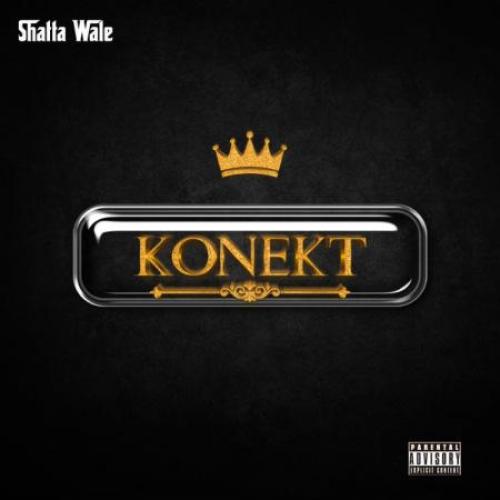
In 2019, Beyoncé invited him with Major Lazer on “Already” from The Lion King: The Gift (over 200 million streams); simultaneously, the autobiographical Wonder Boy was released. In 2023, he delivered Maali—an album with a relaxed sound blending dancehall and traditional African rhythms, which he produced, mixed, and mastered alone—followed by Konekt, an Afrobeats shift in collaboration with Tekno and Bankuli. He remains most famous for his packed concerts, but he also embraces the status of actor and producer.
Major works
| Work | Year | Why it’s essential |
|---|---|---|
| “Dancehall King” | 2013 | The return of an artist, picked up by radio and awards; foundational title for his contemporary career |
| Answers: The Hybrid Album | 2014 | Official consecration; propelled Shatta Wale to Artist of the Year status |
| Wonder Boy | 2019 | Sonic autobiography; pivotal moment between pure dancehall and broader influences |
| Maali | 2023 | Fully self-produced album blending dancehall and traditional African rhythms |
| Konekt | 2023–2026 | Shift toward Afrobeats with Tekno and Bankuli; attempt to reach a new audience |
Legacy and influence
Shatta Wale brought dancehall back to the forefront of the Ghanaian scene at a time when the genre was nearly abandoned. He added luster to an underground scene that had neglected him, inspiring a generation of young Ghanaians to take him as a role model. His success is also an image matter: he navigates between ghettos and gala nights, blending social media self-promotion with massive concerts. He has inspired other African artists to make dancehall a language of assertion and joviality, and his choice to adopt Afrobeats in 2023 marks his determination to remain at the center of the pan-African musical landscape.
Sources and references
-
« Shatta Wale », Wikipedia (en), https://en.wikipedia.org/wiki/Shatta_Wale, accessed November 26, 2026.
-
« Shatta Wale Biography », AllMusic, https://allmusic.com/artist/shatta-wale-mn0003568451, accessed November 26, 2026.
-
« Shatta Wale : Why Ghana’s ‘dancehall king’ is trying Afrobeats », BBC News Africa (DJ Edu), October 27, 2023.
-
« Shatta Wale Debunks Jamaican Story: “I Spent 7 Years in My Room Learning Music Production” », Yen (Ghana), March 12, 2026.
-
« About Shatta Wale », Shattamovement.com (official site), https://shattamovement.com/about-shatta-wale, accessed 26 November 2026.