Biography
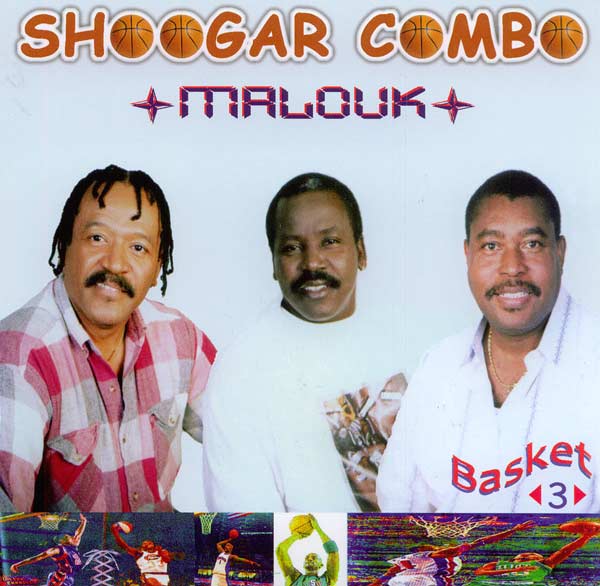
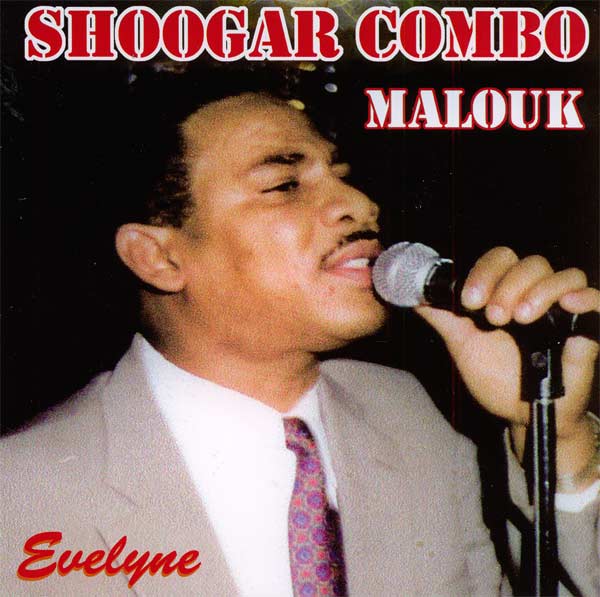
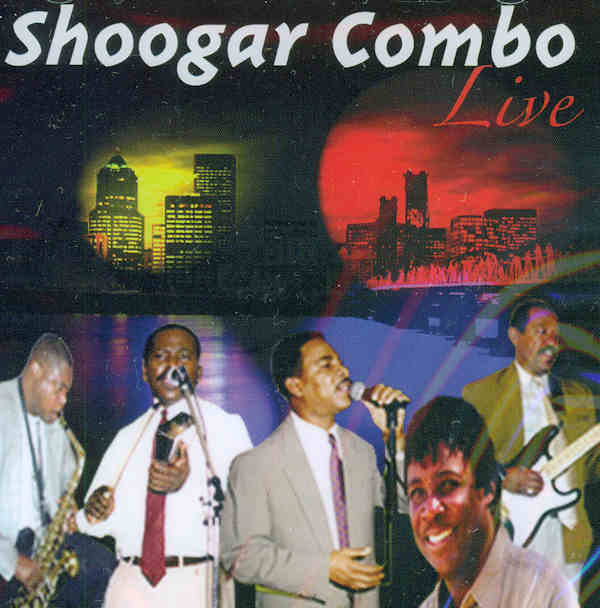
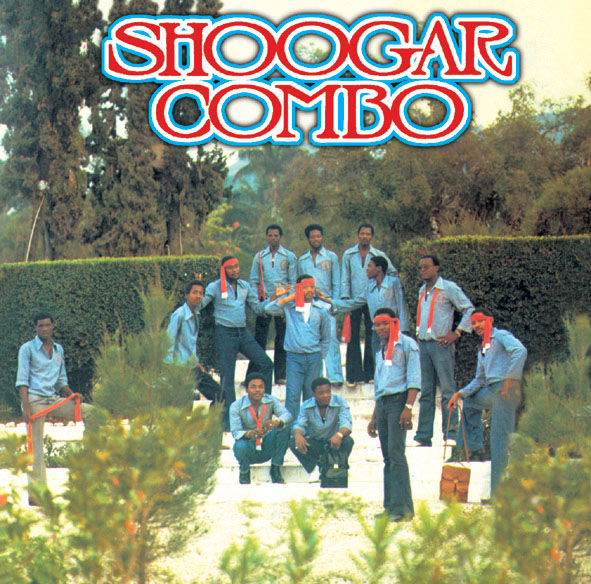
Shoogar Combo: The Malouk that made all of Haiti dance
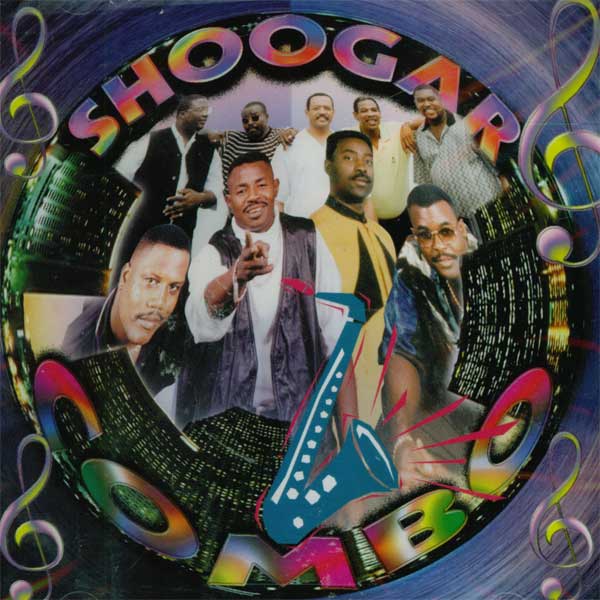
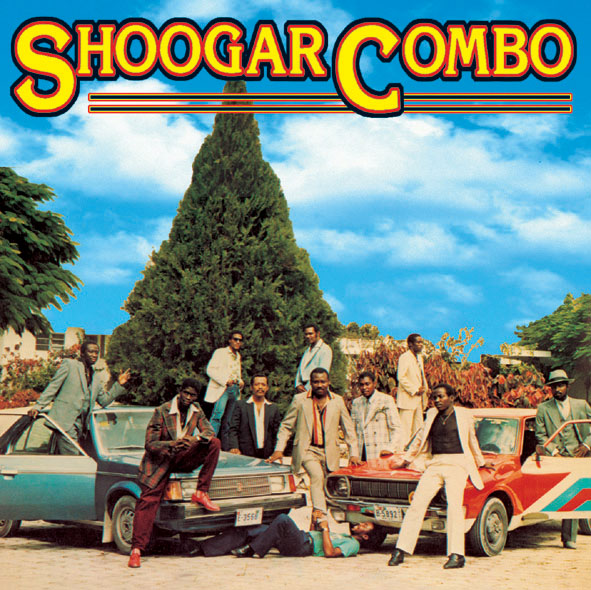
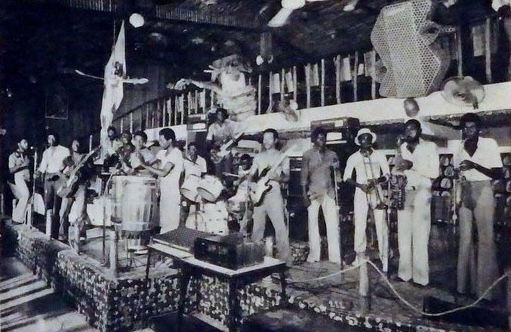
In 1979, a carnival track shook the streets of Port-au-Prince: “Gwo Lobo” by Shoogar Combo. This piece, both furious and catchy, imposed a new style—the malouk, this direct compas at an frenetic tempo that pushes crowds to dance under the drums and trombone. It marks the beginning of a musical adventure that would dominate the Haitian scene for fifteen years.
In brief
| Group Name | Shoogar Combo |
| Origin | Port-au-Prince, Haiti |
| Creation | 1979 (from Shoo-Blak, founded in 1974) |
| Style | Malouk — accelerated tempo direct Haitian compas |
| Masters | Jean-Baptiste Pierre (founder, 1979-1980), Adrien Dupuy (maestro, 1980-1993) |
| Emblematic Works | “Gwo Lobo”, Craché Difé, Le Malouk |
| Main Labels | Mini Records, Cine Disc |
Key Dates
| Year | Event |
|---|---|
| 1974 | Foundation of Shoo-Blak by saxophonist Nazaire Déjoi in Port-au-Prince |
| 1979 | Split and creation of Shoogar Combo by Jean-Baptiste Pierre; victory at carnival with “Gwo Lobo” |
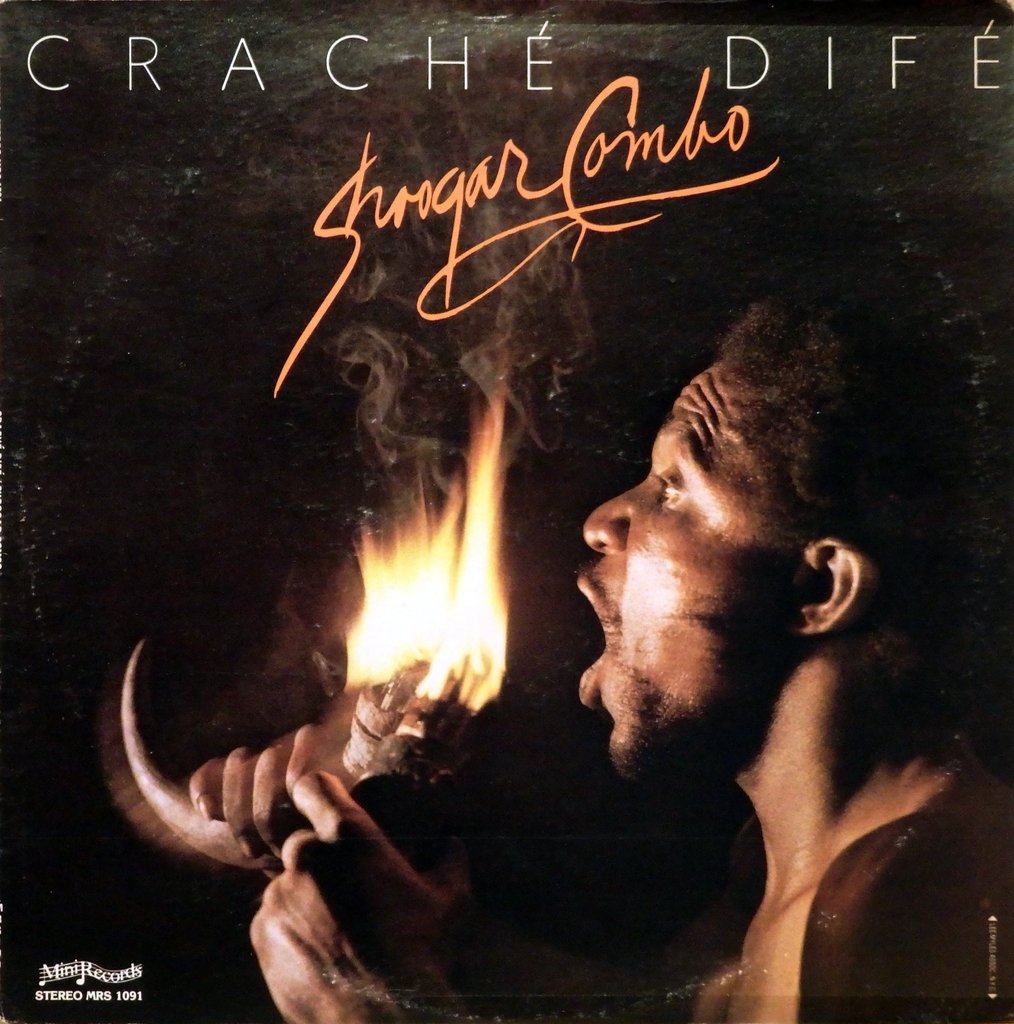
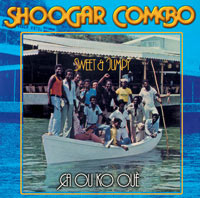
| 1979 | First albums: Ça Ou Ko Oue / Sweet and Jumpy and Craché Difé on Mini Records |
| 1980 | Adrien Dupuy becomes the group’s maestro |
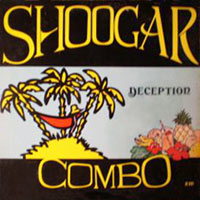
| 1981 | Deception (JE Records) and Still In Fire (Mini Records) |
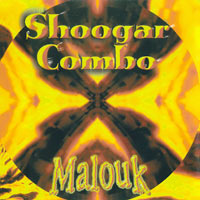
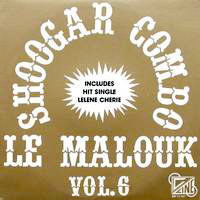
| 1983 | Le Malouk Vol. 6 on Cine Records imposes the name of the style |
| 1984 | Shoogar Combo and Démélé ou mark the discographic peak |
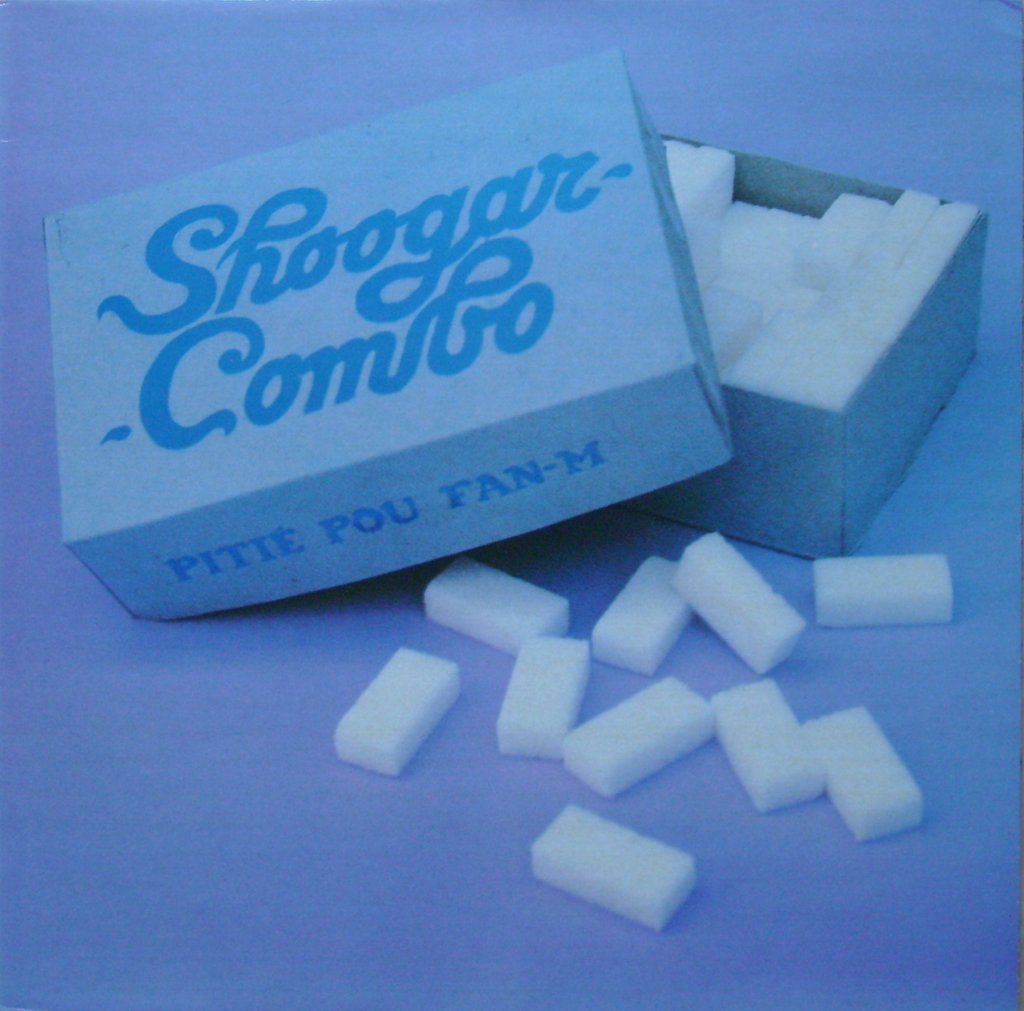
| 1985 | Pitié pou fan’m (Guadeloupe Productions) and Carnaval 85 |
| 1986 | Lwa nan tèt mwen; the group lives in New York |
| 1991 | Shougam sé pam; the group is active from New York |
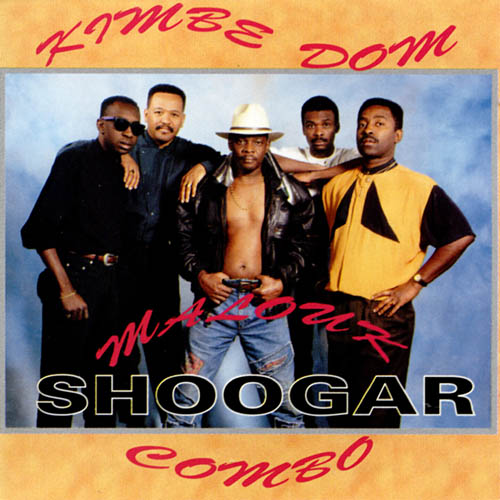
| 1993 | Kimbe Dom, last album of the first cycle; end of the group |
| 2009 | Come-back in Martinique under the aegis of Adrien Dupuy |
Birth, glory and resurrection of the Malouk
The story of Shoogar Combo begins well before 1979. In 1974, saxophonist Nazaire Déjoi founded Shoo-Blak in Port-au-Prince with guitarist Adrien Dupuy, singer Joseph Lainé known as “Blagueur”, and Jean-Baptiste Pierre, nicknamed “Baba”. The group was already raising the mood with “Lèlènne”, a future reference track for direct compas.
But things were managed behind the scenes. Gérard Chéry, manager of the club Le Lambi, and collaborators—led by Jean-Baptiste Pierre himself—took possession of the name and lineup. “Le Shoogar ex Shoo-Blak was stolen from Nazaire Déjoi,” wrote a source of the time with bitterness. The split gave birth to Shoogar Combo in 1979.
From its first year, the new group imposed its flame. “Gwo Lobo”, signed by guitarist Gérard Chéry, won the first prize of the Port-au-Prince carnival without a doubt. The track transformed the Haitian party: frenetic tempo for jerky dance movements, then slower sequences where the public sings in chorus, accompanied by drums, tchas-tchas and trombone. A Haitian critic would later observe that this track paved the way for modern carnival groups.
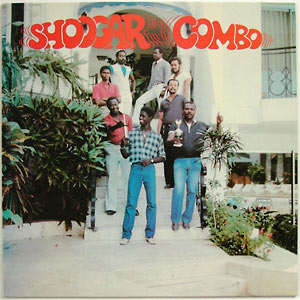
Adrien Dupuy took musical direction in 1980 and the group entered its most fertile period. The label Malouk, first a nickname given to their style, eventually came to designate the group itself. The lineup evolved constantly, with figures like Dieudonné Larose (vocals), Jacky Ambroise (guitar), Gertho Arnault (bass) and Joseph Yves Romain (saxophone). Each album saw a new composition. The albums Le Malouk (1983), Shoogar Combo (1984) and Démélé ou (1984) made Shoogar Combo the absolute reference of Haitian carnival, exporting its sound to New York, Guadeloupe and the United States.
The first cycle ended in 1993 with Kimbe Dom on Celluloid Records. Adrien Dupuy and Gertho Arnault founded Kazak in 1992. The break was, according to the press, more or less forced.
But the legend does not die. In May 2009, former members gathered in Martinique under the aegis of maestro Adrien Dupuy for a concert at Grand Carbet. “After a more or less forced stop, the former members of Shoogar Combo decided to bring the legend back to life,” reports France Antilles Martinique.
Major Works
| Work | Year | Why it is essential |
|---|---|---|
| “Gwo Lobo” | 1979 | Hymn of malouk; victory at carnival |
| Craché Difé | 1979 | First album; imposition of the style |
| Le Malouk | 1983 | “Succès Malouk” and “Natif Natal”; the name of the style |
| Démélé ou | 1984 | Discographic peak |
| Lwa nan tèt mwen | 1986 | New York album; tribute to Webert Sicot |
Legacy
Shoogar Combo shaped the identity of modern Haitian carnival. Its malouk style—a direct compas at a frenetic tempo where the trombone dialogues with the drums—paved the way for contemporary carnival groups and danceable merengues. The group remains, in collective Haitian memory, one of the pillars of Mizik Kreòl from the 1980s. Its catalog continues to circulate in reissued versions, and “Gwo Lobo” still animates parties and Haitian radio stations.
Sources and references
-
“Shoogar Combo: the malouk phenomenon”, Le Nouvelliste, https://lenouvelliste.com/en/article/258630/shoogar-combo-le-phenomene-malouk, accessed October 23, 2025.
-
“Shoogar Combo, a malouk style”, Haiti Inter, https://www.haitiinter.com/shoogar-combo-un-style-malouk/, accessed October 23, 2025.
-
“DMKV: Gwo Lobo”, Tipiti, http://tipiti.biz/site/2023/02/19/dmkv-gwo-lobo/, accessed October 23, 2025.
-
“The come-back of Shoogar Combo and Dieudonné Larose”, France Antilles Martinique, https://www.martinique.franceantilles.fr/actualite/culture/le-come-back-de-shoogar-combo-et-dieudonne-larose-849394.php, accessed October 23, 2025.
-
“Shoogar Combo”, Discogs, https://discogs.com/artist/1959340-Shoogar-Combo, accessed October 23, 2025.
-
“Shoogar Combo”, musique.haiti.free.fr, http://musique.haiti.free.fr/discographie/fiches/shoogar00pagedr.htm, accessed October 23, 2025.
-
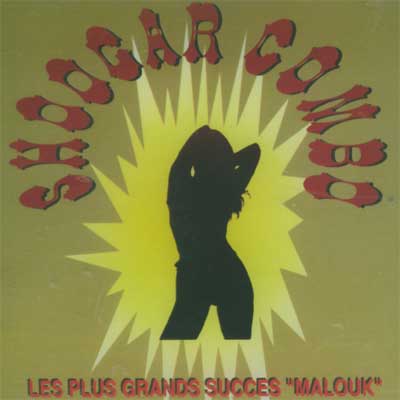
« Les Plus Grands Succès - Malouk », konpa.info, https://www.konpa.info/album/101678, consulté le 23 octobre 2025.
-
Shoogar Combo, AllMusic, https://allmusic.com/artist/shoogar-combo-mn0000732698, consulté le 23 octobre 2025.