Biography
Sierra Maestra
In 1976, engineering students from the University of Havana decided to get their faculty dancing with a musical sound that Cubans of their generation considered parents’ music — the son cubano of the 1920s, born in the eastern mountains of the island. Twenty-five years later, this youth group would have recorded fourteen albums, played at the Glastonbury festival and paved the way for projects that revealed the Buena Vista Social Club to the world.
In brief
| Group Name | Conjunto Sierra Maestra |
| Formation | 1976, University of Havana, Cuba |
| Status | Active |
| Genre | Traditional Cuban Son |
| Emblematic Works | Con Sabor a Cuba, Tibiri Tabara, Son: Soul of a Nation |
| Awards | EGREM Album of the Year (1981), Nicolás Guillén Diploma (2002), Union of Cuban Journalists Award |
Key Dates
| Year | Event |
|---|---|
| 1976 | Founded by engineering students from the University of Havana |
| 1980 | First studio album Sierra Maestra llegó con el Guanajo Relleno (EGREM) |
| 1981 | Silver Disc — album of the year, awarded by EGREM |
| 1987 | Release of Sonerito (Areito) |
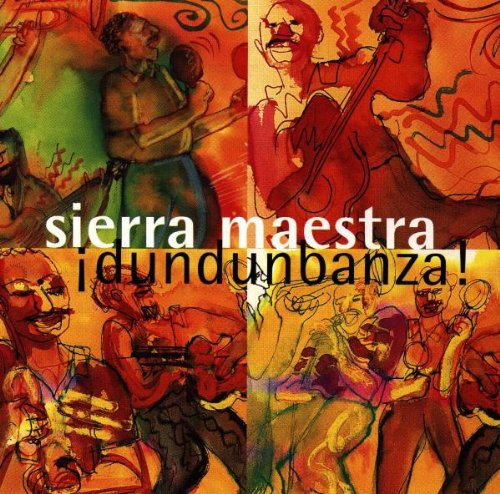
| 1994 | Con Sabor a Cuba (EGREM) and ¡Dundunbanza! (World Circuit) |
| 1997 | Tibiri Tabara (World Circuit); departure of Juan de Marcos González |
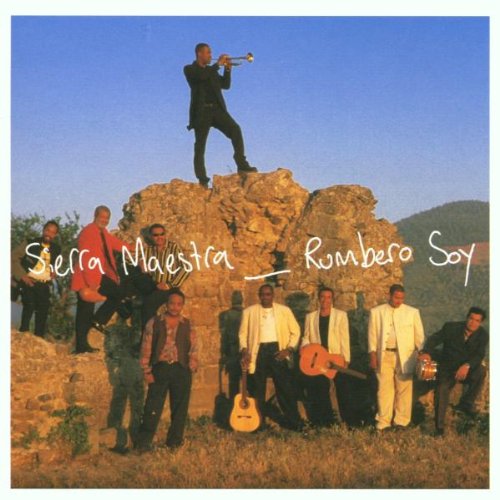
| 2002 | Rumbero Soy (World Circuit); Nicolás Guillén Diploma |
| 2005 | Son: Soul of a Nation (World Circuit) |
| 2008 | Concert at the Glastonbury festival (United Kingdom) |
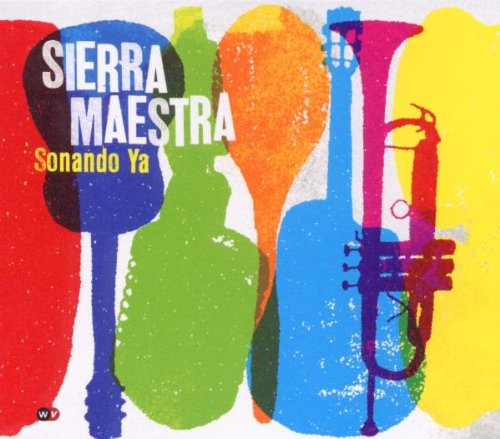
| 2012 | Sonando Ya, album inviting young Cuban composers |
The Sound Engineers
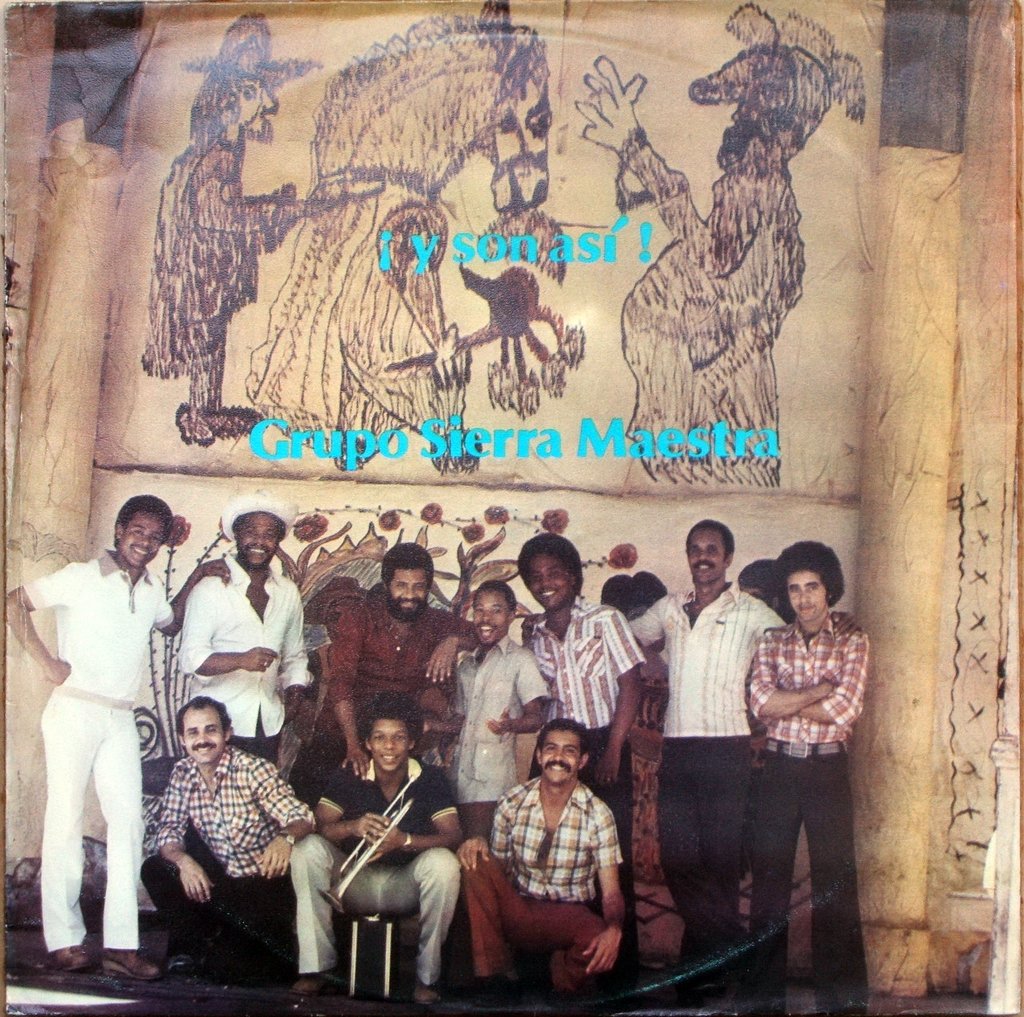
On October 20, 1976, the Grupo de Sones of the Electrical Engineering faculty at the University of Havana was named Sierra Maestra in homage to the mountain range of eastern Cuba, mythical birthplace of son cubano. Only eleven members founded the group; only one was a music student. The others were preparing degrees in electrical engineering, computer science or technology. Their idea was simple: son — this Cuban rhythm born at the beginning of the 20th century, carried by Havana septetos like the Septeto Nacional and the Septeto Habanero, who marry tres, guitar, bongó, double bass and call-and-response singing — was considered the forgotten music of a generation. It deserved to be brought back to the youth.
They revived two pieces by Ignacio Piñeiro, the great son composer: Donde estabas anoche (a rumba) and Como está Miguel, nicknamed Burú Barará. The tracks made it to the national Super Top Hit contest and attracted the attention of songwriters who came to propose their own compositions to the group.
A mission that attracts great talents
In the 1980s, Sierra Maestra kept touring, competing and recording. In 1981, Sierra Maestra llegó con el Guanajo Relleno won the Disco de Plata — album of the year awarded by the EGREM firm. It was one of the first Cuban albums to be digitized. Bassist and conguero Eduardo Himely took over musical direction of the group.
The notable founding members include Juan de Marcos González (vocals and guitar, future leader of the Buena Vista Social Club), Jesús Alemañy (trumpet, who would form ¡Cubanismo! in 1996), José Antonio « Maceo » Rodríguez (vocals and percussion), as well as Alejandro Suárez, Carlos González, Luis Bergaza and Ernesto Valle. Juan de Marcos broke away in 1996 to create the Afro-Cuban All Stars, a project that brought Alberto « Virgilio » Valdés — another former Sierra Maestra member — in the wake of the Buena Vista Social Club.
The group did not just recycle standards. It invited young composers to write contemporary lyrics within the classic structures of son, as on Sonando Ya (2012). “It has such a special rhythm, so danceable, with so much fiesta that it touches everyone” (translated from Spanish), said Himely about son in an interview with Catalina Maria Johnson (Gozamos, March 2012).
Ambassadors of son cubano
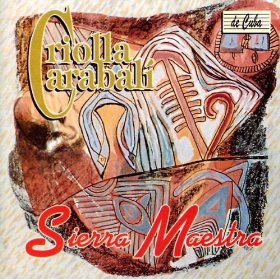
From the 1990s, Sierra Maestra signed with World Circuit, the London label that exports traditional music from around the world. Con Sabor a Cuba (1994), ¡Dundunbanza! (1994), Tibiri Tabara (1997), Rumbero Soy (2002) and Son: Soul of a Nation (2005) toured Europe, North America and Asia. The group appeared on more than forty compilations and won the Union of Cuban Journalists Award, as well as the Nicolás Guillén Diploma in 2012 for its entire career.
Sierra Maestra remains today one of the pillars of traditional Cuban son: a group of young engineers who convinced the world that the music from the eastern mountains was far from outdated.
Major Works
| Work | Year | Why it is essential |
|---|---|---|
| Con Sabor a Cuba | 1994 | First international record that laid the foundations for modern son |
| ¡Dundunbanza! | 1994 | Recorded proof that son speaks to young Cubans |
| Tibiri Tabara | 1997 | First World Circuit album; took the group to Glastonbury |
| Son: Soul of a Nation | 2005 | The balance sheet of a generation; tracks picked up by international radios |
Legacy and Influence
Sierra Maestra turned son cubano from forgotten heritage into a vibrant genre. Juan de Marcos González took his method to the Afro-Cuban All Stars, who subsequently invited the older musicians of the Buena Vista Social Club onto world stages. Jesús Alemañy extended the experience in ¡Cubanismo!. Generations of timba and Cuban son cite Sierra Maestra as the model that proved one can write new lyrics on old rhythms without betraying tradition.
Sources and References
- Wikipedia, “Sierra Maestra (band)”, https://en.wikipedia.org/wiki/Sierra_Maestra_(band), accessed November 10, 2026.
- EcuRed, « Conjunto Sierra Maestra », https://www.ecured.cu/Conjunto_Sierra_Maestra, accessed 10 November 2026.
- AllMusic, « Sierra Maestra — Biography, Discography », https://www.allmusic.com/artist/sierra-maestra-mn0000752032, accessed 10 November 2026.
- Jazzapedia, « Sierra Maestra — Biography », https://jazzapedia.com/artists/sierra-maestra, accessed 10 November 2026.
- Catalina Maria Johnson, « Sierra Maestra: The timeless sweet sensuality of classic Cuban son », Gozamos, March 2012, http://catalinamariajohnson.com/2012/03/sierra-maestra-the-timeless-sweet-sensuality-of-classic-cuban-son/, accessed 10 November 2026.
- Discogs, « Sierra Maestra Discography », https://www.discogs.com/artist/502480-Sierra-Maestra, accessed 10 November 2026.
- RootsWorld, « Juan de Marcos Gonzalez: a RootsWorld interview », https://www.rootsworld.com/interview/marcos-11.shtml, accessed 10 November 2026.
- World Music Central, « Sierra Maestra Artist Profile », http://worldmusiccentral.org/2017/04/27/artist-profiles-sierra-maestra, accessed 10 November 2026.