Biography
Souad Massi
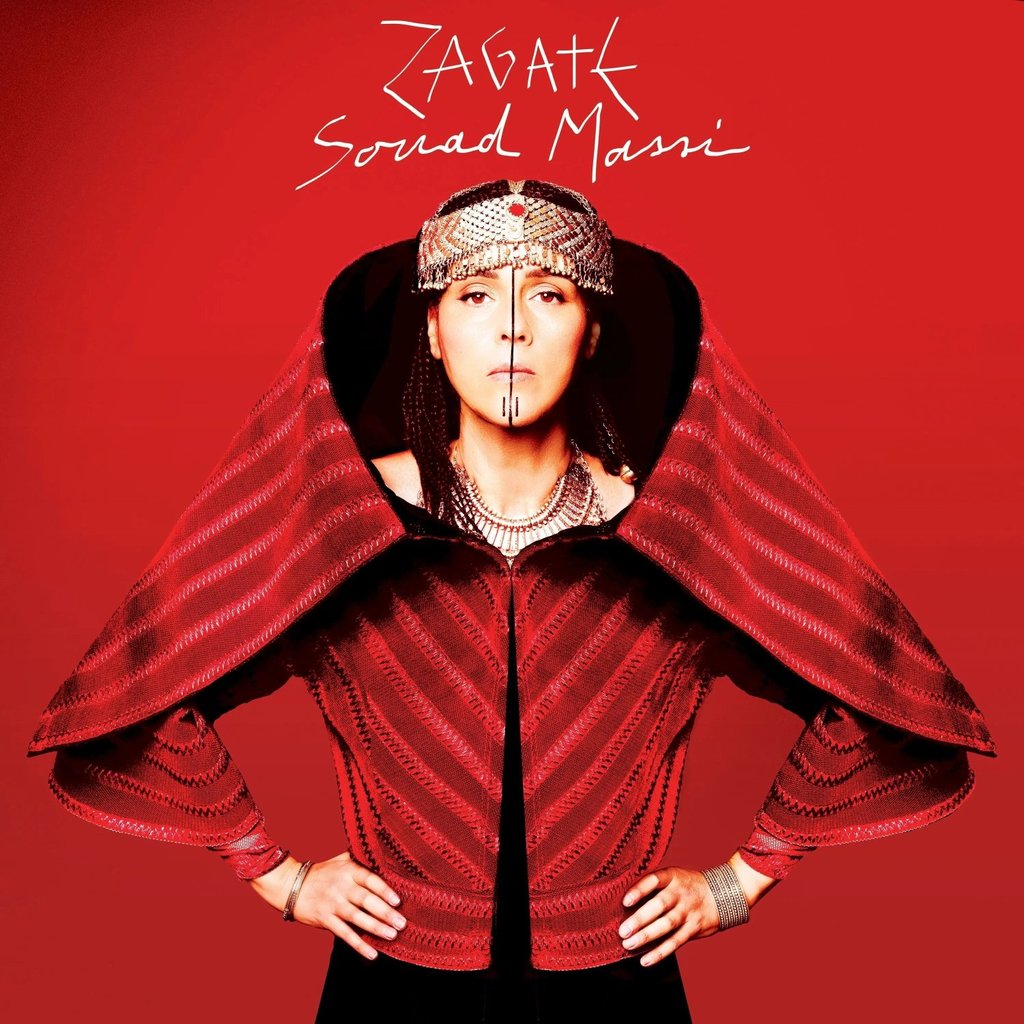
She arrives in Rotterdam in October 2001, after crossing the Mediterranean under the weight of death threats. On stage at WOMEX, the international world music festival, Souad Massi triggers an immediate emotion: her acoustic guitar, her crossed voices in Arabic and French, her peace songs. At that moment, a singer from the streets of Algiers becomes one of the most originally powerful figures of world music.
In brief
| Full name | Souad Massi |
| Birth | 23 August 1972, Algiers, Algeria |
| Origin | Kabyle |
| Field | Singer, songwriter, guitarist — folk-rock, chaâbi, world music |
| Signature works | Raoui (2001), Deb (2003), Mesk Elil (2005) |
| Awards | Victoire de la Musique 2006, Officier des Arts et des Lettres (2017) |
Key dates
| Year | Event |
|---|---|
| 1972 | Birth in Algiers, in a popular neighborhood of Bab El Oued |
| Early 1990s | Joins the political rock group Atakor; sings as one of the first women in an Algerian folk-rock group |
| 1999 | Leaves Algeria after death threats; settles in Paris |
| 1999 | Performs at the Femmes d’Algérie festival in Paris, spotted by Island Records |
| 2001 | Release of Raoui (Wrasse Records); first gold record in France |
| 2003 | Release of Deb; second gold record; international tour |
| 2005 | Mesk Elil — Victoire de la Musique du monde; participation at WOMAD |
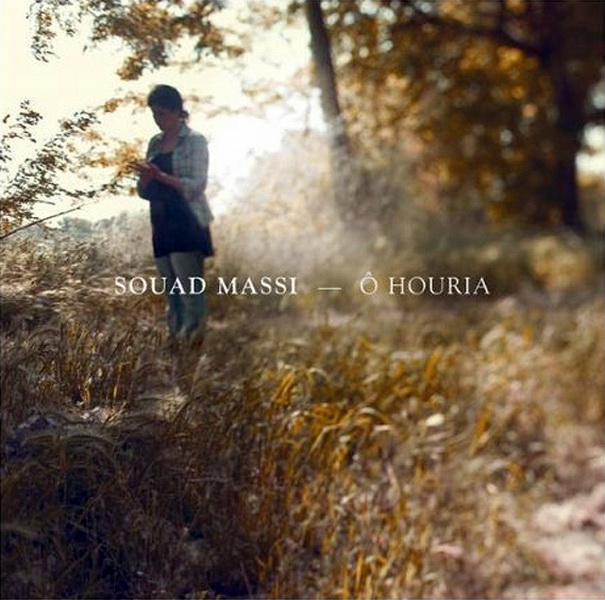
| 2010 | Ô Houria, produced by Francis Cabrel; collaboration with Paul Weller |
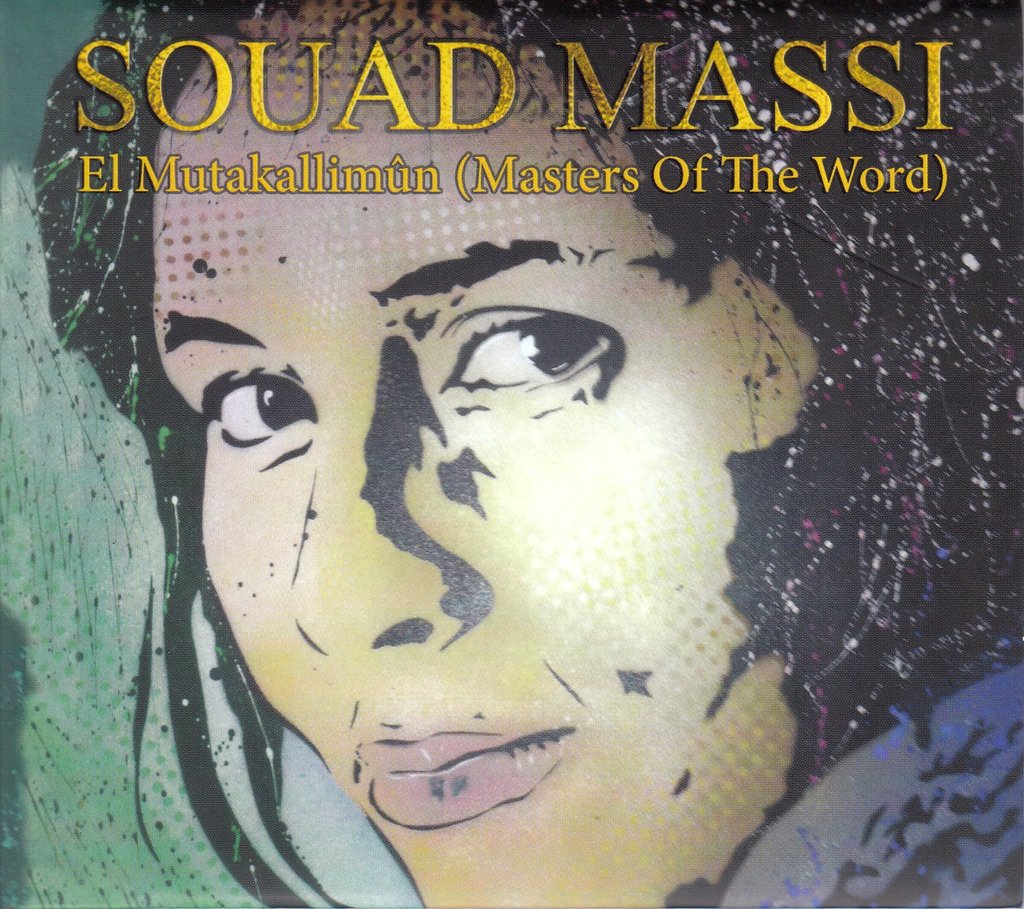
| 2015 | El Mutakallimûn, dedicated to classical Arabic poetry |
| 2017 | Elevated to the rank of Officier des Arts et des Lettres |
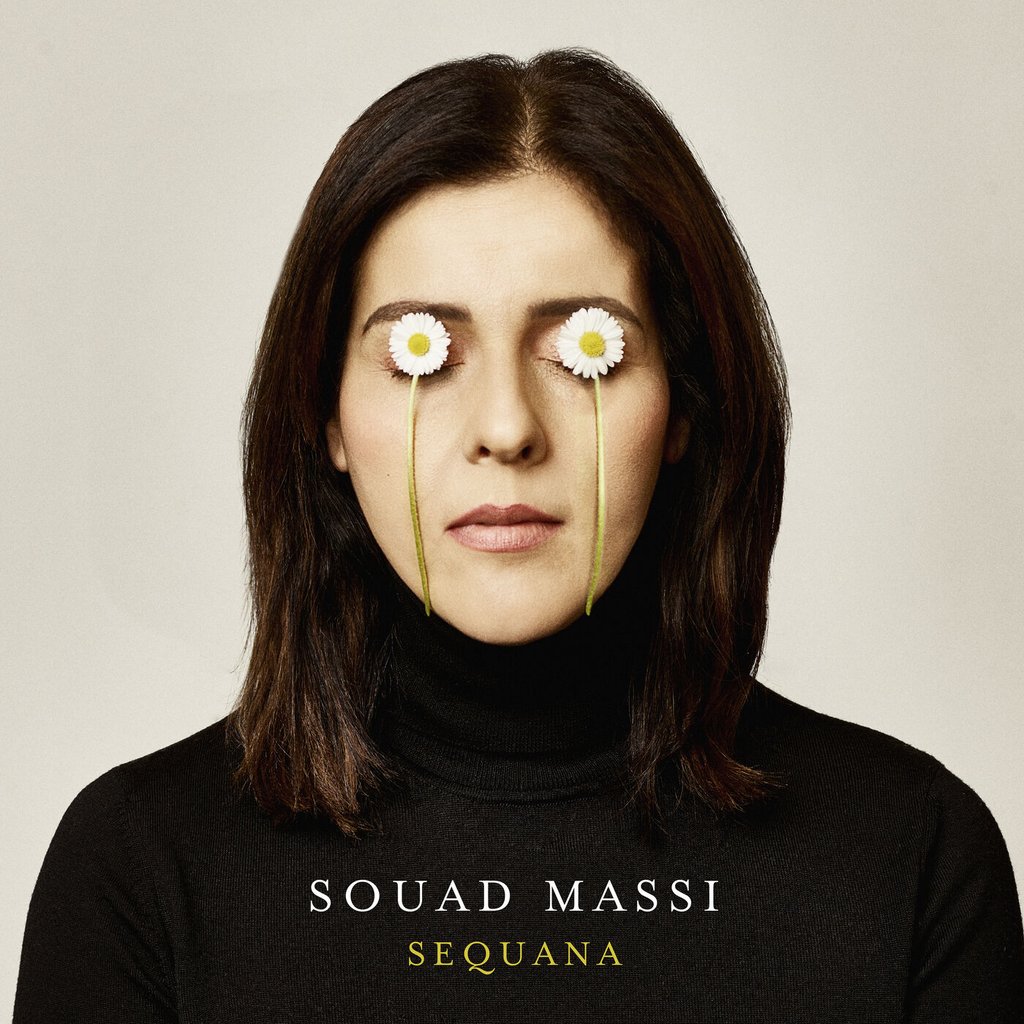
| 2022 | Sequana, crowned with the German Record Critics’ Award (2023) |
Origins, rebellion, and musical fusion
Born into a modest family of six children in Bab El Oued, Souad Massi grew up cradled by female chants and her uncle’s jazz1. Two musician brothers, instrumentalist cousins: she discovers chaâbi and arabo-andalouse, but also Leonard Cohen, AC/DC, and the Beatles. Shy and rebellious, a “tomboy”1, she refuses the role assigned to women in her circle. An urban planning engineer by training, she first plays music for leisure, before briefly joining a flamenco group and then Atakor, a young engaged rock formation, at the beginning of the 1990s.
At Atakor, for seven years, Souad massifies hard-rock (Led Zeppelin, U2) with local melodies and militant lyrics. Facing the fundamentalist surge of the “black decade,” she is targeted by anonymous death threats2. She cuts her hair, cross-dresses to move about — without success. In 1999, she leaves Algeria for Paris.
Revelation, exile, and consecration
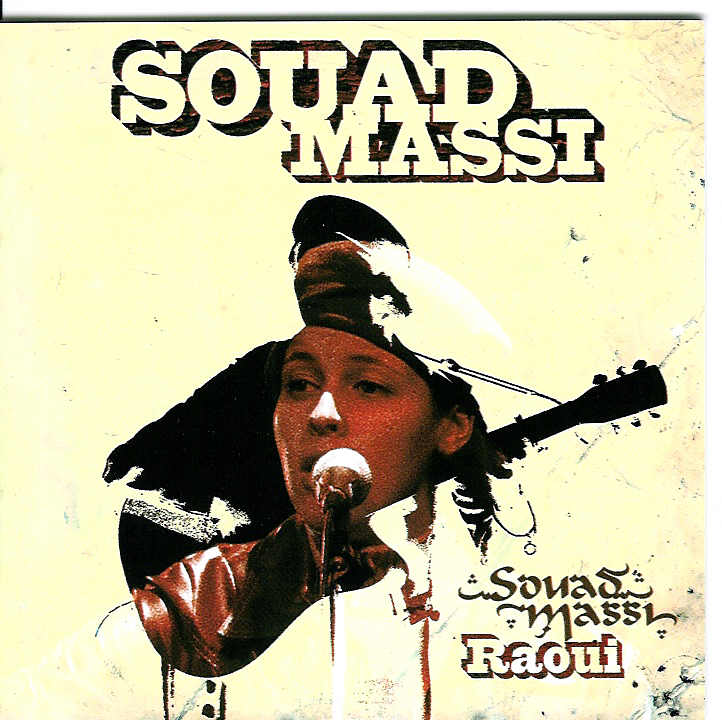
Invited to the Femmes d’Algérie festival (Paris, January 1999), Souad Massi attracts the attention of Island Records3. “This event shows the cultural diversity of Algeria — there is not only raï in our country”3. The British branch of the label refuses Raoui, but Wrasse Records publishes it in June 2001. The record sells over 80,000 copies2 and propels her to the BBC Radio 3 World Music Awards (nominated “Best Newcomer”).
On the BBC Radio 3 microphone in January 2002, she explains: “I want a story to forget my life — it’s very hard to forget life”4. Raoui does not sing politics frontally: love, the daily life of Algerian women. “I am not politically engaged… I simply sing the daily life”3.
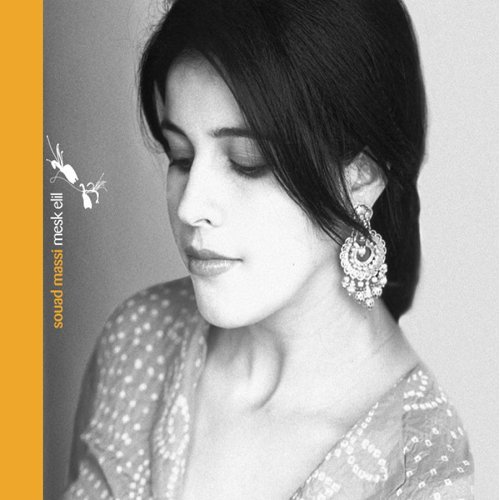
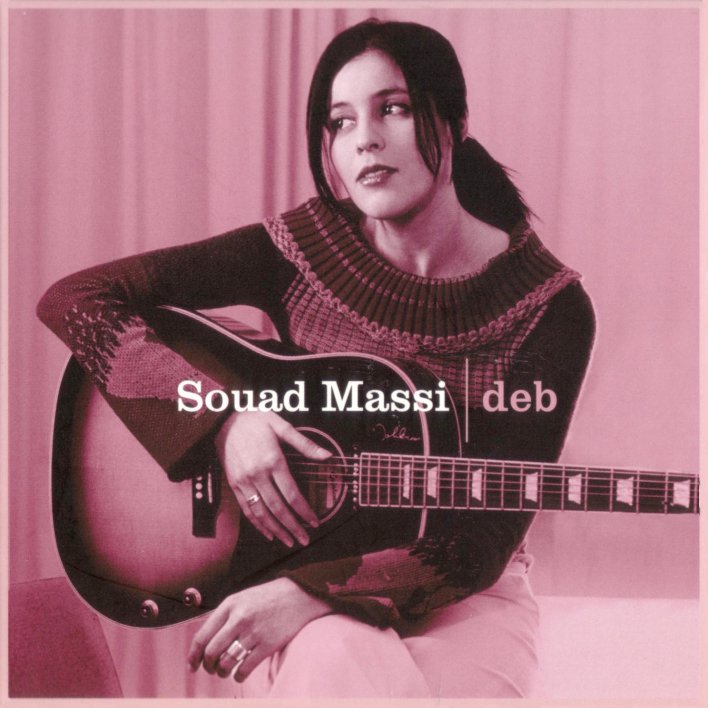
Deb (“broken heart”, December 2003) is more intimate. It becomes one of the best-selling North African records in the world2. Tours in France, Spain, the United States, and Australia. In 2005, Mesk Elil (“the honeysuckle”5) broadens this exploration of feelings — love, loss, nostalgia — with a duo on Deya Deya alongside Rabah Khalfa. Victoire de la Musique du monde 20062.
Evolutions, commitments, and later years
Ô Houria (2010), recorded in Francis Cabrel’s studio, is her first album almost entirely in French — “to thank my fans who do not speak Arabic”3. Paul Weller plays piano and sings on it. She also collaborates with Eric Fernandez on Choeurs de Cordoue, revisiting arabo-andalouse2.
El Mutakallimûn (2015) borrows its lyrics from great Arab poets — Abou Madi, Chebbi, El-Moutanabi — on music where Algerian folk rock crosses with bossa nova2. Oumniya (my wish, 2019) returns to a more engaged style, anchored in the Hirak movement6. “I feel that I have the duty to raise awareness and denounce things that do not suit me”1.
Sequana (2022), co-written with Piers Faccini and flutist Naïssam Jalal, produced by Justin Adams (Tinariwen, Robert Plant), is crowned with the German Record Critics’ Award in 20232.
Major works
| Work | Year | Why it is essential |
|---|---|---|
| Raoui | 2001 | Reveals a voice born of exile; first gold record in France |
| Deb | 2003 | Pivotal album, more intimate; international commercial turning point |
| Mesk Elil | 2005 | Victoire de la Musique award; dialogue between traditions and rock |
| Sequana | 2022 | Co-written with Piers Faccini; crowned with the German Record Critics’ Award |
Legacy and influence
Souad Massi has proven that Algerian music is not confined to raï. Her acoustic guitar serves as a bridge between North African traditions and American folk-rock — Joan Baez, Emmylou Harris, and Tracy Chapman figure among her references3. Critics often compare her to Tracy Chapman and describe her as a “bewitching troubadour”5.
Even today, she inspires a new generation of Maghrebi artists. From the threatened Algeria to world festivals, Souad Massi embodies a trajectory of resilience — “she has conquered hundreds of thousands of people around the Mediterranean”6.
Sources and references
- « Souad Massi, the singer, a breath of freedom », RCF, https://www.rcf.fr/articles/culture/la-chanteuse-souad-massi-un-souffle-de-liberte, accessed 7 November 2025.
- « Souad Massi », Wikipedia (EN), https://en.wikipedia.org/wiki/Souad_Massi, accessed 7 November 2025.
- « Souad Massi — Biography », AllMusic, https://www.allmusic.com/artist/souad-massi-mn0000033879, accessed 7 November 2025.
- « Souad Massi Interview », BBC Radio 3, https://www.bbc.com/radio3/world/intmassi.shtml, accessed 7 November 2025.
- « Souad Massi biography », InfoConcert, https://www.infoconcert.com/artiste/souad-massi-11846/concerts/presentation, accessed 7 November 2025.
- « Souad Massi: artist’s career and history », InfoConcert, https://www.infoconcert.com/artiste/souad-massi-11846/concerts/presentation, accessed 7 November 2025.
-
Souad Massi, Wikipedia EN and AllMusic (Wikipedia/AllMusic) ↩︎ ↩︎ ↩︎ ↩︎ ↩︎ ↩︎ ↩︎
-
BBC Radio 3 interview, January 2002 (BBC) ↩︎
-
Souad Massi, BBC Radio 3 (BBC); « Souad Massi biography », InfoConcert ↩︎ ↩︎
-
« Souad Massi, the singer, a breath of freedom », RCF, https://www.rcf.fr/articles/culture/la-chanteuse-souad-massi-un-souffle-de-liberte, accessed 7 November 2025. ↩︎ ↩︎