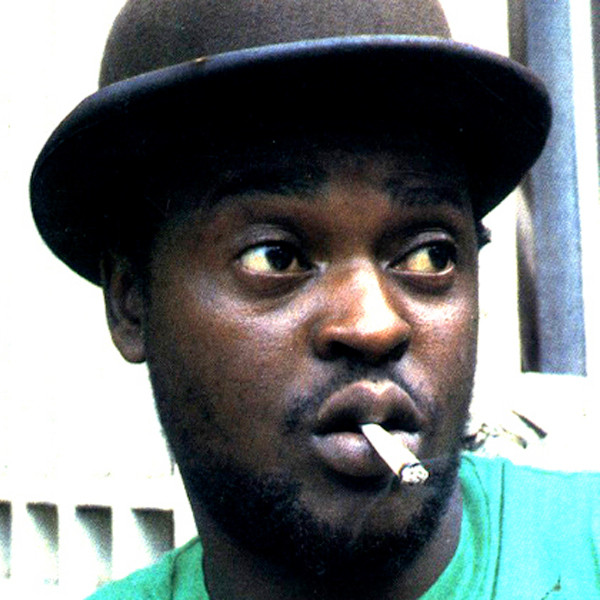
Biography
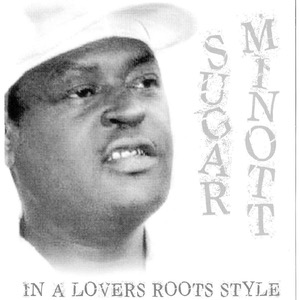
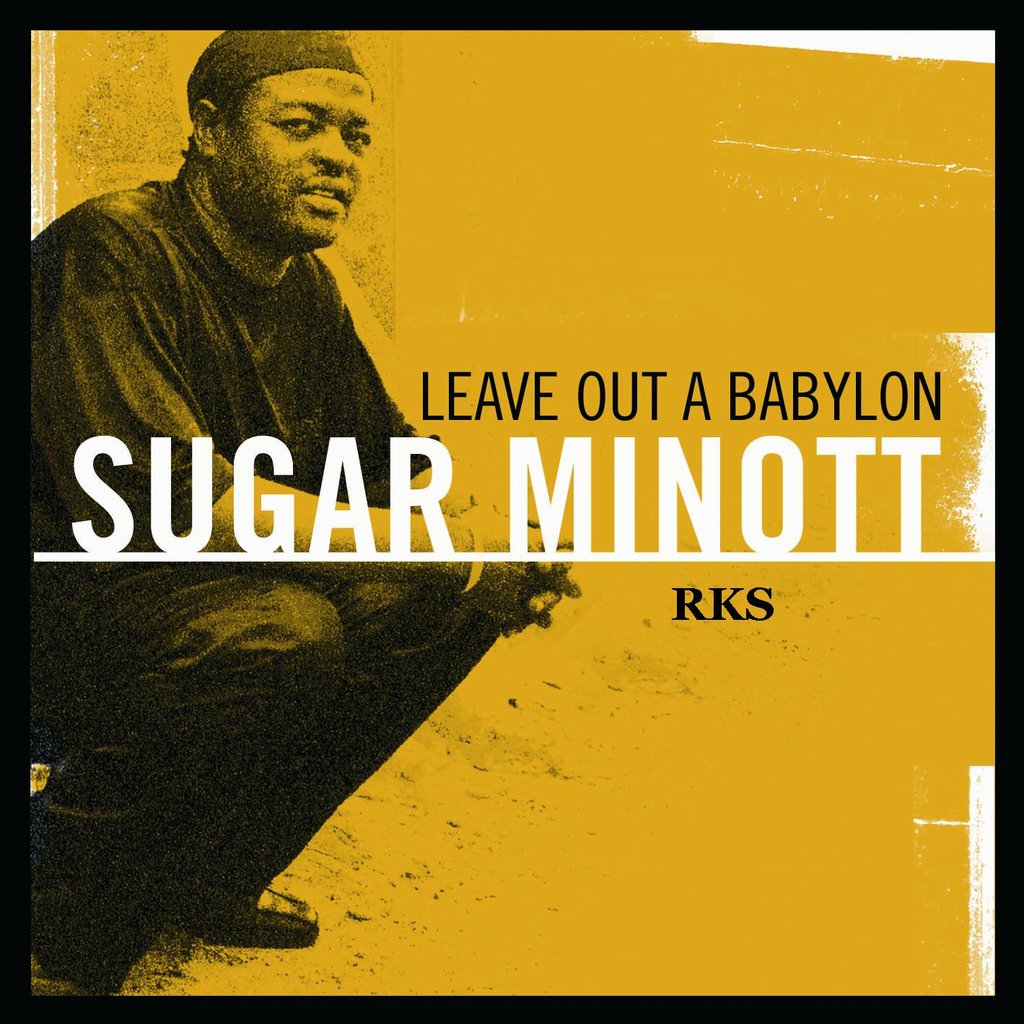
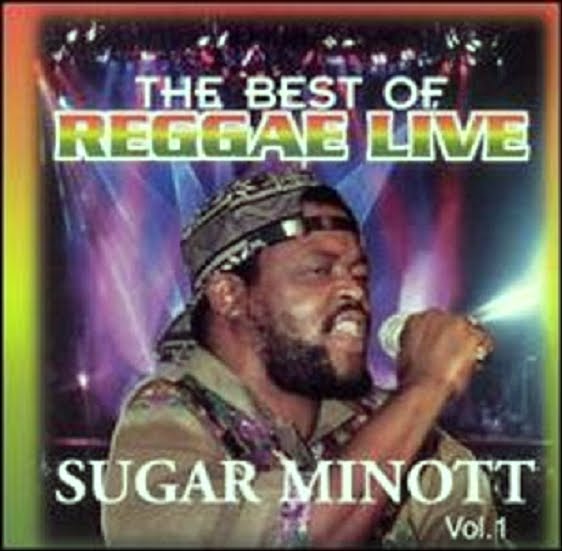
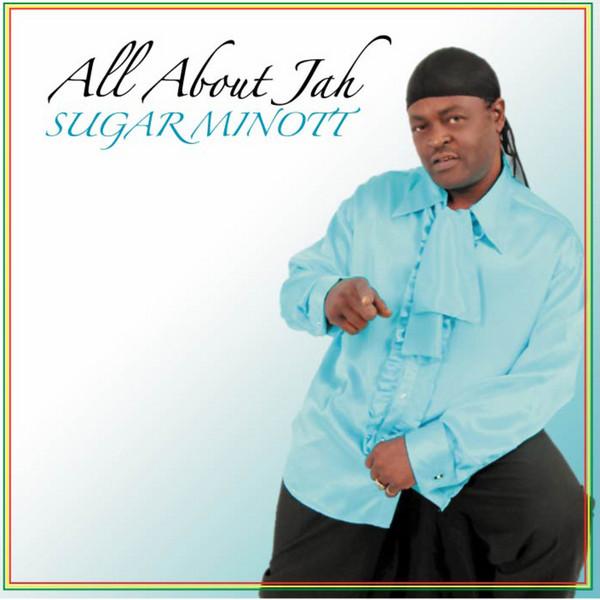
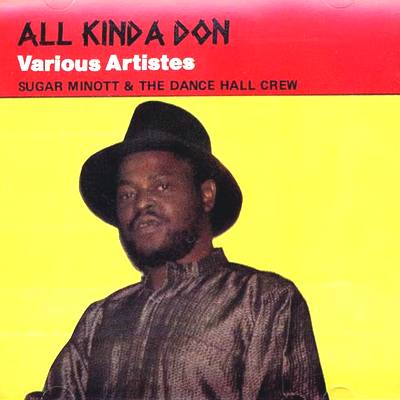
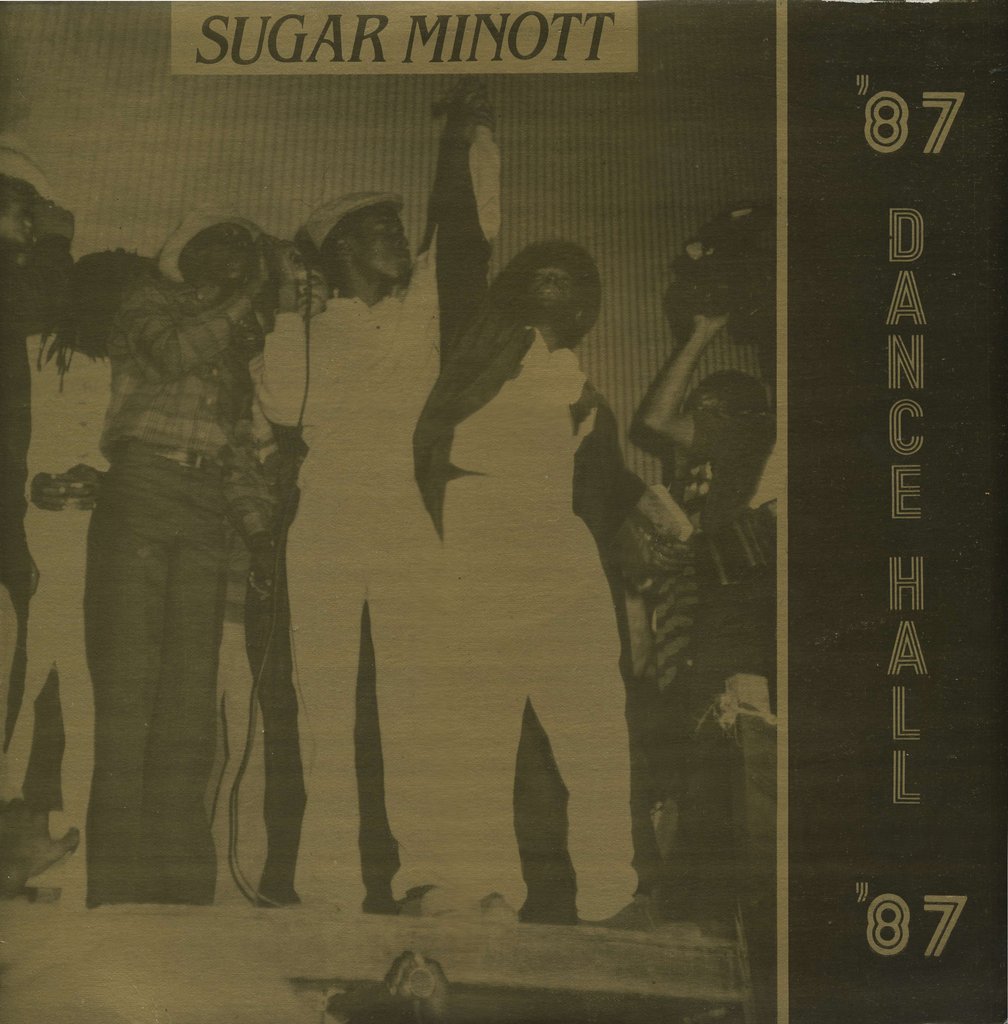
Sugar Minott
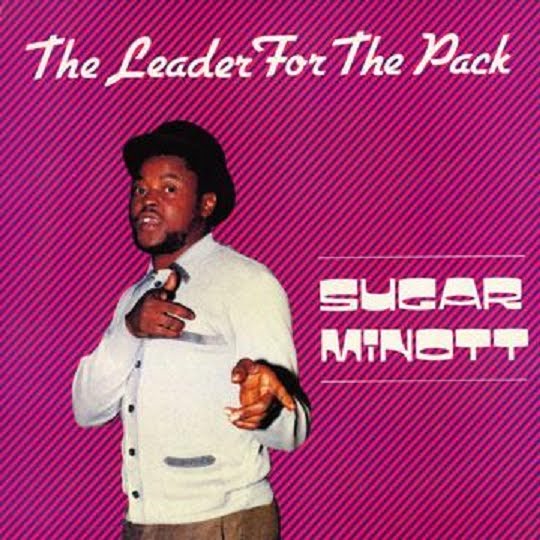
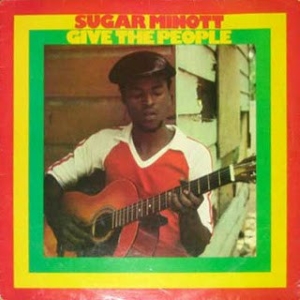
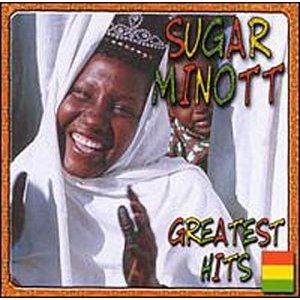
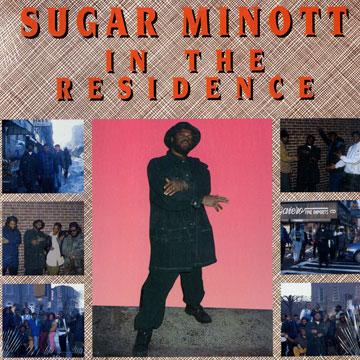
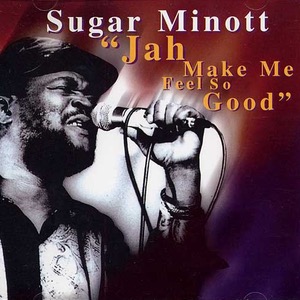
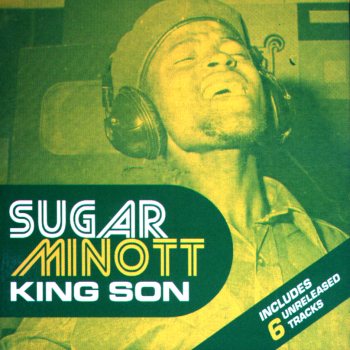
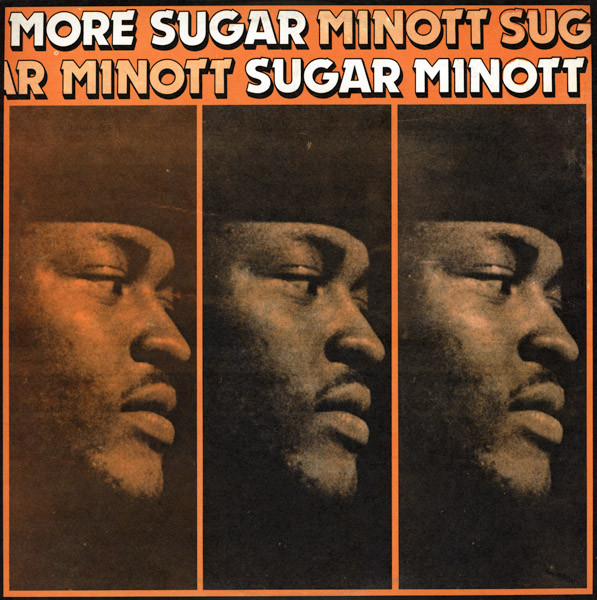
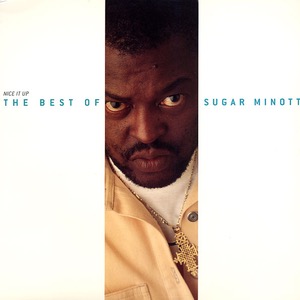
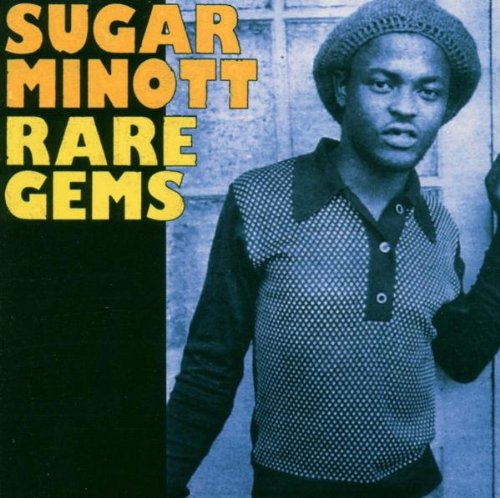
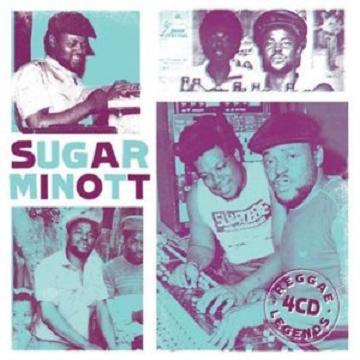
In Kingston, in the 1970s, Sugar Minott entered Studio One not with a band but alone, armed with riddims. He proposed to the legendary Coxsone Dodd that he sing over existing instruments rather than recording a new track. Dodd accepted, and this simple idea would revolutionize Jamaican music: Sugar Minott was in the process of creating dancehall.
In Brief
| Full Name | Lincoln Barrington Minott |
| Birth | 25 May 1956, Kingston, Jamaica |
| Death | 10 July 2010 (54 years), Saint Andrew Parish, Jamaica |
| Genre | Reggae, dancehall, lovers rock |
| Roles | Singer, producer, sound system operator |
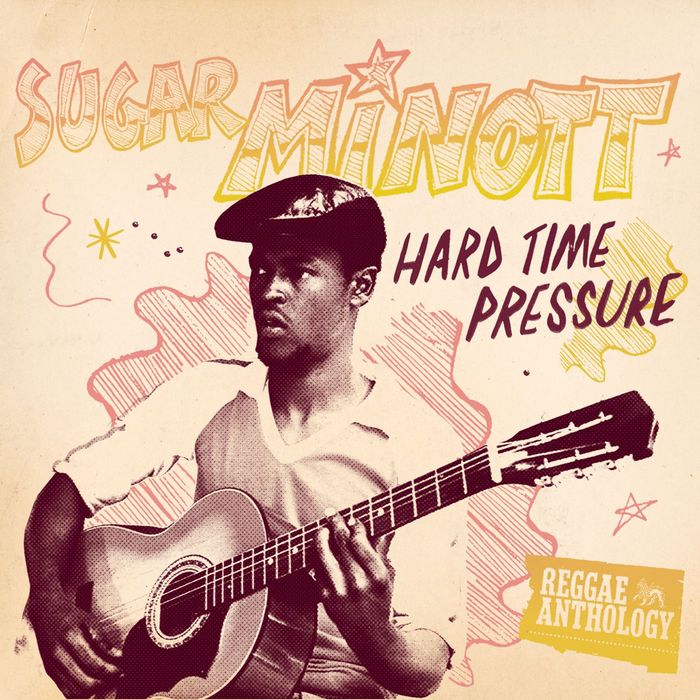
| Notable Works | “Live Loving”, “Hard Time Pressure”, “Good Thing Going” |
| Personal Labels | Black Roots, Youth Promotion |
Key Dates
| Year | Event |
|---|---|
| 1956 | Birth in Kingston, Jamaica |
| 1969 | Co-founding of African Brothers with Tony Tuff and Derrick Howard |
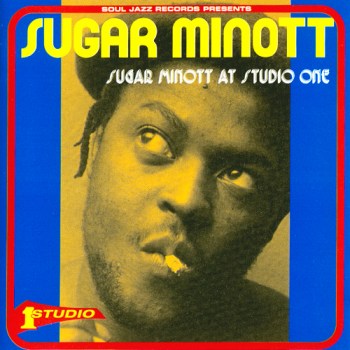
| 1974 | Signing with Coxsone Dodd at Studio One as singer and guitarist |
| 1978 | Release of Live Loving, considered the first dancehall album |
| 1979 | Departure from Studio One, creation of Black Roots label and Youth Promotion project |
| 1980 | Roots Lovers achieves success in the UK; Minott moves to England |
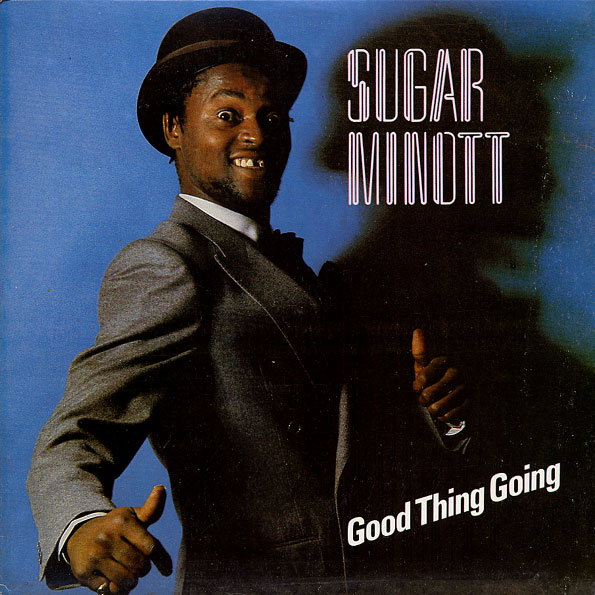
| 1981 | “Good Thing Going”, a cover of Michael Jackson, reaches #4 on the UK Singles Chart |
| 1984 | “Rub a Dub Sound Style” with Sly and Robbie, a precursor to ragga |
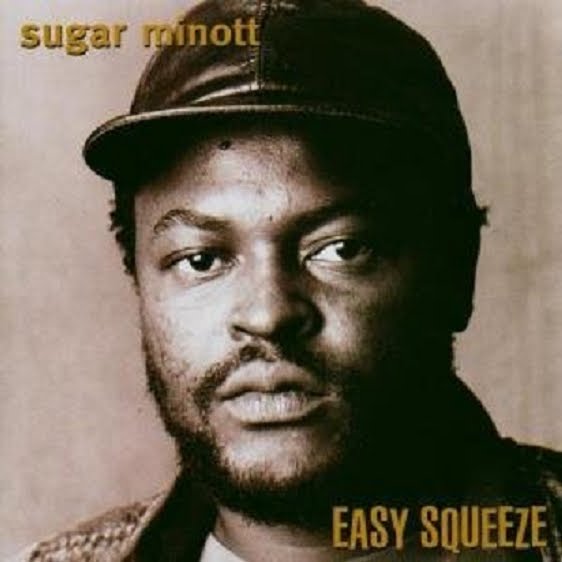
| 1994–1999 | Period of resurgence with Breaking Free, Musical Murder and Easy Squeeze |
| 2010 | Death in Kingston following a cardiac arrest |
From the Maxfield Park Ghetto to the Doors of Studio One and Beyond
Sugar Minott grew up in the tough neighborhood of Maxfield Park, in Kingston. “I started singing when I was about 12, in an amateur talent festival near where I lived in Maxfield Park,” he recalls. His first concrete musical experience occurred in 1969 with the African Brothers, a harmonized vocal trio founded with Tony Tuff and Derrick Howard. The group recorded several singles for Micron and Ital labels during the first half of the 1970s, driven by a rastafari current that deeply marked the Jamaican scene at the time.
It was during this period that Minott caught the attention of Coxsone Dodd, the mythical boss of Studio One. The producer discovered the trio during rehearsal and recognized raw talent. When the African Brothers split up, Minott stayed with Dodd—not as a fleeting singer but as a studio apprentice, guitarist and percussionist. He learned Jamaican rhythmic architecture from the inside out, knowing every riddim like a score. It was during this period that Minott forged his major innovation: he composed new songs to fit existing riddims, a practice common in live sound systems but still rare in the studio. New lyrics over old rocksteady and roots reggae tracks often became more popular than the originals.
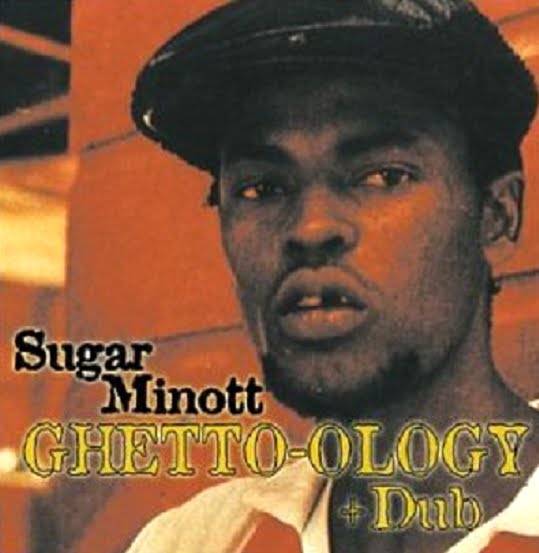
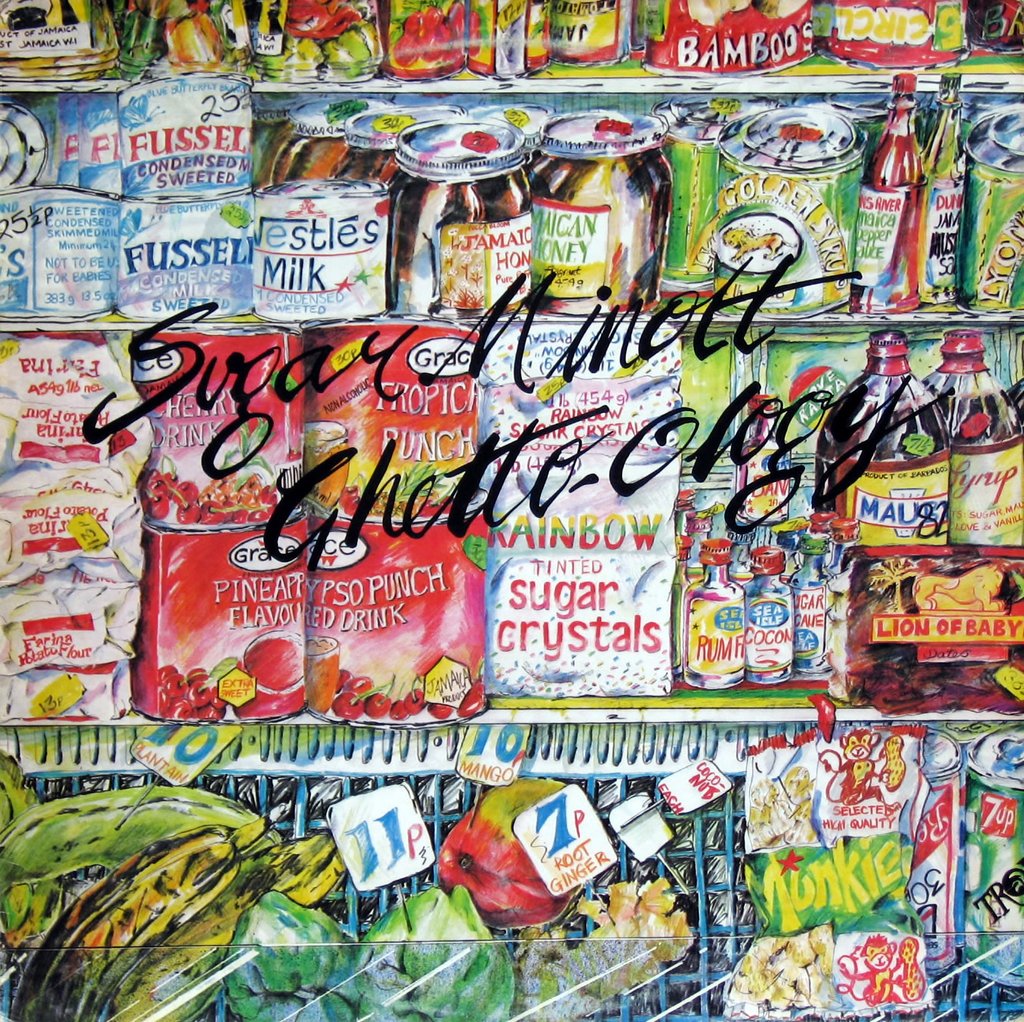
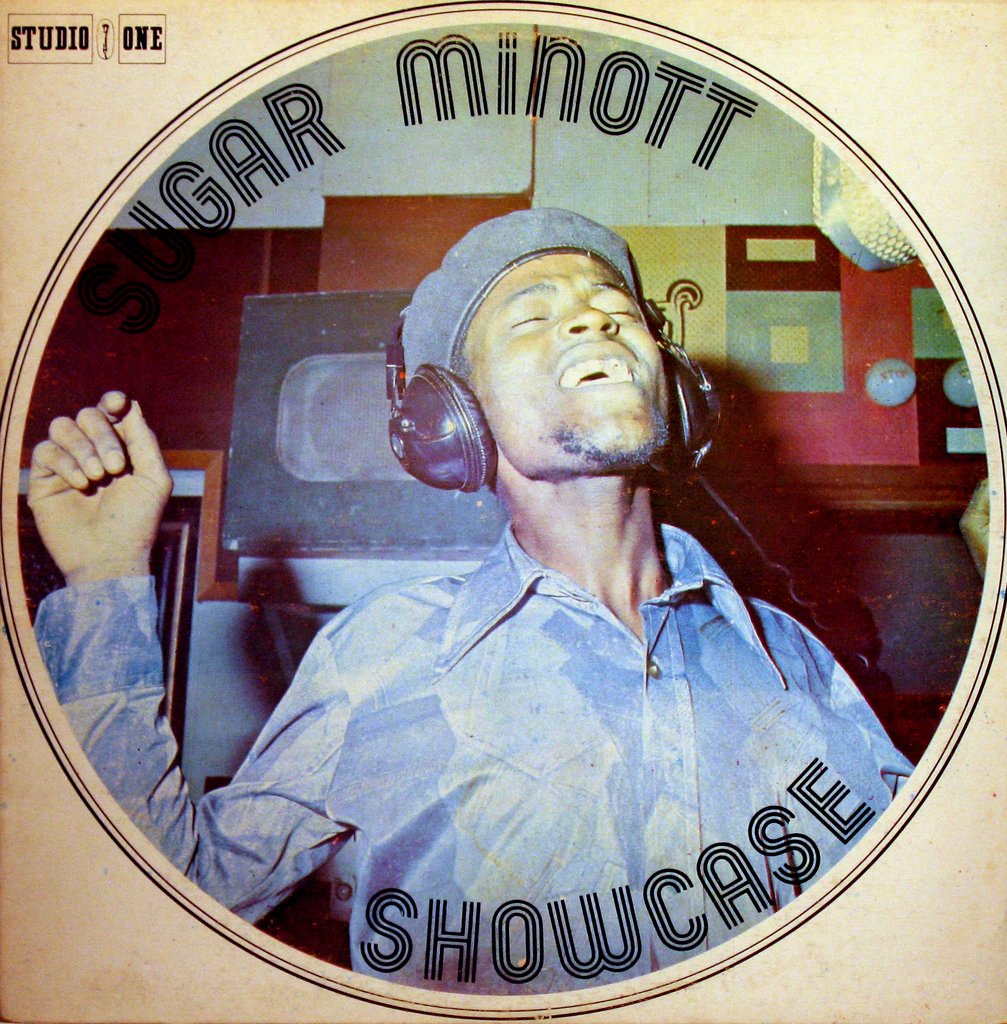
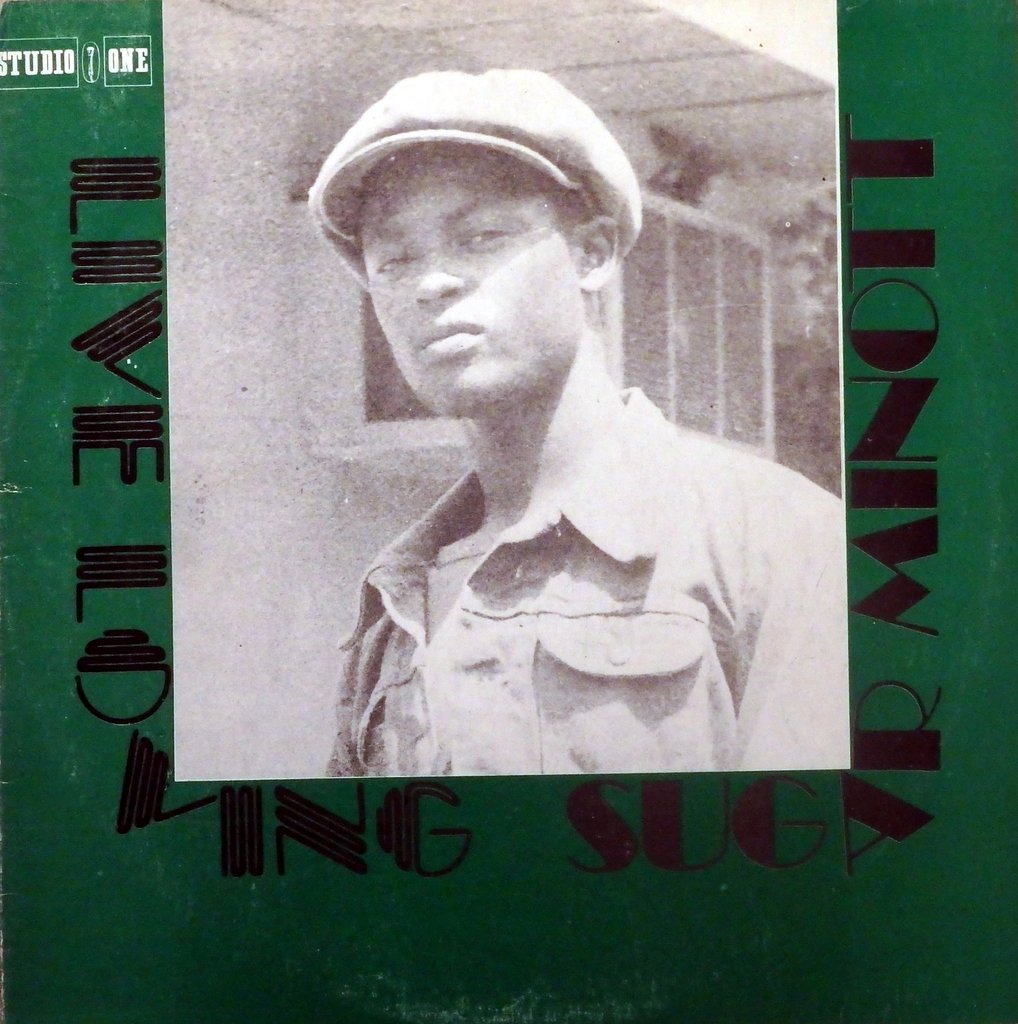
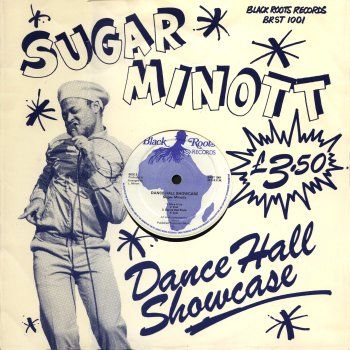
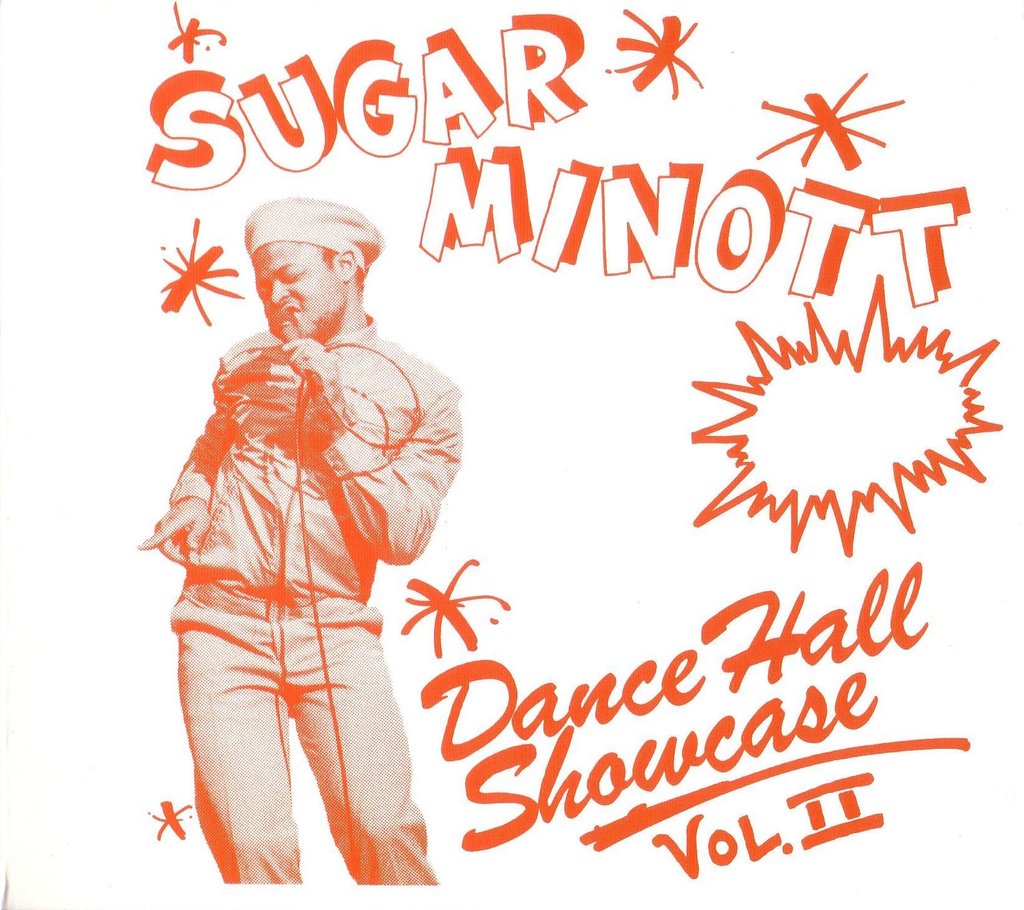
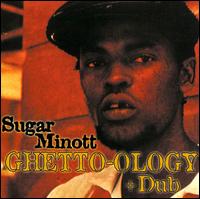
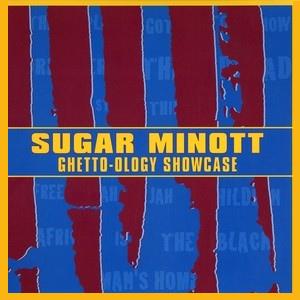
In 1978, Minott released Live Loving, his first solo album. Many reggae historians considered it upon publication the first true dancehall album. The album showcased a method Minott would popularize: recording vocal tracks over the original master tapes of Studio One rather than hiring a full band. Showcase (1979) and Ghetto-ology followed, the latter marking a return to conscious roots reggae.
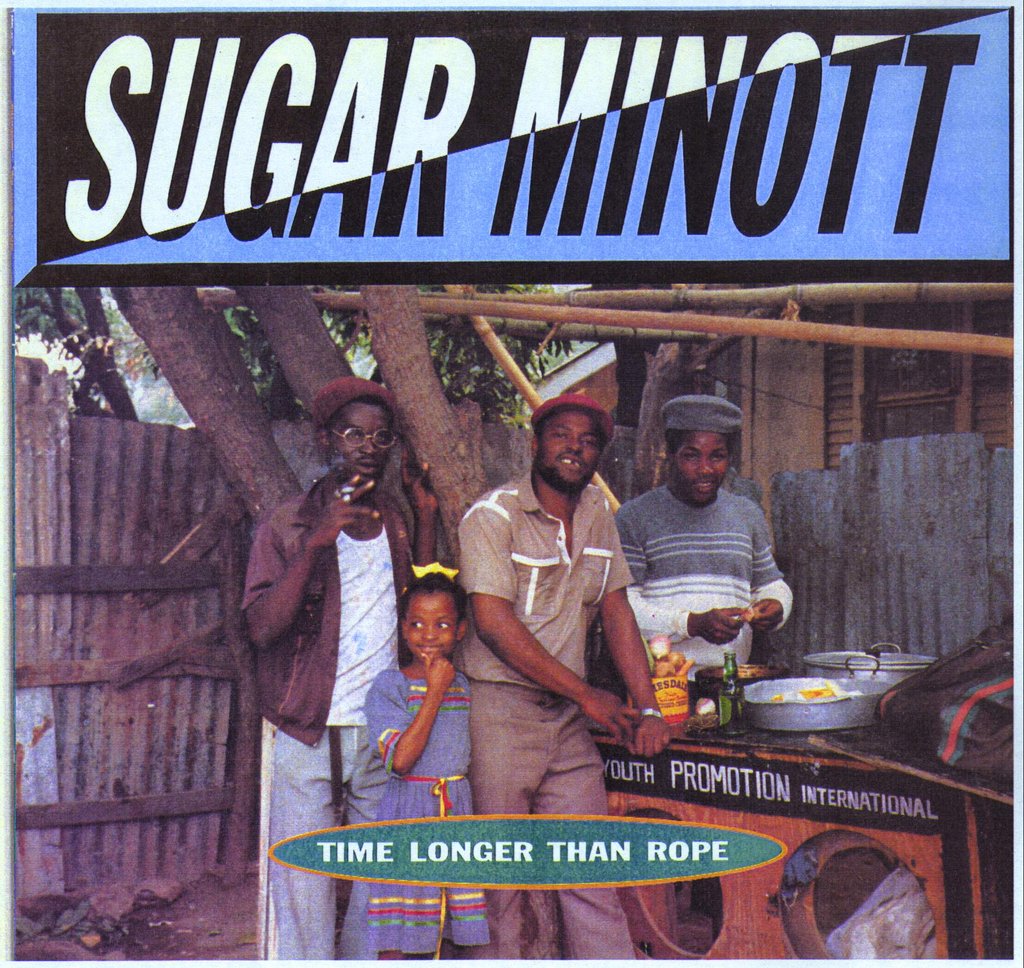
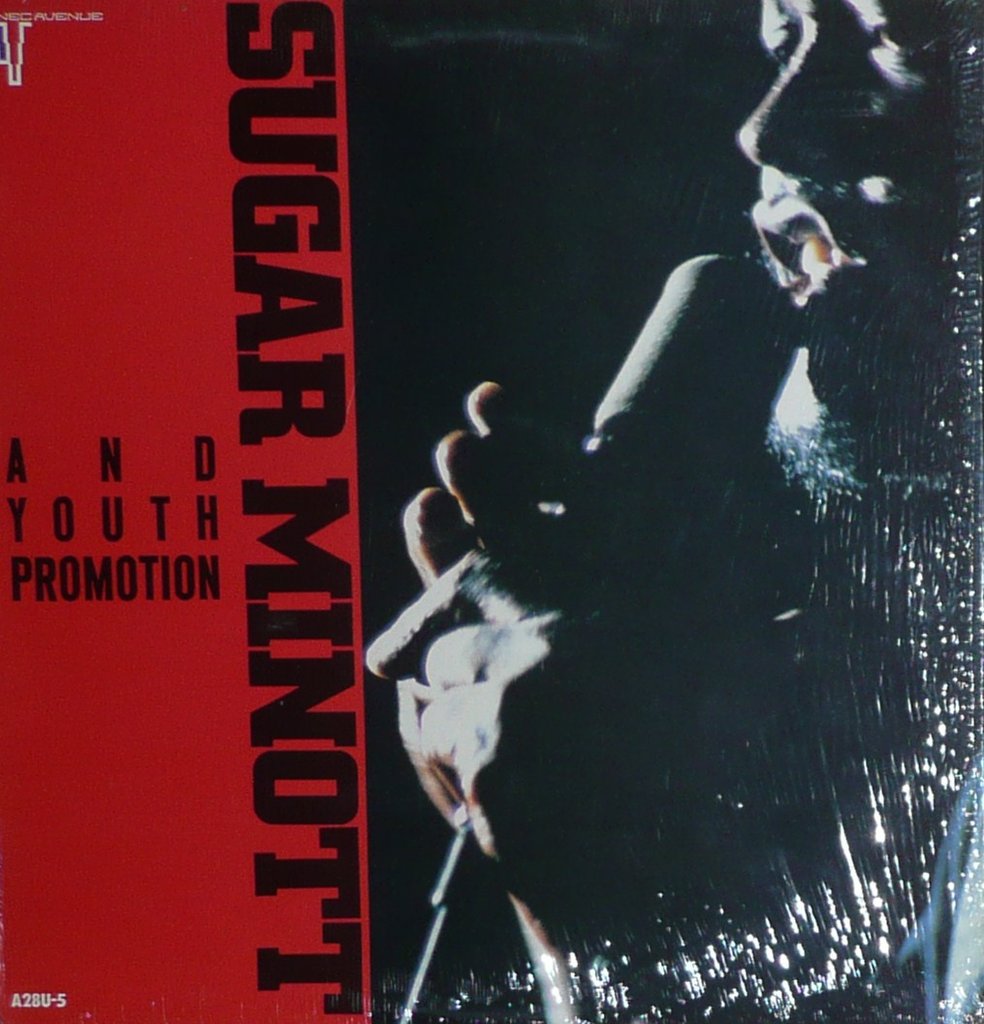
In 1979, Minott left Studio One and founded his own label, Black Roots, linked to his Youth Promotion project—an organization intended to help youth avoid the same struggles he faced. He also launched his own sound system, which performed regularly at Maxfield Park in Kingston and featured artists such as Jah Stitch, Ranking Joe and Captain Sinbad.
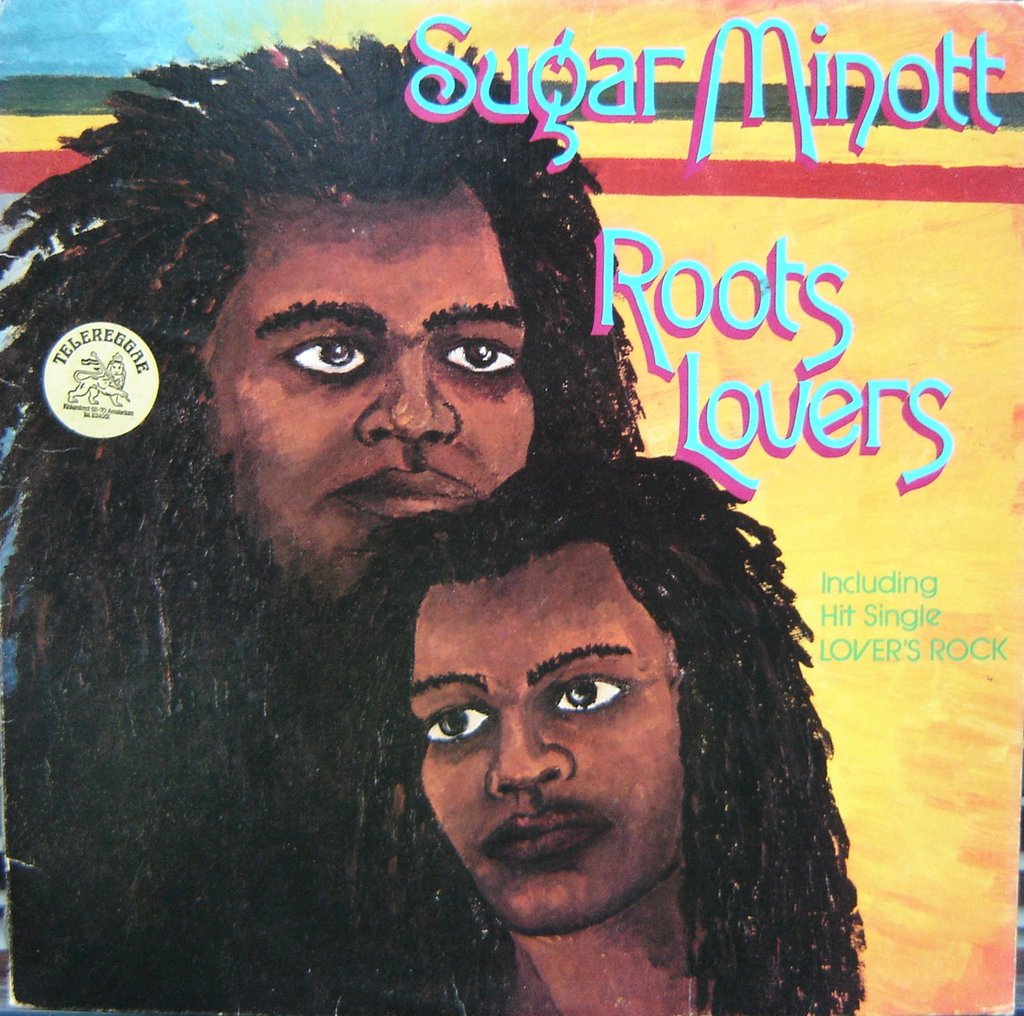
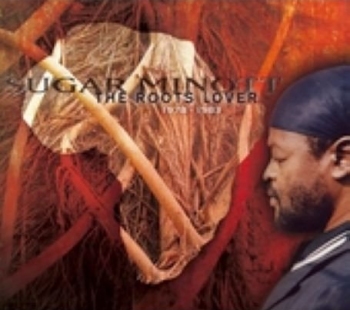
His international breakthrough came in 1980 with Roots Lovers, a lovers rock album that achieved great success in the UK. “Hard Time Pressure” became a major reggae hit and prompted Minott to settle in England. There, he contributed to the creation of authentic lovers rock in the studios of Bethnal Green. His cover of “Good Thing Going”, a remake of an original 1971 title by Michael Jackson, was distributed by RCA and reached #4 on the UK Singles Chart in March 1981.
Producer, Mentor and Balladeer
Minott returned to Jamaica to oversee Youth Promotion, which became a breeding ground for young talents. He produced and discovered Tenor Saw, Junior Reid, Yami Bolo, Little John and Garnett Silk. His Black Roots label also welcomed Barry Brown, Horace Andy and Tony Tuff.
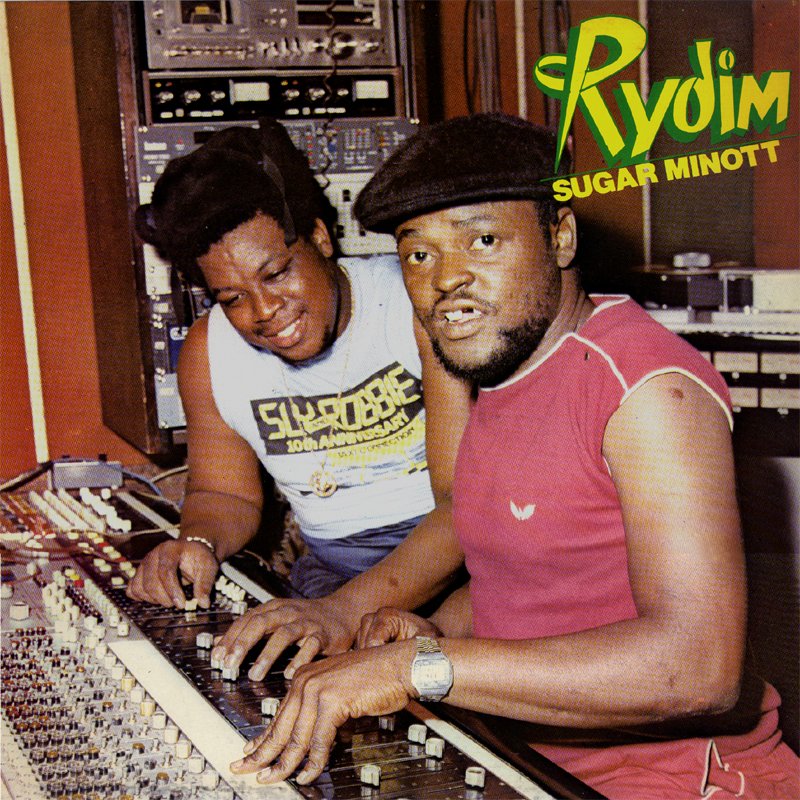
In the 1980s, he collaborated with Jamaica’s biggest producers—Mikey Dread, Sly and Robbie, Fatis Burrell, Channel One, Prince Jammy and Donovan Germain. In 1984, “Rub a Dub Sound Style” with Sly and Robbie was considered a prototype of ragga. He also worked with the American label Easy Star Records and appeared on the album Radiodread in 2006, performing “Exit Music (For a Film)”.
“I am a balladeer man – period,” Minott declared to Clash Magazine. “If I had a chance to choose what I sang, that’s all I would sing about.” But because he grew up in Kingston’s ghetto, his soft voice and enchanting melodies also carried the echo of the people’s struggles.
Minott died on 10 July 2010 in Kingston, following a cardiac arrest. He left behind an abundant discography and a legacy that continues to influence every generation of dancehall musicians.
Major Works
| Work | Year | Why It’s Essential |
|---|---|---|
| Live Loving | 1978 | First dancehall album; laid the foundations for the entire genre |
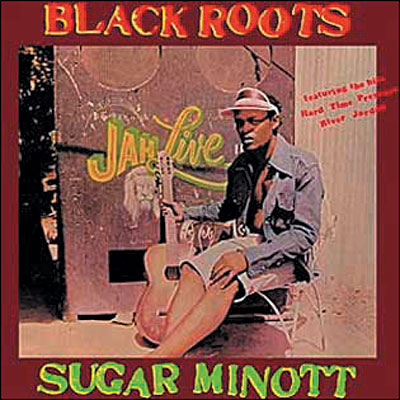
| Black Roots | 1980 | Double hit with “Hard Time Pressure” and “River Jordan”, achieving international acclaim |
| Good Thing Going | 1981 | Michael Jackson cover, reached #4 on the UK Singles Chart |
| Roots Lovers | 1980 | Bridge between lovers rock and roots reggae, a success in the United Kingdom |
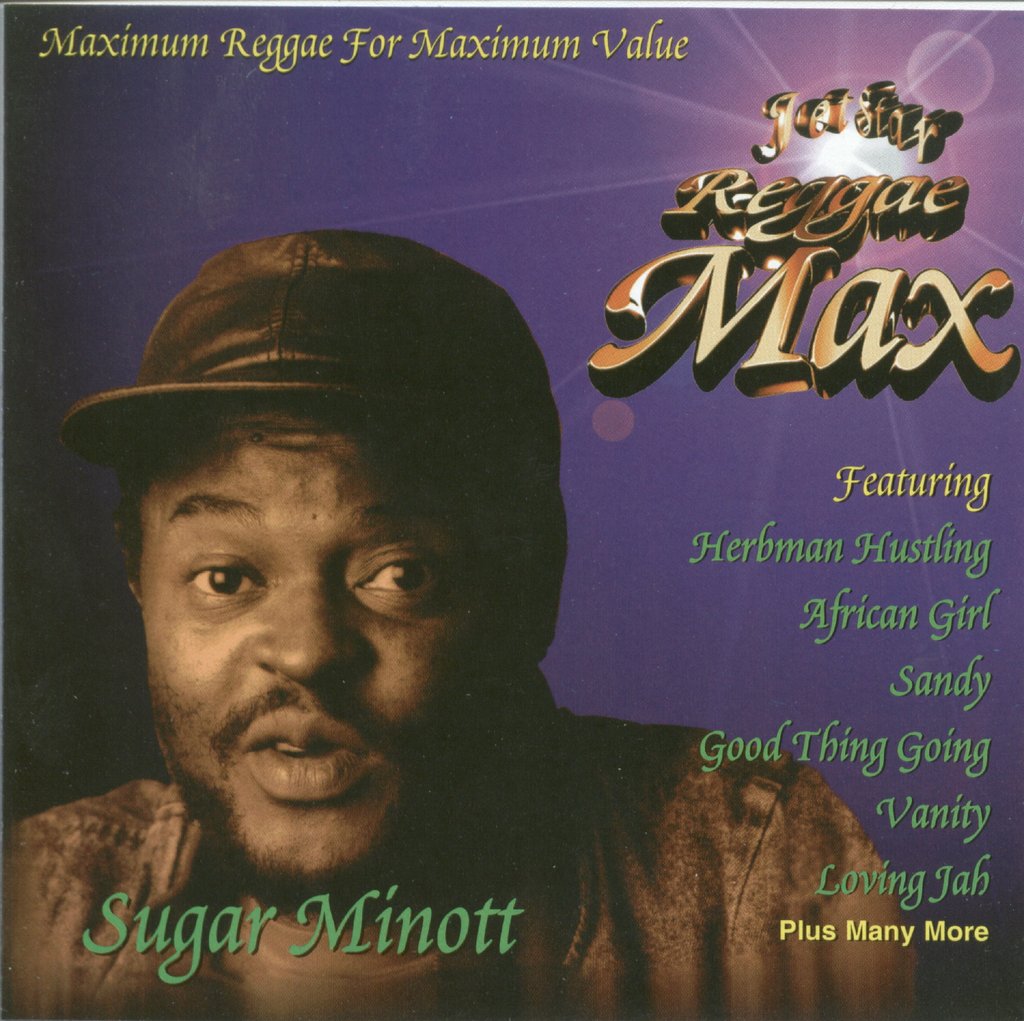
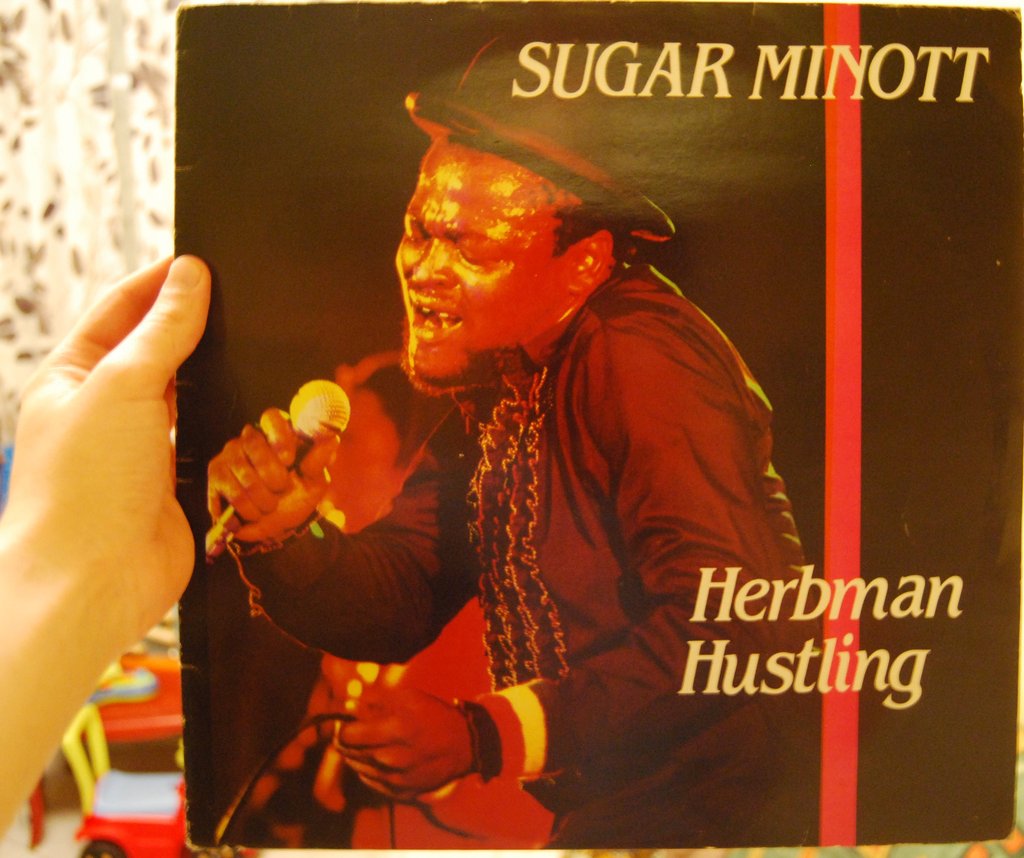
| Herbman Hustling | 1984 | Return to dancehall roots with pioneering use of the drum machine |
Legacy and Influence
Sugar Minott traversed almost every current in reggae without ever getting stuck in one: roots, dancehall, lovers rock, and ragga. His method of writing new songs over existing riddims became the standard for dancehall. His productions served as a launchpad for generations of Jamaican artists, and his imprint can be found in almost every style developed since the 1980s.
Sources and References
- “Sugar Minott”, English Wikipedia, https://en.wikipedia.org/wiki/Sugar_Minott, accessed November 21, 2026.
- “Sugar Minott”, AllMusic, https://www.allmusic.com/artist/sugar-minott-mn0000574057, accessed November 21, 2026.
- “Sugar Minott obituary”, The Guardian, July 12, 2010, https://www.theguardian.com/music/2010/jul/12/sugar-minott-obituary, accessed November 21, 2026.
- “Reggae Elder Sugar Minott Dies At 54”, NPR, July 12, 2010, https://www.npr.org/2010/07/12/128466255/reggae-elder-sugar-minott-dies-at-54, accessed November 21, 2026.
- “Sugar Minott Interview Transcript”, Clash Magazine, July 13, 2010, https://www.clashmusic.com/features/sugar-minott-interview-transcript/, accessed November 21, 2026.
- “Sugar Minott : The Godfather of Dancehall and His Enduring Legacy”, The Reggae Museum, https://thereggaemuseum.com/sugar-minott-the-godfather-of-dancehall-and-his-enduring-legacy/, accessed November 21, 2026.