Biography
Super Biton de Ségou
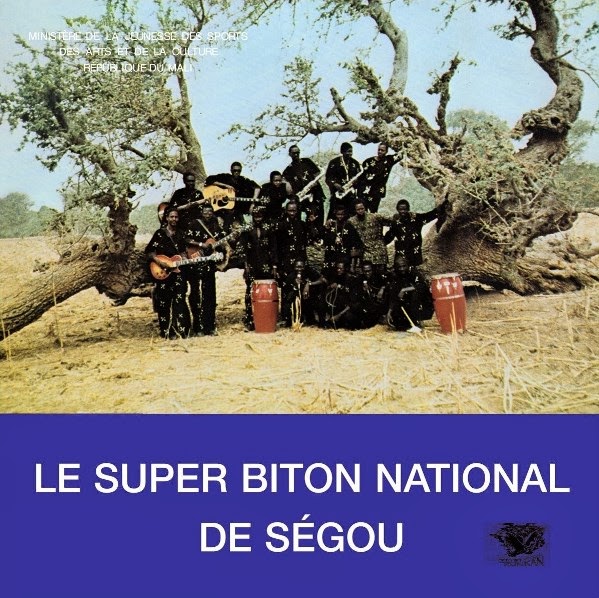
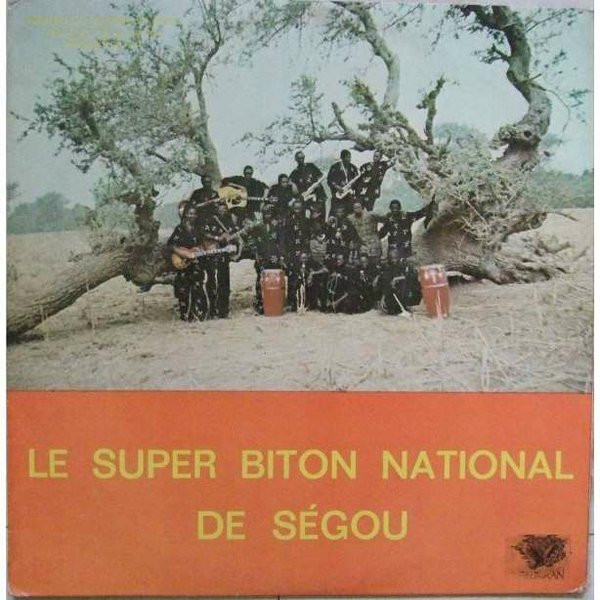
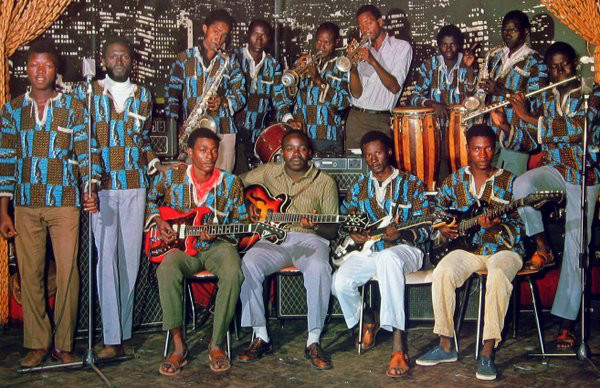
In 1976, at the Bamako Cultural Biennale, “Nyeleni” won the award for best song. Conductor Amadou Bâ raised his trumpet: the 19 musicians he gathered were about to enter History. In 1977, they recorded two albums at Radio Mali that became, forty years later, inclassifiable treasures of African jazz.
In brief
| Group name | Super Biton de Ségou (also Orchestre Régional de Ségou, then Super Biton National de Ségou) |
| Formation | Ségou, Mali, 1960s |
| Genre | African jazz / bambara jazz (Cuban percussion, brass, electric guitar) |
| Notable founding members | Amadou Bâ (trumpet, conductor), Mamadou “Percé” Doumbia (vocals), Mama Sissoko (guitar, joined 1972) |
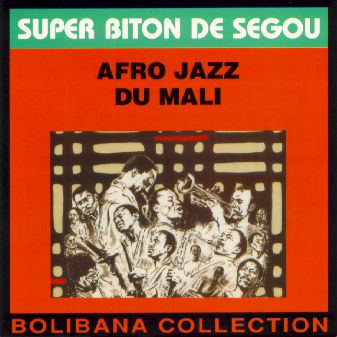
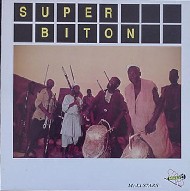
| Emblematic works | Two albums Super Biton National de Ségou (1977), Afro Jazz du Mali (1986) |
| Distinctions | Winner of the Malian National Biennales 1970, 1972, 1974, 1976; named national orchestra (decree 1976) |
Key dates
| Year | Event |
|---|---|
| 1960s | Origins in the fusion of several ensembles from Ségou: Alliance Jazz, Orchestre Régional, ERBAS |
| 1970 | Victory at the first Cultural Biennale under the name Orchestre Régional de Ségou |
| 1972 | Arrival of guitarist Mama Sissoko from Kayes — major stylistic turning point |
| 1974, 1976 | Victories at the Bamako National Biennales; decree naming the group national orchestra |
| 1977 | Recording of two albums at Radio Mali studio; more than 200 tracks recorded under the direction of Bouboucar Traoré |
| 1983-1986 | International tours: Angoulême, Paris (Palais des Glaces), France, Netherlands, Germany |
| 1987 | Departure of Amadou Bâ; gradual disbanding, some members in solo careers |
| 2001-2008 | Reformations under the direction of Mama Sissoko; participation in the Festival sur le Niger in Ségou |
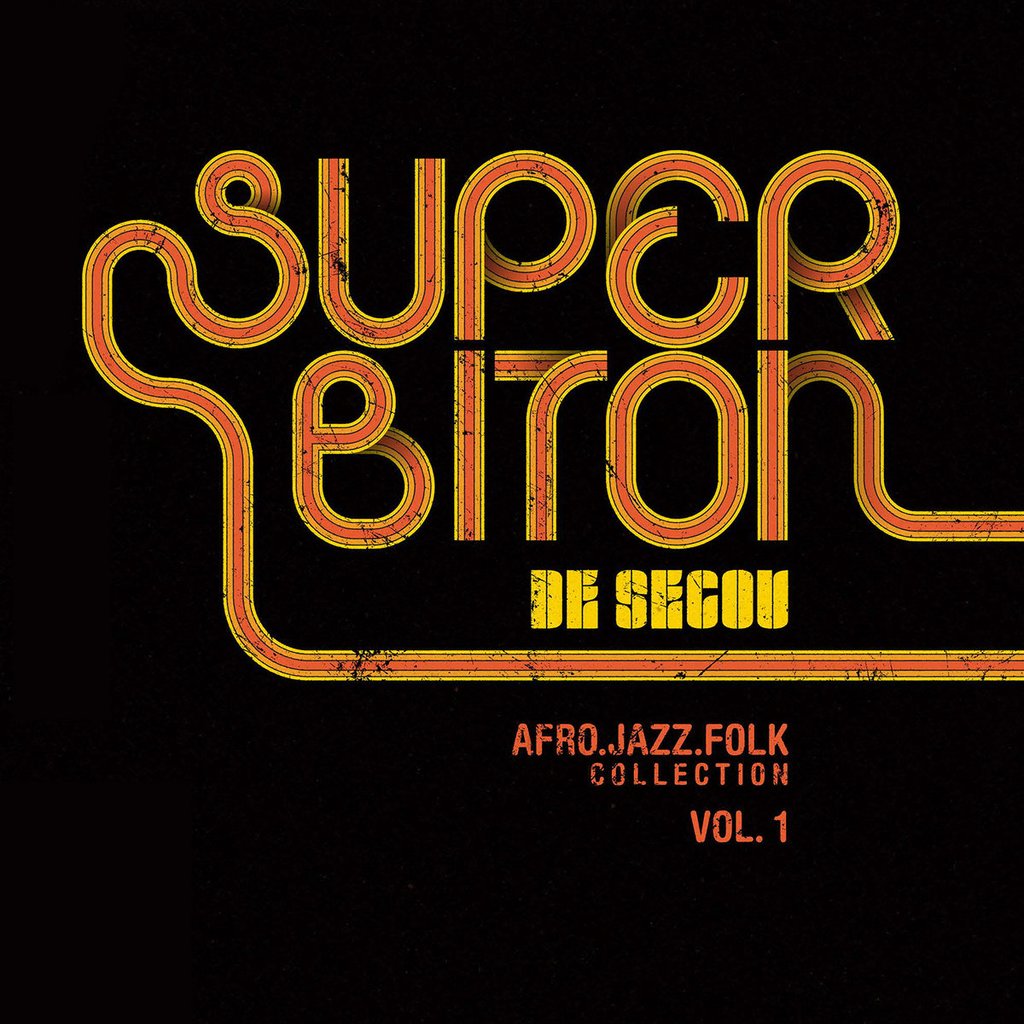
| 2021-2023 | Reissues Afro.Jazz.Folk Collection (Volumes 1 and 2) by Deviation Records / Mieruba |
Origins, peak, and renaissance
The destiny of Super Biton is rooted in the history of Ségou, a crossroads between Bambara, Peul, Mandingue, and Somono cultures. The group takes its name from Bitòn Coulibaly, head of the Bambara kingdom in the 18th century. From the 1960s, it was born from the fusion of several local ensembles within the framework of the post-independence cultural policy of President Moussa Traoré.
At the beginning of the 1970s, the group’s sound shifted with the arrival of Mama Sissoko, a guitarist from Kayes. His electric playing transformed Super Biton’s music: the traditional bambara rhythm, already carrying powerful brass and tenor saxophones, was enriched by a guitar solo that gave the group an inimitable signature. The conductor, Amadou Bâ, nicknamed “the Malian Armstrong” after meeting Louis Armstrong during the jazzman’s second African tour in 1960, orchestrated this alliance between heritage and modernity. The repertoire draws from Mandingue oral tradition, the epics of hunters, and the texts of lyricist Karamako Niang (deceased in 2010, one of the greatest Malian authors). The Cuban influence is marked: congas, bongos, and timbales punctuate the rhythms.
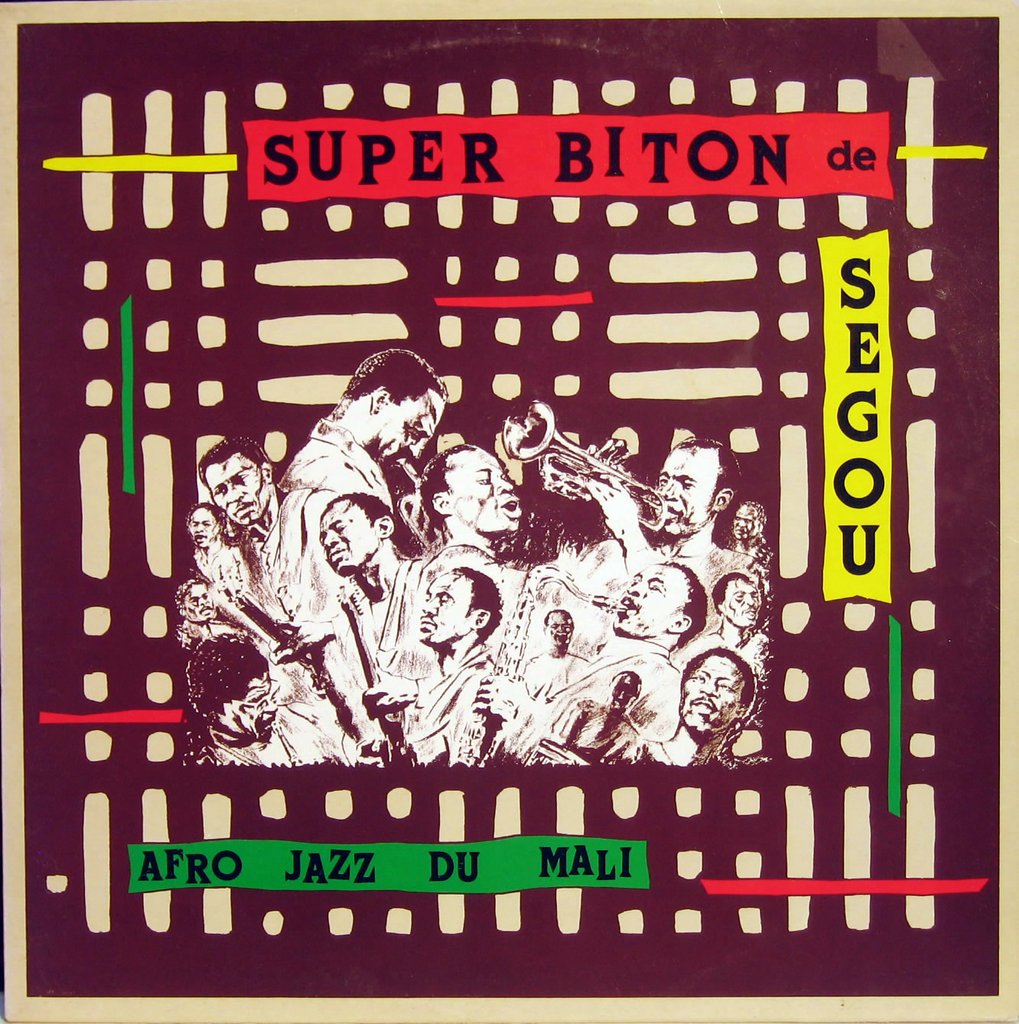
In 1976, the Biennale saw Super Biton crush the competition and win, by decree, the title of national orchestra. At its zenith, the orchestra counted 19 musicians and more than 200 tracks in its repertoire. In 1978, it performed at FESTAC in Lagos and attracted the attention of the European public. In 1983, the Jazz & Métis Festival in Angoulême welcomed it; two years later, it was at the Palais des Glaces in Paris that Super Biton took the stage, precursor to a tour in France, the Netherlands, and then Germany. It is from this period that the landmark recordings date: Afro Jazz du Mali (1986, Studio des Dames in Paris) blends modern jazz and Afro-Cuban percussion. Even earlier, the 1977 sessions at Radio Mali studio captured two albums of raw energy. Among the memorable tracks: “Nyeleni” (voted best song at the 1976 Biennale), “Saajuru” (promoting honor and fraternity) and “Taasi Doni” (a young girl demanding the right to choose her husband, a moral audacity).
The departure of Amadou Bâ in 1987 marked the beginning of the decline. The group virtually disappeared for fifteen years, then restructured in 2001 under the direction of Mama Sissoko. Since 2008, it has closed each year’s Festival sur le Niger in Ségou.
Major works
| Work | Year | Why it is essential |
|---|---|---|
| Super Biton National de Ségou (album, 2 discs) | 1977 | Raw testimony of the Radio Mali sessions; “Nyeleni” and “Saajuru” embody the group’s social speech |
| Balandzan (LP) | 1983 | Group’s first European release, distributed by Celluloid in the United States |
| Afro Jazz du Mali (LP, CD) | 1986 | Recorded at Studio des Dames in Paris; the masterpiece of the alliance between African jazz and Cuban rhythms |
| Afro.Jazz.Folk Collection Vol. 1 & 2 (reissues) | 2021-2023 | International rediscovery of the catalogue by Deviation Records / Mieruba |
Legacy and influence
The Rough Guide to World Music qualifies Super Biton as a pioneering group in the bambara rockante tradition; the Timbuktu Renaissance initiative cites it alongside the Rail Band of Bamako as one of the two orchestras that indelibly marked the Malian musical landscape. Recent reissues have allowed new generations to rediscover this model: harmonious fusion of bambara rhythms, jazz brass, and electric guitar. The group still exists, carried by Mama Sissoko and the voices that remain standing — Mamadou “Coulou” Coulibaly, the oldest member still alive.
Sources and references
- “Super Biton de Ségou”, Wikipedia in English, https://en.wikipedia.org/wiki/Super_Biton_de_S%C3%A9gou, accessed November 11, 2026.
- « Super Biton de Ségou », Wikipedia in French, https://fr.wikipedia.org/wiki/Super_Biton_de_S%C3%A9gou, accessed 11 November 2026.
- « Super Biton de Ségou », AllMusic, accessed 11 November 2026, https://allmusic.com/artist/super-biton-de-s%C3%A9gou-mn0001575771.
- Frank Bessem, « Mali: Super Biton de Segou », Musiques d’Afrique, https://musiques-afrique.net/mali/art-biton.html, accessed 11 November 2026.
- Donal Dineen, « Sunken Treasure: Super Biton de Segou – Le Super Biton National de Segou (1977) », The Irish Times, 31 July 2016, https://irishtimes.com/culture/music/donal-dineen-s-sunken-treasure-super-biton-de-segou-le-super-biton-national-de-segou-1977-1.2737618, accessed 11 November 2026.
- « Super Biton De Segou », Light in the Attic Records, https://web.archive.org/web/20221128074020/https:/lightintheattic.net/releases/794-super-biton-de-segou, accessed 11 November 2026.
- « Super Biton – Afro.Jazz.Folk Collection, Volume I », Deviation Records / Code7 Music, https://code7music.com/product/super-biton-afro-jazz-folk-collection-volume-i-vinyl, accessed 11 November 2026.
- « Super Biton de Segou », Discogs, https://www.discogs.com/release/1621061, accessed 11 November 2026.