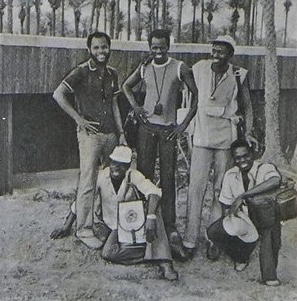
Biography
Super Mama Djombo: The Voice of Guinea-Bissau in Search of a Nation
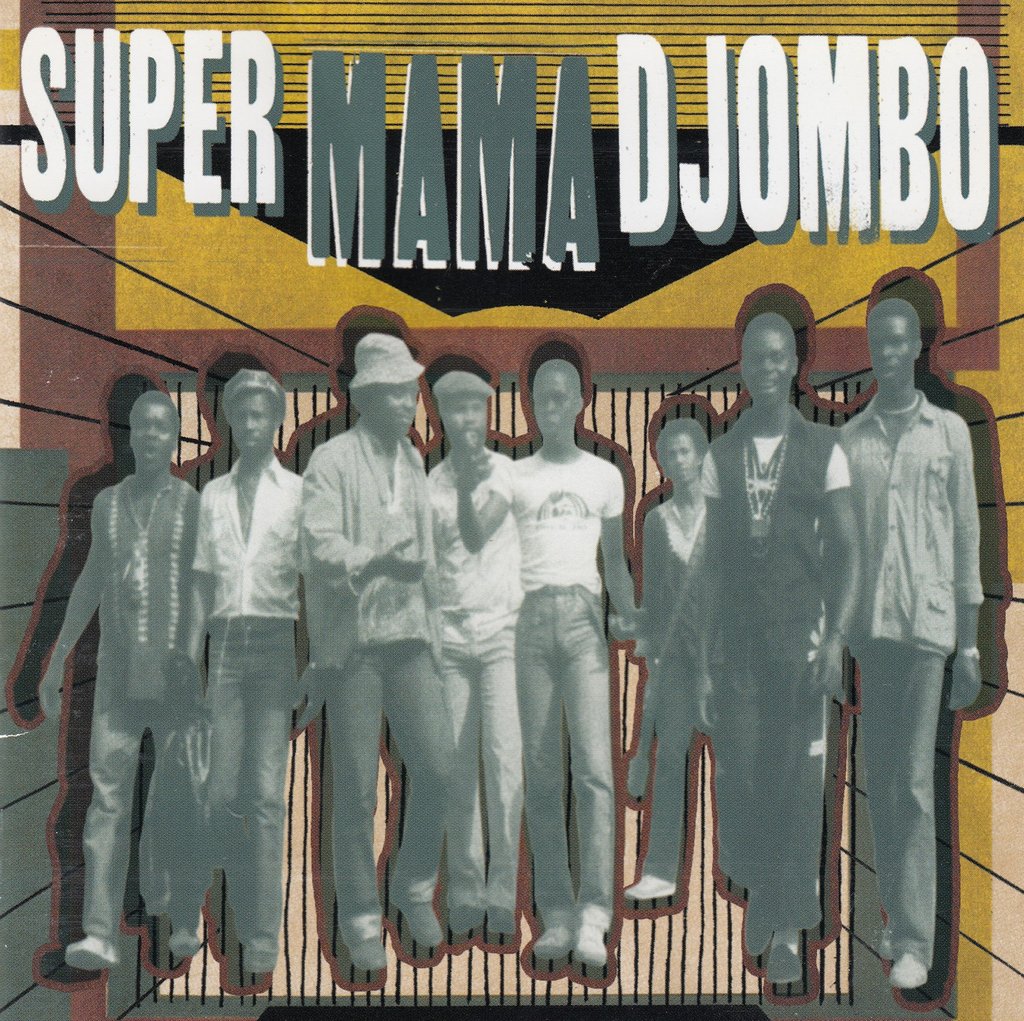
In 1980, a group from Guinea-Bissau recorded six hours of music in a Lisbon studio1. Ten years later, the coup d’état that overthrew President Luís Cabral banished them from the institutions. In 2012, drummer Zé Manel walked the streets of Bissau. At the time, the country was known only for its repeated coups d’état. Today, Super Mama Djombo remains the soundtrack of a nation that was trying to tell its own story.
In Brief
| Name | Super Mama Djombo |
| Origin | Guinea-Bissau |
| Genre | Gumbé |
| Active Period | Mid-1960s – today (multiple reformations) |
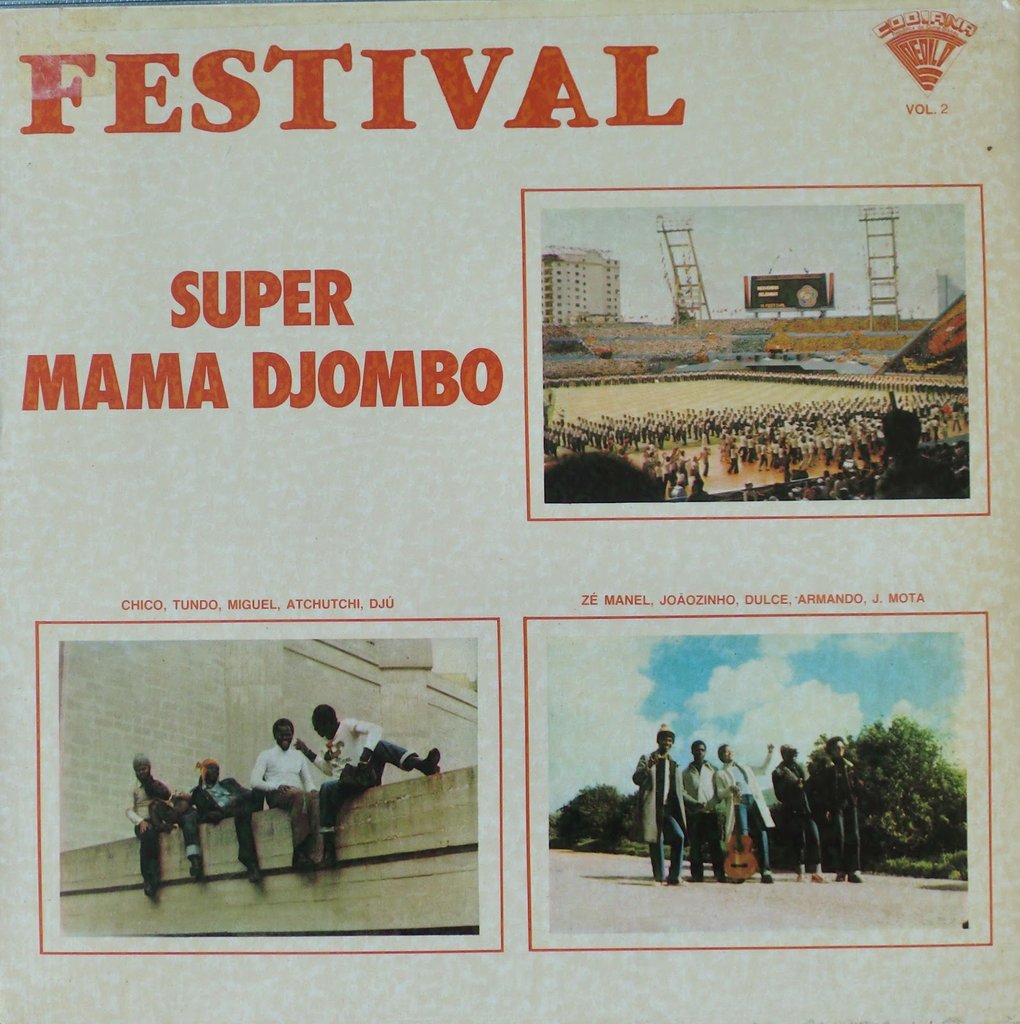
| Founding Members | Zé Manel Fortes, Herculano, Gonçalo, Luís Taborda |
| Conductor | Adriano « Atchutchi » Ferreira (from 1974) |
| Signature Songs | “Pamparida”, “Dissan Na M’Bera”, “Sol Maior Para Commandante” |
Key Dates
| Year | Event |
|---|---|
| 1972 | Group founded at a scout camp in Bolama, under the name Mama Djombo. |
| 1974 | Arrival of Adriano Atchutchi. The group takes a strong political direction. Independence of Guinea-Bissau. |
| 1975 | The group adds the prefix Super and becomes Super Mama Djombo. |
| 1978 | Trip to Havana for the eleventh youth festival. |
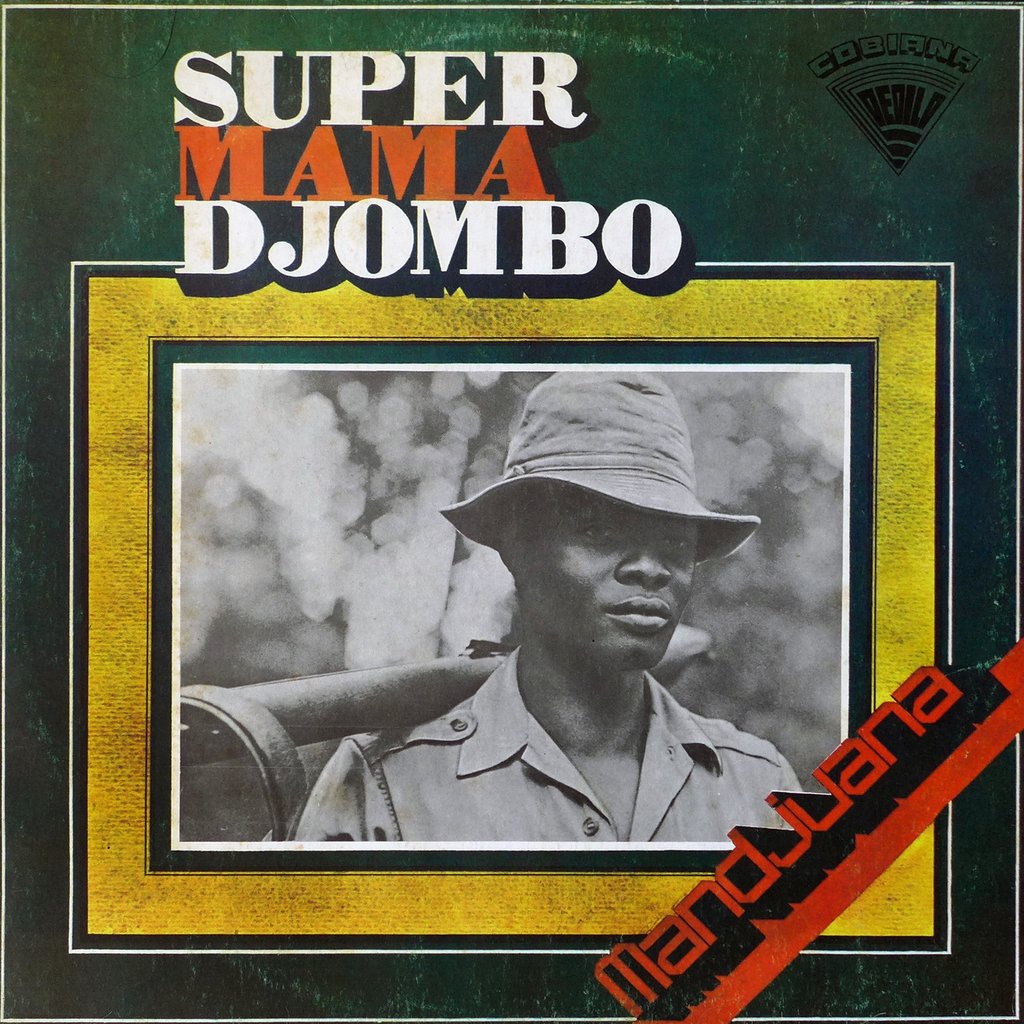
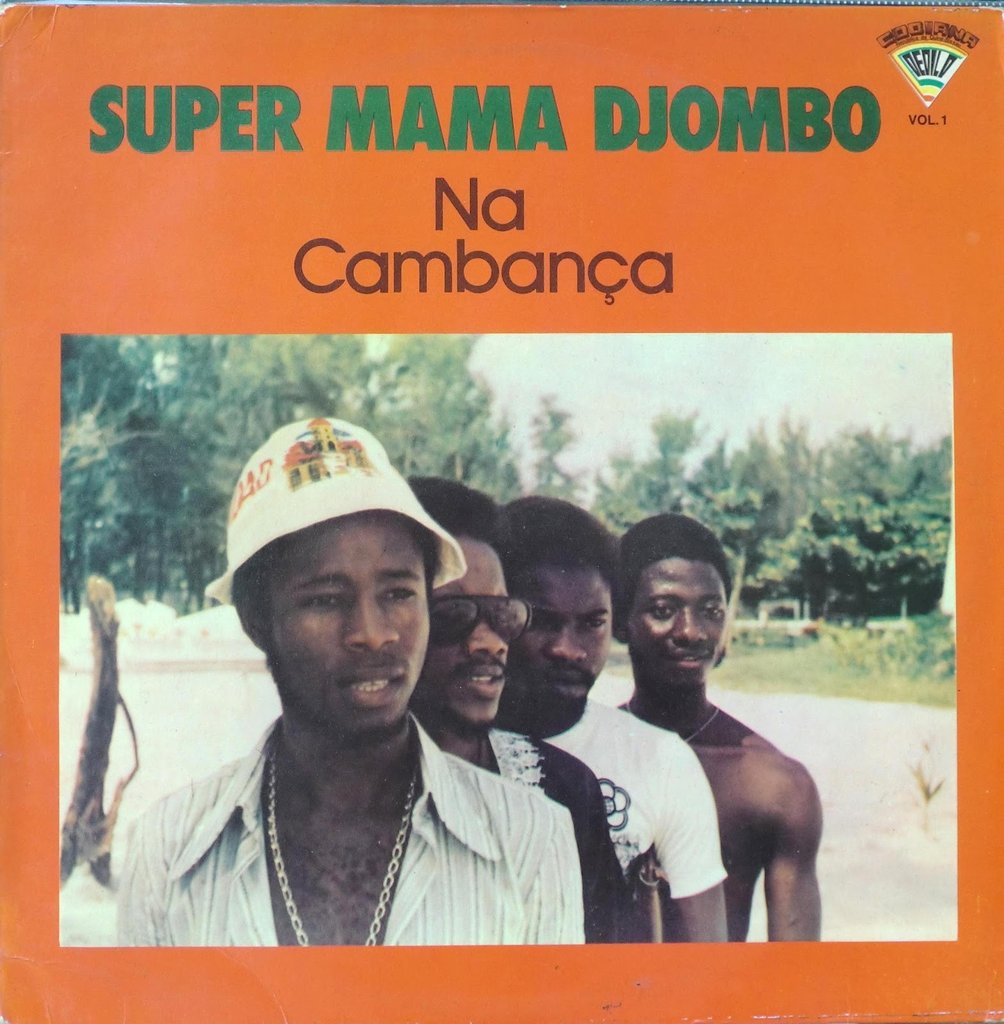
| 1980 | Only recording session in Lisbon, six hours of material. Release of Na cambança. |
| 1980 | Coup d’état by João Bernardo Vieira. The new regime stops its support for the group. |
| 1986 | Dispersal of the group after ten years of survival. |
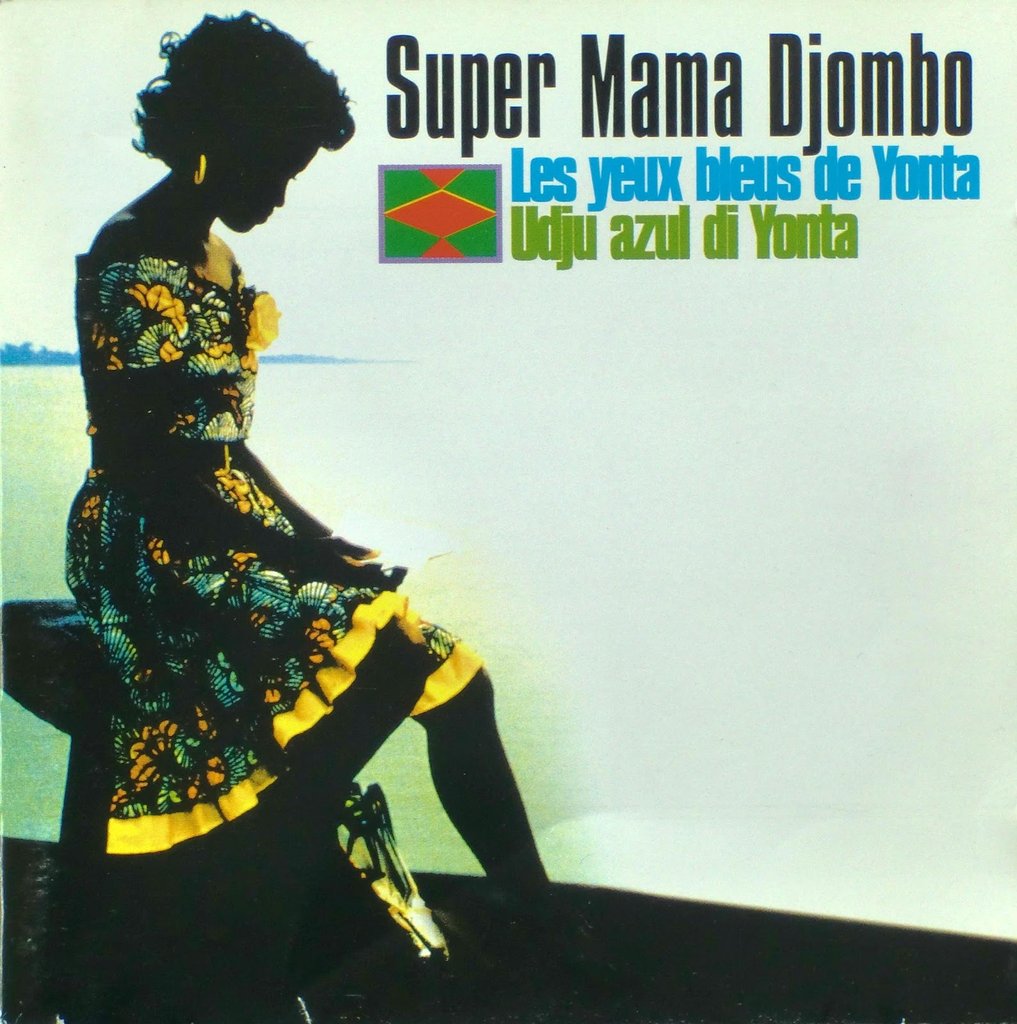
| 1992 | Composers for Flora Gomes’ film Udju Azul di Yonta. |
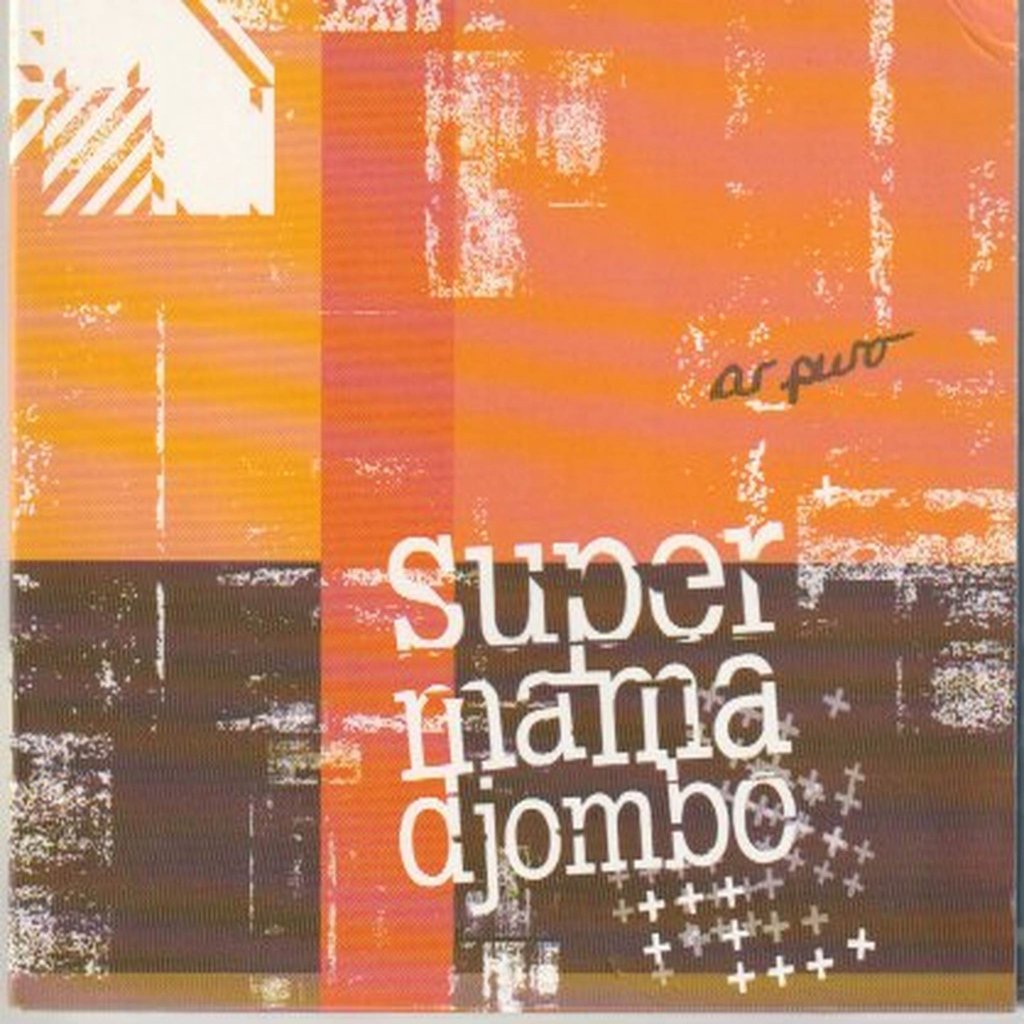
| 2008 | Recording of Ar Puro in Iceland. |
| 2012 | European tour. |
| 2022-2023 | Celebration of the 50th anniversary. |
The Roots: Children Playing with Revolution
Super Mama Djombo was born under the coconut trees of a scout camp in Bolama, Portuguese Guinea-Bissau. Between 1965 and 1972, four young friends — Zé Manel Fortes, Herculano, Gonçalo and Luís Taborda — had fun beating on improvised percussion2. The group was then called Mama Djombo, named after an irã — a Guinean animist deity — invoked by the clandestine fighters of the PAIGC, the African Party for the Independence of Guinea and Cape Verde, to protect themselves in the jungle.
The political context is crucial: since 1959, the guerrilla has been fighting against Portuguese colonialism. The young musicians grew up in this war, without yet grasping all its implications3. They were already playing at weddings and parties in Bissau, and voting to expel any member who didn’t keep the rhythm.
In 1974, the encounter that changed everything occurred: Adriano Ferreira, nicknamed Atchutchi, joined the group on the condition of directing it. A politically mobilized and confirmed musician, he reoriented the formation towards Guinean rhythms and Creole, forging a sound identity that was neither Portuguese nor ethnically divided3. The group invented a new cry: neither colonial Portuguese nor divided ethnicities, but a united identity.
The Apex: The Voice of Independence
Independence arrived in 1974. The first president, Luís Cabral, brother of the assassinated leader Amilcar Cabral — nicknamed the « African Che » — appreciated the group and integrated it into his official scene4.
The group recorded a series of revolutionary songs in Portugal in 1979, many of which remain unreleased5. In November 1980, the only complete studio session in Lisbon produced the album Na cambança.
But after the 1980 coup d’état, the climate hardened. The new power, led by João Bernardo Vieira, no longer supported a group that dared to criticize emerging corruption4.
The Resurrection: Fragments That Relight
The name Mama Djombo remains powerful. In 1992, Atchutchi and former members created the soundtrack for Flora Gomes’ film Udju Azul di Yonta (« The Blue Eyes of Yonta »)6.
In 2008, some original members recorded Ar Puro in Iceland6.
Major Works
| Work | Year | Why It Is Essential |
|---|---|---|
| “Na cambança” (album) | 1980 | Only studio session in Lisbon; tracks include “Pamparida”, hymn of the West African diaspora |
| “Sol Maior Para Commandante” | 1980 | Became the country’s unofficial anthem; played at every coup d’état |
| “Dissan Na M’Bera” | 1980 | Social satire that became a classic; critique of power |
| Udju Azul di Yonta (soundtrack) | 1992-1993 | Cinematic score for Flora Gomes |
| Ar Puro (album) | 2008 | First album of new songs in forty years, recorded in Iceland |
Legacy
Super Mama Djombo participated in forging the musical consciousness of a country4.
Today, the name Mama Djombo remains living heritage. Bissau-Guinean young musicians learn alongside them, and each reformulation of the group carries the scars and hopes of a nation always in search of itself1.
Sources and references
-
Wikipedia EN, Super Mama Djombo, https://en.wikipedia.org/wiki/Super_Mama_Djombo, accessed 31 October 2026 ↩︎ ↩︎
-
AllMusic, Super Mama Djombo: Super Mama…, https://www.allmusic.com/album/super-mama-djombo-mw0000021645, accessed 31 October 2025 ↩︎
-
Blue Tree Audio, Super Mama Djombo and the Sound of a New Nation, https://music.bluetreeaudio.com/countries/guinea_bissau/super-mama-djombo, accessed 31 October 2026 ↩︎ ↩︎
-
France 24, Video: Super Mama Djombo, Guinea-Bissau’s soundtrack, 03/08/2018, https://www.france24.com/en/20180723-video-reporters-super-mama-djombo-guinea-bissau-music-politics, accessed 31 October 2026 ↩︎ ↩︎ ↩︎
-
VOA News, Legendary Guinea-Bissau Band Begins European Tour, https://www.voanews.com/a/legendary-guinea-bissau-band-begins-european-tour/940475.html, accessed 31 October 2026 ↩︎
-
RFI, Banda guineense Super Mama Djombo completa 50 anos de carreira, 24/12/2022, https://www.rfi.fr/pt/programas/convidado/20221224-banda-guineense-super-mama-djombo-completa-50-anos-de-carreira, accessed 31 October 2026 ↩︎ ↩︎