Biography
T-Vice: The Electric Heritage of Haitian Kompa
The Carnival 2000 in Port-au-Prince. On a forty-foot float filled with three hundred fans in yellow t-shirts, Roberto Martino climbs onto the sound system baffles to excite the crowd. A cable trails behind. He drives straight into it, falls back on his back, and immediately gets up without missing a single note. The public applauds. “I was so caught up in the moment” (translated from English), he will joke later, “I didn’t feel anything.” This scene is T-Vice in miniature: raw energy front and center, resilience tested to the limit, and Haitian kompa crossing the oceans.
In Brief
| Group Name | T-Vice |
| Origin | Port-au-Prince, Haiti |
| Genre | Kompa (compas) — Haitian music with a fixed rhythm, resulting from the fusion of Dominican merengue and local roots |
| Formation | 1992 |
| Founding Members | Roberto Martino, Reynaldo Martino |
| Current Base | Miami, Florida |
| Emblematic Works | Kompa Kontak, Kité’m Viv |
| Managers | Jessie Al-Khal (mother of the founders) |
Key Dates
| Year | Event |
|---|---|
| 1975 | Birth of Roberto Martino, in Haiti |
| 1978 | Birth of Reynaldo Martino, in Haiti |
| 1992 | Formation of the group T-Vice by the two brothers, aged 16 and 13 |
| 1994 | Release of the first album, Kompa Kontak |
| 1995 | Second album, Pran Plezi Ou (In The House) |
| 1997-2000 | Consecutive victories at the Port-au-Prince Carnival; receipt of the prestigious Mayor’s Prize |
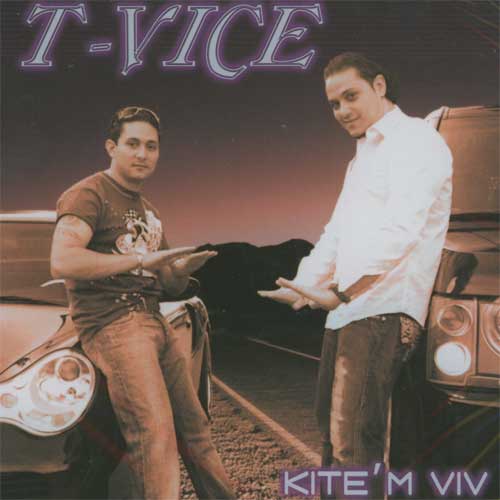
| 2006 | Release of Kité’m Viv, extensive international tours |
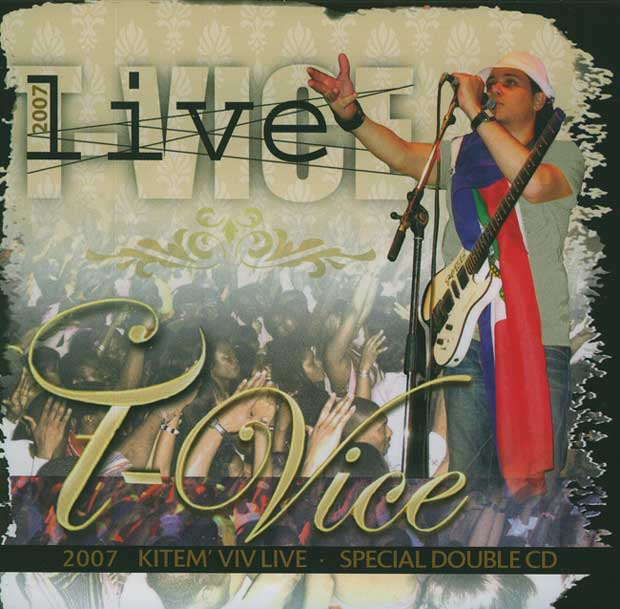
| 2007 | Live DVD T-Vice vs Carimi à Montréal |
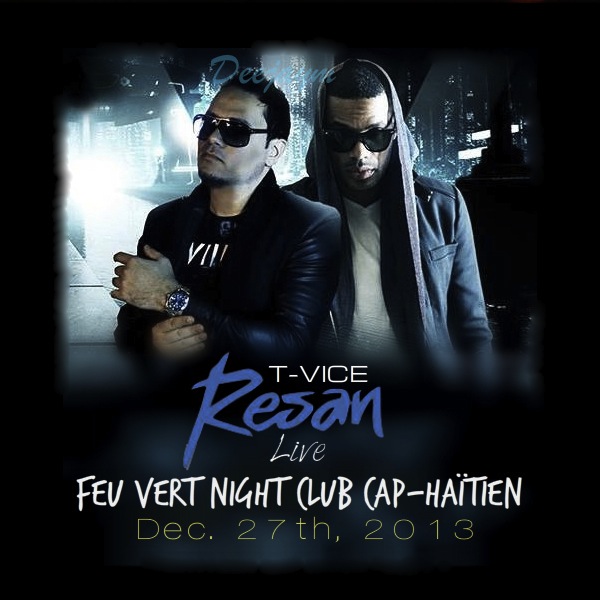
| 2013 | Release of Resan |
| 2021 | Release of Majestic, over 27 albums to date |
| 2023 | Di’ m Sa’ w We and live albums, regular tours |
From Lineage to Modern Kompa
Robert Martino, a genius guitarist, is one of the founding fathers of modern kompa. He plays in Scorpio, then forms Top Vice in 1982, after leaving Port-au-Prince for Miami. His two sons, Roberto (16) and Reynaldo (13), visit him every summer, sometimes joining him to play the small guitar or keyboard during his concerts.
In 1992, in the affluent neighborhood of Pétion-Ville, the two brothers decide to form their own group. A group of long-time friends, James Cardozo and Gérald Kébreau, joins them. The father’s fans, seeing them on stage, baptize the young group T-Vice, a Creole diminutive of Ti Vice, meaning “little Vice.” Like an assumed but independent lineage.
Roberto takes the guitar and vocals. Reynaldo, his younger brother by three years, settles on the keyboards, as composer and arranger. The group draws its influences well beyond kompa: rock, R&B, funk, reggae, electronic music, merengue, and even flamenco.
The Kompa That Roars
After a first album released in 1994 on an independent label (Kompa Kontak), the group takes four years to gain national recognition. But in 1997, recognition arrives, with consecutive victories at the Port-au-Prince Carnival, culminating with the Mayor’s Prize in 2000 for “Kompa Kontak”.
At that time, Roberto is part of that generation of Haitian musicians roaming the Diaspora Route: Miami, New York, Boston, Montreal, Paris. Kompa is no longer danced only in Haiti; it spreads with immigrant communities who, every summer, repatriate thousands of dollars and bring back music in return.
The group, then based in Miami, builds a reputation for a fiery show. “When we play,” asserts Roberto (translated from English), “we put a lot of fire in the place.” The T in T-Vice officially becomes Thunder, meaning thunder, by the end of the 1990s.
Resilience and Perpetuity
The 2000s see T-Vice stringing together albums and tours. Kité’m Viv (2006) confirms the group’s international status. The duo of brothers continues to evolve, integrating electronic elements and Afro-diasporic rhythms.
T-Vice has collaborated with major figures of the Caribbean scene: Wyclef Jean, Buju Banton (on “Party By The Sea”), Michel Martelly dit Sweet Micky, Mikaben, Carimi, and even the rival group Djakout Mizik. More than thirty years after its creation, the group continues to play regularly, in Haiti as well as in the diaspora.
Major Works
| Work | Year | Why It Is Essential |
|---|---|---|
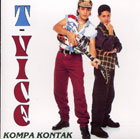
| Kompa Kontak | 1994 | First album: the title track wins the Mayor’s Prize at Carnival 2000, imposing the style |
| Pran Plezi Ou (In The House) | 1996 | Second album, sign of the group’s official recognition |
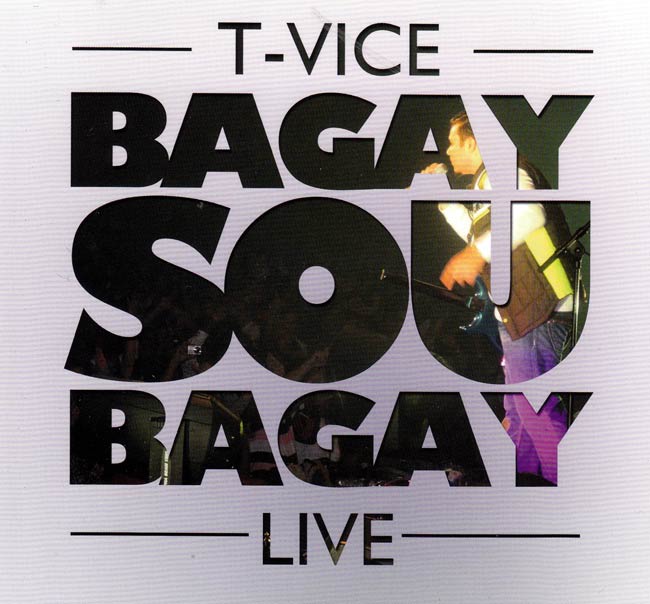
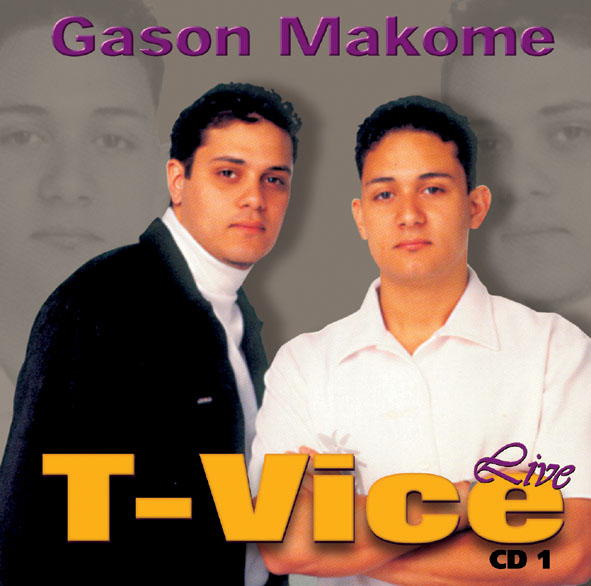
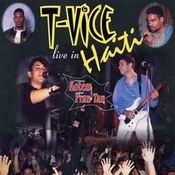
| Live - Epi That’s it | 1998 | First live album, immortalizes the group’s stage energy at its peak |
| Kité’m Viv | 2006 | Pivotal album that consecrates T-Vice as an international group |
| The Real Deal | 2001 | More rock and funk experience, shows the versatility of the Martino brothers |
| Majestic | 2021 | Last significant studio album, over 30 years of career combined |
Heritage and Influence
T-Vice played a decisive role in the modernization of Haitian kompa. By integrating rock, funk, and electronics into a genre traditionally based on guitar and bass, they paved the way for a new generation of Haitian artists who no longer hesitate to fuse sounds. Their international success also proved that kompa could rival Antillean zouk on the Caribbean stage.
Today, their heritage is perpetuated through artists like Carimi, Djakout Mizik, and the entire Miami kompa generation. T-Vice remains, on stage as in the studio, one of the great institutions of modern Haitian kompa.
Sources and References
- “Got Milk?”, Miami New Times, https://www.miaminewtimes.com/music/got-milk-6356481/, accessed November 3, 2026.
- “T-Vice”, Wikipedia, https://en.wikipedia.org/wiki/T-Vice, accessed November 3, 2026.
- « T-Vice: The story of the group that modernized Haitian kompa », NAOSIBES, https://www.naosibes.com/p/t-vice-lhistoire-du-groupe-qui-a, accessed 03 November 2026.
- « T-Vice Discography », Discogs, https://www.discogs.com/artist/331212-T-Vice, accessed 03 November 2026.
- « T-Vice », Africultures, https://africultures.com/groupes/?no=2106, accessed 03 November 2026.
- « Konpa, Zouk and the Politics of World Music », Cambridge University Press / HAL, https://hal.science/hal-04698317, accessed 03 November 2026.
- « T-Vice Artist Profile », AAE Music, https://www.aaemusic.com/artist/t-vice/, accessed 03 November 2026.