Biography
Takana Zion
On October 2, 2022, sixty thousand people crammed into the Général Lansana Conté Stadium in Conakry cheered Takana Zion1. Born in 1986 in Conakry under the name Mohamed Mouctar Soumah, this artist who began with Guinean rap before shifting to roots reggae built a career that is both pure and multifaceted in fifteen years. His stage name, “destroy the city,” does not prevent him from building—stages, festivals, a cultural complex. The forty-year-old does not settle; he explores.
In brief
| Full name | Mohamed Mouctar Soumah |
| Birth | June 30, 1986, Conakry, Guinea |
| Genre | Roots reggae, afrobeats, dancehall, soul |
| Languages | English, French, Soussou, Pulaar, Malinke |
| Notable works | Zion Prophet, Human Supremacy, Banjo Kafaan |
| Awards | Best African Reggae Artist (AFRIMA 2016), Victoire du reggae (2021), Victoire de la musique guinéenne (2022) |
Key dates
| Year | Event |
|---|---|
| 1986 | Birth in Conakry, Guinea |
| Early 2000s | Move to Mali; meeting with Tiken Jah Fakoly and producer Manjul |
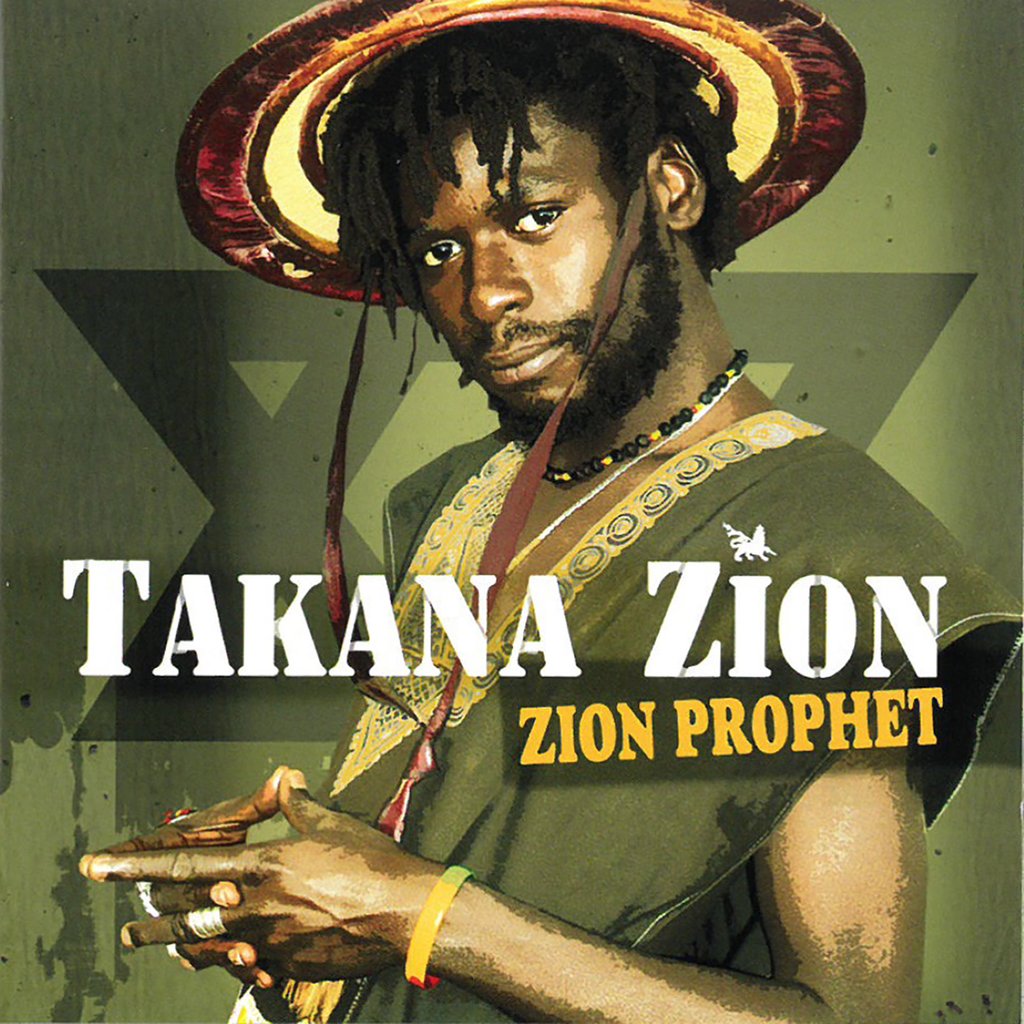
| 2007 | Release of Zion Prophet (Makasound), produced by Manjul in Bamako |
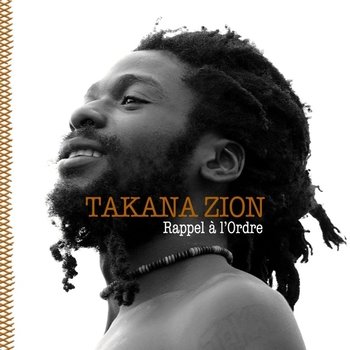
| 2009 | Release of Rappel à l’Ordre |
| 2011 | Recording of Rasta Government at Harry J Studio (Jamaica); featuring Capleton |
| 2016 | Best African Reggae Artist Award at All Africa Music Awards (AFRIMA) |
| 2021 | Human Supremacy; Victoires du reggae and Victoire de la musique guinéenne |
| 2022 | Concert for 60,000 people in Conakry; hit “Again” |
| 2023 | Banjo Kafaan; inauguration of Zion City in Coyah |
| 2025 | Concert at L’Olympia, Paris |
From Mali to Jamaica
Mohamed Mouctar Soumah grew up in Conakry listening to Bembeya Jazz National and Keletigui Diabaté, the giants of Guinean music2. But it is Jamaican reggae that captivates his heart: Bob Marley, Joseph Hill of Culture, Sizzla and Buju Banton.
At twenty, he went to Mali, a land of West African musical migration. There, Tiken Jah Fakoly, an Ivorian singer-activist, and Manjul, a rasta producer based in Bamako since 2001, spotted his potential. Together, they recorded Zion Prophet between December 2006 and January 2007, an album with a dub and roots sound2.
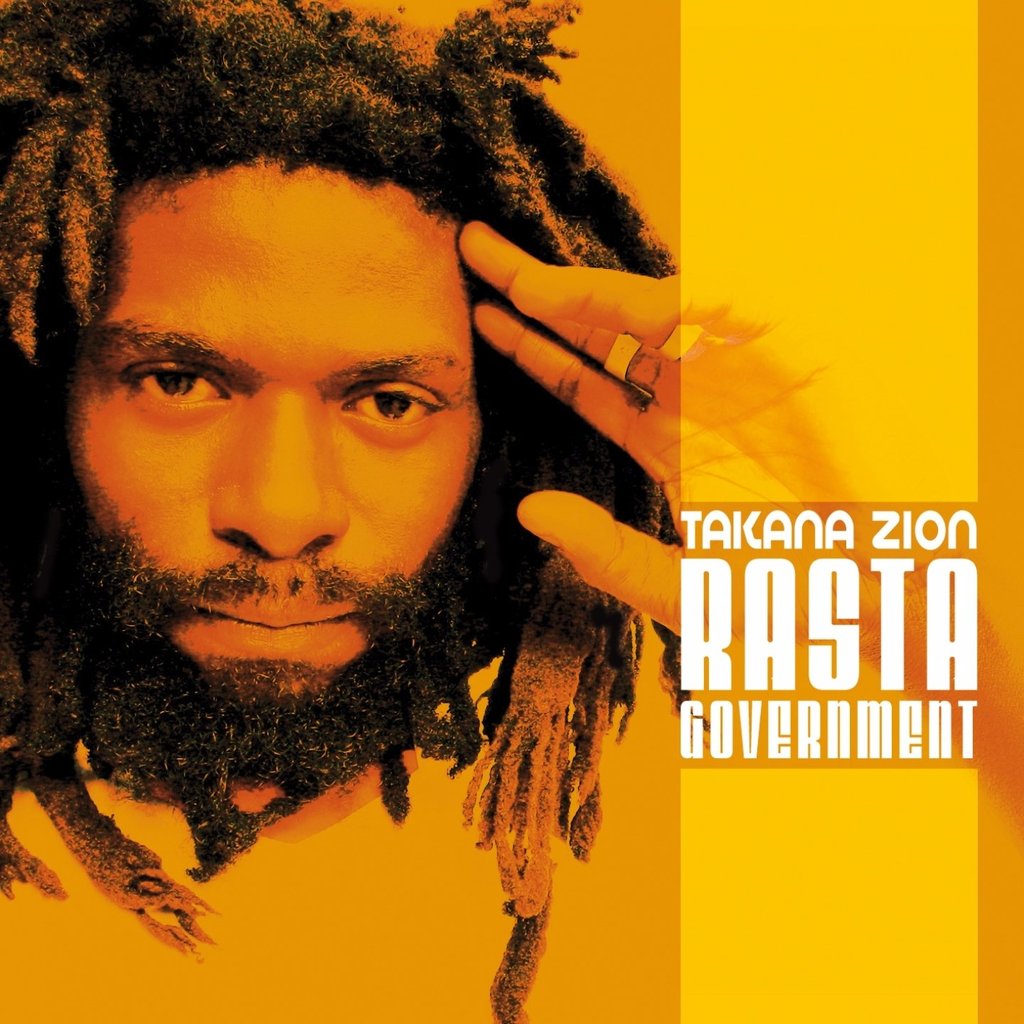
After Rappel à l’Ordre (2009), Takana Zion realized a dream: recording at Harry J Studio, that mythical place where Bob Marley and Burning Spear laid down the foundational tracks. He invited Samuel Clayton, a member of Mystic Revelation of Rastafari, to shape the sound of Rasta Government (2011). “I felt a lot of pressure before going to record in Jamaica. I had never been there, but I always felt spiritually close”3.
Two faces, one message
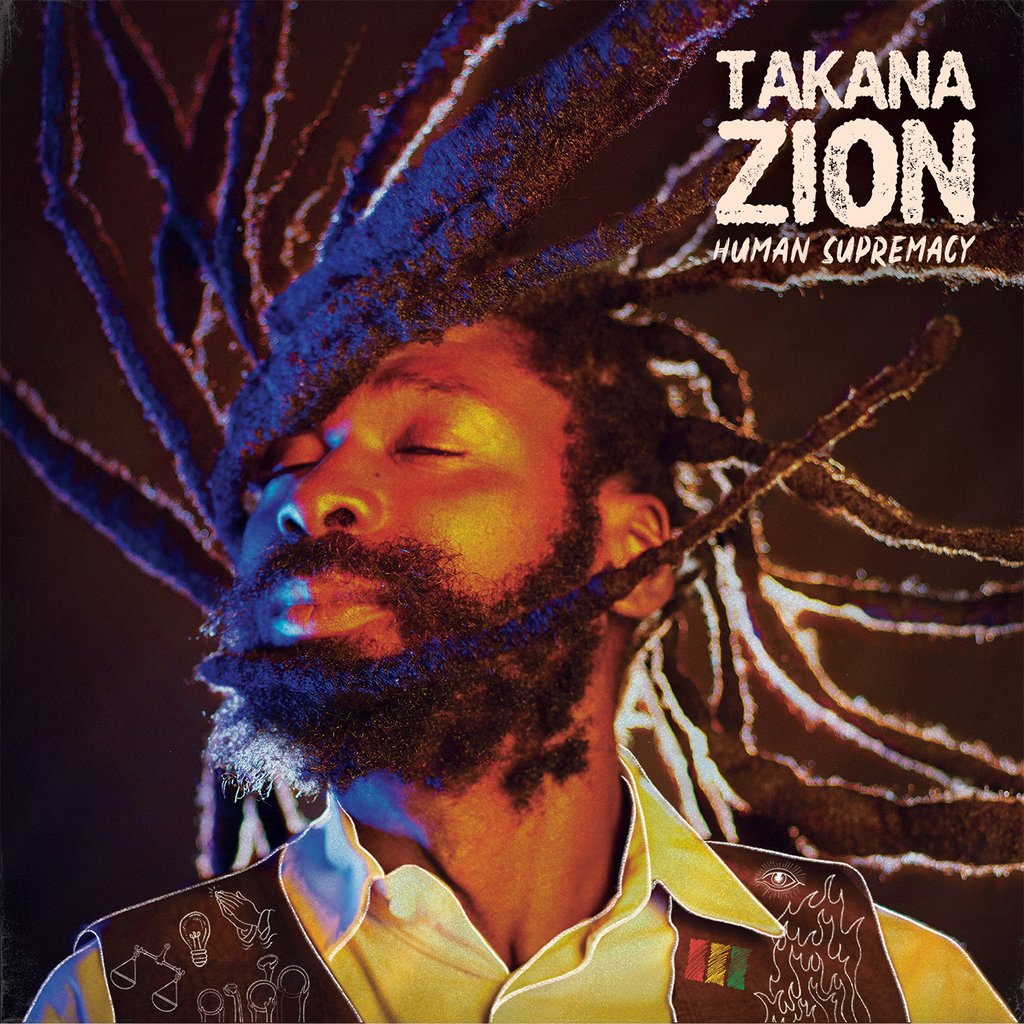
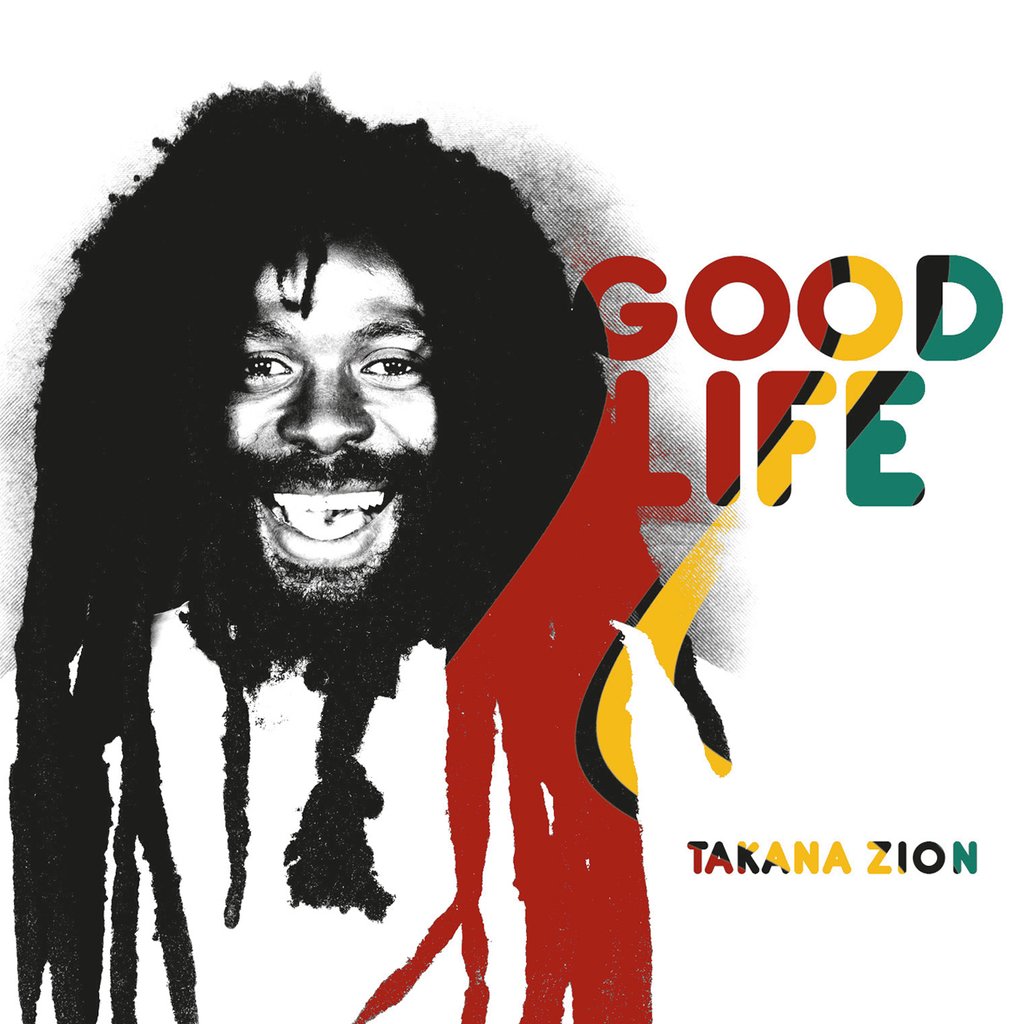
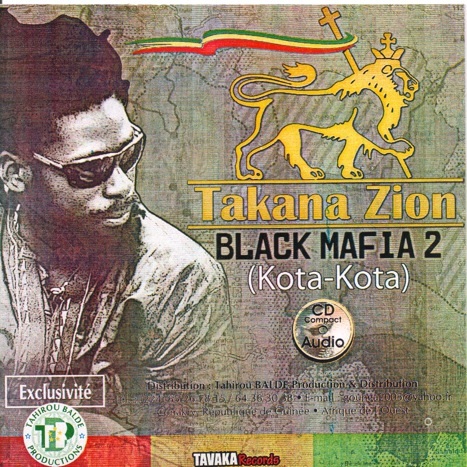
It is at this moment that the strategy defining his uniqueness takes shape. Takana runs two careers in parallel. On one hand, an engaged and direct roots reggae—Kakilambe (2012), Good Life (2017), Human Supremacy (2021) produced in Kingston with Sizzla. On the other, the Black Mafia vein: afrobeats, dancehall, hip-hop, designed to capture young audiences in Guinea. “If you use reggae, sometimes it puts them to sleep. You have to use the beats and sounds young people like to convey a message”4.
The year 2021 marks a turning point. Human Supremacy, featuring Sizzla, circulates widely and propels Takana to the forefront of the Francophone scene. Victoire du reggae, Victoire de la musique guinéenne, nominations for Kora Awards and MTV Africa Music Awards. The following year, Conakry’s stadium fills with sixty thousand people. He also launches Zion City, a hotel and cultural complex in Coyah5.
Reinvention and prospects
In 2023, Banjo Kafaan shifts Takana into afro-fusion, R&B, salsa and blues. Few Words (2026) returns to roots, produced with Jason Wilson. Between Black Mafia 10, Black Mafia 11 and the single Vampaya (2025), a chameleon artist6. By nature, he does not settle; he remains at the service of a message, always in motion.
Major works
| Work | Year | Why it is essential |
|---|---|---|
| Zion Prophet | 2007 | First album, produced by Manjul in Bamako; career launch |
| Rasta Government | 2011 | Recording at Harry J Studio (Jamaica), featuring Capleton |
| Human Supremacy | 2021 | International explosion, featuring Sizzla, Victoires du reggae |
| Banjo Kafaan | 2023 | Afro-fusion pivot, R&B, salsa and blues; sonic reinvention |
Legacy
Takana Zion is the flagship figure of Guinean reggae, a genre that remains niche in his country. By bringing the psalms of nyabinghi—Rasta tradition of purification and spirituality—to WOMAD festivals and L’Olympia in Paris, he paves the way for a generation of Guinean musicians. He founded the Nimba Reggae Festival and built a cultural complex in Coyah6.
Sources and references
-
Montreal Nuits d’Afrique Festival, Takana Zion Biography, accessed October 31, 2026. ↩︎
-
Reggae Vibes, Takana Zion: Guinean prophet of international reggae, July 20, 2025. ↩︎ ↩︎
-
United Reggae, Interview: Takana Zion, March 13, 2012. ↩︎
-
RFI Musique, Takana Zion celebrates Guinea’s independence with three albums and a concert, October 1, 2026. ↩︎
-
Qui est-ce qui en Guinée, Takana Zion Biography, accessed October 31, 2026. ↩︎
-
Soulbeats Music, Takana Zion Project, accessed October 31, 2026. ↩︎ ↩︎