Biography
Tanya Stephens
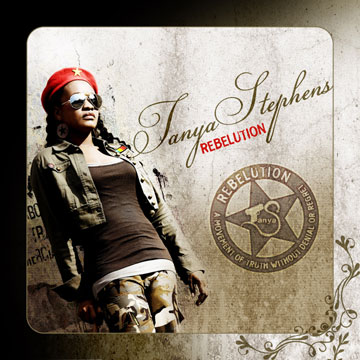
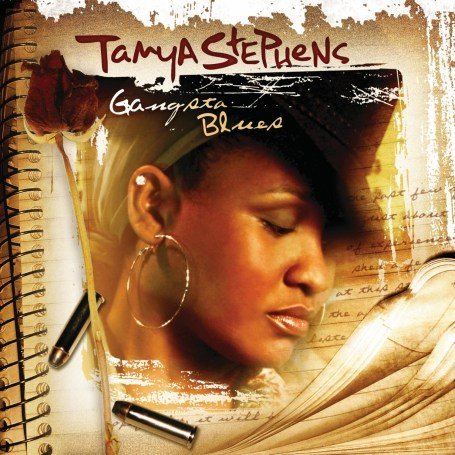
In 2004, when Tanya Stephens released Gangsta Blues, she already had a dancehall star career behind her: hits, international recognition, and a label bearing her name. But the album that followed — Rebelution, in 2006 — sounds like a war declaration. She denounces dancehall trapped by its own stereotypes, and in “Do You Still Care” compares homophobia to racism. The Miami New Times reports that she finds the attitude of those who, having been rejected themselves, now reject others, a « double standard ».
In Brief
| Full Name | Vivienne Tanya Stephenson |
| Birth | July 2, 1973, St. Mary, Jamaica |
| Genre | Dancehall, reggae |
| Roles | Singer, songwriter, deejay (interpreter who composes on riddims — dancehall instrumentals) |
| Notable Works | Gangsta Blues, Rebelution, “It’s a Pity”, “These Streets” |
| Honors | JaRIA Honor 2019; academic book Rough Riding (2020) dedicated to her work |
Key Dates
| Year | Event |
|---|---|
| 1973 | Born in St. Mary; grew up in St. Ann |
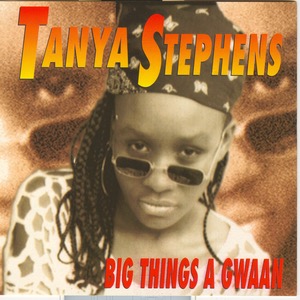
| 1994 | First album, Big Things a Gwaan, on Madhouse |
| 1997 | Too Hype on VP Records; the Washington Post places her among the « top female artists in Jamaica » |
| 2001 | Sintoxicated, pop album recorded in Sweden on Warner Music Sweden |
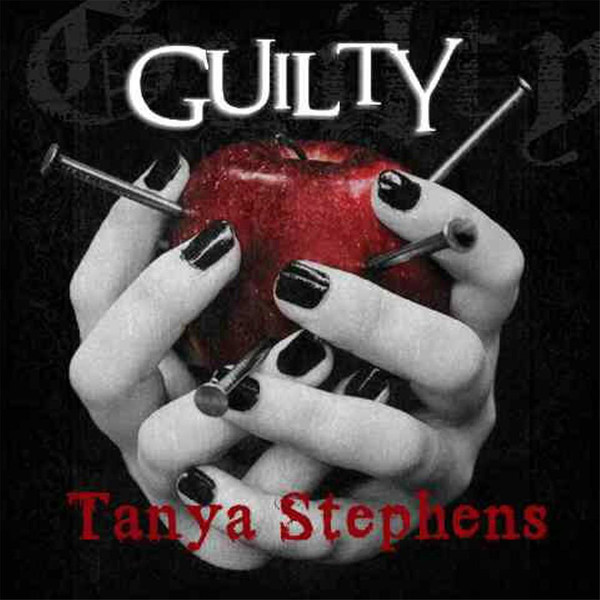
| 2004 | Gangsta Blues, praised by the Vibe, the Village Voice, and the New York Times |
| 2006 | Rebelution; “These Streets” reaches #1; sues Lil’ Kim for plagiarism |
| 2010 | Infallible, offered as a free download for over a year |
| 2011 | Intervention at UWI denouncing music that judges and provokes |
| 2020 | Rough Riding, academic book dedicated to her work (UWI Press) |
From St. Mary to Dancehall
Vivienne Tanya Stephenson was born on July 2, 1973, in the parish of St. Mary, Jamaica, and grew up between St. Mary and St. Ann. Eldest of a large family, she was immersed very early in Jamaican popular music. Dancehall is in the air of the country: it is the music of the sound systems, these mobile stages where DJs talk over riddims (instrumentals) that make the streets of Kingston dance.
She began recording in the mid-1990s, working with major producers like Dave Kelly and Philip « Fatis » Burrell. Her first album, Big Things a Gwaan, was released in 1994 on Madhouse Records. In 1996, the single “Yuh Nuh Ready Fi Dis Yet” broke local limits and the young woman found herself on the national chart. She followed up with hits like “Draw fi Mi Finger”, “Freaky Type”, and “Cry and Bawl”, and signed with VP Records.
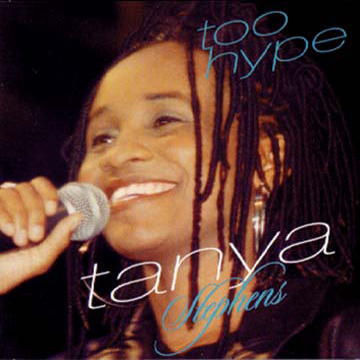
Her second album, Too Hype (1997), laid the foundations of a rebel: feminist anthems, claims about sexuality. With Lady Saw, an iconic figure of explicit dancehall, she was soon designated by the Washington Post as one of the « top female artists in Jamaica » in 1998.
A Rebel and Committed Career
In 2001, Tanya Stephens made a surprising choice for a dancehall star: she settled in Sweden and signed with Warner Music Sweden to record Sintoxicated, a pop album with European colors. The Miami New Times reports that she had had enough of repeating the same themes and wished to express herself beyond usual subjects — remarks reported in English.
She returned to Jamaica in 2004 with Gangsta Blues, an album that sounds like an artistic redemption. “It’s a Pity”, a low and intense lament, became her biggest international hit. The Vibe, the Village Voice, and the New York Times hailed a turning point. The album marked her maturity: less frivolous dancehall, more serious soul. « Gangsta Blues » gave her a legitimacy that no previous dancehall production had granted her. She explained to the Miami New Times that she had never let herself be captured by the life of music videos (translated from English).
In 2006, Rebelution confirmed her militant commitment. Each track confronts a taboo: homophobia (“Do You Still Care”), violence (“Warn Dem”), degradation of young girls (“Spilt Milk”). The single “These Streets” reached #1 on Caribbean charts. That same year, she sued rapper Lil’ Kim for plagiarism on “Dirty”, accusing Kim of stealing the lyrics of “Mi and My God”.
Tanya Stephens pushed her commitment further with “Still Alive” in 2010, a track against HIV discrimination integrated into a Jamaican public health campaign. In 2011, at the University of the West Indies (UWI), she denounced before an assembly of artists music that judges, condemns, and provokes (translated from English). Her call resonated with researchers who would publish Rough Riding: Tanya Stephens and the Power of Music to Transform Society (UWI Press, 2020).
Major Works
| Work | Year | Why It Is Essential |
|---|---|---|
| Too Hype | 1997 | First album where Stephens asserts an autonomous female voice |
| Sintoxicated | 2001 | Bold challenge: a dancehall star records a pop album in Sweden |
| Gangsta Blues | 2004 | Return to roots-critique; praised by the Vibe, the Village Voice, and the NYT |
| Rebelution | 2006 | Anti-homophobia manifesto; “These Streets” reaches #1 |
| “Still Alive” | 2010 | Single against HIV discrimination, public health campaign |
Legacy and Influence
Tanya Stephens paved a path that few dancehall women dared to take: that of the artist who refuses to choose between entertainment and commitment. Her legacy is visible in new generations — Etana, I-Octane, Spice — who assume their voice without bowing to the male gaze. Her lawsuit against Lil’ Kim drew attention to songwriter rights in reggae. In 2024, she celebrated the 20th anniversary of Gangsta Blues with a live anniversary edition: the album remains, twenty years later, a reference of contemporary reggae.
Sources and References
- « Tanya Stephens », English Wikipedia, https://en.wikipedia.org/wiki/Tanya_Stephens, accessed 5 November 2026.
- Greg Prato, « Tanya Stephens Biography », AllMusic, https://www.allmusic.com/artist/tanya-stephens-mn0000008122, accessed 5 November 2026.
- « Tanya Stephens Discography », Discogs, https://www.discogs.com/artist/215374-Tanya-Stephens, accessed 5 November 2026.
- Patrice Elizabeth Grell Yursik, « Viva la Rebelution! », Miami New Times, 14 September 2006, https://www.miaminewtimes.com/music/viva-la-rebelution-6335978/, accessed 5 November 2026.
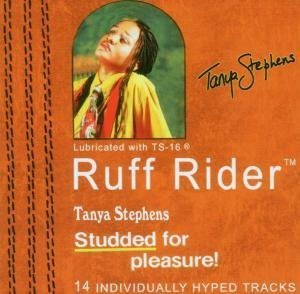
- Alona Wartofsky, « TANYA STEPHENS “Ruff Rider” VP », The Washington Post, 9 October 1998.
- Melville Cooke, « The Gangsta as Feminist in the Lyrics of Tanya Stephens », in Rough Riding: Tanya Stephens and the Power of Music to Transform Society, UWI Press, 2020, https://www.uwipress.com/9789766407957/rough-riding/, accessed 5 November 2026.
- Adwoa Ntozake Onuora, Anna Kasafi Perkins and Ajamu Nangwaya, « Rough Riding: Tanya Stephens and the Power of Music to Transform Society », UWI Press, 2020, https://www.uwipress.com/9789766407957/rough-riding/, accessed 5 November 2026.
- Howard Campbell, « Newsmaker: Tanya Stephens – Dancehall evolution sparks ‘Rebelution’ », Jamaica Gleaner, 26 September 2006.
- Kediesha Perry, « Tanya Stephens – the songwriter extraordinaire », Jamaica Observer, 22 February 2022.
- Rob Kenner, « Boomshots », Vibe, July 2004, p. 138.
- Sadeke Brooks, « Tanya Stephens Is No ‘Infallible’ Mom », Jamaica Gleaner, 9 May 2010.
- Basil Walters, « Tanya Stephens talks female responsibility », Jamaica Observer, 11 April 2011.