Biography
Tenor Saw
Houston, July 31, 1988. A screech of tires in the dark. By the roadside, a young man without identification papers. Thirteen days later, he would die at Ben Taub General Hospital, at 21 years old. Clive Bright, alias Tenor Saw, had only three years of career — but enough to mark digital reggae.
In Brief
| Full Name | Clive Bright |
| Birth | December 2, 1966, Kingston (Jamaica) |
| Death | August 13, 1988, Houston (Texas), at 21 years old |
| Genre | Dancehall / Ragga — singjay (singer and deejay) |
| Signature Works | “Ring the Alarm”, “Pumpkin Belly”, album Fever |
| Honors | Most influential voice of early digital dancehall |
Key Dates
| Year | Event |
|---|---|
| 1966 | Birth at Victoria Jubilee Hospital, Kingston — third of six children |
| 1984 | First single “Roll Call” on George Phang’s Powerhouse label, riddim “Queen Majesty” |
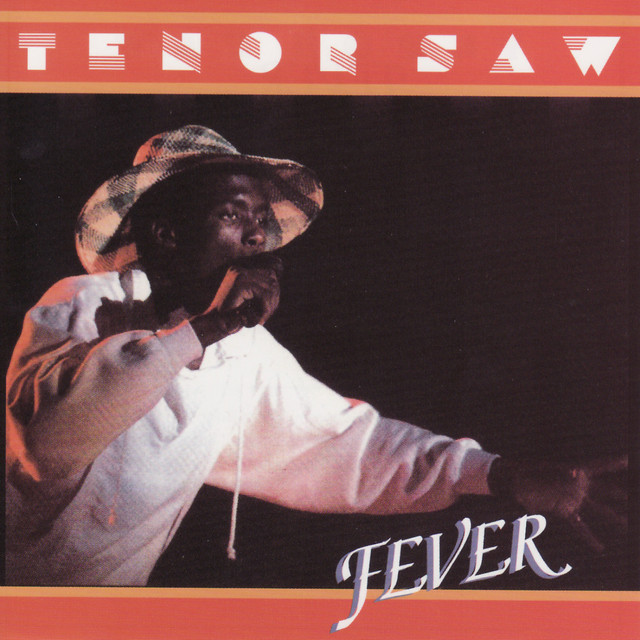
| 1985 | Hits “Lots of Sign”, “Run Come Call Me” and EP Fever via Youth Promotion/Sugar Minott |
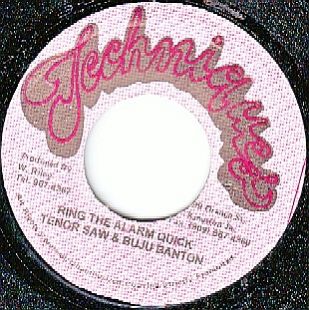
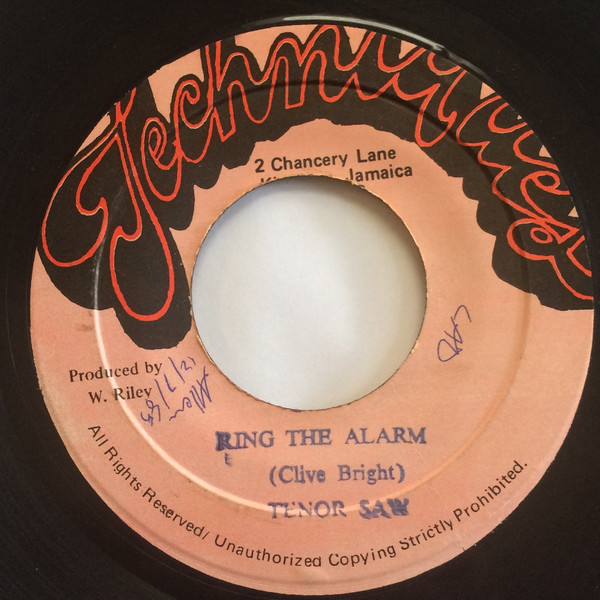
| 1985 | “Ring the Alarm” on Winston Riley’s (Techniques) Stalag riddim — worldwide success |
| 1985 | “Pumpkin Belly” on King Jammy’s Sleng Teng riddim — first 100% digital dancehall track |
| 1986 | Release of album Fever on Blue Mountain/RAS, produced by Sugar Minott |
| 1986-88 | Move to Miami (Skengdon), then New York |
| July 31, 1988 | Car accident in Houston — run over by a fleeing vehicle |
| August 13, 1988 | Dies at 21 from injuries — ashes repatriated in 2013 |
From Church to Worldwide Hit: Clive Bright’s Short Career
Born on December 2, 1966, at Victoria Jubilee Hospital, Clive Bright grew up in Payne Land and Olympic Gardens in West Kingston. Third of a family of six children, he sang in the choir of an Adventist church. “I sang in the church choir,” he later recounted, “and that’s where I learned to feel music before knowing what a studio was.” His older brother, Bobby Digital (future producer), already played piano at home. At twelve years old, Clive accompanied sessions in the family garage in Duhaney Park.
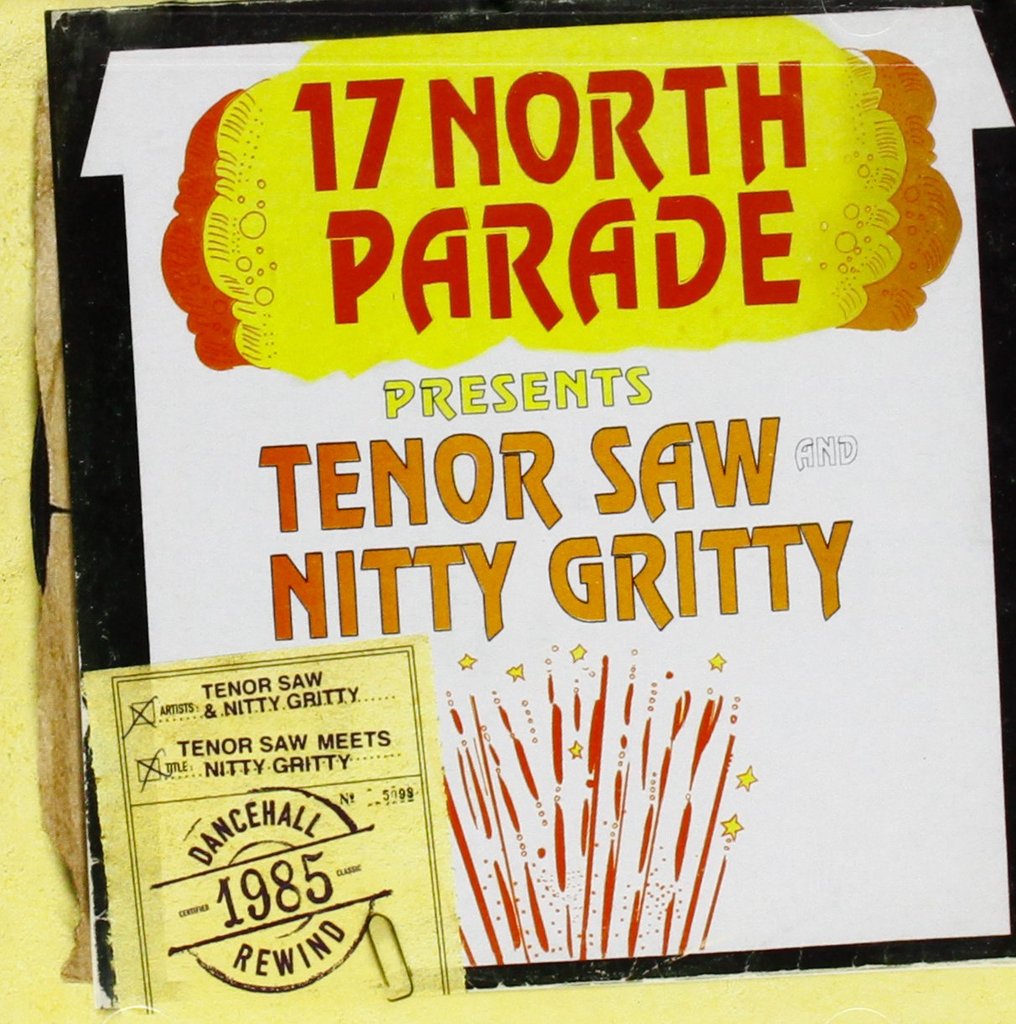
At eighteen, he knocked on the doors of Kingston producers with his neighbor Nitty Gritty. George Phang entrusted him with a microphone in 1984 for his single “Roll Call”, recorded on the “Queen Majesty” riddim. Bright’s high, clear voice cut through the bass of his elders. With Nitty Gritty, he joined Youth Promotion and Black Roots Records. “Lots of Sign”, a prophetic denunciation, became an underground hit. “Pumpkin Belly” on the Sleng Teng riddim — first 100% digital track of reggae, created by a Casio — confirmed his talent.
The track that would take Tenor Saw from the local scene to history is “Ring the Alarm”, recorded in 1985 for Winston Riley’s Techniques label. Built on the “Stalag 17” riddim — omnipresent in Kingston that year, recorded by twenty-two artists — it invents a chorus shaped like an arms call. “Ring the alarm! Everybody ring the alarm!” sung on a high register that cuts like a siren. The formula is simple and addictive: the track reached #1 in Jamaica, crossed the Atlantic and became the absolute reference of 1980s dancehall, played in all clubs in London, New York and Toronto.
The album Fever, produced by Sugar Minott and released in 1986 on Blue Mountain/RAS Records, gathers the best digital riddims of the era — “Shirley Jones” relies on Coxsone Dodd’s “Rougher Yet” riddim, “Eeni Meeni Mini Mo” on Studio One’s “Real Rock”. Tenor Saw’s so clear voice gives each track an inimitable signature. At 20, he moves to Miami to join the Skengdon crew, records “Dancehall Feeling” and “Bad Boys”, then settles in New York.
This promising career ends on the night of July 31, 1988 in Houston. Witness Rodney Fuller saw him standing by an alley at 23:45; at 00:45, he heard a screech of tires and found him lying in the middle of the road. The car left without braking. Ambulance, Ben Taub General Hospital: amputation of the right leg below the knee, brain surgery (ventriculostomy), resuscitation. On September 2, the FBI identified him by fingerprints: Clive Bright, Kingston, Jamaica. No relative came forward — Hurricane Gilbert would ravage Jamaica two weeks later. The unclaimed body received a burial by the Houston city hall; ashes repatriated in 2013 (The Jamaica Observer).
Police reports remain vague. The official cause by Medical Examiner Joseph A. Jachimczyk is a “closed cranial lesion and bumper injuries complicated by lung infection”. Sugar Minott, Tenor Saw’s mentor, publicly contested this version: “He died because they beat him after a dispute with promoters and abandoned him in the bush.” Other rumors — that he had been shot in New York by armed men who wouldn’t pay him — were relayed by Jamaican press as early as October 1988. No alternative scenario was ever formally verified. On August 13 at 9:05, Clive Bright is twenty-one years old.
Major Works
| Work | Year | Why It’s Essential |
|---|---|---|
| “Ring the Alarm” | 1985 | Hymn of digital dancehall, Stalag riddim — most recognized reggae track of the 1980s |
| “Pumpkin Belly” | 1985 | First vocal recording on the Sleng Teng riddim — shift from reggae to digital |
| “Lots of Sign” | 1985 | Visionary, declaring social collapse in mystical metaphor — underground classic |
| Album Fever | 1986 | Only studio album of his lifetime, gathers the best digital riddims produced by Sugar Minott |
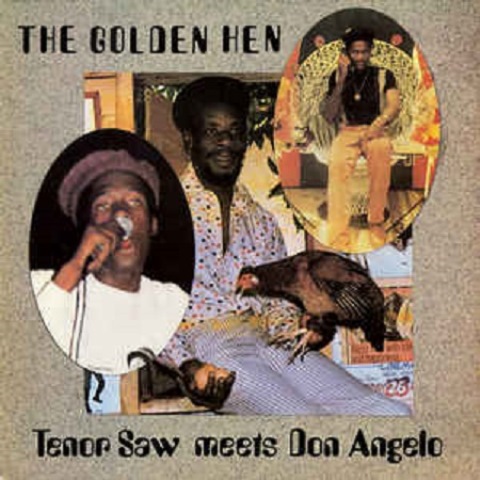
| “Golden Hen” | 1986 | Split with Don Angelo on Uptempo, festive title showing his dancehall versatility |
Heritage and influence
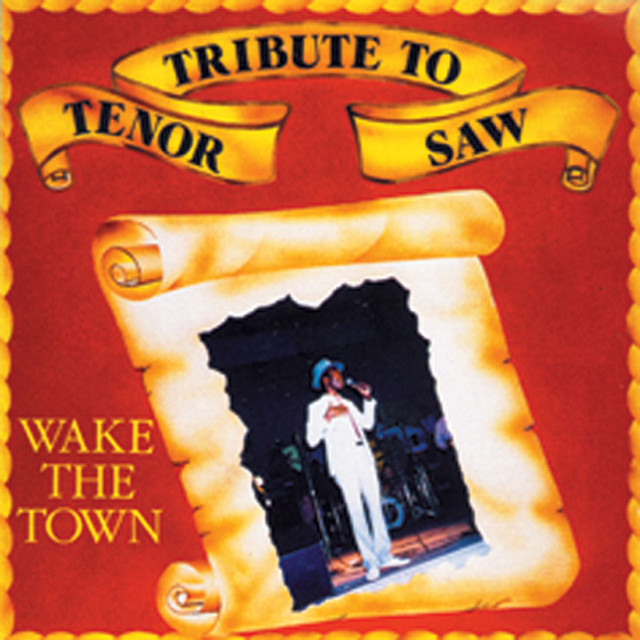
Tenor Saw recorded for only three years, yet they marked a decisive turning point in Jamaican reggae. The transition from analog rootship to digital dancehall — early ragga — owes its texture to these Casio rhythms, and Tenor Saw is among the most memorable faces of this movement. “Ring the Alarm” remains a cornerstone for sound systems; it is still heard today at Jamaican festivals. “Pumpkin Belly” on the Sleng Teng inspired generations of producers; even Sublime used it for “Caress Me Down”. Nitty Gritty (“Who Killed Tenor Saw?”), King Kong (“He was a Friend”) and Super Cat (“Nuff Man Dead”) recorded tributes. Posthumous albums Wake the Town and Tenor Saw Lives On kept his music on shelves. Today, Tenor Saw is an essential reference when recounting how reggae shifted into the digital age.
Sources and references
- “Tenor Saw”, National Library of Jamaica (nlj.gov.jm), https://nlj.gov.jm/REGGAE%20EXHIBITION/Tenor%20Saw.htm, accessed 13 November 2026.
- “The Death Of Tenor Saw: Here’s What Actually Happened To The Dancehall Icon”, DancehallMag, https://www.dancehallmag.com/2023/12/02/features/the-death-of-tenor-saw-heres-what-actually-happened-to-the-dancehall-icon.html, accessed 13 November 2026. (Official documents: police report, Harris County Forensic Center autopsy, death certificate.)
- “Tenor Saw”, Wikipedia, https://en.wikipedia.org/wiki/Tenor_Saw, accessed 13 November 2026.
- “Tenor Saw — Biography, Discography, Albums & Expert Reviews”, AllMusic, https://www.allmusic.com/artist/tenor-saw-mn0000020284, accessed 13 November 2026. (Biography by Steve Huey.)
- “Tenor Saw”, Easy Star Records, https://easystar.com/artists/tenor-saw/, accessed 13 November 2026. (Official record label.)
- “Tenor Saw — Biography, Discography & Albums”, Coda Music, https://codamusic.me/artists/tenor-saw/, accessed 13 November 2026.
- “Tenor Saw Discography”, Discogs, https://discogs.com/artist/98194-Tenor-Saw, accessed 13 November 2026. (Recording credits, release dates, labels.)