Biography
Teta Lando
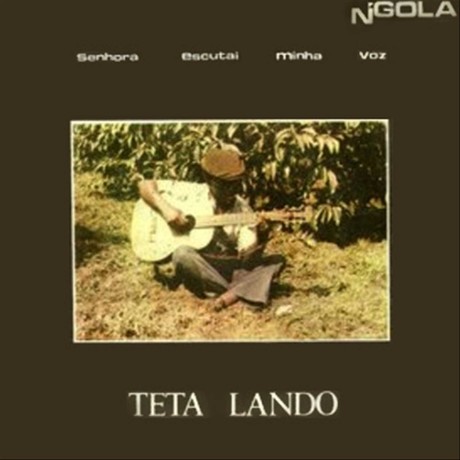
In 1969, at twenty-one years old, Teta Lando released “Assobio Meu” — the label Valentim de Carvalho’s poster presents him in a suit and tie, hand resting on the viole. The title spreads like a flame through Luanda: in cafés, at markets, on the airwaves. A young man playing the viole in Angola? Almost unique, and already a singer of bold gestures on words that speak to all.
In brief
| Full name | Alberto Teta Lando |
| Birth | June 2, 1948, Mbanza Congo (Zaire province), Angola |
| Death | July 14, 2008 (60 years), Paris, France |
| Genre | Semba, kizomba, afro-pop — Angolan music |
| Instruments | Viole, guitar |
| Notable works | “Irmão ama teu irmão”, “Eu vou voltar”, “Ntoyo” |
| Awards | Grand Prix National de la Culture et des Arts (posthumous, 2019) |
Key dates
| Year | Event |
|---|---|
| 1948 | Birth in Mbanza Congo into a land-owning bakongo family north of Angola |
| 1963 | At fifteen, signs his first composition “Ki ngi M’Babza” — covered by star Anita Garcia |
| 1961-1968 | Exile in Lisbon after the assassination of his father (UPA supporter) by Portuguese troops. Participates in the lusophone scene with Bonga |
| 1969 | Return to Luanda. Records the hit “Assobio Meu” with Valentim de Carvalho and the Africa Show |
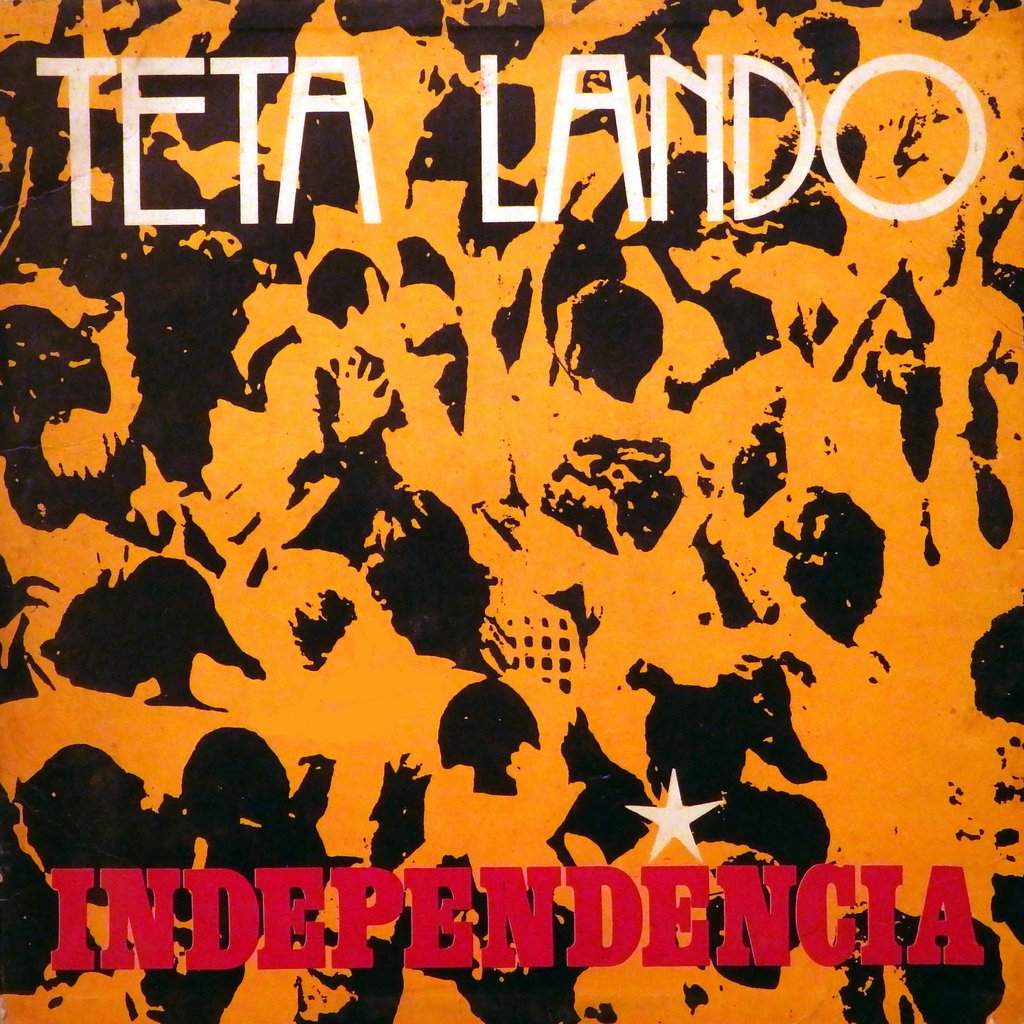
| 1975 | Album Independência, gold record at the dawn of independence. Suspected of FNLA sympathies, forced into exile |
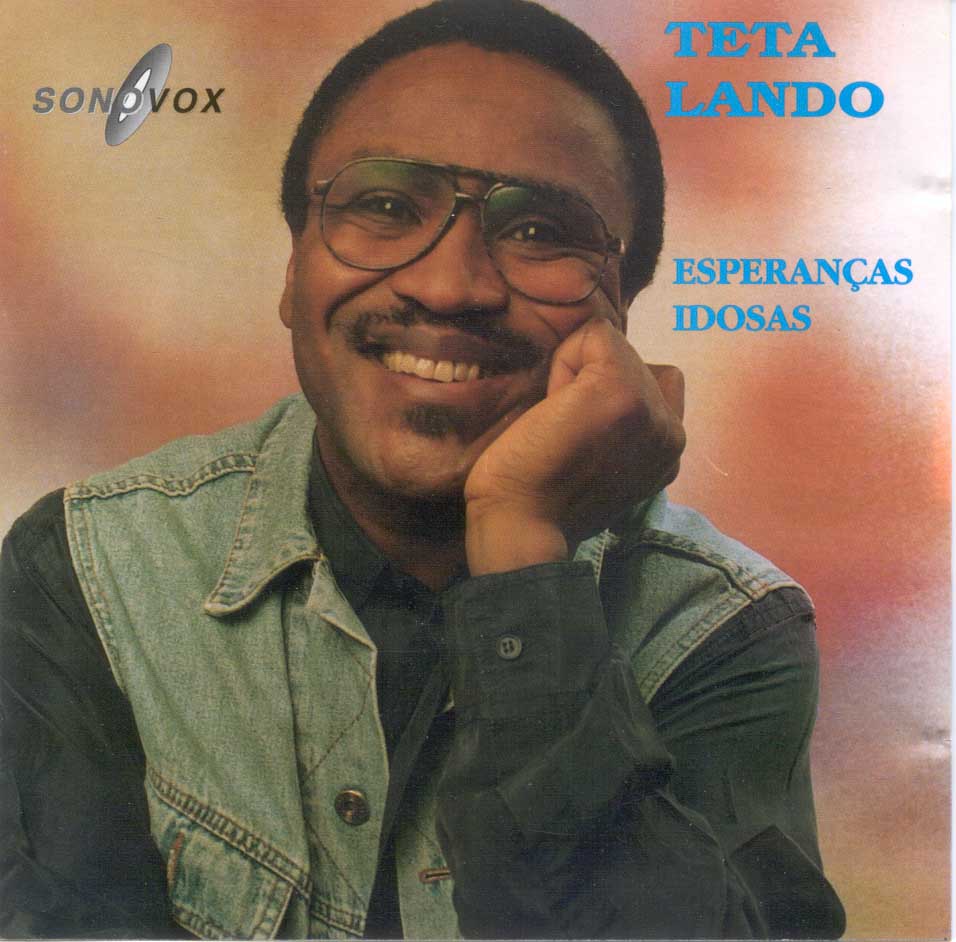
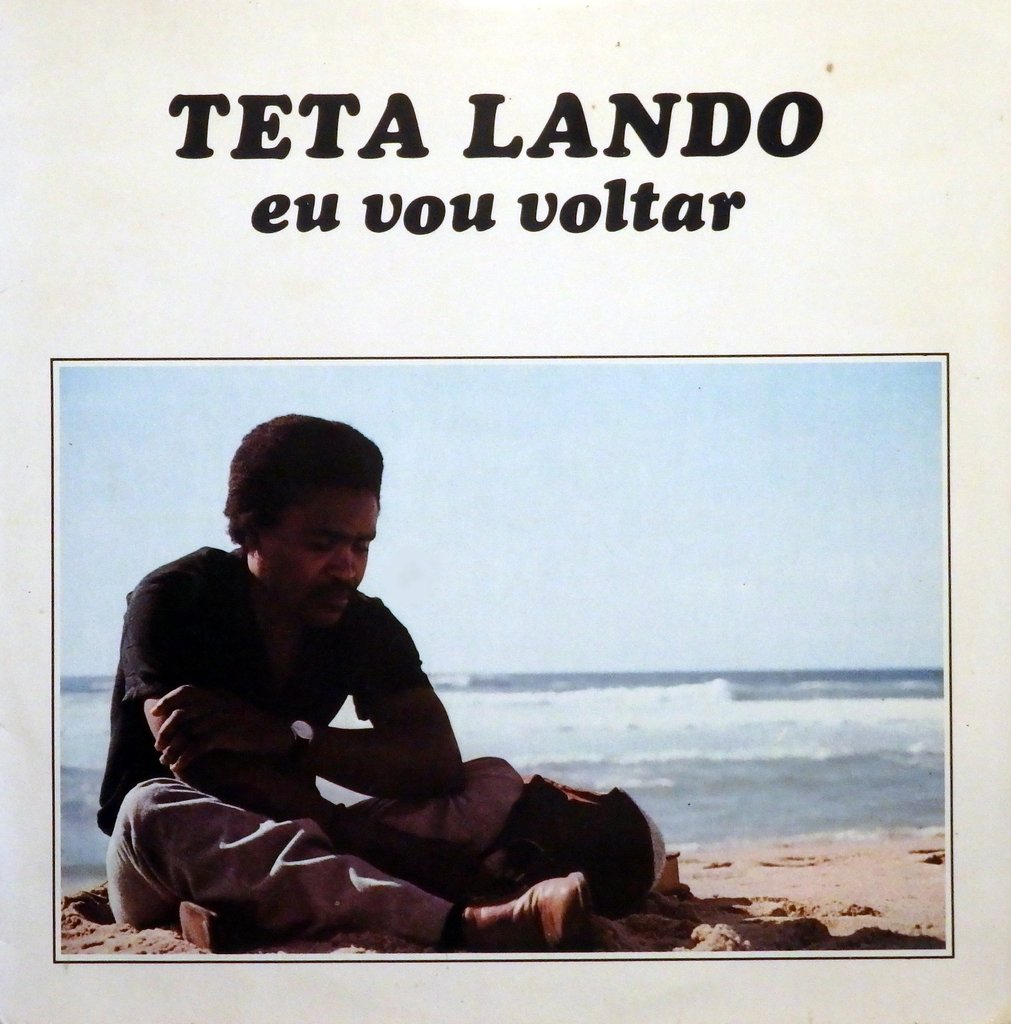
| 1978-1989 | Exile in Paris. Major productions: “Eu vou voltar” (1981), Semba de Angola (1983), “Ntoyo” (1988), Esperanças idosas (1993) |
| 1989 | Return to Angola at Fenacult after fourteen years of absence |
| 1994 | Founding of Teta Lando Produções and opening a record store in Luanda — pioneer figure of the autonomous Angolan producer |
| 2008 | Dies of cancer in Paris. Funeral in Luanda attended by President dos Santos |
Childhood, wound and exile music
Alberto Teta Lando was born on June 2, 1948 in Mbanza Congo, former capital of the Kongo kingdom, into a bakongo family where oral tradition and music are alive. His mother plays the guitar in San Salvador — it is with her that Teta discovers his first chords and his predisposition for the viole. At fifteen, he already signs “Ki ngi M’Babza”, covered by star Anita Garcia.
In 1961, the colonial war strikes: his father, supporter of Holden Roberto’s UPA, is killed by Portuguese troops. His head planted on a stake; his lands confiscated. The thirteen-year-old joins Lisbon, where he plays with Rui Mingas and Bonga — future singer of Mozambican chimurenga.
The return to Luanda in 1968 marks a turning point. Teta Lando joins Massano Júnior’s Africa Show and records “Assobio Meu” with Valentim de Carvalho, a hit that crosses all colonial Angola. His viole and sober voice embrace the semba, this Angolan style both dancing and poetic. In 1974 comes out the album Tia Chica, followed in 1975 by Independência — gold record placed at the dawn of Angolan independence, containing political titles like “Irmão ama teu irmão” and “F.N.L.A. M.P.L.A.”.
But liberation does not mean pacification: in 1975, suspected of FNLA sympathies, Teta Lando must flee. He first exiles himself to Zaire (where he records with Joseph Kabasele’s OK Jazz), then settles in Paris in 1978. During eleven years, he produces “Eu vou voltar” (1981), Semba de Angola (1983), “Semba rythmée” (1985) and “Ntoyo” (1988) — bakongo allegory of the wise eagle mocked by other birds, metaphor for Angolan aspirations. Esperanças idosas (1993) gathers Brice Wassy, Maïka Munan, Papa Kouyaté and bassist Glenn Ferris.
In 1989, at the Fenacult in Luanda, he returns to his country. He presides over the National Union of Artists and Composers of Angola, founds Teta Lando Produções in 1994 and gathers a collective of musicians in his final years. He dies of cancer in Paris on July 14, 2008; his funeral in Luanda brings together President dos Santos. Posthumously, Angola awards him the Grand Prix National de la Culture et des Arts in 2019.
Major works
| Work | Year | Why it is essential |
|---|---|---|
| Independência | 1975 | Gold record — sounds at the crossroads of Angolan independence, mixes political semba and popular passion |
| “Eu vou voltar” | 1981 | Hymn of Angolan saudade: the exile who promises his return, carried by viole chords |
| “Ntoyo” | 1988 | Bakongo allegory of the wise eagle mocked by other birds — a cry of political identity in fable |
| Esperanças idosas | 1993 | Francophone pan-African collaboration: Maïka Munan, Papa Kouyaté, Glenn Ferris |
Legacy and influence
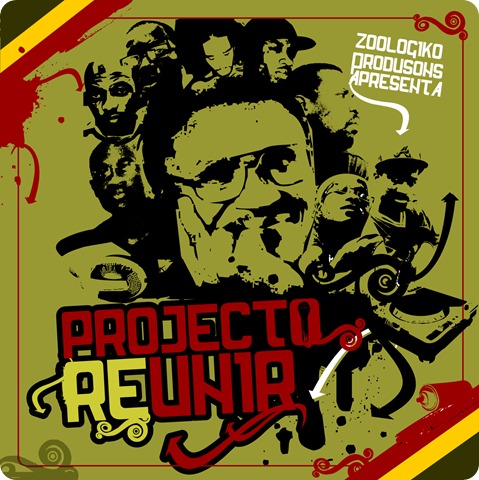
Teta Lando shaped the Angolan semba in a way that the current generation is rediscovering with force. The “REUNIR” project — carried by Zoológico Produções (Medina) — gathers underground Luanda rappers (Brigadeiro Matafrakuxz, Flagelo Urbano, Afro Kid) who sample his iconic titles. Yuri Da Cunha reworked “Quatorze Chuvas / Cabelos Brancos” into semba in 2015. The viole playing, rare in Angola against the dominant guitar, opened a harmonic fissure in the semba and influenced the emergence of kizomba. The viole of Alberto Teta Lando remained, in Angola as well as in the diaspora, an instrument of collective memory.
Sources and references
- Afrisson — « Alberto Teta Lando », by Nago Seck, updated May 8, 2021, https://www.afrisson.com/teta-lando-792/, accessed November 15, 2026.
- Wikipedia — « Teta Lando », https://en.wikipedia.org/wiki/Teta_Lando, accessed November 15, 2026.
- MusicBrainz — « Alberto Teta Lando », https://musicbrainz.org/artist/41a1128d-5d13-4312-b7ea-81d359ed44d6, accessed November 15, 2026.
- Jazzapedia — « Teta Lando », https://jazzapedia.com/artists/teta-lando, accessed November 15, 2026.
- Saida Dance — « Teta Lando – One of the best musicians of Northern Angola », https://saidadance.com/teta-lando/, consulted on 15 November 2026.
- BUALA (Dá Fala) — « Teta Lando | Projecto Reunir », https://www.buala.org/pt/da-fala/etiquetas/teta-lando, consulted on 15 November 2026.
- AllMusic — « Teta Lando », https://www.allmusic.com/artist/teta-lando-mn0001186494, consulted on 15 November 2026.
- Deezer — « Teta Lando », https://www.deezer.com/en/artist/4209921, consulted on 15 November 2026.
- Baratti — « Between Genre and Generations: Analyzing Angolan Popular Music », ethnographic study on semba, 2022, https://www.soundethnographies.it/wp-content/uploads/2022/02/03-BARATTI.pdf, consulted on 15 November 2026.