Biography
The Aggrovators
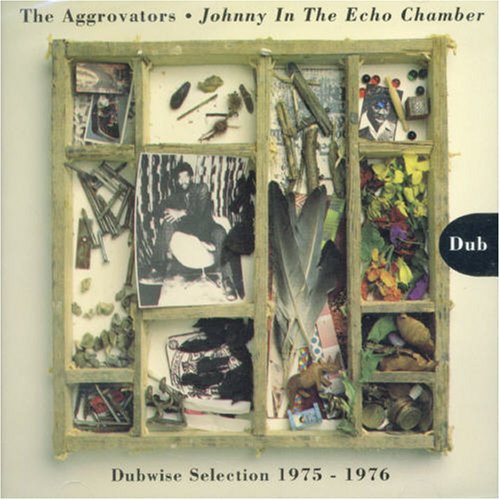
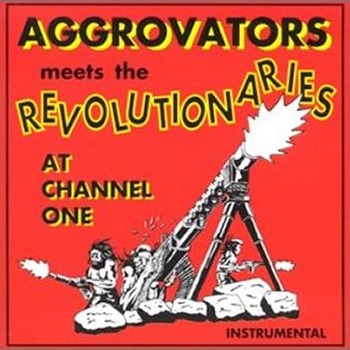
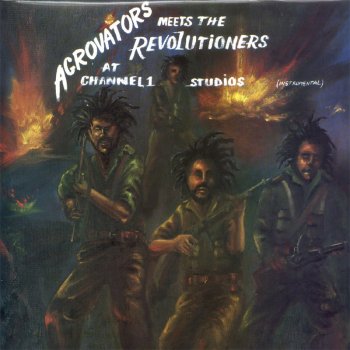
In 1974, at Kingston’s Channel One Studios, Bunny Lee shouted a name that sounded like a challenge to the musicians flooding the corridor: The Aggrovators. They were not fixed members — it was a session group whose lineup changed with every session, a kaleidoscope of Jamaica’s finest instrumentalists brought together by one of reggae’s most prolific and eccentric producers. The rhythm, however, remained relentlessly implacable.
In Brief
| Name | The Aggrovators |
| Origin | Jamaica, Kingston |
| Active Period | Circa 1973 – 1983 |
| Genre(s) | Dub, reggae roots, rocksteady |
| Historical Producer | Bunny « Striker » Lee |
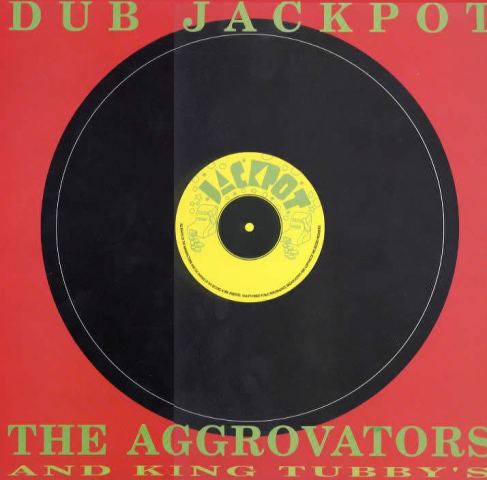
| Iconic Works | Dub Jackpot, Cookin’, “None Shall Escape the Judgment” |
| Main Studios | Channel One, Studio One, King Tubby’s |
Key Dates
| Year | Event |
|---|---|
| ~1970 | Creation of the record shop “Agro Sounds” by Bunny Lee in Kingston |
| ~1973-74 | The Aggrovators adopt this name to designate Lee’s sessions |
| 1975 | First dub albums: Shalom Dub (King Tubby), Cookin’ (Tommy McCook) |
| ~1974-76 | Popularization of the flying cymbals sound at Channel One |
| 1975-80 | Golden period: hundreds of riddims recorded for Jackpot and Justice |
| ~1983 | The group fades away in the turbulence of dancehall |
Agro Sounds and Kingston’s Best Musicians
The name comes from a record shop. In 1970s Jamaica, enthusiasm for ska reggae never ceased to grow. Producer Bunny Lee, nicknamed “Striker,” knew this trend. He opened a record store he called “Agro Sounds,” a wink to British skinhead slang for aggro — trouble, brawl. The appellation had punch. When Lee began hiring a collective of musicians to accompany him in the studio, the name imposed itself naturally.
The Aggrovators are not a group in the traditional sense — there is no fixed formation, nor tours. They are Kingston’s best session musicians mobilized according to sessions and available studio space. The group draws from the pool of Channel One Studios, but also from Randy’s Studio 17 and similar establishments. The producer did not have his own studio in the early years; he rented slots and had to be efficient. The Aggrovators embody this efficiency: the bassist holds the line, the guitar attacks the chords on the off-beat (the skank), the keyboards fill the gaps, and the drummer seals it all with an irresistible groove.
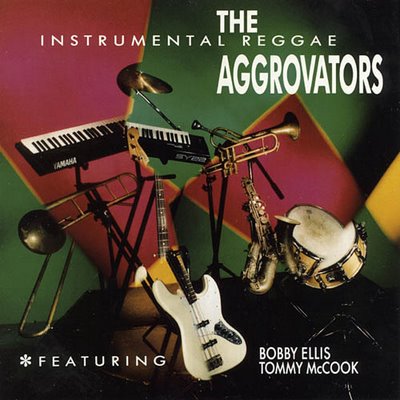
The lineup varies by session, but certain names return: drummer Carlton « Santa » Davis, bassist Robbie Shakespeare, Aston « Family Man » Barrett, guitarist Earl « Chinna » Smith, keyboardist Ansel Collins, organist Winston Wright. Tommy McCook’s soprano saxophone is the group’s sonic signature — his melodies on Aggrovators instrumentals are immediately recognizable. Trumpeter Bobby Ellis and trombonist Vin Gordon add the brass that makes dance systems vibrate. Sly Dunbar, still young, is also found alongside Jackie Mittoo on some recordings.
Channel One and the Dub Machine
The heart of the Aggrovators is Channel One Studios. This place is a sanctuary of bass-heavy sound: its equipment was among the most performant of the time for capturing deep frequencies, destined for the enormous sound systems that shook Kingston. After Lee and the musicians recorded the vocal tracks, the tapes went to King Tubby in Waterhouse. There, the engineer transformed everything into dub — he removed the vocals, brought out the bass and drums, sprinkled echo and reverb. The Aggrovators’ instrumentals thus multiplied into double, triple versions on the same riddim.
Between 1974 and 1976, the group invented or popularized the flying cymbals sound — a chopped, dry, nervous hi-hat pattern that animated pieces with permanent tension. Drummer Carlton « Santa » Davis confirms that it was Bunny Lee himself who encouraged this direction. This rhythm became a trademark of roots reggae for several years and influenced all subsequent studio drummers.
Lee’s favorite singers performed on these riddims: Johnny Clarke, whose militant hooks “None Shall Escape the Judgment” and “Move Out of Babylon” are anthems; Cornell Campbell, whose soulful falsetto gives a spiritual dimension to “Zion Gate”; Horace Andy, whose haunted singing on “Skylarking” remains a classic. But the Aggrovators also played under their own name — Dub Jackpot, “Blood Dunza” — instrumentals that nourished decades of dubs, samples, and covers.
Parallel to their work with Lee, the Aggrovators recorded sessions for other producers and labels: Trojan Records released Brass Rockers under the name Tommy McCook & The Aggravators, while instrumental titles were recycled on Jackpot and Justice labels. The name became a trademark: even after the initial lineup dissolved, the term Aggrovators continued to appear on reissues and compilations.
Major Works
| Work | Year | Why It Is Essential |
|---|---|---|
| Dub Jackpot (The Aggrovators) | ~1975-76 | Absolute reference for instrumental dub, royal drafts by King Tubby |
| “None Shall Escape the Judgment” (Johnny Clarke) | ~1976 | Mythic reggae anthem — Aggrovators riddim carried by Clarke’s voice |
| Cookin’ (Tommy McCook & The Aggrovators) | 1975 | McCook’s saxophone at its peak — brass and bass in duel |
| “Move Out of Babylon” (Johnny Clarke) | ~1976 | Relentless riddim, spiritual message — one of the most cited reggae hits |
| Shalom Dub (King Tubby & The Aggrovators) | 1975 | Pure dub: echoes, basses, the console as instrument |
Heritage and influence: the riddim as raw material
The Aggrovators shaped reggae from within, working behind the scenes rather than in the spotlight. Their legacy lies in the very concept of the reusable riddim—a single rhythmic recording serving dozens of different songs. This logic would become the foundation of dancehall, where producers recycle old riddims with new vocalists. Every bassist studying the groove of the Aggrovators, every dub engineer mixing on a Tubby-trekkin’ console carries the sound of Channel One within them.
The group also produced a school of musicians: Sly Dunbar and Robbie Shakespeare left the Aggrovators sessions to found the legendary duo Sly & Robbie; Earl Chinna Smith became one of the most sought-after session guitarists. The Aggrovators embody Jamaican studio culture, where session talent counts as much as the frontman.
Sources and references
- “The Aggrovators”, Wikipedia, https://en.wikipedia.org/wiki/The_Aggrovators, accessed November 2025.
- Larkin, Colin (1998), The Virgin Encyclopedia of Reggae, Virgin Books.
- “The Aggrovators”, AllMusic, https://www.allmusic.com/artist/the-aggrovators-mn0000029629, accessed November 2025.
- “The Aggrovators: Bunny Lee’s Rhythm Machine”, Dub Assassins, https://dubassassins.com/home/blog/7742893/the-aggrovators-bunny-lee-s-rhythm-machine, accessed November 2025.
- “The Aggrovators – Jah Jah Dub”, World A Reggae Entertainment (Jah Floyd), https://www.worldareggae.com/artists/the-aggrovators/, accessed November 2025 (source: Jamaican Recordings, archive.org).
- “The Aggrovators: Bunny Lee’s Rhythm Machine”, Facebook/Dub Assassins, November 2025, accessed November 2025.