Biography
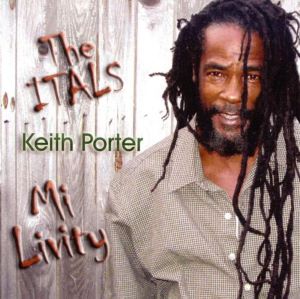
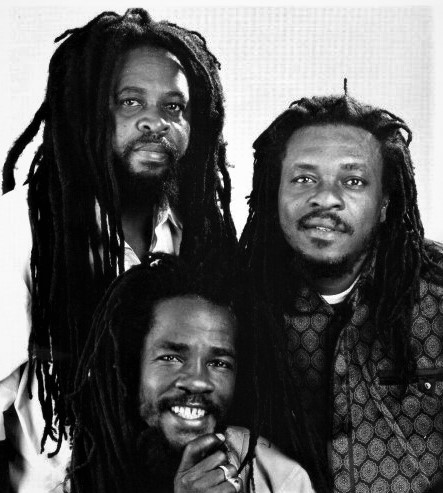
The Itals
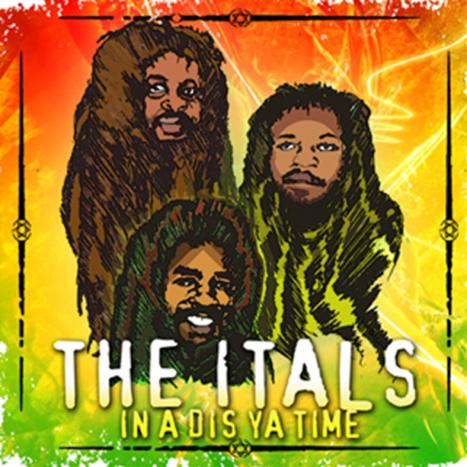
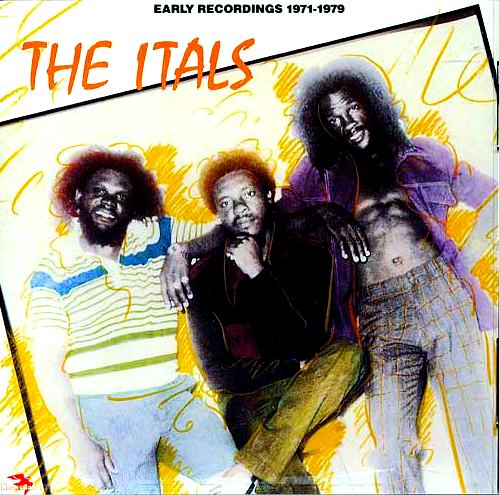
Kingston, 1976. On a rhythm that Ronnie Davis had just cut in the studio, Alvin “Keith” Porter steps into a verse in Jamaican patois, while his voice blends with Davis’s in tight chords. Producer Lloyd Campbell listens, hesitates for a second on the duo’s name — Keith & Ronnie sounds too local — then, guided by Brian Thomas from station RJR, launches: “Why not the Itals?” The word comes from Rastafari reggae, where ital means pure, natural. A few weeks later, “In A Dis Ya Time” tops the Jamaican charts and launches a group that, for forty years, carried the flame of roots reggae vocal.
In brief
| Group name | The Itals (since 1976) |
| Origin | Savanna-la-Mar, Westmoreland parish, Jamaica |
| Genre | Roots reggae, harmonious reggae vocal |
| Active period | 1976 – present (with lineup changes) |
| Founding members | Alvin “Keith” Porter, Lloyd Ricketts, Ronnie Davis (ex-The Tennors) |
| Signature song | “In A Dis Ya Time” (1976) |
| Major distinction | Grammy nomination — Rasta Philosophy (1987) |
Key dates
| Year | Event |
|---|---|
| 1967 | Keith Porter records “Hitey Titey” with the Westmorelites on Studio One label |
| 1971 | Porter sings in Future Generation, a group put together by Owen Sinclair |
| 1976 | Release of “In A Dis Ya Time”; the name The Itals is created by Brian Thomas (RJR) |
| 1977-1978 | Recording of “Don’t Wake The Lion”, “Brutal”, “Temptation” on SpiderMan |
| 1981 | Signing with Nighthawk Records; move to Reggae Sunsplash with “Jamaican Style” |
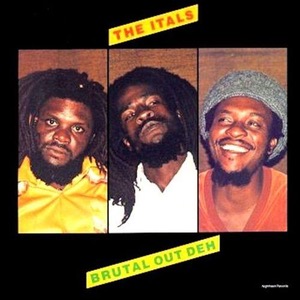
| 1982 | Release of Brutal Out Deh, first album; first American tour with the Roots Radics |
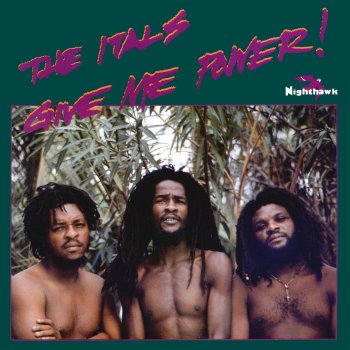
| 1984 | Give Me Power! acclaimed by critics, #1 on the CMJ Reggae Route chart |
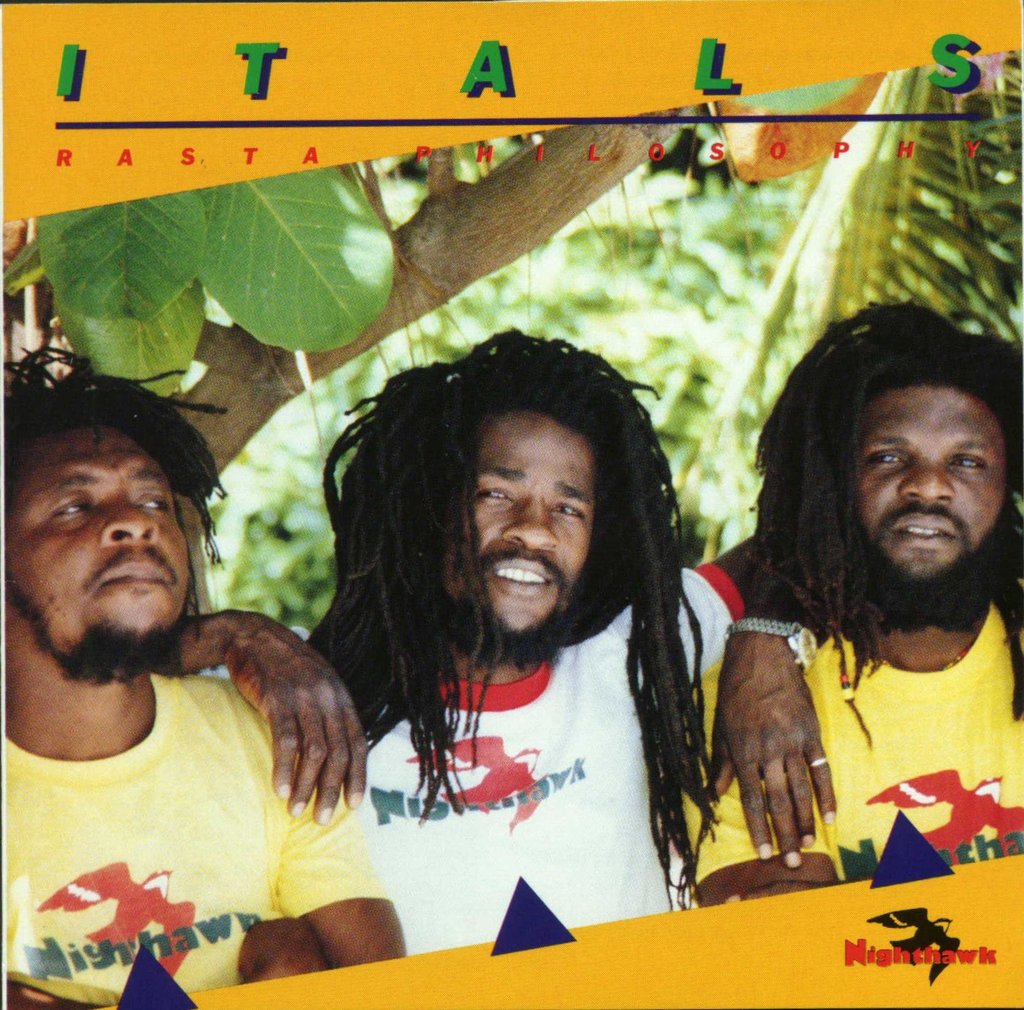
| 1987 | Rasta Philosophy: Grammy Awards nomination — Best Reggae Album |
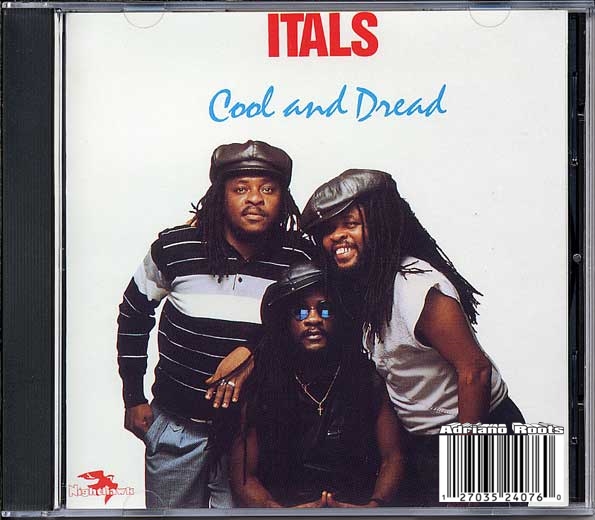
| 1989-1991 | Cool and Dread and Easy to Catch; continued world tour |
| 1994 | Ronnie Davis leaves, replaced by Kada Porter, Keith’s daughter |
| 2015 | Keith Porter releases Mind Over Matter (remastered compilation) and his solo album Let’s Get It On |
From village to studio, then from consecration to changes
Alvin “Keith” Porter and Ronnie Davis first grew up in the small village of Savanna-la-Mar, in Westmoreland parish. High school students, they formed the Westmorelites and cultivated a keen taste for vocal harmonies as rocksteady gave way to reggae. In 1969, Davis joined the renowned Tennors; Porter became lead singer of Future Generation under Owen Sinclair’s guidance. The two men played in Jamaican clubs and learned to weave their voices like a single net.
Around 1975, Keith met Ronnie Davis on Orange Street in Kingston. Davis handed him a cassette of the riddim from his recent hit “Won’t You Come Home”. “I was so happy with that riddim I didn’t even look elsewhere,” he would say later. “In less than a week, I had written Ina Dis Ya Time.” Porter recorded the track for Lloyd Campbell’s SpiderMan label. The producer, in turn, felt that harmonies were needed above Porter’s singing — he asked Davis to add his own. The record was released under the name Keith & Ronnie.
It was only when the song paved the way on Jamaican charts that a real group name took hold. During an evening with Brian Thomas (RJR), the latter proposed: “The Itals?” Linked to Rastafari vocabulary — ital meaning pure, natural, in harmony with creation — the name was immediately adopted. Campbell had the 45 repressed and the chain was launched. To complete the tripartite harmony, traditional in Jamaican reggae vocal, Lloyd Ricketts joined the two men.
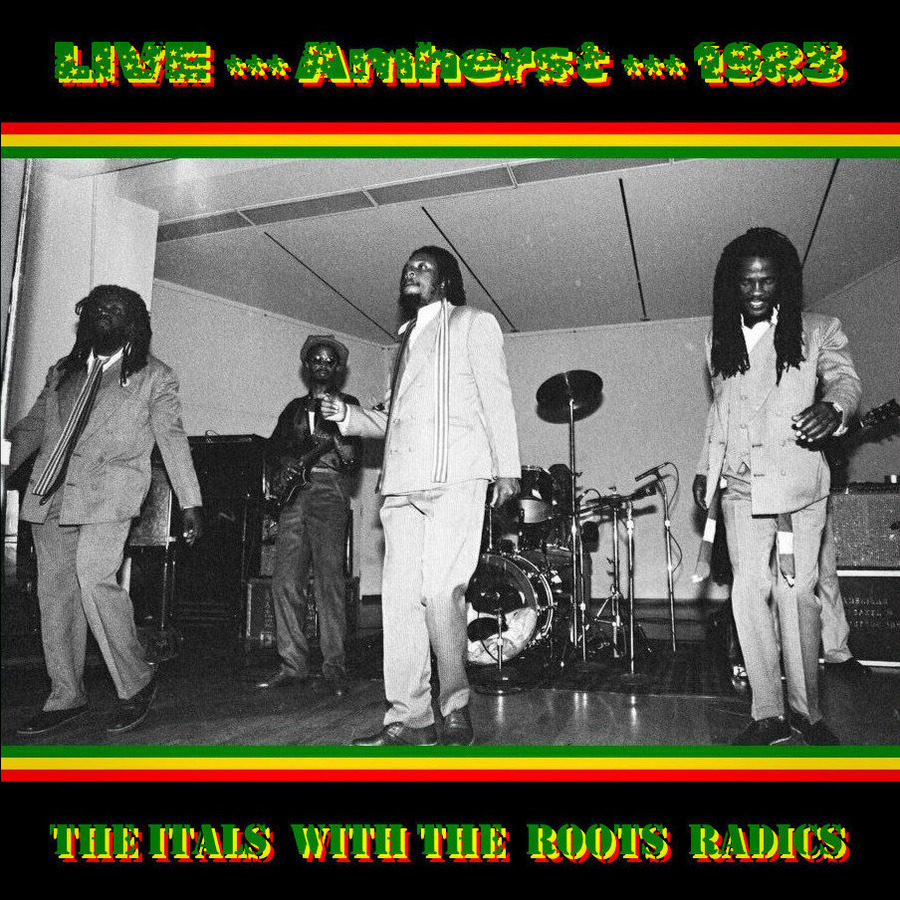
The titles that followed — “Don’t Wake The Lion”, “Brutal”, “Temptation” — confirmed the Itals among the best singers and composers of their Jamaican generation. Two-time finalists in the Jamaica Festival Song Competition, they stringed together 45s on SpiderMan then at Nighthawk Records, the American label of Robert Schoenfeld, passionate about Jamaican vocal groups. Brutal Out Deh (1982) mixes new titles and re-recordings of past singles, earning excellent reviews in the United States as well as in the UK. Their second release, Give Me Power! (1984), leans more into social commentary, and it is accompanied by the Roots Radics — the best house band in reggae — that the Itals perform on stage for the first time in America.
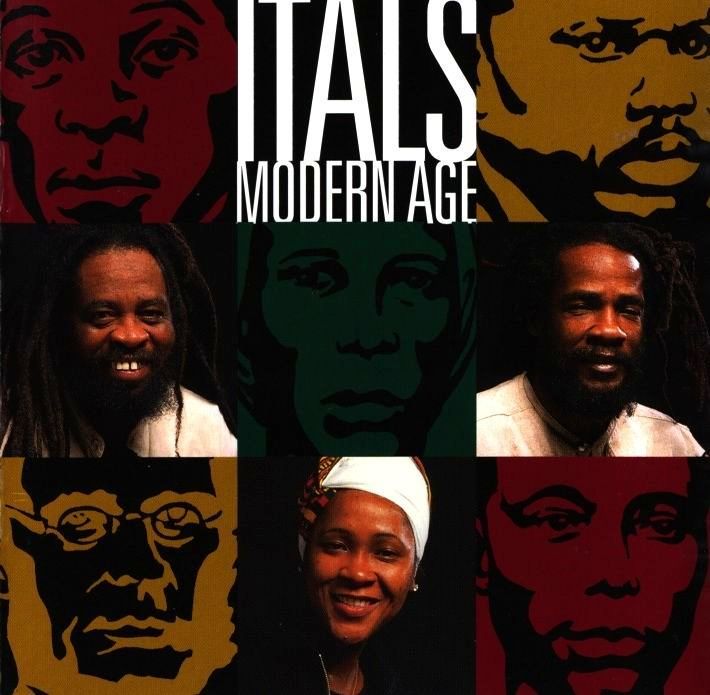
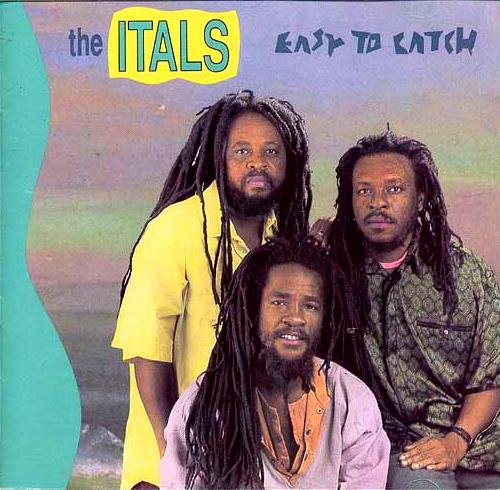
Cool and Dread (1989), Easy to Catch, and Modern Age take them onto stages all over the world. But it is Rasta Philosophy (1987) that earns them institutional consecration: a nomination at the 30th Grammy Awards ceremony in the Best Reggae Album category. The group, now simply called The Itals, found its balance between Rastafari spirituality and social commitment.
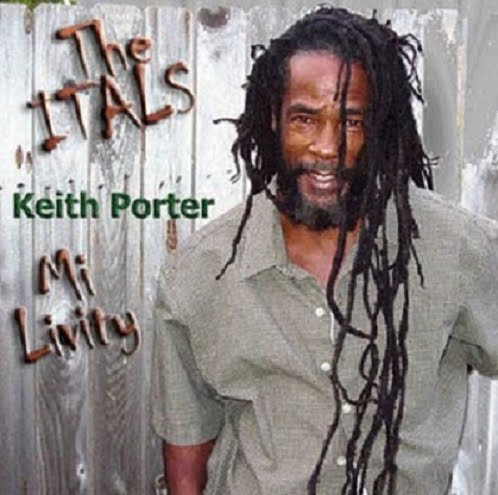
The late 1980s brought however its first ruptures: Ricketts was incarcerated and could no longer travel to the United States; David Isaacs replaced him. Davis left in 1994, making way for Kada Porter, Keith’s daughter. Over the years, harmonies have changed but the compass has not: Keith Porter remains the undisputed bearer of the Itals sound. In 2015, he released Mind Over Matter, a remastered compilation of 22 historical tracks, and launched his solo album Let’s Get It On, a reggae cover album of R&B classics.
Major Works
| Work | Year | Why It’s Essential |
|---|---|---|
| “In A Dis Ya Time” (single) | 1976 | |
| Brutal Out Deh (album) | 1982 | First long-format release; raw sound and perfect harmonies, first international shock |
| Give Me Power ! (album) | 1984 | Shift from spiritual themes to social discourse; #1 on CMJ Reggae Route chart |
| Rasta Philosophy (album) | 1987 | Consecration, Grammy nomination; balance between Rastafari faith and social critique |
Legacy and Influence
The Itals are one of the few Jamaican vocal groups to have maintained their harmonious roots reggae sound well into the dancehall era. Their music never sought to follow trends: it is a choice of consistency and identity. The late institutional recognition — the Grammy, the inclusion of “In A Dis Ya Time” in the Rolling Stones’ selection — did not distract them: Keith Porter continues to tour with his children, and every night on stage, the same triumphant formula of three voices is confirmed: that of a group that never needed to chase current events to exist.
Sources and References
- “The Itals”, Wikipedia, https://en.wikipedia.org/wiki/The_Itals, accessed November 10, 2025.
- “Artist Profiles: The Itals”, World Music Central, https://worldmusiccentral.org/artist-profiles-the-itals, accessed November 10, 2025.
- “The Itals”, AllMusic, https://www.allmusic.com/artist/the-itals-mn0000767534, accessed November 10, 2025.
- “The Itals - Complete Discography | Roots Archives”, https://www.roots-archives.com/artist/135, accessed November 10, 2025.
- “Keith Porter brings the reggae beat to Portsmouth”, SeaCoast Online, https://seacoastonline.com/story/news/2005/07/19/keith-porter-brings-reggae-beat/50237709007, accessed November 10, 2025.
- “Bio”, Itals Music, https://www.italsmusic.com/bio/, accessed November 10, 2025.
- “The Itals”, Wild Hare Music, https://wildharemusic.com/wildhare_artists/the-itals, accessed November 10, 2025.