Biography
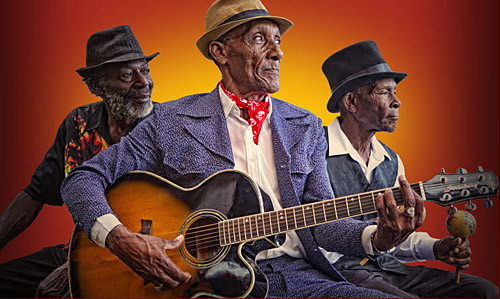
The Jolly Boys
In 1946, on Navy Island off the coast of Port Antonio, Hollywood star Errol Flynn cleared the dance floor to welcome a local group playing banjo, maracas, and a wooden box fitted with metal tines. The sound was rustic, the lyrics full of sensual humor. Flynn clapped his hands, laughed out loud, and named the group The Jolly Boys — the happy boys. The nickname remains, almost seventy-five years later, the mark of a formation that carried Jamaican mento from the beaches of Portland to international stages.
In Brief
| Group Name | The Jolly Boys |
| Origin | Port Antonio, Jamaica |
| Genres | Mento, ska, rocksteady |
| Active Period | 1945–2023 (at least) |
| Iconic Albums | Pop ’n’ Mento (1989), Lighten Up (1993), Great Expectation (2010) |
| Founders | Moses Deans (banjo, guitar), Papa Brown (rumba box) |
Key Dates
| Year | Event |
|---|---|
| 1945 | Birth of the Navy Island Swamp Boys, precursors to the group (April 11) |
| ~1955 | Refounded as The Jolly Boys; Errol Flynn allegedly gave them their name |
| 1962 | Finalists in a national mento group contest in Kingston |
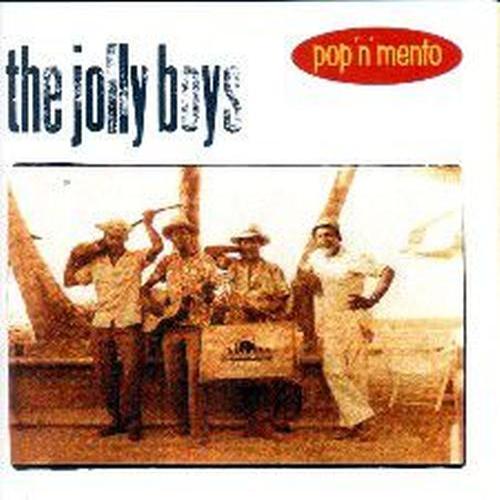
| 1989 | Pop ’n’ Mento, first international album produced by Jules Shear (Cooking Vinyl) |
| 1998 | Death of founder Moses Deans; the group becomes house band at GeeJam |
| 2010 | Release of Great Expectation, album of rock covers reimagined in mento |
From Port Antonio Beaches to Hollywood Parties
The story of the Jolly Boys takes root in the shallow waters of Navy Island, off Port Antonio. On April 11, 1945, the precursor group Navy Island Swamp Boys formed around Moses Deans (banjo and guitar), Noel Lynch (guitar), and Papa Brown (rumba box — a wooden box fitted with metal tines that the musician plays while sitting on it, sort of an improvised keyboard). These artisanal instrumentation — banjo, maracas, kalimba, bamboo saxophone — characterize mento from its origins.
The Swamp Boys performed at parties organized by Errol Flynn on Navy Island, an island the Hollywood star purchased in 1946 after a forced stopover. According to local legend, it was Flynn himself who named the group The Jolly Boys because of the joyful energy he perceived in their playing. When the Swamp Boys dissolved in 1955, Deans and Brown refounded the group with Derrick Henry (maracas and rumba box), Martell Brown, and David Martin on guitar. Allan Swymmer, regular replacement percussionist, officially joined the formation in the 1960s and became one of the pillars of the group’s history.
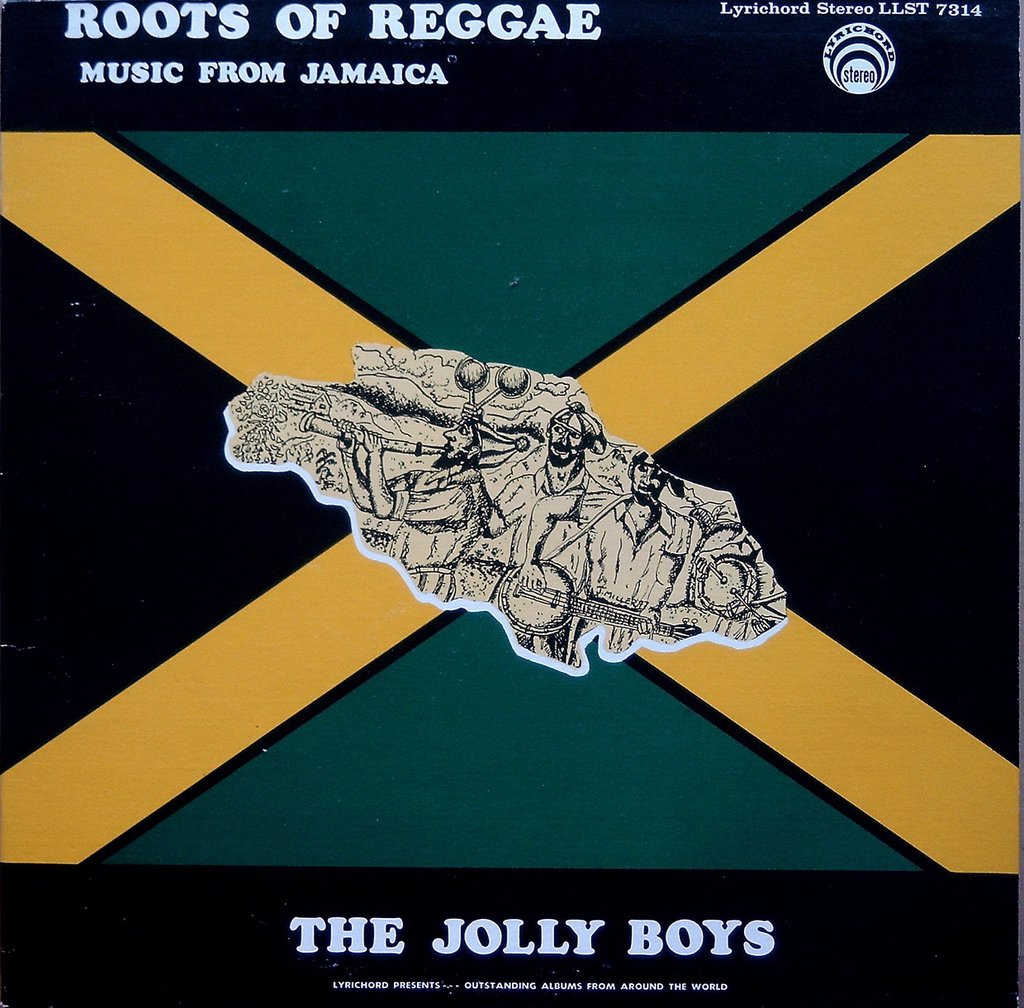
Mento, a rural Afro-Caribbean style, preceded ska and reggae. It is party music — the lyrics speak of sex, rum, and dark humor with constant innuendos. The Jolly Boys were among the first artists to record this sound, before Bob Marley made reggae global.
From the Dark Decade to Global Revival
The rise of ska, then reggae in the 1960s plunged mento into a long period of oblivion. The Jolly Boys survived by performing in island hotels — the Round Hill in Montego Bay, Port Antonio beach. In 1983, they appeared in Zombie Island Massacre playing “Sarah”. In 1987, they made an appearance in The Mighty Quinn with Denzel Washington. In 1989, British producer and songwriter Jules Shear discovered them at the Trident Hotel in Port Antonio, invited them to the studio, and produced their first international album, Pop ’n’ Mento, released on Cooking Vinyl.
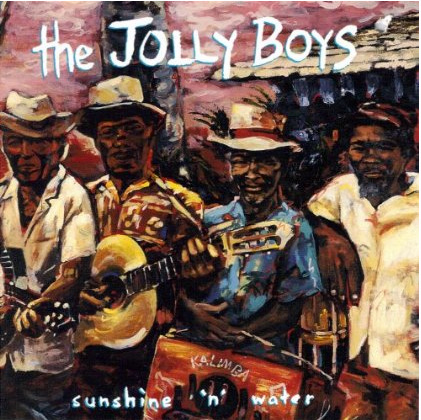
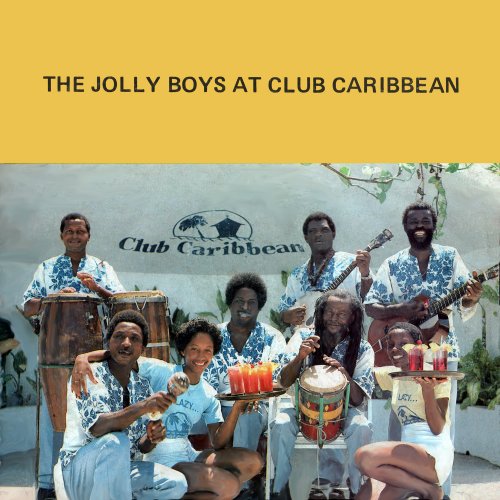
Between 1989 and 1997, the Jolly Boys released four albums (Pop ’n’ Mento, Sunshine ’n’ Water, Lighten Up, and a fourth), toured the UK, continental Europe, and the United States. They were nicknamed by British press the Jamaican Buena Vista Social Club. Moses Deans died in 1998, but the group rebuilt around Albert Minott (vocals), Joseph « Powda » Bennett (rumba box), and Derrick Henry. The Jolly Boys became the permanent residence of GeeJam Studio in Port Antonio, where artists like Amy Winehouse, Gorillaz, or Drake would come to record.
The Golden Age: Great Expectation and Rock Covers in Mento
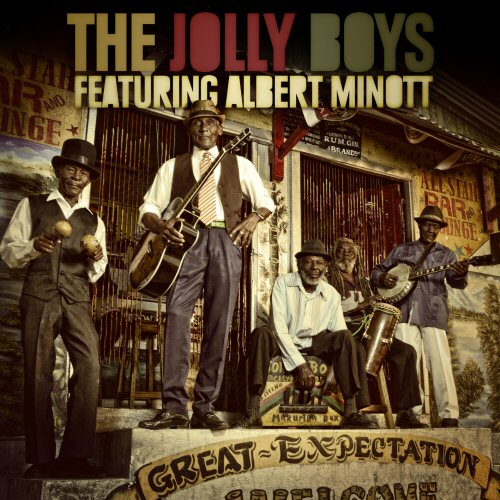
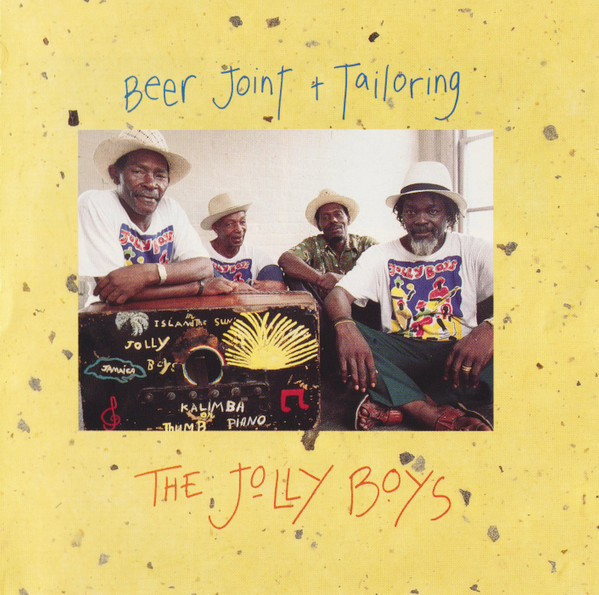
In 2009, Jon Baker — former label director at Island Records and co-founder of GeeJam Hotel with his wife Jane Moore — proposed an ambitious project to the Jolly Boys: re-recording rock classics in mento version. The album, Great Expectation, was released in 2010 on GeeJam Recordings label. It includes mento versions of as varied titles as “Ring of Fire” (Johnny Cash), “Rehab” (Amy Winehouse), and “Blue Monday” (New Order). Daniel Neely, ethnomusicologist specialized in mento, served as musical director. Cedric Brooks (saxophone) and Dale Virgo (percussion) brought their modern arrangements. Albert Minott affirmed to Billboard in 2011 that all ska, reggae, and dancehall descend from mento. The project opened a new international phase for the Jolly Boys, with tours in the UK and Europe. Today, the foundational formation still gathers Albert Minott (vocals), Allan Swymmer (percussion), and Egbert Watson (banjo).
Major Works
| Album | Year | Why It’s Essential |
|---|---|---|
| Pop ’n’ Mento | 1989 | First international album; launched the group’s global career with Jules Shear |
| Lighten Up | 1997 | Last album of the first era; world tours and recognition in Europe |
| Great Expectation | 2010 | Rock covers reimagined in mento — major creative and media revival |
Heritage and influence
Mento is the direct ancestor of ska, rocksteady, and reggae: without this Afro-Caribbean rural tradition that the Jolly Boys preserved for more than seventy years, these genres might never have existed. Great Expectation introduced mento to a new generation of listeners. The group continues to perform at the GeeJam Hotel and on international festivals, even though most of its founding members have passed away.
Sources and references
- « The Jolly Boys », Wikipedia, https://en.wikipedia.org/wiki/The_Jolly_Boys, accessed November 10, 2025.
- « The Jolly Boys — Biography, Discography & Reviews », AllMusic, https://www.allmusic.com/artist/the-jolly-boys-mn0000771097, accessed November 10, 2025.
- Mark Pappas, « The oldest swingers: the Jolly Boys », The Guardian, July 25, 2010, https://www.theguardian.com/music/2010/jul/25/the-jolly-boys-music-jamaica-mento, accessed November 10, 2025.
- Simon Collins, « The Jolly Boys: sound that rocked Jamaica — and Errol Flynn », The Telegraph, accessed November 10, 2025, https://www.telegraph.co.uk/culture/music/rockandpopfeatures/7903203/The-Jolly-Boys-sound-that-rocked-Jamaica-and-Errol-Flynn.html
- Jamaica Observer, « The Jolly Good Fellows », August 21, 2010, https://www.jamaicaobserver.com/2010/08/21/the-jolly-good-fellows/, accessed November 10, 2025.
- New York Times, « With Island Spice, and Years of Seasoning, Old is New Again », February 26, 2011, https://www.nytimes.com/2011/02/26/arts/music/26jolly.html, accessed November 10, 2025.
- NPR, « Jolly Boys: Aging Jamaican Troubadours Go Rock », May 10, 2011, https://www.npr.org/2011/05/10/136137265/jolly-boys-aging-jamaican-troubadours-go-rock, accessed November 10, 2025.
- M Music & Musicians Magazine, « The Jolly Boys », June 2011, https://mmusicmag.com/m/2011/08/the-jolly-boys, accessed November 10, 2025.
- Billboard, « Jolly Boys: Why GeeJam Recordings Launched with a Septuagenarian Jamaican Mento Band », https://billboard.com/music/music-news/jolly-boys-why-geejam-recordings-launched-with-a-septuagenarian-jamaican-1178883, accessed November 10, 2025.
- Discogs, « The Jolly Boys — Discography », https://www.discogs.com/artist/575058-The-Jolly-Boys, accessed November 10, 2025.