Biography
Théo Blaise Kounkou: the golden voice of Congolese rumba
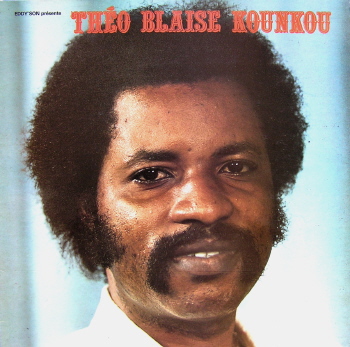
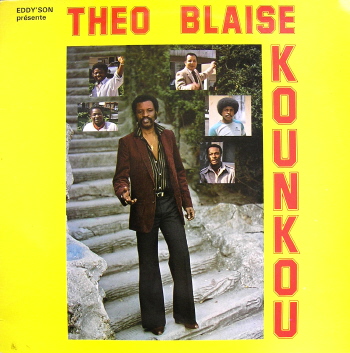
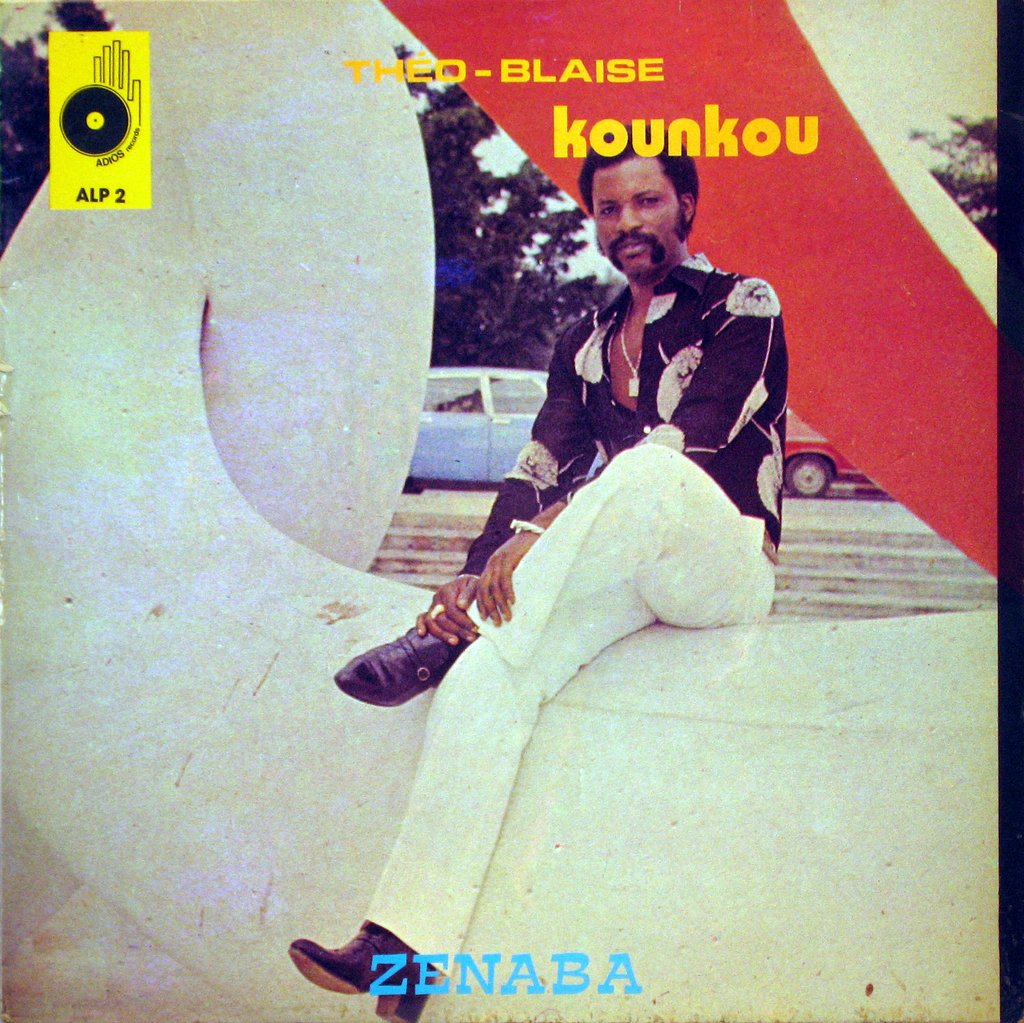
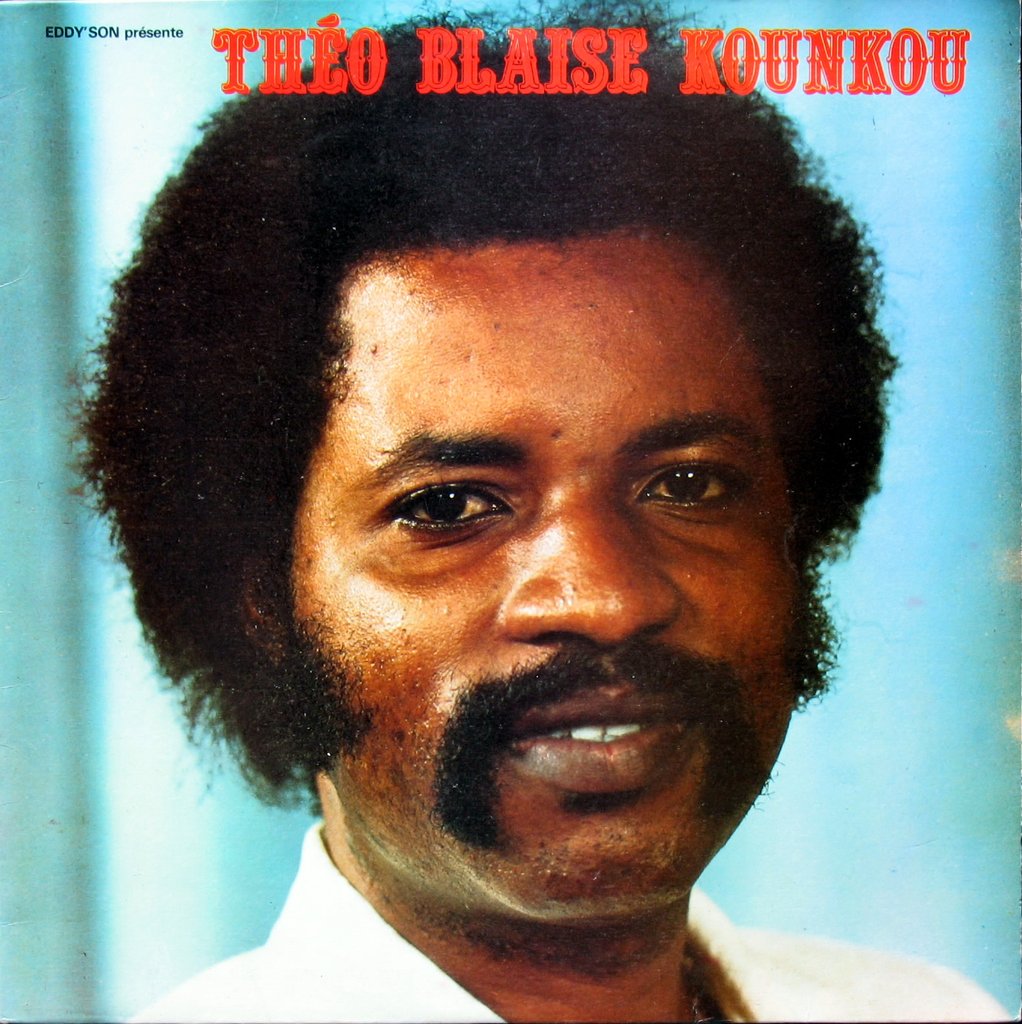
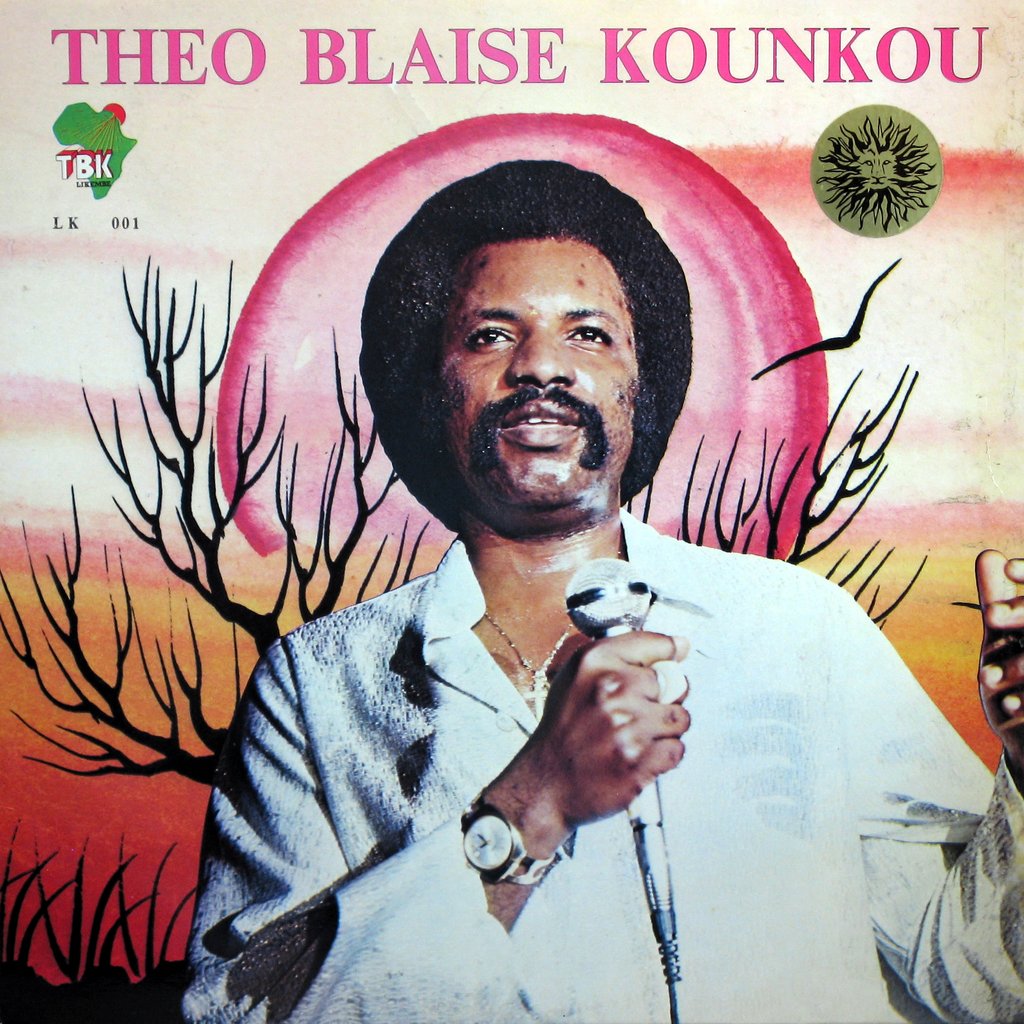
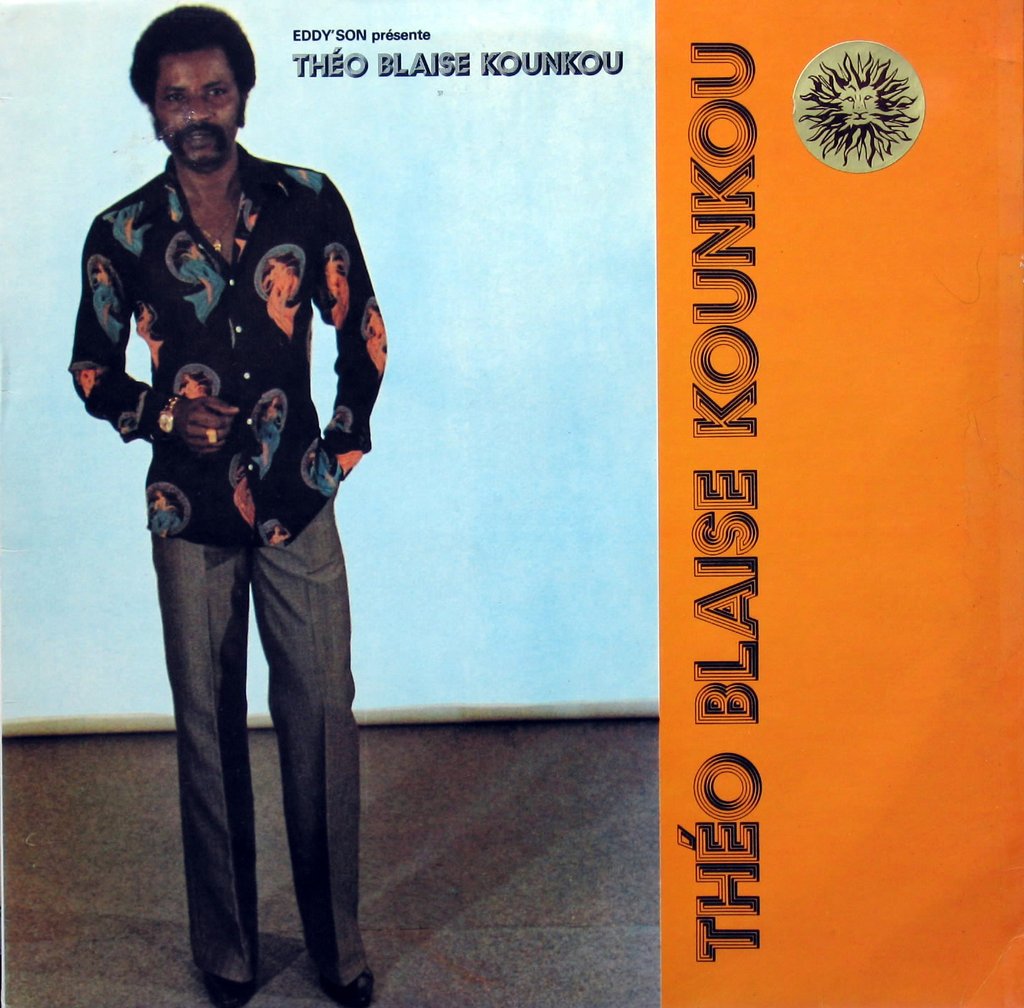
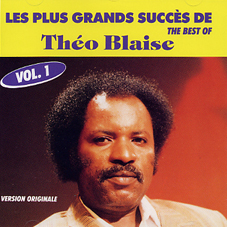
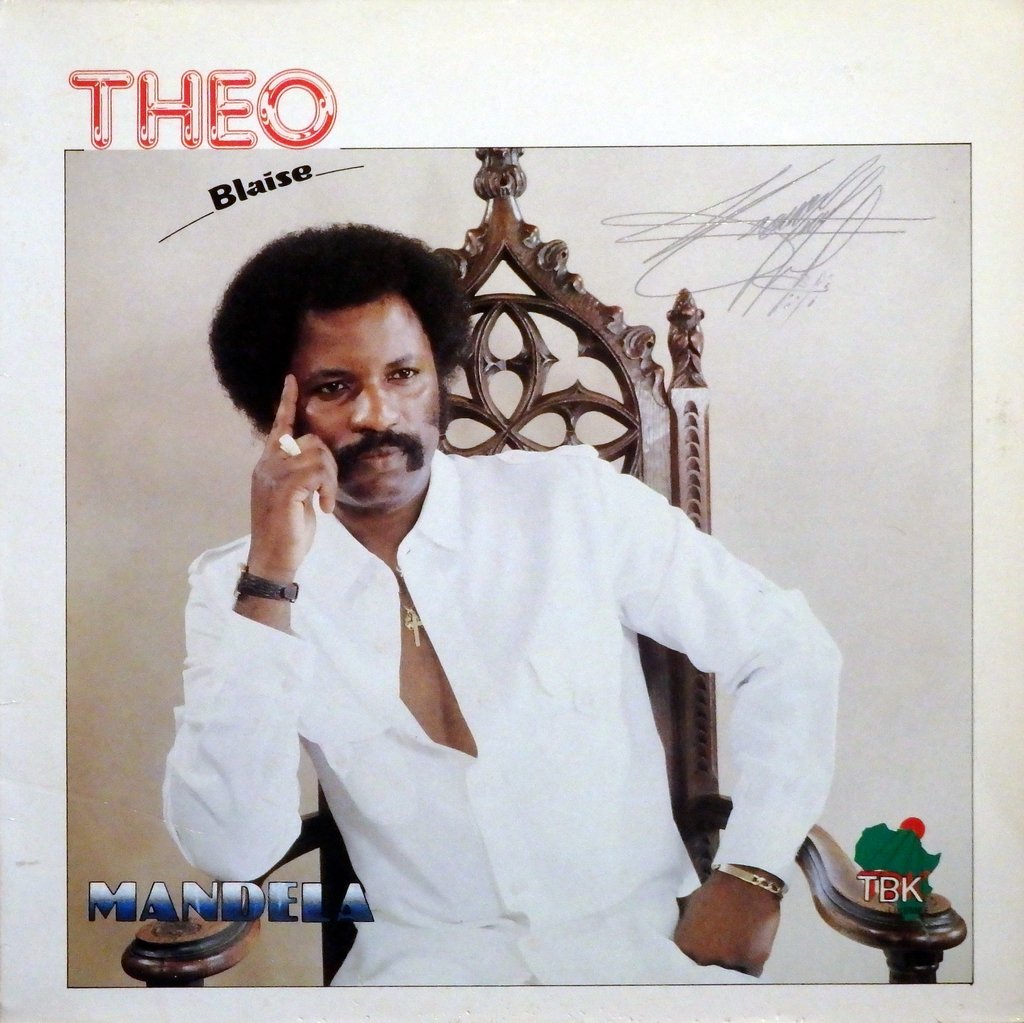
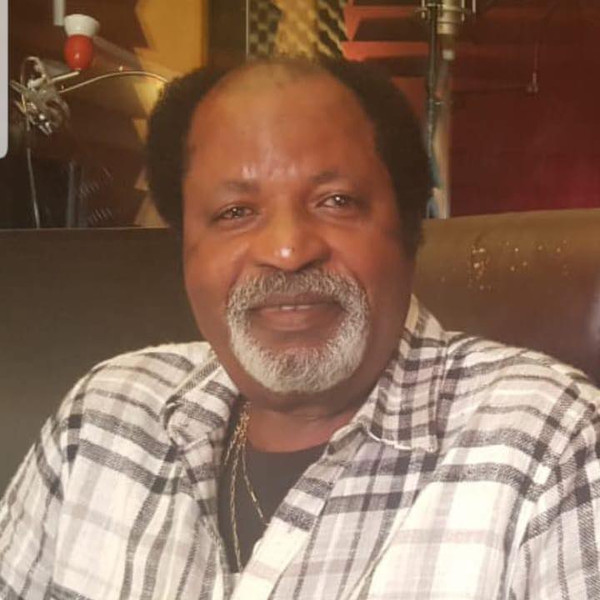
Brazzaville, 1980s. On a terrace in the Poto-Poto neighborhood, Théo Blaise Kounkou sets down his Micro and drops these words: “Mwana Djambala”. The title is an anthem — and the man is a singer whose clear voice went around the continent without ever getting tired. Today, at 74, TBK — as he is affectionately called — remains a pillar of Congolese rumba, a craftsman of melodies that cross generations.
In brief
| Full name | Théo Blaise Kounkou |
| Nickname / alias | TBK |
| Birth | April 24, 1950, Poto-Poto, Brazzaville (Republic of the Congo) |
| Field | Congolese rumba, afro-soul (Congolese rumba — a genre born in Congo in the 1940s, a blend of Cuban sound and African rhythms) |
| Emblematic works | “Eden”, “Mwana Djambala”, “Belle Amicha”, “Nadia Soleil” |
| Distinctions | First Ngatsié title awarded by the Téké diaspora (2015); artist at the Conservatoire de Paris |
Key dates
| Year | Event |
|---|---|
| 1950 | Birth in Poto-Poto, Brazzaville |
| 1964 | Integration into Catholic choirs at age 14 |
| 1970-1974 | First steps in neighborhood orchestras in Brazzaville and Kinshasa; “Les As”, “Mando Negro Kwala Kwa” |
| 1974 | First fetish title: “Amen Ledy”; departure for Cotonou (Benin) |
| 1977 | Pan-African Festival in Lagos; participation in the Orchestre National du Congo |
| Late 1970s | Departure for Abidjan; meeting with Sam Mangwana; creation of African All Stars |
| Early 1980s | Installation in Paris; creation of his own label, TBK Record |
| 1980 | Release of Belle Amicha and the hit “Mwana Djambala” |
| 1982 | Release of Eden, his greatest commercial success |
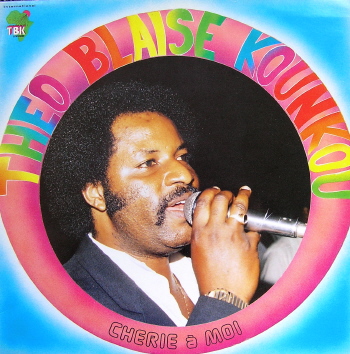
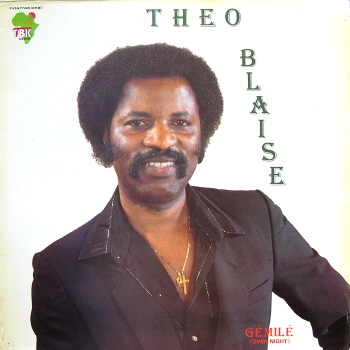
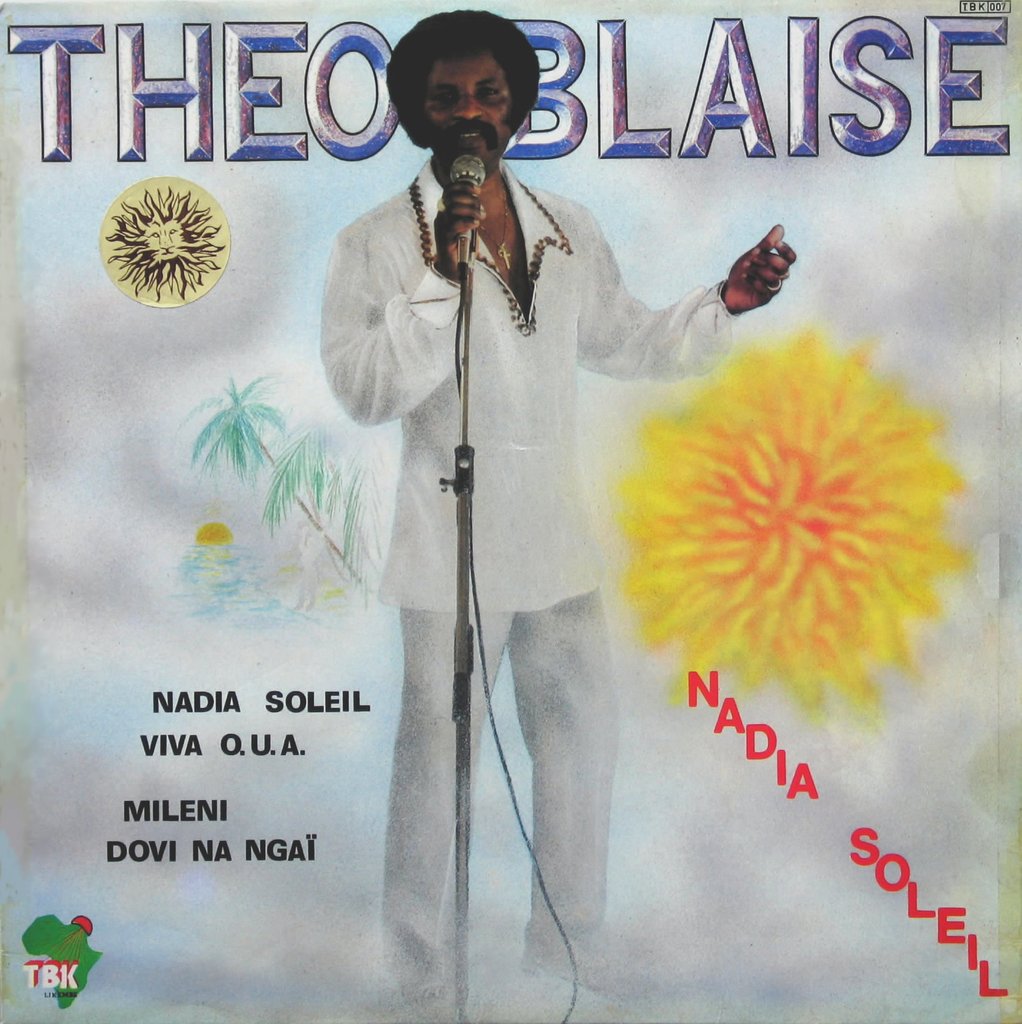
| 1983-1987 | Series of albums: “Gémilé” (1983), Nadia Soleil and Celia (1984), “Chérie à moi” (1987) |
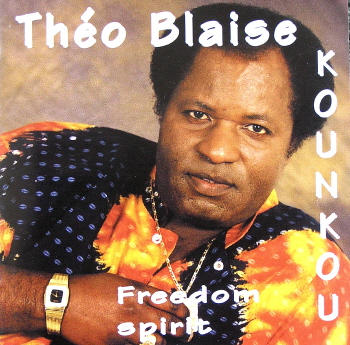
| 1992 | Album Nadia Soleil (reissue); Freedom Spirit (1997) |
| 2003-2006 | Collaborations: Orchestre Poly-Rythmo de Cotonou, Maika Munan (Congo Masters) |
| 2013 | National tribute during the independence ceremony in Djambala |
| 2015 | Elevated to the rank of first Ngatsié by the Téké Congolese in Paris |
| 2017-2018 | Concerts at Salon Fougajazz (Paris region), invited to ADN 104, Paris |
A child of rhythm
Théo Blaise Kounkou grew up in the mythical Poto-Poto neighborhood, a musical crucible where rhythms crossed at the end of the 1950s. From childhood, rhythm was not a curiosity: it was a language. He tapped his foot on the drums crossing the streets, imitated the melodies of birds — and very quickly, his neighbor recognized him as a born musician.
In 1964, at fourteen, he joined the Catholic choirs where he learned vocal harmonies that would shape his style. Then, on the path of the Congo River, he crossed over to Kinshasa (then Léopoldville) to perfect his singing in neighborhood orchestras. The South African model Congolese rumba, and TBK grasped this music in its raw energy.
Back in Brazzaville, he joined two local formations: Les As and Mando Negro Kwala Kwa. In 1974, he recorded his first title that would mark the public — “Amen Ledy” — and set sail.
The great African journey (1974–1980)
His career first took him to West Africa. In Cotonou (Benin), he made a place within the Poly-Rythmo orchestra, this legendary rhythm machine. He recorded several albums and participated in the Pan-African Festival in Lagos, Festac 77. But West Africa did not hold his ambition.
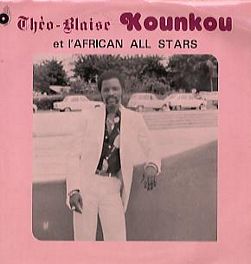
He went to Abidjan and crossed paths with Sam Mangwana, a rising figure of soukous. The two men already knew each other from one bank to the other of the river, and together they founded African All Stars. The group circulated in major African cities and laid its foundations: a music that speaks to Congolese as much as to Ivorians.
Finally, Paris opened its arms to him in the early 1980s. TBK was among the very first Congolese rumba singers to sing in French and Lingala, opening his music beyond the Congolese basin. There, he founded his own label, TBK Record, and began laying the foundations of what would become an immortal repertoire.
Classics of Congolese rumba
The album Belle Amicha, released in 1980 under his label, lifts the veil on his voice: “Mwana Djambala” (the son of Djambala) becomes a colossal hit. It is an ode to the Téké people, this ethnicity from western Congo from which he comes. The single breaks all records in Central Africa and enters the Antilles charts. On this album, he works with Lokassa ya Mbongo and Dizzy Mandjeku on guitar — an exceptional line-up.
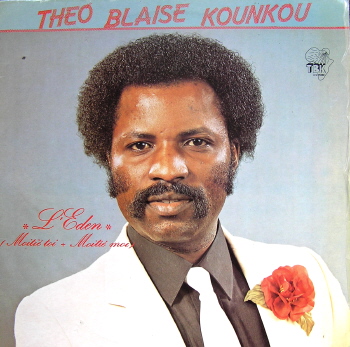
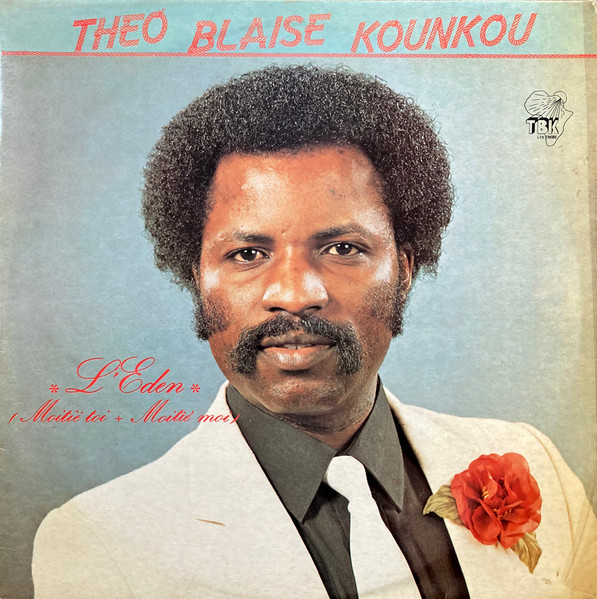
But it is the album Eden (1982) that consecrates TBK. Sung mainly in French, “Eden” has become an absolute classic of Congolese rumba — an anthem for ceremonies, the one that transforms weddings into unforgettable parties. The work speaks of love, and love is always universal.
The following decade is fertile: “Gémilé / Over Night” (1983), the albums Nadia Soleil and Celia (1984), “Chérie à moi” (1987) — so many titles that couples still sing. Each piece carries within it this clear voice that seems incapable of veiling itself, and a sense of rhythm forged over half a century of practice.
Major works
| Work | Year | Why it is essential |
|---|---|---|
| Belle Amicha | 1980 | First major solo album; “Mwana Djambala” becomes an anthem for the Téké people |
| Eden (single) | 1982 | Monumental hit; ideal song for wedding ceremonies in Central Africa |
| Celia | 1984 | Artist’s dive into folk rumba, with refined vocal arrangements |
| Nadia Soleil | 1984 | A classic that blends pop melody and Congolese rumba roots |
Heritage and influence
Théo Blaise Kounkou occupies a unique place in the Congolese musical landscape. He is one of the few rumba singers to have attended the Paris Conservatory, a singular achievement for an artist emerging from popular orchestras. His approach — blending traditional rumba with learned harmonies — remains unique.
The 1980 hit “Mwana Djambala” is not merely a hit song: it is a cornerstone of Congolese national identity. On August 15, 2013, during the independence ceremony in Djambala, a public tribute was paid to him. In 2015, the Téké Congolese diaspora in Paris bestowed upon him the honorary title of first Ngatsié — landowner of the Téké territory. A rare recognition, awarded to an outsider who became the bard of Téké culture.
Today, younger generations of Congolese musicians rediscover his pieces, and Parisian DJs play “Eden” in their rumba selections. And TBK, accompanied by his musicians, continues to make scenes vibrate — a notable final appearance at the 104 in Paris in April 2018, invited by Émile Omar.
Sources and references
- « Théo Blaise Kounkou », Wikipedia, https://fr.wikipedia.org/wiki/Th%C3%A9o_Blaise_Kounkou, accessed November 6, 2025.
- « Théo Blaise Kounkou », Discogs, https://www.discogs.com/artist/1913262-Th%C3%A9o-Blaise-Kounkou, accessed November 6, 2025.
- « Theo Blaise Kounkou », AllMusic, https://www.allmusic.com/artist/theo-blaise-kounkou-mn0001254291, accessed November 6, 2025.
- « Émile Omar invites Congolese rumba legend Théo Blaise Kounkou to the 104 », Pan-African Music Magazine, https://pan-african-music.com/emile-omar-theo-blaise-kounkou/, accessed November 6, 2025.
- « From Théo-Blaise Kounkou TBK, eminent musician and exceptional singer », Congo Page, https://www.congopage.com/De-Theo-Blaise-KOUNKOU-TBK-Eminent-musicien-et-chanteur-d-exception, accessed November 6, 2025.
- « THEO BLAISE KOUNKOU », Jabulani Radio, https://www.jabulaniradio.com/news/theo-blaise-kounkou-47, accessed November 6, 2025.