Biography
Tito Puente: the king of mambo who made the whole world dance
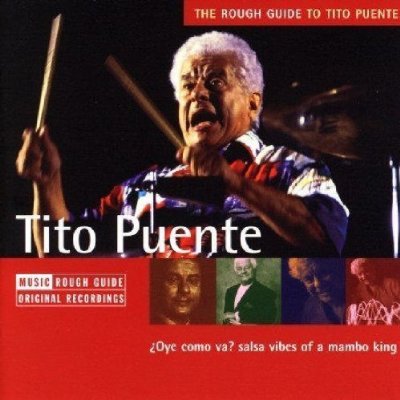
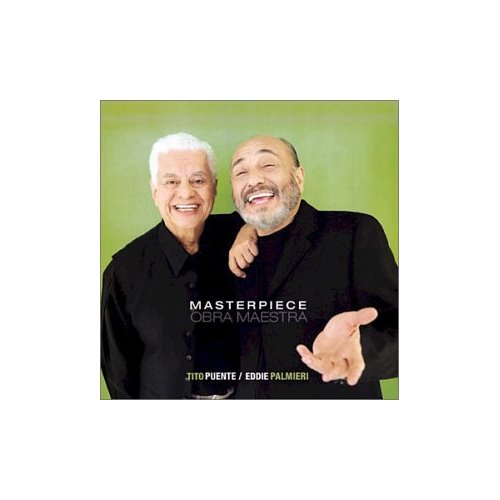
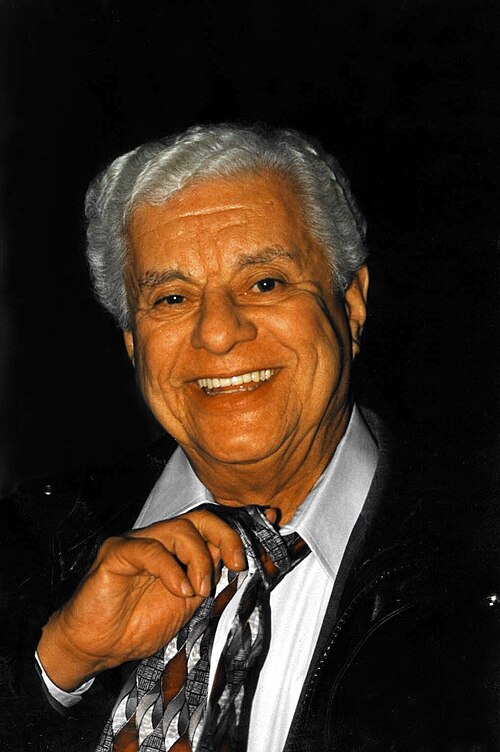
Harlem, 1947. In the packed Palladium Ballroom hall, a musician bounces on stage with timbales in hand, his face contorted by smiles and grimaces that make the audience laugh and dance. There he is, the “king” of mambo: Ernest “Tito” Puente has just transformed Latin America and jazz into a single rhythmic explosion. Born in Spanish Harlem to Puerto Rican parents, he became the world’s ambassador for Latin music for over fifty years until his death in 2000.
In brief
| Full name | Ernest Anthony Puente Jr. |
| Birth | April 20, 1923, New York (Spanish Harlem) |
| Death | May 31, 2000, New York |
| Origin | Immigrant Puerto Rican parents |
| Field | Latin music: mambo, latin jazz, cha-cha-chá |
| Instruments | Timbales, vibraphone, percussion, piano |
| Nickname | “El Rey” (The King) |
| Honors | 5 Grammys, Grammy Lifetime Achievement Award (2003), National Medal of Arts (1997), key to the city of New York |
Key dates
| Year | Event |
|---|---|
| 1923 | Birth in Harlem to Puerto Rican parents |
| 1942-1945 | Service in the Navy during World War II |
| 1946 | Studies at Juilliard under the GI Bill |
| 1947 | Formation of the Piccadilly Boys |
| 1948-1950 | Regular appearances at the Palladium Ballroom in New York |
| 1958 | Release of Dance Mania, a legendary album |
| 1962 | Composition of “Oye Como Va” |
| 1971 | Santana covers “Oye Como Va”, becoming a worldwide hit |
| 1991 | 100th album recorded |
| 1997 | National Medal of Arts from President Clinton |
| 2000 | Death at age 77, after a performance in Puerto Rico |
Origins, rumors, and revelation
Tito Puente was born on April 20, 1923, at the Harlem Hospital Center, son of Ernesto and Ercilia Puente, two Puerto Rican immigrants settled in Spanish Harlem1. As a hyperactive child, he hit everything that made noise—pots, window frames—to the point where his neighbors complained. His mother then bought him piano lessons for 25 cents. The child quickly switched to percussion, fascinated by jazz drummer Gene Krupa. He even created a singing-dancing duo with his sister Anna in the 1930s, but an ankle tendon injury prevented him from pursuing dance2.
After three years of service in the Navy during World War II, Puente studied at the Juilliard School of Music under the GI Bill, where he trained in singing, orchestration, and conducting. He then played with Machito’s orchestra—one of the pioneering figures in Afro-Cuban fusion—before launching his own groups3. Through his unique stage charisma, he placed percussion at the forefront and disrupted the codes of major orchestras of the time, where percussion traditionally remained in the background.
King of the Palladium
With his orchestra, Tito Puente became the star of the Palladium Ballroom, the dance palace on Broadway in Manhattan, where Cubans, Puerto Ricans, Italian-Americans, and African Americans danced together to the rhythm of mambo. The Palladium, nicknamed “the house of mambo,” opened in 1943 and drew multicultural crowds under the hall’s spotlights4. There, the young maestro broke down barriers between communities: New York white jazz, Cuban rumba, and Puerto Rican bolero mixed together to give birth to what would later be called salsa.
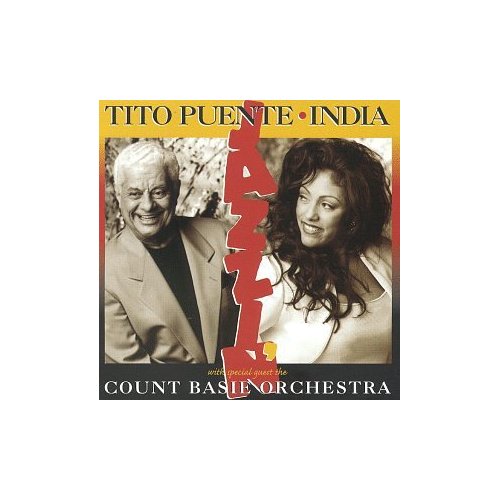
The audience loved his flamboyant stage presence: he played timbales while bouncing, grimaced, and interacted with the crowd. His personal motto was simple and effective: “To stay there is the hard part”5. This motto summarizes the philosophy of a man who recorded 118 albums over sixty years, working up to 300 concerts a year. He collaborated with legends such as Dizzy Gillespie, Celia Cruz, La Lupe, and later La India or Marc Anthony6.
Legacy and end
Tito Puente died on May 31, 2000, a few hours after a concert in Puerto Rico, following a heart attack. He was 77 years old. At the time of his death, he was still active, recording and touring7. His eldest son, Tito Puente Jr., continues his repertoire today.
His memory has been honored on multiple occasions: the Grammy Lifetime Achievement Award in 2003, the first Latin Grammy for Mambo Birdland in 2004, East 110th Street in Spanish Harlem renamed “Tito Puente Way,” and induction into the DownBeat Jazz Hall of Fame in 20258.
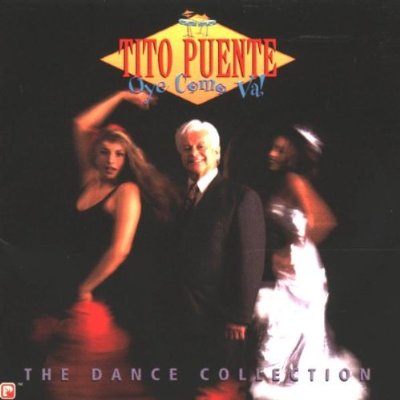
His most famous work, “Oye Como Va” (1962), was covered by Santana in 1970 and became a worldwide hit, ranked among the most important American musical works of the 20th century by NPR9. It is featured in both the Latin Grammy Hall of Fame and the Grammy Hall of Fame10.
Major works
| Work | Year | Why it’s essential |
|---|---|---|
| “Oye Como Va” | 1962 | The most famous title, covered by Santana in 1970, a global anthem |
| Dance Mania | 1958 | Foundational album for pop mambo, one of the best-selling from the Tico era |
| El Rey Bravo | 1962 | Album that immortalized Puente’s nickname “El Rey” |
| Mambo Birdland | 1999 | Album that earned him his first Latin Grammy (posthumous) |
Sources and references
-
Ernest Anthony Puente Jr., Wikipedia, accessed 31 October 2025 ↩︎
-
Smithsonian Institution, Latin Music Legends Stamps, accessed 31 October 2025 ↩︎
-
National Museum of the American Latino, Puro Ritmo, accessed 31 October 2025 ↩︎
-
The Palladium Ballroom, Routledge Encyclopedia of Music, accessed 31 October 2025 ↩︎
-
The New York Times, Mambo King Tirelessly Defends His Crown, 4 April 2000 ↩︎
-
AllMusic, Tito Puente Biography, Richard S. Ginell, accessed 31 October 2025 ↩︎
-
The Seattle Times, Jazz Legend Tito Puente: He Relishes Show-And-Tell, 5 February 1998 ↩︎
-
DownBeat, Tito Puente enters Hall of Fame, August 2025; Grammy.com, accessed 31 October 2025 ↩︎
-
NPR, Oye Como Va History, accessed 31 October 2025 ↩︎
-
WBGO, Take Five: Listening For the Asian Influence on Latin Jazz Trailblazer Tito Puente, 24 May 2021 ↩︎