Biography
Tonton David: the pioneer of French reggae
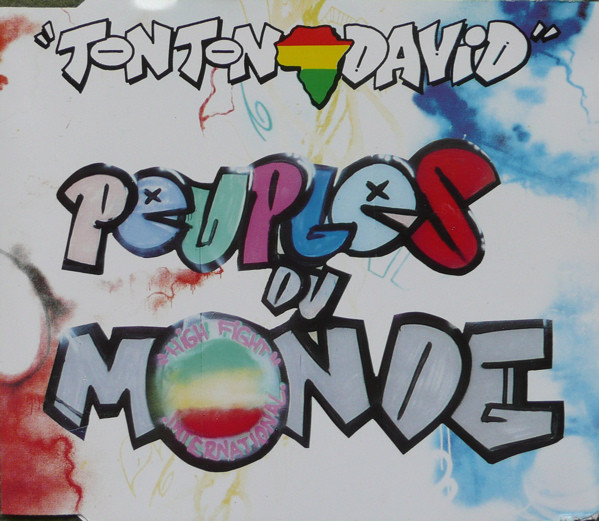
The first title he owes us, Peuples du monde, is today part of the collective memory of the 90s: a vividly colored clip signed by Mathieu Kassovitz propels a singular, committed and immediately popular voice.
In brief
| Full name | Ray David Grammont, known as Tonton David |
| Birth | October 12, 1967 (Réunion or Paris, depending on sources) |
| Death | February 16, 2021 (Nancy) |
| Field | French reggae, ragga and dancehall singer |
| Father | Ray Grammont, Réunionnais musician |
| Emblematic works | Le Blues des racailles, Allez leur dire, Récidiviste |
| Distinctions | Nomination for Victoires de la musique (1994); “Chacun sa route” in 3rd place |
Key dates
| Year | Event |
|---|---|
| 1967 | Born on October 12 (Réunion, according to RFI and franceinfo; Paris 14th arrondissement according to Wikipedia) |
| 1987 | Discovers the Rastafari scene and raggamuffin in England |
| Late 1980s | Joins High Fight International; first time on microphone end of January 1989 in Saint-Étienne |
| 1990 | “Peuples du monde” released on Rapattitude; ~100,000 copies |
| 1991 | Le Blues des racailles released (recorded in London); performs before 12,000 people at the Kafs festival (Réunion) |
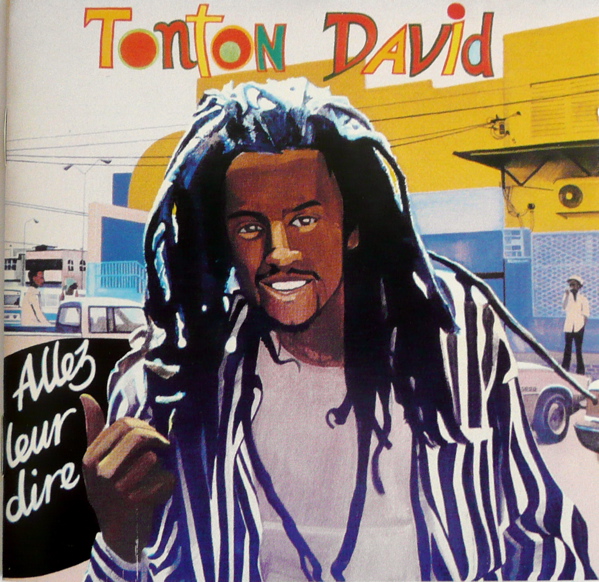
| 1992–94 | Reggae Sunsplash in Kingston (Jamaica); Allez leur dire released in 1994 |
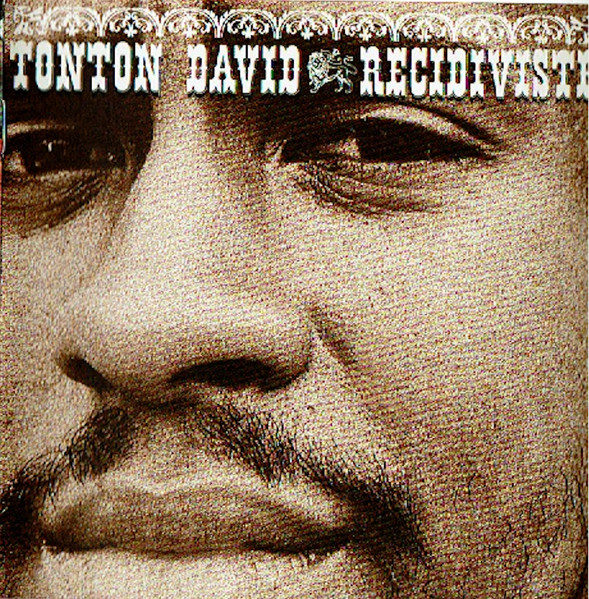
| 1995–96 | Récidiviste released (duo “Fugitif” with Cheb Mami); “Chacun sa route” in the soundtrack of the film, 3rd place |
| 1999–2000 | Viens released; tour in spring 2000 |
| 2020–21 | Last concert in Lacanau (August 2020); death on February 16, 2021 |
Distant origins, a Parisian apprenticeship and a decisive encounter
David Grammont was born on October 12, 1967 — according to RFI and franceinfo in Réunion, according to Wikipedia in the 14th arrondissement of Paris — son of the Réunionnais musician Ray Grammont. His parents emigrated very early to metropolitan France (Gambia, then Senegal): childhood was spent between Paris and the northern suburbs. At fourteen, he left home and discovered music in England (1987), where he immersed himself in the Rastafari scene and raggamuffin — a style of reggae sung like rap, with committed lyrics.
Back in France, passionate about reggae and soul (a musical style from the southern United States), he wrote many lyrics. In the squats where he organized parties, he revealed himself to be an excellent toaster — this term designates the MC or rapper on reggae rhythms. He participated in the late 1980s at High Fight International (Nuttea, Féfé Typical) and took the microphone for the very first time at the end of January 1989 in the Mistral Gagnant bar in Saint-Étienne — a success.
The revelation: Peuples du monde and Le Blues des racailles
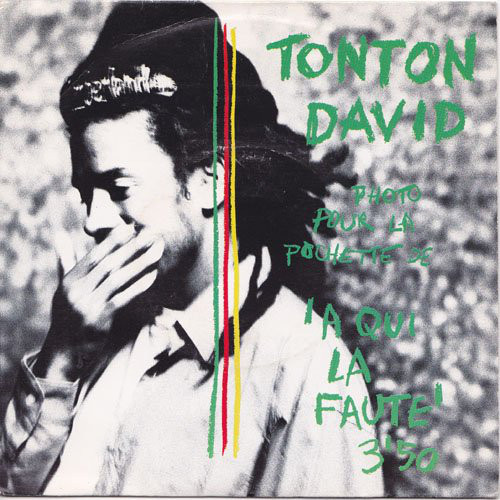
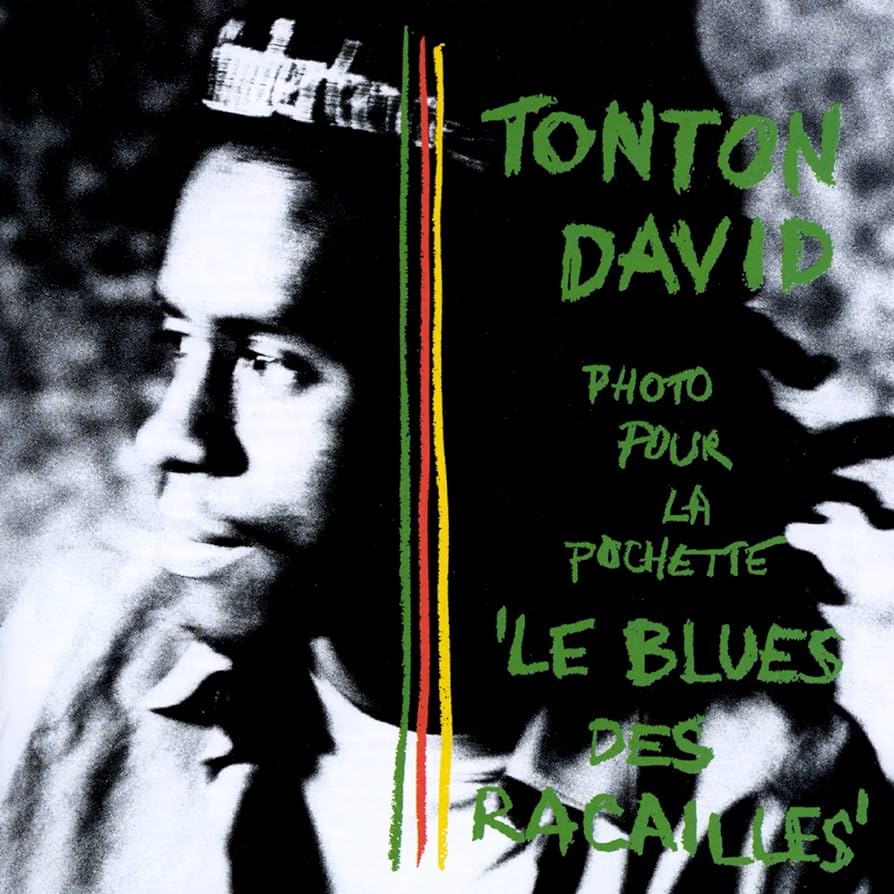
In 1990, Rapattitude — a French rap compilation produced by Virgin — made Tonton David a phenomenon: “Peuples du monde”, amidst tracks signed Suprême NTM, Assassin and EJM, sold ~100,000 copies. The clip directed by Mathieu Kassovitz was a huge success and would later be parodied by Les Inconnus. The following year, Le Blues des racailles was released (recorded in London and produced by Rudlion, who plays keyboards there). The album mixes reggae, raggamuffin, soul and gwoka; its tracks “CV”, “Pretoria” and “A qui la faute” became the anthems of children from housing projects. In 1991 as well, he performed before 12,000 people at the Kafs festival in Saint-Denis (Réunion); the following year, he sang at Reggae Sunsplash in Kingston (Jamaica).
Allez leur dire, Récidiviste and the soundtrack of Un Indien dans la ville
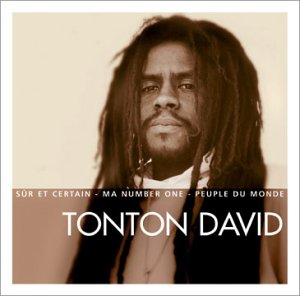
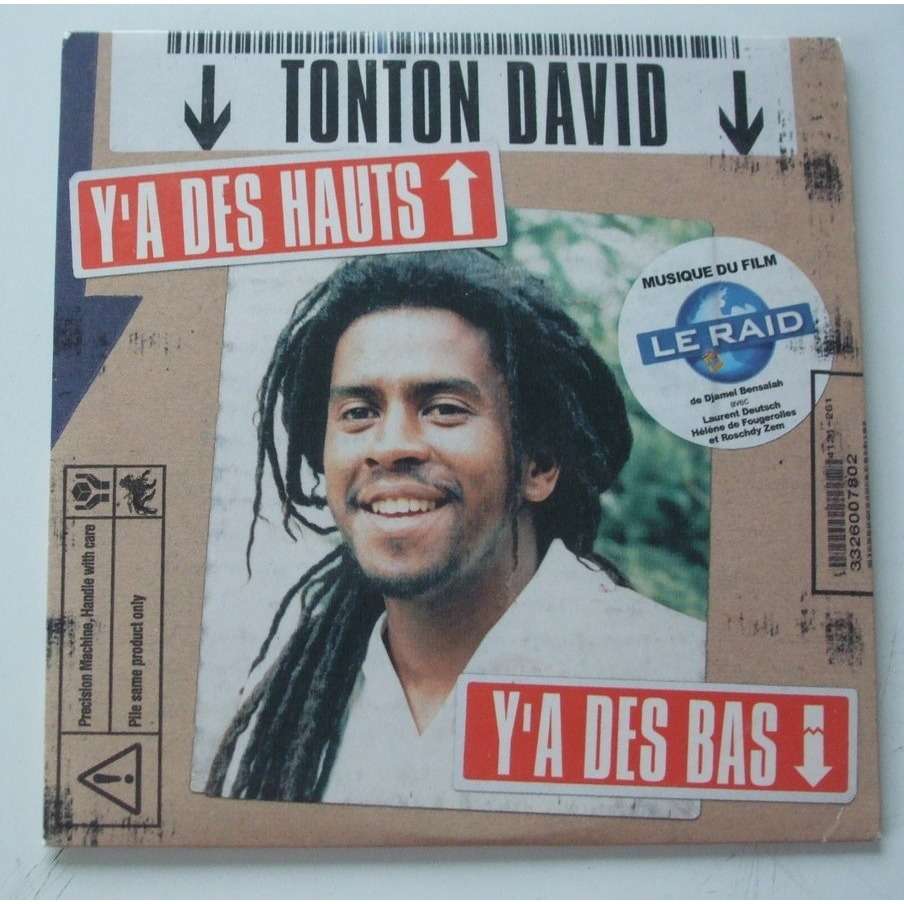
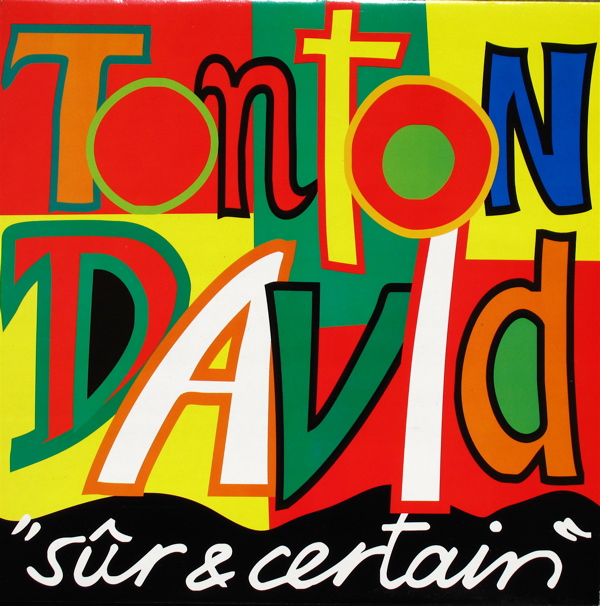
After building his second album in Dordogne and then recording in Memphis with Tyrone Downie, keyboardist for The Wailers and Bob Marley (who helped him compose), Allez leur dire was released in 1994. The single “Sûr et certain” sold ~350,000 copies and earned him a nomination for Victoires de la musique — “Sûr et certain” was taken up in demonstrations on March 28, 1994, during a France 2 broadcast; Jacques Chirac congratulated him the next day. Récidiviste was released the following year with “Pour tout le monde pareil” and a duo with Cheb Mami — “Fugitif”. Un Indien dans la ville (1996) then offered him “Chacun sa route” (with Manu Katché and Geoffrey Oryema), in third place on the French hit parade; the track is part of the film’s soundtrack which won a Victoire de la musique. In 1998, he produced the compilation Sans Limite with a duo Princess Erika and les Neg’Marrons.
Viens, La Gagne and the return — a more discreet but durable career
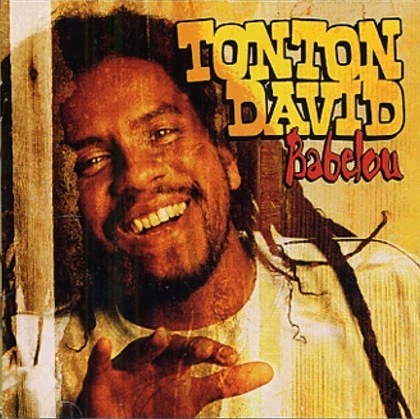
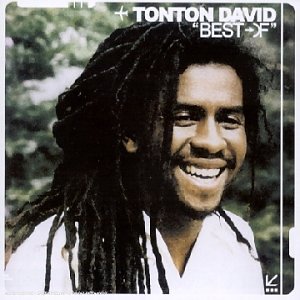
After Sans Limite, Viens was released in 1999; he performed during a tour in spring 2000. The album did not reach the same success as its predecessors, but welcomed a duo with N’Bee and Ben-J of les Neg’Marrons. His label Virgin published a Best Of in 2002, but he did not like this compilation; he left the Parisian suburbs and settled in the countryside. In 2005, the album Babelou was released with “La Gagne” (with Demon One and Dry). He then devoted himself to collaborations from his home studio in eastern France (with Dig Studio). In 2017, he planned an album “quite political” after the presidential election; that did not happen. His last concerts took place in Lacanau in August 2020 — Fred Lachaize, founder of the Reggae Sun Ska festival: “The sanitary context was particular, complicated with the Covid crisis, but we managed to maintain a few concerts in Lacanau”.
Major Works
| Work | Year | Why It’s Essential |
|---|---|---|
| Le Blues des racailles (album) | 1991 | Engaging text on the housing project; relaxed ragga anthems; figure among youth |
| Allez leur dire (album) | 1994 | “Sûr et certain” sold ~350,000 copies; nomination for Victoires de la musique |
| Récidiviste (album) | 1995 | “Pour tout le monde pareil” and duet with Cheb Mami; artistic consecration |
| Chacun sa route (song, film soundtrack) | 1996 | 3rd place on the hit parade; peak of consecration |
| Viens (album) | 1999 | New tour; discreet but dense album in collaborations |
| Babelou / La Gagne (album/single) | 2005 | “La Gagne” with Demon One and Dry; durable return to the general public |
Legacy and Influence
Tonton David remains the pioneer of French reggae: with Sinsemilia, he paved the way for artists like Babylon Circus, Dub Inc., and Tryo. He imposed an overseas genre on urban and popular France without abandoning his lyrics: each album bears the gaze of a man born in La Réunion. His hits — “Peuples du monde”, “Sûr et certain”, “Chacun sa route” — remain in the collective memory of the 1990s. His name is forever engraved in the history of French music, according to Reggae.fr which pays tribute after his death.
Sources and References
- « Tonton David », Wikipédia (fr), https://fr.wikipedia.org/wiki/Tonton_David, accessed November 23, 2026.
- « Tonton David », RFI Musique, March 4, 2021, https://rfi.fr/fr/musique/20210304-tonton-david, accessed November 23, 2026.
- « Tonton David légende du reggae français », Reggae.fr, February 17, 2021, https://reggae.fr/lire-article/4250_Tonton-David-legende-du-reggae-francais.html, accessed November 23, 2026.
- « Le chanteur de reggae Tonton David, auteur de “Chacun sa route”, est mort à l’âge de 53 ans », Franceinfo, February 16, 2021, https://franceinfo.fr/culture/musique/le-chanteur-de-reggae-tonton-david-auteur-de-chacun-sa-route-est-mort-a-l-age-de-53-ans_4299503.html, accessed November 23, 2026.
- « Mort de Tonton David, l’un des pionniers du reggae français », Le Parisien, February 16, 2021, https://leparisien.fr/culture-loisirs/musique/mort-de-tonton-david-l-un-des-pionniers-du-reggae-francais-16-02-2021-8425164.php, accessed November 23, 2026.