Biography
Trio Madjesi
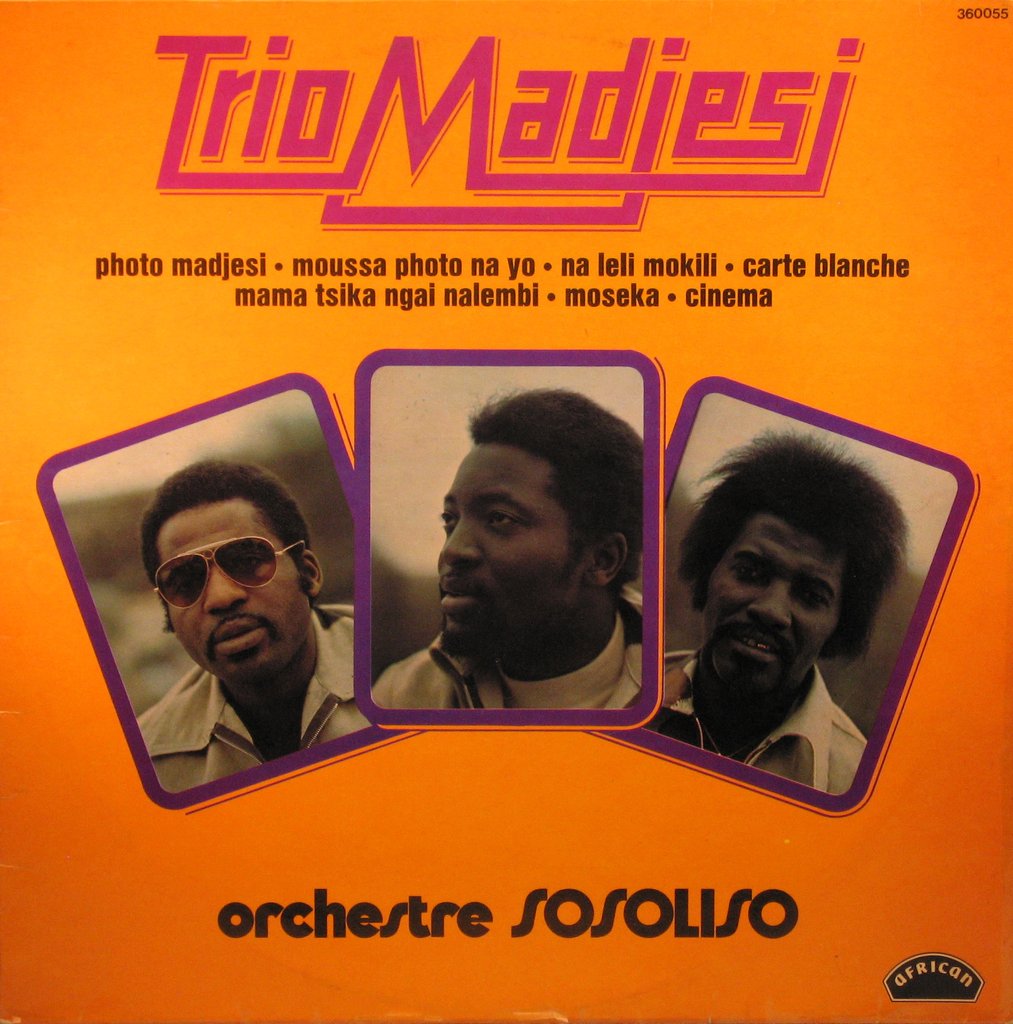
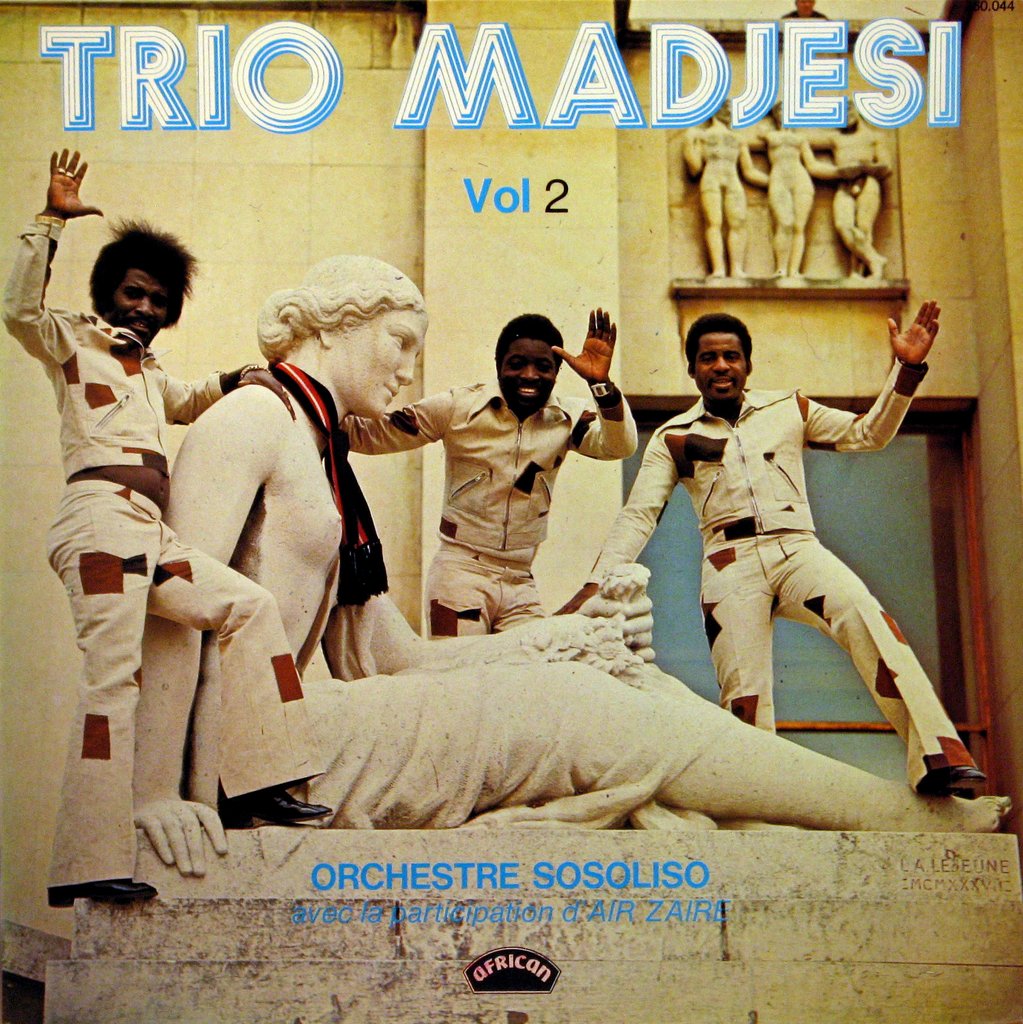
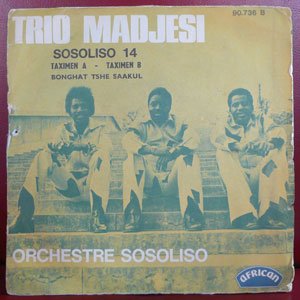
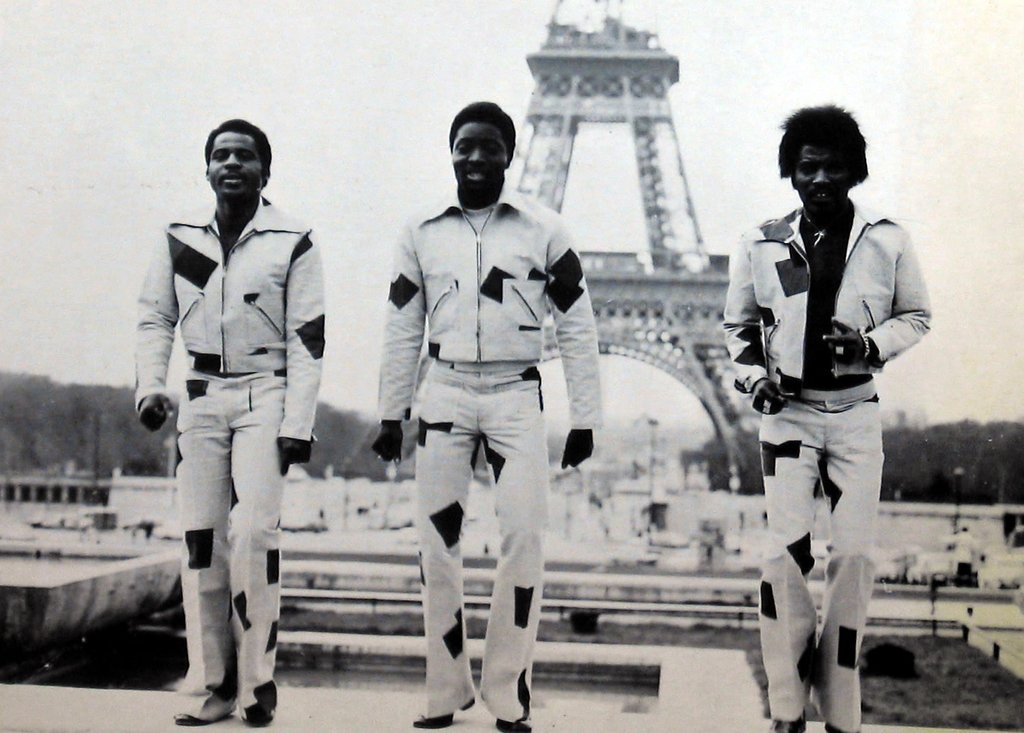
On October 28, 1972, at the Vis-à-vis bar in Kinshasa, three young singers performed for the first time under the name Trio Madjesi. In a few minutes, they overturned the codes of Congolese rumba: James Brown-style afro hairstyles, frenetic choreography inspired by bidunda-dunda — a traditional dance of the Basakata from Brazzaville, Congo — and a sound that fused American funk with Zairian rumba. The ecstatic audience did not yet imagine that this evening would mark the history of Congolese music.
In brief
| Group Name | Trio Madjesi & Orchestre Sosoliso |
| Country of Origin | Zaire (now the Democratic Republic of Congo) |
| Genres | Congolese rumba, soukous, funk, soul |
| Active Period | 1972-1978, return 1983-1984 |
| Founding Members | Mario « Buana Kitoko » Matadidi (vocals, Angola), Loko Massengo Djeskain (vocals, Congo-Brazzaville), Saak « Sinatra » Saak Saakul (vocals, Congo-Kinshasa) |
| Signature Works | “Luzolo”, “8ème round”, “Sosoliso na Sosoliso”, “Sex Madjesi” |
| Backing Band | Orchestre Sosoliso (studio and stage orchestra) |
Key Dates
| Year | Event |
|---|---|
| 1969-1972 | The three future members sang together within the Orchestre Vévé de Verckys |
| October 28, 1972 | Official debut of Trio Madjesi and Orchestre Sosoliso in Kinshasa |
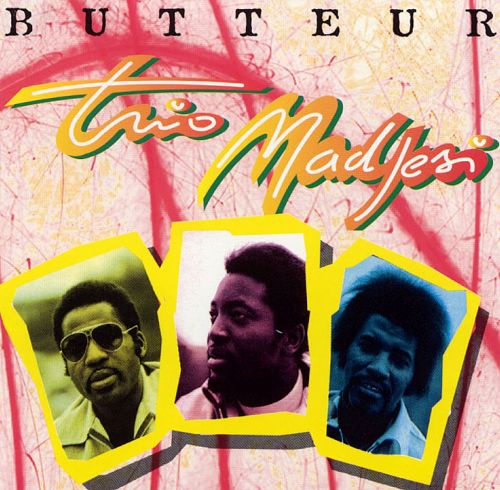
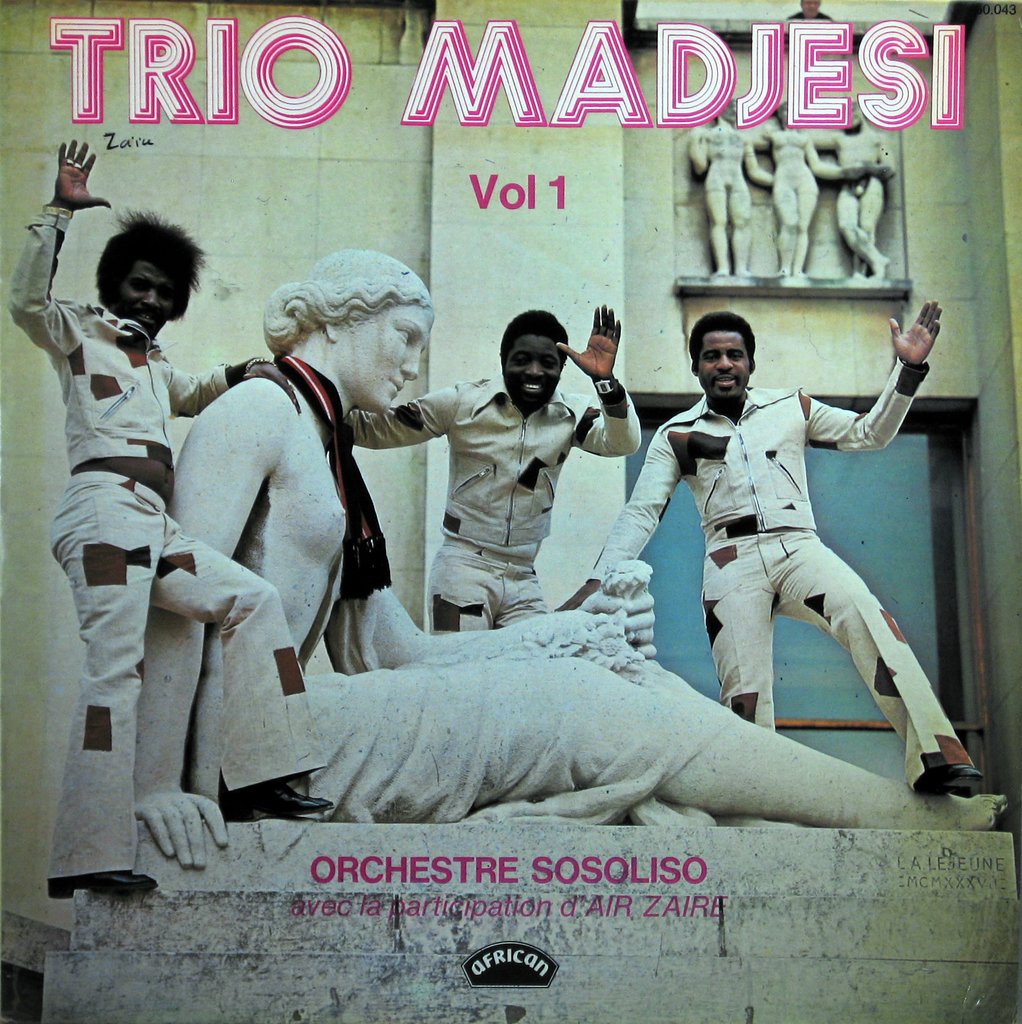
| 1973 | Release of first albums: Trio Madjesi vol. 1, “Buteur”, “Coup franc”, “Pénalty” |
| 1974 | Participation in the Zaïre 74 festival (Ali-Foreman fight, alongside James Brown) |
| June 1976 | Signing of a contract for the Olympia in Paris with Bruno Coquatrix |
| 1975-1976 | Financial scandal: illegal conversion of CFA francs into zaires, house arrest |
| 1977 | Participation in Festac 77 in Lagos (Nigeria) — end of the original formation |
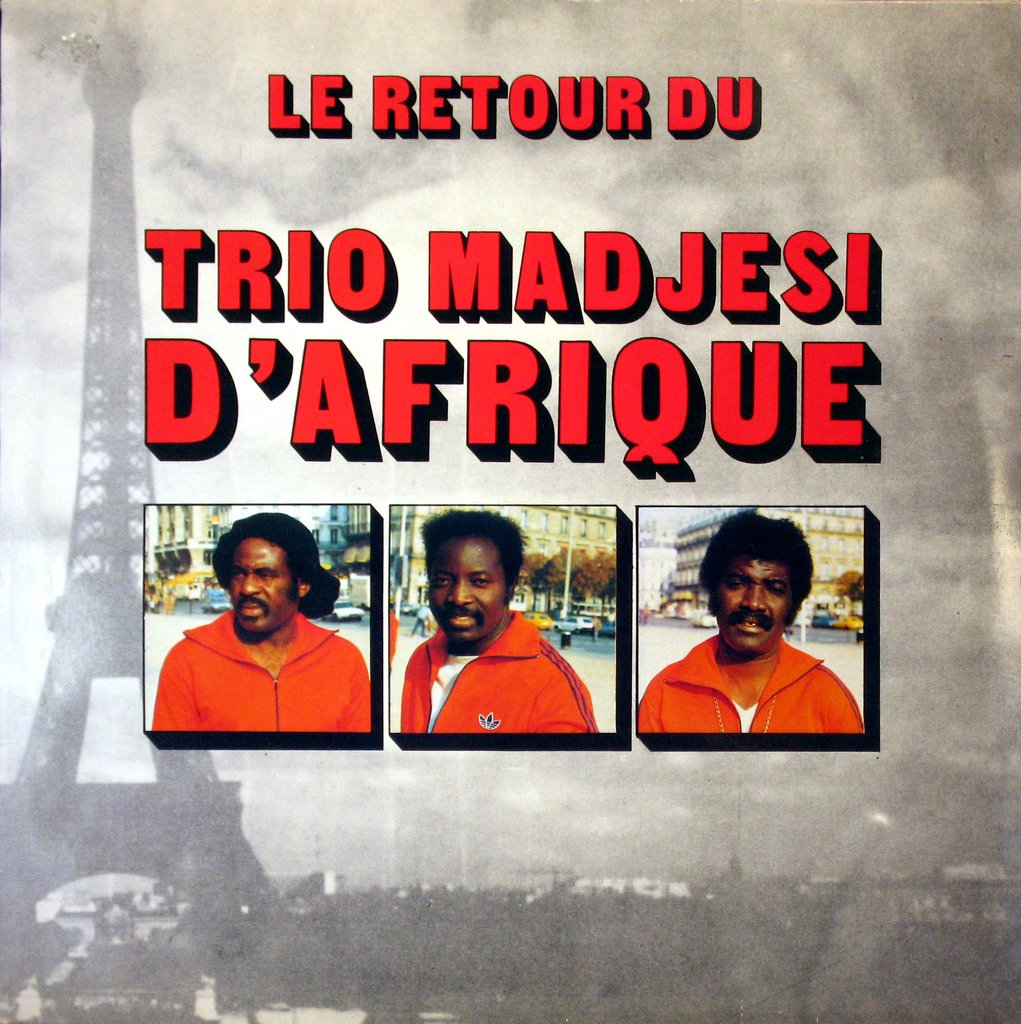
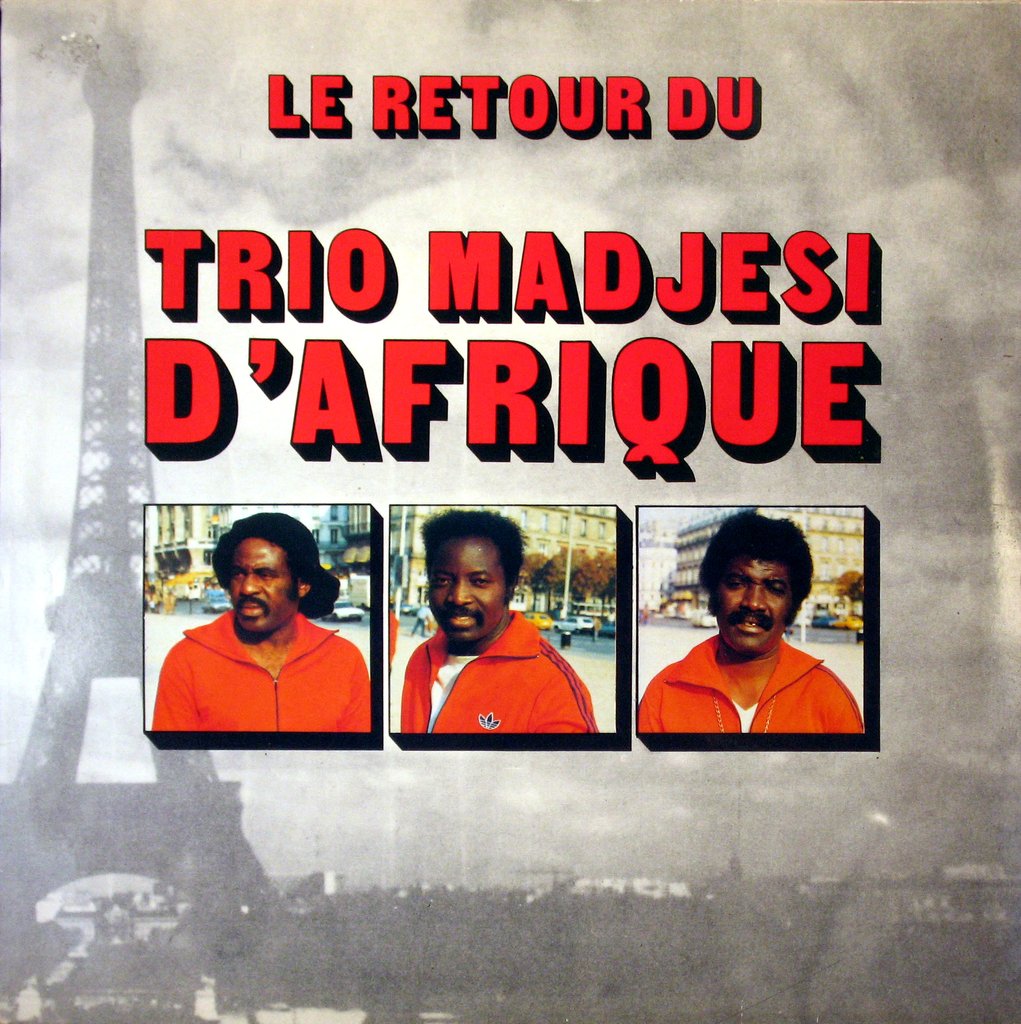
| 1983-1984 | Return to Paris with the album Le retour du Trio Madjesi d’Afrique |
From Verckys to the trio: birth of a revolutionary sound
The three men met in the corridors of Orchestre Vévé, the formation founded in 1969 by saxophonist Georges « Verckys » Kiamuangana Mateta. Mario Matadidi Mabele — known as « Buana Kitoko » (« handsome boy » in Lingala) — is from Angola. Loko Massengo Djeskain comes from Congo-Brazzaville. Bonghat Tshekabu, known as Saak « Sinatra » Saak Saakul, is from Kinshasa. This African triangulation gave the group a unique linguistic variety: Lingala, French, Swahili, and Angolan intermingle in their songs.
Within Vévé, the three singers acquired an explosive reputation — nicknamed « l’Attaque Bazooka » by their fans. Mario composed Chérie Anna, later covered as Chérie Luta; Djeskain wrote Keba José and Saak Saakul Fifi Solange. But Verckys’ omnipotence and the feeling of not being valued enough pushed the three men to leave. In October 1972, they founded Trio Madjesi (acronym for Mario, Djeskain and Sinatra) accompanied by Orchestre Sosoliso.
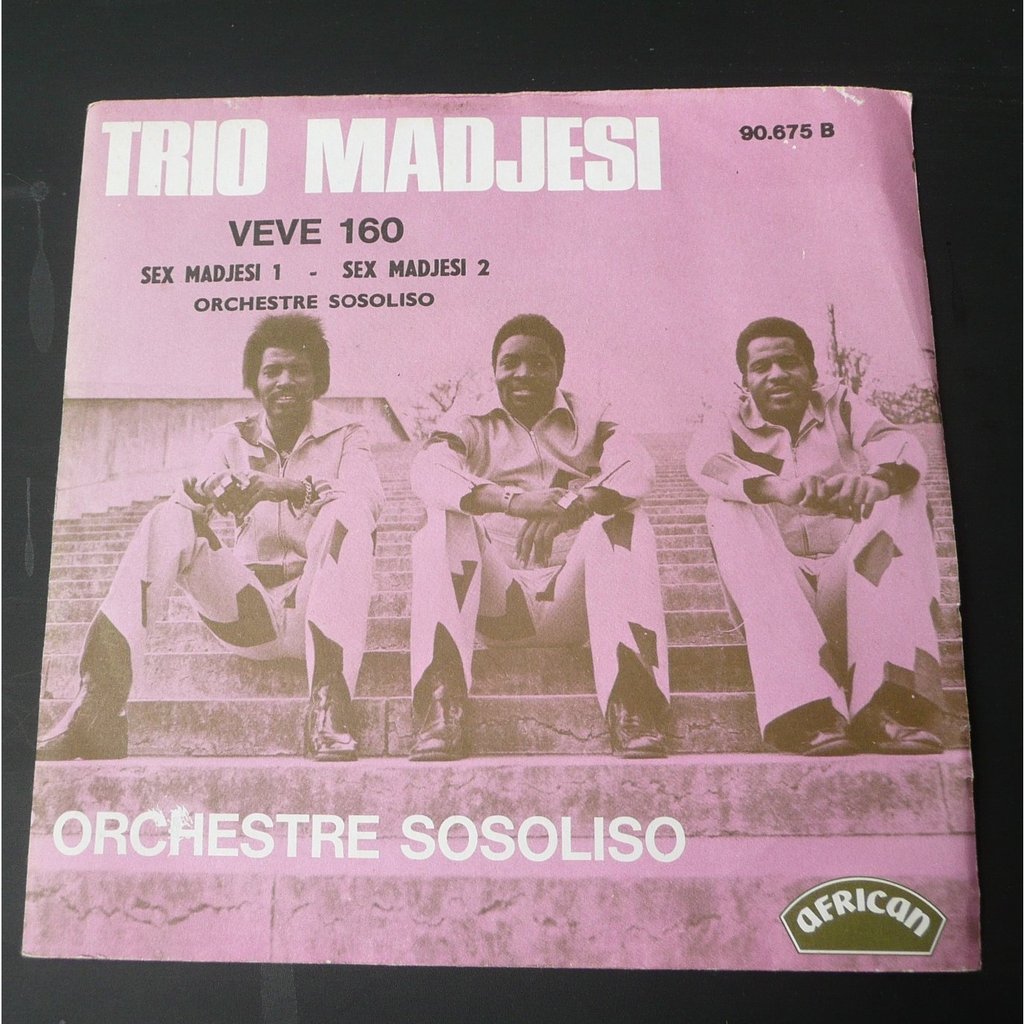
Their sound was revolutionary. Influenced by James Brown — they took his nickname “Sex Machine” and turned it into “Sex Madjesi” — they mixed American funk, Congolese rumba, and soul. The days of costumed charm singers were over: the Trio embodied a visual spectacle with afro hairstyles, Bob Marley-style cuts, and lively dance steps drawn from bidunda-dunda — a traditional dance of the Basakata from Brazzaville, Congo.
From peak to shipwreck: when the show went wrong
Success was immediate. The Trio performed in major halls in Kinshasa, at Radio Télévision Nationale du Zaïre. Each concert drew huge crowds — to the point that a church roof collapsed during a concert, killing 50 people. Collective hysteria exceeded the capabilities of law enforcement.
In 1974, the Trio participated in the Zaïre 74 festival, organized by President Mobutu Sese Seko and promoter Don King during the Ali-Foreman fight. Alongside James Brown, Franco’s TP OK Jazz, and Tabu Ley Rochereau’s Afrisa International, they were noticed by the American delegation — an invitation blocked by the Union of Zairian Musicians (UMUZA).
But the peak was accompanied by serious troubles. In 1975, during a tour in Bangui under Bokassa’s regime, the Madjesi received their fees in CFA francs. Upon returning to Kinshasa, they converted this money on the parallel market into zaires. The information leaked to their rivals, notably TP OK Jazz, and Zairian justice intervened: house arrest and a one-year ban on practicing. Their dream of the Olympia in Paris, sealed by a contract with Bruno Coquatrix in June 1976, evaporated.
The political dimension of the conflict accentuated the rift: Mario returned to Angola, Djeskain to Congo-Brazzaville. Festac 77 in Lagos in 1977 marked the official end of the Trio.
Legacy and influence
Trio Madjesi and Orchestre Sosoliso produced nearly thirty 45 rpm records in five years, recording for Editions Sosoliso/African and the Socodi of Brazzaville. Their influence on Congolese music in the following decades is undeniable: the group inspired Stukas Mobombo by Lita Bembo, Yoka Lokole, Viva La Musica by Papa Wemba, and Empire Bakuba by Pepe Kalle. Saak Saakul, remaining alone in Kinshasa after the dissolution, created his Show Machine orchestra and released several singles between 1978 and 1982 before fleeing to Paris, where he lived for many years. Djeskain attempted a return with the Trois Frères in Brazzaville, then later participated in the rumba revival movement with the group Kékélé. Mario returned to Angola.
Saak Saakul Sinatra passed away on March 19, 2023 in Paris at the age of 79, marking the last departure of the three founding figures of a group that managed, during a few blazing years, to set fire to dance floors across the entire African continent.
Major Works
| Work | Year | Why It’s Essential |
|---|---|---|
| Trio Madjesi vol. 1 | 1973 | First album, foundational fusion of funk and Congolese rumba |
| “8ème round” | 1974 | Tribute to the Ali-Foreman fight, sung with “Ali, Bomayé!” (in Lingala) |
| “Sosoliso na Sosoliso” | 1973 | Nod to James Brown’s “Sex Machine”, the group’s signature track |
| “Buteur” / “Coup franc” | 1973 | First hits recorded in Brazzaville, immediate success in Zaire |
Sources and References
- “Trio Madjesi”, Wikipedia, https://fr.wikipedia.org/wiki/Trio_Madjesi, accessed November 12, 2025.
- Frank Bessem, “Trio Madjesi & Orchestre Sosoliso”, Musiques d’Afrique, https://www.musiques-afrique.net/rdc/art-madjesi.html, accessed November 12, 2025.
- “Les souvenirs de la musique congolaise : création et parcours de l’orchestre Sosoliso du trio Madjesi”, Adiac-congo, https://www.adiac-congo.com/content/les-souvenirs-de-la-musique-congolaise-creation-et-parcours-de-lorchestre-sosoliso-du-trio, accessed November 12, 2025.
- “Trio Madjesi”, Afrisson, https://www.afrisson.com/trio-madjesi-20524/, accessed November 12, 2025.
- “Hommage : Saak Sakoul décédé, le Trio Madjesi est orphelin de l’une de ses stars”, Univers Rumba Congolaise, https://www.universrumbacongolaise.com/hommages/adieu-saak-sakoul-le-trio-madjesi-est-orphelin-de-lune-de-ses-stars/, accessed November 12, 2025.
- “Congolese band leader Orchestre Veve and cornerstone Georges Verckys Kiamuangana has passed away”, Afropop Worldwide, https://www.afropop.org/articles/congolese-band-leader-orchestre-veve-and-cornerstone-georges-verckys-kiamuangana-has-passed-away, accessed November 12, 2025.
- “Trio Madjesi”, Allfor Music, https://www.allformusic.fr/trio-madjesi/discographie, accessed November 12, 2025.