Biography
Typical Combo
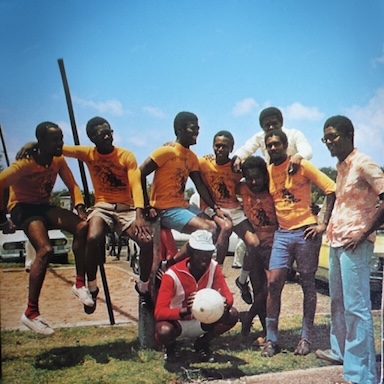
In 1972, in Basse-Terre, the Carnival ignited to a rhythm unlike anything heard before. “Makchiner en ka Makchiner ou…”, a 45 rpm record by the Typical Combo, launched a tempo where Haitian compas met Cuban rumba and local biguine. Within a few years, this great Basse-Terre orchestra became one of the absolute references of Antillean music, laying the sonic foundations for zouk, which would explode in the 1980s.
In Brief
| Group Name | Typical Combo |
| Founder / Conductor | Harry Simonet (tenor saxophone) |
| Place of Birth | Basse-Terre, Guadeloupe (Carmel neighborhood) |
| Active Period | 1968 – ~2008 (40 years) |
| Genre(s) | Cadence, compas, biguine — cadence is a Caribbean style with hooks between Haitian compas, Cuban rhythms, and Guadeloupean biguine |
| Main Label | Disques Debs International (Henri Debs) |
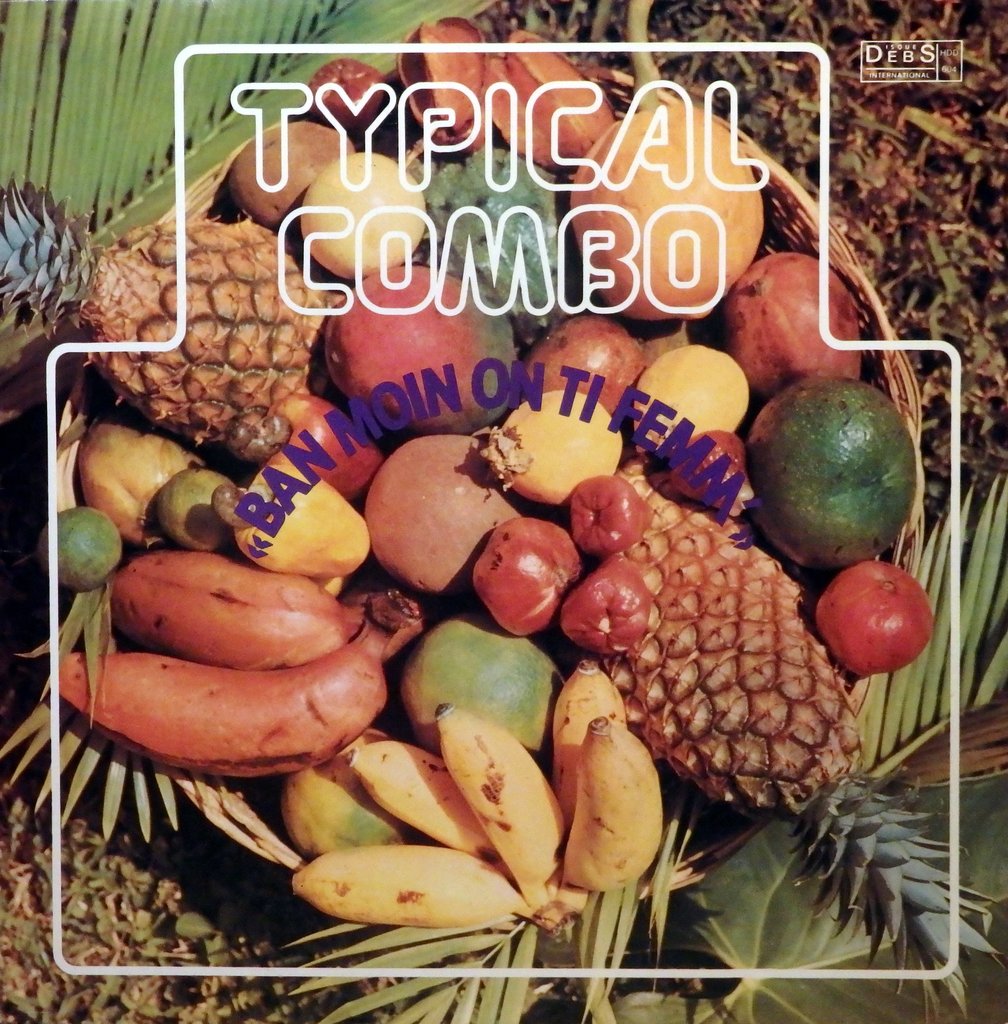
| Signature Titles | “Makchiner”, “Mouillé Mouillé”, “Ban mwen on ti femm'” |
| Notable Collaboration | Georges Plonquitte (trumpet, vocals) |
Key Dates
| Year | Event |
|---|---|
| 1968 | Group creation in Basse-Terre by Harry Simonet, tenor saxophonist from the Carmel neighborhood |
| 1972 | First major success: “Makchiner en ka Makchiner ou…” (45 rpm) |
| 1973-1976 | Prolific singles period; the group signs with Disques Debs International label |
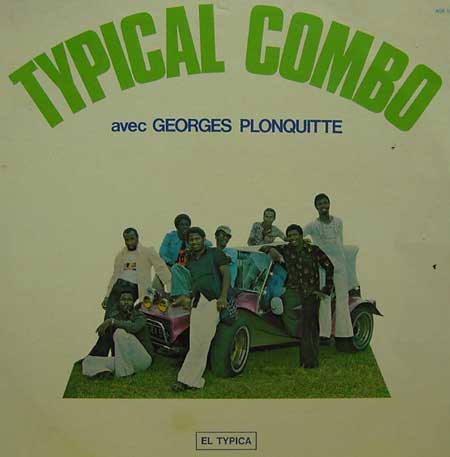
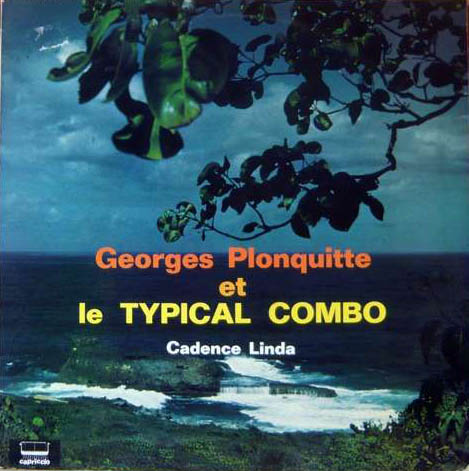
| 1974 | Album Typical Combo Avec Georges Plonquitte (El Typica) — key musical meeting with the trumpeter |
| 1975 | Typical avec Philo — arrival on Debs, collaboration with trumpeter Philogène Astasie |
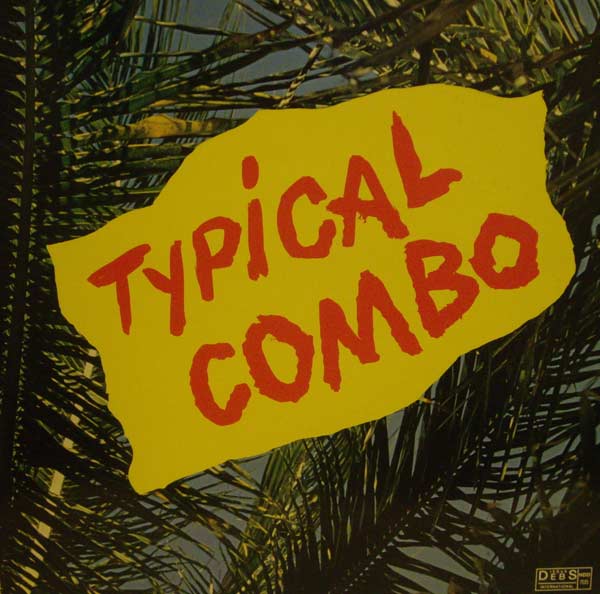
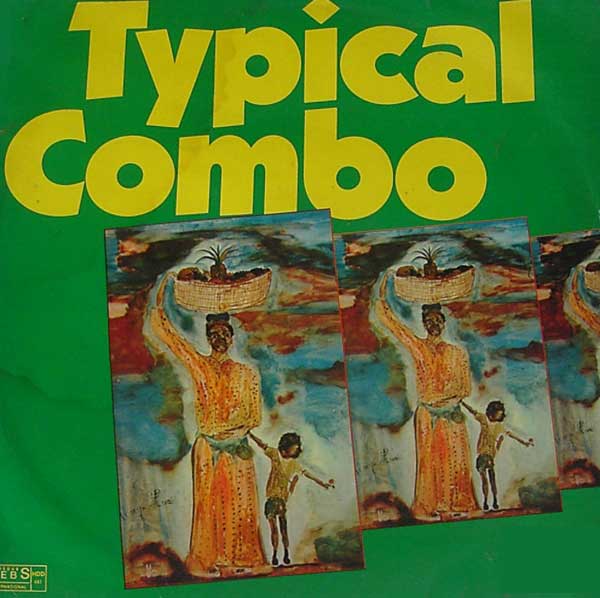
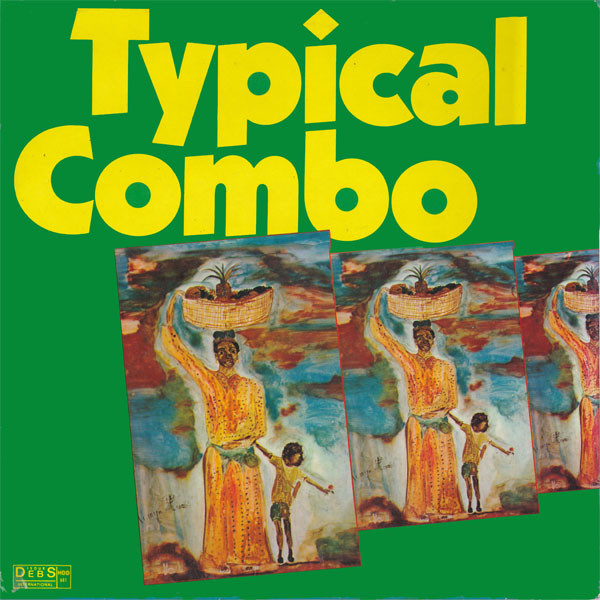
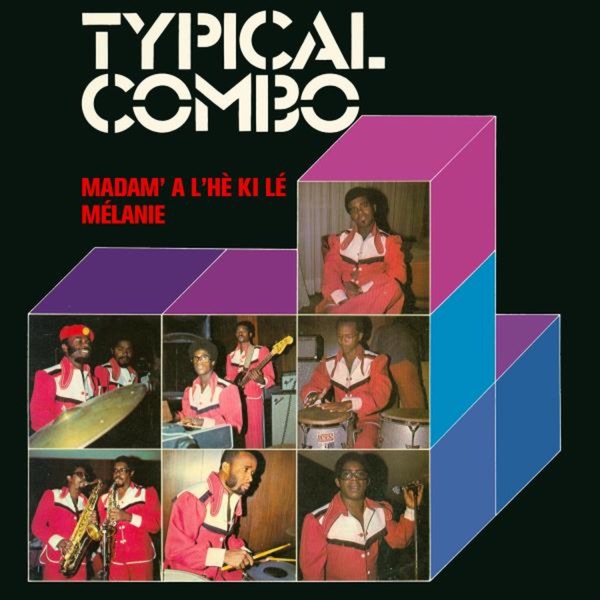
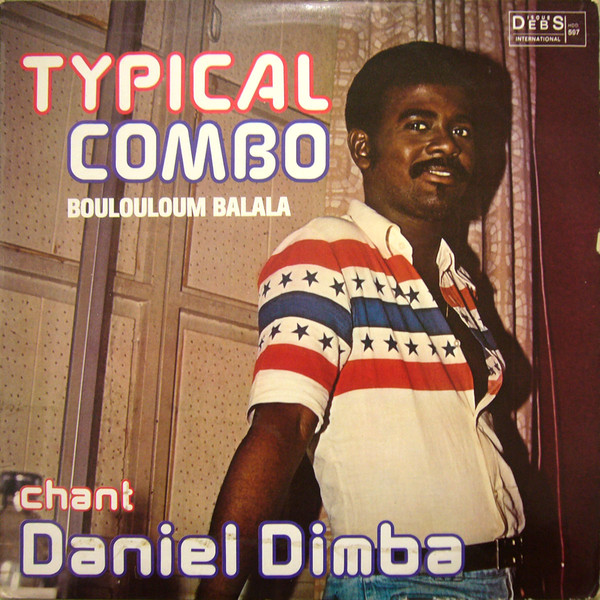
| 1976-1978 | Releases of Boulouloum Balala, Madam’ A L’He Ki Lé and Typical Combo (LP 1979) |
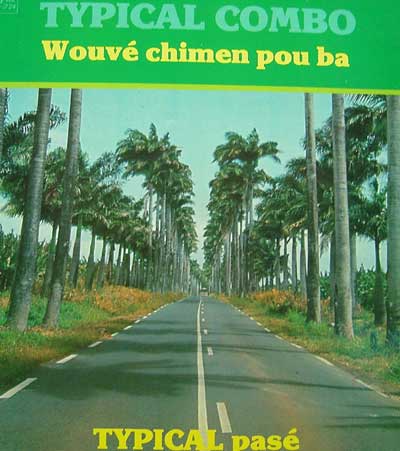
| 1983 | “Wouvé chimen pou ba” — one of the last cadence hits before the zouk turn |
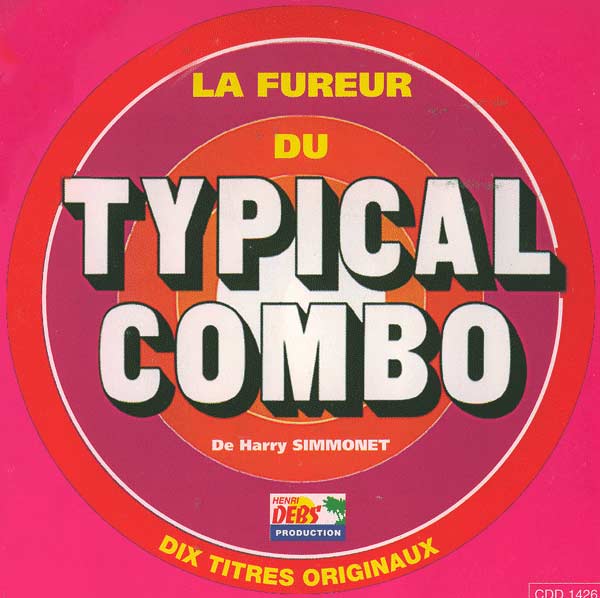
| 1997 | Compilation La Fureur du Typical Combo (Debs) — 1977-1984 recordings reissued |
| 2020 | Death of Harry Simonet on June 1st, at the age of 77 |
From Basse-Terre to the stage: building an Antillean sound
Harry Simonet grew up in the Carmel neighborhood in Basse-Terre, where the group rehearsals took place near the Simonet family home and close to Fort Louis Delgrès. Alongside his brothers Christian, Georges, and Richard, he formed the core of an ensemble that would become one of the most popular orchestras in Guadeloupe.
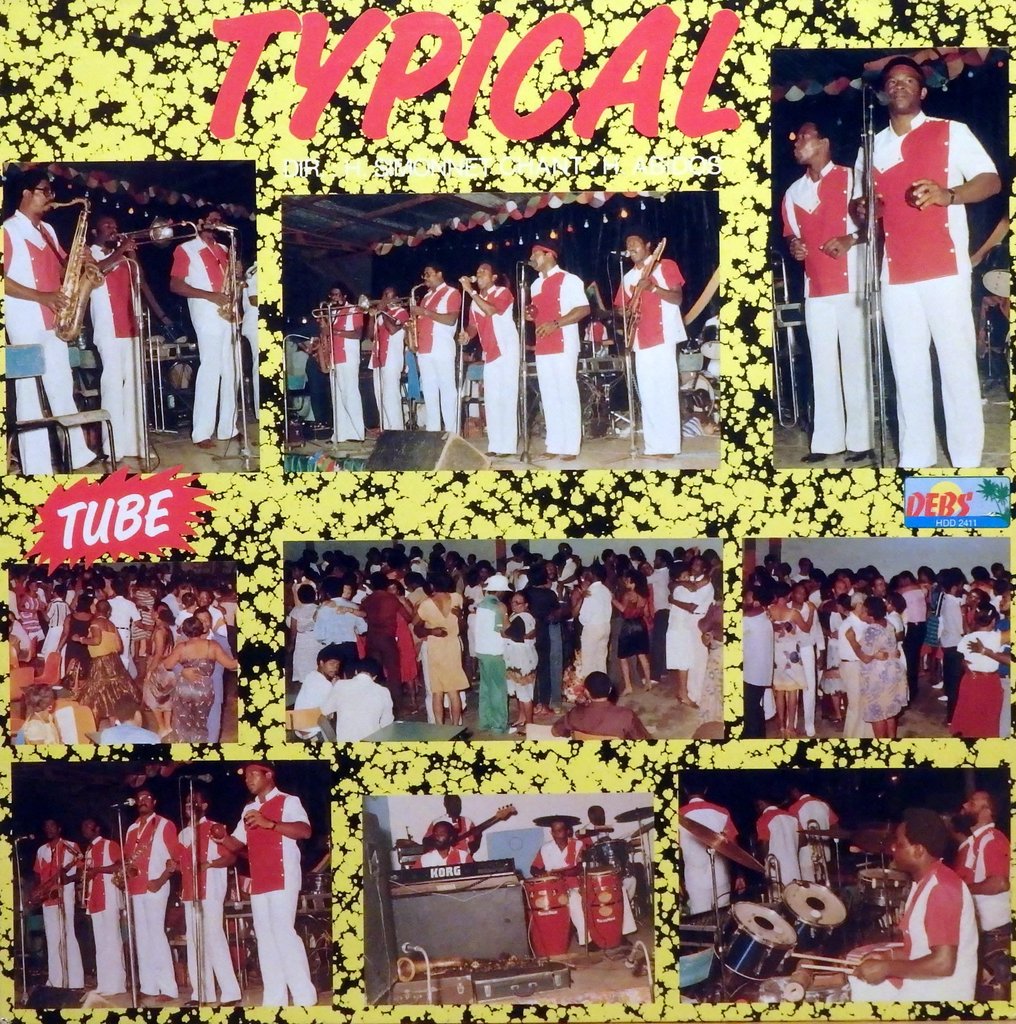
In the early seventies, the Caribbean scene was in motion. Haitian compas fascinated dancers, Cuban rumba irrigated the islands, and Guadeloupean biguine held its ground. Typical Combo wove the link between these influences and forged its own sound, a cadence that dances standing up — heavy on brass, driven by a large percussion section, and powered by the energy of a band that never gives up.
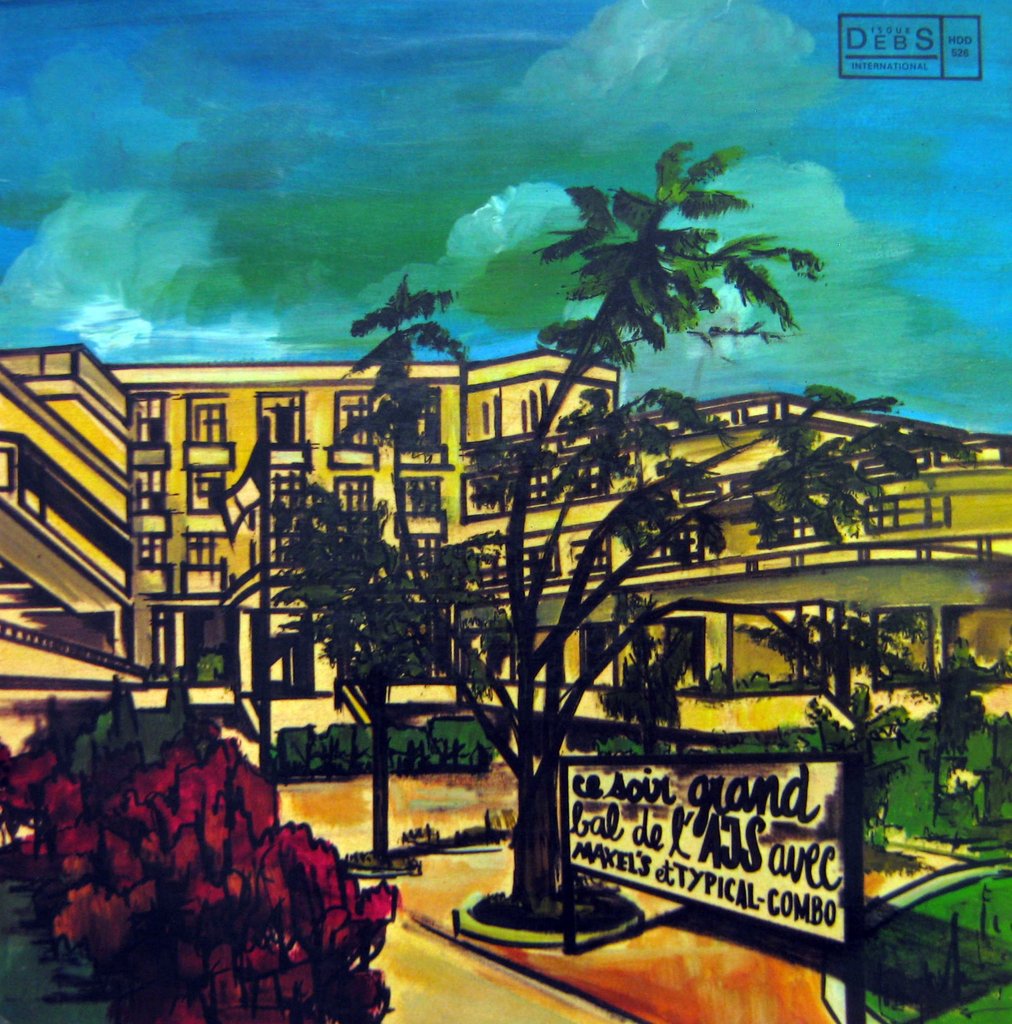
Georges Plonquitte arrived in 1974 and changed everything. Both trumpeter and singer, he signed the combo’s first major albums with Harry Simonet. The duo formed the creative engine of an ensemble that, from that moment on, rivaled Michel d’Alexis’s Aiglons in Basse-Terre and shone in Grande-Terre alongside the Fairness, Vikings, and Maxels orchestras.
The album Typical avec Philo (1975), first on the Disques Debs International label, marked a turning point. Philogène Astasie, a blazing trumpeter, composed all the tracks and dialogued with José Vulbeau’s keyboards — organ and electric piano interwove with the trumpet in a style with Latin-Caribbean accents. Harry Simonet, meanwhile, ensured instrumental leadership and artistic direction: it was a large orchestra, with numerous brass and an implacable rhythm section.
Hits that make all of the Caribbean dance
What strikes about Typical Combo is the regularity of their successes. The group published nearly 57 recordings between 1972 and the 2000s — albums, singles, and EPs combined — and most found their audience. On Spotify or Apple Music, titles like “Makchiner”, “Mouillé Mouillé”, and “Ban mwen on ti femm’” continue to be listened to decades later.
Makchiner en ka Makchiner ou… (1972) is undoubtedly the most famous. A malicious text, a devilish groove that serves as an anthem for the Guadeloupe Carnival. Mouillé Mouillé is another masterpiece, a long groove that stretches and transforms into a sort of jam session where the brass ignite. Boulouloum Balala (1976) and Madam’ A L’He Ki Lé (1978) extend this vein between cadence and biguine, with a propulsive rhythm.
The band did not just make noise: it accompanied and collaborated. In 1983, “Wouvé chimen pou ba” (performed by Typical Combo with Harry Simonet and Georges Plonquitte) is a classic of the cadence repertoire. In 1987, Nou Kay Typical recorded a title that remains in memory. And even after the zouk turn, when Kassav’ exploded the genre in the 1980s, Typical Combo retained its cadence identity while sharing the same stage with a new generation.
Heritage and influence
Harry Simonet passed away on Monday, June 1, 2020, at the cardiology department of the Centre Hospitalier de Basse-Terre, at the age of 77. His passing leaves a huge void in Guadeloupean music: it is an entire part of the cultural history of the Antilles that is fading away.
Typical Combo would have been a laboratory of invention for Antillean music. The rhythm they embodied — this blend of Haitian compas, Cuban son, and local biguine — is the direct path to zouk. Mark Romano, critic at AllMusic, summarizes it thus: there would have been no zouk without the masters of the cadence, and Typical Combo is a central pillar. The members of the group who joined Kassav’ or Zouk Machine directly transposed this cadence energy into the sound that would conquer the whole world.
Today, compilations like Cadence Revolution: Disques Debs International Vol. 2 (Strut Records, 2020) and the reissue of La Fureur du Typical Combo (1997) introduce or reintroduce this group to new audiences. The tracks continue to play in dance halls, karaoke bars, and Caribbean playlists. Typical Combo is not a group of the past: it is one of the sound foundations of Guadeloupe and all of the French-speaking Caribbean.
Major Works
| Work | Year | Why it is essential |
|---|---|---|
| “Makchiner en ka Makchiner ou…” | 1972 | First major hit, anthem of the Guadeloupe Carnival |
| Typical Combo Avec Georges Plonquitte | 1974 | Decisive meeting with the trumpeter-singer, founding album |
| Typical avec Philo | 1975 | Arrival on Debs, composition by Philogène Astasie, his Latin-Caribbean sound |
| “Mouillé Mouillé” | ~1980 | Long and fiery groove, masterpiece of the live repertoire |
Sources and references
- Harry Simonet, founder of Typical Combo passed away this Monday, RCI, https://rci.fm/deuxiles/infos/Culture/Harry-Simonet-fondateur-du-Typical-Combo-sest-eteint-ce-lundi, accessed November 13, 2026.
- Harry Simonet, founder and musician of the Typical Combo orchestra has died, France Info La 1ère Guadeloupe, https://la1ere.franceinfo.fr/guadeloupe/basse-terre/guadeloupe/harry-simonet-fondateur-musicien-orchestre-typical-combo-est-decede-838388.html, accessed November 13, 2026.
- Mark Romano, “La Fureur du Typical Combo Review”, AllMusic, https://www.allmusic.com/album/la-fureur-du-typical-combo-mw0000967471, accessed November 13, 2026.
- Ben Richmond, “Disques Debs International Vol. 2: Cadence Revolution”, Afropop Worldwide, https://www.afropop.org/articles/disques-debs-international-vol-2-cadence-revolution, accessed November 13, 2026.
- AfroCaribbean Beats, “Makchiner En Ka Makchiner Ou — Typical Combo, 1972”, https://afrocaribbeanbeats.com/makchiner-en-ka-makchiner-ou-typical-combo-1972/, accessed November 13, 2026.
- AfroCaribbean Beats, “Wouvé Chimen Pou Ba — Typical Combo, 1983”, https://afrocaribbeanbeats.com/wouve-chimen-pou-ba-typical-combo-1983/, accessed November 13, 2026.
- AfroCaribbean Beats, “Typical avec Philo — Typical Combo, 1975”, https://afrocaribbeanbeats.com/typical-avec-philo-1975/, accessed November 13, 2026.
- “Henri Debs Biography”, Debs Music Studio, https://debs-music-studio.com/en/henri-debs-biography/, accessed November 13, 2026.
- “Typical Combo Discography”, Discogs, https://www.discogs.com/artist/1510350-Typical-Combo, accessed November 13, 2026.
- Wikipedia, articles on compas and Kassav’, cross-referenced contextual sources, accessed November 13, 2026.