Biography
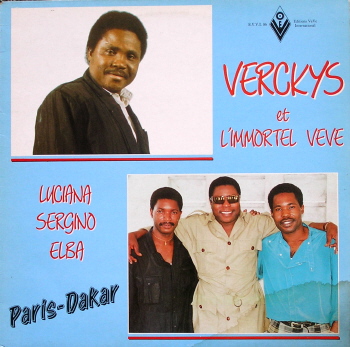
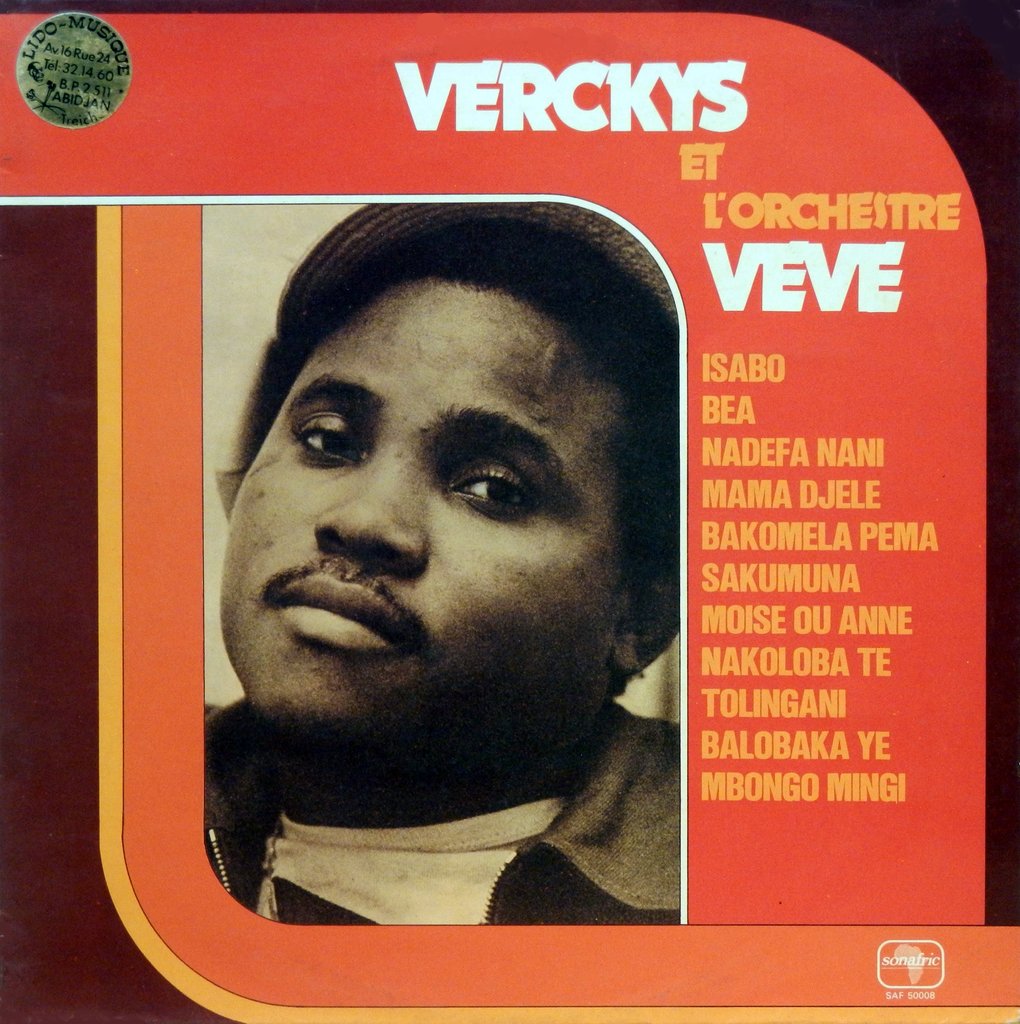
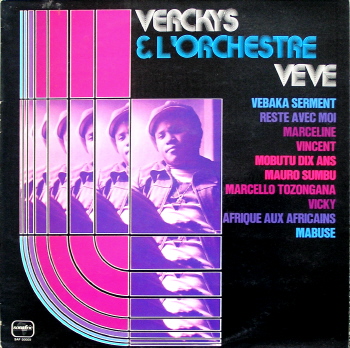
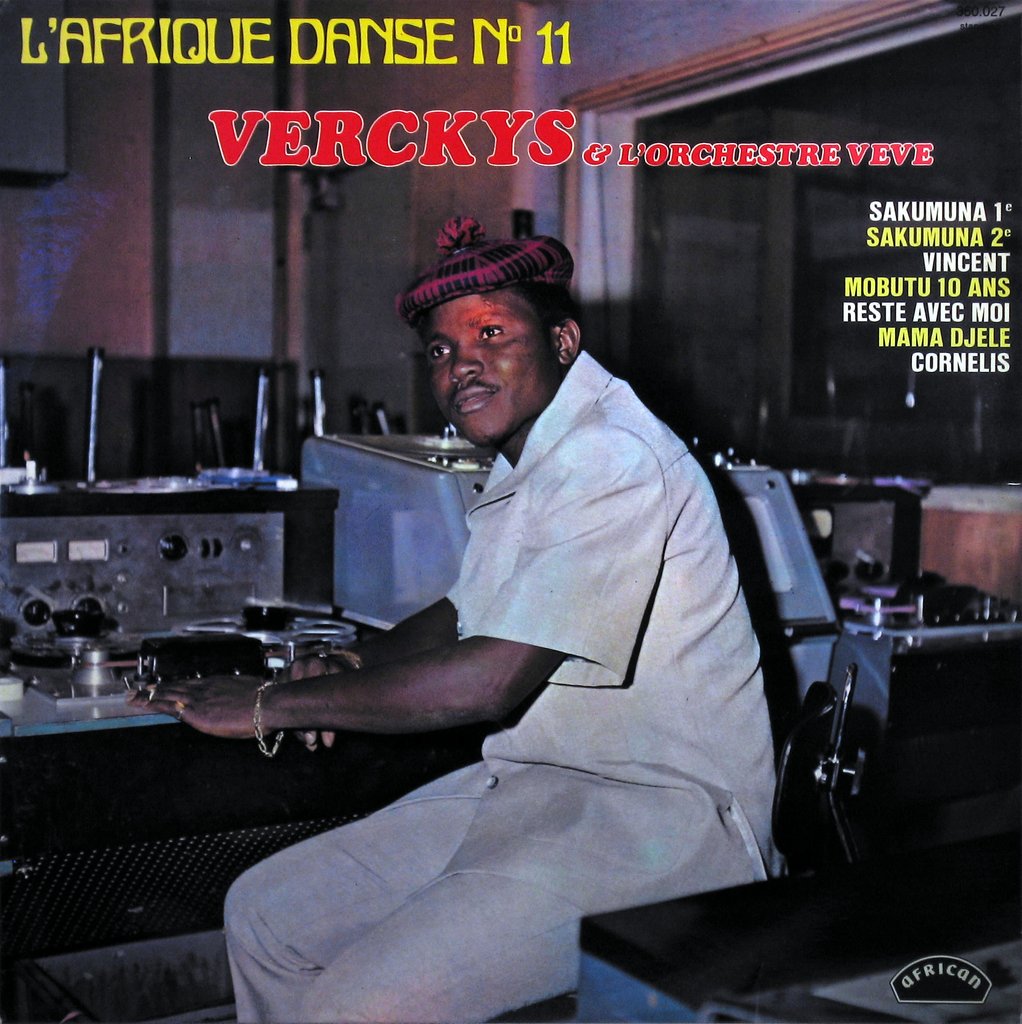
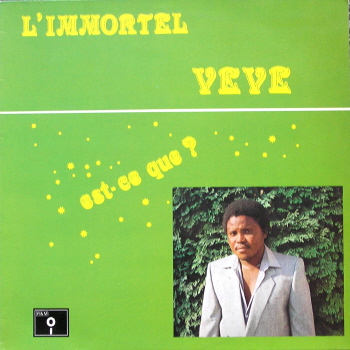
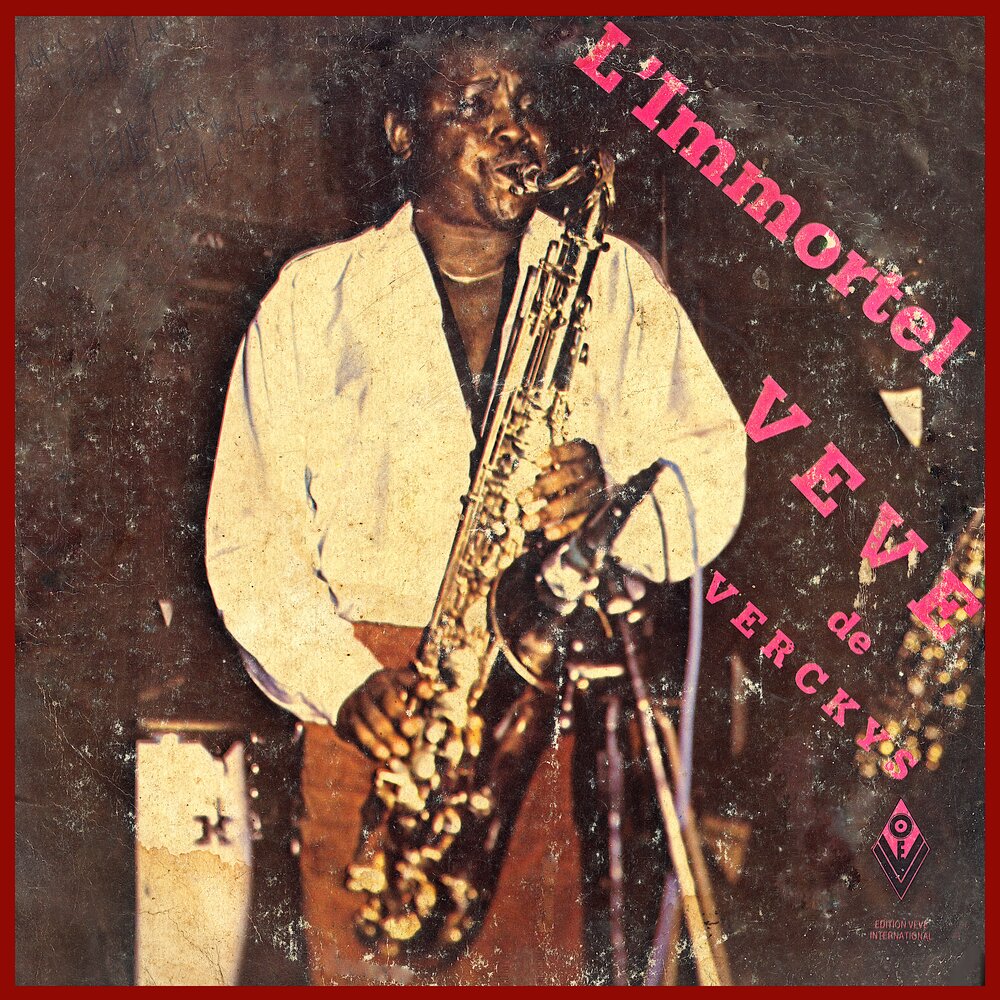
Verckys
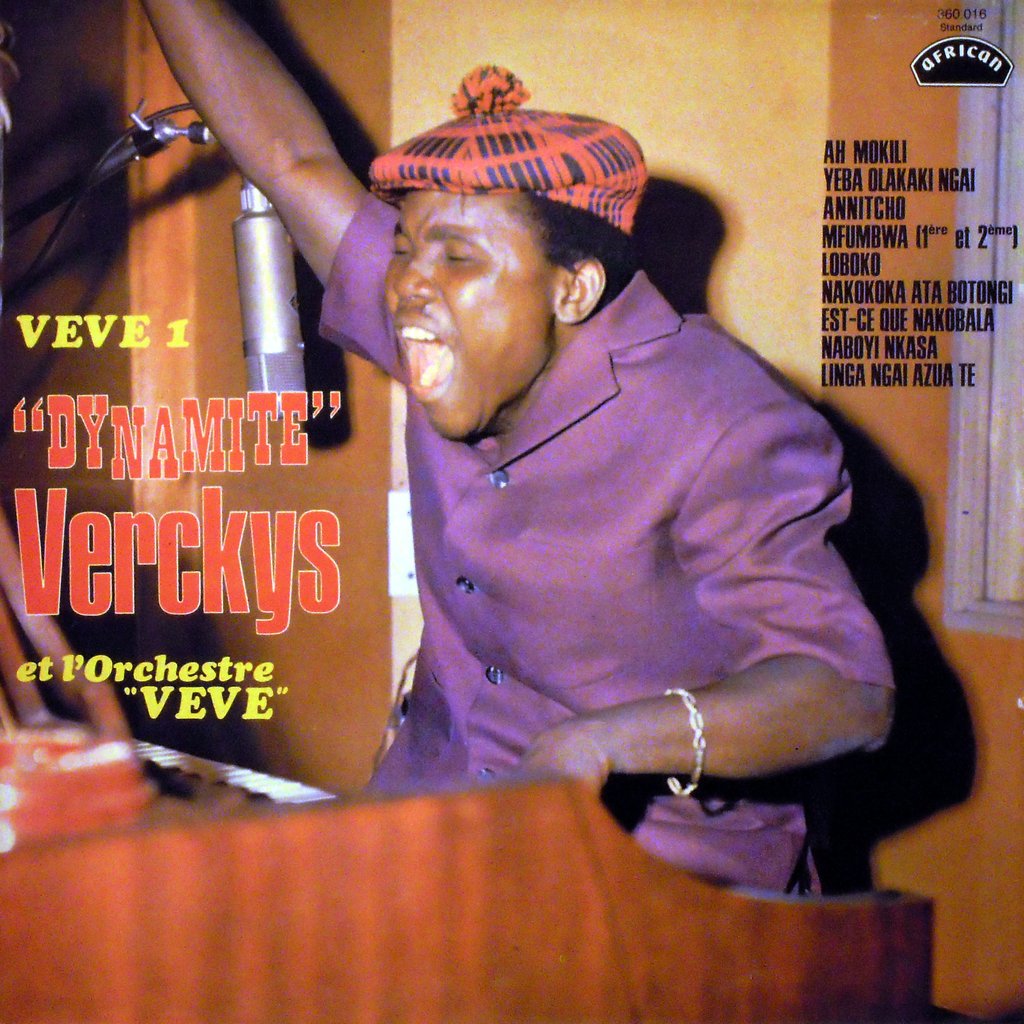
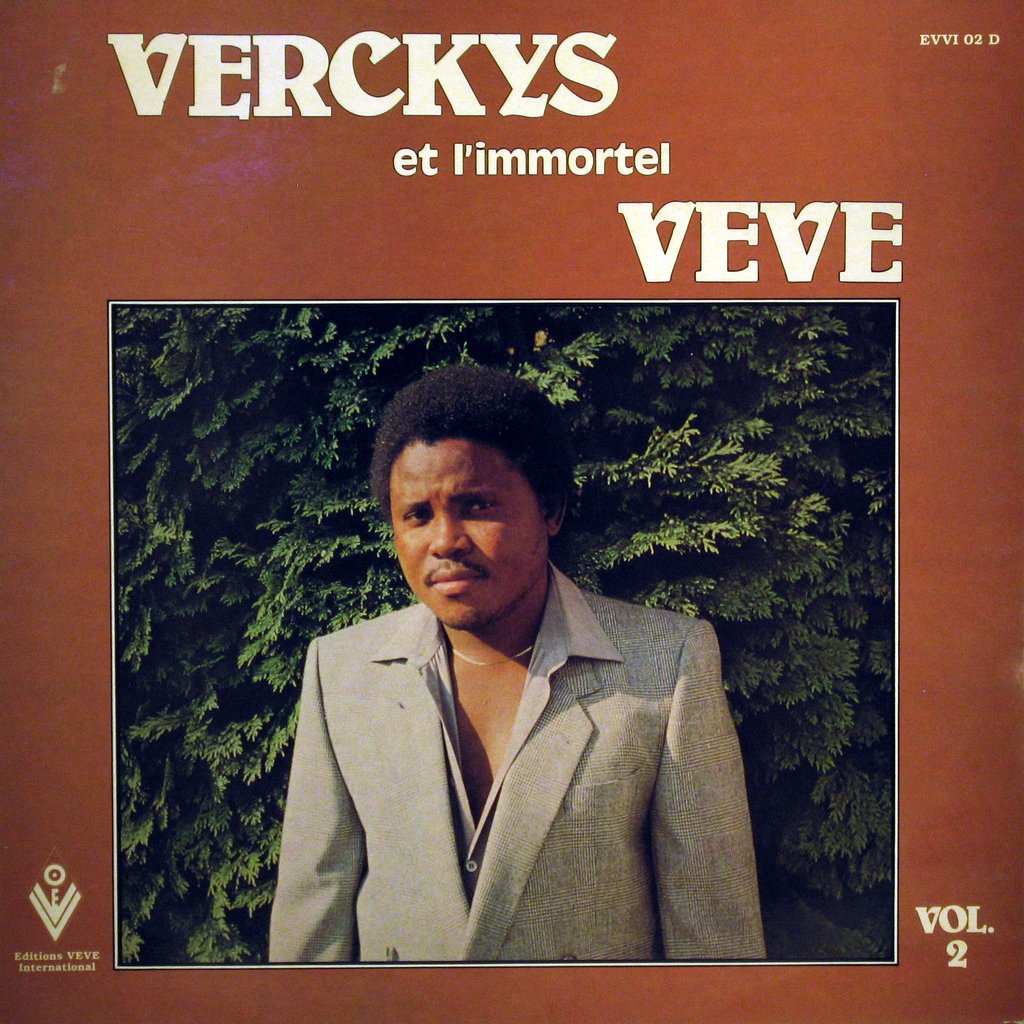
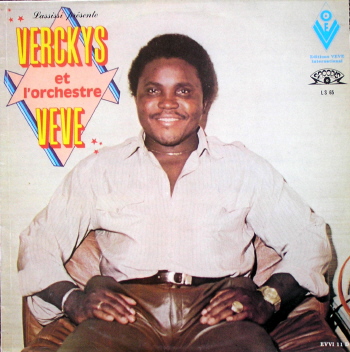
In 1974, on the stage of Zaire 74, James Brown, who was observing African talents from the dressing rooms, was stunned by Verckys’ saxophone fire. He bestowed upon him the nickname “Mister Dynamite”. This musician, whose playing was so violent that Congolese nicknamed him “the man with steel lungs”, did not suspect, forty years earlier in Kisantu, that he would become one of the pillars of Congolese rumba — and its most controversial entrepreneur.
In brief
| Full name | Georges Kiamuangana Mateta |
| Birth | May 19, 1944, Kisantu (Belgian Congo) |
| Death | October 13, 2022, Kinshasa (RDC) |
| Field | Tenor saxophone; Congolese rumba and soukous |
| Signature works | “Mfumbwa”, “Nakomitunaka”, “Oh Madame de la Maison” |
| Honors | Nicknamed “Mister Dynamite” by James Brown (1974) |
Key dates
| Year | Event |
|---|---|
| 1944 | Birth in Kisantu, son of a prosperous business from Léopoldville |
| 1961 | Musical debut at age 17 in the Los Cantina orchestra |
| 1963 | Joining Franco Luambo’s TPOK Jazz |
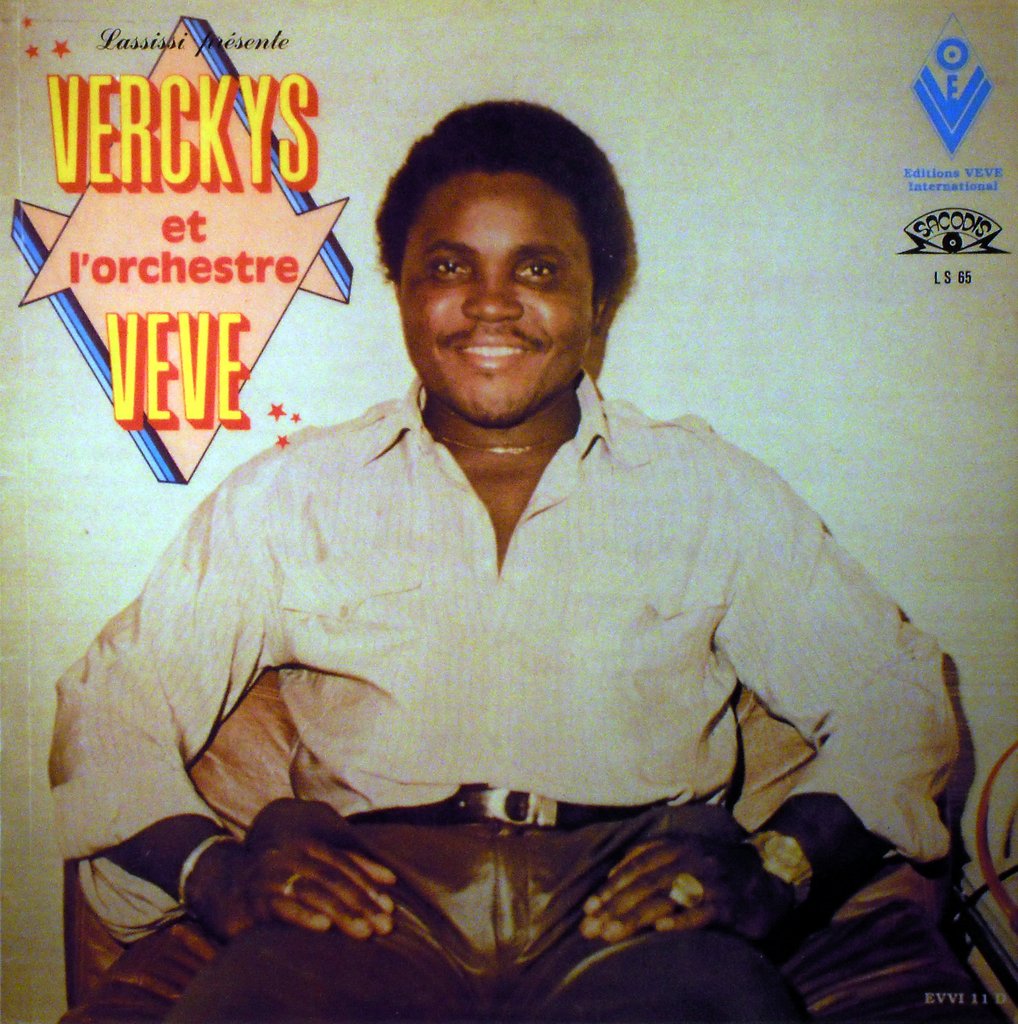
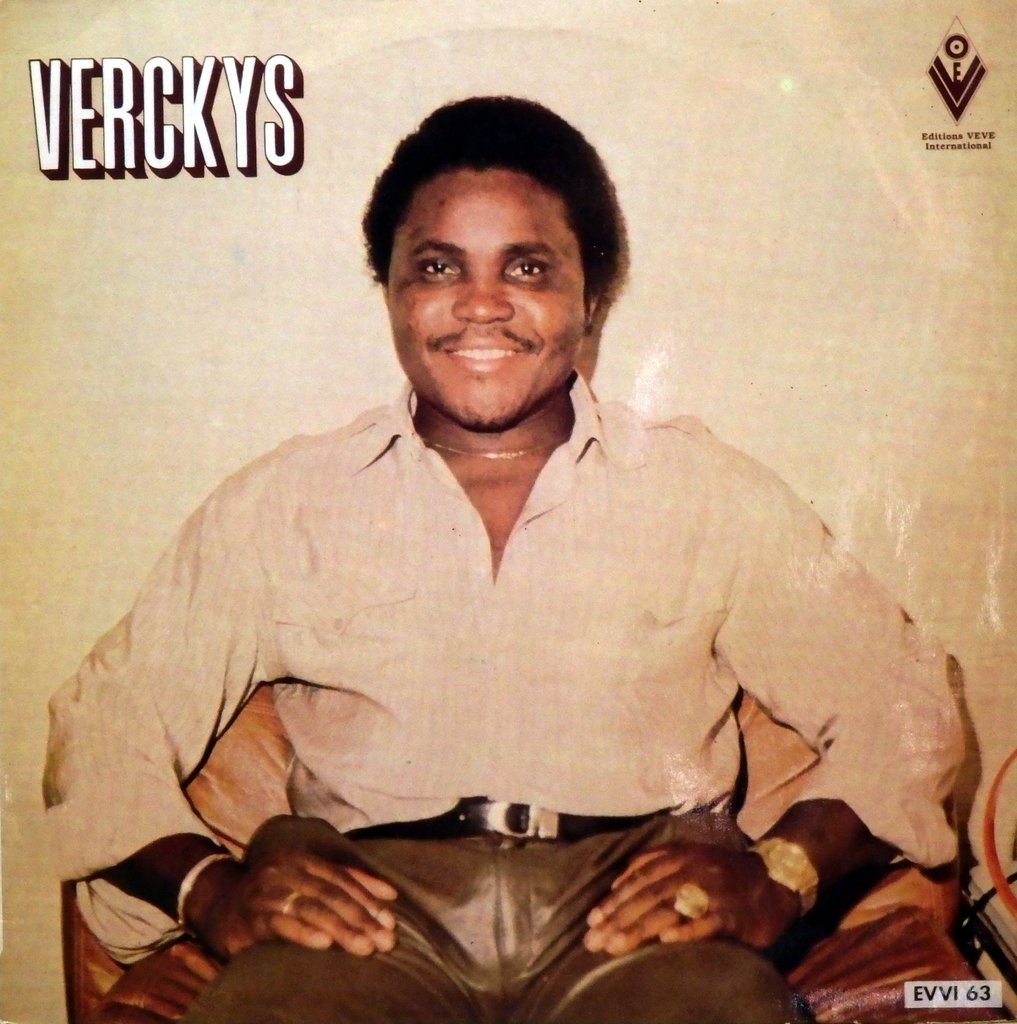
| 1968 | Co-founding the label Éditions Vévé with Youlou Mabiala |
| 1969 | Creation of Orchestre Vévé on April 5; first public concert in June |
| 1972 | Composition of “Nakomitunaka”, one of the most famous hits in Congo |
| 1974 | James Brown greets him as “Mister Dynamite” at Zaire 74 |
| 1978 | Inauguration of Vévé Centre; election as president of UMUZA |
| 1982-83 | Formation of Victoria Eleison and Anti-Choc, which he produced |
| 2007-2022 | Gradual withdrawal from the stage; documented cognitive decline |
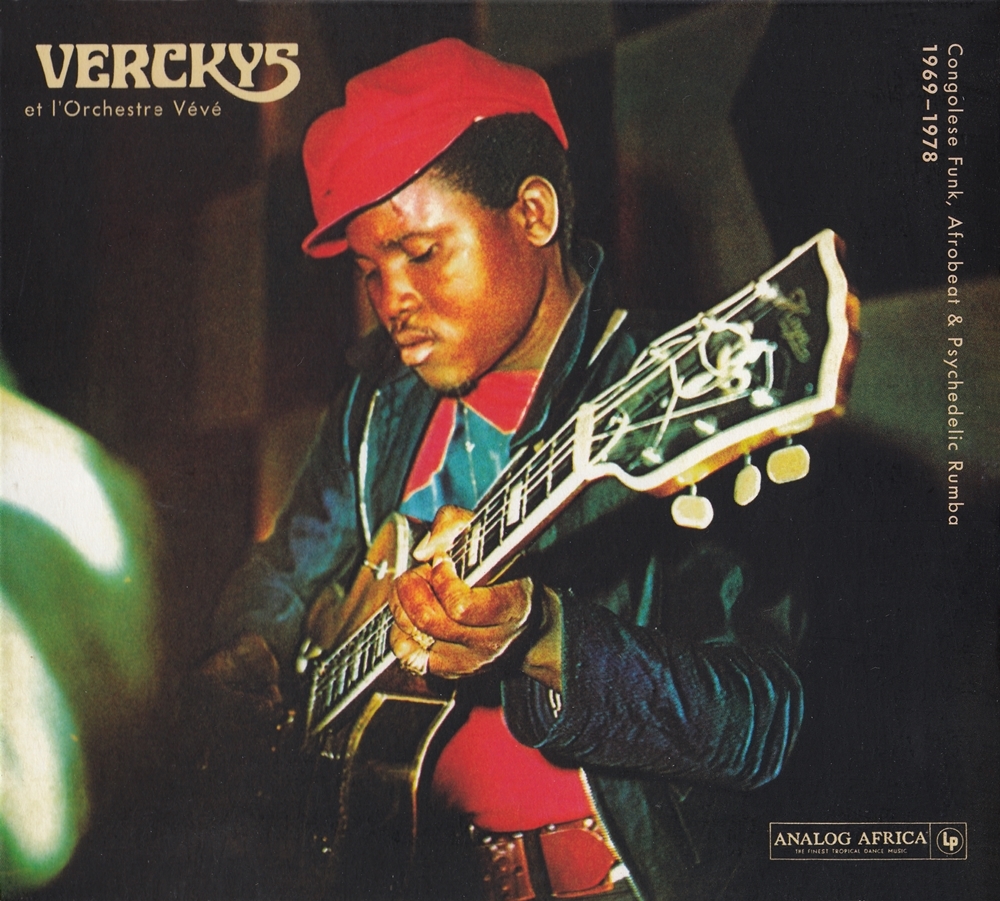
| 2014 | Compilation Congolese Funk, Afrobeat and Psychedelic Rumba released by Analog Africa |
| 2022 | Death in Kinshasa on October 13, funeral on December 19 |
Origins and musical revelations
Georges Kiamuangana Mateta grew up in the shadow of Congolese musical dynamism. From an affluent family — his father ran a thriving business in Léopoldville, present-day Kinshasa — he attended the Athénée de Ngiri-Ngiri and then that of Kalina. It was in the Kimbanguiste brass band where he discovered his vocation: first a flutist and clarinetist, he switched to saxophone under the influence of Zimbabwean musician Isaac Musekiwa. Fascinated by King Curtis, the American giant of jazz saxophone, Verckys kept the misspelled version of his name — Verckys instead of Curtis — as if he wanted to make it a magic word.
At 17, he abandoned his studies against his father’s will and launched his career with Los Cantina, then with Clari Lutula’s Jazz Africain. In 1962, he multiplied appearances — Jamel National, Congo Jazz by Paul Ebengo, Oui Fifi by guitarist Kazembe, Conga Succès by Johnny Bokelo — before Franco Luambo spotted his fire and integrated him into TPOK Jazz in 1963.
Alongside English-speaking saxophonists Dele Pedro and Isaac Musekiwa, Verckys imparted a brutally urban breath to the sebene of TPOK Jazz. “Bolingo ya Bougie” by Kwamy, “Polo le Chipeur”, and especially Franco’s “Course au pouvoir” became classics thanks to his furious solos. Impressed by his address, Franco appointed him private secretary of the orchestra — a role that opened for him the machine room of Congolese music management and pressing.
In September 1968, Verckys and Youlou Mabiala created Éditions Vévé. Six recordings were released — including “Mbula Ekoya Tokozongana” — independent of TPOK Jazz. The intrigue surrounding Franco (who would later denounce recordings obtained against his will) pushed Verckys toward a break.
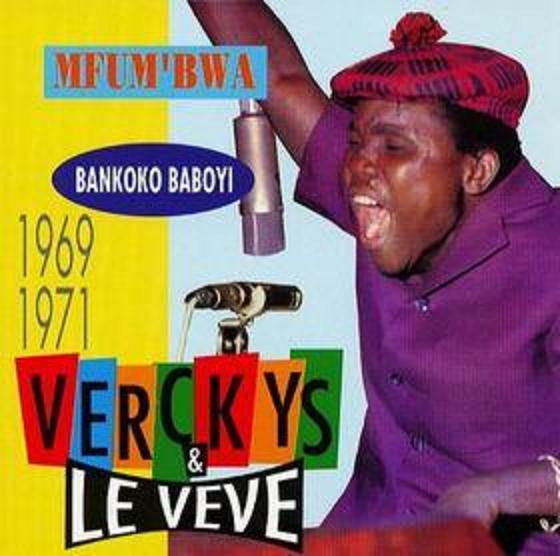
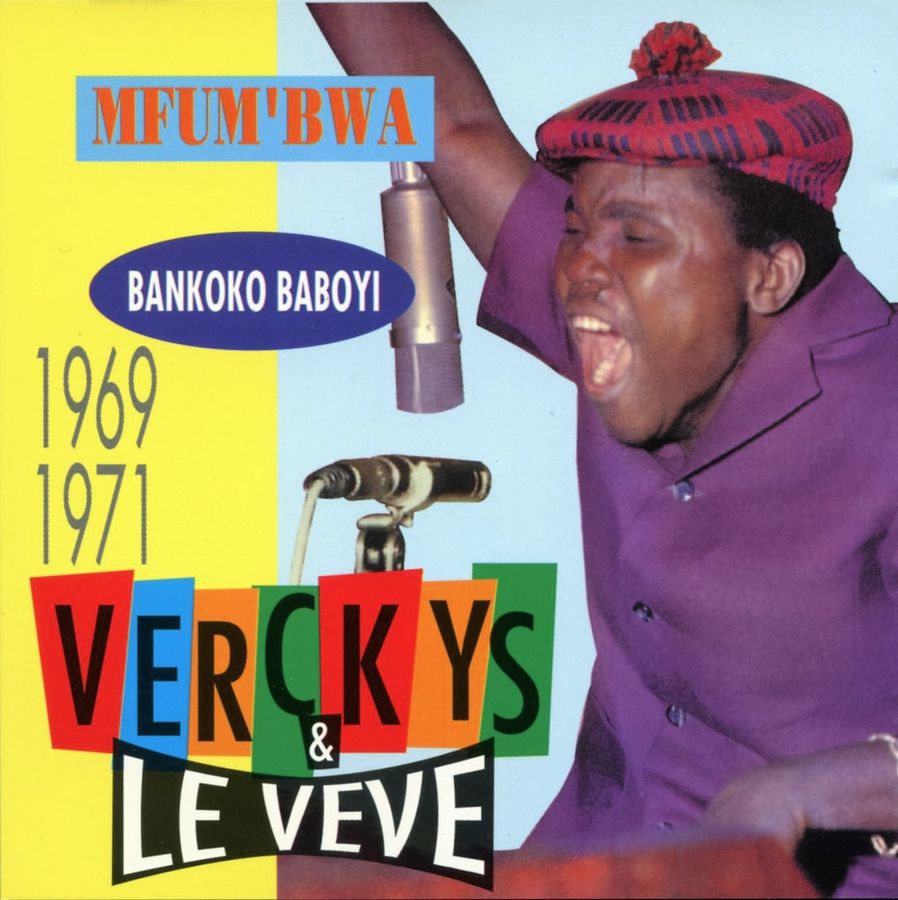
In April 1969, he founded Orchestre Vévé: the group performed for the first time in June at the Vis-à-Vis bar in Kinshasa. The audience acclaimed “Mfumbwa”, “Bankoko Baboyi” (narrated from a road accident) and “Fifi Solange”, a hit performed by Sinatra Bonga Tsekabu, known as Saak Saakul. Verckys then invented a break that would transform Congolese rumba: in 1971, he released “Mfumbwa 1st” and “Mfumbwa 2nd” on a single 45 rpm record, cutting the disc into melodic section then dance — a format that became mandatory in all Congolese orchestras.
Musical empire and controversies
The Vévé Centre inaugurated in 1978 embodied Verckys’ ambition: studio, label and performance hall. In 1982 he welcomed twelve musicians from Viva La Musica and founded Victoria Eleison; in 1984 he launched a pressing plant. But pirate cassettes ravaged the vinyl market, his recruitment methods sparked controversy and Congolese press described him as an ambiguous figure, at the crossroads of visionary and usurer.
After a gradual decline, Verckys returned to the forefront: elected president of SOCODA in 2015, he resigned four years later. In April 2022, videos showed a man in a degraded cognitive state during his wedding. He passed away on October 13, 2022 in Kinshasa at age 78. The Congolese musical world lost one of its founding artisans — and, from afar, one of the few African musicians nicknamed by James Brown.
Major works
| Work | Year | Why it’s essential |
|---|---|---|
| “Bolingo ya Bougie” (TPOK Jazz) | 1965 | Foundational saxophone solo that marks the entry of soukous |
| “Oh Madame de la Maison” (TPOK Jazz) | 1965 | Composer — Verckys, on a plot of conjugal fidelity |
| “Mfumbwa” (Orchestre Vévé) | 1970 | First hit of his orchestra, a pop dance anthem |
| “Mfumbwa 1st / 2nd” (45 rpm) | 1971 | Revolutionary format: melody + sebene on a single disc |
| “Nakomitunaka” (Orchestre Vévé) | 1972 | One of the most known songs in Congo; response to Mobutu’s authenticity campaign |
| “Course au pouvoir” (TPOK Jazz) | 1965 | Furious saxophone solos — the piece that revealed Verckys to Franco |
Heritage and influence
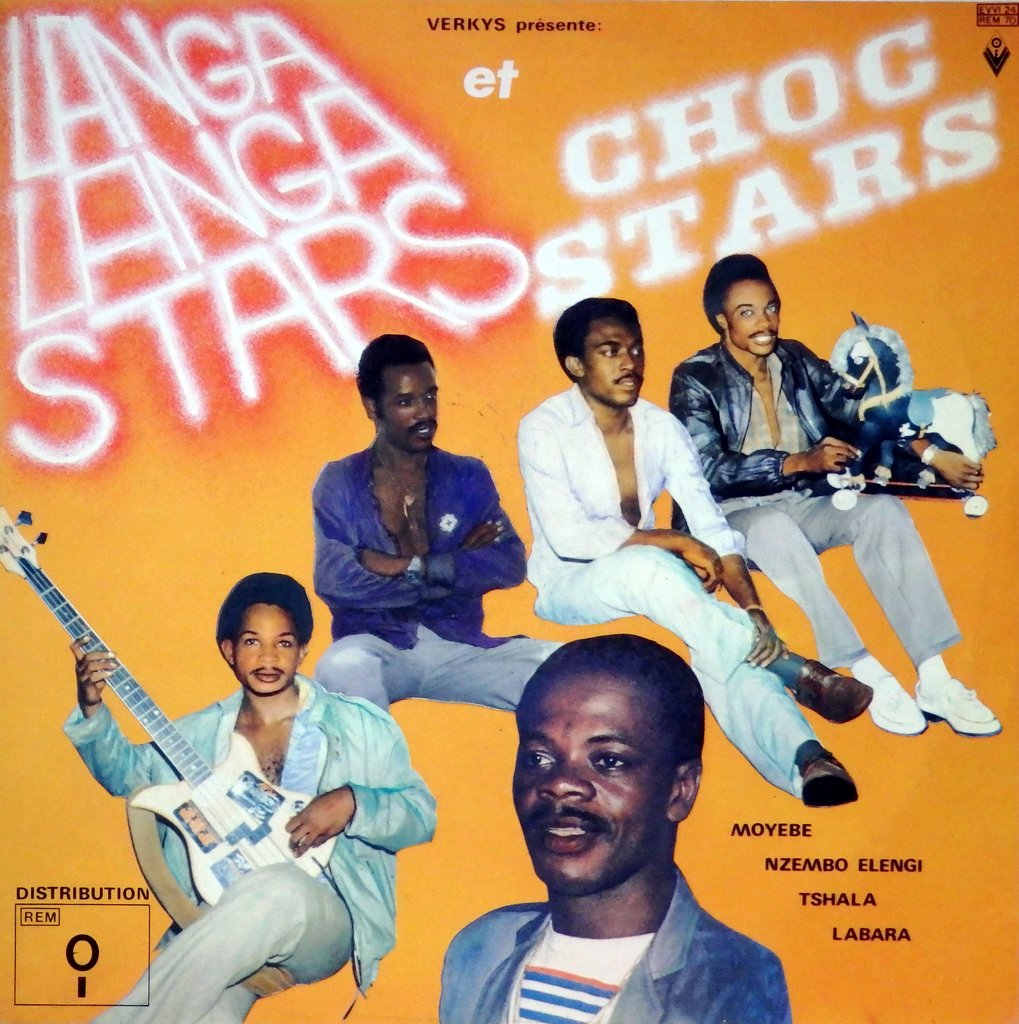
Verckys is one of the three great entrepreneurs of Congolese rumba, alongside Franco and Tabu Ley. His label Éditions Vévé introduced the public to Zaiko Langa Langa, Empire Bakuba, Victoria Eleison, Koffi Olomide and Anti-Choc. In 2014, the compilation Congolese Funk, Afrobeat and Psychedelic Rumba released by the German label Analog Africa allowed a new generation of Western listeners to discover a sound at the crossroads of jazz, funk and rumba. But his controversial hiring methods and rivalries with major orchestras leave a shared image: an extraordinary musician in service of an imperfect commercial empire.
Sources and references
- « Verckys Kiamuangana Mateta », Wikipédia, https://en.wikipedia.org/wiki/Verckys_Kiamuangana_Mateta, accessed 9 November 2026.
- Gary Stewart, « Congolese Band Leader (Orchestre Vévé) and Cornerstone Georges “Verckys” Kiamuangana Has Passed Away », Afropop Worldwide, accessed 9 November 2026.
- Gary Stewart, « Verckys (Kiamuangana Mateta, Georges) », Rumba on the River — A History of the Popular Music of the Two Congos, https://rumbaontheriver.com/verckys.html, accessed 9 November 2026.
- « RDC : décès du musicien Verckys Kiamuangana Mateta », Radio Okapi, 14 October 2022, https://www.radiookapi.net/2022/10/14/actualite/culture/rdc-deces-du-musicien-verckys-kiamuangana-mateta, accessed 9 November 2026.
- « The man who put the funk into Congolese music », Bangkok Post, accessed 9 November 2026.
- « Biography of Verckys », Jabulani Radio, accessed 9 November 2026.