Biography
Victoria Eleison
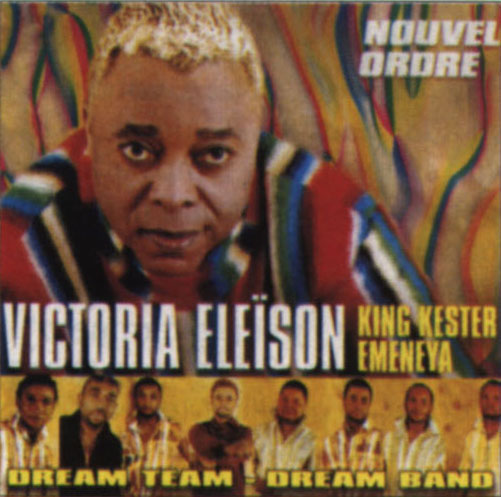
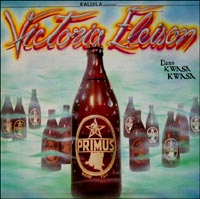
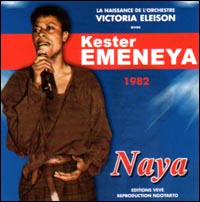
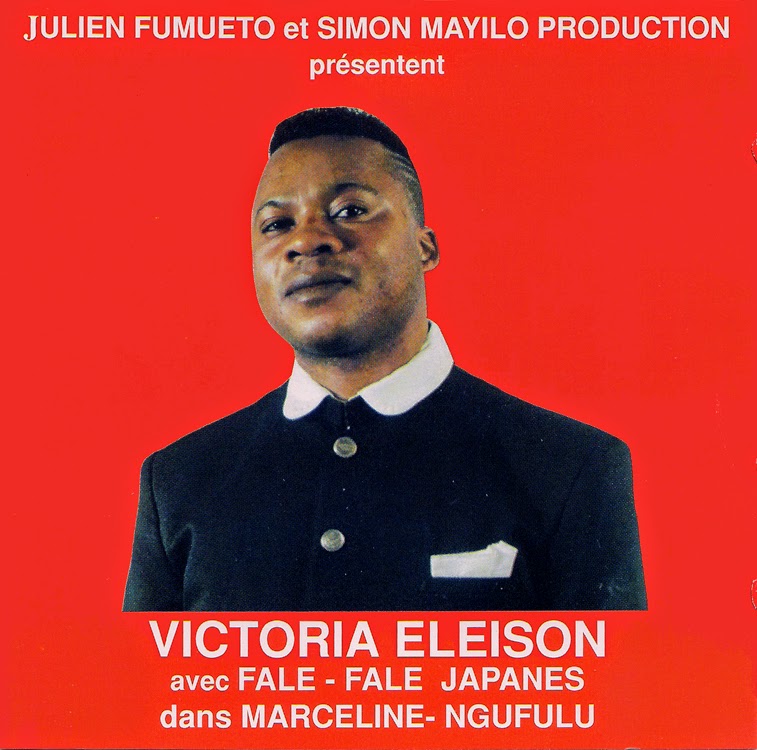
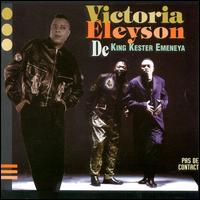
Kinshasa, late 1982. In the clubs of the Matonge district, Congolese rumba took a turn: brass instruments reworked, synthesizers singing over the rhythm, and a group named Victoria Eleison. Victoria comes from victory, Eleïson from the Kyrie eleison prayer — a promise of profane and contagious energy.
In brief
| Origin | Kinshasa, Democratic Republic of the Congo (ex-Zaïre) |
| Creation | December 24, 1982, King Kester Emeneya as leader |
| Genre(s) | Congolese rumba, soukous |
| Emblematic works | “Sans préavis”, Nzinzi, Kimpiatu |
| Awards | Star of the Year in Congo (1983-1989); Posthumous Presidential Civic Medal |
Key dates
| Year | Event |
|---|---|
| 1977 | King Kester joins Papa Wemba’s Viva la Musica |
| Dec 24, 1982 | Foundation of Victoria Eleison in Kinshasa |
| 1983 | First album Okosi Ngai Mfumu; hit “Sans préavis” |
| 1987 | Album Nzinzi, electronic revolution; six cumulative years as Star of the Year |
| 1993-1997 | Parisian period; triumphant return to DRC (80,000 spectators) |
| April 2001 / April 2002 | Concerts at the Zénith and Olympia in Paris |
| Feb 13, 2014 | Death of King Kester in Paris, Marie-Lannelle hospital |
From the brass Zaïre to international soukous
Jean Emeneya Mubiala Kwamambu was born on November 23, 1956 in Kikwit. A political science student in Lubumbashi, he discovered music in a student group before joining in 1977 Papa Wemba’s Viva la Musica, where he revealed himself with titles like “Ngonda”, “Ndako ya Ndele” and “Teint de bronze”. In 1982, internal tensions caused the group to explode: a dozen musicians including Joe Kester decided to follow him and founded Victoria Eleison on December 24.
Observers recognize an instrumental revolution: reintroduction of brass instruments, absent since the Franco years, and introduction of synthesizers into a rumba that was until then acoustic. “Sans préavis” (1983), social song about a woman left after her sacrifices, and “Kimpiatu”, romance destroyed by rumors, lifted the group to the top of Zaïrian hit-parades. The New York Times qualified Victoria, in 1986, as the next generation of Zaïrian music.
In 1987, King Kester released Nzinzi (the fly), a solo album that marked a total break: electronic programming and funk, no traditional rumba. The record sold millions of copies, made Kester the architect of international soukous and introduced sequencing into Congolese music. Gary Stewart, author of Rumba on the River, described him as a man who constantly reinvented his music, oscillating between roots and modernity.
During the 1980s, King Kester accumulated six consecutive Star of the Year awards in Congo, broke records and gave concerts on five continents. The group also promoted sape — this cultural movement of sartorial elegance — and collaborated with designers like Masatomo. But the 1990s were troubled: Emeneya settled in Paris, production became rare and the group toured episodically.
Triumphant return, final period and legacy
After seven years of absence, King Kester returned to Kinshasa in 1997 and gave a concert before nearly 80,000 spectators, an achievement according to Congolese media. The double album Mboka Mboka was recorded in the few studios of the capital. The group restructured under the name Victoria Eleïson Dream Team Dream Band, integrating a new generation while maintaining links with the old guard. In 2001-2002, a triumphant European tour — Zénith then Olympia in Paris, with Tabu Ley as a surprise guest at the second show — culminated in the double live Rendre à César… ce qui est à César. A final studio album, Le Jour le Plus Long (2007), closed a career marked by experimentation.
Victoria Eleison did not enjoy the commercial constancy of Koffi Olomide, but its imprint is indelible. The group paved the way for synthesizers in Congolese rumba, invented new choreographies and popularized an international soukous. Werrason and JB Mpanya, founders of the prestigious Wenge Musica, claim its songs. King Kester, with more than 500 songs and one of the greatest African singers according to many, is cited as a model by rising generations. After his death in November 2014 in Paris, Pope Francis welcomed his family at the Vatican; the Presidential Civic Medal was awarded posthumously by Joseph Kabila, and the University of Birmingham conferred the title of Peace Ambassador.
Major works
| Work | Year | Why it’s essential |
|---|---|---|
| “Sans préavis” | 1983 | First hit, social song about relationships |
| Kimpiatu | 1985 | Classic of the repertoire, story of destructive rumors |
| Nzinzi | 1987 | Revolutionary album: electronic rumba sold in millions of copies |
| Mboka Mboka | 1998 | Double album recorded upon triumphant return to DRC |
| Rendre à César… ce qui est à César (Live) | 2002 | Mythic concerts at the Zénith and Olympia in Paris |
Legacy and influence
Victoria Eleison paved the way for synthesizers in Congolese rumba and popularized an international soukous that influenced a whole generation. King Kester, with more than 500 songs and one of the greatest African singers according to many, is cited as a model by Werrason and JB Mpanya, founders of Wenge Musica. After his death in 2014 in Paris, massive tribute: Pope Francis at the Vatican, posthumous Presidential Civic Medal by Joseph Kabila, Peace Ambassador title conferred by the University of Birmingham.
Sources and references
- « Victoria Eleison », Wikipedia, https://fr.wikipedia.org/wiki/Victoria_Eleison, accessed November 9, 2026.
- « King Kester Emeneya », Wikipedia (EN), https://en.wikipedia.org/wiki/King_Kester_Emeneya, accessed November 9, 2026.
- Steve Huey, « Victoria Eleison », AllMusic, https://www.allmusic.com/artist/victoria-eleison-mn0001376295.
- Gary Stewart, « Victoria Eleison », Rumba on the River, https://rumbaontheriver.com/victoria.html, accessed 9 November 2026.
- Frank Bessem, « Kester Emeneya & Victoria Eleison », Musiques d’Afrique, https://www.musiques-afrique.net/rdc/art-emeneya.html, accessed 9 November 2026.
- Paul Kamahatma, « Emeneya Mubiala alias King Kester 1956-2014 », Univers Rumba Congolaise, https://www.universrumbacongolaise.com/artistes/king-kester-emeneya, accessed 9 November 2026.
- « ZAIRE NOW DANCING TO DIFFERENT BEAT », The New York Times, 28 April 1986.
- Collective notice « Victoria Eleison », BnF Catalogue général, https://catalogue.bnf.fr/ark:/12148/cb13992295j, accessed 9 November 2026.