Biography
Viviane Chidid
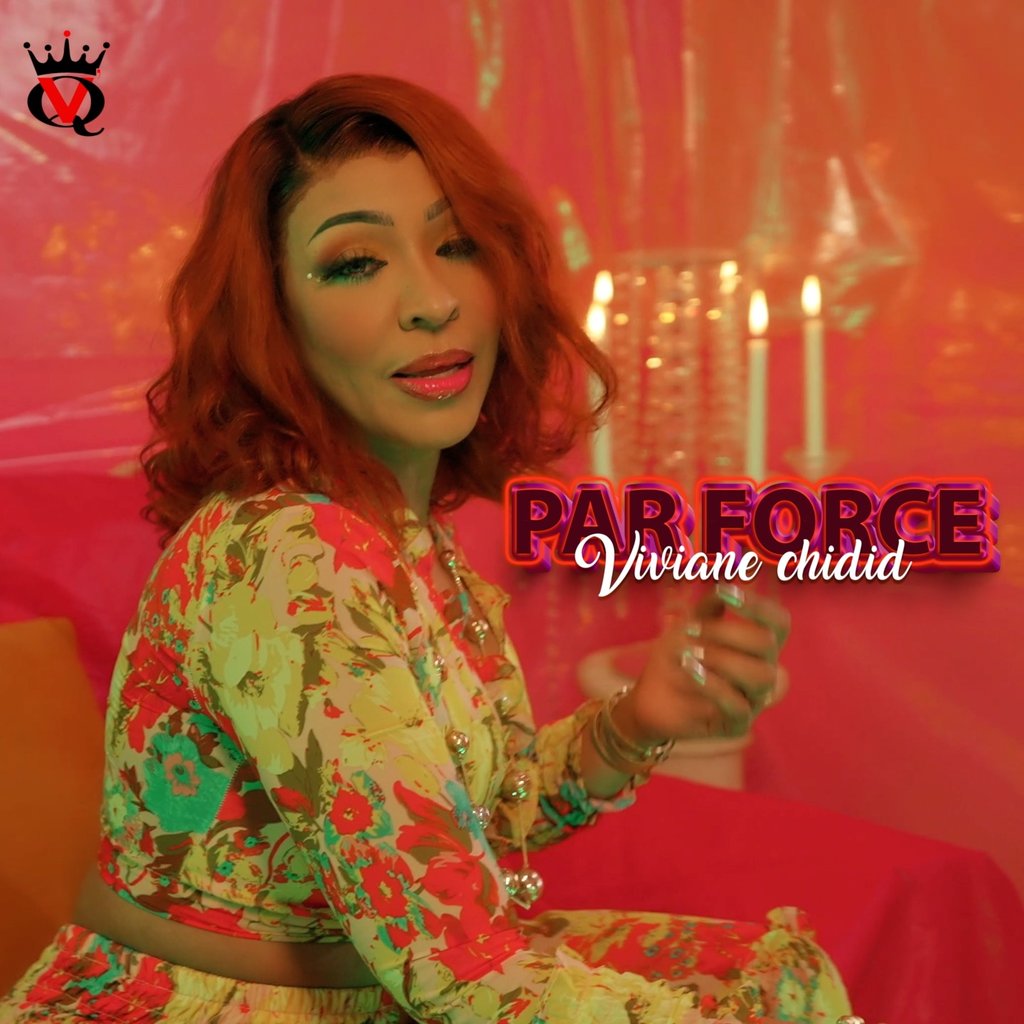
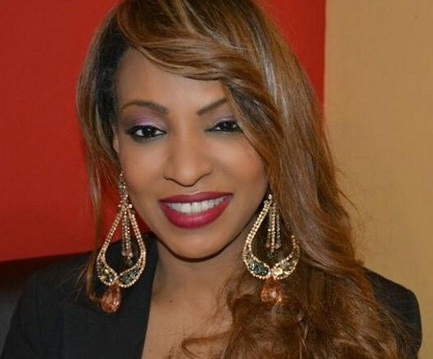
There are singers whose voices seem to come straight from Senegal itself, and Viviane Chidid is one of them. Born Victoria Catherine Chidid in Mbour, a port city south of Dakar, she grew up with a Senegalese mother who was mixed Mauritanian-Malian and a Lebanese father, Philippe Chidid. She began her career in 1993 as a backing vocalist for Youssou N’Dour’s group, the Super Étoile de Dakar — before becoming the “Queen of Mbalax” and one of West Africa’s most-listened-to voices.
In Brief
| Full Name | Victoria Catherine Chidid (Viviane N’Dour, Viviane Chidid) |
| Birth | September 29, 1973 in Mbour, Senegal |
| Genre | Singer — mbalax, R&B, hip-hop, Afro-pop |
| Notable Works | Esprit (2004), Bataclan Café (2007), Benen Level (2020) |
| Awards | Female Artist of the Year (Afrotainment, 2011); Pan African Artist of the Year (Cameroon and Nigeria, 2012) |
Key Dates
| Year | Event |
|---|---|
| 1993 | Backing vocalist for Youssou N’Dour’s Super Étoile de Dakar; international tours |
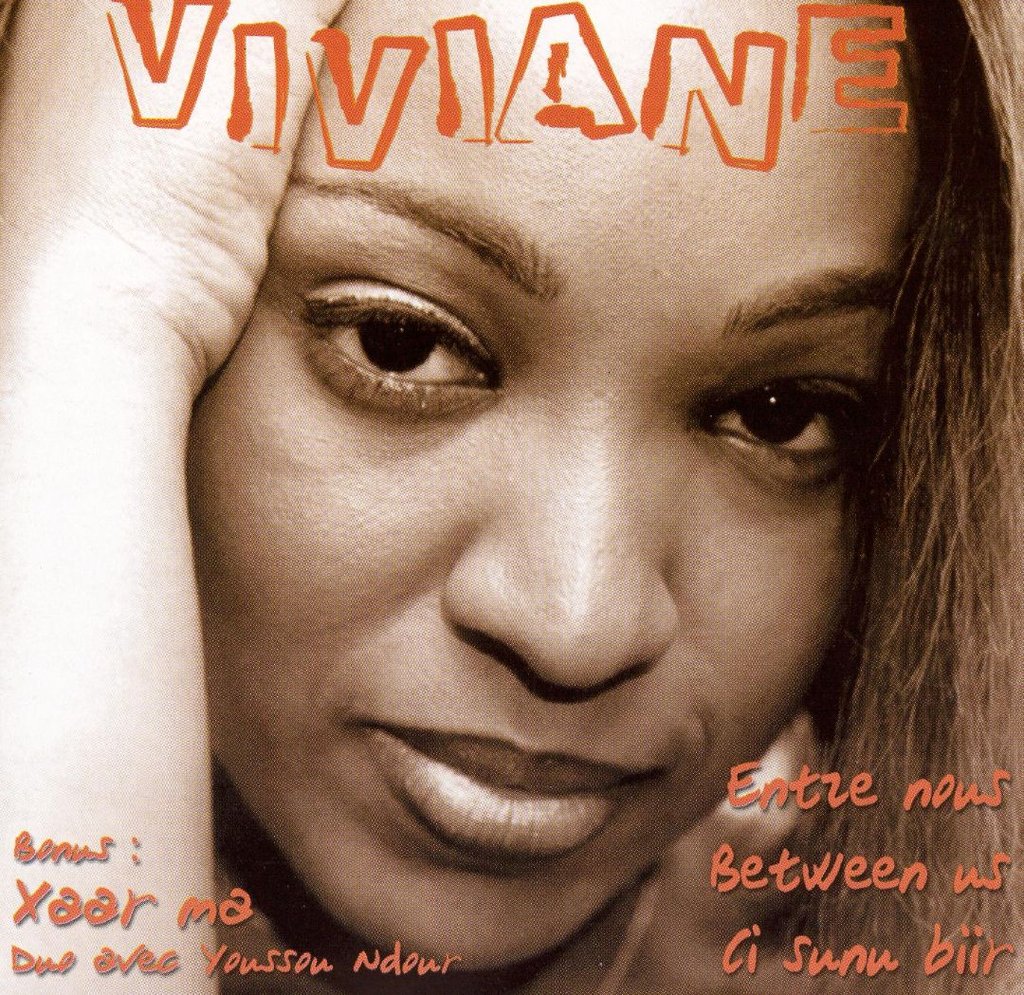
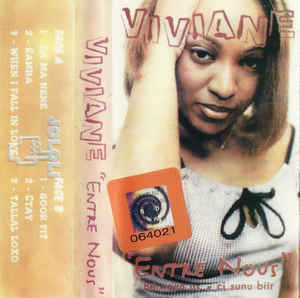
| 1999 | First solo album, Entre Nous; success of “Sama Nene” |
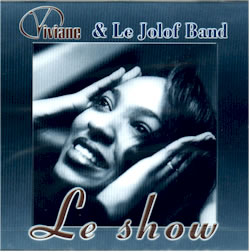
| 2001 | Formation of Djolof Band; first live album, Le Show |
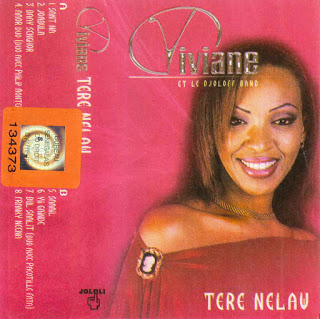
| 2002 | Lost plagiarism lawsuit (5 million FCFA); single “Sante Na Yallah” |
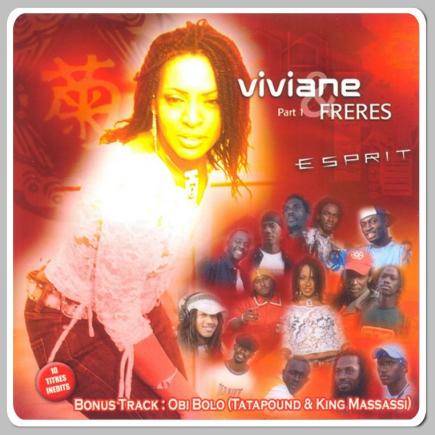
| 2004 | Rap album Esprit, best-selling Senegalese hip-hop album (100,000+ copies) |
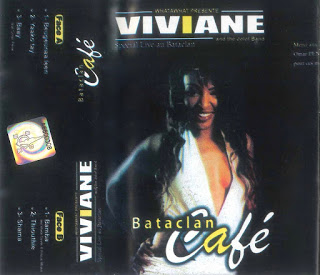
| 2006-07 | Concert at Bataclan (Paris, 2006); album Bataclan Café |
| 2010-11 | Divorce from Bouba N’Dour; three Afrotainment awards (2011) |
| 2012-13 | Single “Soldier Girl” with Busta Rhymes and Mavado; signed to Wonda Music |
| 2017-20 | EP Wuyama (2017); album Benen Level (2020) |
| 2022 | 22nd anniversary of Djolof Band; retrospective interviews |
From Mbour Hotels to the Super Étoile
Viviane grew up in Mbour, on the Petite Côte. Ali Jaber (creator and leader of Dakar’s TABOU group), a friend of her father, launched her: she performed in hotels with fellow artists. It was Michael Soumah who invited her onto his show — “In our neighborhood, there was a brother named Alphonse Ndour. He was a guitarist and helped me write a song” — before Alphonse opened the door to Mbacké Dioum and the Super Étoile. She joined the group in 1993 as a backing vocalist, participated in international tours, and sang duets on Youssou N’Dour’s “Seven Seconds,” originally sung by Neneh Cherry. “I got my first gold record at 18,” she would later confess. Married for a few years to Youssou N’Dour’s brother, Bouba N’Dour — who became her manager and the father of her two children, Zeyna and Philippe — she was already shaping her palette: Wolof, French, English.
Solo Recognition and Tensions
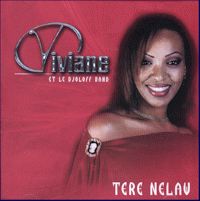
In 1999, her first solo album, Entre Nous (Jololi label), was released: “Sama Nene” (“my baby” in Wolof) became a massive hit. Nature followed in 2000; that same year she formed the Djolof Band, with whom she released the live album Le Show in 2001. In 2002, upon the release of Téré Nélaw and the R&B single “Sante Na Yallah,” she lost a plagiarism lawsuit filed by Elhage Faye over “Sammina” and paid five million CFA francs. The following year, Fii Ak Fee; in 2004, she shifted into hip-hop with Esprit — selling over one hundred thousand copies, making it the best-selling Senegalese rap hip-hop album — alongside Didier Awadi and his peers. Man Diarra followed in 2005; a concert at the Bataclan (Paris, 2006) led to the album Bataclan Café in 2007. She also leveraged her glamorous image and multiplied collages between urban ballads, rap, and traditional rhythms. “My ambition is to go even further in my music,” she said at a press conference in Dakar. “They listened to my mbalax tracks and said they absolutely wanted to work with me,” she confided regarding American rappers like Busta Rhymes and Mavado — hence the 2012 single “Soldier Girl,” sung in English, French, and Wolof.
Wuyuma, Wonda Music, and the Afro-Pop Return
Divorced from Bouba N’Dour in 2011, she signed with Grammy Award-winning American producer Jerry Wonda and his record label, Wonda Music. Her EPs Retaan (2014) and Wuyama (2017) prioritized mbalax and Afro-pop; Benen Level (2020) confirmed this shift toward bright electronic pop. She remains an occasional backing vocalist for the Super Étoile at major galas and celebrated in 2022 the 22 years of Djolof Band camaraderie. “It was on Bouba Ndour’s advice, my producer at the time, that I created the Djolof Band.” “Since I was very little, I loved music. I sang at home, at school… To the point that I even had trouble learning my lessons because melodies were running through my head,” she recalls.
Major Works
| Work | Year | Why It’s Essential |
|---|---|---|
| Entre Nous | 1999 | First solo album; “Sama Nene” fuses mbalax and R&B to launch her career |
| Esprit | 2004 | Best-selling Senegalese hip-hop album; opens rap to Viviane’s voice |
| Bataclan Café | 2007 | Live album from the Paris concert; European recognition |
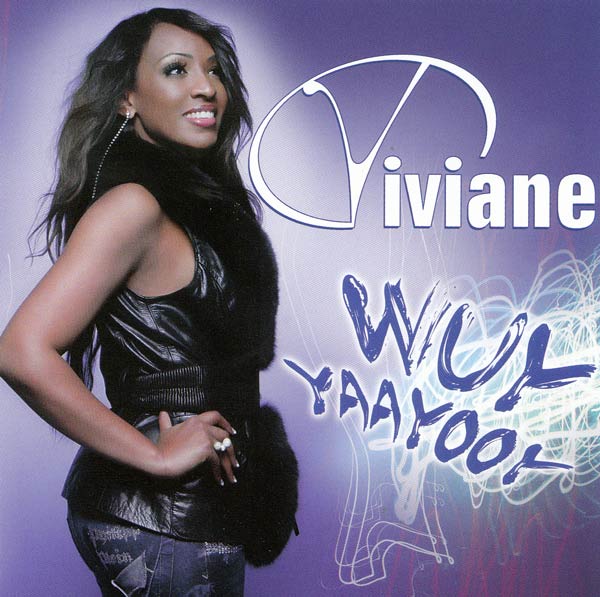
| Wuy Yaayooy | 2010 | Peak of national popularity; before divorce and Wonda Music signing |
| Benen Level | 2020 | Return to long format; electronic pop synonymous with a new era |
Legacy and Influence
Viviane Chidid established mbalax as a playground for urban voices — grafting R&B, rap, and electronic pop onto it without renouncing the traditional rhythms of sabar and tam-tam. She inspires a generation of Senegalese singers who blend Wolof and modernity, confirming the Super Étoile as a matrix for a pan-African scene. Her awards — Female Artist of the Year at Afrotainment in 2011, Pan African Artist of the Year in Cameroon and Nigeria in 2012 — attest to transnational recognition. “Vivi” remains a figure of Senegalese musical identity, listened to in Senegal and in the diaspora.
Sources and References
- « Viviane Chidid », Wikipédia, fr.wikipedia.org/wiki/Viviane_Chidid, accessed 26 November 2026.
- « Viviane Chidid N’Dour Biography », AllMusic, allmusic.com/artist/viviane-chidid-ndour-mn0002391080, accessed 26 November 2026.
- « Viviane Chidid, la musique pour la vie », RFI Musique, musique.rfi.fr/actu-musique/musique-africaine/20130807-viviane-chidid.html, accessed 26 November 2026.
- « Viviane : ‘comment j’ai rencontré Youssou Ndour’ », Pulse.sn, pulse.sn/article/viviane-comment-jai-rencontre-youssou-ndour-2024073014073129149, accessed 26 November 2026.
- « Viviane Chidid (Viviane Ndour) », Afrisson, afrisson.com/viviane-ndour-5775/, accessed 26 November 2026.
- « Viviane Chidid : ‘Avec Youssou Ndour bénène level la…’ », Leral.net, leral.net/Viviane-Chidid…a215351.html, accessed 26 November 2026.