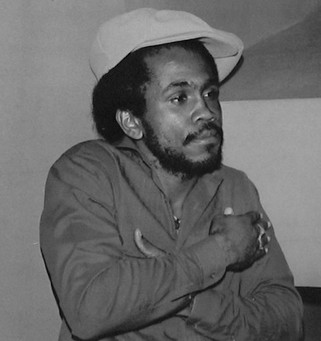
Biography
Wayne Jarrett
It all began in a micro-country: that of a microphone and a tin can. Wayne Jarrett, already sixteen, in Hartford in Connecticut. He had just bought an old record player and a makeshift amplifier — money from part-time work. He put his voice into the microphone and heard something clearer come out, almost otherworldly. “I don’t know if it was the microphone that did it, but it sounded good to me,” he will say years later. This moment — neither concert nor studio, just a boy and his amplified voice — was enough to launch a career that the specialist press describes as brilliant but criminally unknown in roots reggae.
In brief
| Stage Name | Wayne Jarrett |
| Birth | 1956, Kingston (Allman Town), Jamaica |
| Genre(s) | Roots reggae, dub |
| Instrument | Vocals (clear tenor) |
| Active Period | Late 1970s – present |
Key dates
| Year | Event |
|---|---|
| 1956 | Birth in Kingston, in the Allman Town neighborhood |
| 1973 | Moves with his family to Hartford (Connecticut) |
| 1978 | Recording of “Satta Dread” for Bunny « Striker » Lee in Kingston |
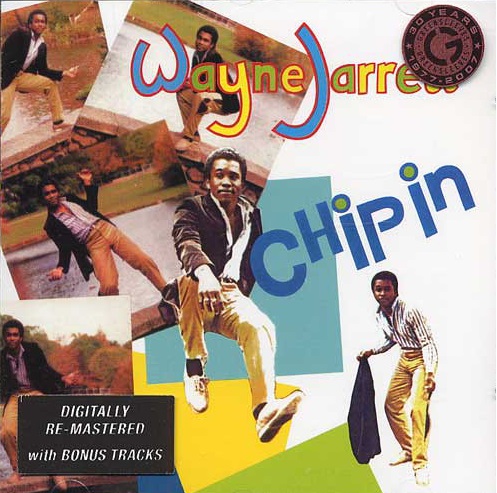
| 1982 | Release of Chip In (Greensleeves) and Showcase, Vol. 1 (Wackies) |
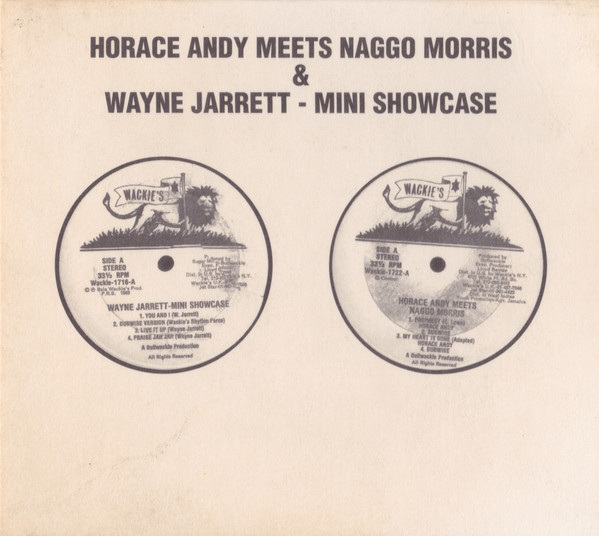
| 2002 | Collaboration with Horace Andy on Mini Showcase (Wackies) |
From Kingston’s ghetto to New York studios: the meeting of a voice and reggae
Wayne Jarrett was born in 1956 in Kingston, at the heart of Allman Town in the Rachford Park neighborhood. He is one of seven children. The political climate of the time — clashes between rival camps, routine violence — pushed his mother to make a radical decision: bring her children to the United States. In 1973, at sixteen, Wayne joined Hartford in Connecticut. “It was a very different world,” he will say when talking about this brutal transition between the Caribbean island and New England.
Music did not haunt him immediately. In Kingston, he sang in church because his high school teacher had “forced” him to — a memory he recounts with laughter: “I didn’t even know I sang so well.” But in Hartford, far from the industry and studios, reggae was almost non-existent: “People preferred blues.” He worked, studied, and gradually rebuilt his musical universe by buying records he listened to late at night. “One of my close friends said: my man, you sound good! Make a recording.” He recorded himself, listened back, and realized his voice had something rare — a clear tenor that trembled slightly, inevitably recalling Horace Andy.
The latter was not distant: they had known each other as children, in the same Allman Town neighborhood. “Horace came to my house to read comics,” Jarrett recalls. Their childhood friendship remains a vivid link in the reggae scene, and Andy will remain his main vocal influence.
Before taking his first steps, Jarrett was a young Rastafarian in the process of building himself. “I have always been natty dread,” he recalls. Growing up around older Rastafarians instilled in him the faith that would permeate every word he would sing. But upon his arrival in the United States, he had to cut his dreadlocks: “It was an internal battle,” he will say.
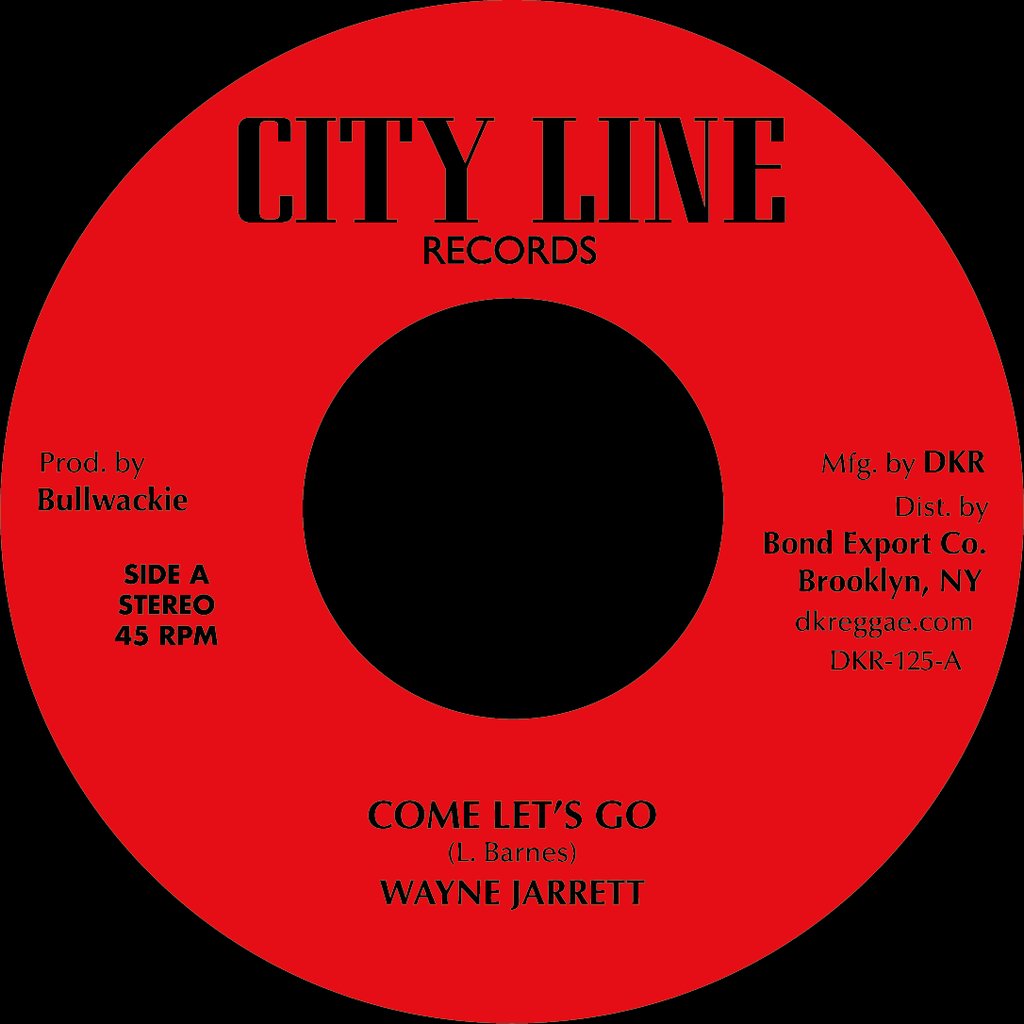
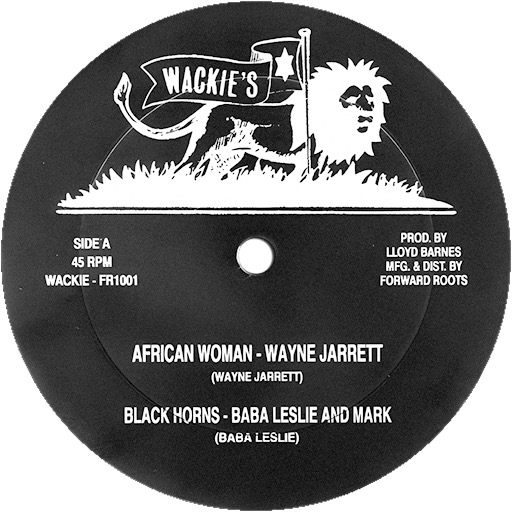
The 1970s saw Jamaican reggae in a prosperous period. Producers like Bunny Lee, Junjo Lawes and Herb Taffary formed a new generation of the genre. Wayne Jarrett, despite his geographical distance from Kingston, did not take long to break through in this circuit. His first major connection was made through Lloyd « Bullwackie » Barnes, a producer based in the Bronx at the head of the Wackies label. In 1977-78, Jarrett crossed the city to record at Barnes’ studio. His first song for Bullwackie was called African Woman, he recalls. “The first time in the studio, I was scared at the microphone. I am a shy person.” He preferred singing when no one looked at him — which is why he liked studios like King Tubby’s, where he would sing alone in a small room.
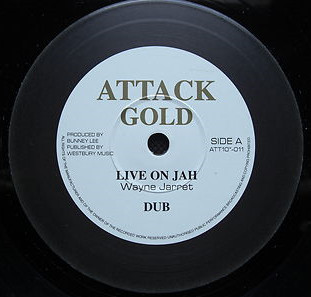
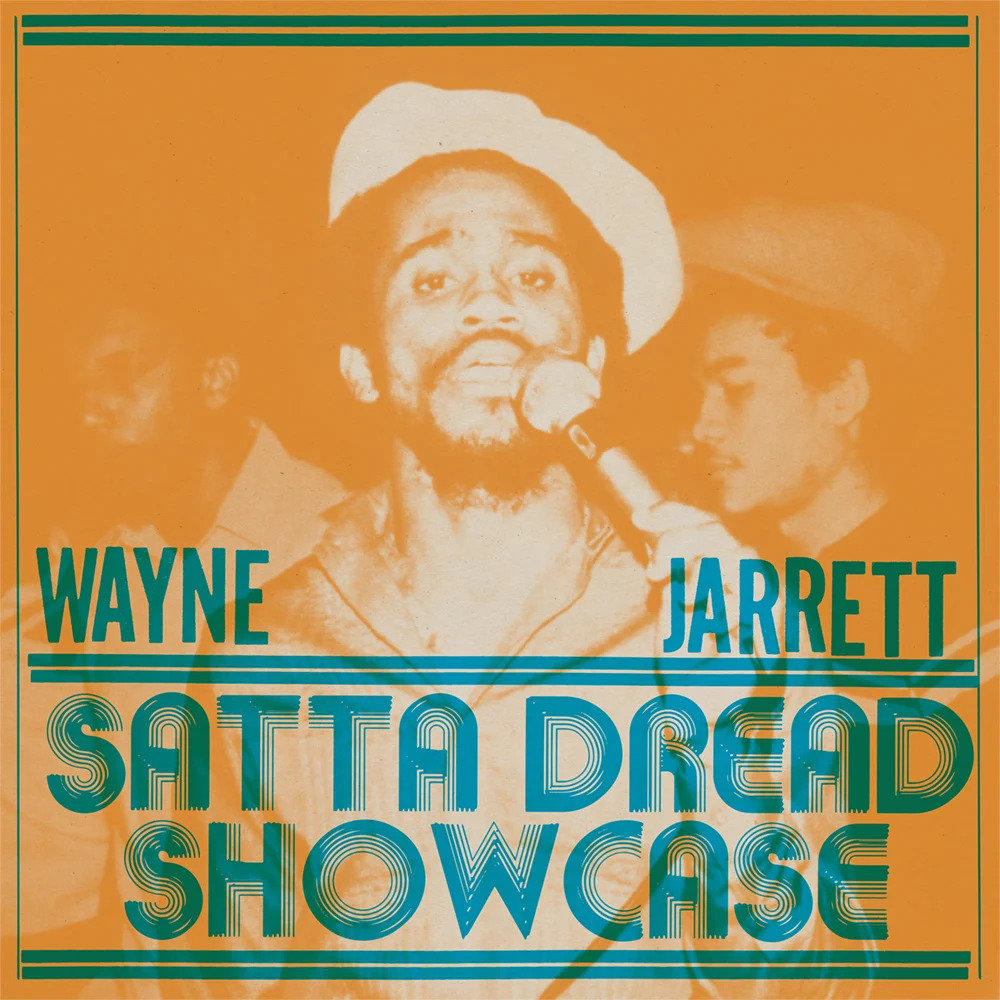
It was there that he recorded what would become his most famous track, “Satta Dread”. Recorded for Bunny Lee in Kingston — and whose dub version would later be published on a compilation by King Tubby, considered emblematic by the Rough Guide to Reggae — the song perfectly illustrates Jarrett’s art: his spiritual lyrics, his intimate phrasing that floats above a dense instrumentation.
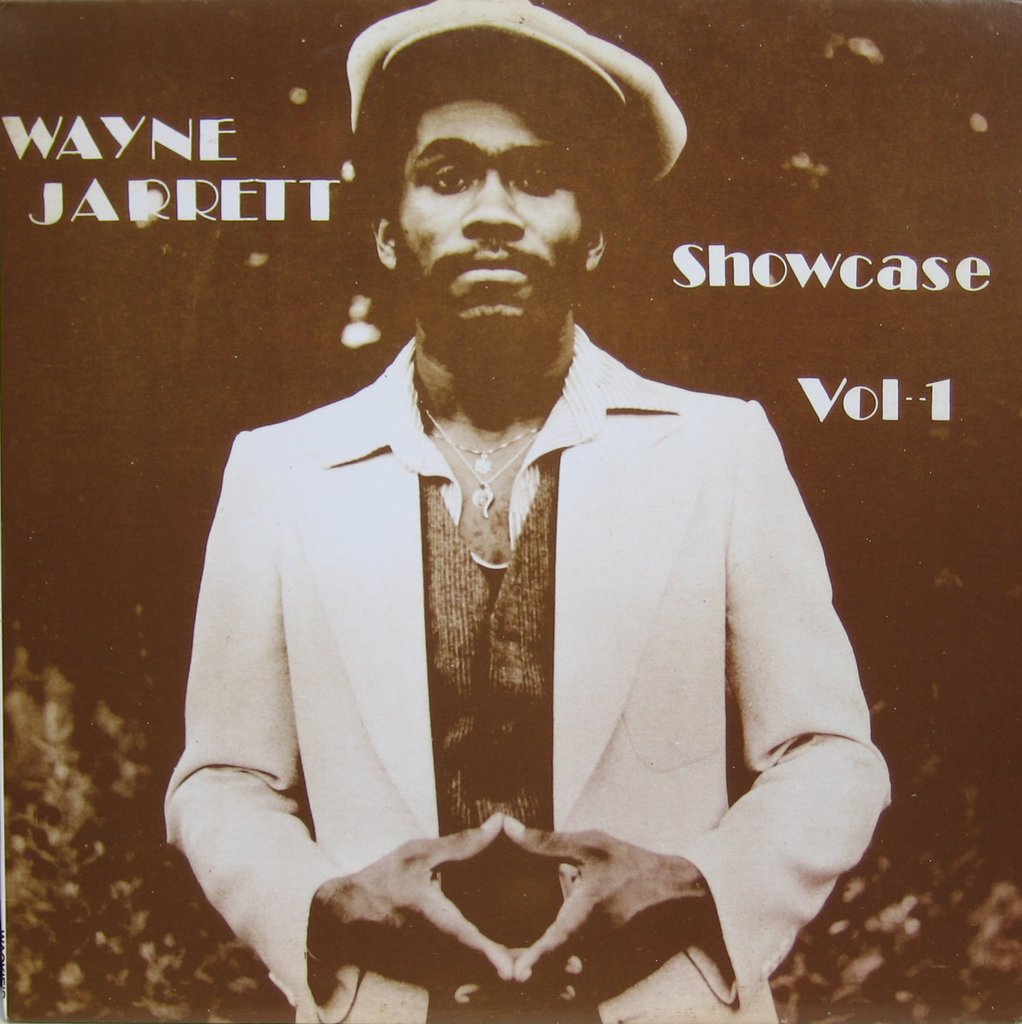
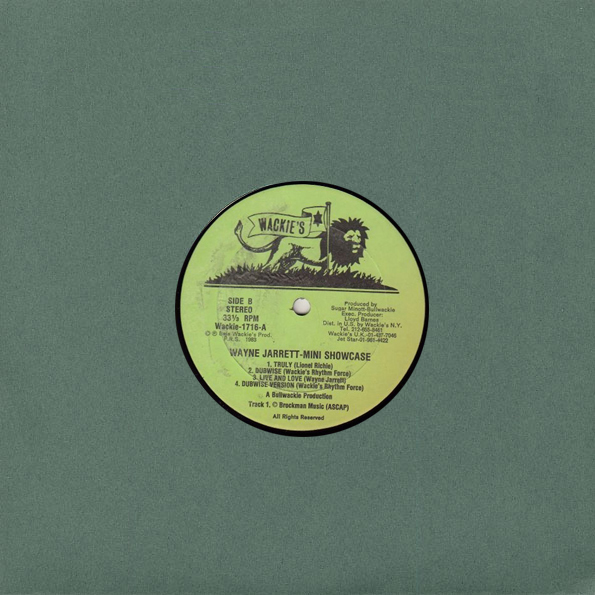
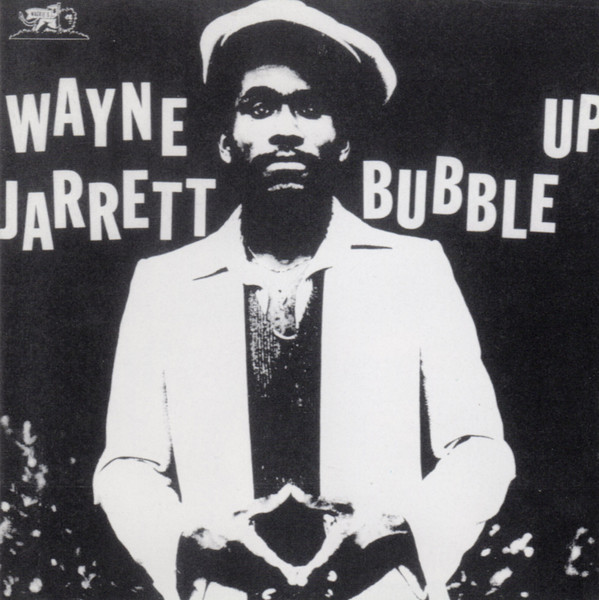
In 1982, Jarrett signed two landmark albums that mark the peak of his career. Chip In, produced by Junjo Lawes and released on Greensleeves Records, was recorded at Channel One and mixed at King Tubby’s with the Roots Radics Band. Six months later, it was Showcase, Vol. 1 — released under the alternate title “Bubble Up” in the UK and Japan. Six vocal tracks followed by their dub versions, recorded at Wackies studios: “Brimstone & Fire”, “Every Tongue Shall Tell”, “Magic in the Air”, “Bubble Up”, “Darling Your Eyes” and “Holy Mount Zion”. The Rough Guide to Reggae also retains the memorable rhythm of “Youthman”, created by Glen Brown and carried on Jarrett’s voice.
After Chip In and Showcase, Wayne Jarrett’s career became more discreet. The dancehall “encompasses Jamaica,” notes the Reggae Vibes interviewer, and Jarrett’s style — intimate, dreamlike, withdrawn from direct confrontation — fares less well. He still records occasionally in Kingston, cuts a version of “Money Money” — an Horace Andy classic — with artists like Ranking Joe, but the world listens less. “It was the last recording,” confesses with regret the journalist Peter I of Reggae Vibes. Jarrett, for his part, does not complain. Settled in Hartford for more than fifty years, he has seen the reggae community develop slowly there: from the West Indian Social Club populated by old immigrants to the international network of contemporary sound systems. What remains is his voice — “sweet and clear,” wrote the AllMusic expert.
Major Works
| Work | Year | Why It’s Essential |
|---|---|---|
| “Satta Dread” | ~1978 | Peak of spiritual roots reggae, produced by Bunny Lee and mixed at King Tubby’s |
| Chip In | 1982 | Tender album recorded at Channel One — transition between roots and dancehall |
| Showcase, Vol. 1 (“Bubble Up”) | 1982 | Six vocal tracks and their dub versions — a gem of New York reggae |
| “Youthman” | ~1978 | Classic rhythm by Glen Brown carried by Jarrett’s iconic voice |
Legacy and Influence
Wayne Jarrett remains a brilliant but criminally overlooked roots reggae vocalist. Chip In and Showcase, Vol. 1, reissued multiple times under the title “Bubble Up”, are indispensable references in roots dub, rediscovered by new generations.
Sources and References
- Steve Leggett, “Wayne Jarrett — Biography”, AllMusic, https://www.allmusic.com/artist/wayne-jarrett-mn0000247359, accessed November 13, 2026.
- “Wayne Jarrett”, Wikipedia, https://en.wikipedia.org/wiki/Wayne_Jarrett, accessed November 13, 2026.
- Jody Segar, “Wayne Jarrett”, World of Jamaican Music, https://worldofjamaicanmusic.com/wayne-jarrett, accessed November 13, 2026.
- Steve Barrow and Peter Dalton, The Rough Guide to Reggae, 3rd ed., London: Rough Guides, 2004.
- Peter I, “Interview with Wayne Jarrett: Satta Dread”, Reggae Vibes, https://www.reggae-vibes.com/articles/2021/02/interview-with-wayne-jarrett/, accessed November 13, 2026.
- “Wayne Jarrett”, Roots Archives, https://www.roots-archives.com/artist/107, accessed November 13, 2026.
- “Chip In”, Bandcamp / Greensleeves Records, https://waynejarrett.bandcamp.com/album/chip-in, accessed November 13, 2026.