Biography
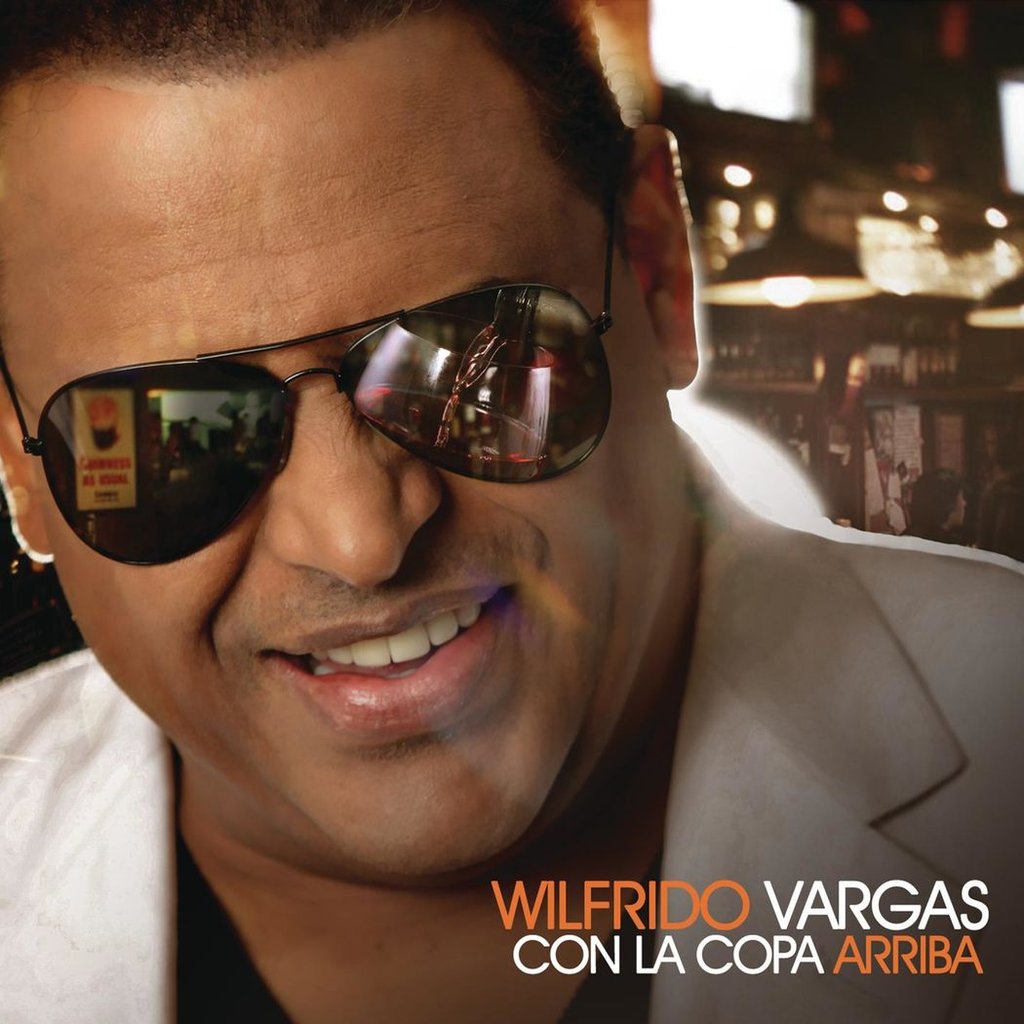
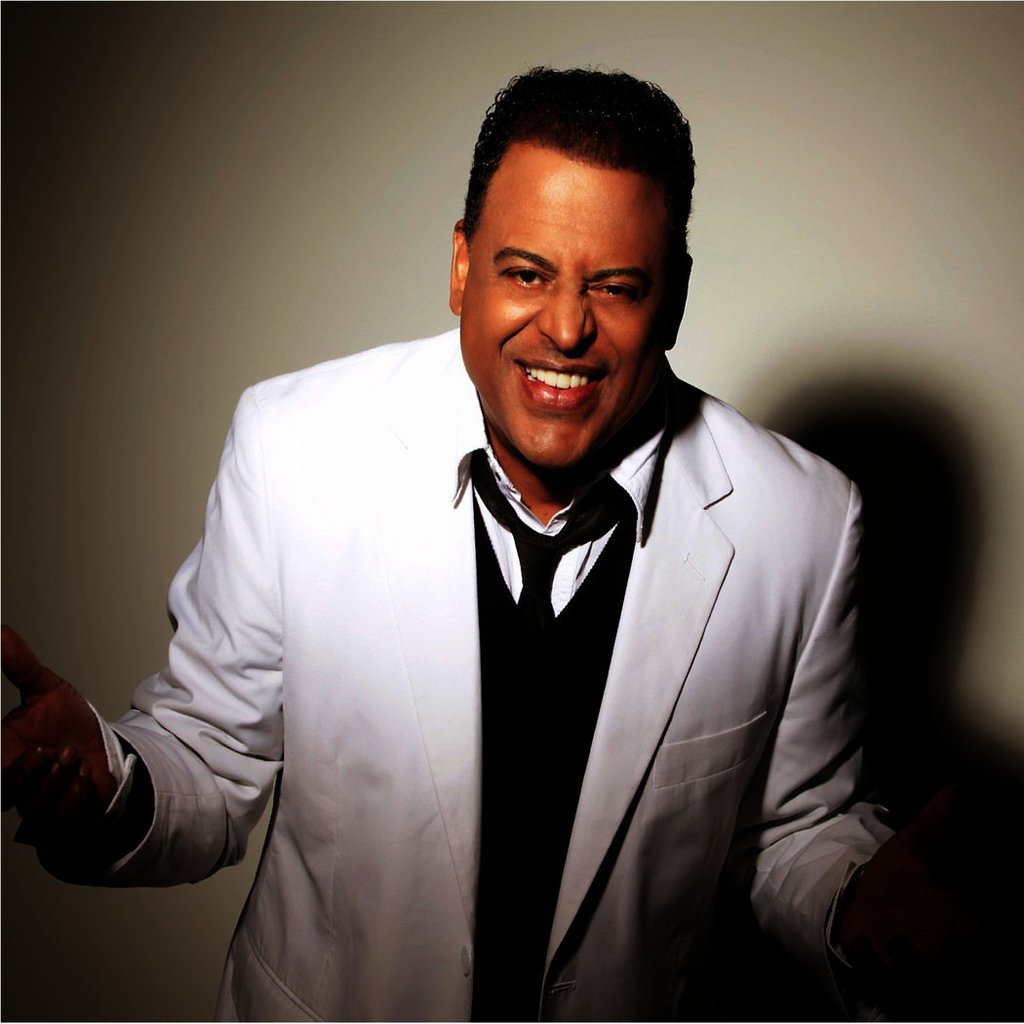
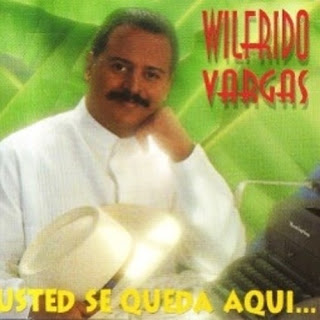
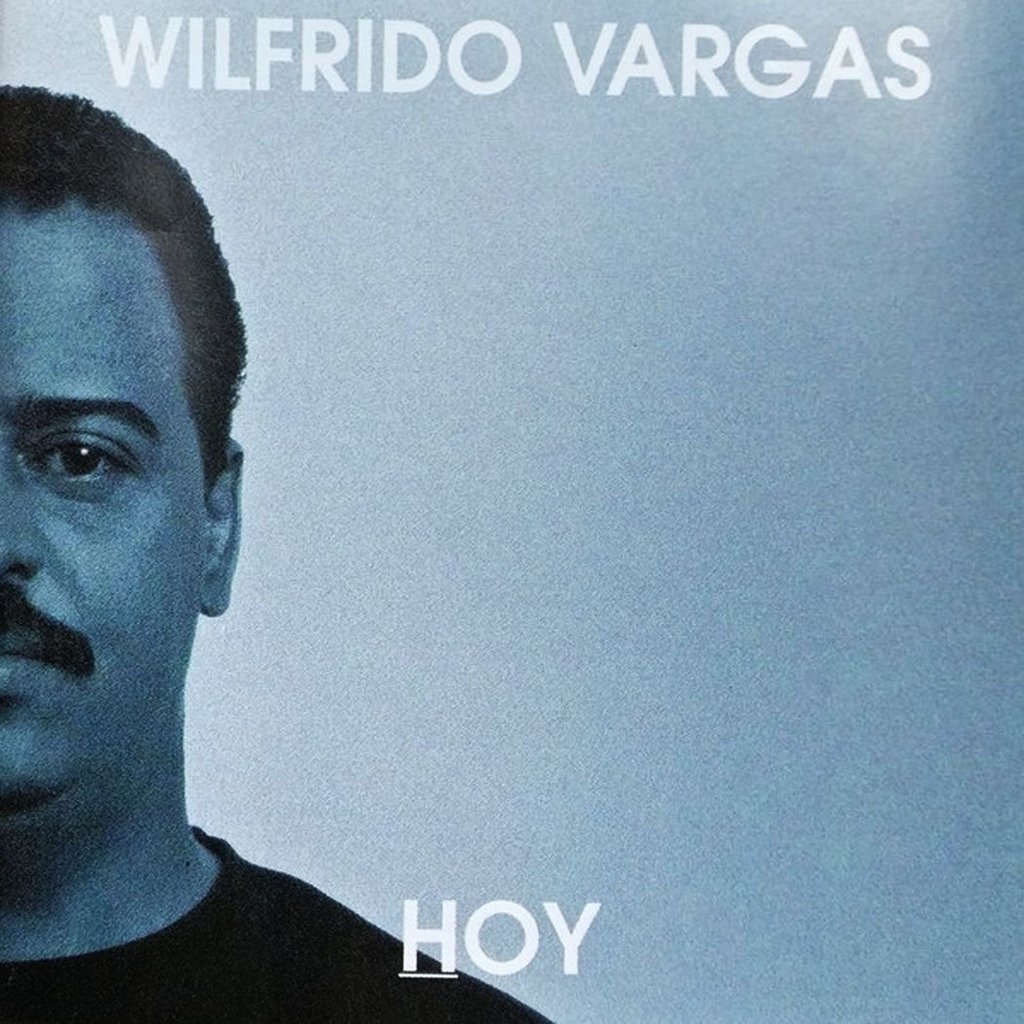
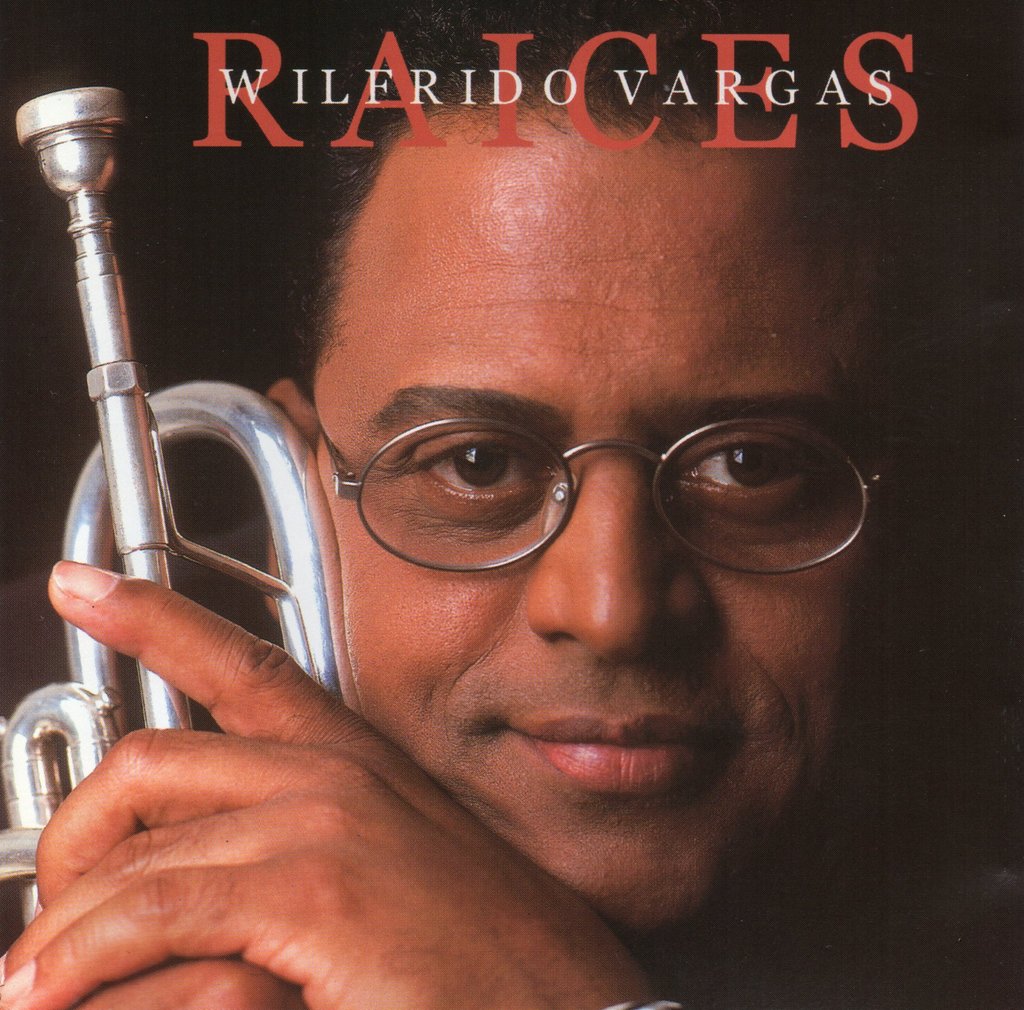
Wilfrido Vargas: Dominican merengue conquers the world
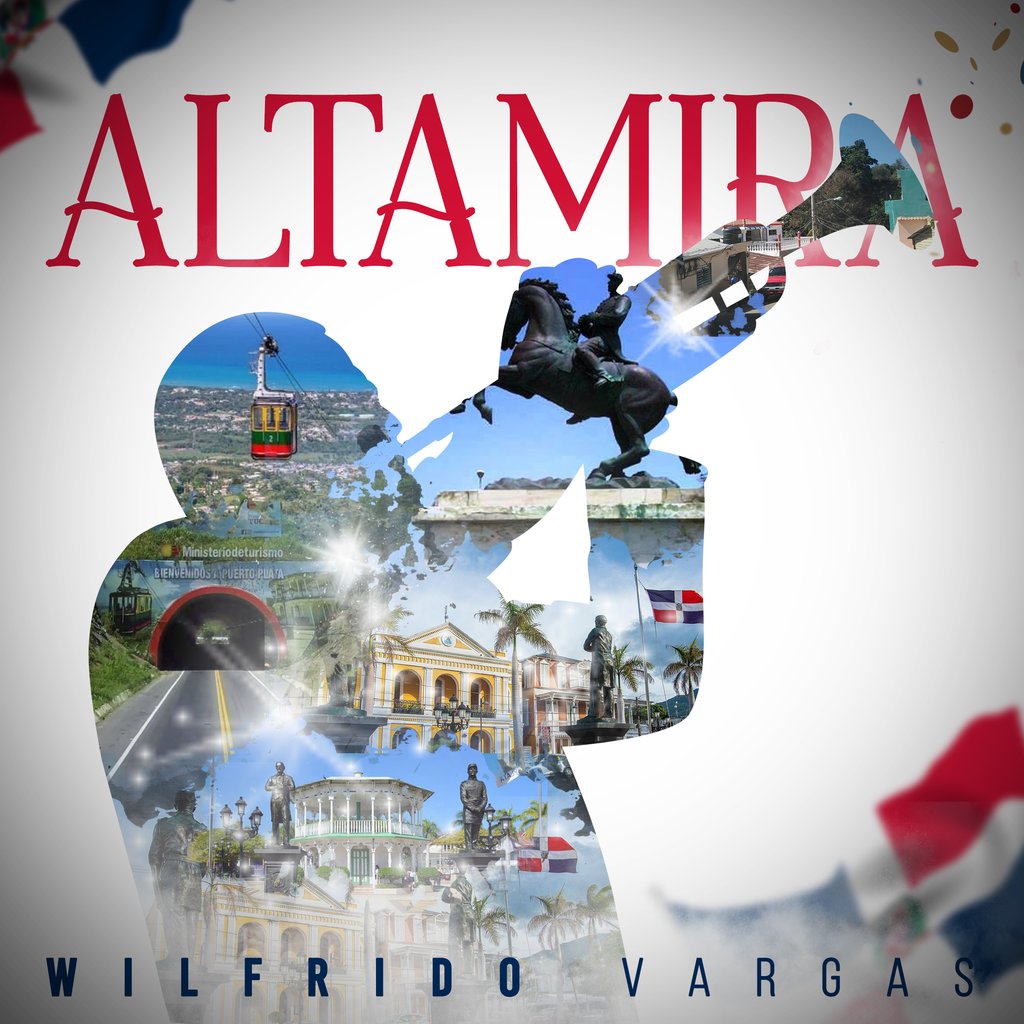
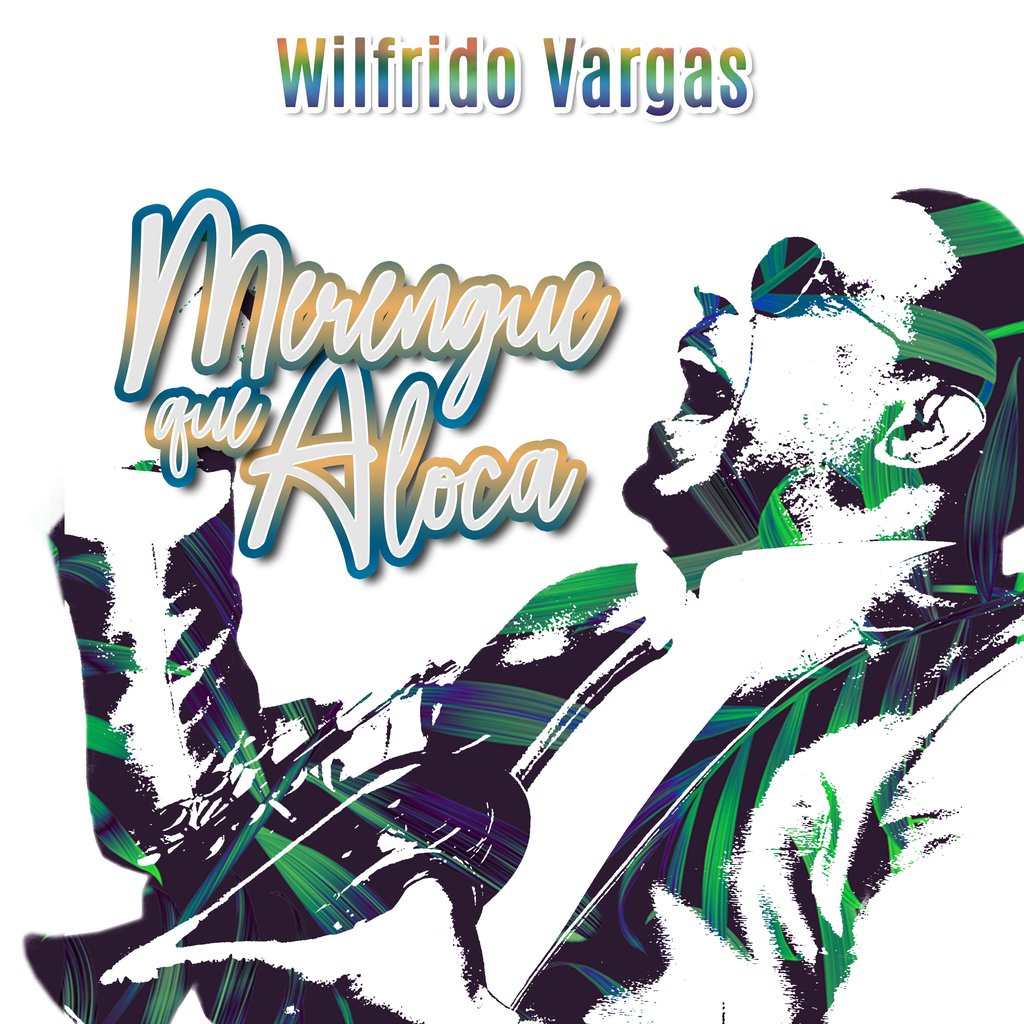
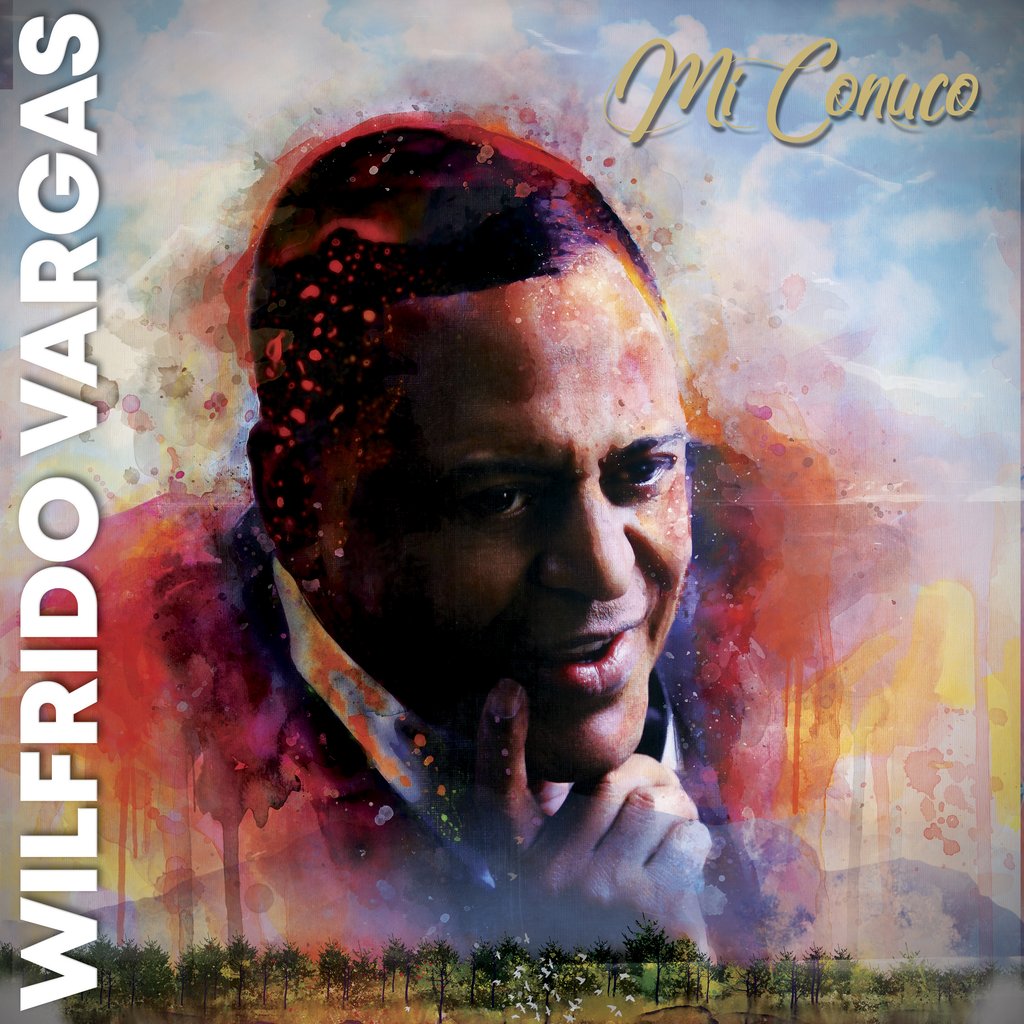
In 1949, Wilfrido Radamés Vargas Martínez was born in Altamira, a small village in the province of Puerto Plata in the Dominican Republic, into a family where music was everywhere: his father Ramón was an accordionist and guitarist, and his mother Bienvenida played flute and guitar. At ten years old, he entered the Municipal Academy of Music. Before turning twelve, he was the leader and solo trumpeter of a local group. He didn’t know it yet, but this trumpet would transform merengue into a global phenomenon.
In brief
| Full name | Wilfrido Radamés Vargas Martínez |
| Birth | April 24, 1949, Altamira, Puerto Plata, Dominican Republic |
| Field | Merengue — fast-paced Caribbean music stemming from African and European culture in the Dominican Republic |
| Iconic works | “El Barbarazo”, “El Jardinero”, “La Medicina”, “El Africano” |
| Honors | Latin Grammy Lifetime Achievement Award (2018), Grammy nomination 1991, Order of Christopher Columbus (1993), Gaviota de Plata (1992) |
Key dates
| Year | Event |
|---|---|
| 1949 | Birth in Altamira, Puerto Plata, Dominican Republic |
| 1972 | Formation of Wilfrido Vargas y sus Beduinos; first album |
| 1976 | Concert at Madison Square Garden, New York |
| 1978 | “El Barbarazo”, anthem of nuevo merengue and first international hit |
| 1979 | Havana Jam in Cuba with the Fania All-Stars |
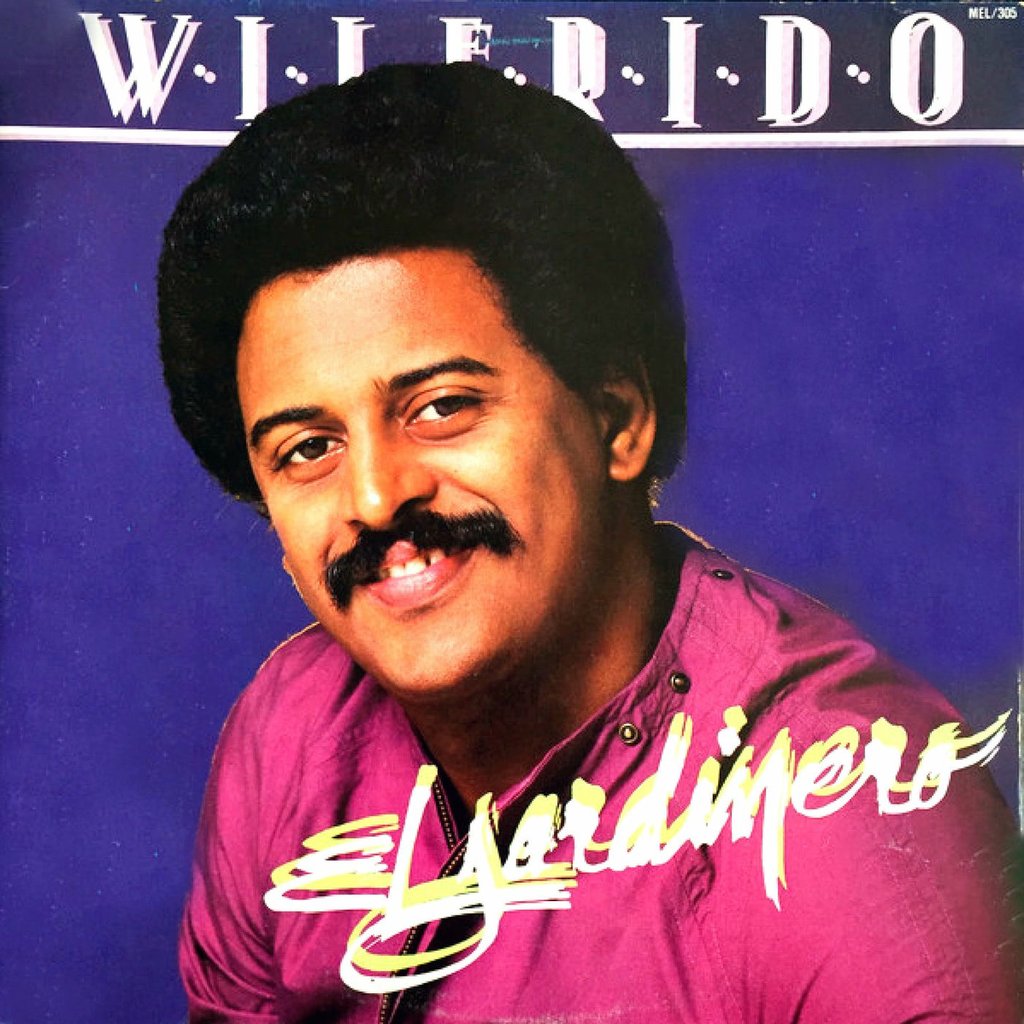
| 1984 | “El Jardinero” #3 Billboard Tropical Songs |
| 1989 | Grammy Award nomination for the album Animation |
| 1993 | Order of Christopher Columbus (awarded by President Balaguer) |
| 2018 | Latin Grammy Lifetime Achievement Award in Las Vegas |
From the Dominican village to the world stage
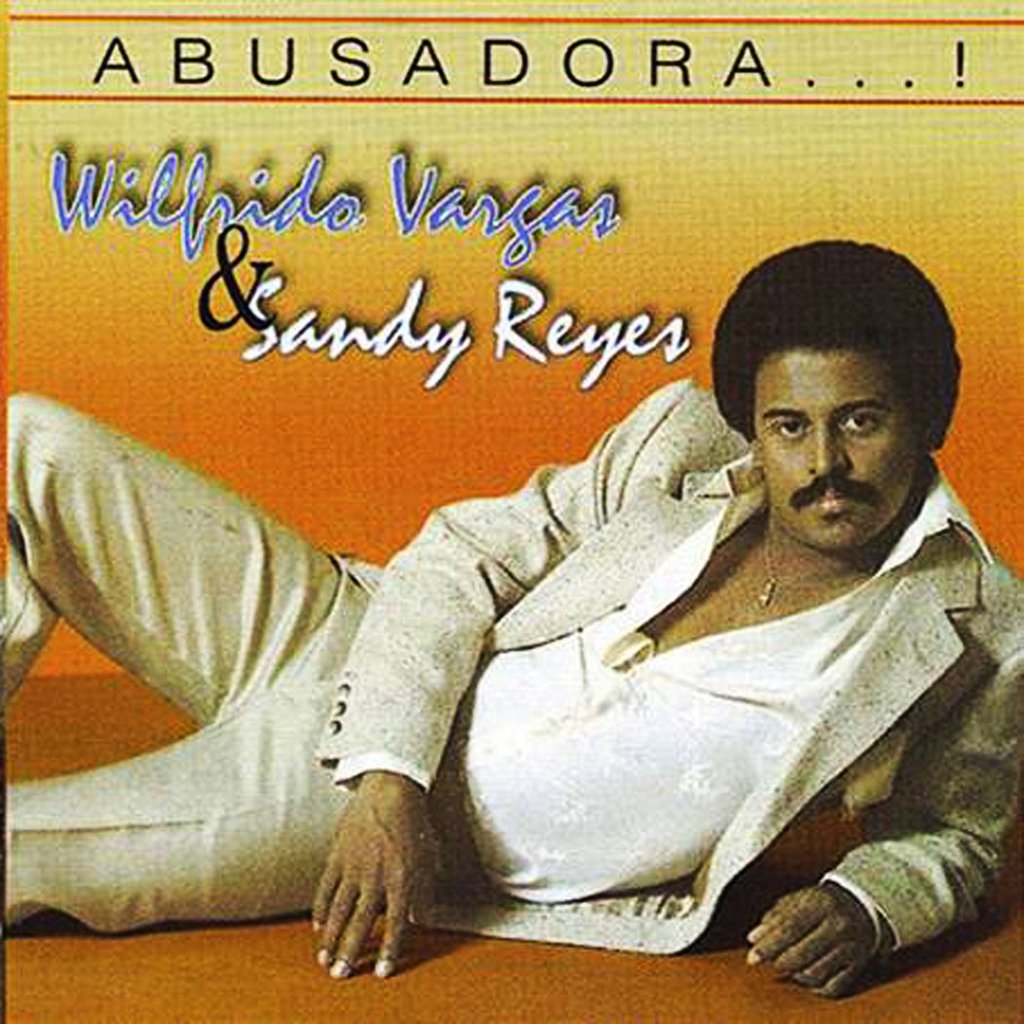
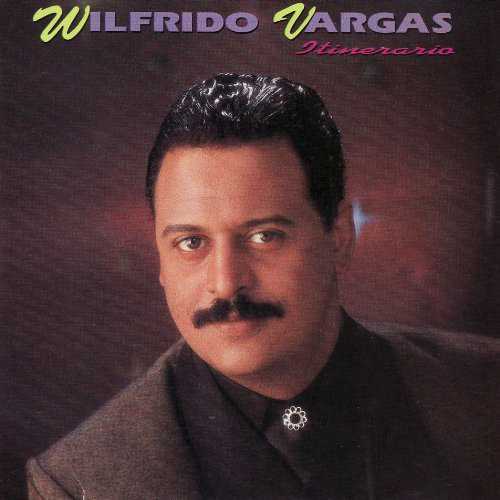
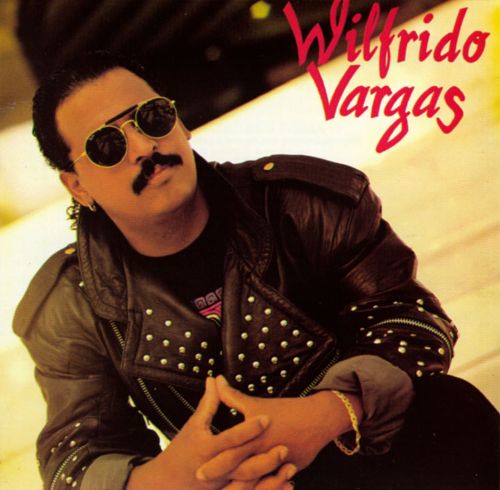
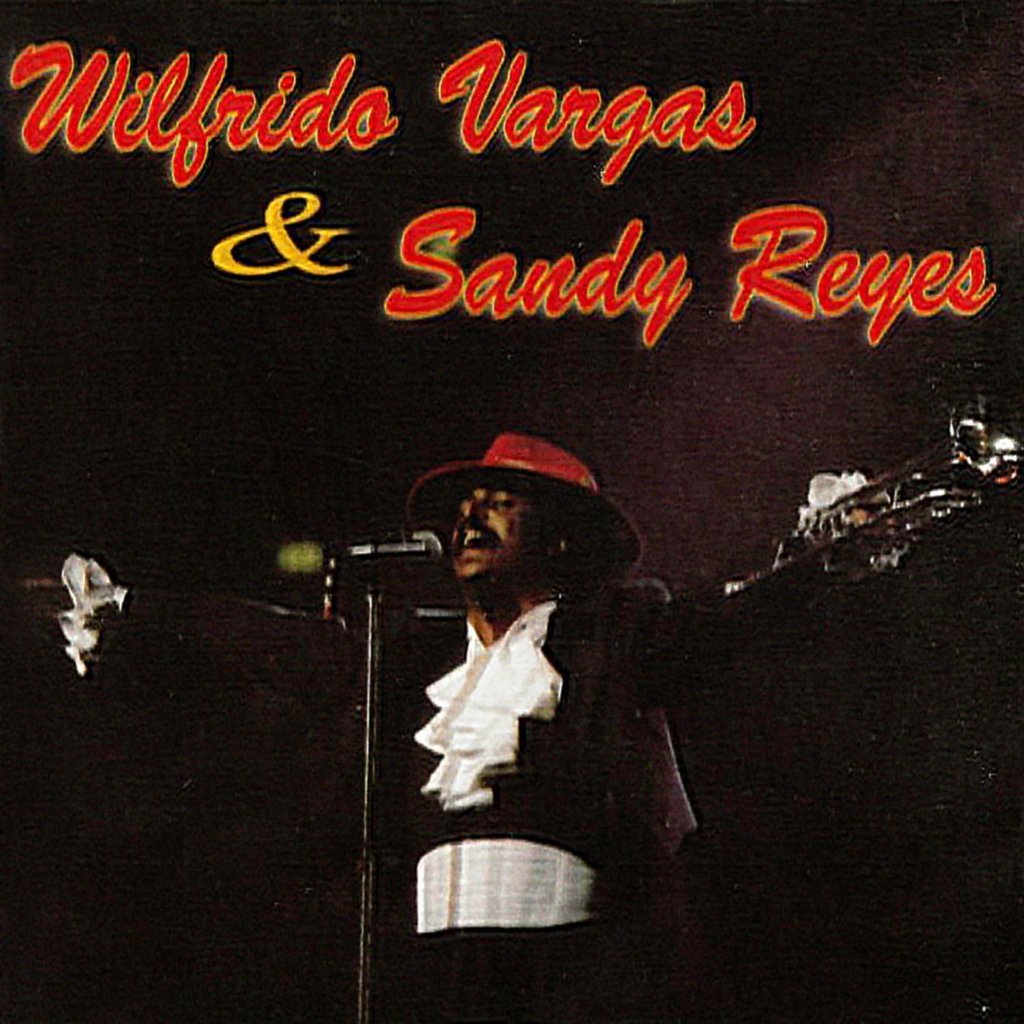
Vargas grew up in a family of ten children, playing the trumpet at Altamira parties from adolescence. In 1972, he founded Wilfrido Vargas y sus Beduinos (a nickname inspired by his name), a group that would serve as his springboard. Their first album was released on the Karen label, featuring compositions partly signed by Sonny Ovalle, a pianist who shaped the group’s sound. The lineup already included future legends: pianist Bonny Cepeda, who would become the first merengue artist nominated for a Grammy; bassist Chery Jiménez; and singer Sandy Reyes. In 1976, the Beduinos conquered Madison Square Garden in New York, opening doors to a Latin audience in the United States. In 1978, Vargas released Punto y Aparte!, an album containing “El Barbarazo” — a revolutionary track marking the birth of nuevo merengue, a modern style integrating synths and Afro-American influences. The title exploded in Latin America and became the anthem of a generation. In 1979, he shared the Havana Jam stage in Cuba with the Fania All-Stars, recording a live version of “El Barbarazo” on their album Habana Jam.
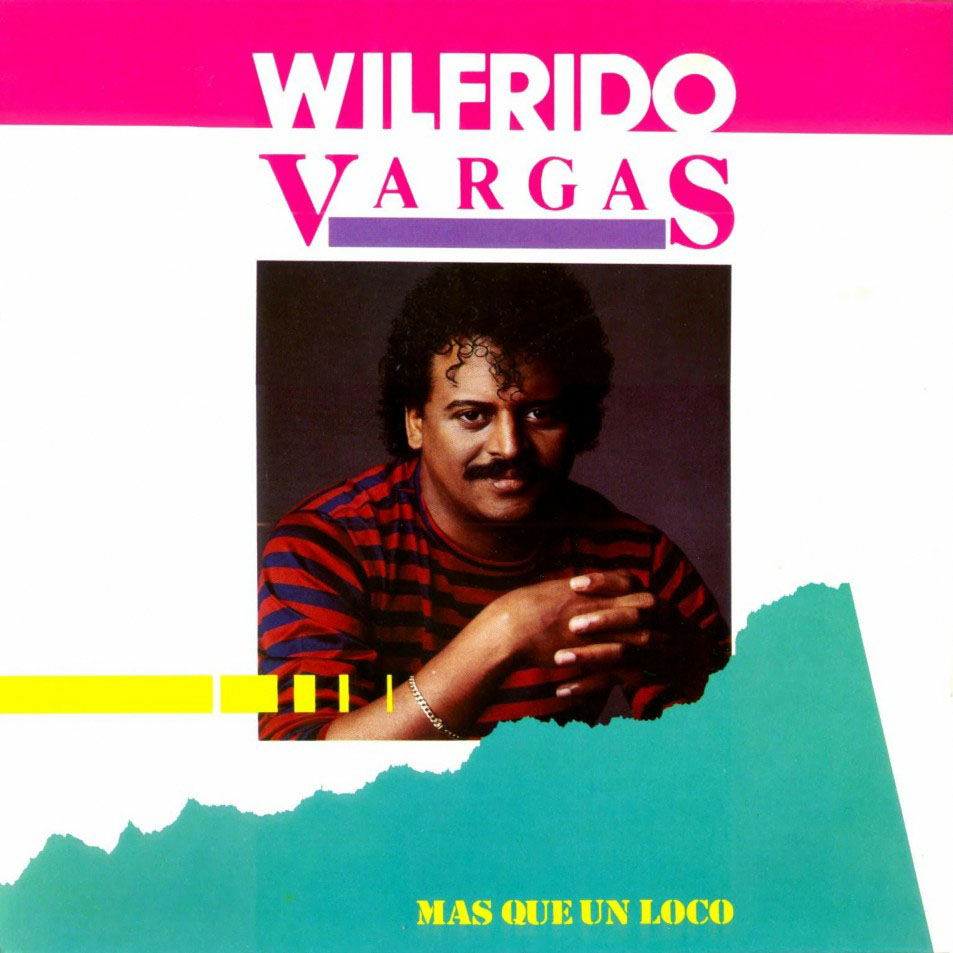
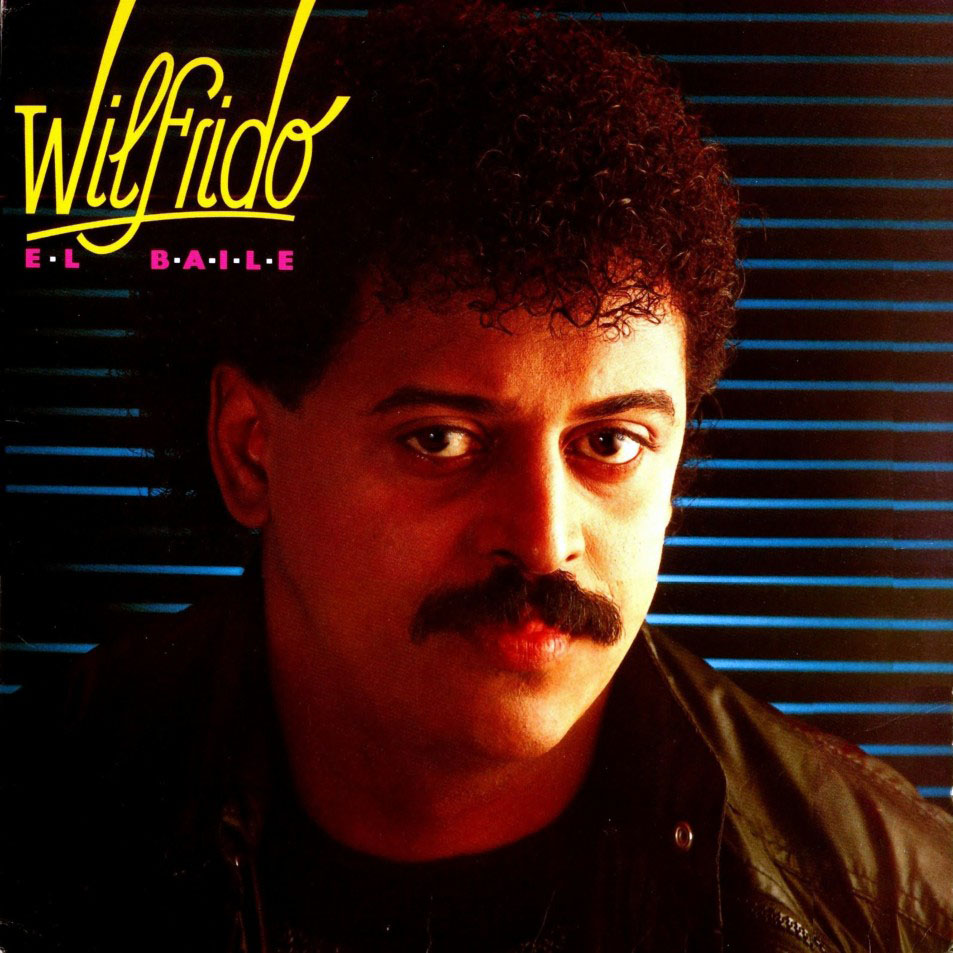
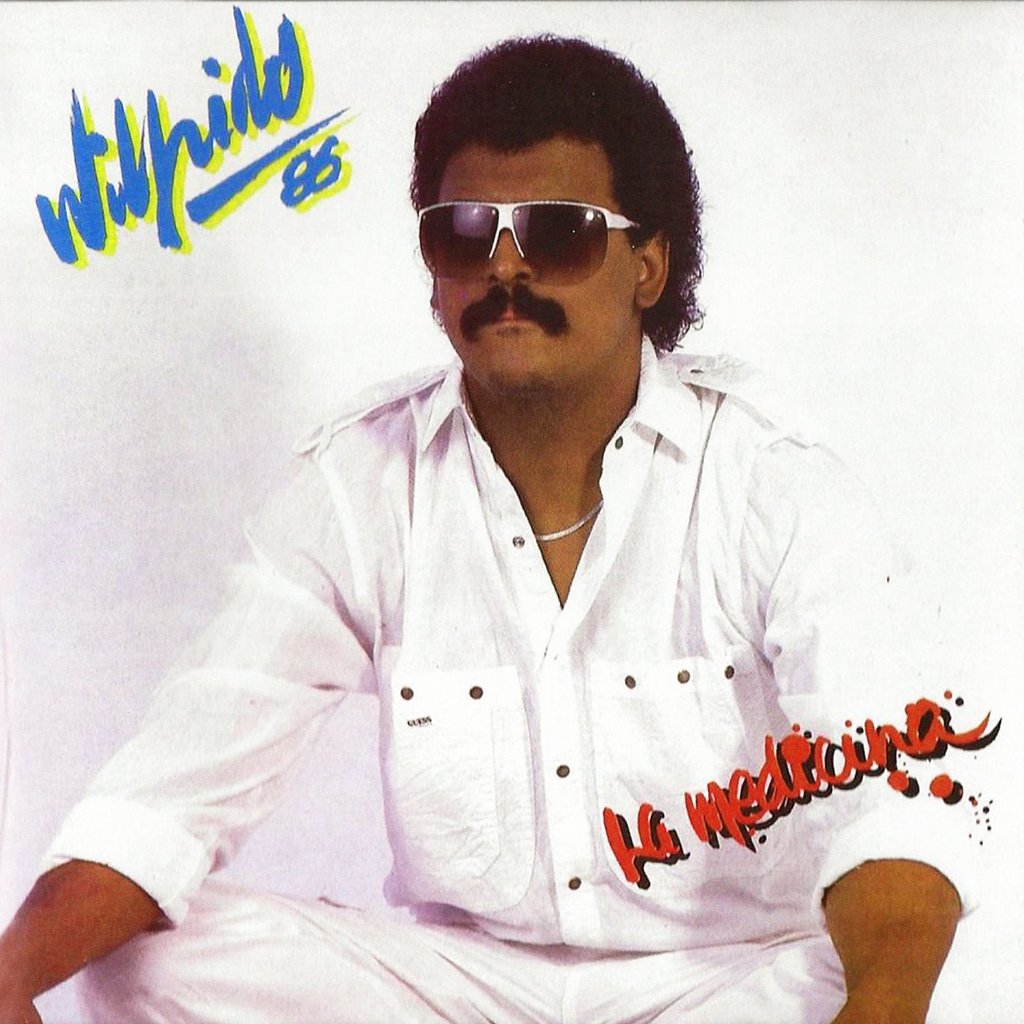
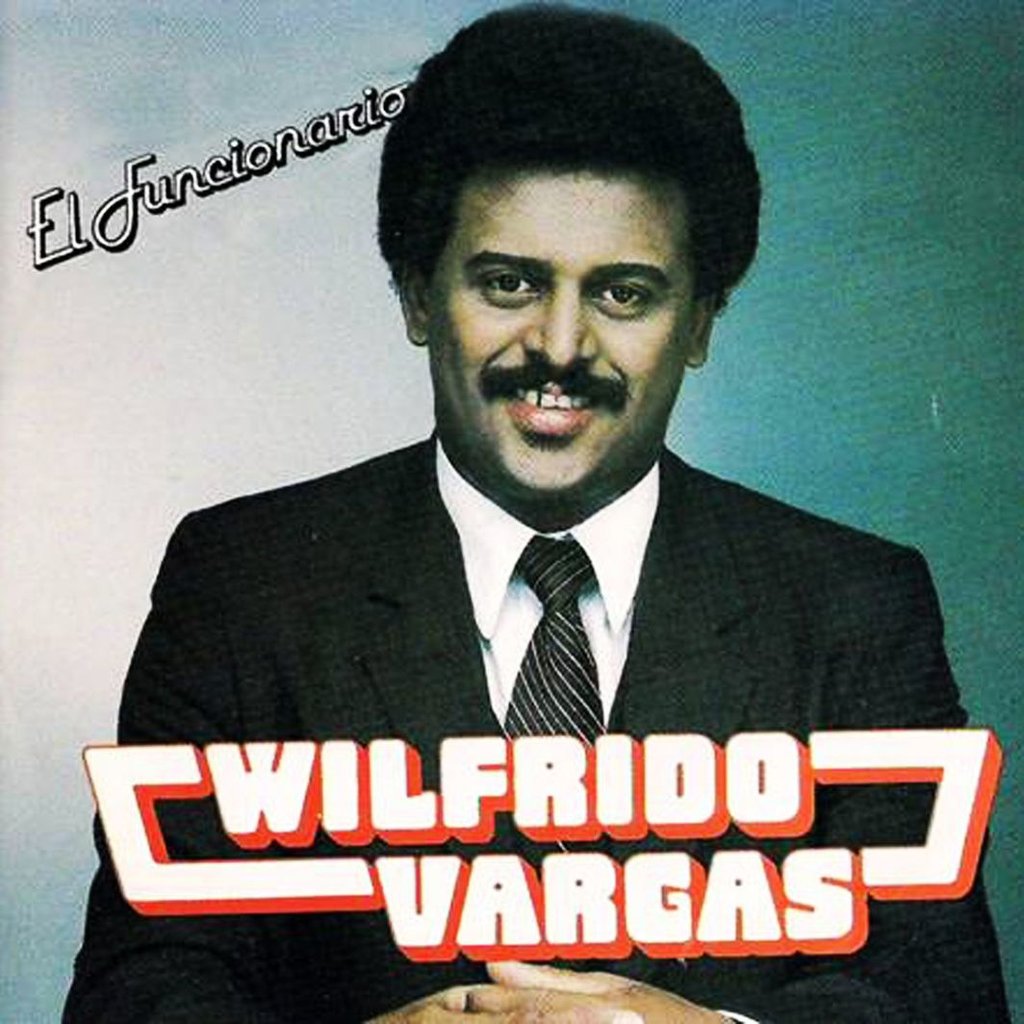
The following year, Vargas multiplied his creations: Las Chicas del Can (all-female), The New York Band, Altamira Banda Show, which he produced and directed. He became a mentor to an entire new generation — Sandy Reyes, Rubby Pérez (making his debut on El Funcionario, 1983), and Chery Jiménez. His sound evolved: a fusion of traditional merengue with soca, zouk, funk, and synth-pop. Between 1984 and 1989, the hits came one after another: “El Jardinero” (#3), “La Medicina” (#2), Vida, Canción y Suerte, “El Africano”, “El Loco y La Luna”, and “A Mover la Colita”. Animation (1989) received a Grammy Award nomination in 1991, bringing his international recognition to its peak. He appeared in the film Que viva el merengue y la lambada (1989) and composed the theme “Amor Casual” for the telenovela Bellísima.
After the peak
Wilfrido Vargas never stopped touring. His catalog exceeds 50 albums, ranging from traditional merengue to merengue fusión and recent experiments. He settled in Colombia around 2010, after a period living in Caracas where his orchestra multiplied concerts. In 2007, he served as a judge on the Colombian version of El Factor X. In November 2018, in Las Vegas, the Latin Recording Academy awarded him the Latin Grammy Lifetime Achievement Award. Johnny Ventura, a merengue legend, presented the award to him.
Major works
| Work | Year | Why it is essential |
|---|---|---|
| Punto y Aparte! | 1978 | Turning point: “El Barbarazo” launches nuevo merengue and establishes Vargas on the Latin stage |
| “El Jardinero” | 1984 | First #3 Billboard Tropical Songs; rhythmic Caribbean fusion and electronic sounds |
| “La Medicina” | 1985 | #2 Tropical Songs; RD-Venezuela production defines the sound of the 1980s |
| Animation | 1989 | Nominated for Grammy Award 1991; artistic culmination of a decade of innovations |
| “El Africano” | 1984 | Composed by Calixto Ochoa, covered by DJ Laz in 1991; crosses generations |
Legacy and influence
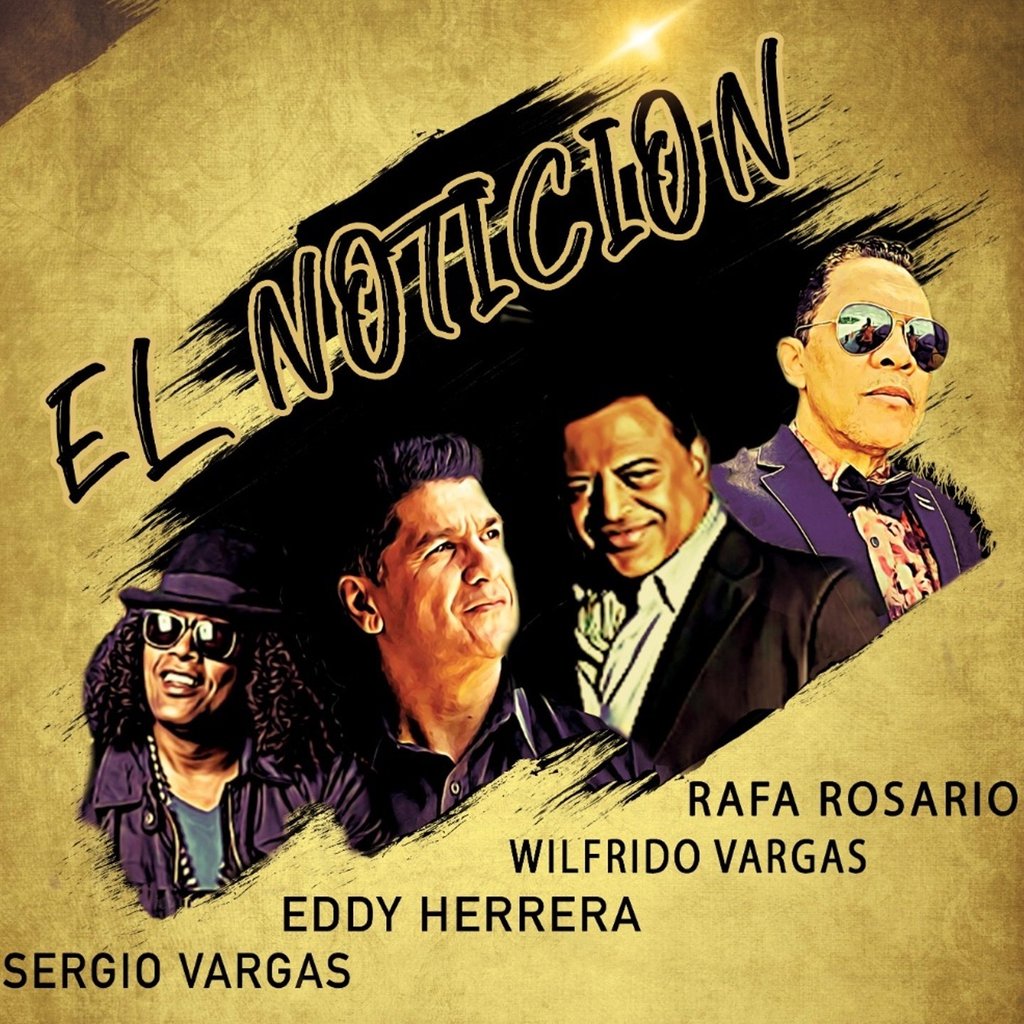
Wilfrido Vargas is recognized as the father of modern merengue — the one who transformed a Dominican folk genre into a planetary phenomenon. The Diario Libre of Santo Domingo spoke of Wilfrido-manía to describe his impact in the 1980s. His model — fusing merengue, funk, and synthesizers — became the reference for merengue fusión, taken up by Eddy Herrera and Fernando Villalona. Beyond his own catalog, he trained dozens of musicians who still dominate the Caribbean stage. Even today, his hits resonate at parties and radios throughout Latin America.
Sources and references
-
« Wilfrido Vargas », Wikipedia (English version), https://en.wikipedia.org/wiki/Wilfrido_Vargas, accessed October 21, 2026.
-
Wilfrido Vargas, Donald’s Encyclopedia of Popular Music, http://donaldclarkemusicbox.com/encyclopedia/detail.php?s=3620, accessed October 21, 2026.
-
Stacia Proefrock, « Wilfrido Vargas — Biography », AllMusic, https://www.allmusic.com/artist/wilfrido-vargas-mn0000685031, accessed October 21, 2026.
-
« Las canciones más famosas de Wilfrido Vargas, el padre del merengue moderno », El Tiempo (Colombie), https://www.eltiempo.com/cultura/gente/las-canciones-mas-famosas-de-wilfrido-vargas-el-padre-del-merengue-moderno-3322368, consulté le 21 octobre 2026.
-
« Wilfrido Vargas, reconocido por sus 50 años de revolución musical », Diario Libre (République dominicaine), https://www.diariolibre.com/revista/musica/wilfrido-vargas-reconocido-por-sus-50-anos-de-revolucion-musical-KM6934950, consulté le 21 octobre 2026.
-
« The Latin Recording Academy® to honor Erasmo Carlos, Dyango, Andy Montañez, José María Napoleón, Chucho Valdés, Wilfrido Vargas, and Yuri with the Lifetime Achievement Award », Latin GRAMMY, https://latingrammy.com/en/news/the-latin-recording-academy-to-honor-erasmo-carlos-dyango-andy-montanez-jose-maria-napoleon-chucho-valdes-wilfrido-vargas-and-yur, consulté le 21 octobre 2026.
-
« Wilfrido Vargas », Universal Attractions Agency, https://uaagency.com/latin/wilfrido-vargas/, consulté le 21 octobre 2026.
-
« Wilfrido Radamés Vargas Martínez », Wikipédia (version espagnole), https://es.wikipedia.org/wiki/Wilfrido_Vargas, consulté le 21 octobre 2026.