Biography
Yola Araújo: the voice that shaped Angolan kizomba
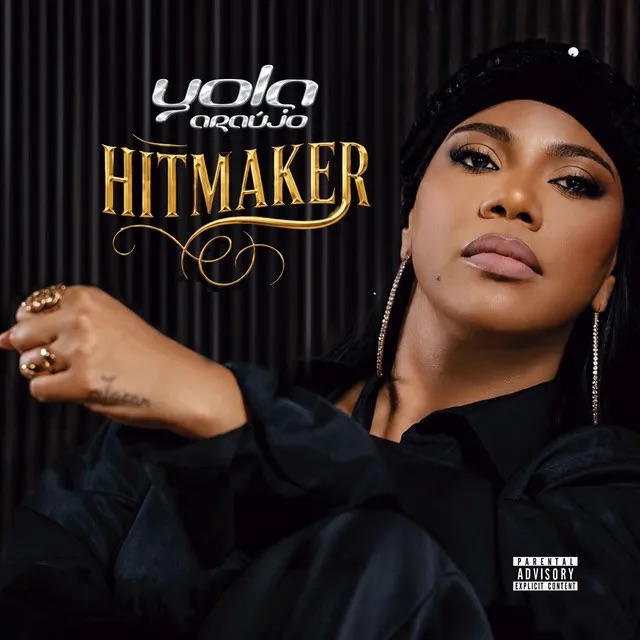
Since her debut in 1997 as a backing vocalist in Luanda, Yola Araújo has established a sound that crosses Angola’s borders. Her soft voice, lyrical songwriting, and tenacity have made her an indispensable figure in kizomba1 and Angolan semba. Between dedicated albums, collaborations with major names on the national scene, and commitment to social causes, this singer born in Saurimo has built, with patience and humility, a career that inspires new generations.
In brief
| Full name | Yola Catiana Moreira de Araújo |
| Birth | June 13, 1978, Saurimo, Lunda-Sul, Angola |
| Genre | Kizomba, semba, soul |
| Signature works | Sensual, Um Pouco Diferente, A Fada do Amor, “Quadradinha” |
| Awards | Platinum discographer (PlatinaLine), nominated for Best Female Artist PALOP at the 2020 African Entertainment Awards |
Key dates
| Year | Event |
|---|---|
| 1997 | Started as a backing vocalist for other artists in Luanda |
| 1999 | Co-founded the group Melomanias with Margareth do Rosário and Djamila D’elves |
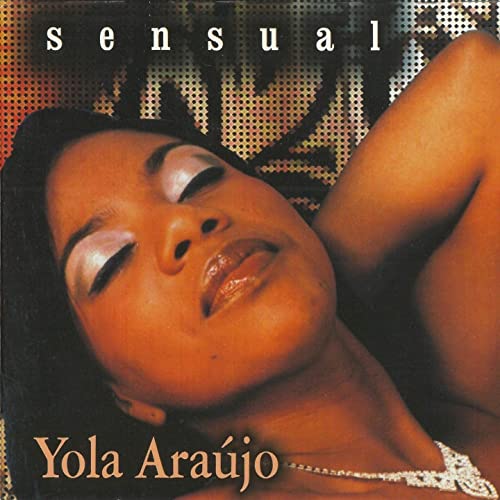
| 2001 | Release of first solo album, Sensual |
| 2003 | Um Pouco Diferente becomes a silver record |
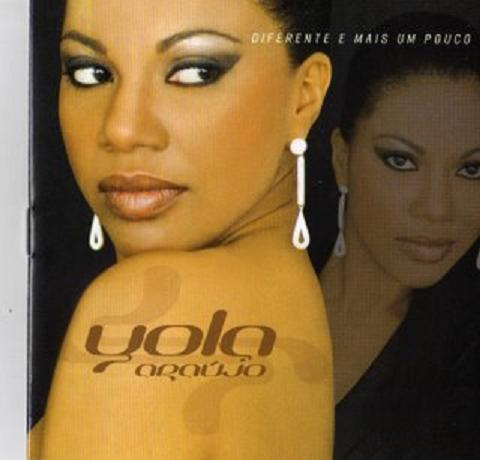
| 2007 | Release of Diferente e mais um Pouco; start of national tours |
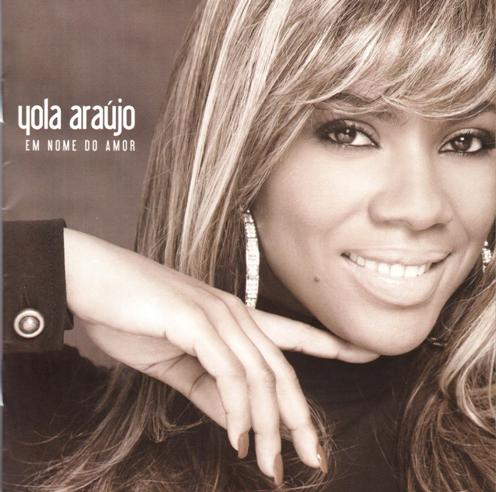
| 2010 | Fourth album, Em Nome do Amor |
| 2014 | Release of A Fada do Amor, exploring cultural fusions |
| 2020 | Nominated for Best Female Artist PALOP at the African Entertainment Awards USA; participation in national anthem Angola Avante |
Origins and early steps
Born Yola Catiana Moreira de Araújo on June 13, 1978, in Saurimo, in the Lunda-Sul province, the singer grew up in Luanda, in the Sameko neighborhood. No musical tradition preceded her in her family, except for the generous voice of her grandfather who sang in the garden. “My father had already passed away when I started, and my mother didn’t see the point. She wanted me to study,” she recalls2. She would, however, become her first fan.
Her stage debut began in 1997 with backing vocals. “I started singing very early as a chorus member, then I joined a group called Melomanias in 1999,” she explains. The group, formed with Margareth do Rosário and Djamila D’elves, marked the emergence of a new Angolan movement blending kizomba and semba. “We all split up to pursue our solo careers,” Yola recounts.
Revelation and rise to prominence
Her first album, Sensual, was released in 2001 and immediately captivated the public3. “I wrote about 90% of the lyrics; the melodies are the work of Jorge do Rosário and Manu Soares,” she specifies. Without official musical training, Yola composes the lyrics and entrusts them to producers who build the music around them. Her method works: Um Pouco Diferente (2003) wins a silver record. Diferente e mais um Pouco (2007) consolidates her position.
Her hits multiply: “Quadradinha”, “Não é justo não”, “Eu sou” (with Fabious), “Página Virada”. A music video features American model Tyson Beckford. Her collaboration with other major artists like Yola Semedo, Ary, Anselmo Ralph, and Bass strengthens her foothold on the national scene.
Major works
| Work | Year | Why it’s essential |
|---|---|---|
| Sensual | 2001 | First album, lyrics mostly signed by Yola, reveals a unique lyrical pen |
| Um Pouco Diferente | 2003 | Silver record, confirms popular success and Yola’s songwriting |
| Diferente e mais um Pouco | 2007 | Asserts renewed sonic maturity and stage presence |
| Em Nome do Amor | 2010 | Fourth album, exploration of themes of love and separation |
| A Fada do Amor | 2014 | Broader vision, cultural fusions with producers from the Caribbean and Cape Verde |
Legacy
Yola Araújo has made heard a voice unlike any other. “What inspires me is always love,” she confides4. Her journey as a woman—one of four sisters who embraced music—in an environment where musical careers were not always well perceived, makes her a figure of resilience. She sang the Angolan provinces, championed humanitarian causes against AIDS and malaria, and participated in the national anthem Angola Avante in 2020 alongside twenty other artists from her country.
Her niece Yolete already dreams of following in her footsteps. “She always says she wants to become a singer like her aunt,” smiles the cantatrice. If her music crosses oceans, it is indeed because she sings what humanity shares: loves, losses, hopes, and the singing tomorrows.