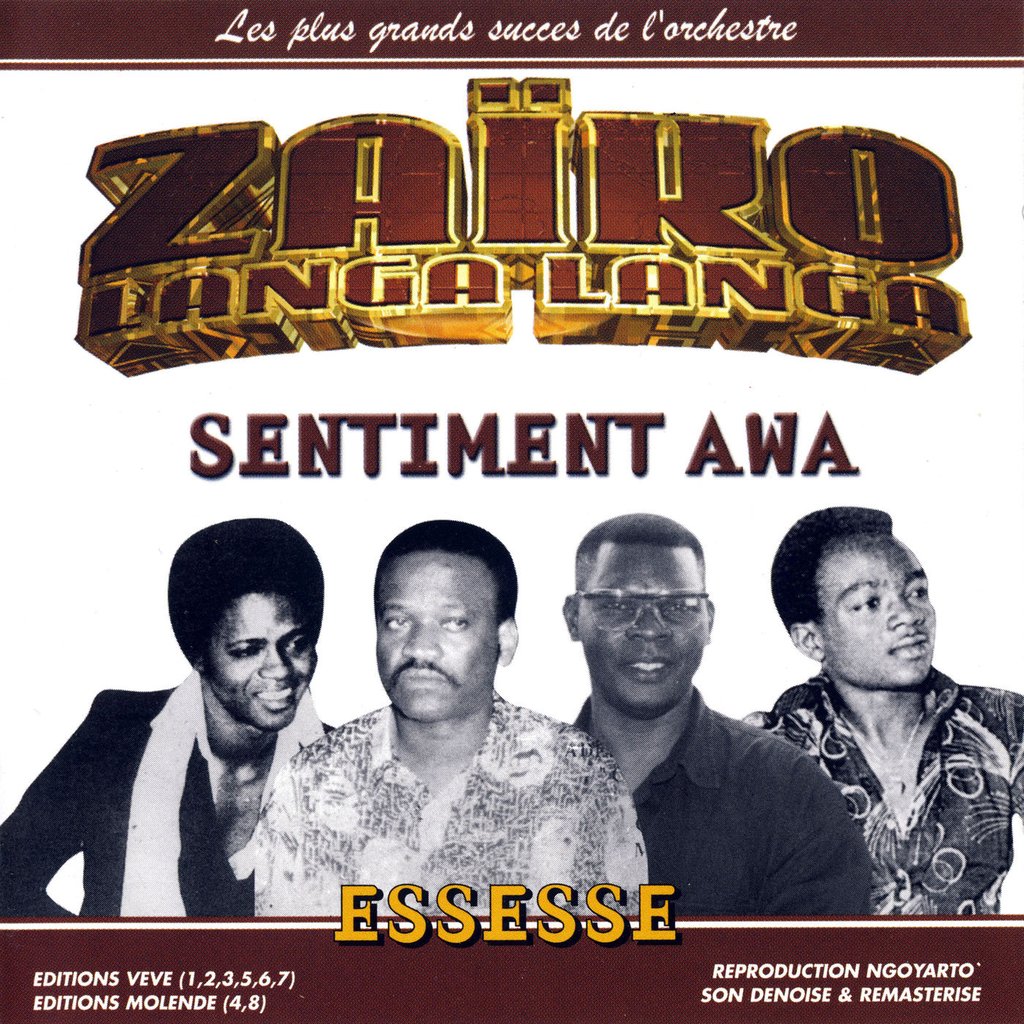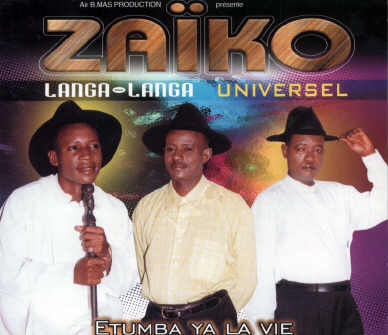
Biography
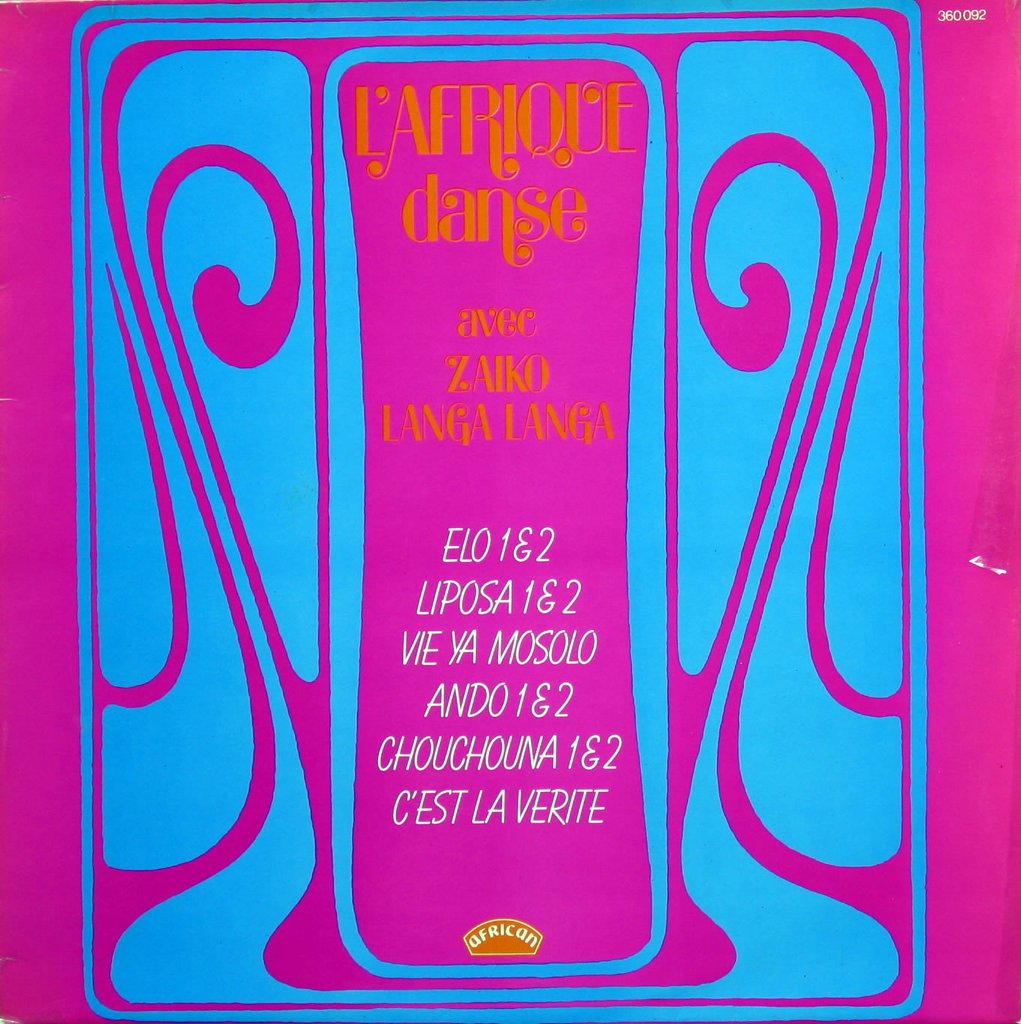
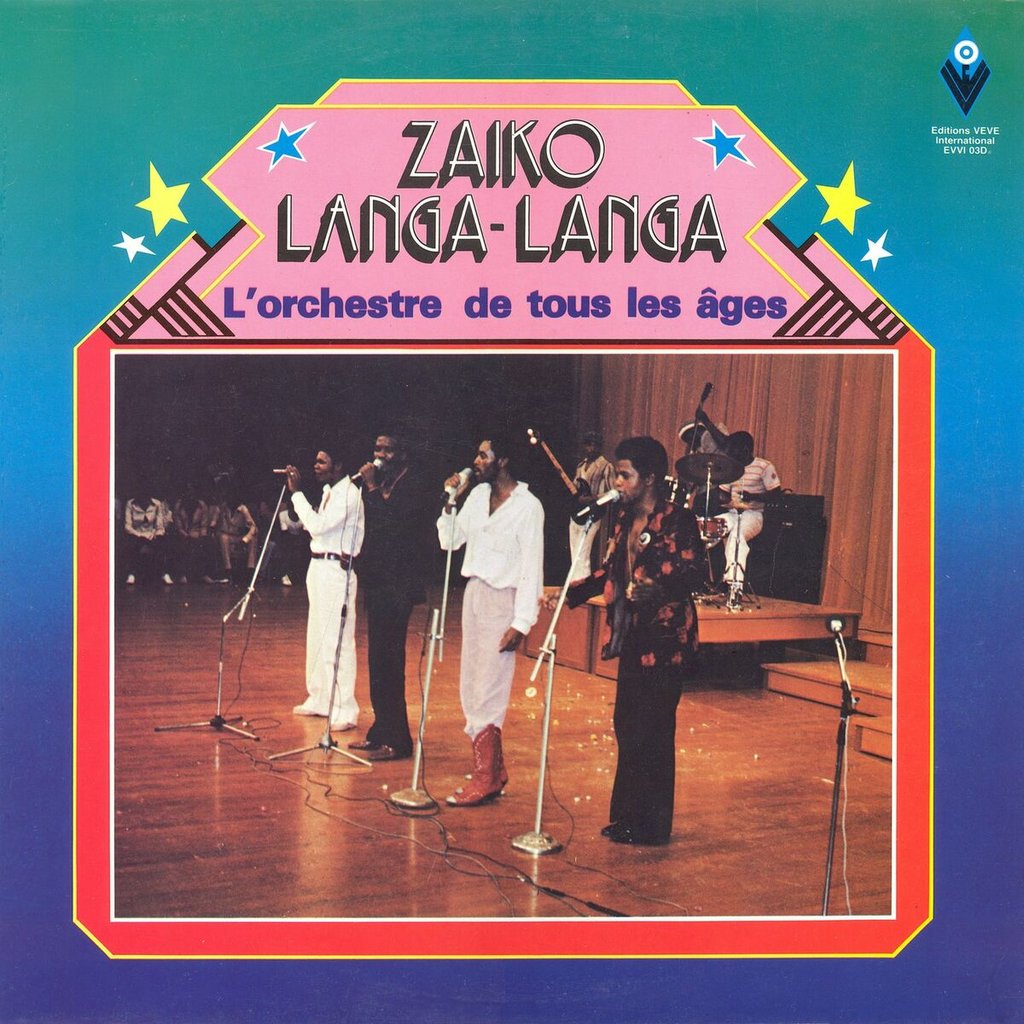
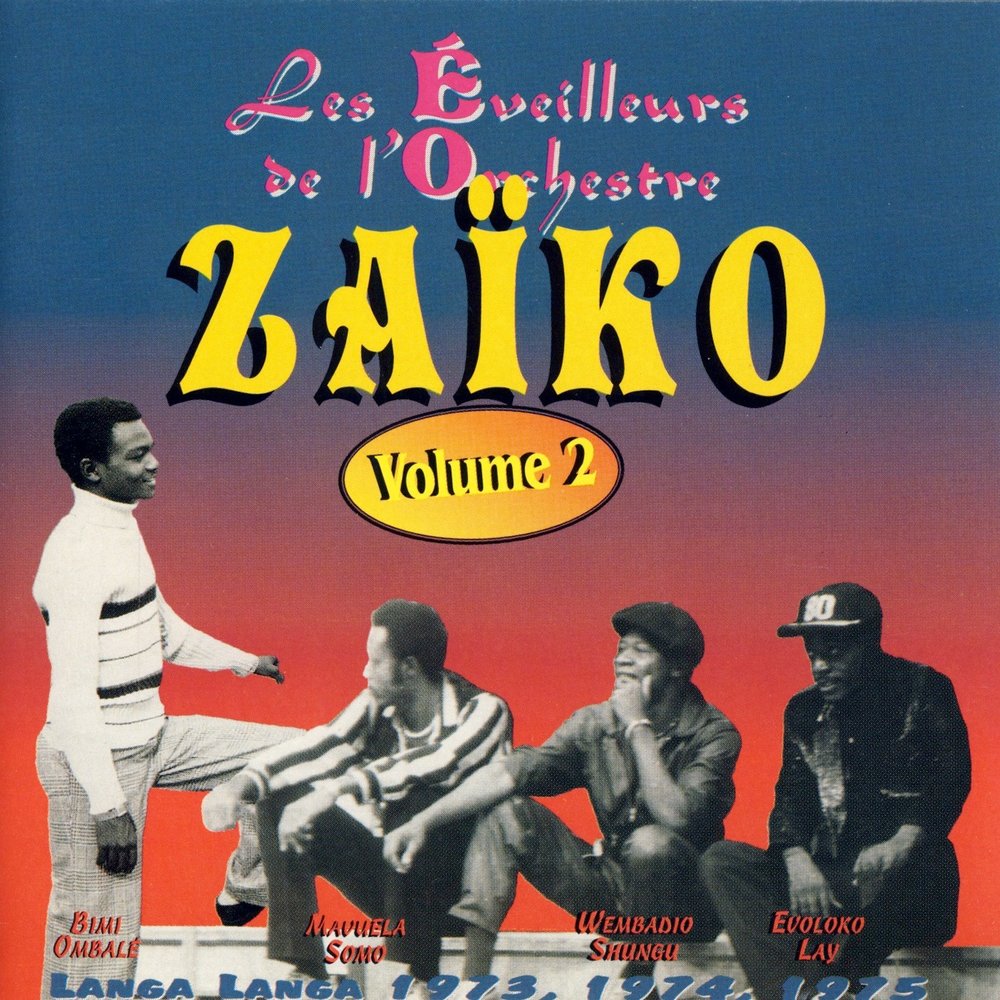
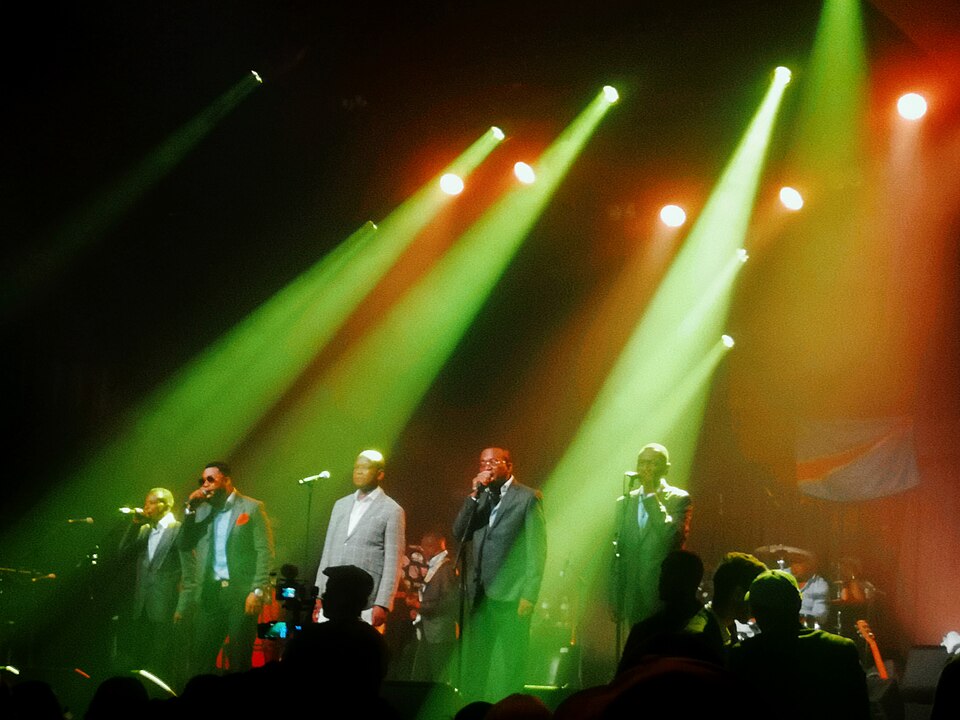
Zaïko Langa Langa: the new wave of Congolese soukous
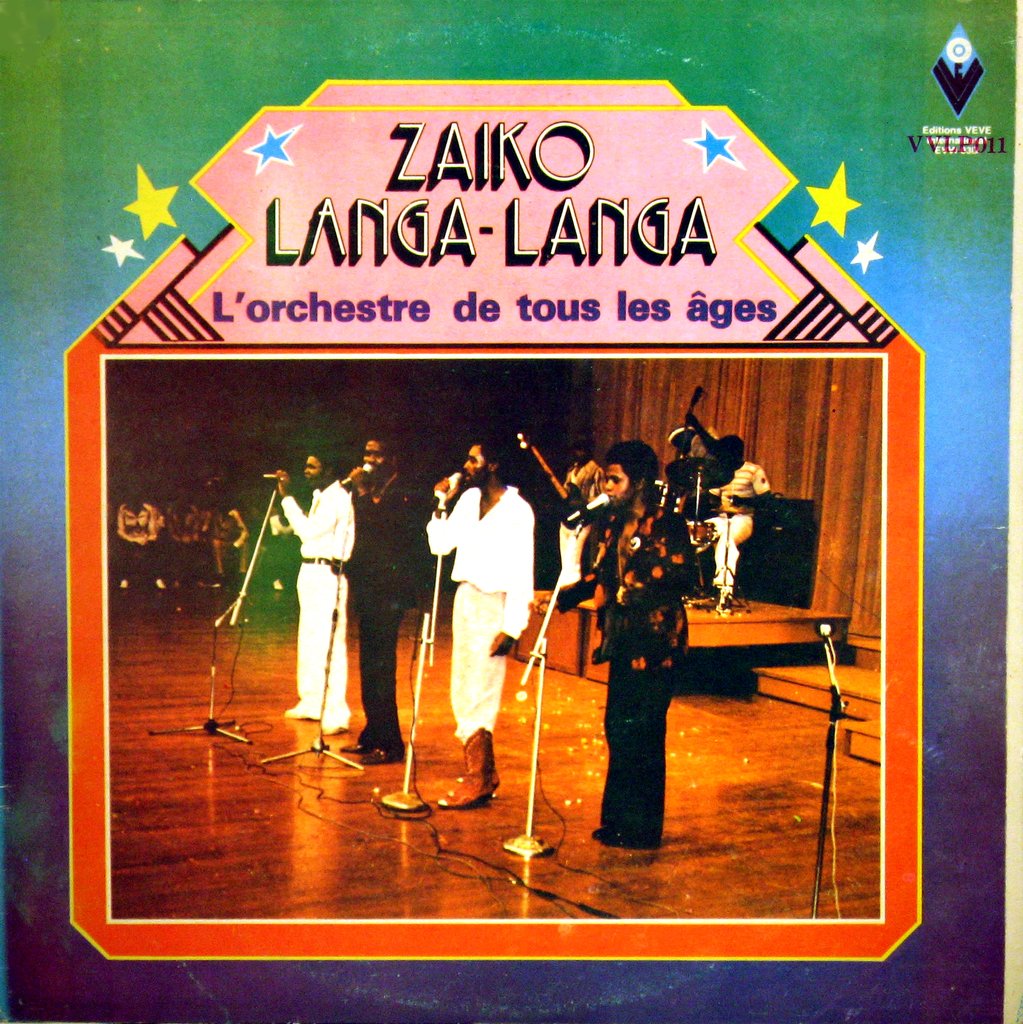
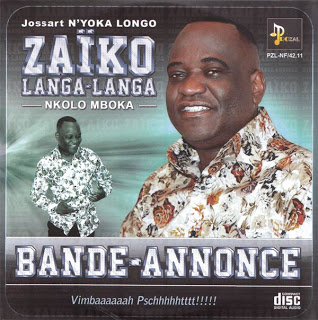
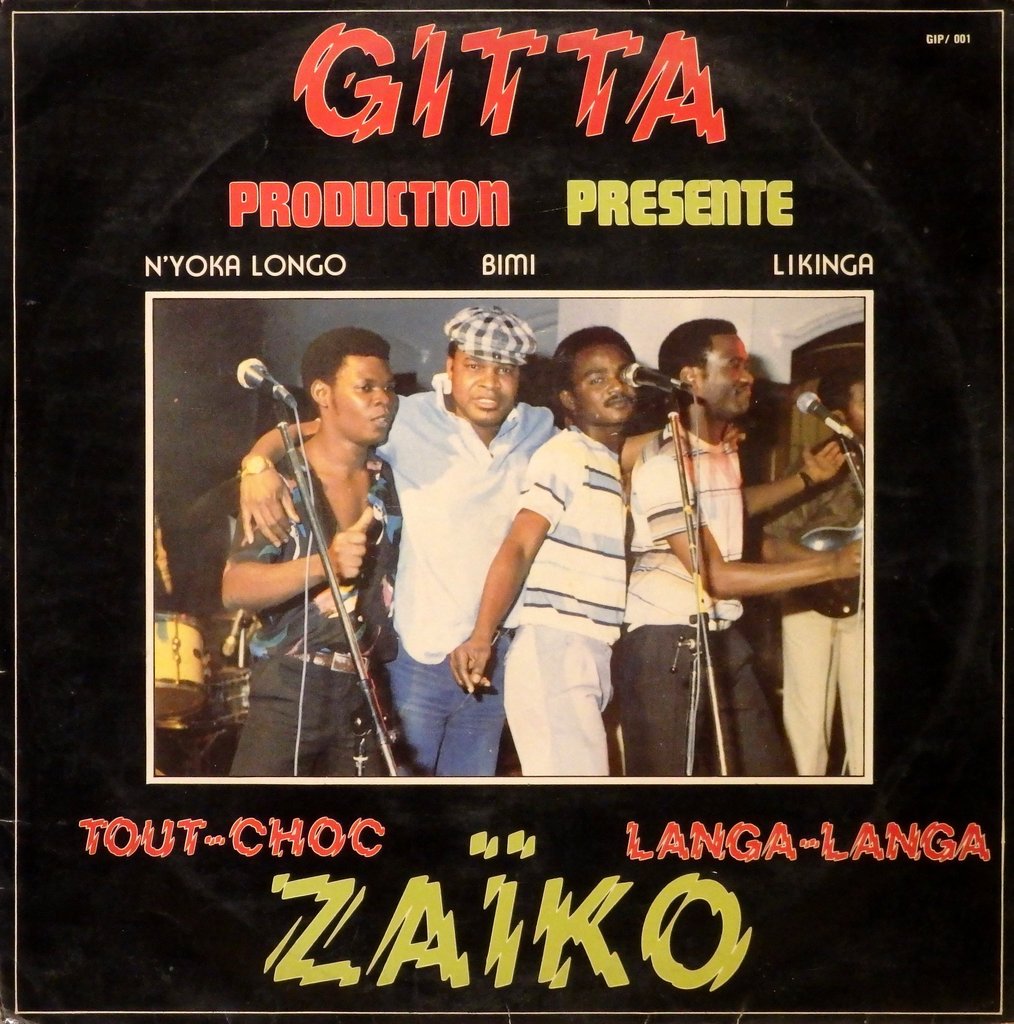
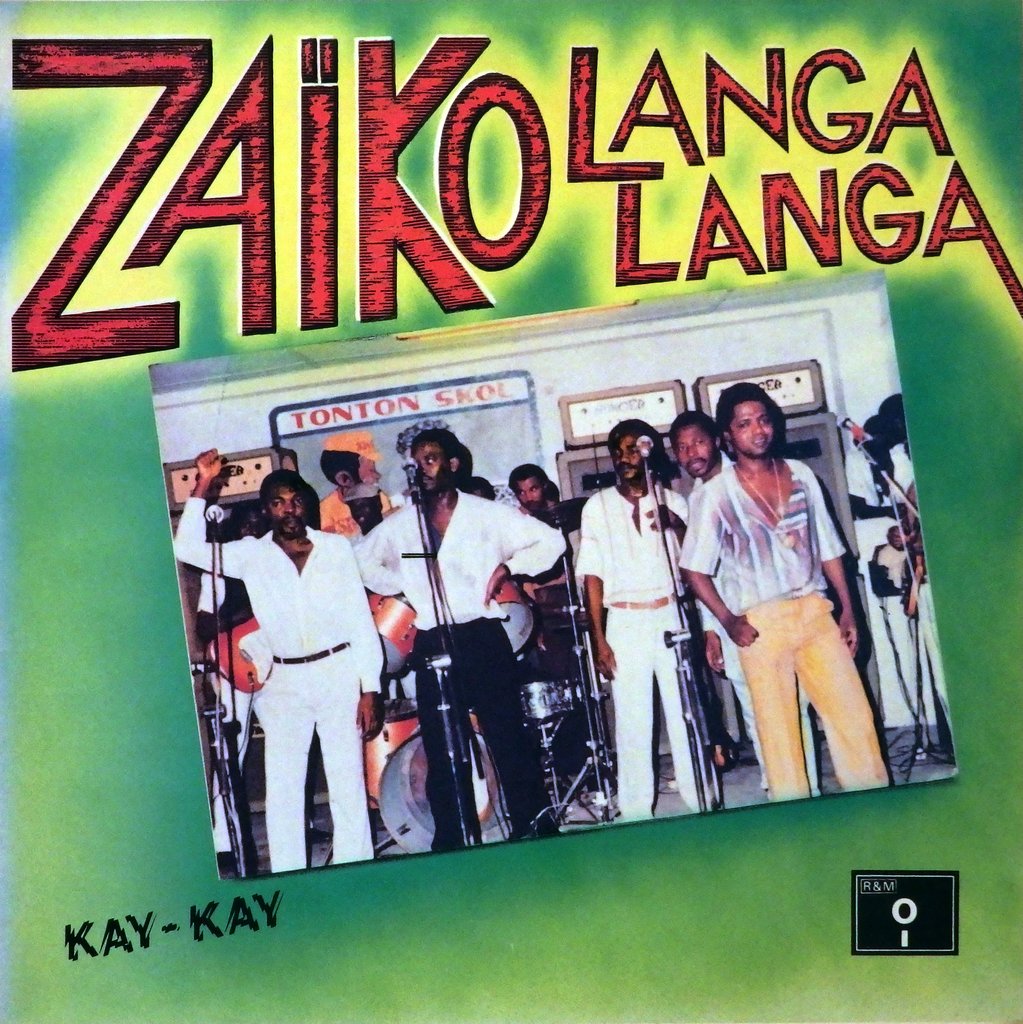
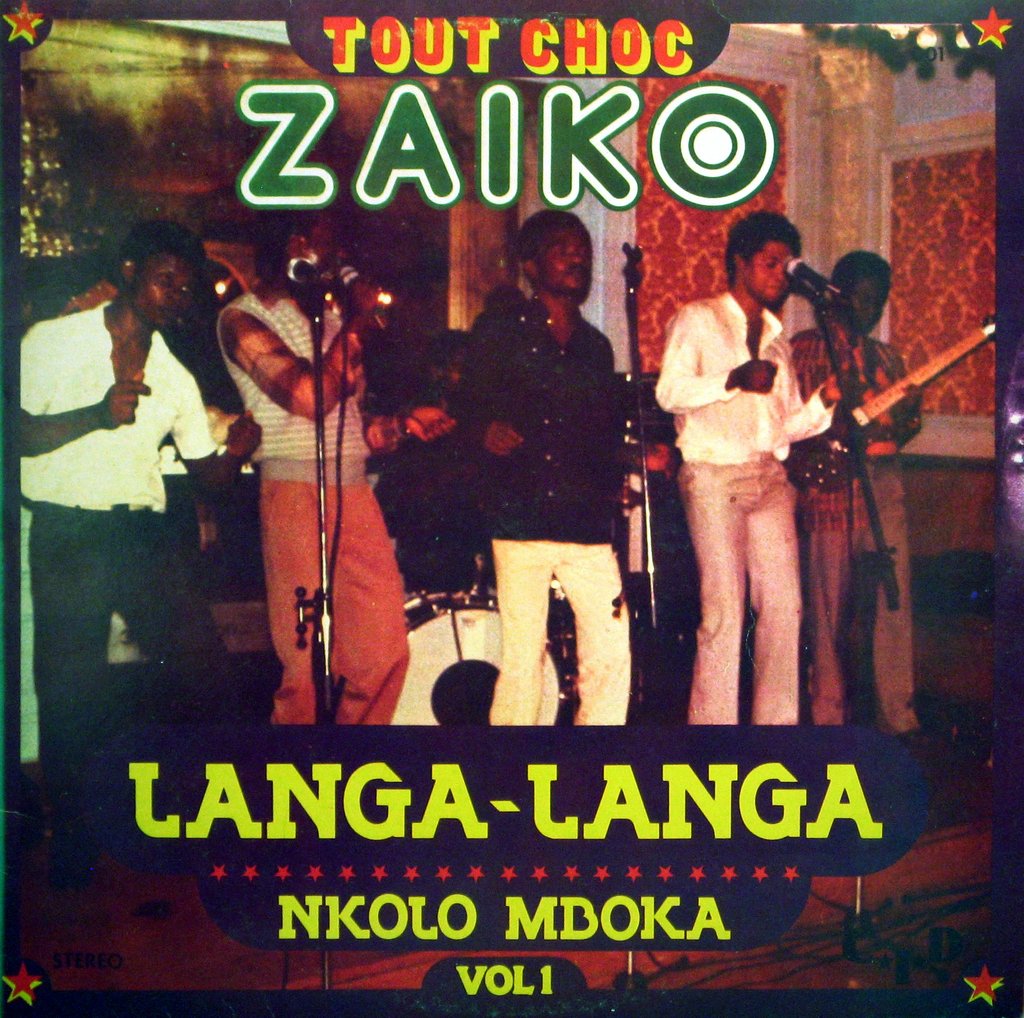
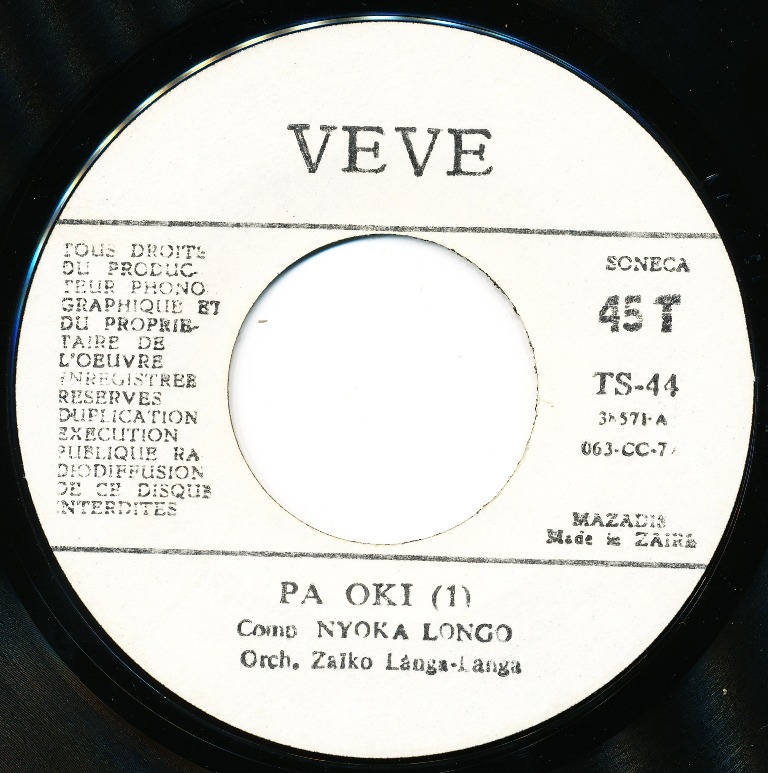
On March 24, 1970, in the Dancing Hawai bar of the Kalamu district in Kinshasa, a group of young musicians took the stage for the first time. Among them were Jossart N’Yoka Longo on vocals, Félix Manuaku Waku on solo guitar, and drummer Beaudoin Mitsho. This concert inaugurated Zaïko Langa Langa, an ensemble destined to shake Congolese music.
In brief
| Name | Zaïko Langa Langa |
| Origin | Kinshasa, Congo (RDC) |
| Genres | Congolese rumba, soukous |
| Active period | 1969 – present |
| Founding members | Jossart N’Yoka Longo, Papa Wemba, Manuaku Waku, Evoloko Jocker |
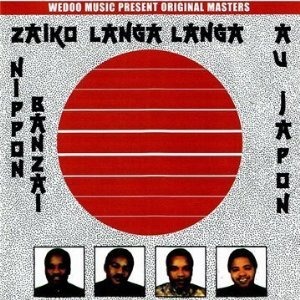
| Signature works | Zekete Zekete 2e Épisode, Nippon Banzai, Plaisir de l’Ouest Afrique |
| Awards | Best orchestra of the 20th century (2000), 4 times Best Orchestra of Zaire (ACMZA) |
Key dates
| Year | Event |
|---|---|
| 1969 | Creation of Zaïko Langa Langa on December 24, following the dissolution of Orchestre Bel Guide National |
| 1973 | Invention of the cavacha rhythm; consecration as third generation of Congolese rumba |
| 1982 | First use of the atalaku — the stage host in Congolese rumba |
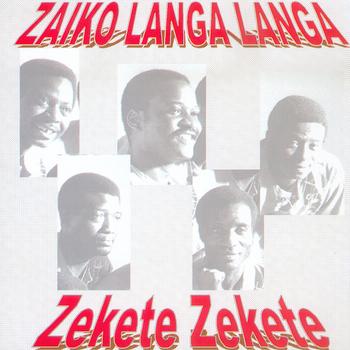
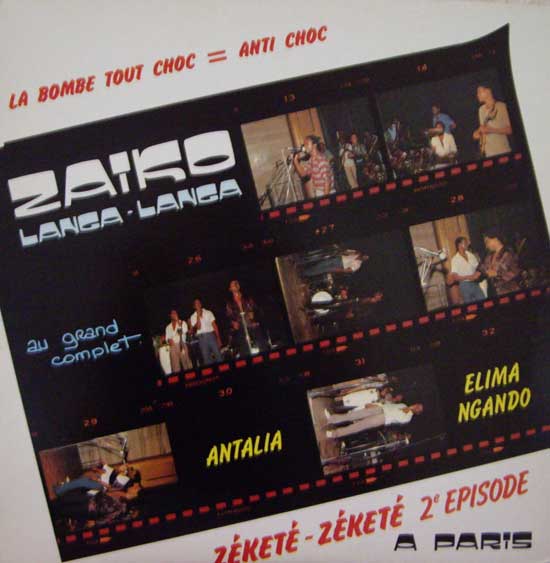
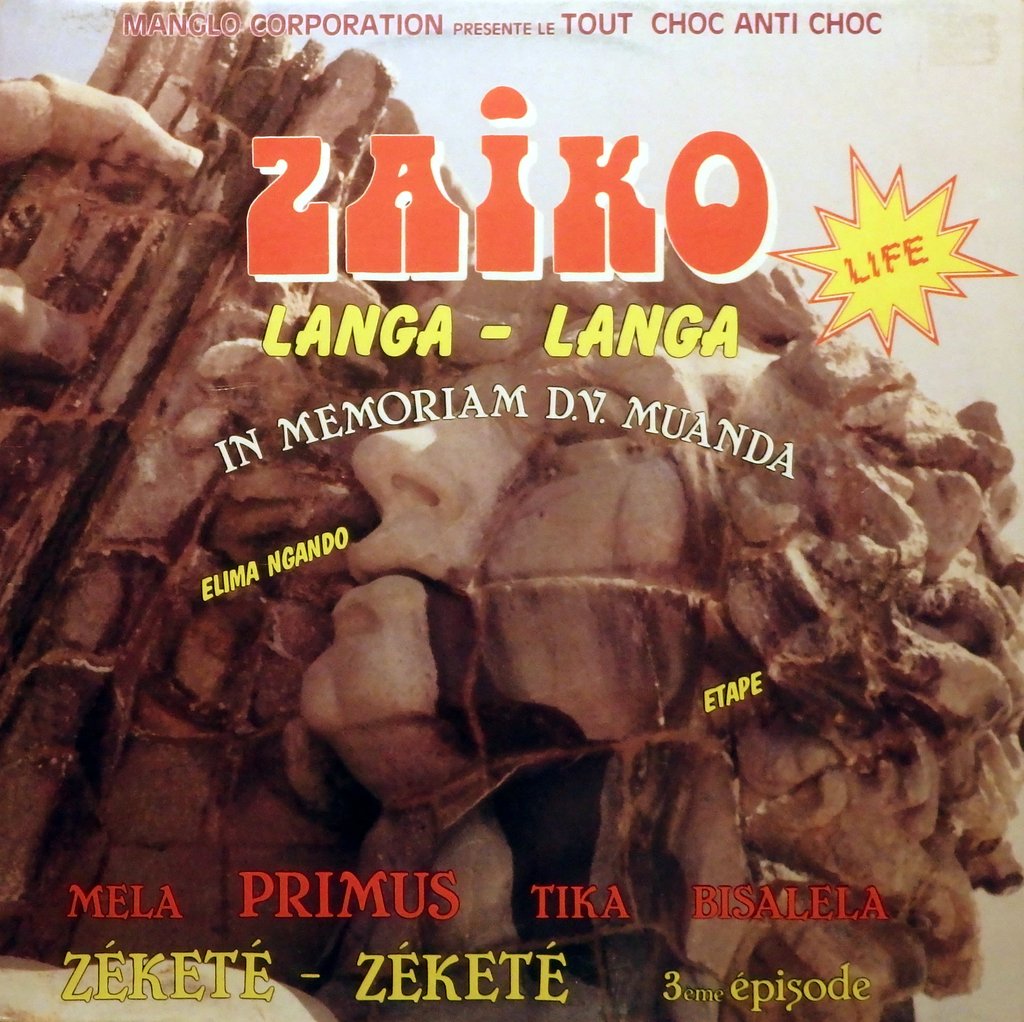
| 1983 | Release of Zekete Zekete 2e Épisode; national consecration (ACMZA) |
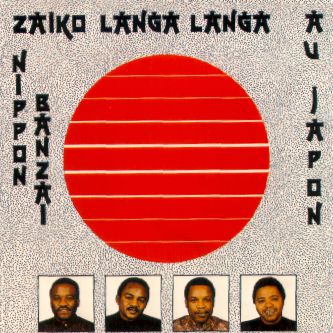
| 1986 | Nippon Banzai — biggest commercial success; second place in RFI referendum |
| 2000 | Elected best orchestra of the century in modern Congolese music |
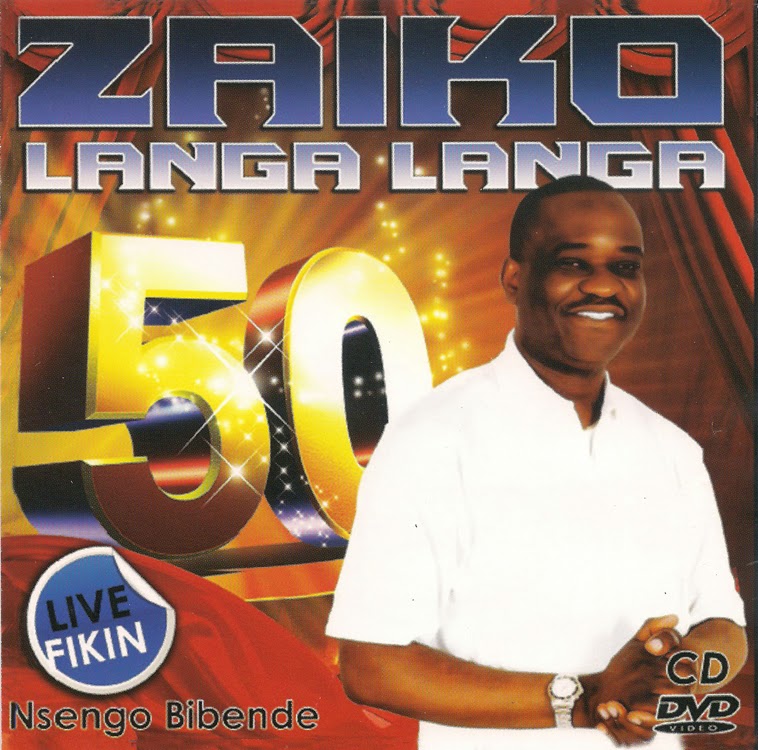
| 2019 | Release of Sève for the group’s 50th anniversary |
| 2025 | Release of EP Makinu |
Origins and innovations
Zaïko Langa Langa was born at the end of 1969 in the wake of a student group, Orchestre Bel Guide National. Administrators D.V. Moanda, Henri Mongombe, Marcellin Delo, and André Bita dissolved the formation and created the new group. The name Zaïko comes from the Lingala contraction « Zaïre ya bankoko » — « the Zaire of our ancestors » — and « Langa Langa » refers to a medicinal plant native to the Kasaï region, the birthplace of singer Jules Presley, who became Papa Wemba. The group discarded brass instruments entirely, preferring guitars and drums. « We created our own school, » recalls N’Yoka Longo in 2018. « We just had our guitars and our voices. »
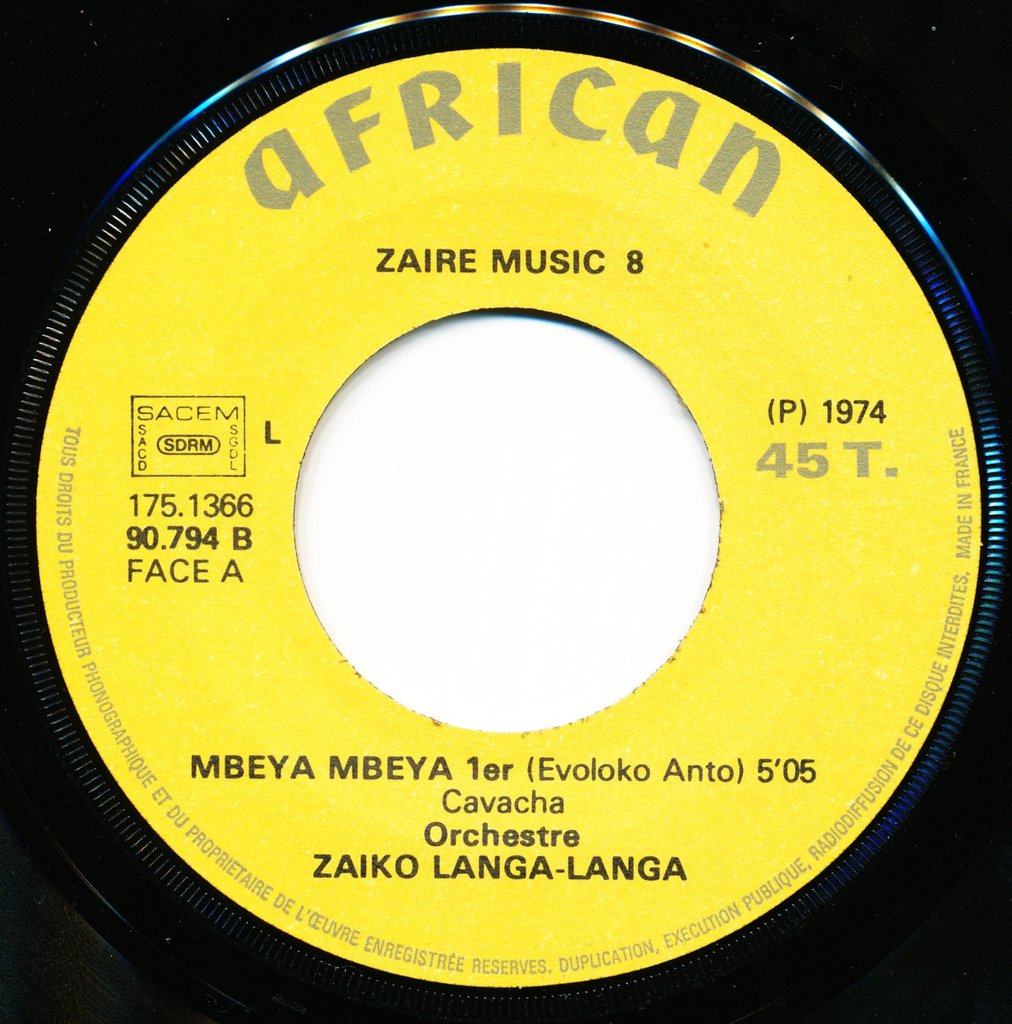
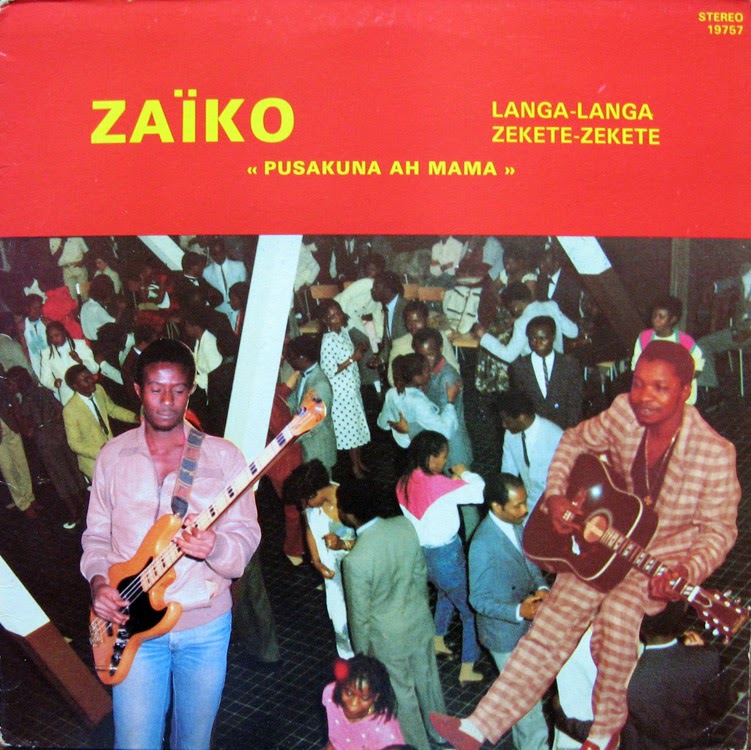
Innovations followed one after another. In 1973, drummer Meridjo Belobi invented the cavacha — a snare and charleston rhythm inspired by the sound of a train rolling — which would become the foundation of soukous throughout Central, Eastern Africa and even Europe. Manuaku Waku refined the sebene technique: these instrumental passages where guitars chain vibrant arpeggios. In 1979, synthesizers made their entrance. The group also introduced the atalaku in 1982: this figure of the host who comments, mimics, and addresses the audience, a device adopted by hundreds of Congolese groups. More than thirty dances were created, including Ngouabin, Levole, Zekete Zekete, and Siska.
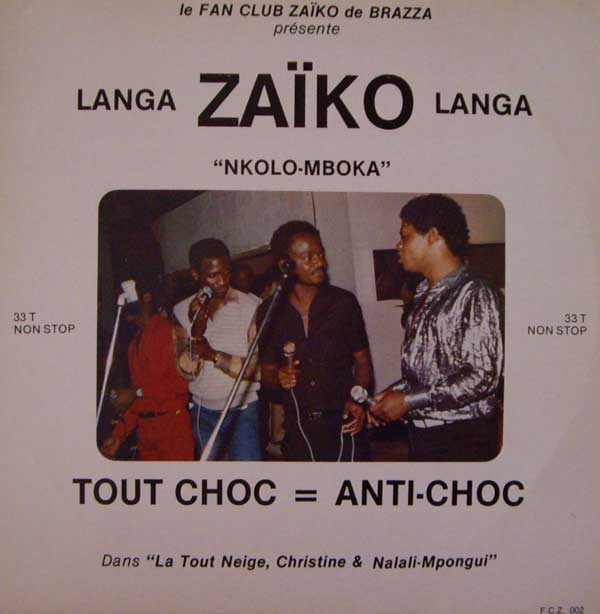
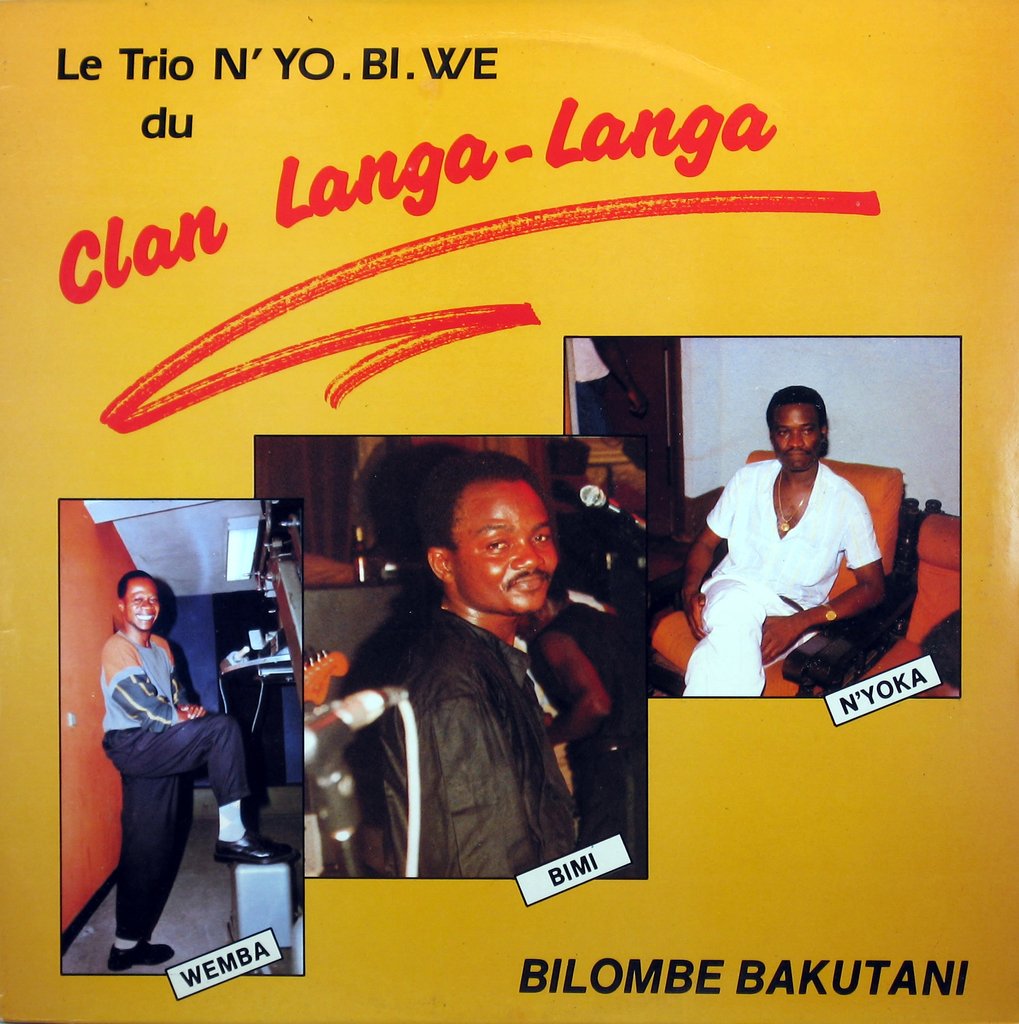
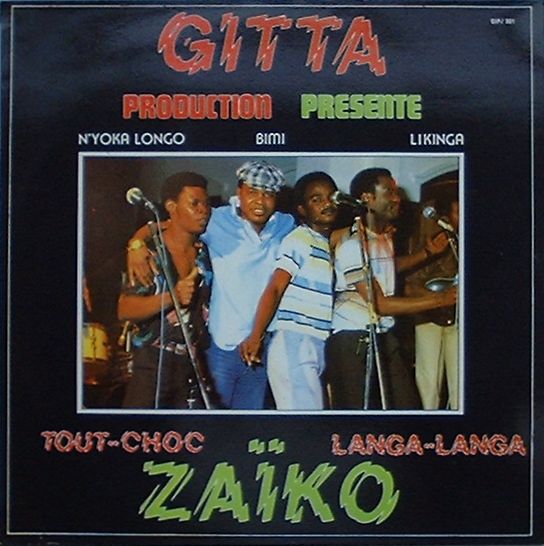
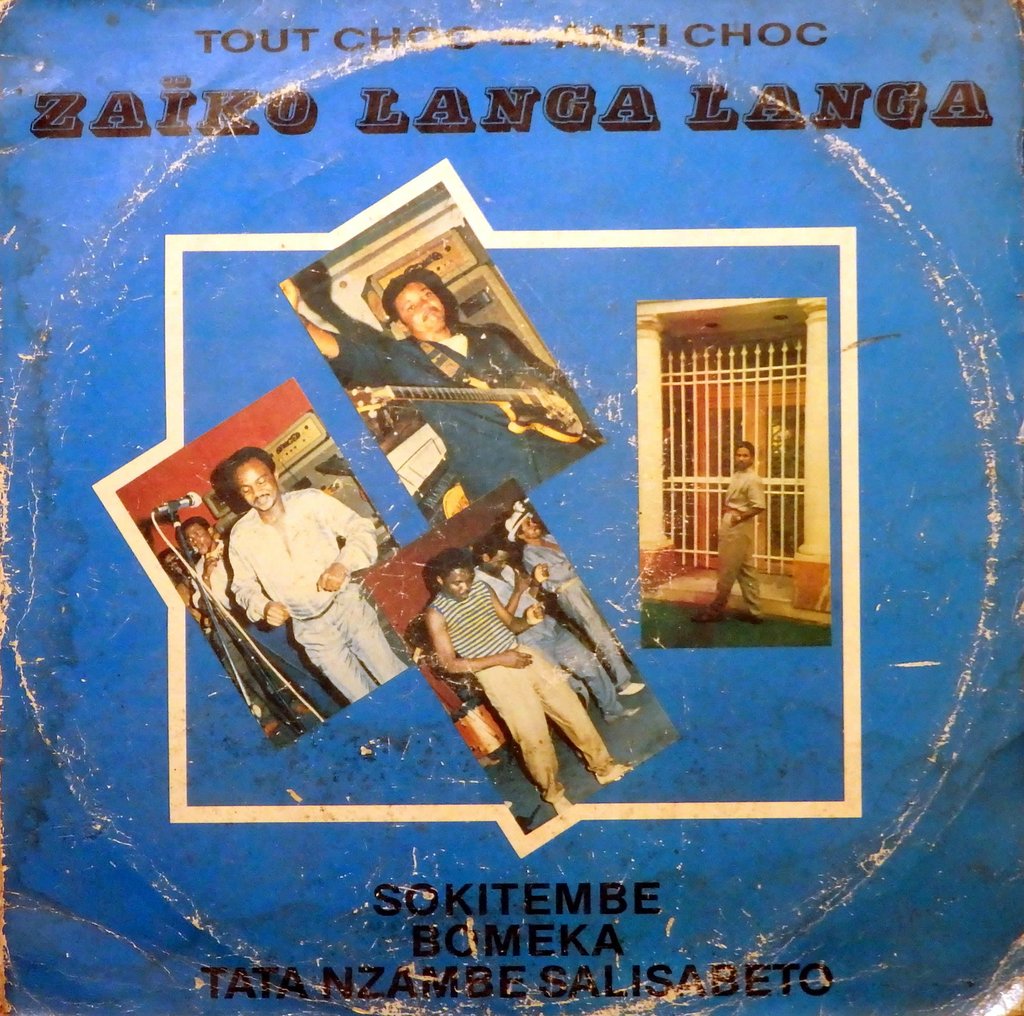
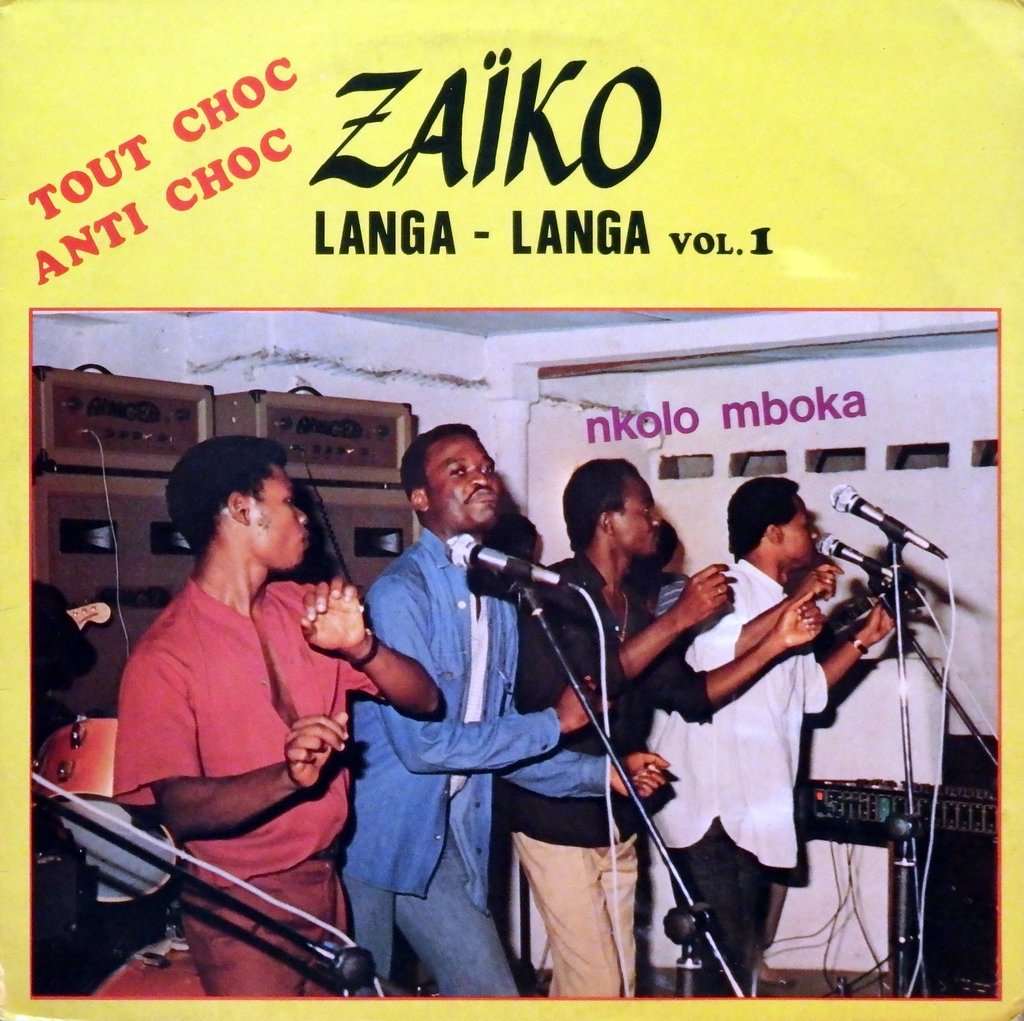
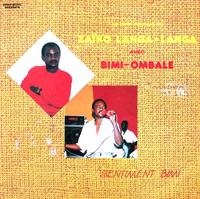
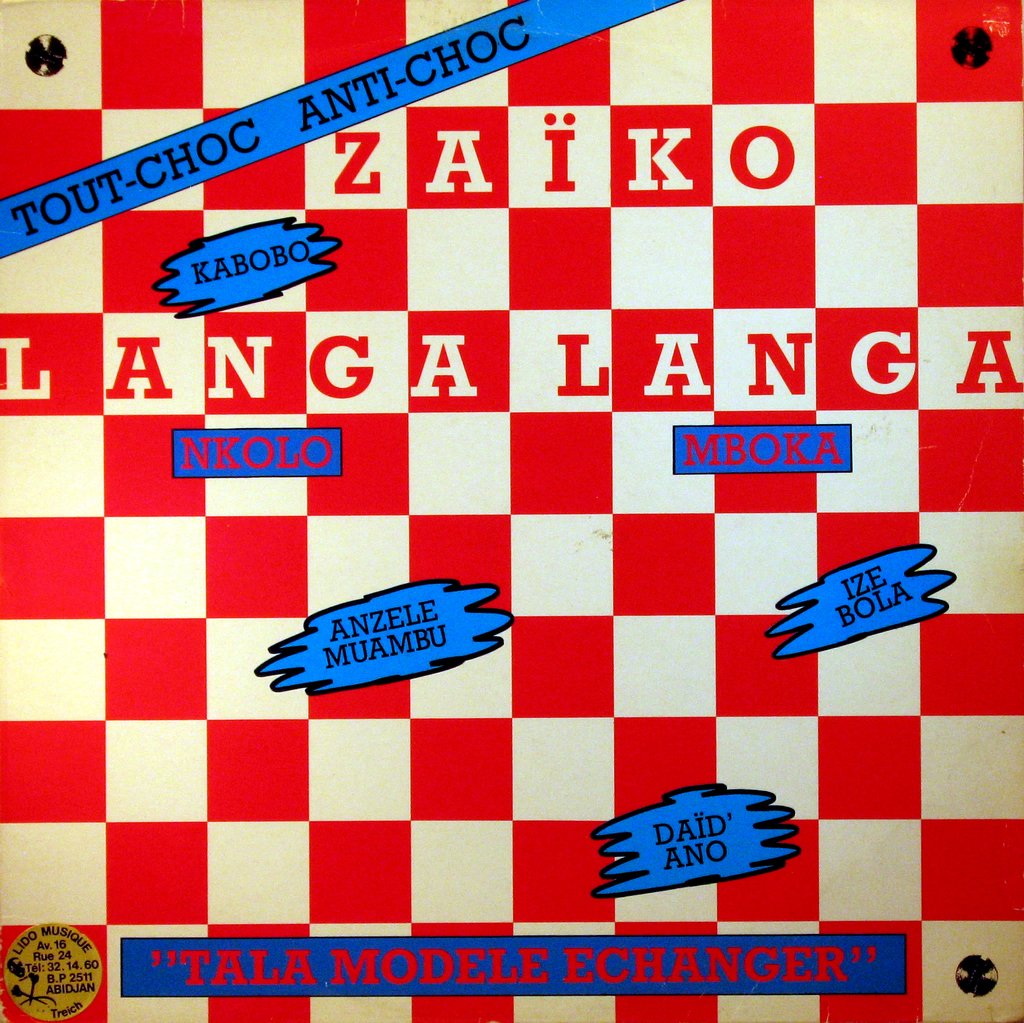
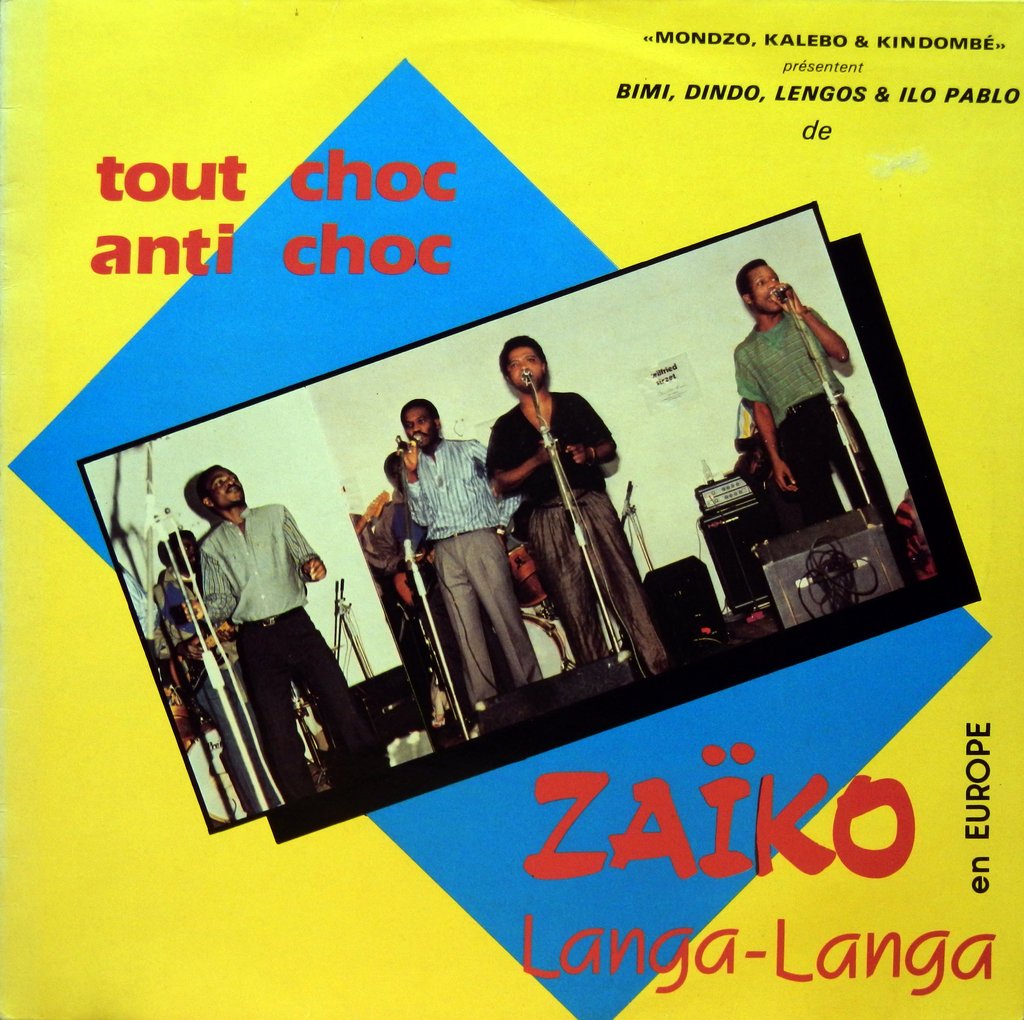
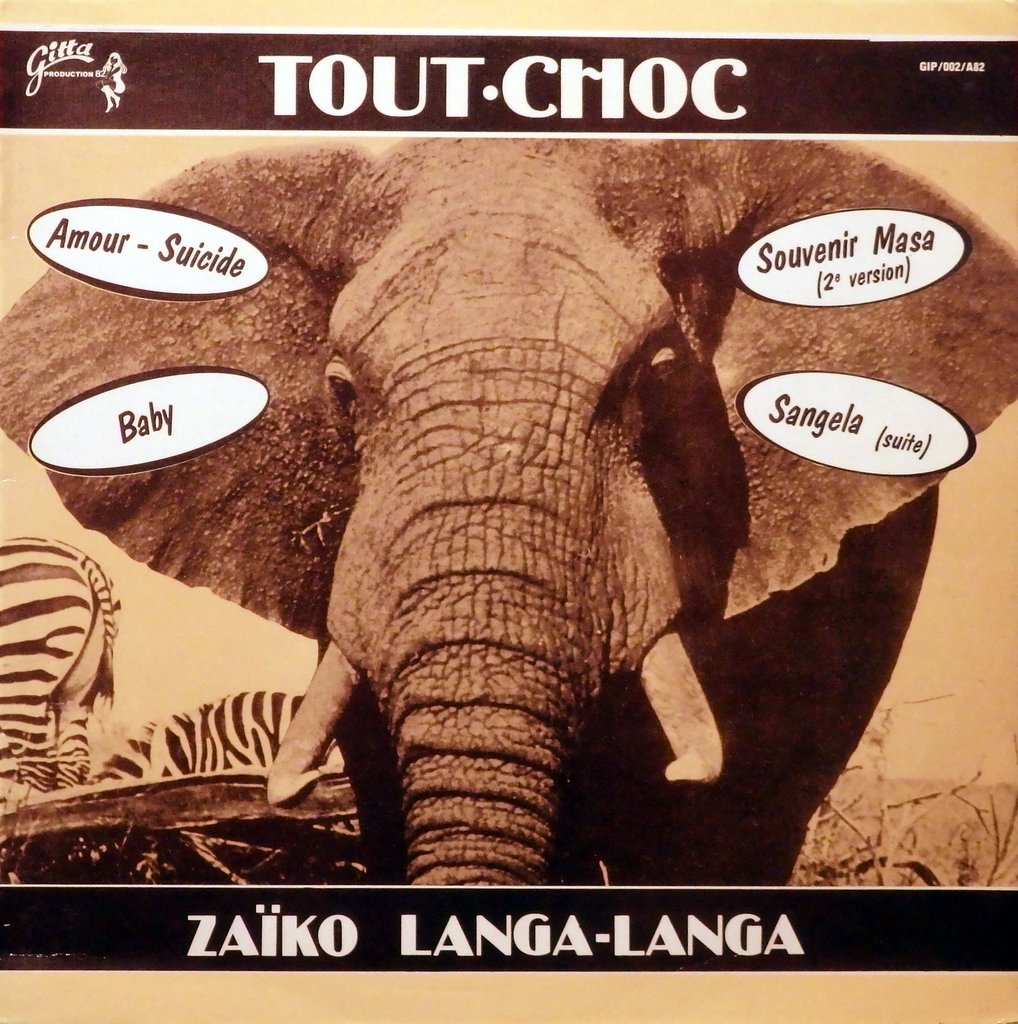
After years of domination, tensions caused a split in 1984. N’Yoka Longo retained the name Zaïko Langa Langa, while Bimi Ombale founded Zaïko Langa Langa Familia Dei. The departure of many members gave rise to the « Clan Langa Langa », a constellation including Viva La Musica, Isifi Lokole, Langa Langa Stars, and Anti Choc. This was not a defeat: it was an expansion. The clan served as a model in the African musical landscape.
The album Nippon Banzai (1986), recorded on a Japanese tour, was the group’s biggest commercial success. Zaïko continued with international tours and participated in the Cannes Film Festival in 1999.
Major works
| Work | Year | Why it is essential |
|---|---|---|
| Zekete Zekete 2e Épisode | 1983 | First album to integrate the atalaku; consecration of stage innovation |
| Nippon Banzai | 1986 | Group’s biggest commercial success |
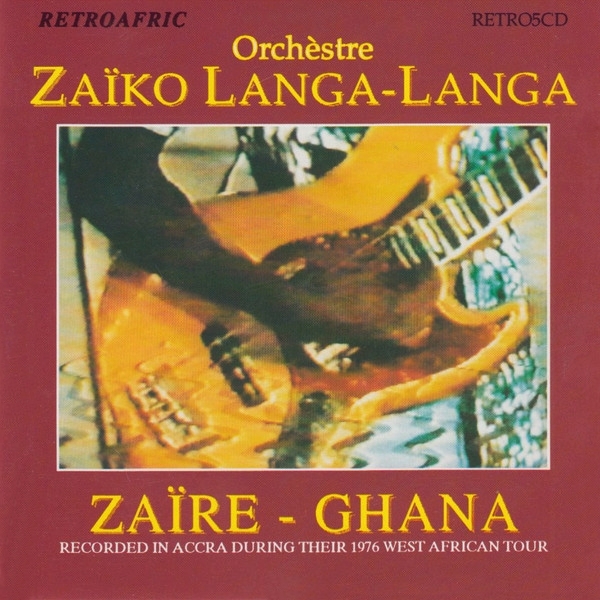
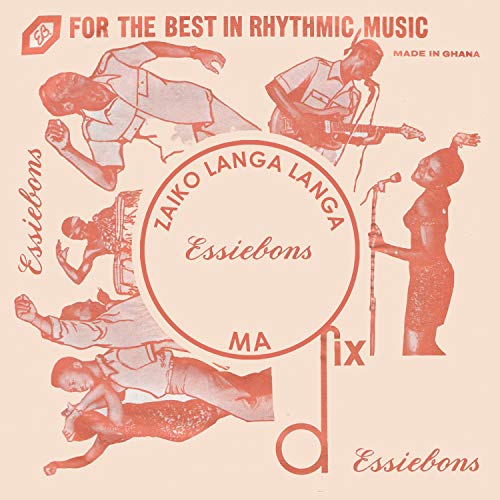
| Plaisir de l’Ouest Afrique | 1976 | First double album, recorded in Ghana, which forged the zaïko sound |
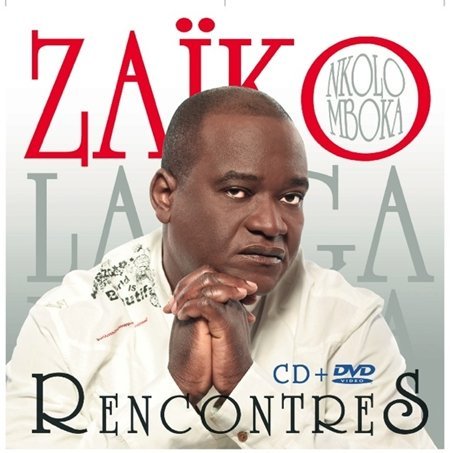
| Sève | 2019 | 50th-anniversary album, proof of intact vitality |
Legacy and influence
Zaïko Langa Langa rewrote the musical grammar of Congo by replacing brass instruments with electric guitars and a driving rhythm — the cavacha — which remains the foundation of soukous and ndombolo. With thirty studio albums and four maxi-singles over fifty years of career, the group is a pillar of Congolese music and stands as cultural heritage of the Democratic Republic of Congo.
Sources and references
- « Zaïko Langa Langa », Wikipedia in English, https://en.wikipedia.org/wiki/Za%C3%AFko_Langa_Langa, accessed October 21, 2025.
- « Zaiko Langa Langa biography », AllMusic, https://www.allmusic.com/artist/zaiko-langa-langa-mn0000964011, accessed October 21, 2025.
- Banning Eyre, « Interview with the Legendary Nyoka Longo of Zaïko Langa Langa », Afropop Worldwide, November 14, 2018, https://old.afropop.org/articles/interview-with-the-legendary-nyoka-longo-of-za%C3%AFko-langa-langa, accessed October 21, 2025.
- « Zaïko Langa Langa », Journal of African Music / IALM, http://journal.ru.ac.za/index.php/africanmusic/article/download/1999/1074/1081, accessed October 21, 2025.
- « Zaiko Langa Langa », LPR (Longplayer Records), https://lpr.com/lpr_artists/zaiko-langa-langa/, accessed October 21, 2025.
- « Zaïko Langa Langa biography », Last.fm, https://last.fm/music/Za%C3%AFko+Langa+Langa/+wiki, accessed October 21, 2025.
- « Zaïko Langa Langa discography », Wikipedia in English, https://en.wikipedia.org/wiki/Za%C3%AFko_Langa_Langa_discography, accessed October 21, 2025.