Biografía
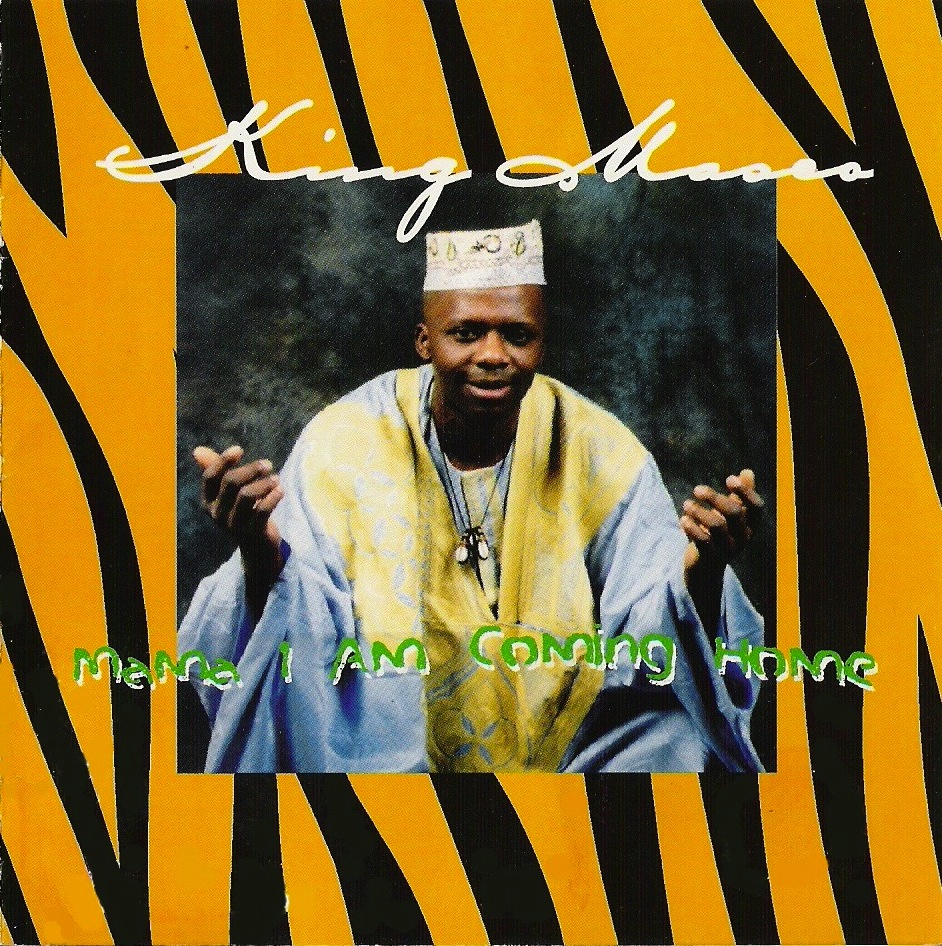
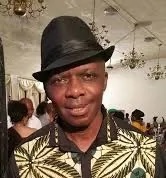
King Masco
Freetown, capital of Sierra Leone, vibrates to the rhythm of African dances long before Western sounds arrived. Emmanuel Olu Palmer, nicknamed King Masco, was born in this city in the 1950s1 and dedicated more than fifty years to getting European audiences dancing. Based in London since the 1980s, this musician, singer and producer transports West African rhythms across the Atlantic, blending Krio, the creole language of Sierra Leone, and English. His path crosses that of Bunny Mack, the superstar from the Sierra Leonean diaspora.
En bref
| Full name | Emmanuel Olu Palmer |
| Stage name | King Masco |
| Birth | Around 1950, Freetown, Sierra Leone |
| Current residence | London, United Kingdom |
| Field | Afrodance, afrobeat, West African dance music |
| Language | Krio, English |
| Notable works | “Take Me For What I Am”, “Mama I Am Coming Home”, “Change” |
| Awards | Black Music Award 1980; Pan African Arts & Music Award 1994; Musician of the Year 1998/1999 |
Key dates
| Year | Event |
|---|---|
| Around 1950 | Birth in Freetown, Sierra Leone |
| 1964 | Release of first single “Africa Love” |
| 1980 | Black Music Award for Best African Artist; collaboration with Bunny Mack on “I Really Love You” |
| 1986-1987 | Singles “Party Jam” and “Dancing Party” |
| 1988 | Release of album “Take Me For What I Am” |
| 1991 | Release of album “Oh Masco” |
| 1994 | Pan African Arts & Music Award for Best London Group |
| 1997 | Pan African Music Award for Best Album with “Mama I Am Coming Home” |
| 1998-1999 | Elected Musician of the Year by United Artist of Sierra Leone (UK Branch) |
| 1999 | Release of album “Change” |
| 2000 | Release of “My Mother’s Land” |
Origins and early musical steps
Emmanuel Olu Palmer was born in Freetown, far from the artistic scene2. He discovered music at a very young age and began his professional career in the 1960s, publishing his first single “Africa Love” in 1964 under the name King Masco. In the 1970s and 1980s, he performed in Sierra Leone and Guinea-Bissau, a neighboring country, where he refined his style. He then developed a musical formula that fuses traditional West African rhythms with the disco and funk influences of the 1970s, creating an infectious and universal dance sound.
In 1980, King Masco made a notable appearance as a guest artist on the track “I Really Love You” by Bunny Mack, a recording made at the CBS studio in Freetown3. This collaboration placed him on the international stage and opened doors to the British market. He then settled in London, where he assembled a band of musicians and dancers from the West African coast, thereby creating a complete show: music, singing and choreography combined.
Recognition in the UK and international tours
In London, King Masco quickly conquered concert halls and African music festivals. His stage performances are described as electric and captivating, with crowds leaving “with memories of the King, King Masco, the King of African Dance Music”4.
He was crowned “Musician of the Year” in 1998 and 1999 by United Artist of Sierra Leone (UK Branch), an homage that recognizes his impact on the Sierra Leonean community in the United Kingdom5. On stage, he sings primarily in Krio — this variety of English creole spoken in Sierra Leone — while alternating with English tracks to reach a wider audience.
King Masco has toured in West Africa and the United Kingdom, sharing his music between the diaspora and local audiences.
Major works
| Work | Year | Why it is essential |
|---|---|---|
| “Africa Love” | 1964 | First single, marks the beginning of a career lasting more than 50 years |
| “Take Me For What I Am” | 1988 | Became the anthem of his fans, a classic of the diaspora |
| “Mama I Am Coming Home” | 1997 | Album crowned by the Pan African Music Award for Best Pan-African Album |
| “Change” | 1999 | Last album on Stern’s Records, production and arrangements by King Masco |
| “My Mother’s Land” | 2000 | Full-length album with 11 tracks, collaborates with De Champ and diaspora musicians |
Legacy
King Masco is a major figure in African diaspora music in Europe. For more than five decades, he has carried the sounds of Sierra Leone and the West Coast across continents, dancing before packed halls6. Beyond the stage, he dedicates part of his time to raising funds for education in Sierra Leone, supporting educational projects from his native land.
Sources and references
Encyclopedias
-
Hypermuse, King Masco — also known as Emmanuel Olu Palmer, genres African Music ↩︎
-
World Music Central, King Masco to Bring the Best of African Dance Music to London, August 19, 2009 ↩︎
-
I Rep Salone Media, Interview with King Masco – Entertainer and Music Artist, August 3, 2016 ↩︎
-
AllMusic, King Masco, accessed October 28, 2026 ↩︎
-
SwitSalone, Sierra Leone Mourns: My Sweetie crooner, Bunny Mack dead at 69, July 11, 2015 ↩︎
-
Irish Times, World music and cultures in small but perfect scale, August 22, 2003 ↩︎