Biography
África Negra: the sound that linked the islands of São Tomé and Príncipe
In 1974, a butcher from São Tomé named Horacio and his guitarist friend Emilio Pontes wanted to name their group África Negra. The Portuguese colonial authorities refused—a name deemed subversive. The group renamed itself Girasol until the wind of independence blew. A year later, in 1975, it finally took the name Conjunto África Negra and became, over five decades, the most-listened-to musical ambassador of São Tomé and Príncipe1.
In brief
| Group name | Conjunto África Negra |
| Origin | São Tomé, São Tomé and Príncipe |
| Genres | Puxa—traditional rhythm of the islands—, Congolese soukous, rumba, semba |
| Active period | 1974–1992, 2012–present |
| Founding members | Horacio (butcher-guitarist), Emilio Pontes (guitarist) |
| Notable members | Emídio Vaz (lead guitar), Leonídio Barros (rhythm guitar), João Seria (vocals) |
| Language | Sãotomense (São Tomé creole) |
Key dates
| Year | Event |
|---|---|
| 1972 | Formation of the first group, Conjunto Milando |
| 1975 | Adoption of the name África Negra at dawn of independence |
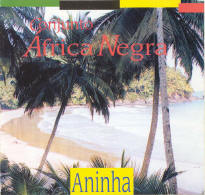
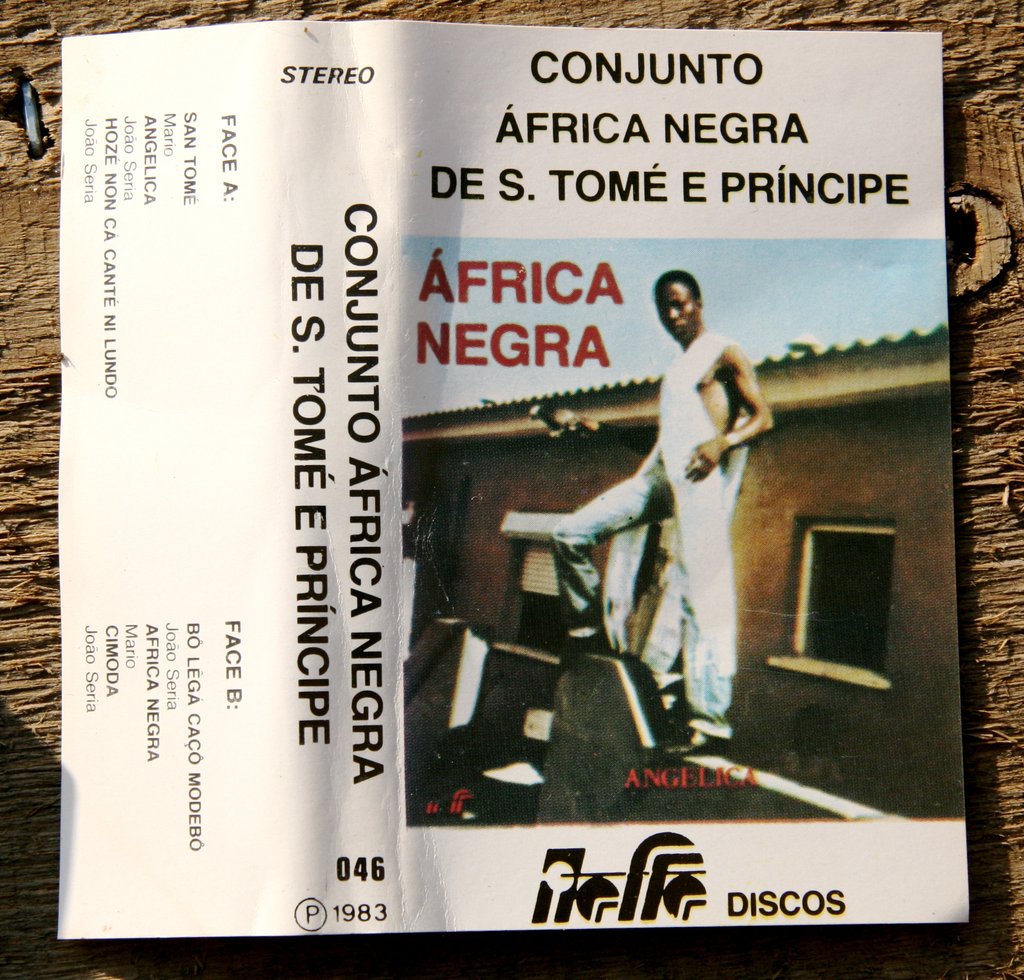
| 1981 | First album, Aninha, on the Iefe label |
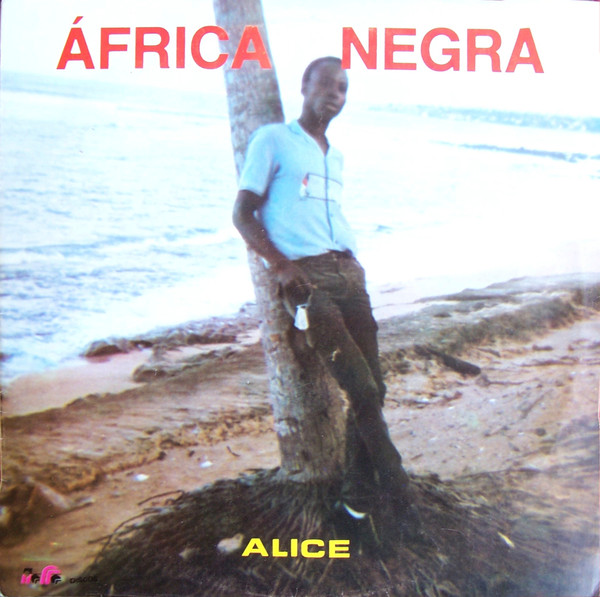
| 1983 | Alice, third album of the year |
| 1986 | Cassette San Lena |
| 1989 | Start of exile in Cape Verde |
| 1996 | Group dissolution |
| 2012 | Official reunion |
| 2023 | Death of João Seria at age 74 |
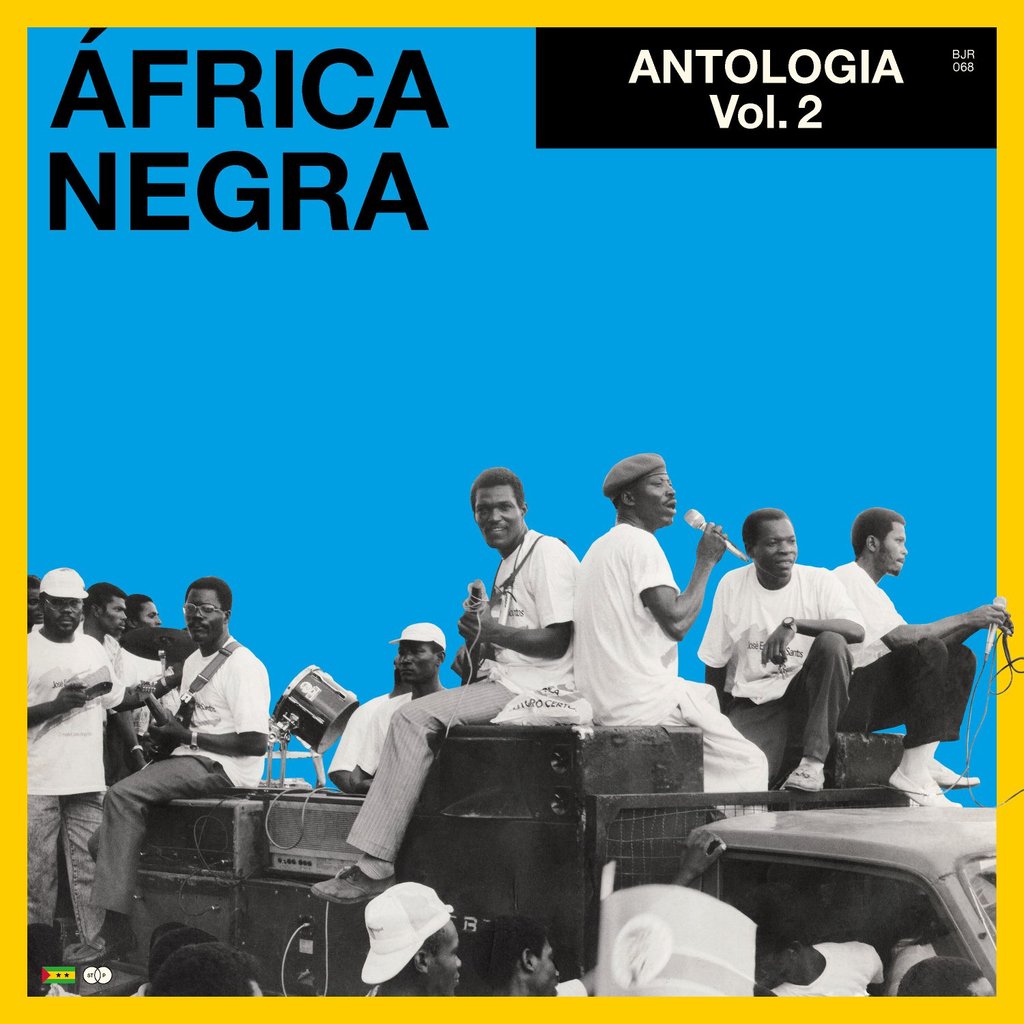
| 2024 | Antologia Vol. 2 |
Musical journey
África Negra was born in the island capital of São Tomé, mid-1970s. Horacio, by trade a butcher, and Emilio Pontes, guitarist, met after work and formed Conjunto Milando in 1972. The Portuguese colonial authorities rejected the name África Negra, deemed subversive, and the group settled on Girasol until independence in 19752.
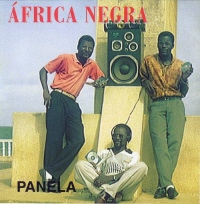
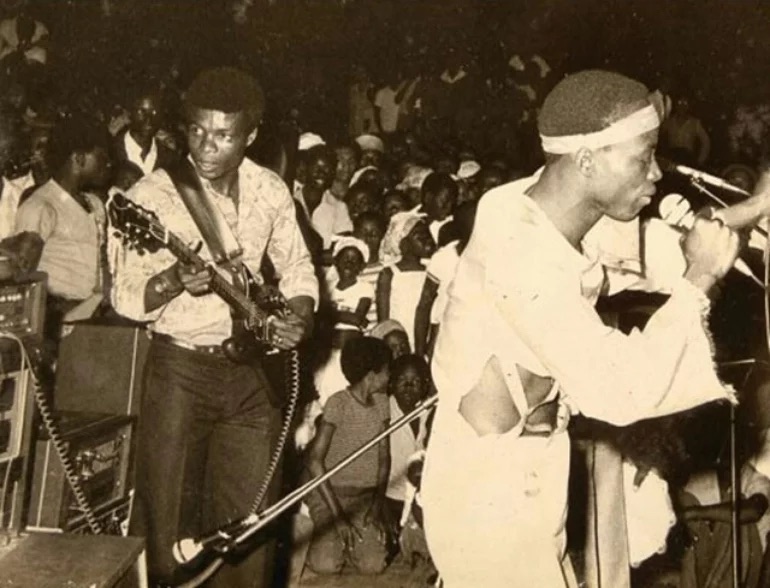
The lineup expanded quickly: Emídio Vaz on lead guitar, Leonídio Barros on rhythm, and João Seria, formerly of Conjunto Cabana, on vocals. Seria, nicknamed “The General”3 because he wore a military beret on stage, borrowed his style from Martinho da Vila and the Congolese Franco Luambo.
The sound of África Negra rests on puxa—traditional island rhythm played at a frantic pace—intertwined with Congolese soukous, Angolan semba, and Caribbean rumba. All is sung in sãotomense, with lyrics oscillating between humor and social critique telling the story of cacao and coffee plantations. The group built its fame on fundões4, these outdoor dance evenings that gathered Creole, Cape Verdean, Angolan, and Mozambican communities. In the 1980s, África Negra counted up to twelve members, including a four-voice brass section—a rarity for a São Tomé formation.
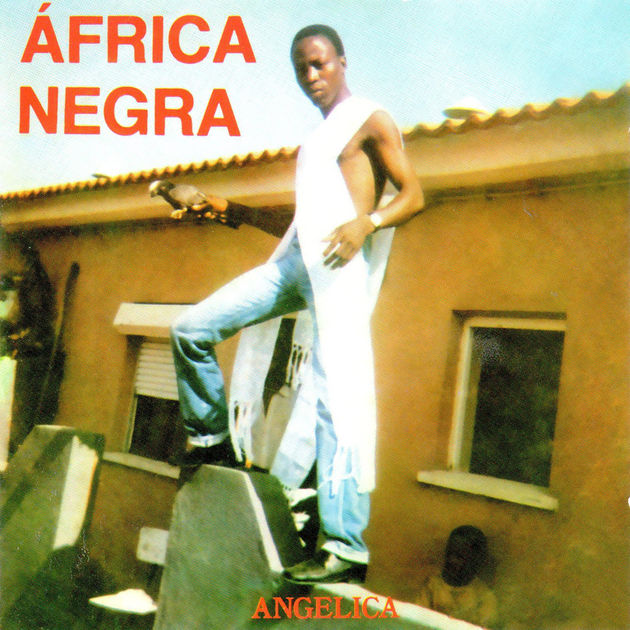
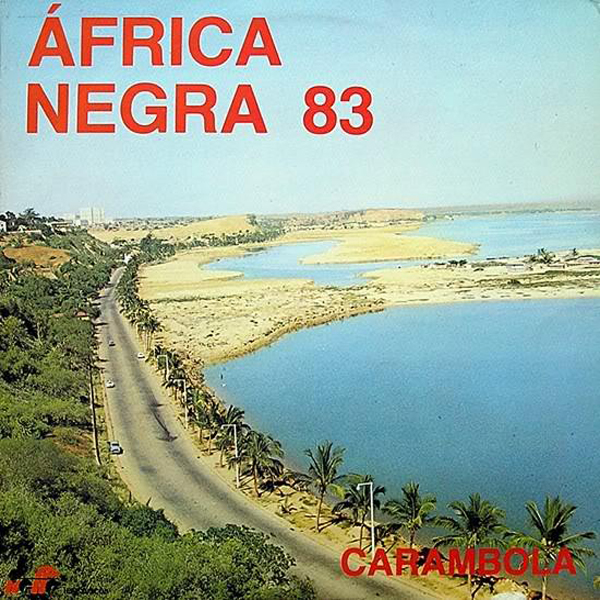
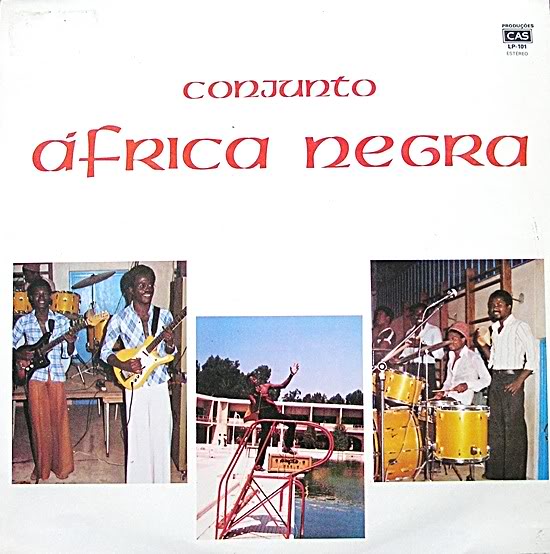
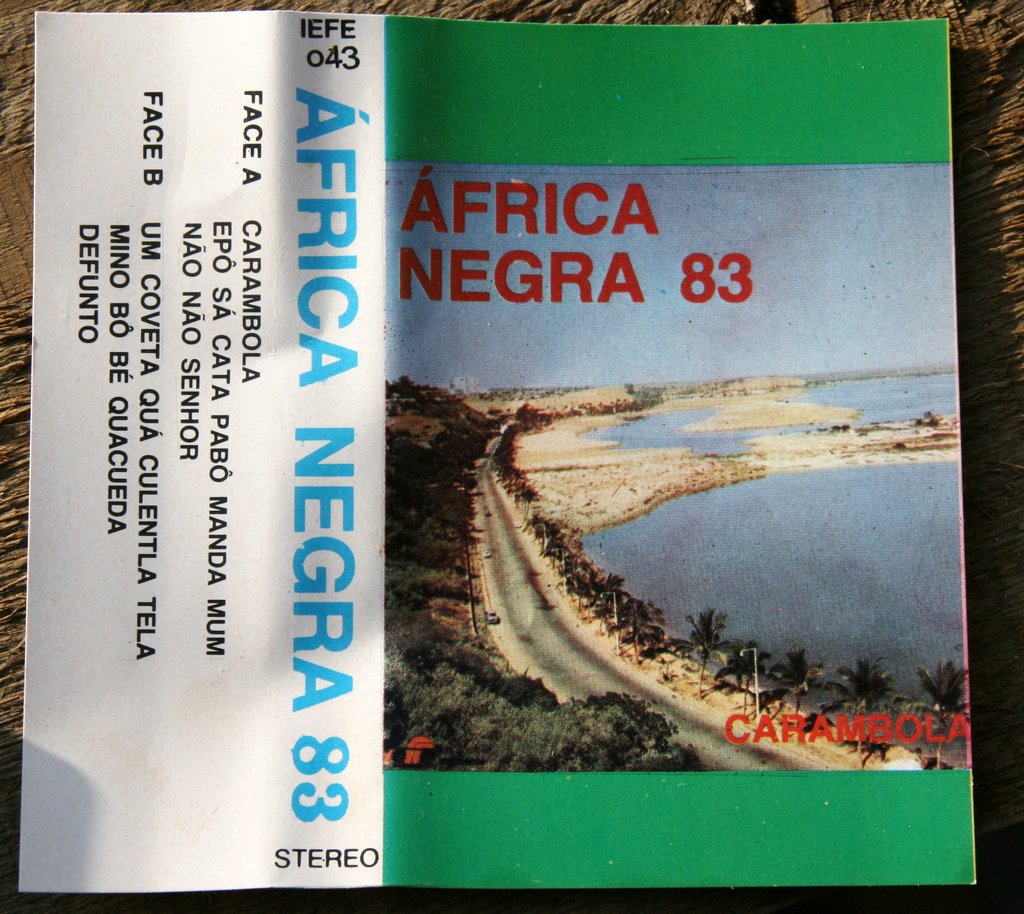
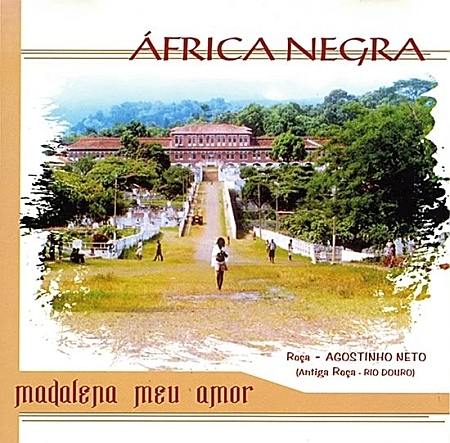
Recorded at the Rádio Nacional de São Tomé studio, too cramped to hold the whole group5, the 1980–1986 production was prolific: Aninha (1981), Conjunto África Negra and Alice (1983), the cassette San Lena (1986), all published by the Lisbon-based label Iefe.
In the 1980s–90s, the group toured Lusophone Africa and Portugal, reaching a quasi-cult status in Colombia. In 1989, three members (including Seria) settled in Cape Verde, triggering radical changes. The group released four albums between 1990 and 1991, then three CDs between 1995 and 1996, before dissolving. “Cape Verde ruined everything. Of the seven departures, four returned,” Barros would say6.
Major works
| Work | Year | Why it’s essential |
|---|---|---|
| Aninha | 1981 | First album, founding anthem including the classic “Vence Vitória” |
| Alice | 1983 | Synthesis of influences (puxa, soukous, highlife) |
| San Lena | 1986 | Raw-sound cassette, preserved for Antologia Vol. 2 |
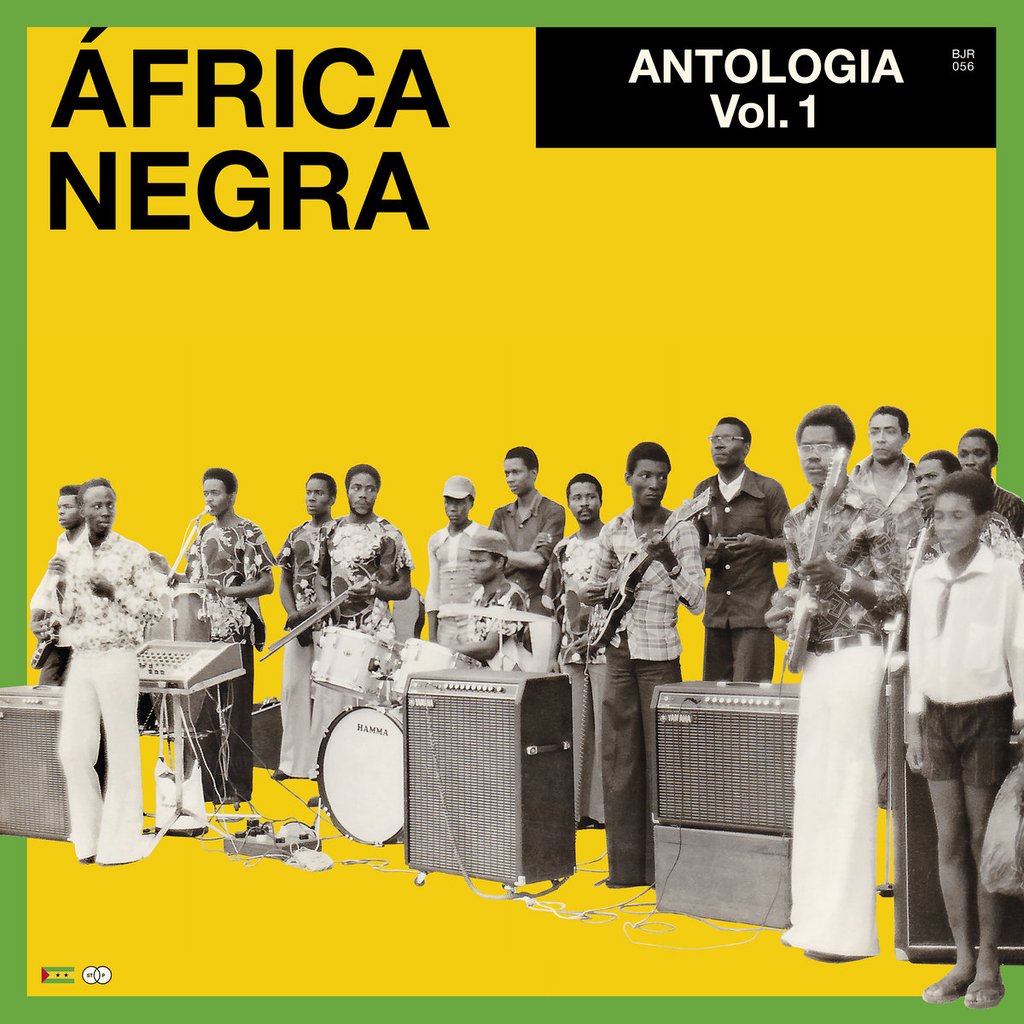
| Antologia Vol. 1 | 2022 | 12 remastered tracks, international revelation |
| Antologia Vol. 2 | 2024 | 13 unreleased tracks (1979–1990), boundless creativity |
Legacy
África Negra is undoubtedly the most important group of São Tomé and Príncipe. Its sound—puxa, soukous, rumba, and social critique—shaped the musical identity of an island and continues to inspire generations. The reissue of its work by Swiss label Bongo Joe Records, starting in 2022, allowed the world to rediscover these sparkling melodies and pulsating bass lines. After a five-decade career, the group, now led by Leonídio Barros living in Lisbon, continues to tour7.
Sources and references
- “Africa Negra”, Wikipedia (EN), https://en.wikipedia.org/wiki/%C3%81frica_Negra, accessed October 24, 2026.
- “Artist Profiles: África Negra”, World Music Central, https://worldmusiccentral.org/artist-profiles-africa-negra, accessed October 24, 2026.
- “Africa Negra: the cult group of São Tomé will soon have its anthology”, Pan African Music, February 15, 2022, accessed October 24, 2026.
- “Album Review: África Negra — Antologia Vol. 2”, KLOF Mag, August 2024, accessed October 24, 2026.
- Antologia Vol. 1, Africa Negra Bandcamp, https://africanegra.bandcamp.com/album/antologia-vol-1, accessed October 24, 2026.
- África Negra discography, Discogs, https://www.discogs.com/artist/2622547-frica-Negra, accessed 24 October 2026.
-
Africa Negra: the cult group of São Tomé will soon have its anthology, Pan African Music, February 15, 2022, accessed October 24, 2026. ↩︎
-
África Negra, Wikipedia (EN), accessed October 24, 2026. ↩︎
-
Artist Profiles: África Negra, World Music Central, accessed October 24, 2026. ↩︎
-
Album Review: África Negra — Antologia Vol. 2, KLOF Mag, 2024, accessed October 24, 2026. ↩︎
-
Artist Profiles: África Negra, World Music Central, accessed October 24, 2026. ↩︎
-
África Negra, Discogs, accessed October 24, 2026. ↩︎
-
Album Review: África Negra — Antologia Vol. 2, KLOF Mag, 2024, accessed October 24, 2026. ↩︎