Island music at the heart of the Gulf of Guinea
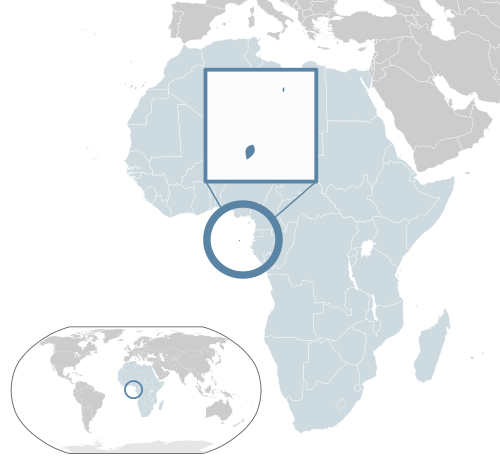
São Tomé and Príncipe, an archipelago of two islands off the coast of Cameroon and Equatorial Guinea, possesses a unique music born from the blend of Portuguese and African heritages. The population is predominantly descended from slaves imported from the continent (Angola, Mozambique, Benin) and freed convicts.
Traditional rhythms: Seva, socopé, and ússua
The seva (or sevâ) is the iconic traditional rhythm of São Tomé and Príncipe. It is a dance music style characterized by syncopated rhythms and singing in Creole Portuguese. The socopé is another popular traditional rhythm, slower and dance-oriented, typical of the islands. The ússua is a traditional African dance rhythm characterized by strong rhythms and hip movements. These three musical genres constitute the heart of island music.
Angolan and Portuguese influence
The musical culture of São Tomé and Príncipe is deeply influenced by Angola (Portuguese language, Angolan musical traditions) and Portugal. The islands were an important stop on the slave route: many captives transiting between Angola and Brazil brought with them rhythms and instruments. The Angolan kizomba, the tchiloli (dramatic song of Angola) and Brazilian music have deeply marked the repertoire of the islands.
The contemporary music scene
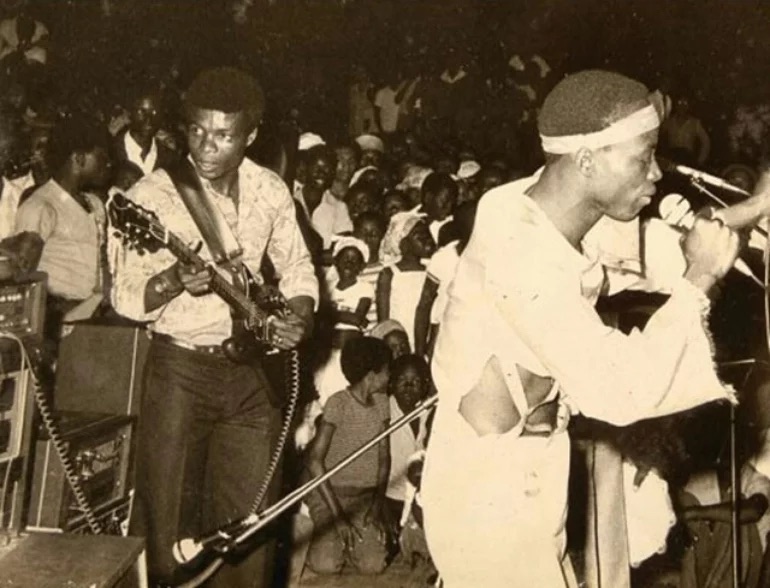
The modern music scene of São Tomé and Príncipe includes international artists like Bito, Nedelfino Dias and Bilhote. The group Mazungo contributed to popularizing São Tomé music in Lusophone countries. Contemporary seva often fuses traditional rhythms with funk, soul and Caribbean music.
Traditional instruments of São Tomé and Príncipe
- Djembé — African goblet drum used in traditional ceremonies
- Tam-tam — large cylindrical drum used in sevâ dances
- Balafon — Mande xylophone with gourd resonators
- Sanza / Mbira — lamellophone (thumb piano) used in ceremonies
- Gourd maracas — traditional African rattles
- Violin / Portuguese vihuela — string instruments imported from Portugal
References
[1] « Music of São Tomé and Príncipe », Wikipedia, https://en.wikipedia.org/wiki/Music_of_São_Tom%C3%A9_and_Pr%C3%ADncipe. [2] « Léve Lève Vol. 2 — Africa Negra », Afropop, https://www.afropop.org/articles/l%C3%A9ve-l%C3%A8-vol-2-%C3%A1frica-negra-and-the-dance-floor-politics-of-s%C3%A3o-tom%C3%A9-pr%C3%ADncipe. [3] « Sao Tomean Music », World Music Central, https://worldmusiccentral.org/world-music-resources/musician-biographies/sao-tomean-music/.